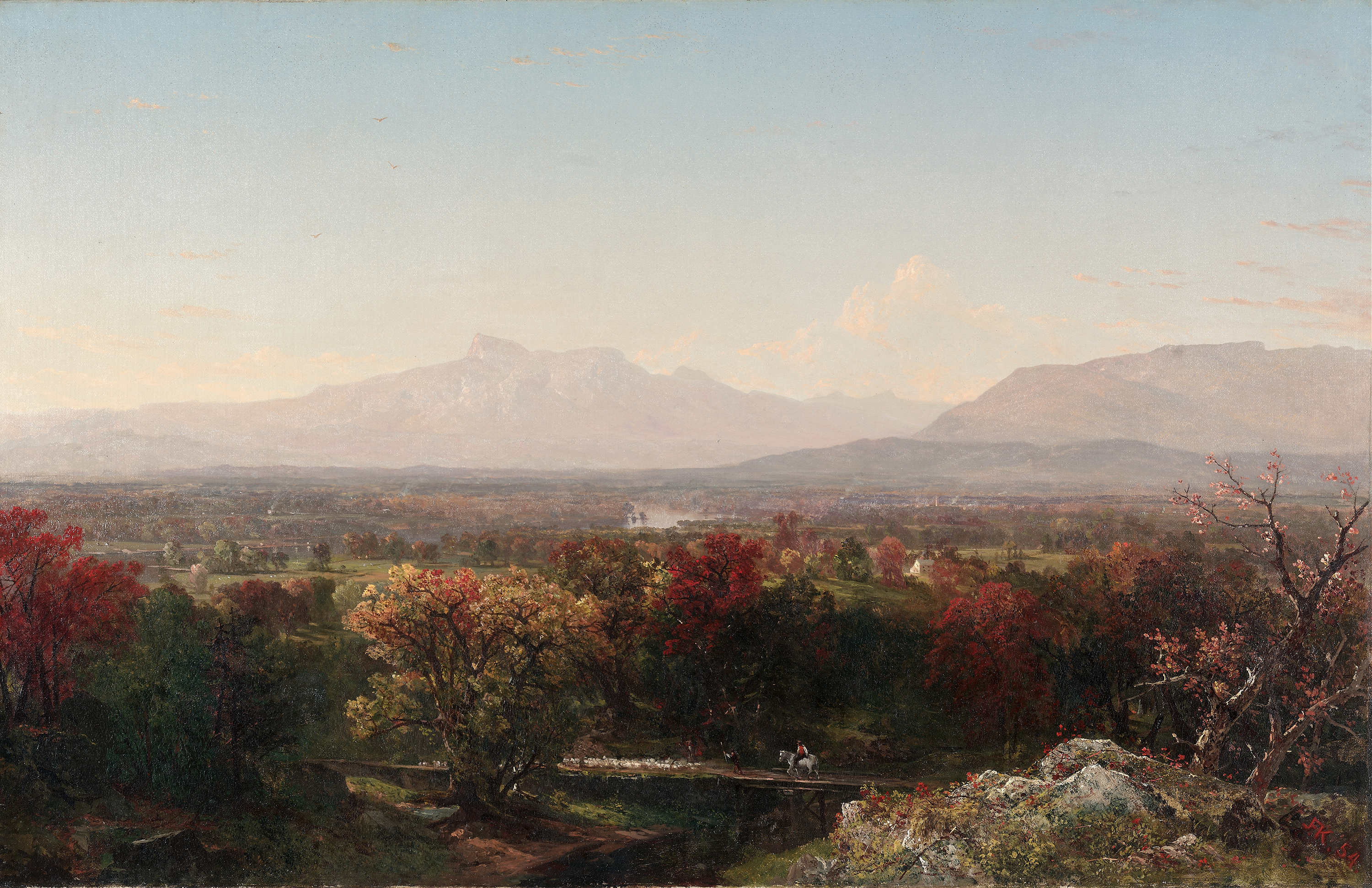
View on the Upper Mississippi — History & Analysis
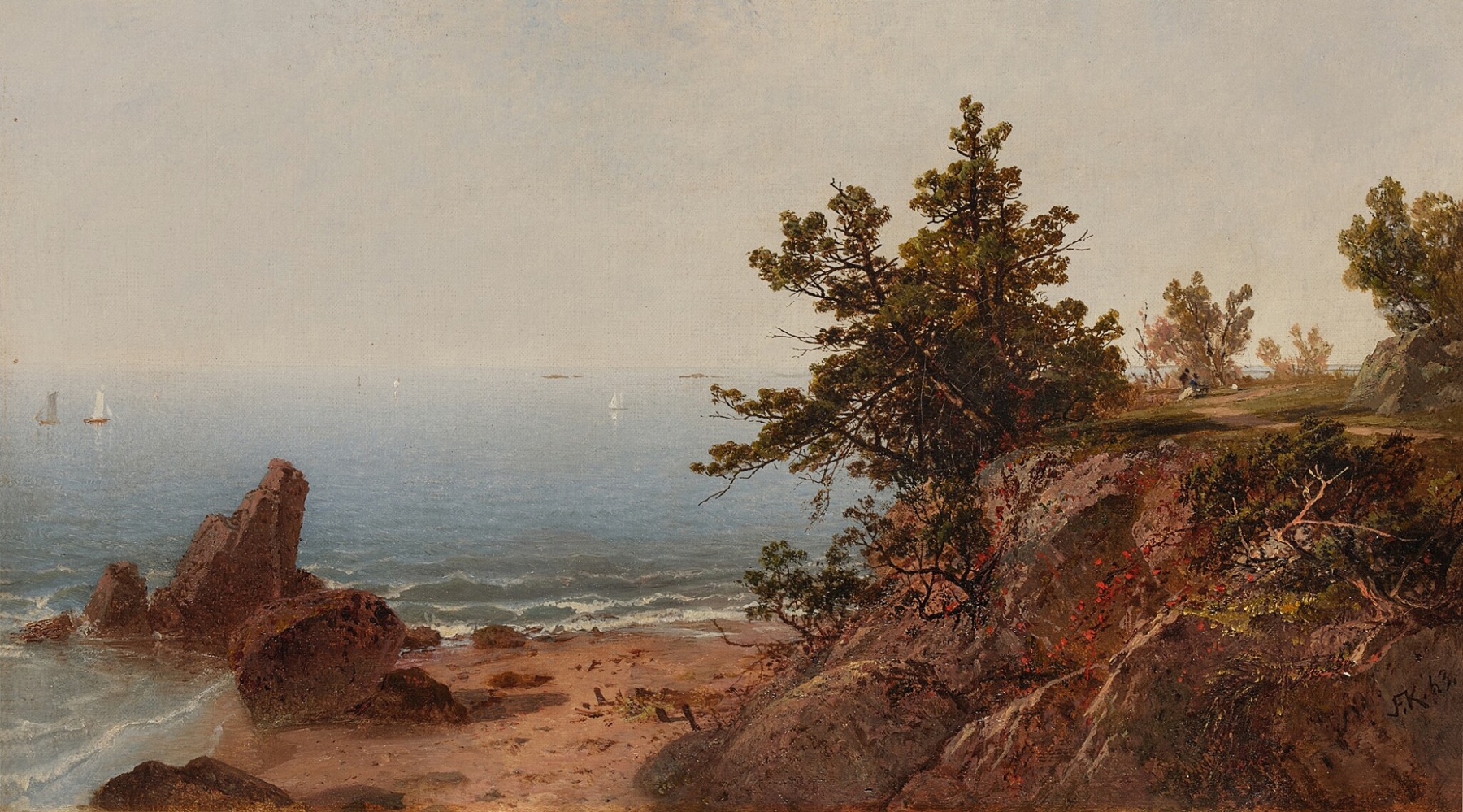
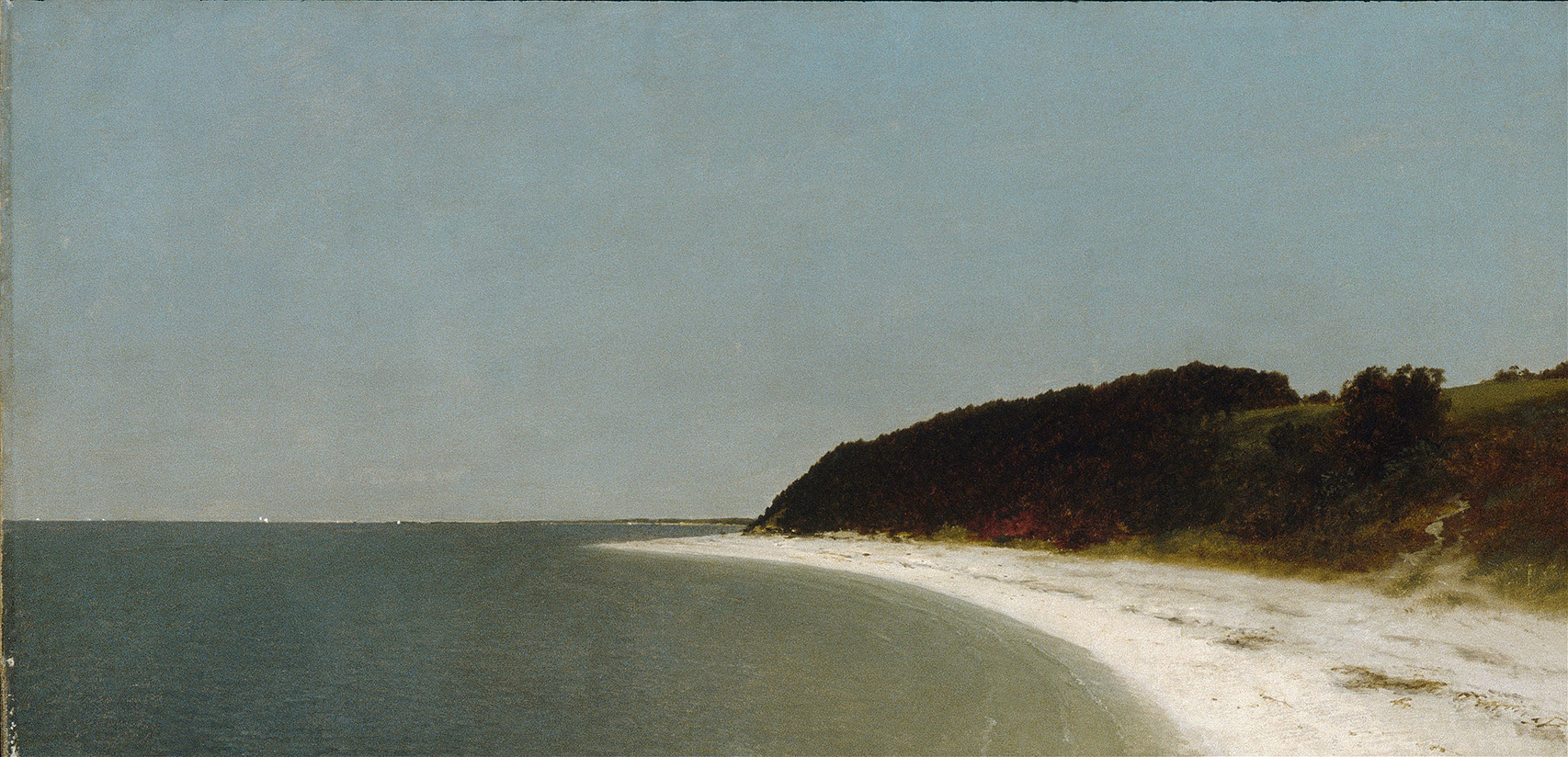
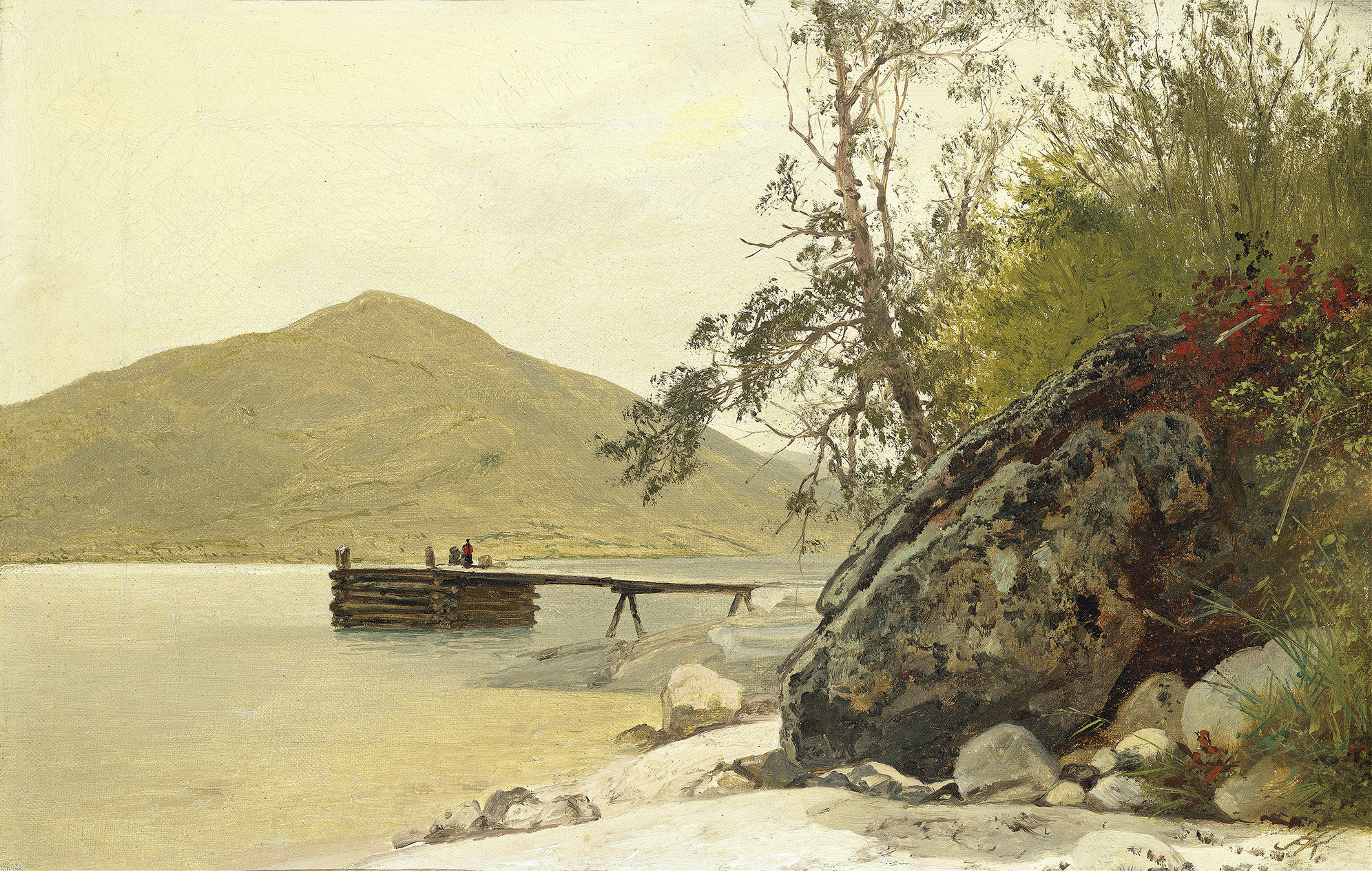
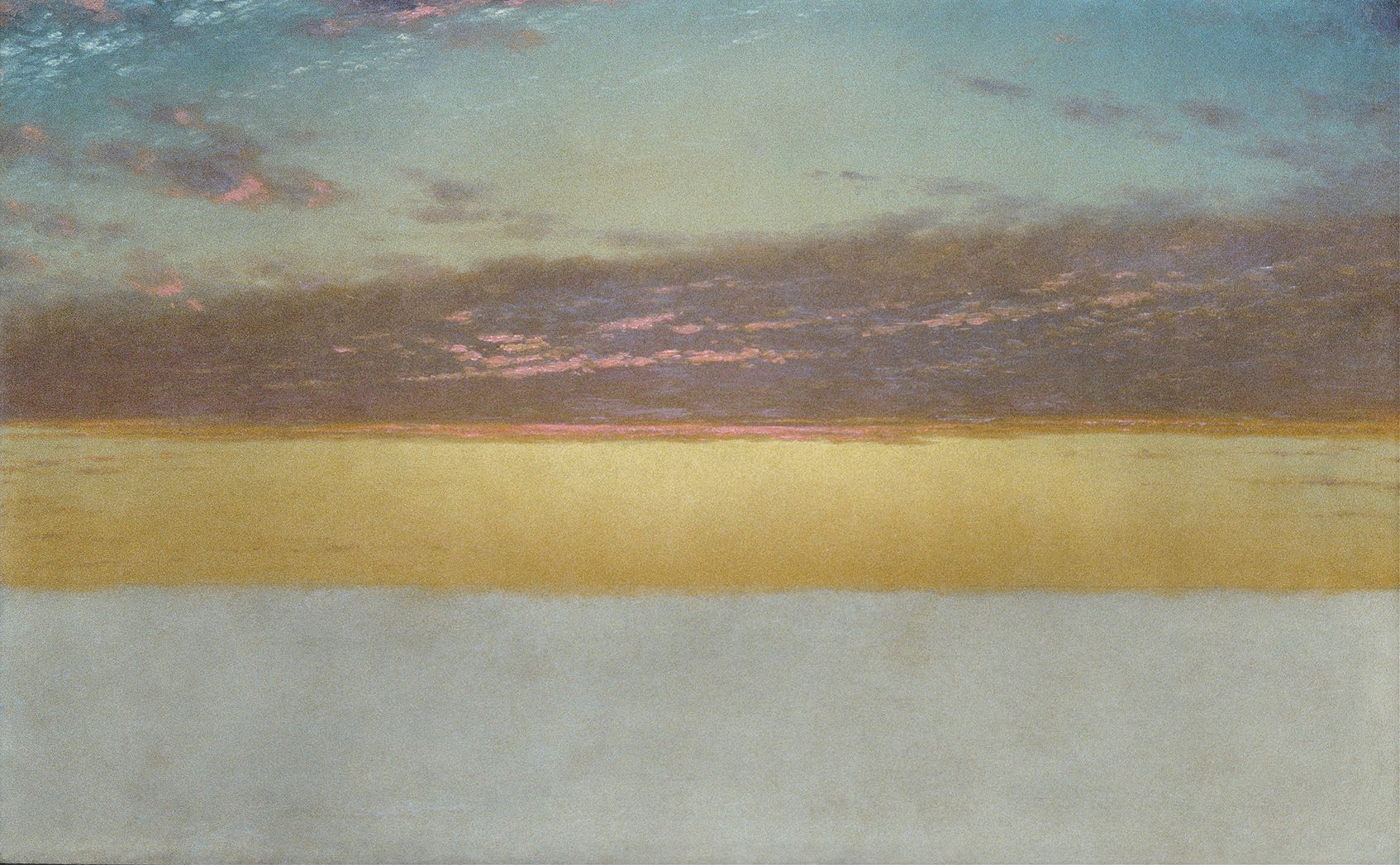
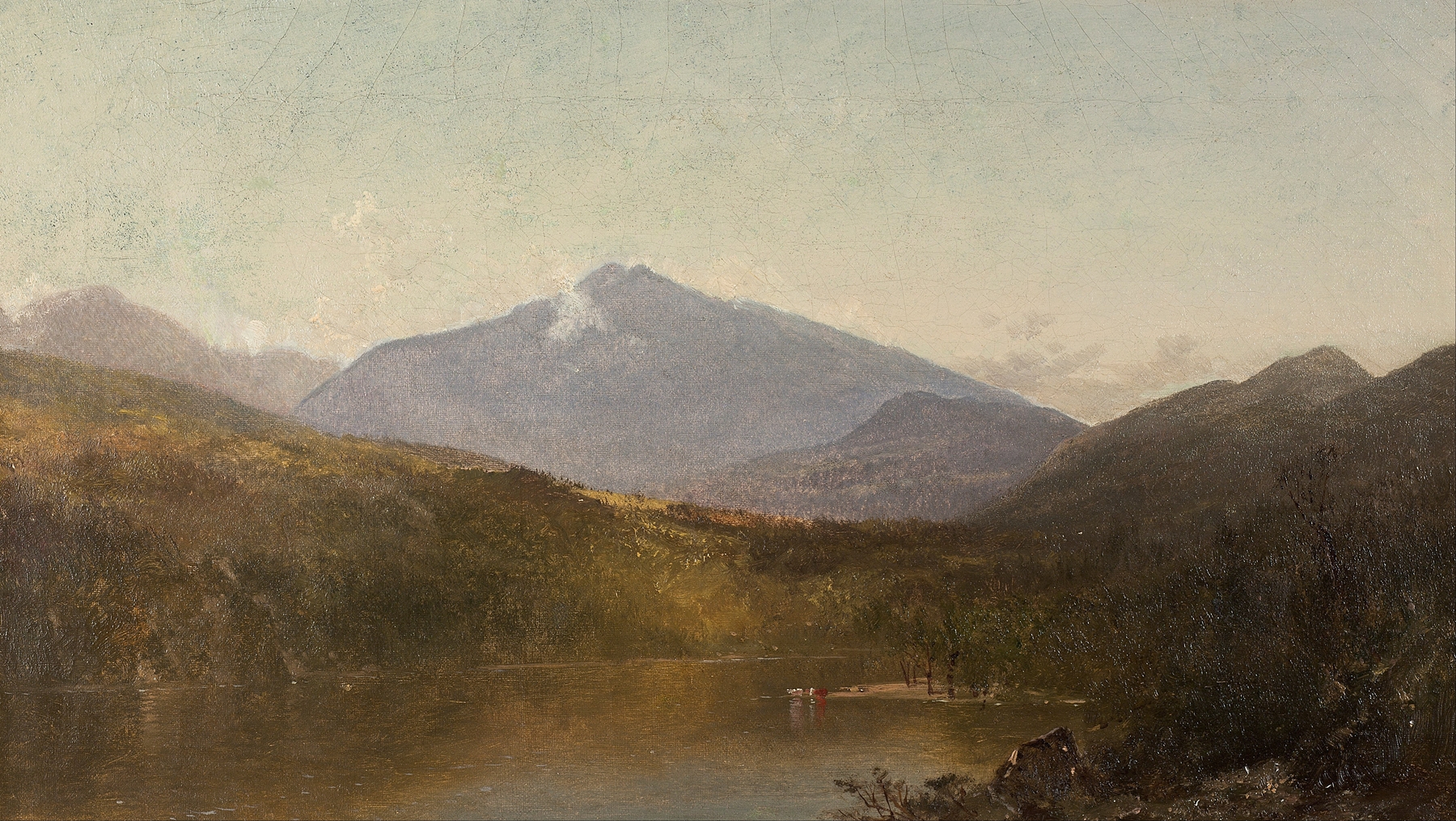
“Under the brush, chaos becomes grace.” In the delicate strokes of a master, nature transforms into a serene reflection of itself, inviting introspection and wonder. Look to the center of the canvas where the river glides effortlessly, a shimmering ribbon that threads through the landscape. Notice how the light dances upon its surface, creating a mirror-like quality that captures the surrounding trees and sky. The tranquil blues and greens envelop the scene, while accents of warm earth tones ground the composition, evoking a sense of harmony and balance.
As you explore the edges of the riverbank, subtle contrasts emerge. The lush foliage on the left, vibrant and alive, stands in conversation with the calmness of the water, capturing the duality of life and reflection. In the distance, the hazy outline of rolling hills suggests the passage of time, while the horizon blurs the boundary between earth and sky, prompting reflections on the ever-changing nature of existence.
Created in 1855, this work emerged during a time when John Frederick Kensett was deeply engaged in the American landscape movement, capturing the expanding vistas of his homeland. He painted this piece while living in New York, amidst a burgeoning interest in nature’s sublime beauty, as well as a growing national identity connected to the natural world. It showcases not only his technical prowess but also a cultural moment that celebrated the majesty of the American landscape.