View from Stalheim — History & Analysis
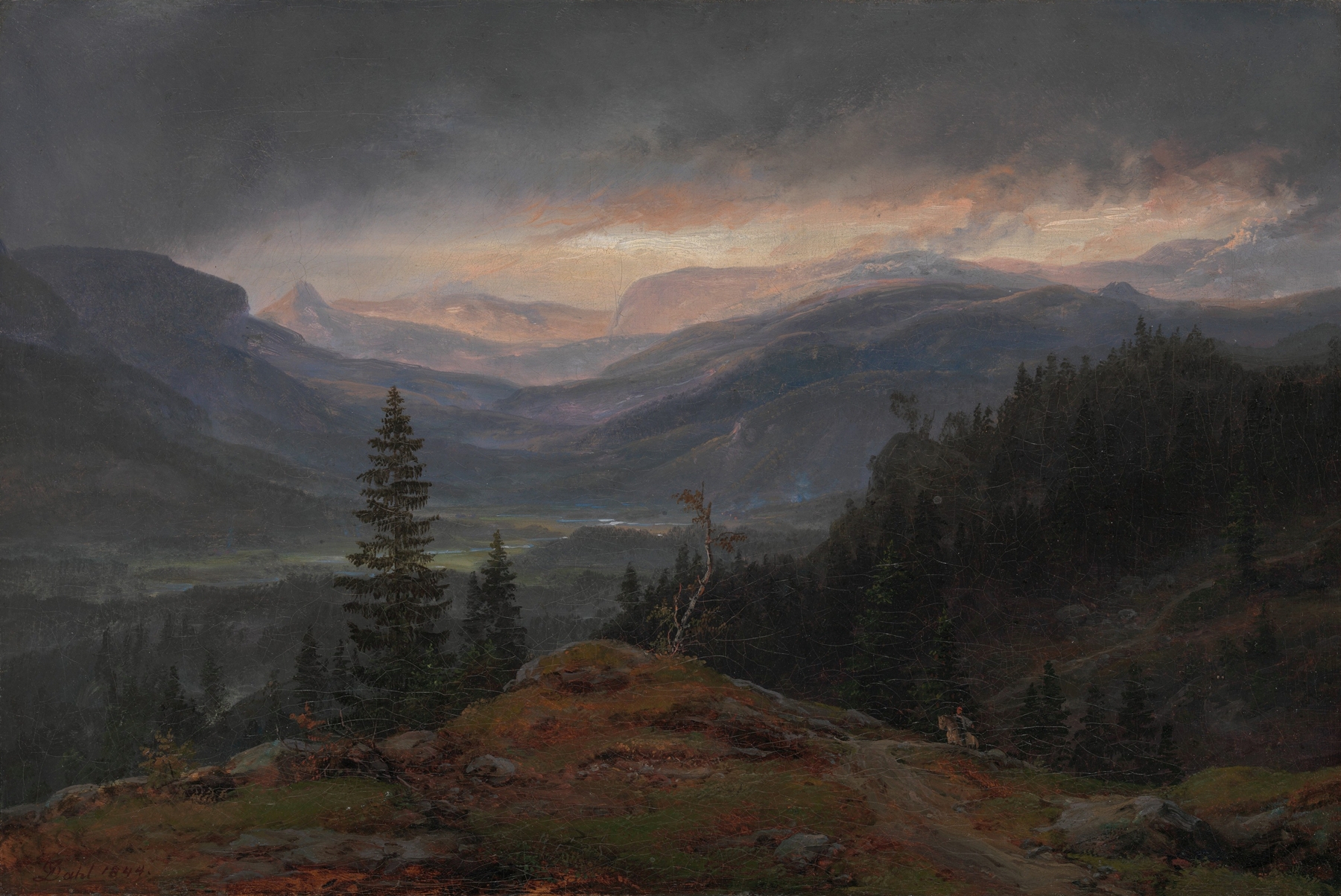
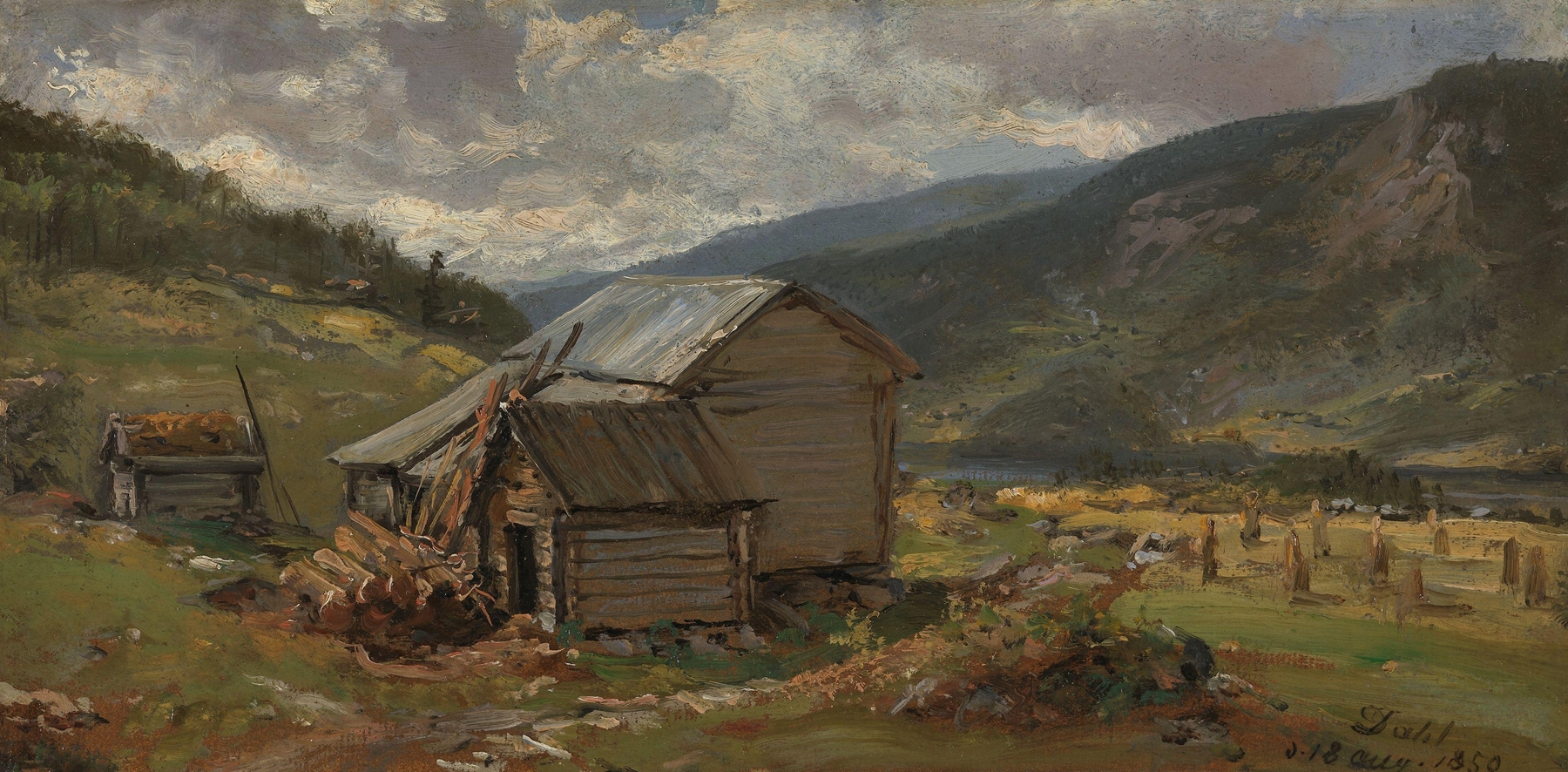
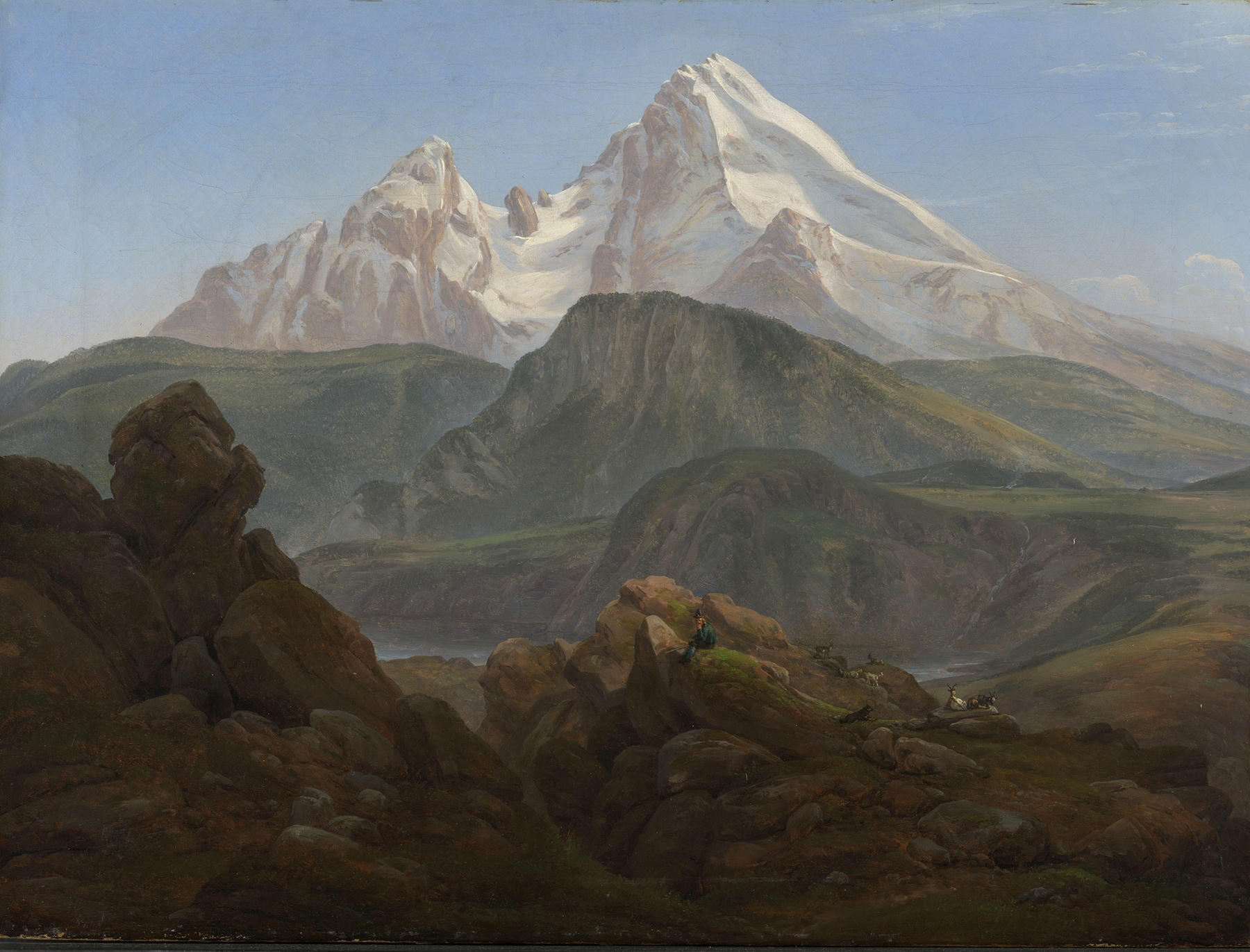
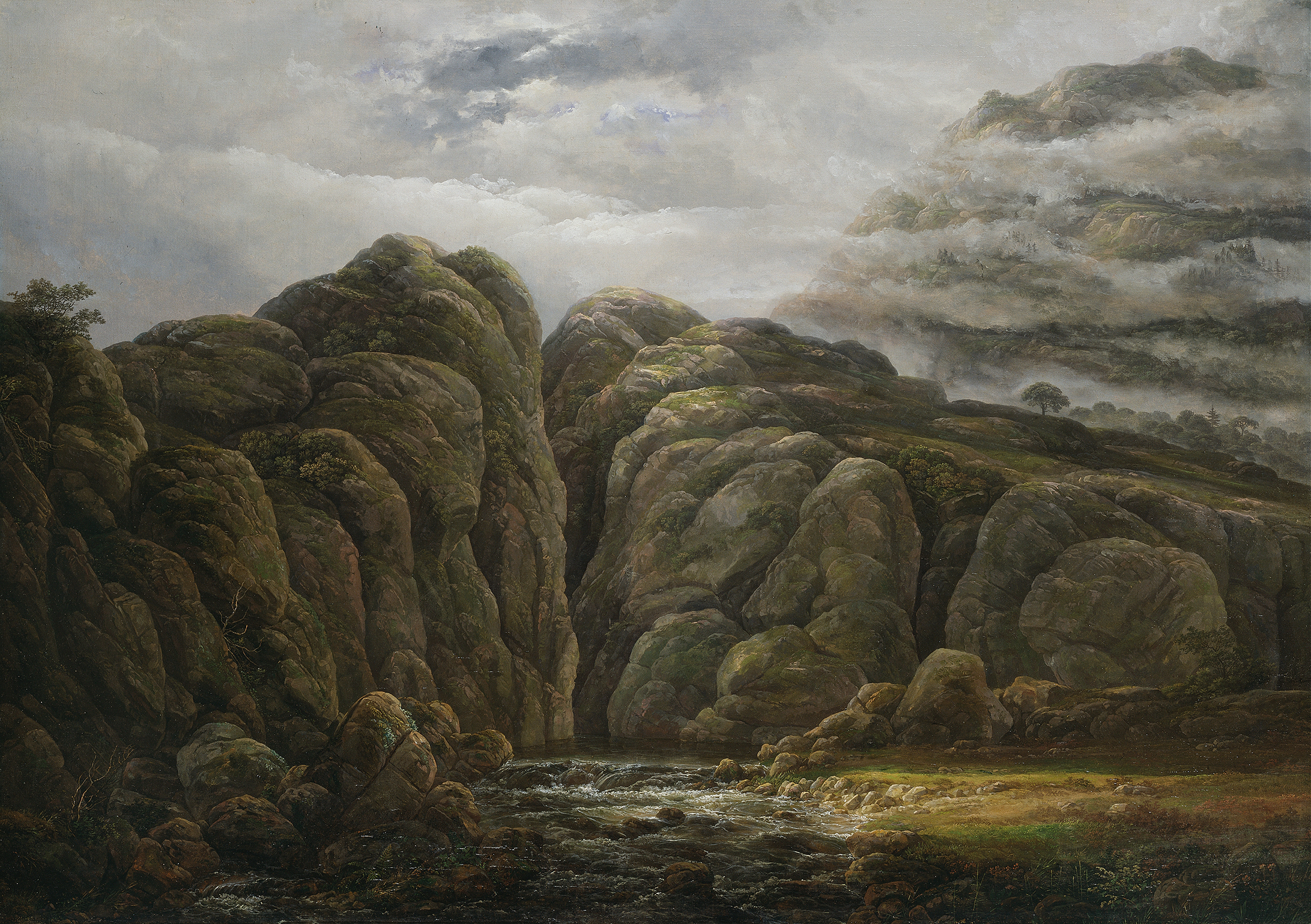
What if silence could speak through light? In View from Stalheim, tranquility radiates from every brushstroke, inviting a profound sense of peace to envelop the viewer. Focus on the sweeping panorama that unfolds across the canvas; the majestic mountains rise like silent sentinels, casting their shadows on the lush valleys below. Notice how the soft blues and greens blend harmoniously, echoing the gentle embrace of nature.
The light filters through the clouds, illuminating the scene in a delicate manner that enhances the serene atmosphere, drawing your eye toward the distant horizon where the sky meets the land. Within the composition, contrasts emerge that deepen the emotional resonance. The stillness of the water mirrors the calm above, while the rugged cliffs symbolize stability amid life’s tumult. Tiny details, such as the wisps of cloud or the distant hint of a cascading waterfall, suggest movement and life, encouraging the viewer to ponder the balance between tranquility and the forces of nature.
This harmony speaks to the viewer's longing for serenity in a chaotic world. In 1842, Johan Christian Dahl created this breathtaking landscape while living in Germany, where he was influenced by the Romantic movement that celebrated nature's grandeur. This period marked a shift in his career; Dahl sought to combine the awe of the sublime with the intimate, capturing the essence of serenity in the natural world. As he painted, Europe was undergoing profound changes, yet his focus remained steadfast on the beauty that existed untouched, a testament to enduring wilderness.