Vista from a Grotto — History & Analysis
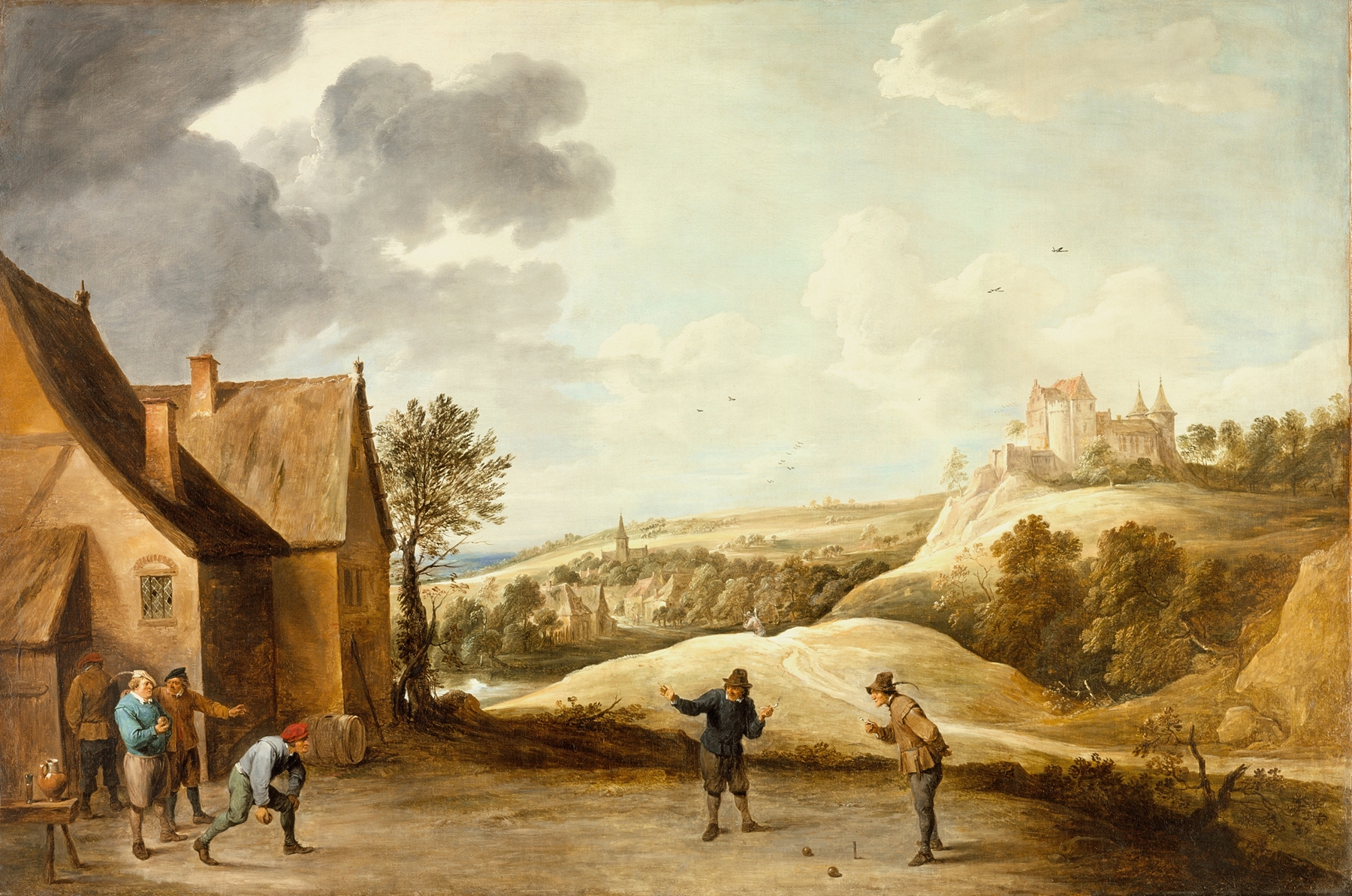
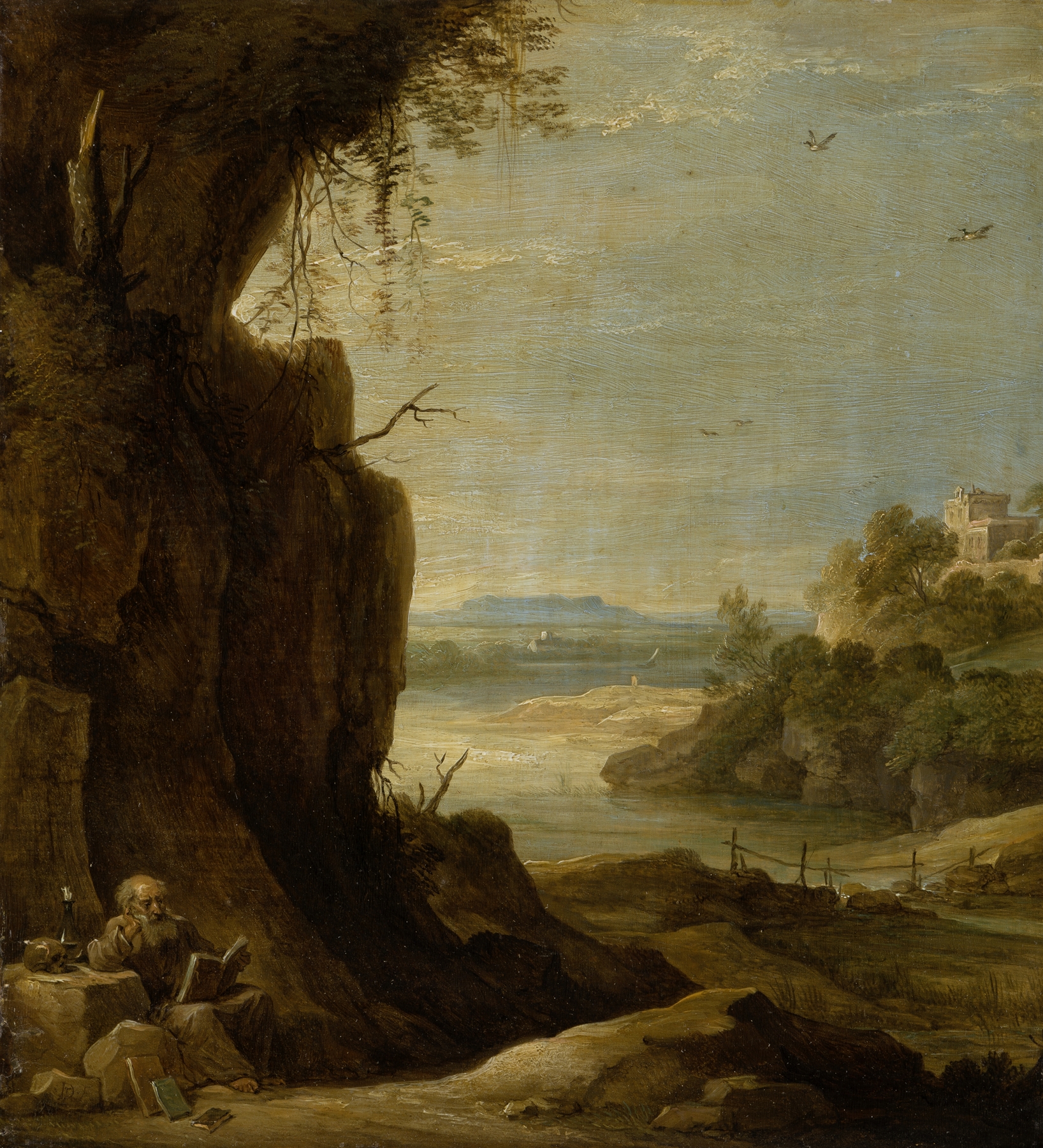
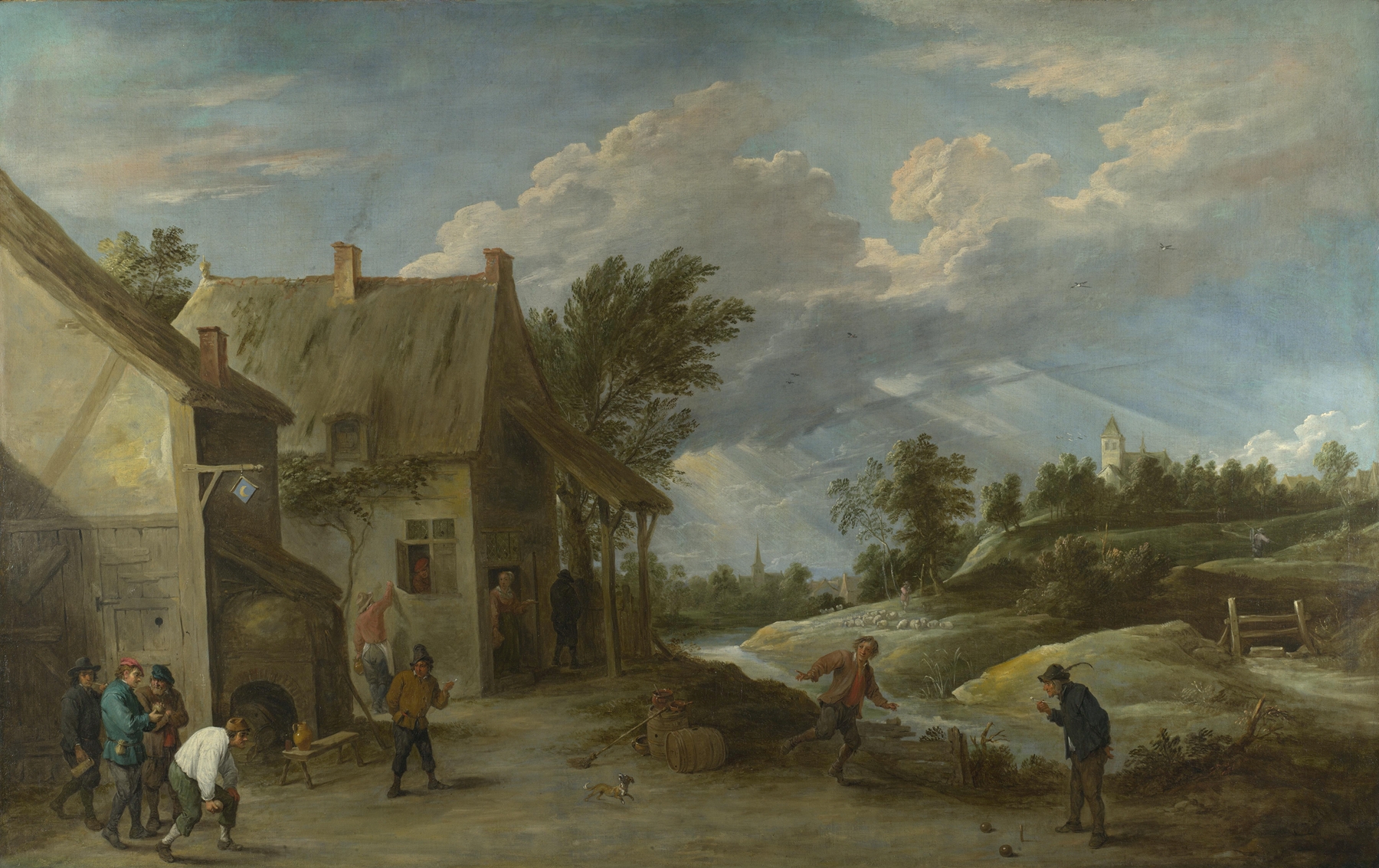
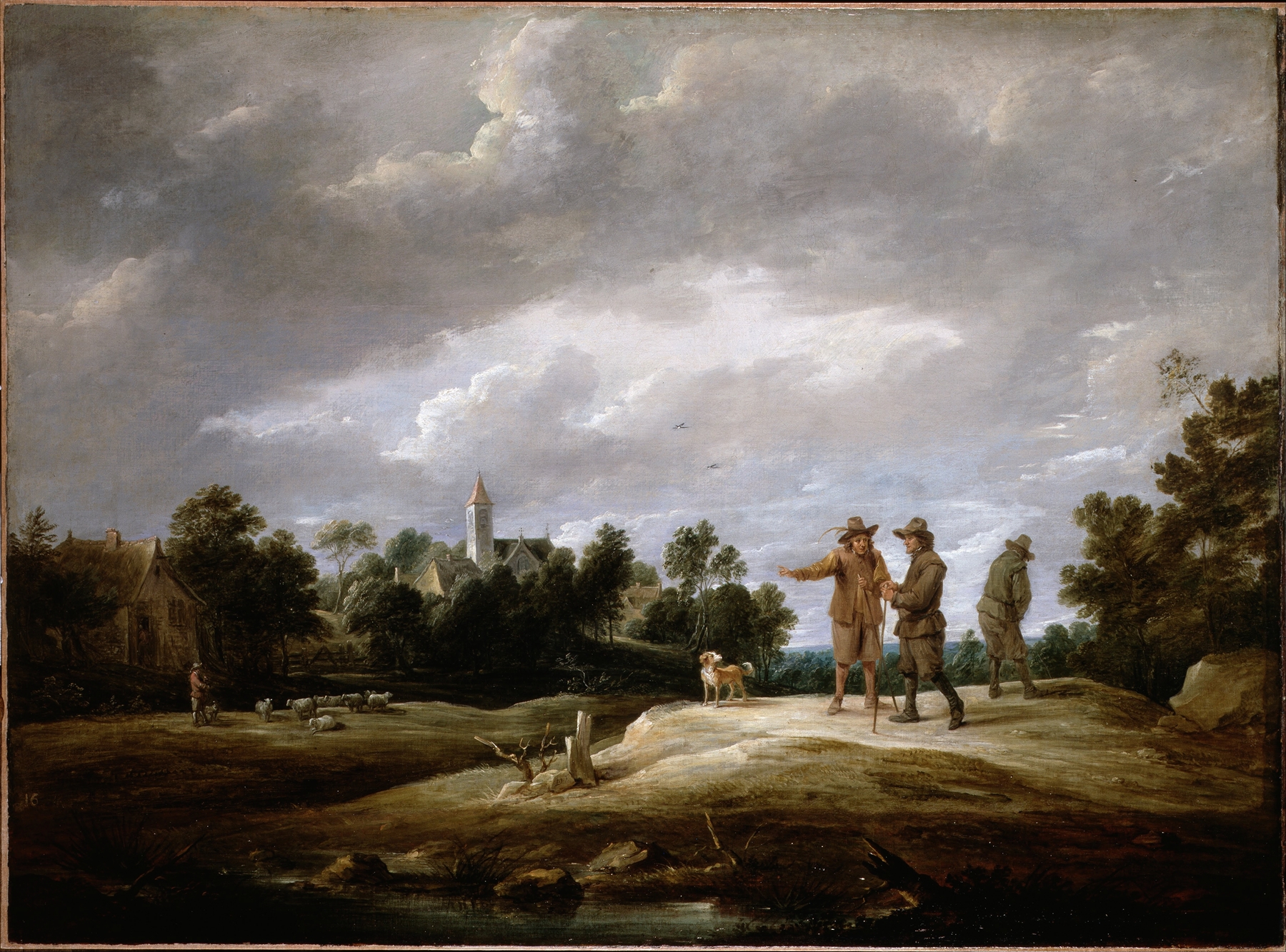
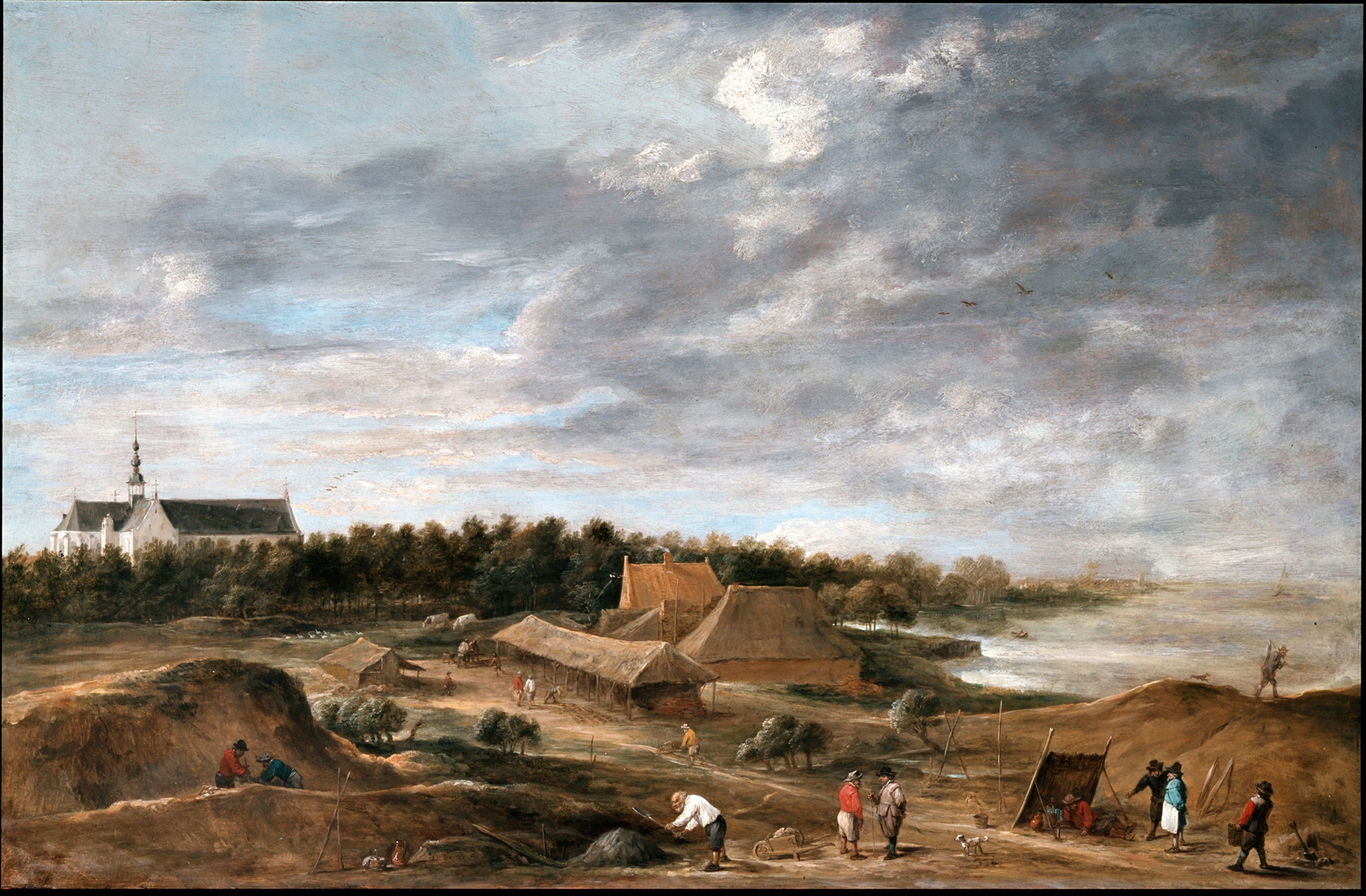
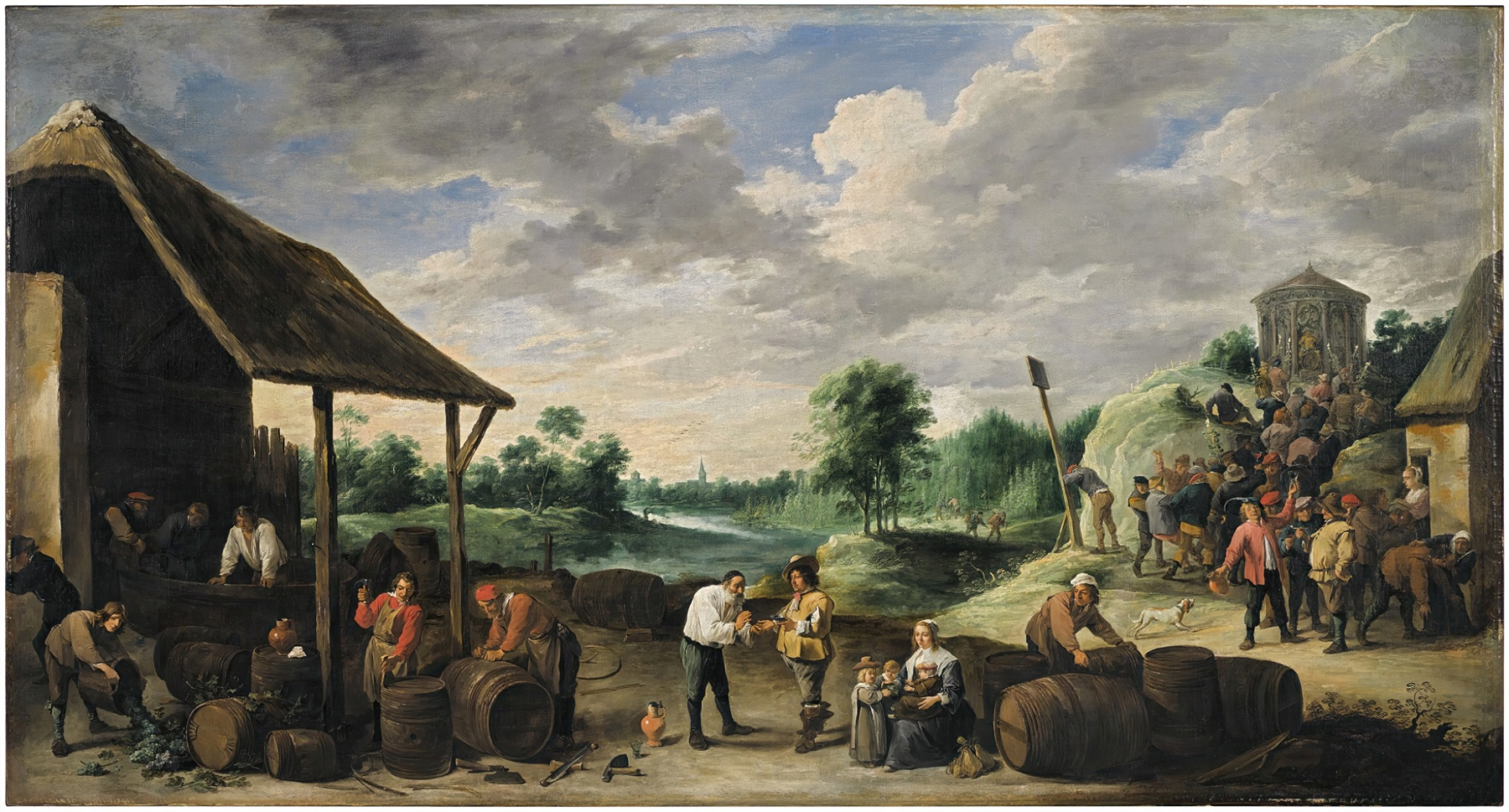
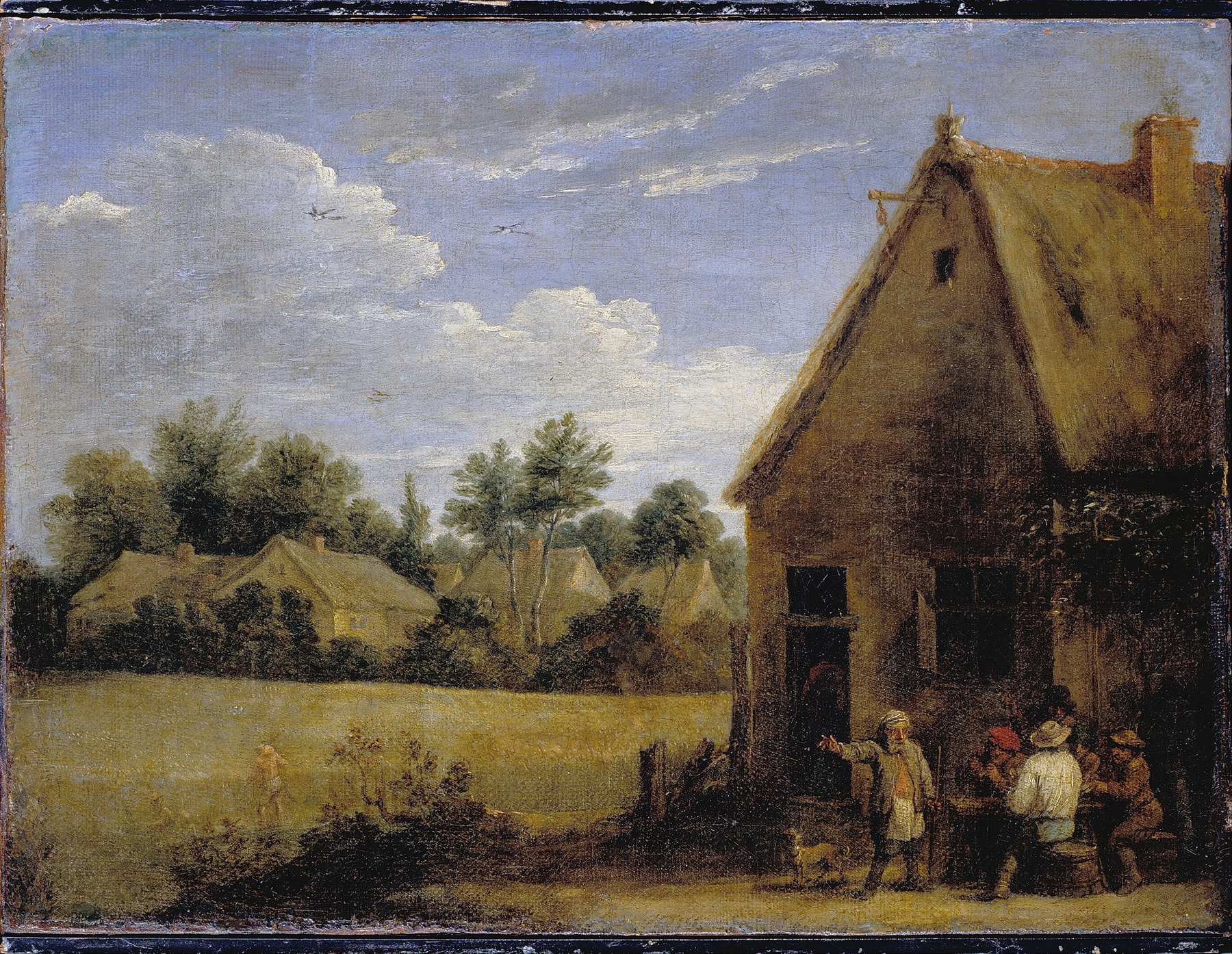
When did color learn to lie? In the vivid interplay of light and shadow, our memories twist, bend, and sometimes deceive. The past, like a vibrant landscape, holds secrets that can shift with the angle of perception. Look to the left at the rocky alcove, where vibrant greens juxtapose with the muted browns and grays of the grotto. Notice how the sunlight filters through the opening, illuminating the shimmering water below, creating a shimmering path toward the horizon.
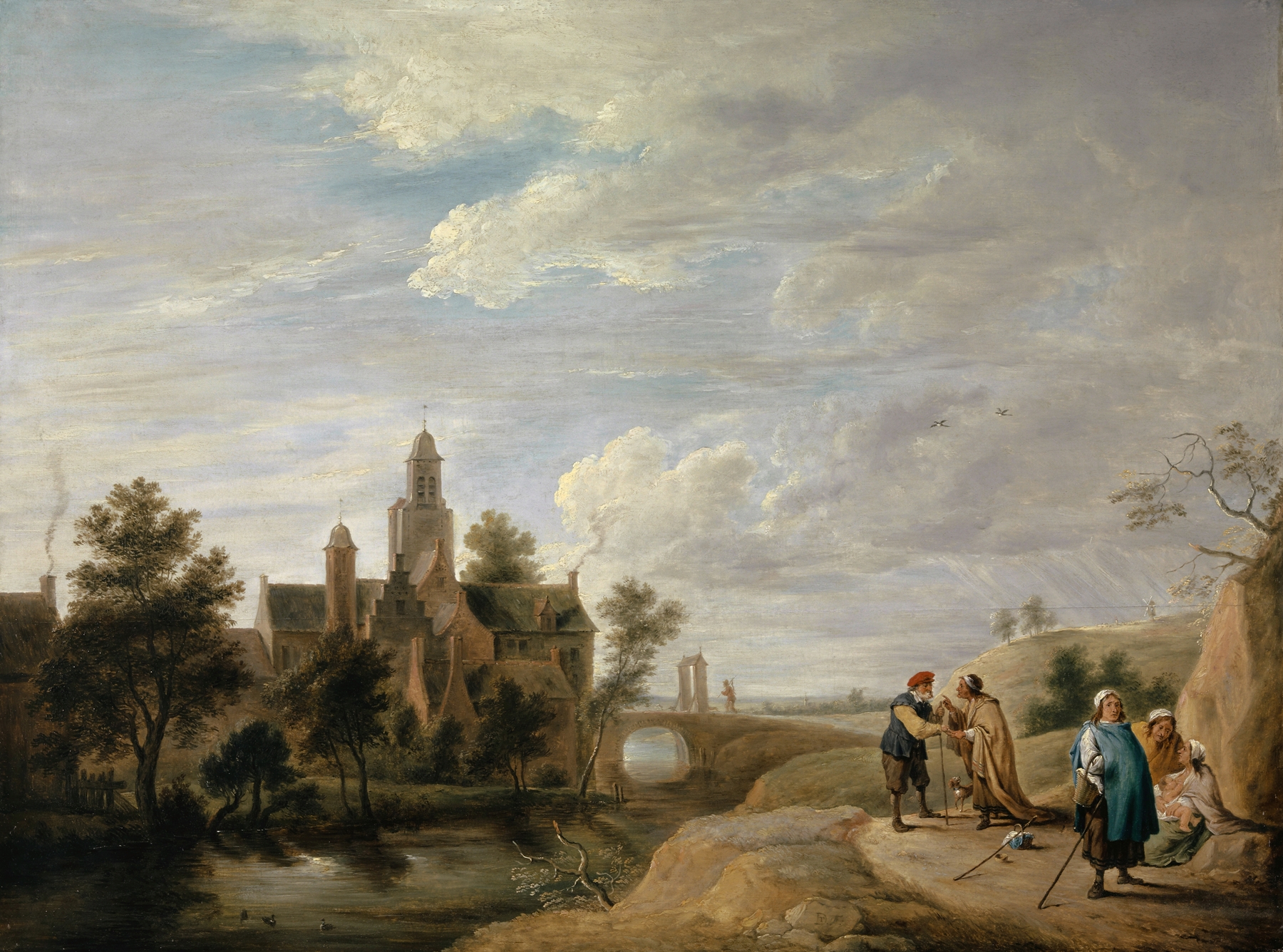
The composition draws the viewer’s eye into the depths of the landscape, where the hills rise and fall like the very fabric of memory itself. Each brushstroke seems to beckon you deeper into the scene, inviting contemplation of what lies beyond the visible. The contrast between the serene grotto and the expansive vista serves as an emblem of the duality of memory: the intimate closeness of our personal experiences against the grand sweep of history. The gentle ripples in the water may mirror the subtle distortions of recollection, while the distant figures—small and almost ghostly—represent the fleeting nature of time and the transient moments that linger in the mind.
It suggests a quiet tension between the idyllic beauty of the landscape and the ephemeral nature of existence. David Teniers the Younger created this piece in the early 1630s while living in Antwerp, a time when he was influenced by the growing Baroque movement. As a prominent painter of genre scenes and landscapes, Teniers sought to capture the essence of daily life and nature’s beauty. This work reflects his mastery of light and atmosphere, positioning him as a significant figure in the evolution of landscape art during this period.