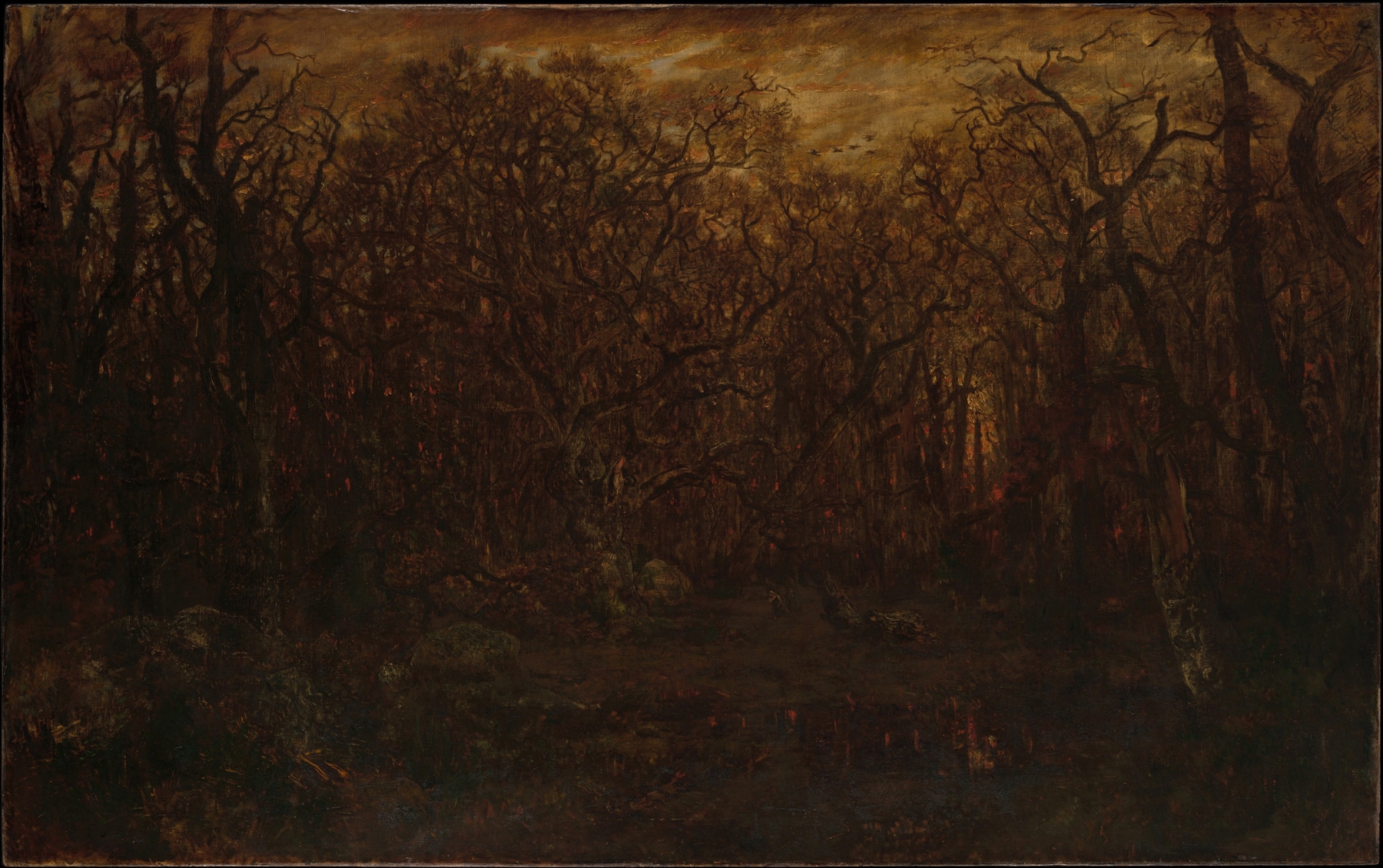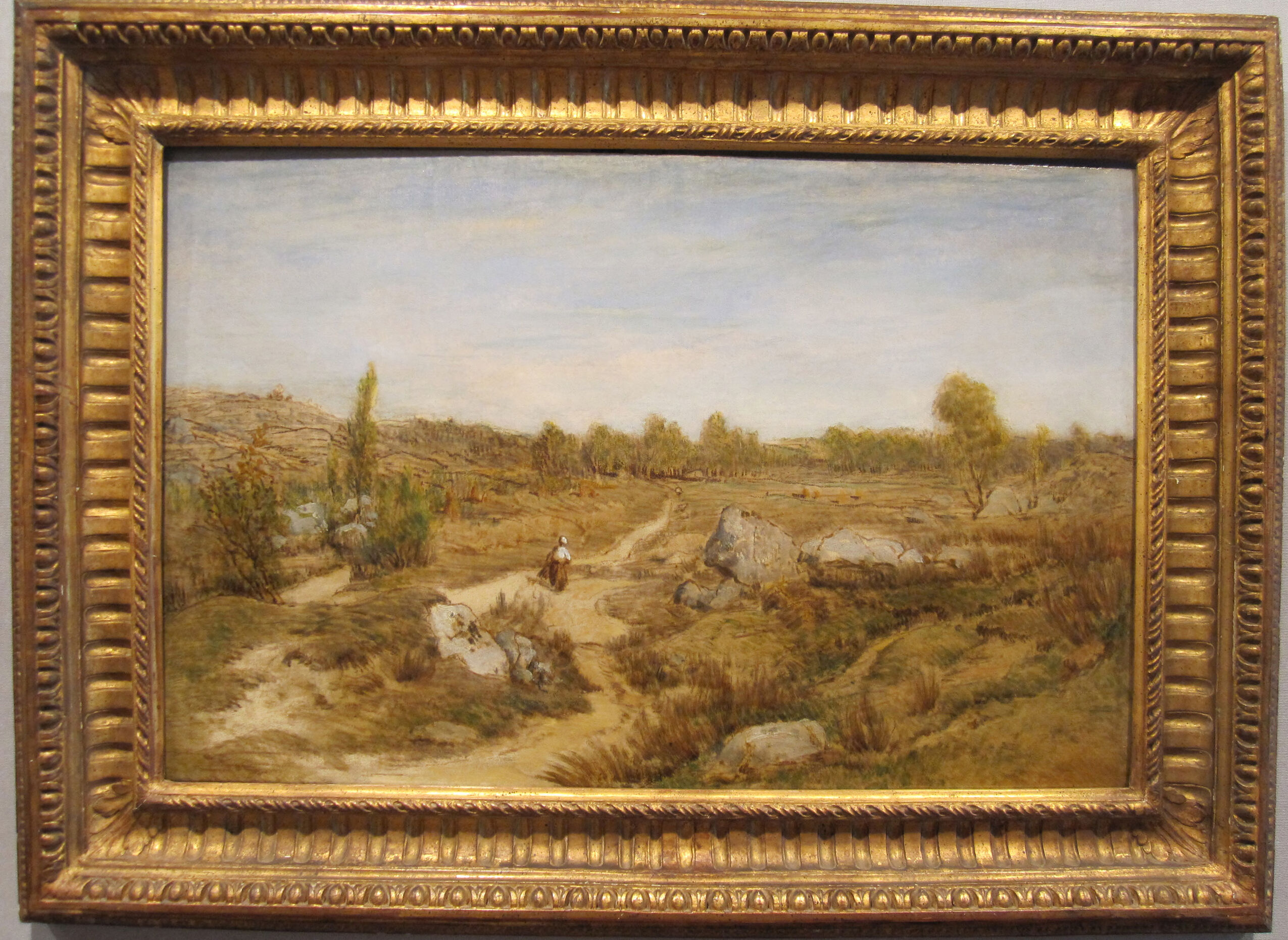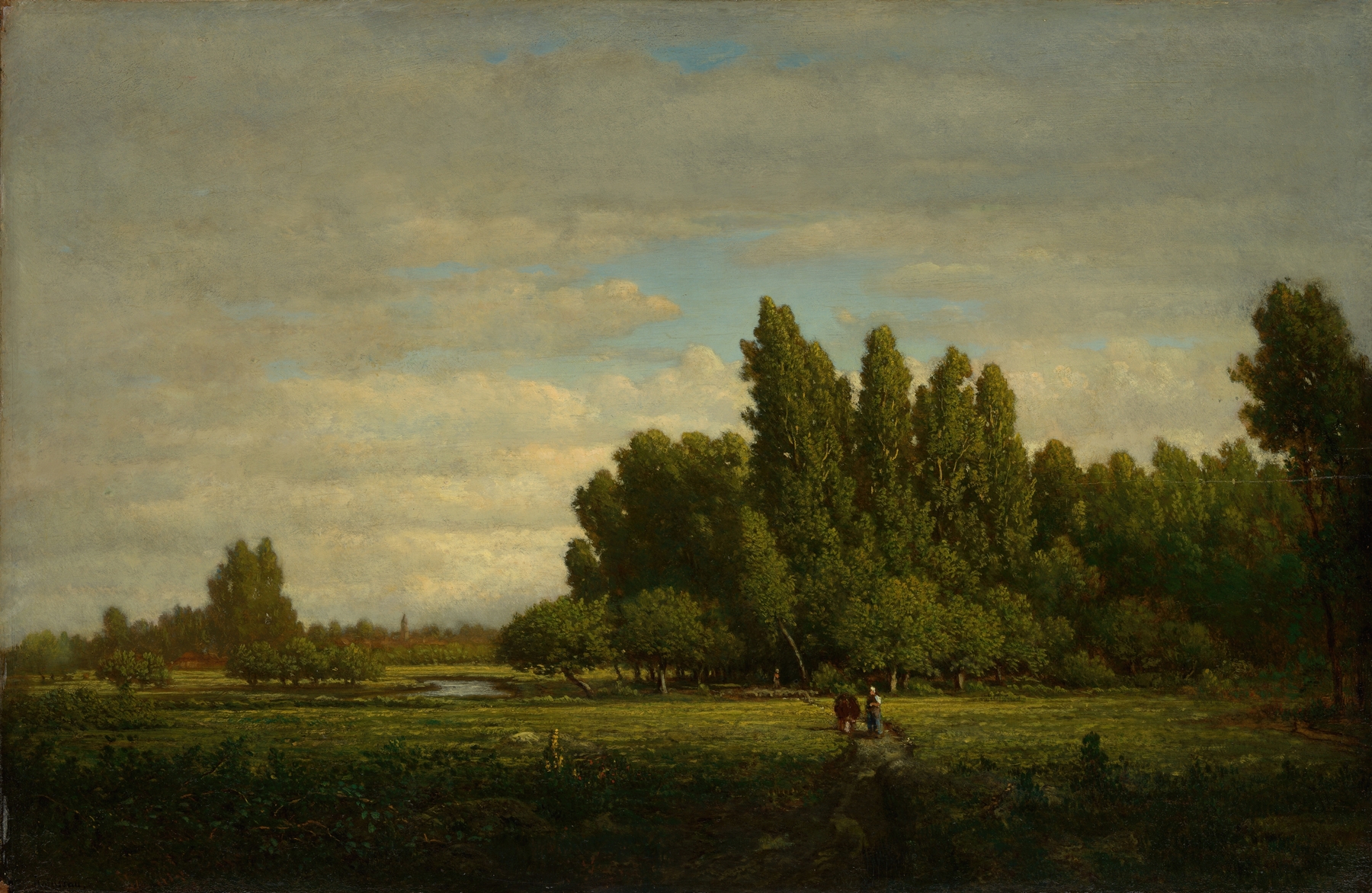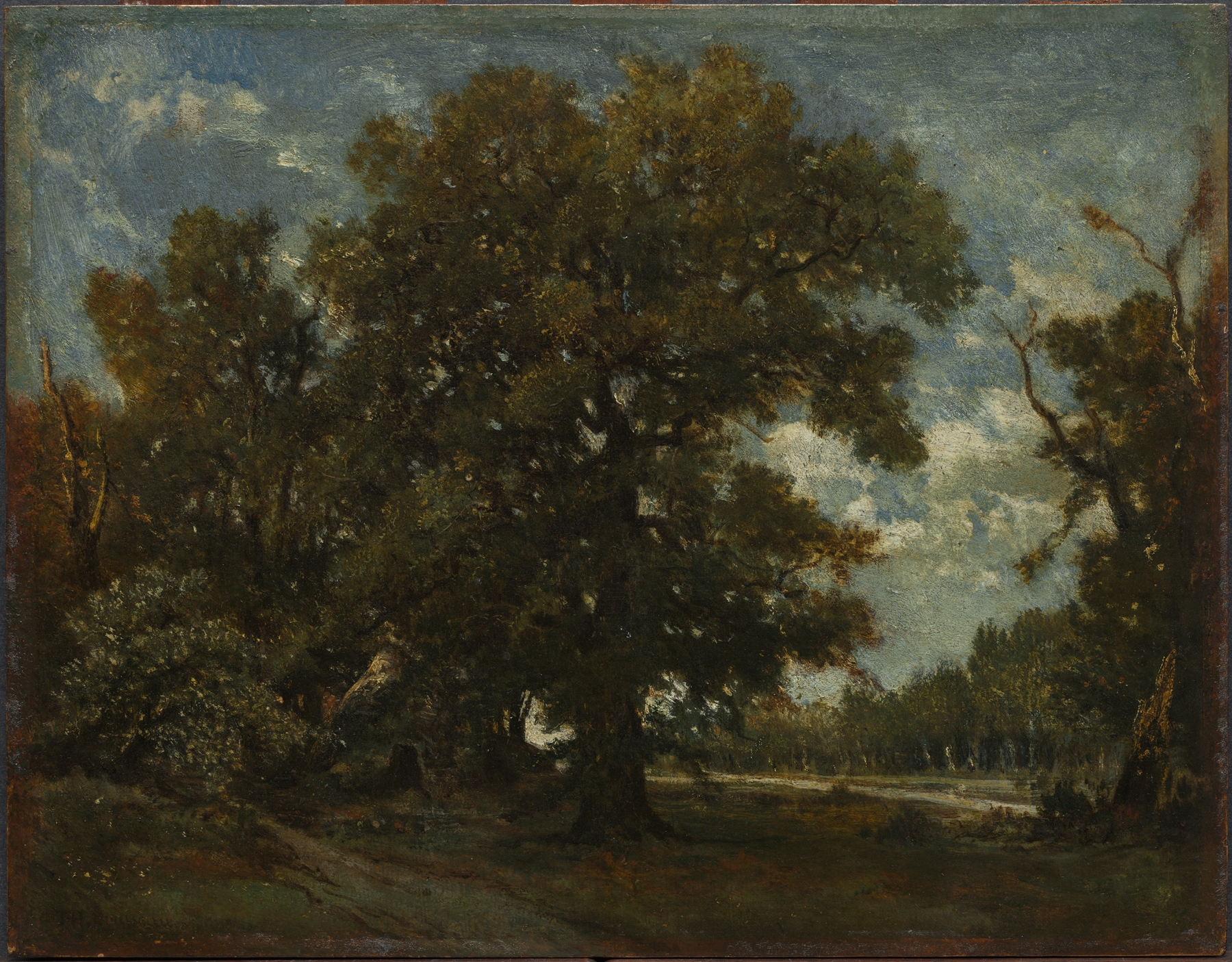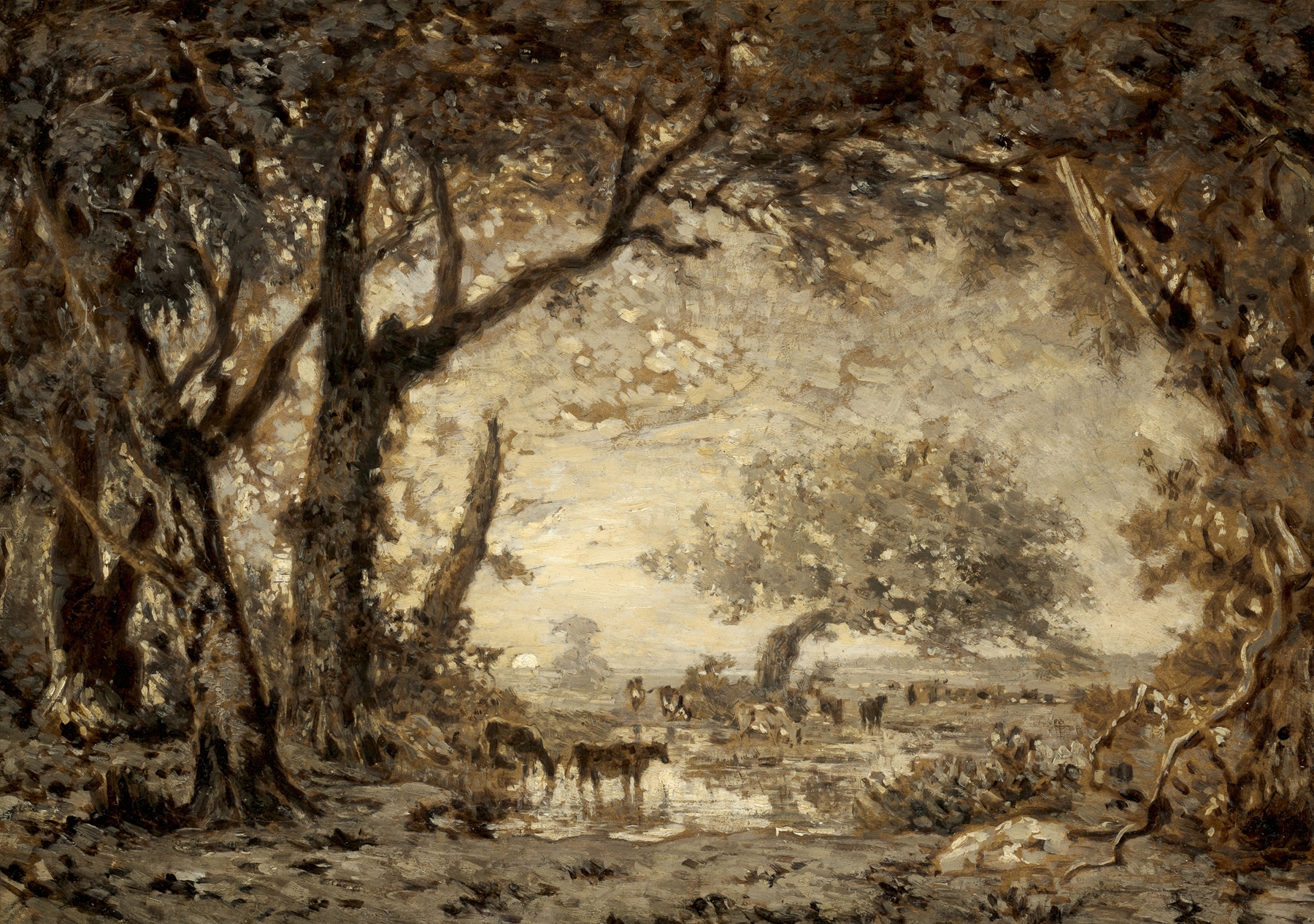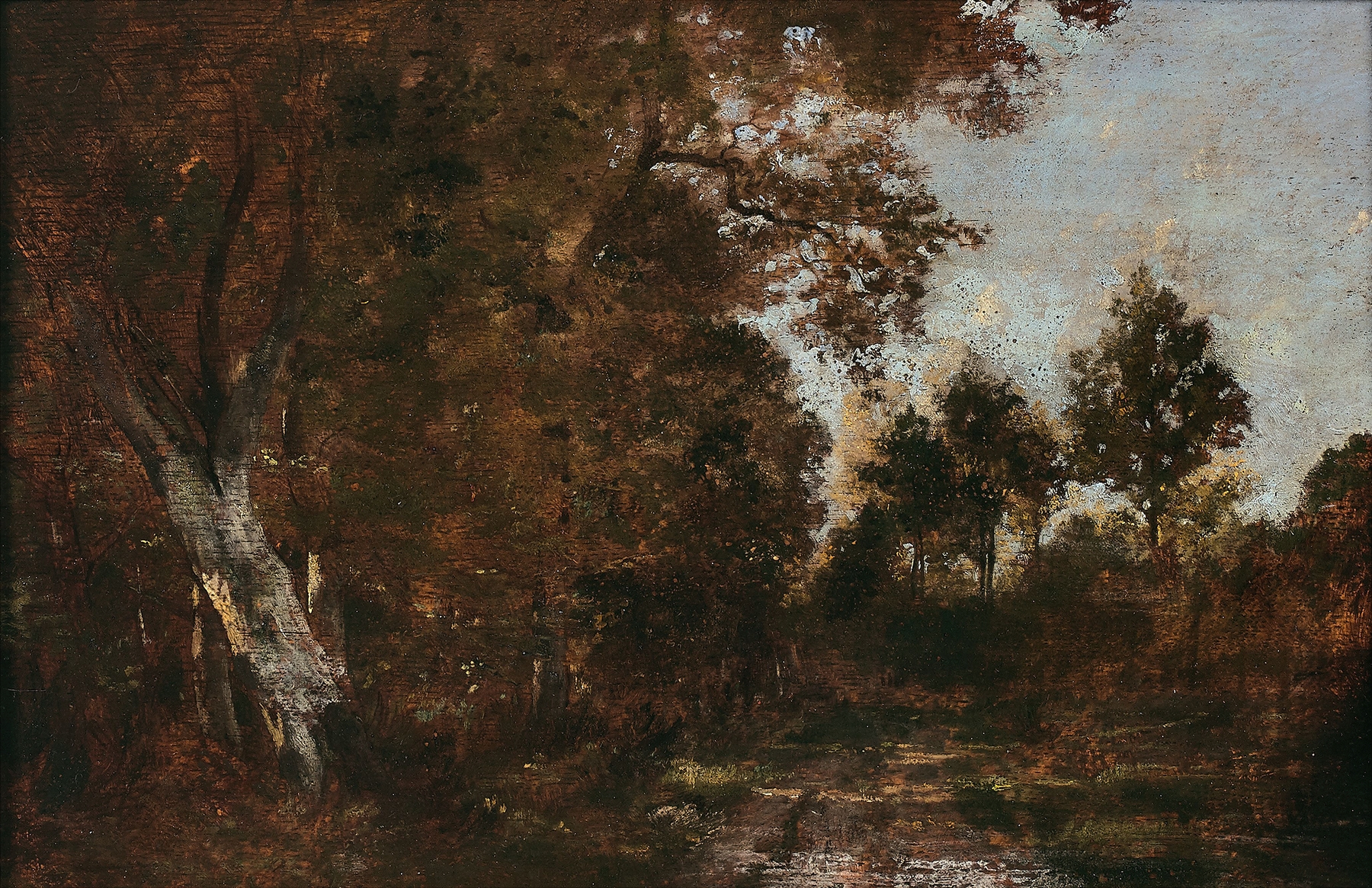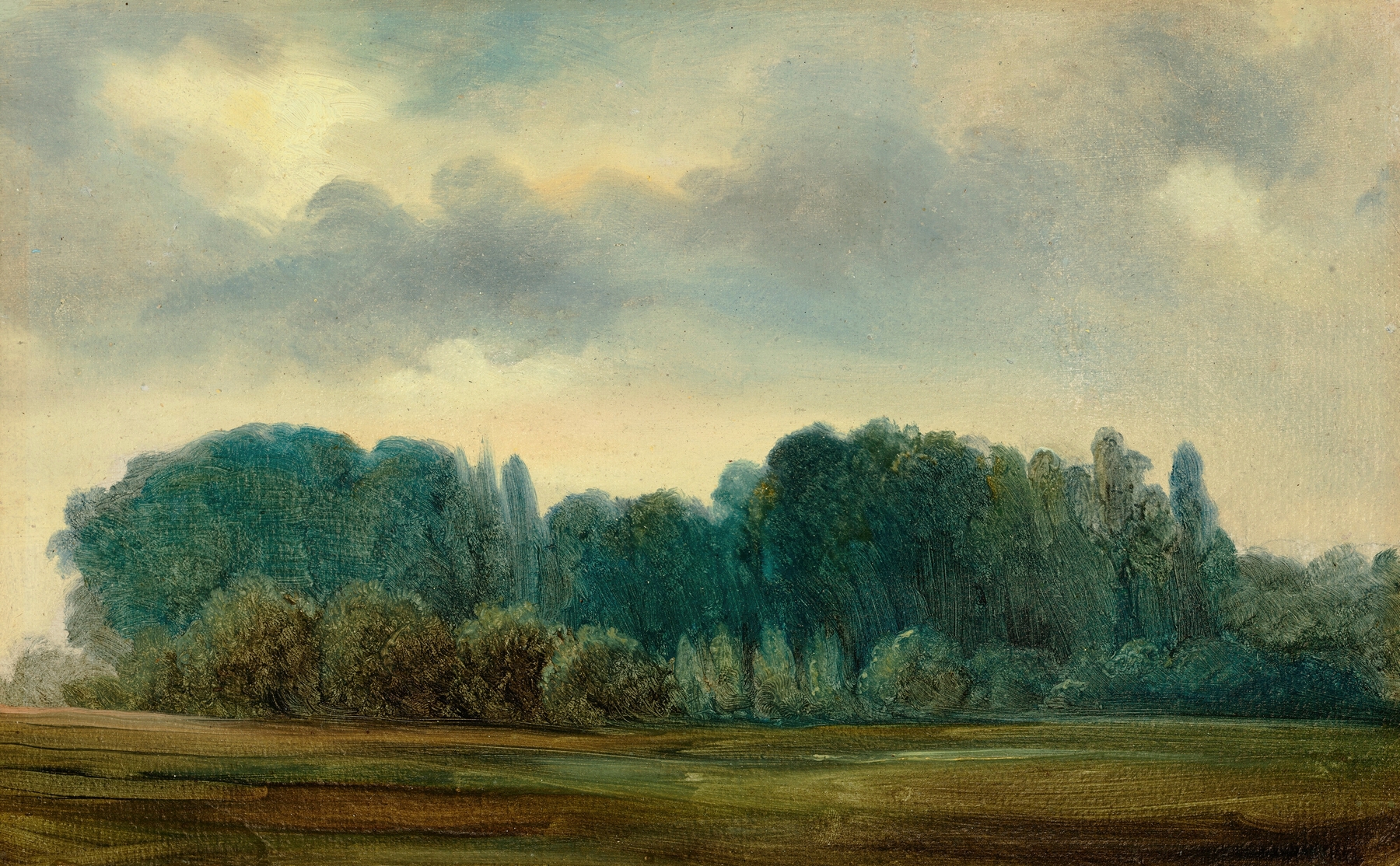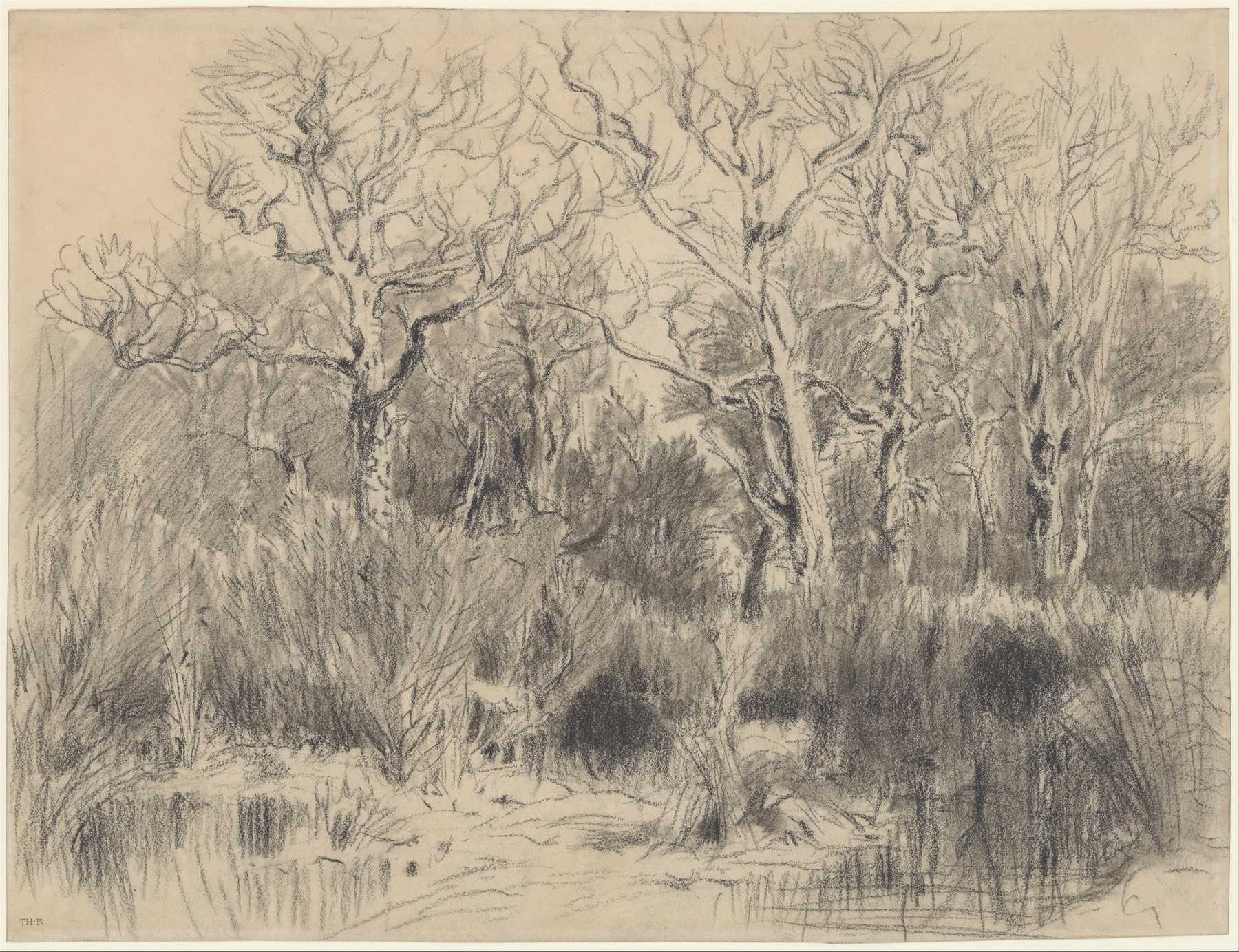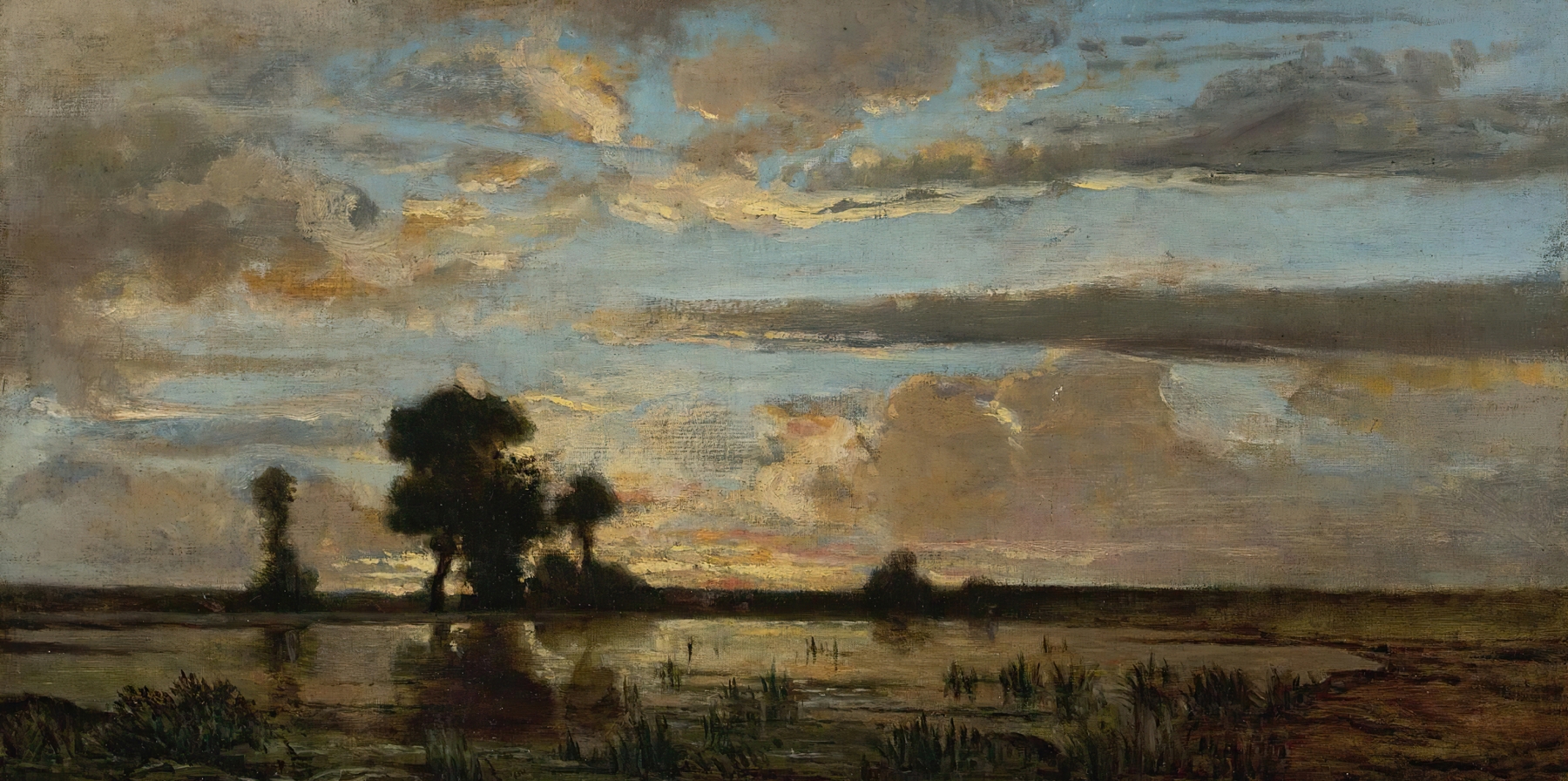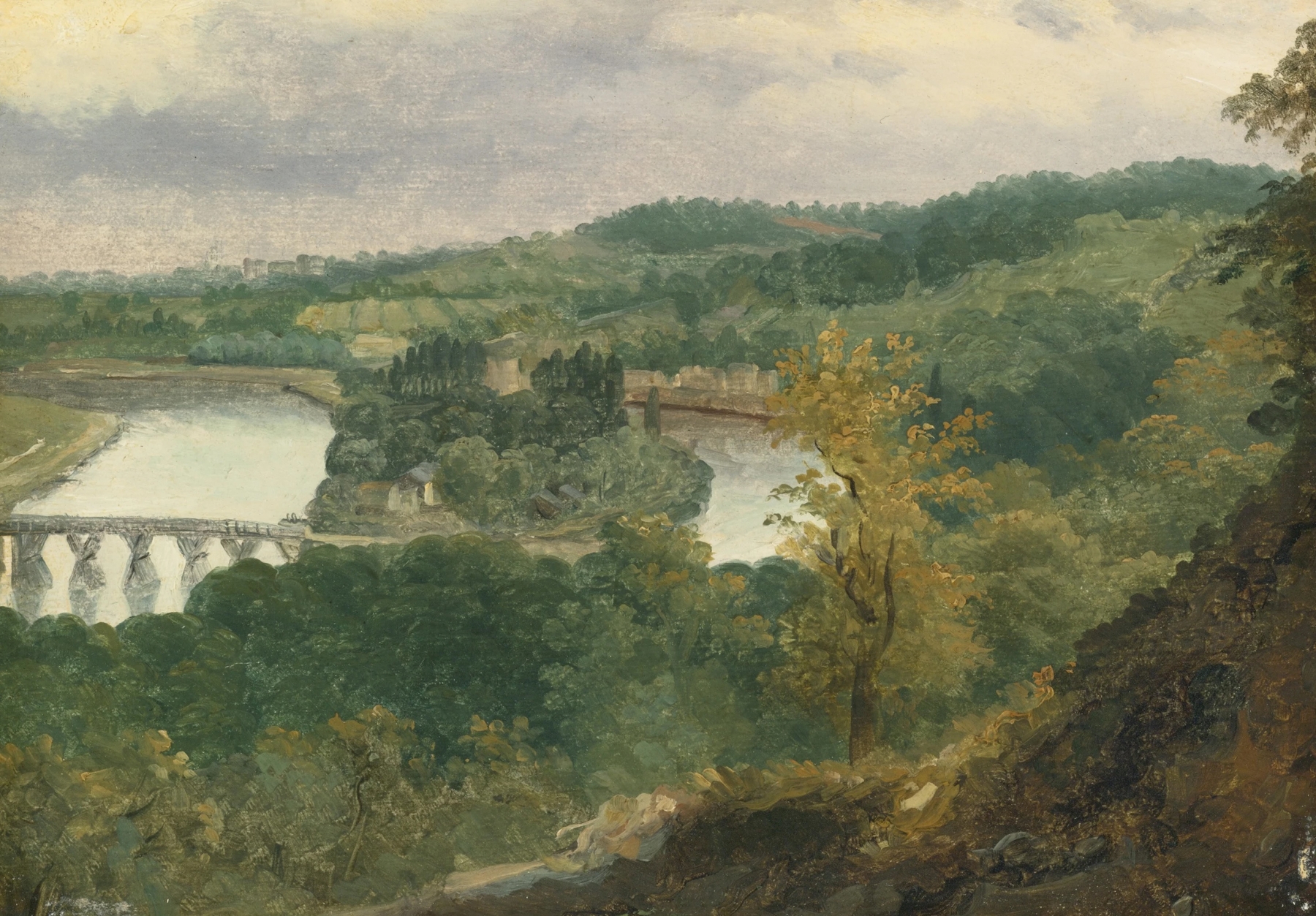
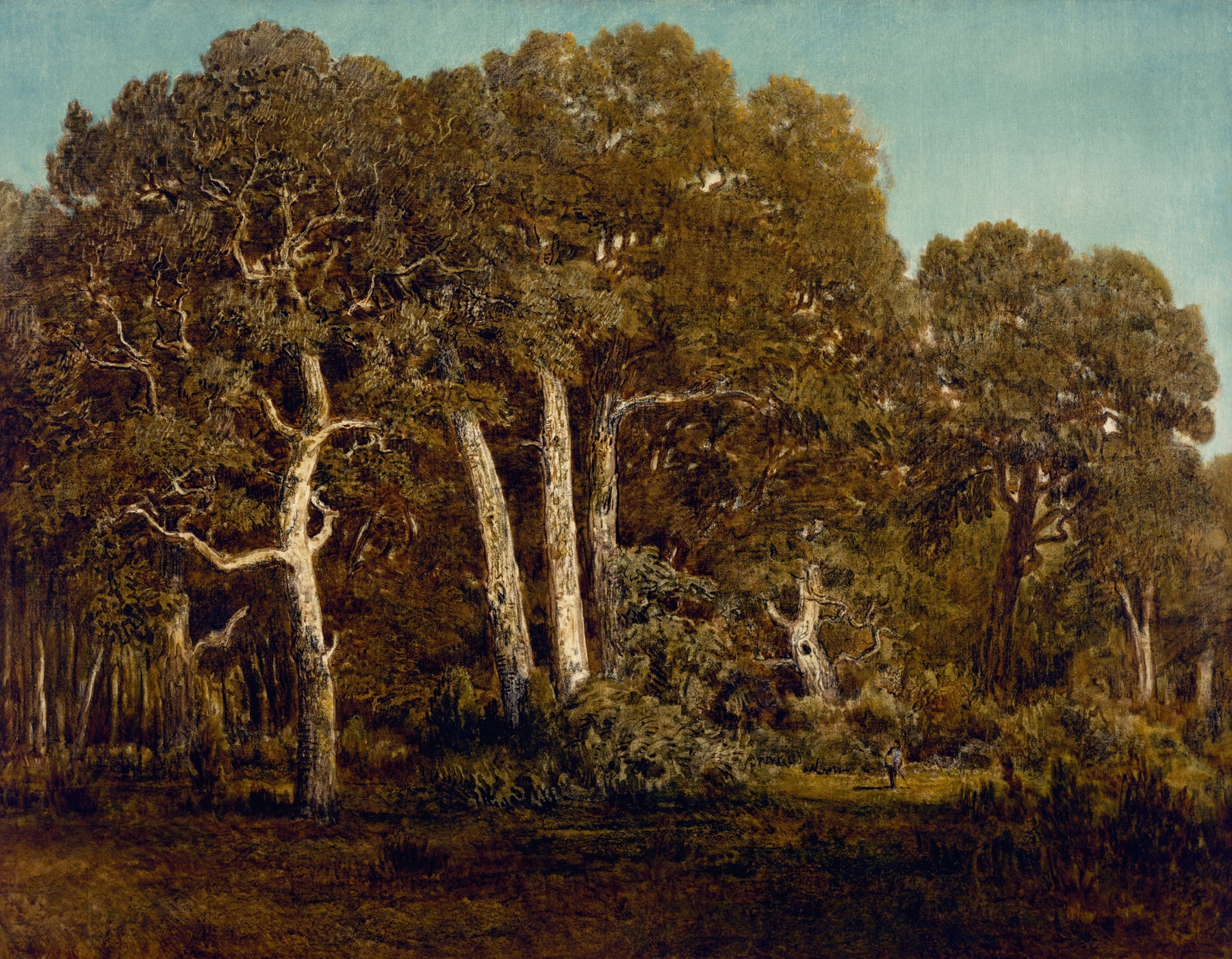
Who listens when art speaks of silence? In *Vue de Billancourt et Bas Meudon*, a quiet landscape unfolds, evoking a haunting stillness that lingers long after one gazes upon it. Focus first on the delicate interplay of greens and browns in the mid-ground, where the soft contours of hills rise gently against the muted sky. The artist employs loose brushstrokes to create a sense of depth and fluidity, drawing your eye toward the distant horizon. Notice how the light dances subtly across the foliage, suggesting a fleeting moment just before dusk, when nature holds its breath. This painting encapsulates themes of transience and solitude. The solitary trees, with their gnarled branches, seem to whisper of loss, their shapes echoing the passage of time. The expansive sky, filled with swirling clouds, hints at the tumult beneath the surface, contrasting the calm of the landscape with an undercurrent of yearning. Each element in the scene contributes to a narrative that speaks to the fragility of existence. Though the precise date of creation remains unknown, Rousseau painted this work during the mid-19th century, a period marked by his deepening engagement with nature. Living in a time when the Industrial Revolution was reshaping the landscape of France, he sought solace in the tranquility of rural views. This connection to nature reflects Rousseau's struggle as an artist to reconcile his feelings of isolation with the changing world around him.