Paysage avec une rivière — History & Analysis
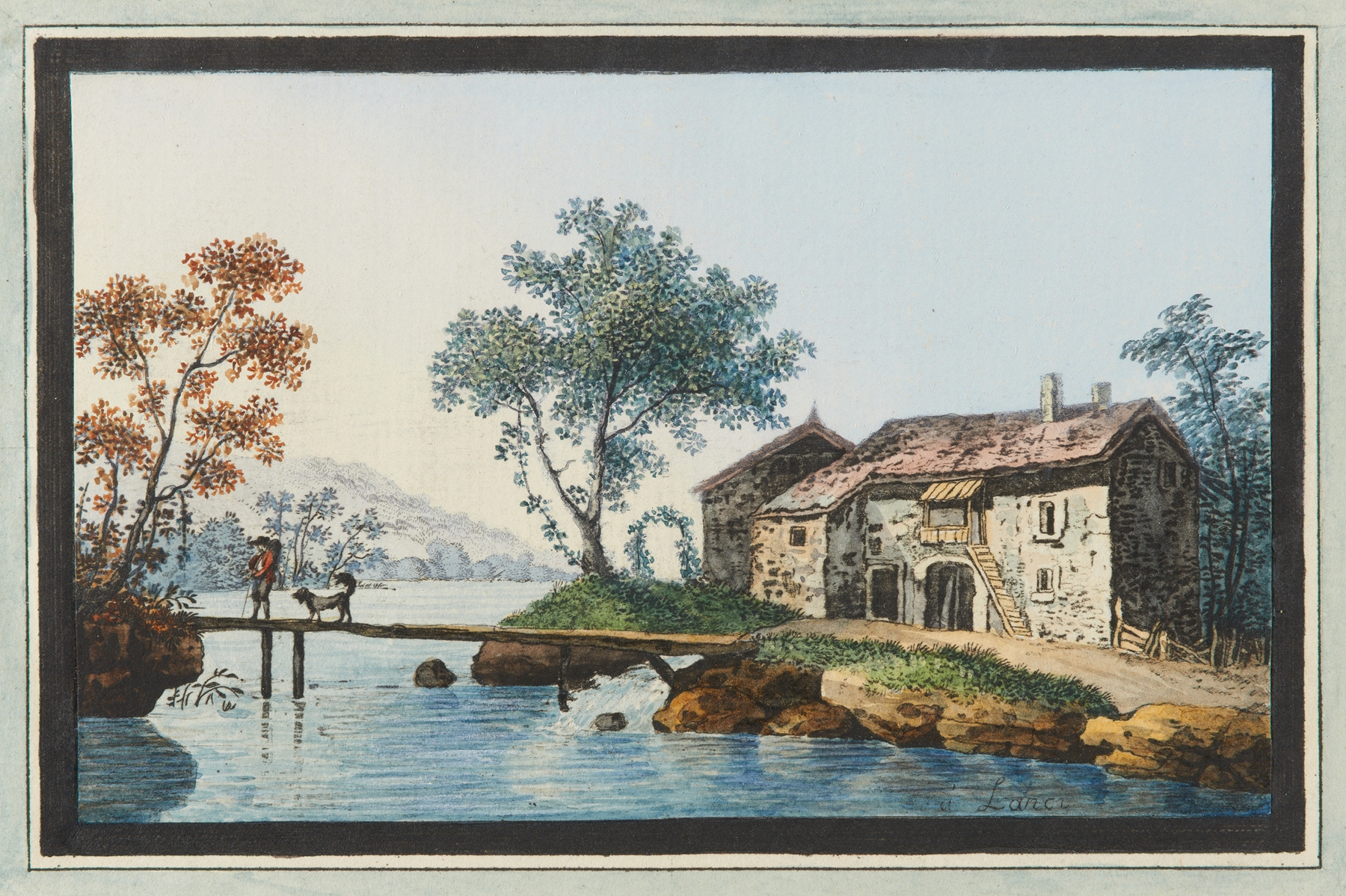
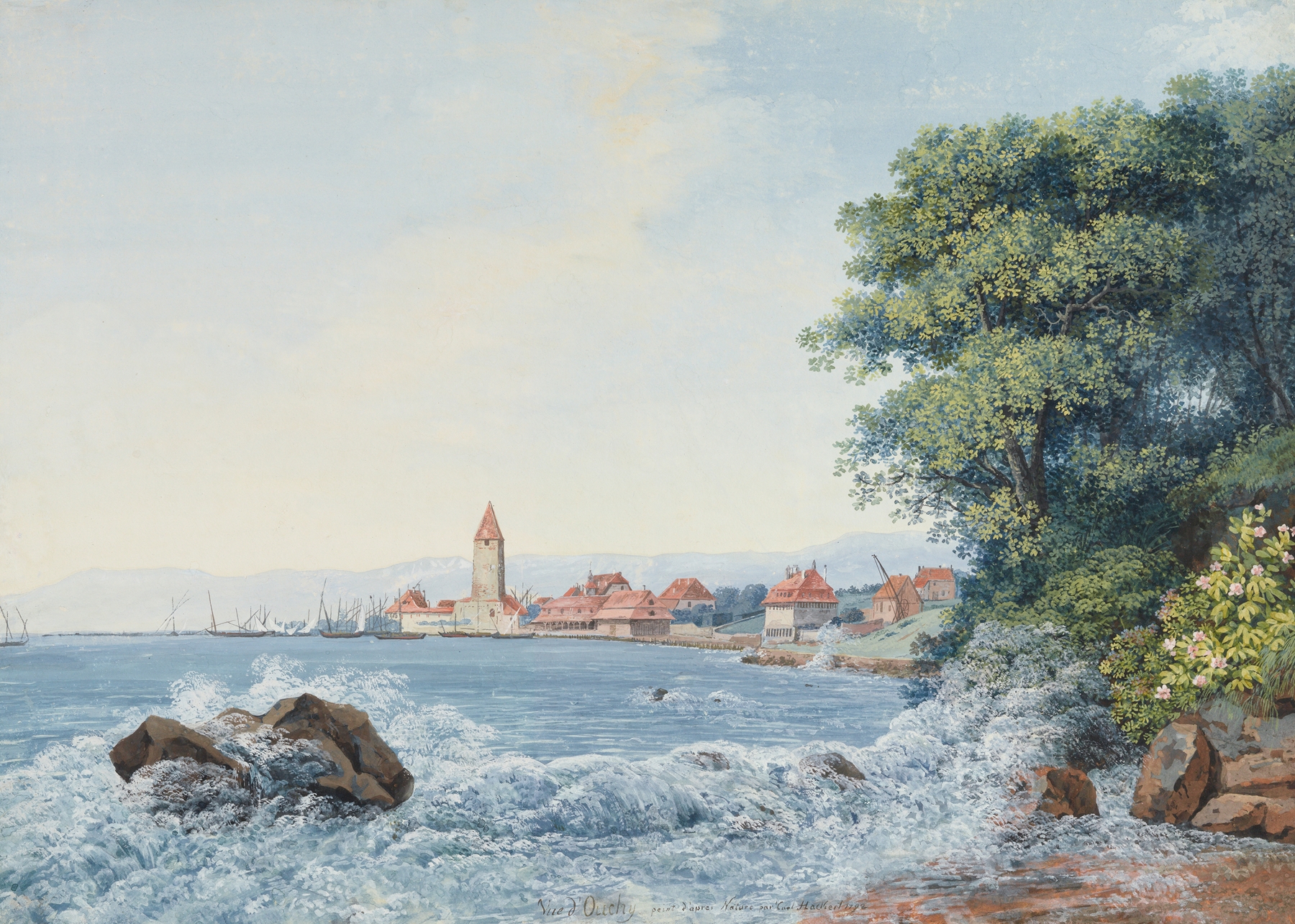
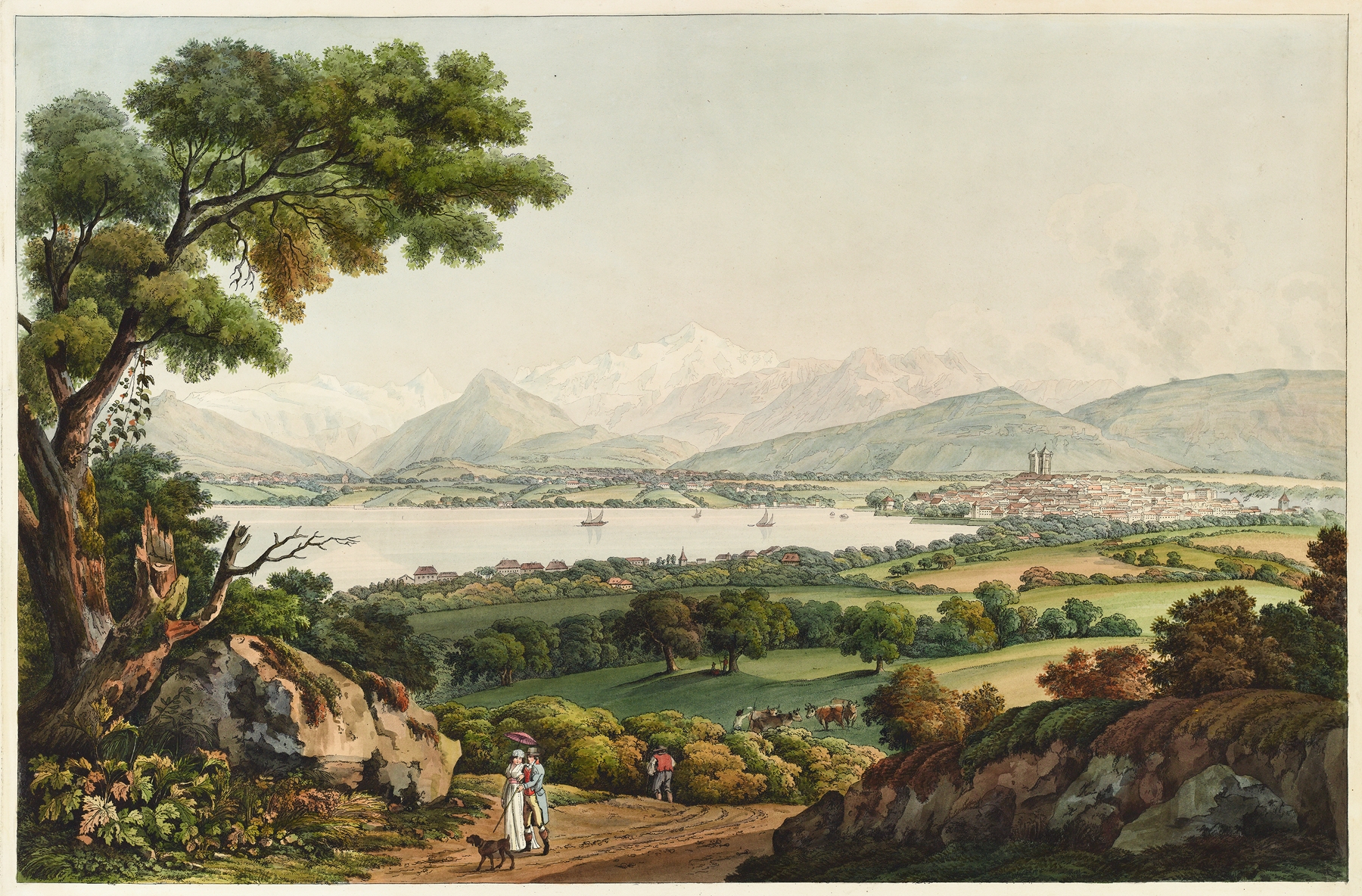
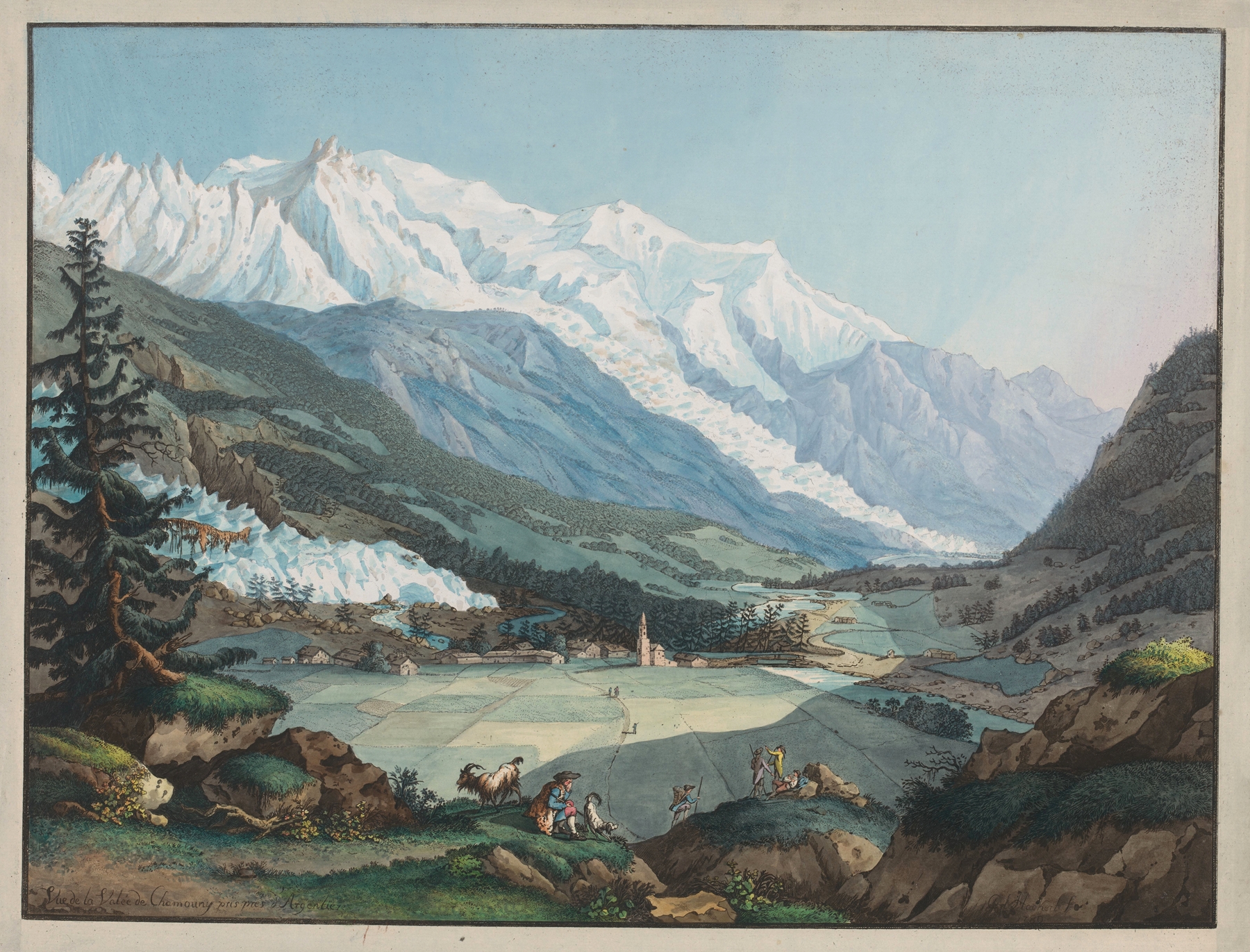
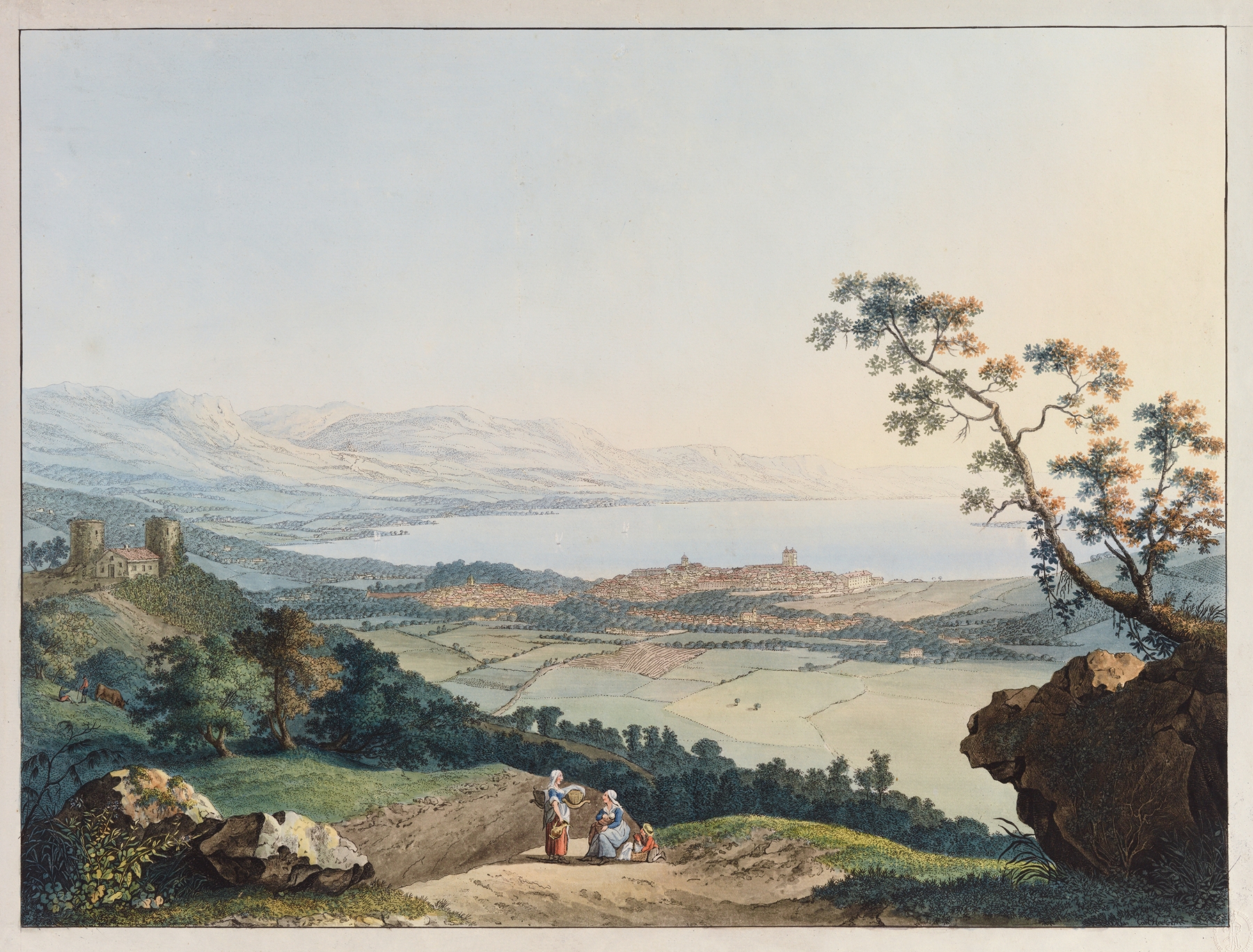
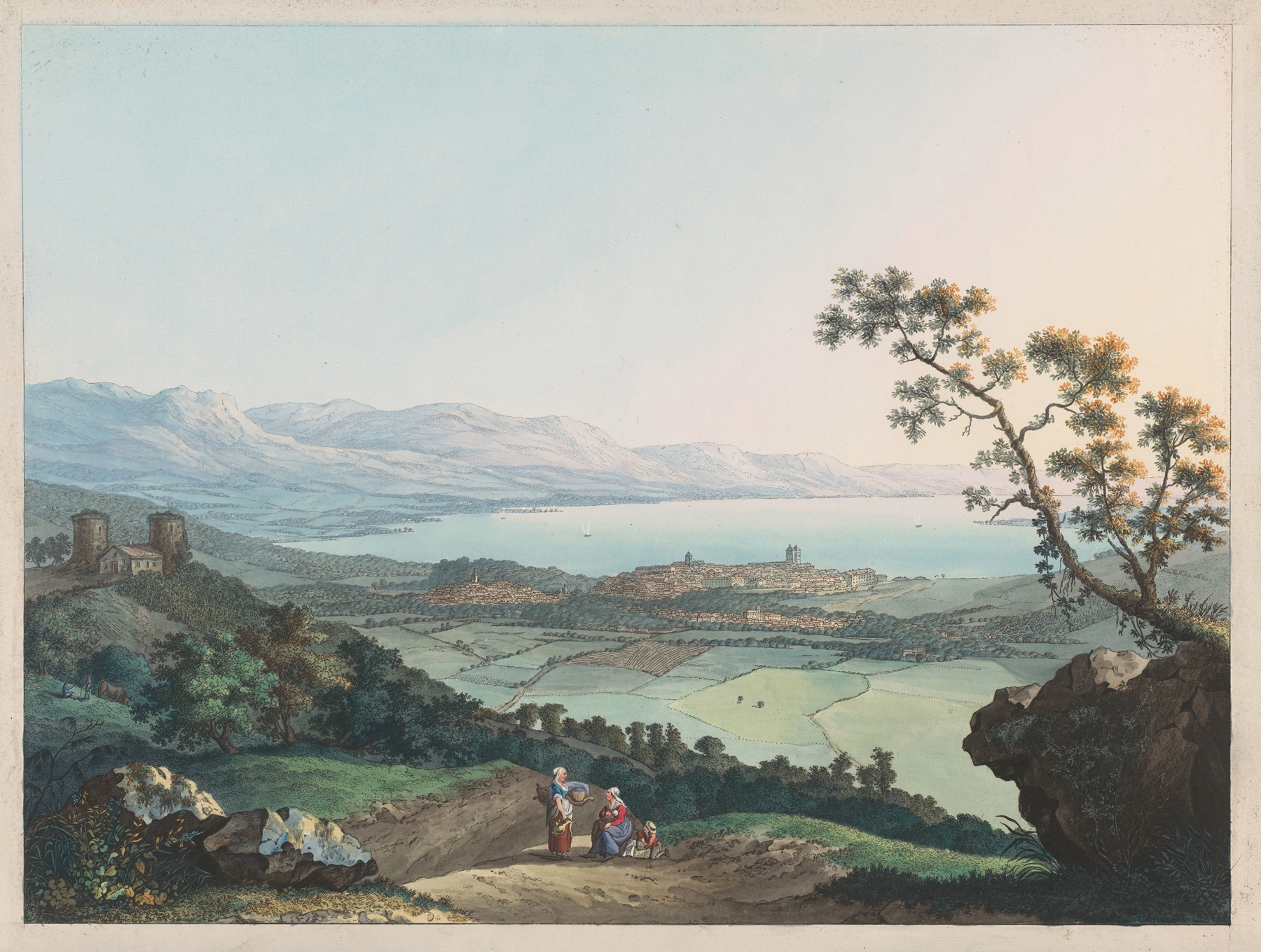
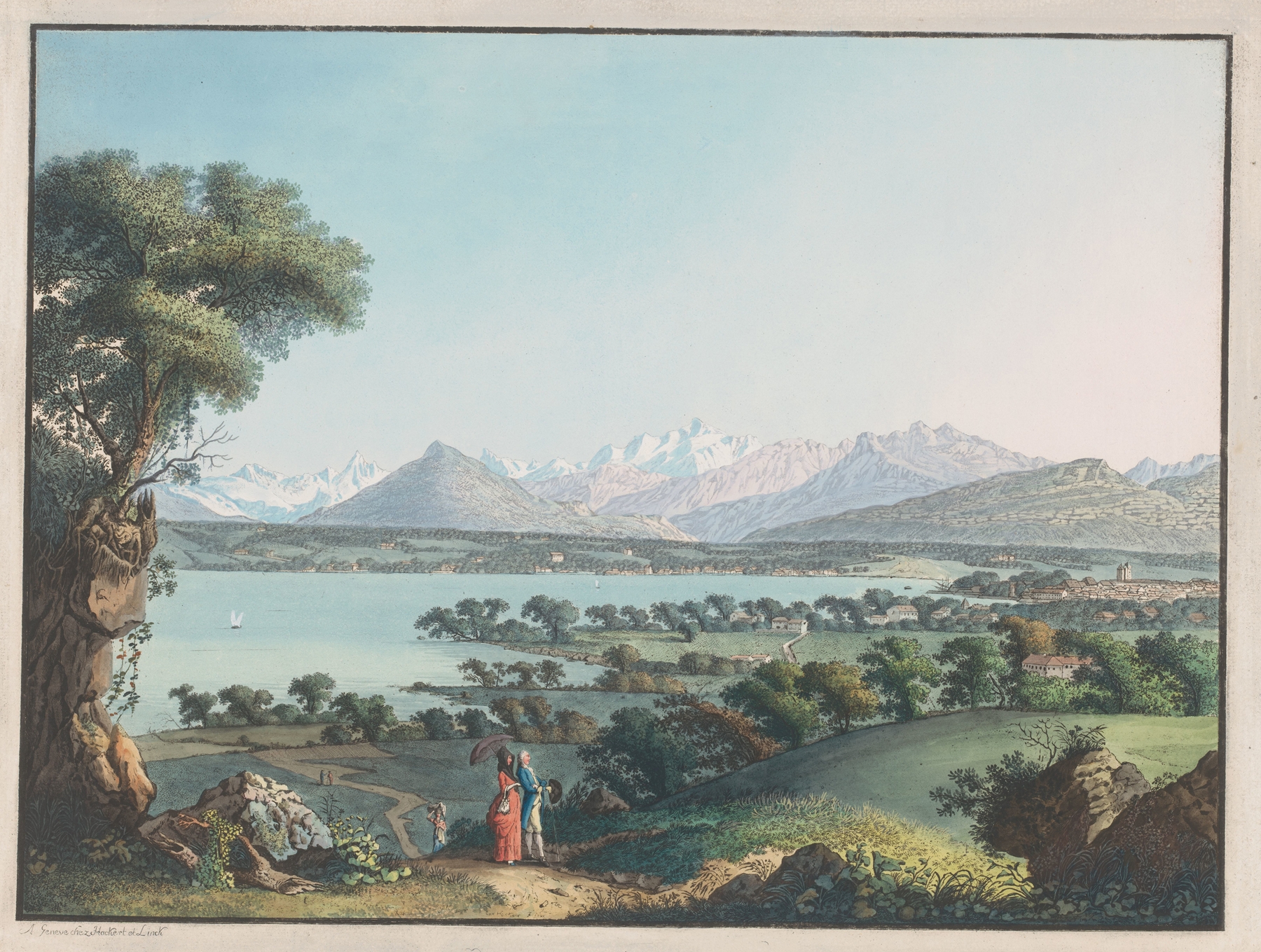
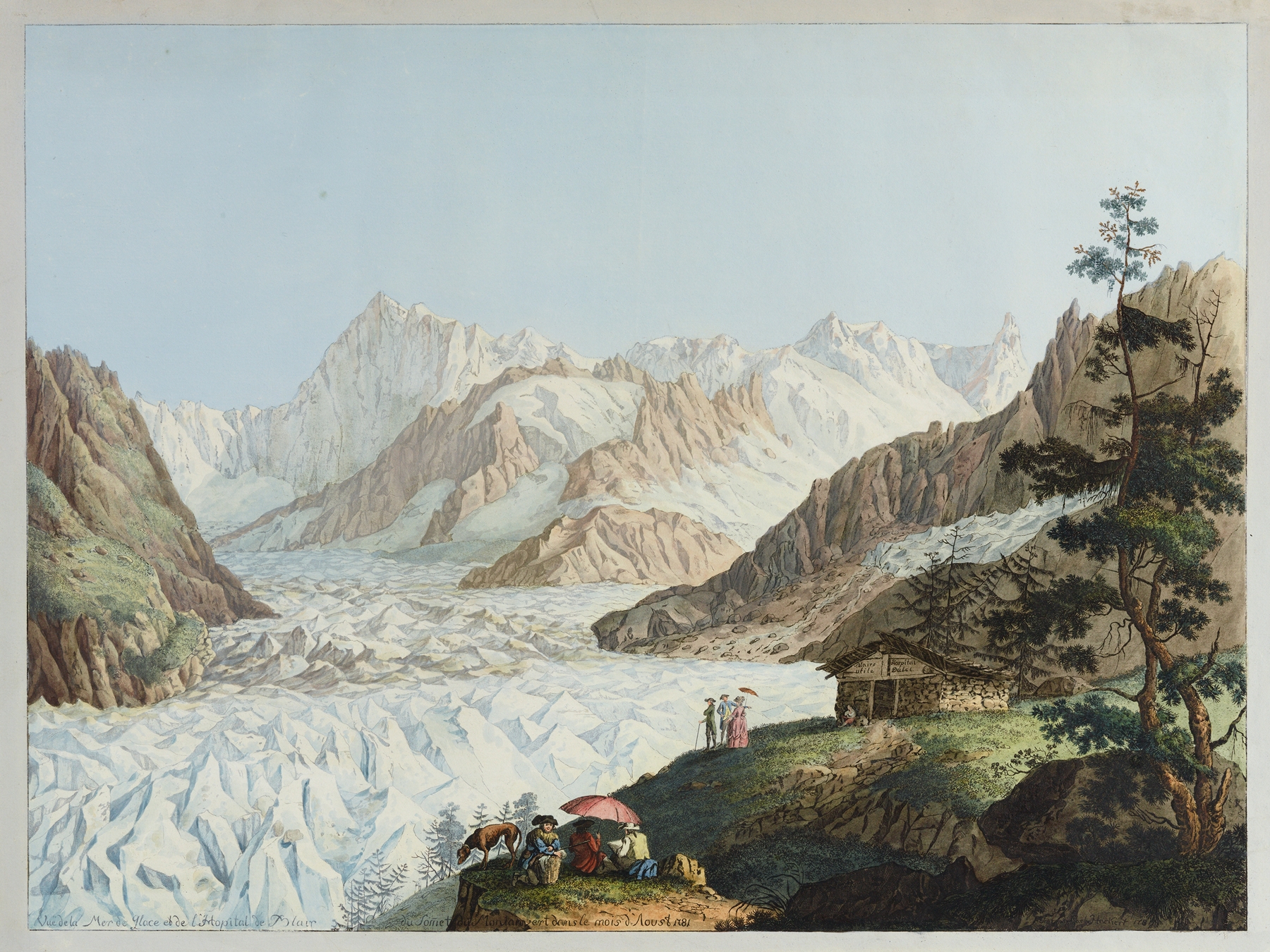
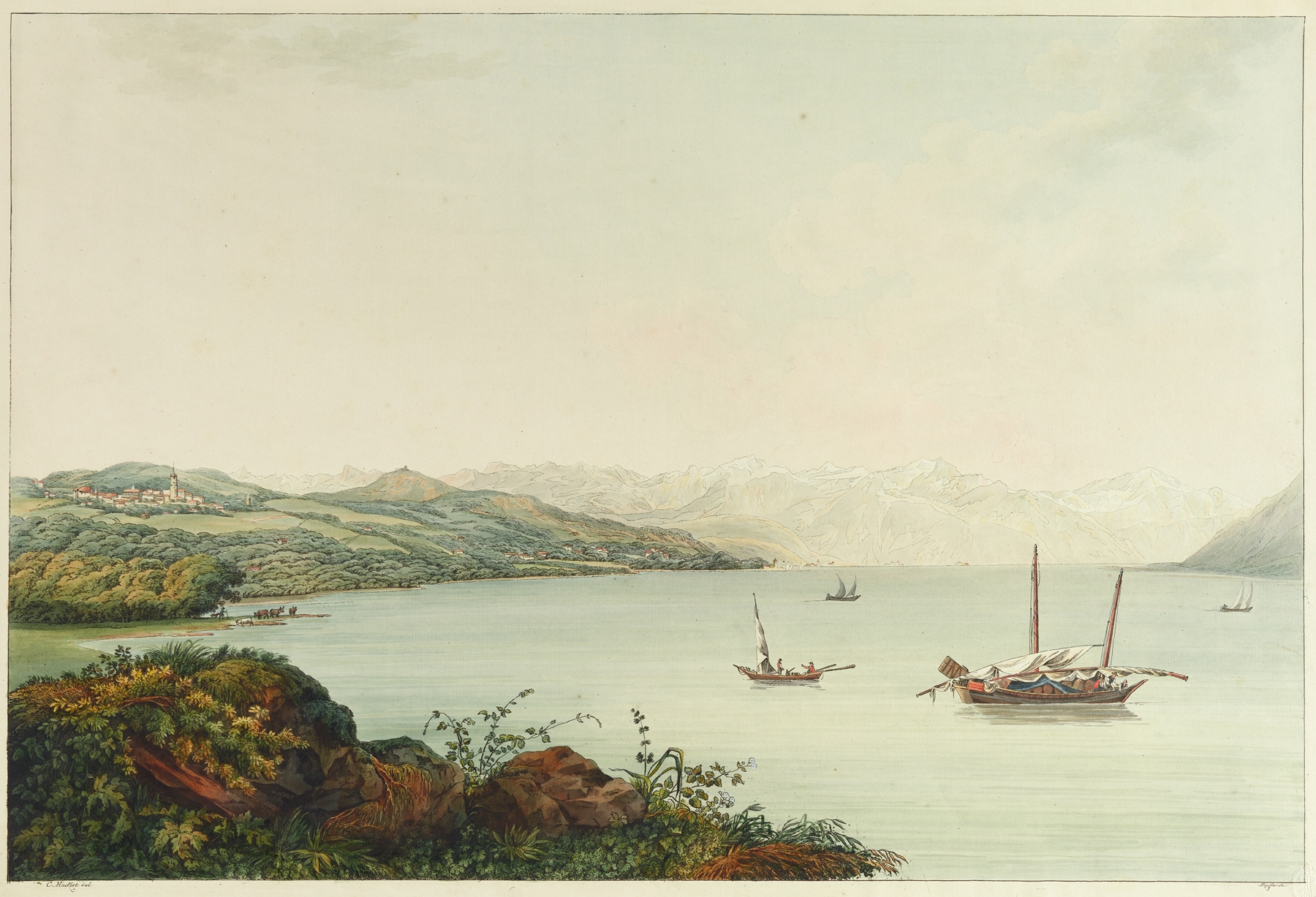
What if beauty was never meant to be finished? In Paysage avec une rivière, light dances upon the water’s surface, inviting contemplation of nature’s infinite complexity and the fleeting moments that define it. Look to the center of the canvas, where the tranquil river reflects a soft blend of azure and gold hues. The artist’s meticulous brushwork captures the delicate interplay of light and shadow, revealing the gentle ripples that hint at a world beyond the frame.
Notice how the trees, with their lush foliage, seem to frame the water like guardians of tranquility, creating a harmony that draws the viewer deeper into the lush landscape. Beneath this serene exterior lies a subtle tension. The contrasting vibrancy of the river and the muted earth tones of the banks evoke a sense of balance between chaos and calm. The soft light filtering through the trees suggests an ephemeral quality, reminding us of the transient nature of beauty.
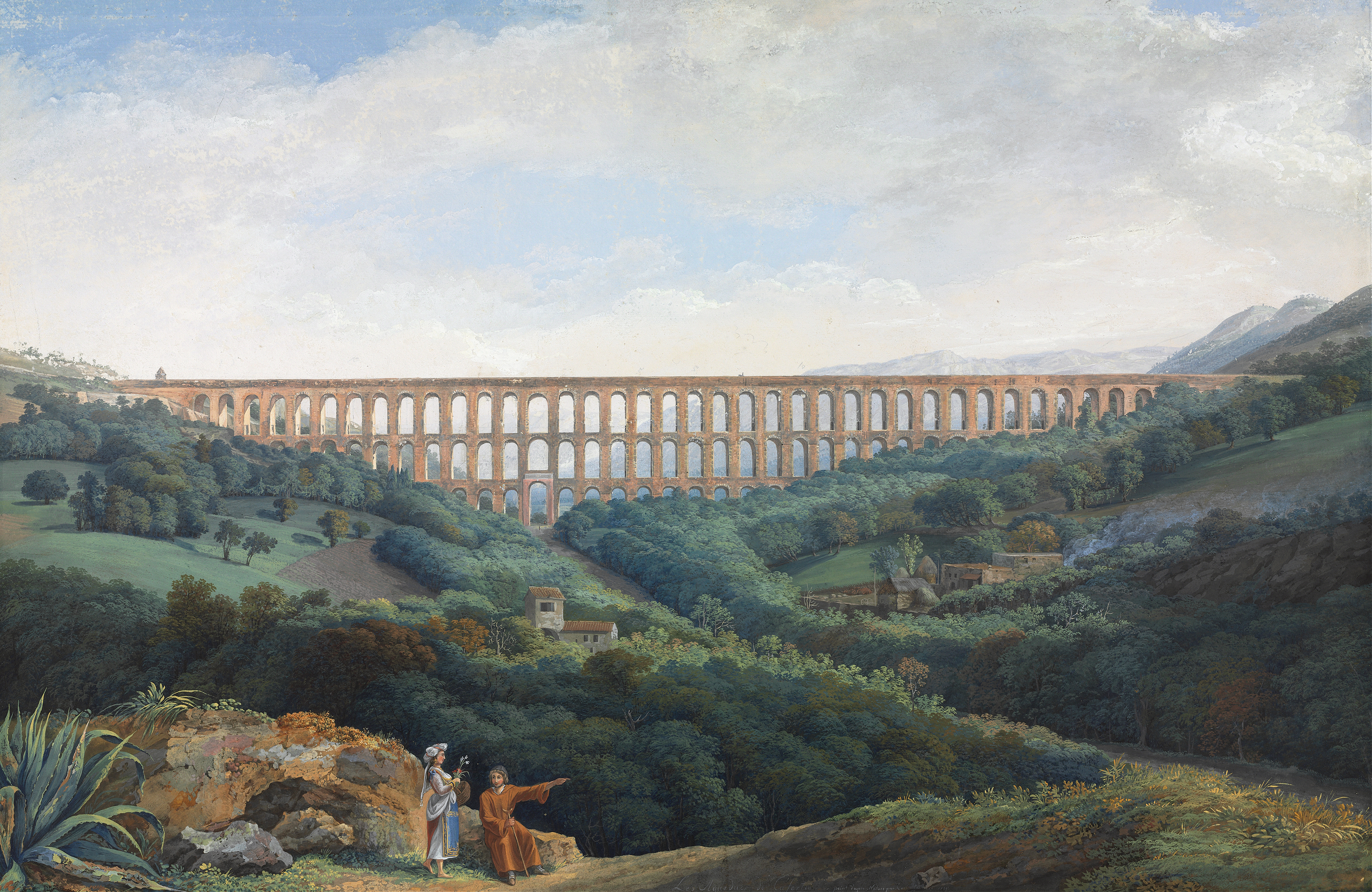
The quiet elegance of the scene reflects a deeper yearning for permanence, a whispered desire for moments to linger just a little longer. Carl Ludwig Hackert painted this piece during his time in Italy, where he embraced the rich landscapes that inspired a wave of Romantic sensibilities. Between 1740 and 1796, he navigated a world transitioning between Baroque grandeur and the emerging exploration of nature in art. His focus on landscape painting and the Italian scenery marked a significant chapter in the evolution of 18th-century art, as artists began to seek inspiration not only from their surroundings but also from the emotional resonance nature could evoke.