Vue de l’église Saint-Germain-de-Charonne — History & Analysis
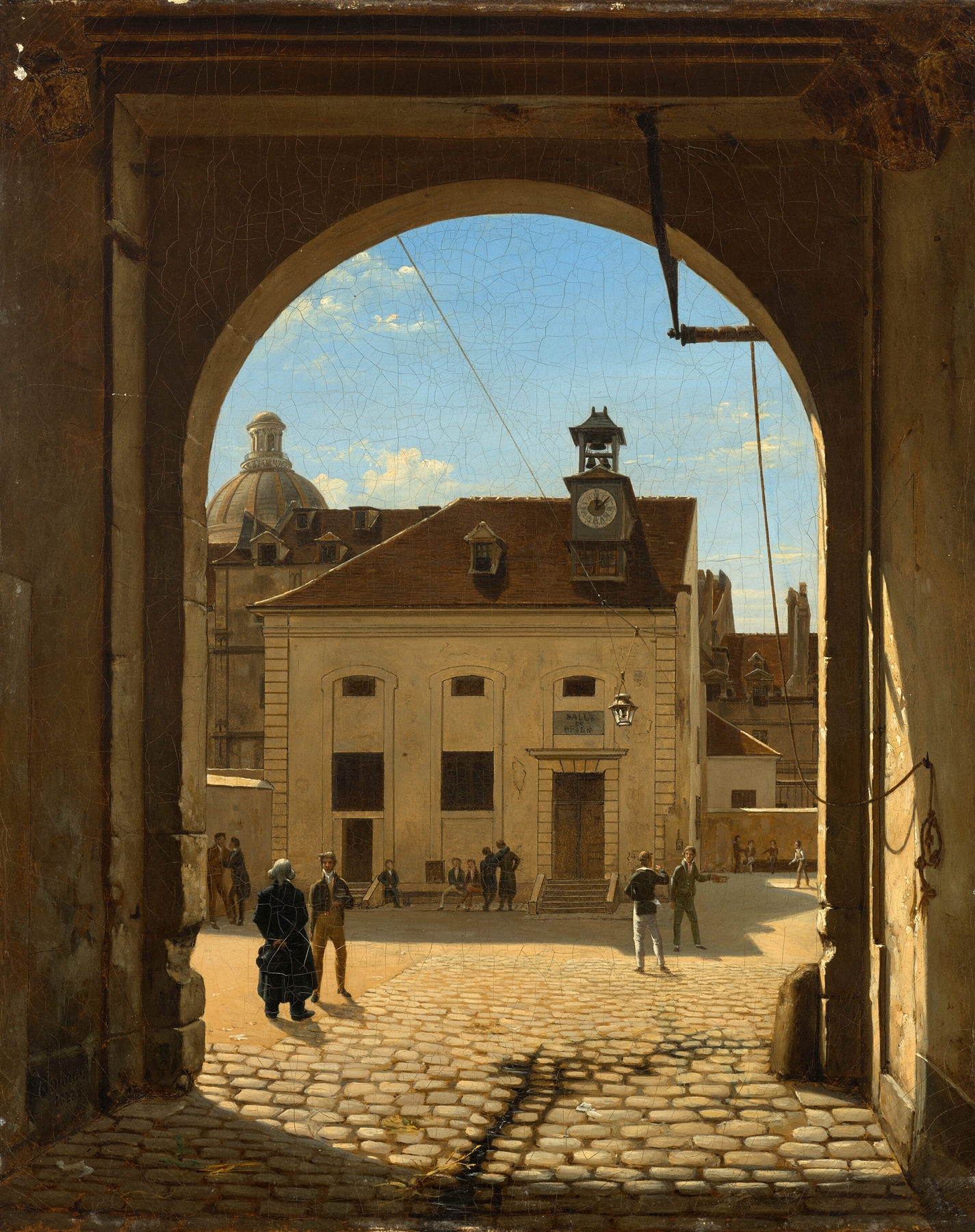
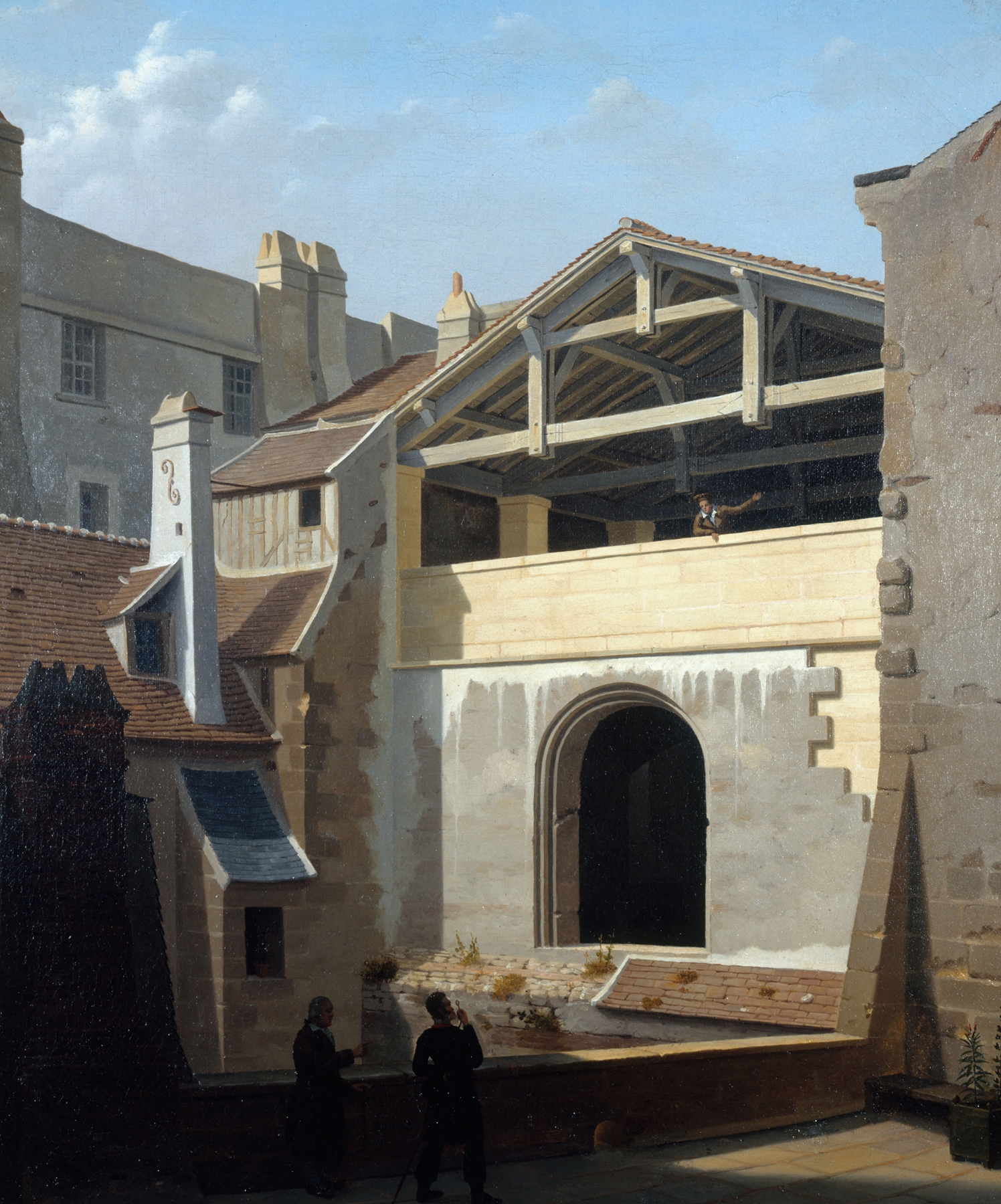
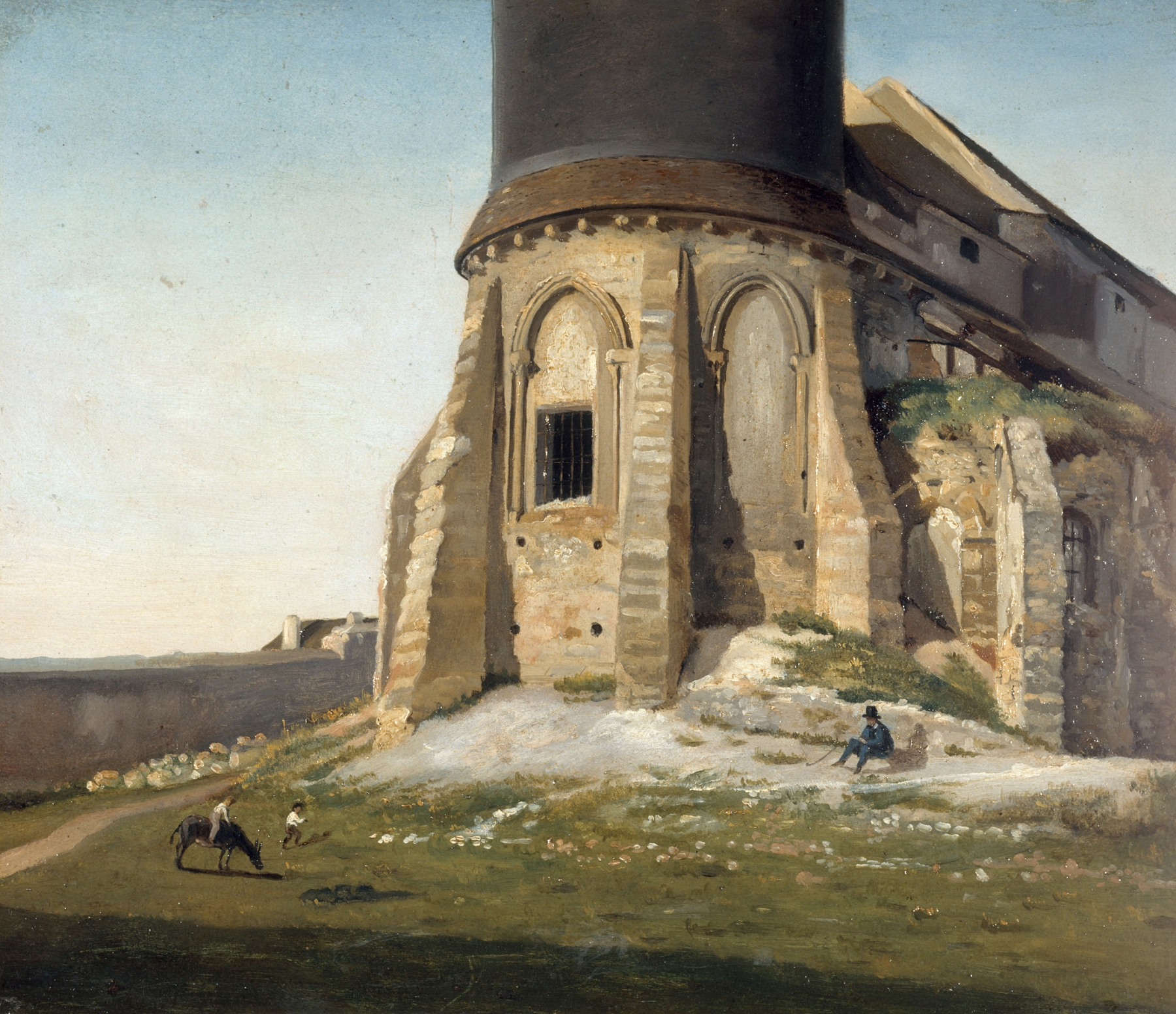
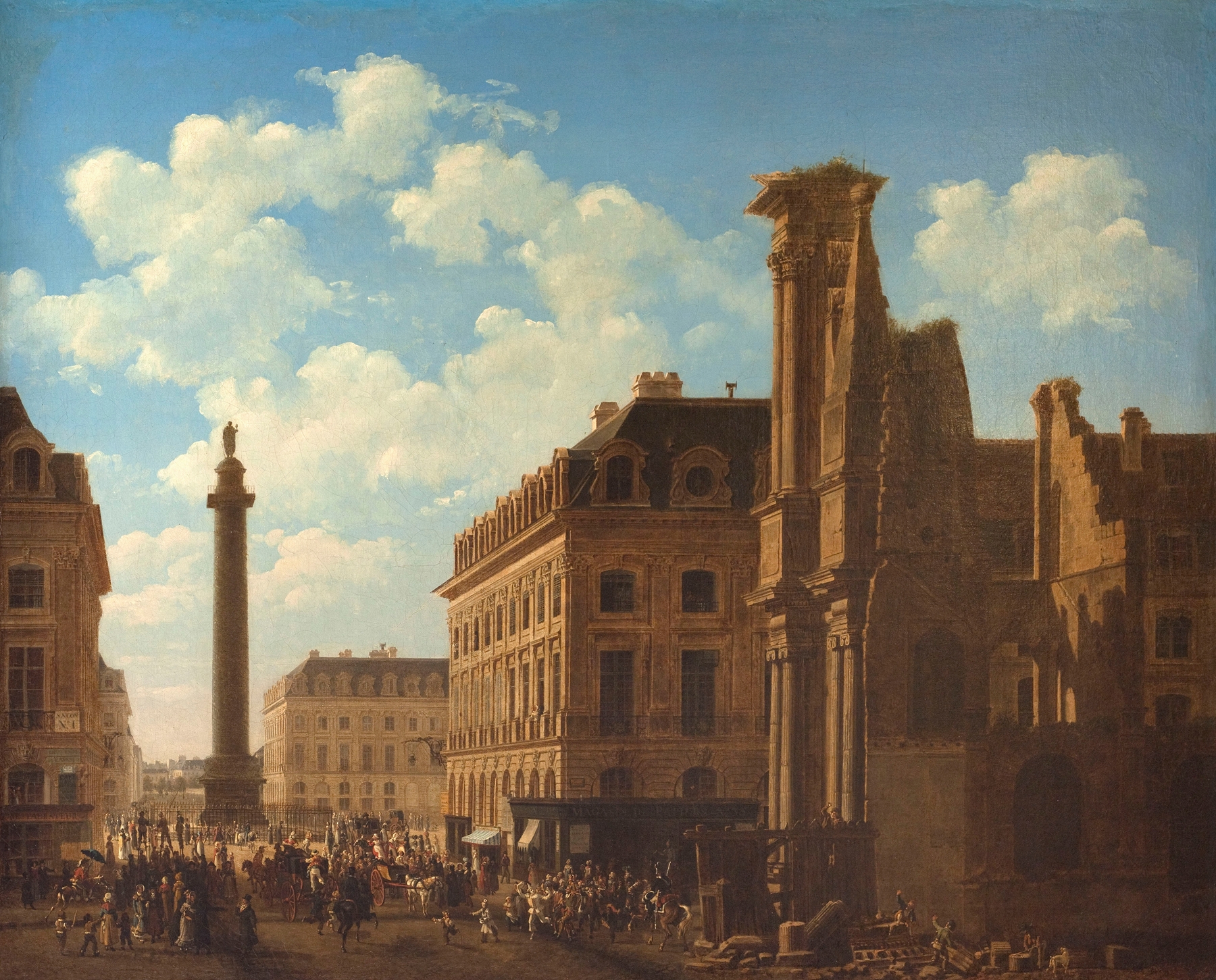
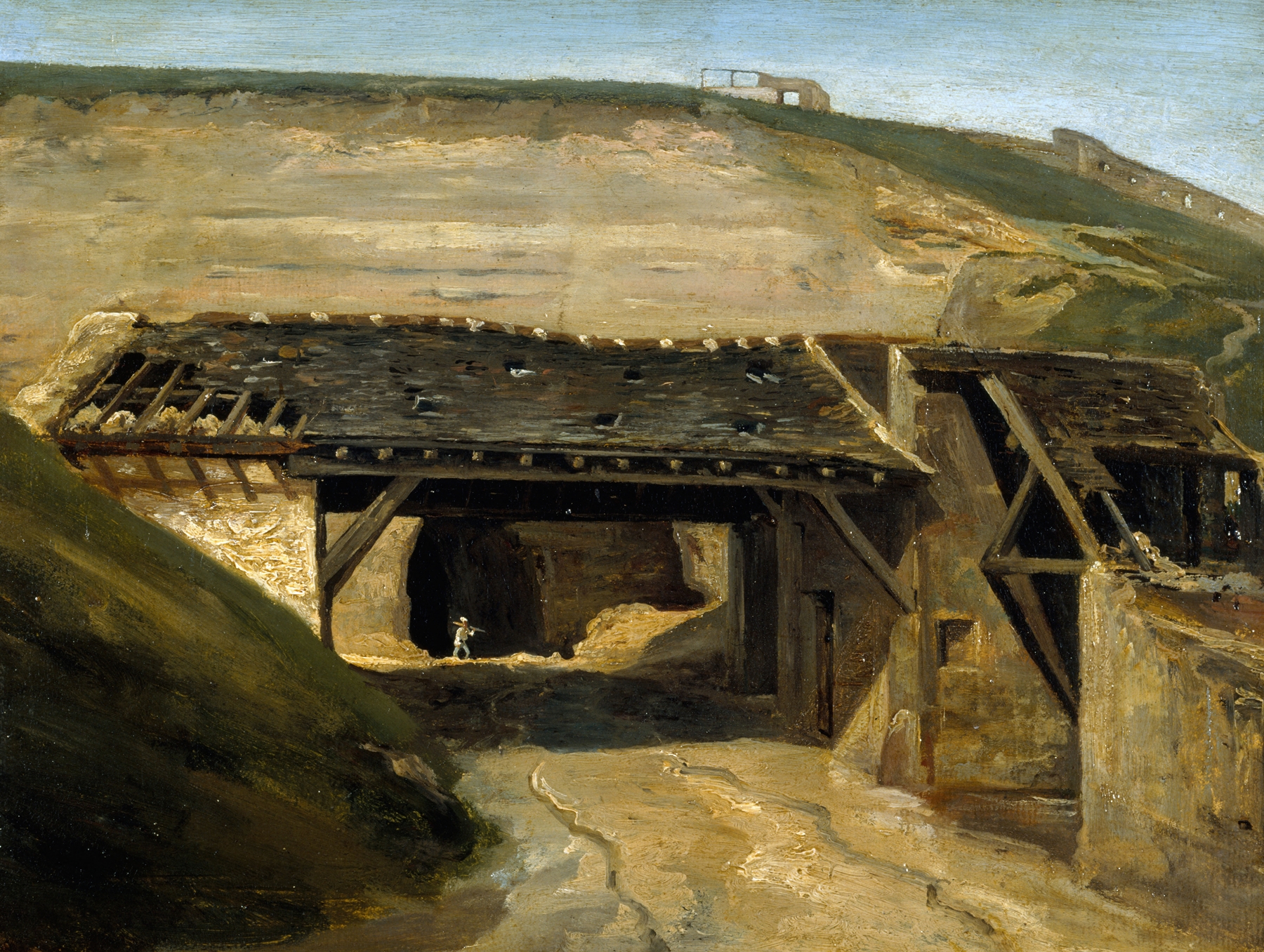
“Sometimes beauty is just pain, disguised in gold.” This haunting truth unfurls in the delicate brushstrokes of a forgotten world, where beauty intersects with decay and impermanence. Look to the left at the weathered stones of the church, their surfaces mottled with age, telling stories of time's relentless passage. The composition draws your gaze upward, where the spire reaches towards the heavens, bathed in soft golden light that seems to cling to the edifice like a tender memory. Notice how the subdued color palette, dominated by earthy tones, evokes a sense of nostalgia, inviting contemplation of the vitality once pulsing through this sacred space.
Beneath the surface, the painting speaks of contrasts: the vibrancy of life against the inevitability of decline. The surrounding trees, though alive, show signs of wear, their branches heavy with the burden of seasons past. This interplay mirrors the human experience—an acknowledgment that beauty often resides in the remnants of what once was, suggesting that decay, too, possesses its own kind of grace.
Etienne Bouhot created this work in 1836 while residing in Paris, capturing the subtle charm of Saint-Germain-de-Charonne amid a rapidly changing city. At that time, the art world was experiencing shifts towards Romanticism, with artists exploring themes of nature and emotional depth. Bouhot’s contemplative approach reflects the tension between urban expansion and the preservation of history, marking him as a keen observer of the transient beauty woven into the fabric of everyday life.