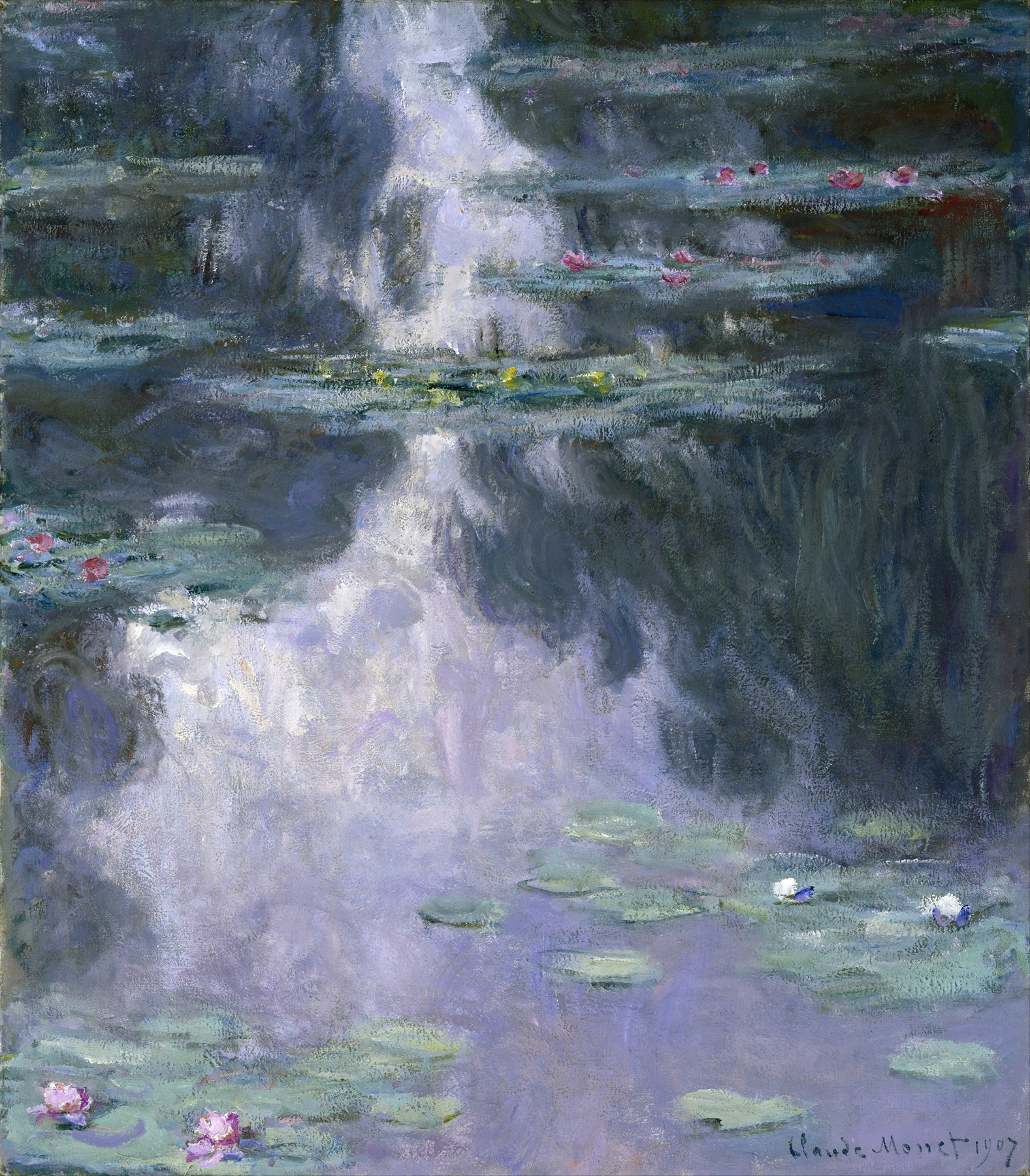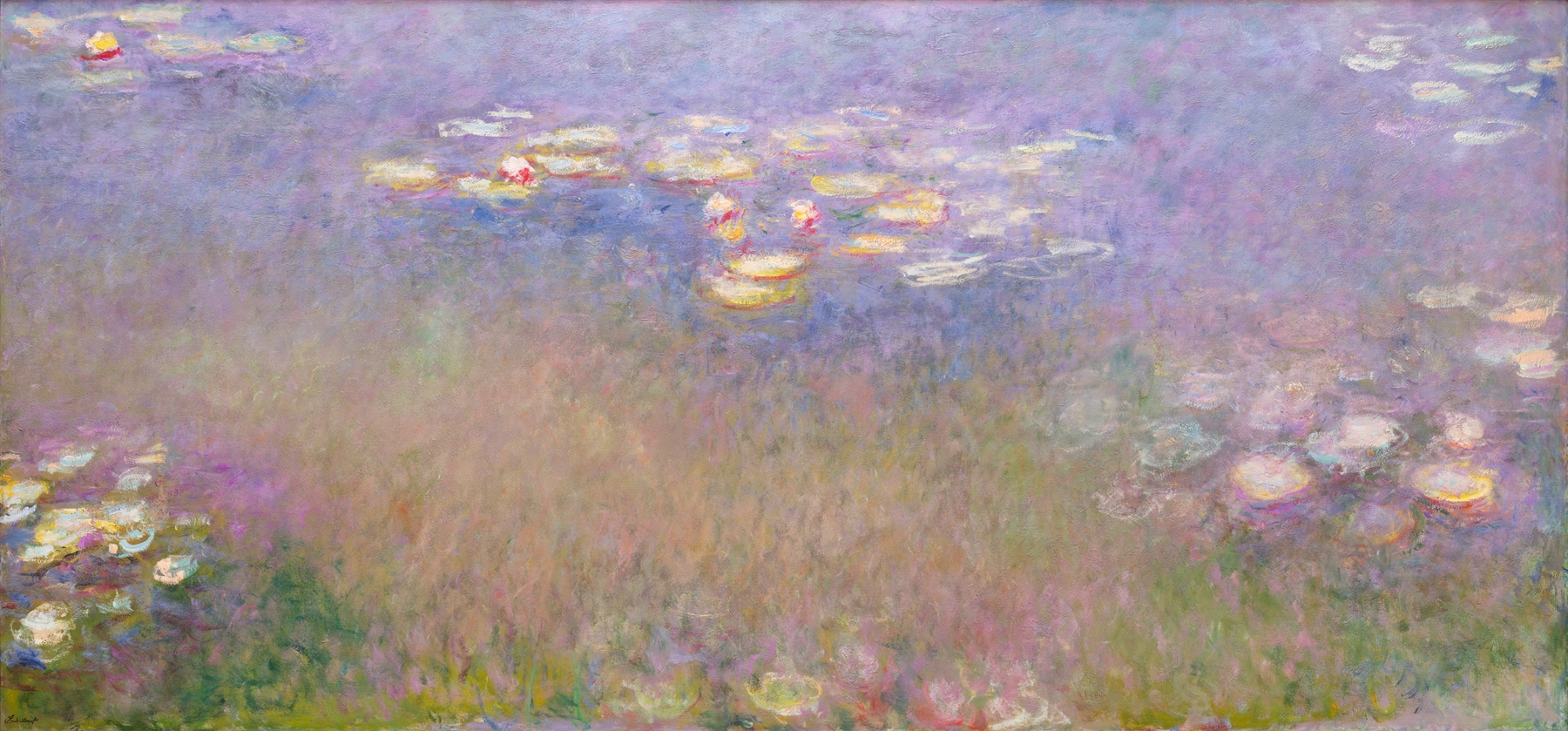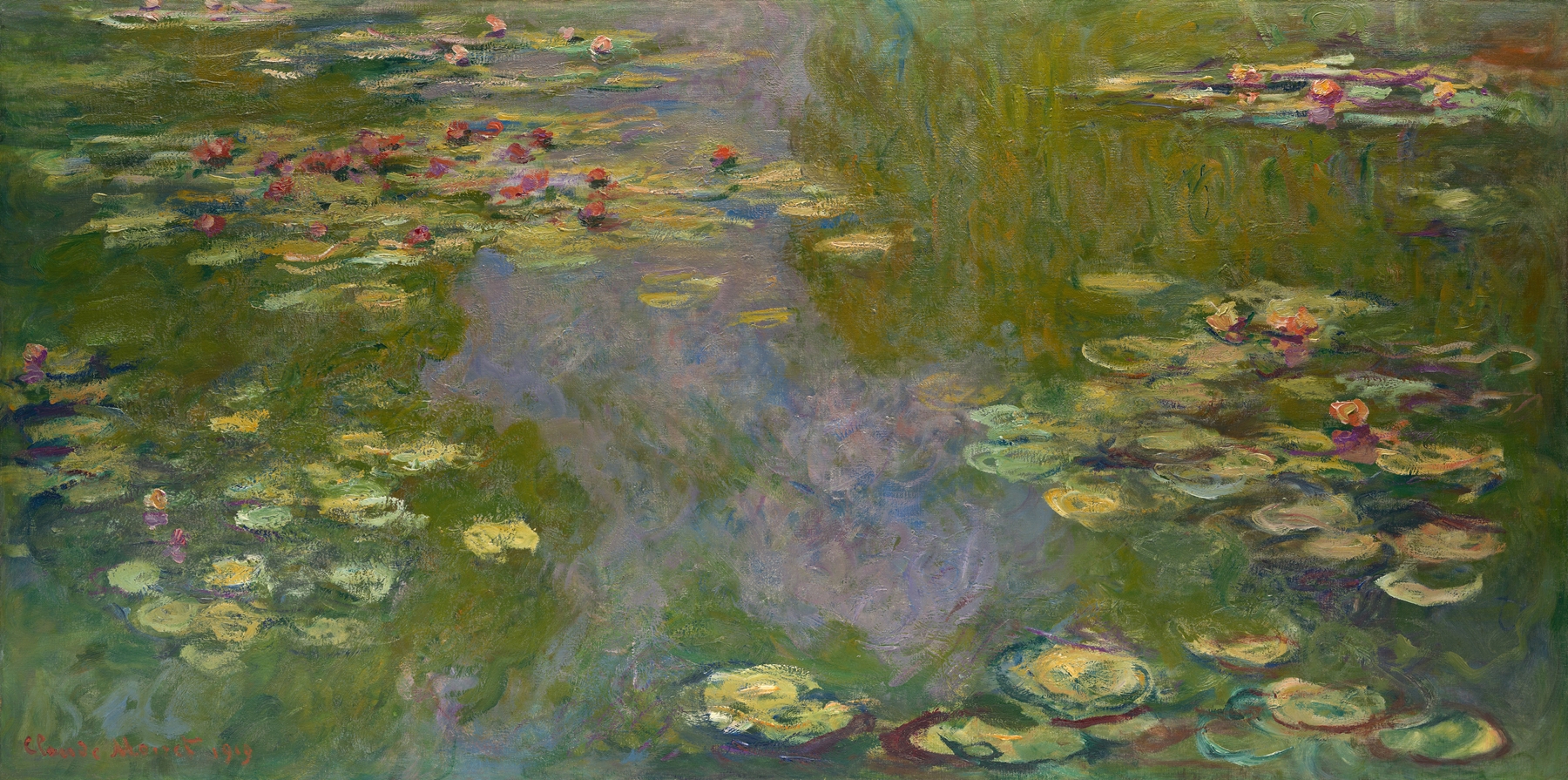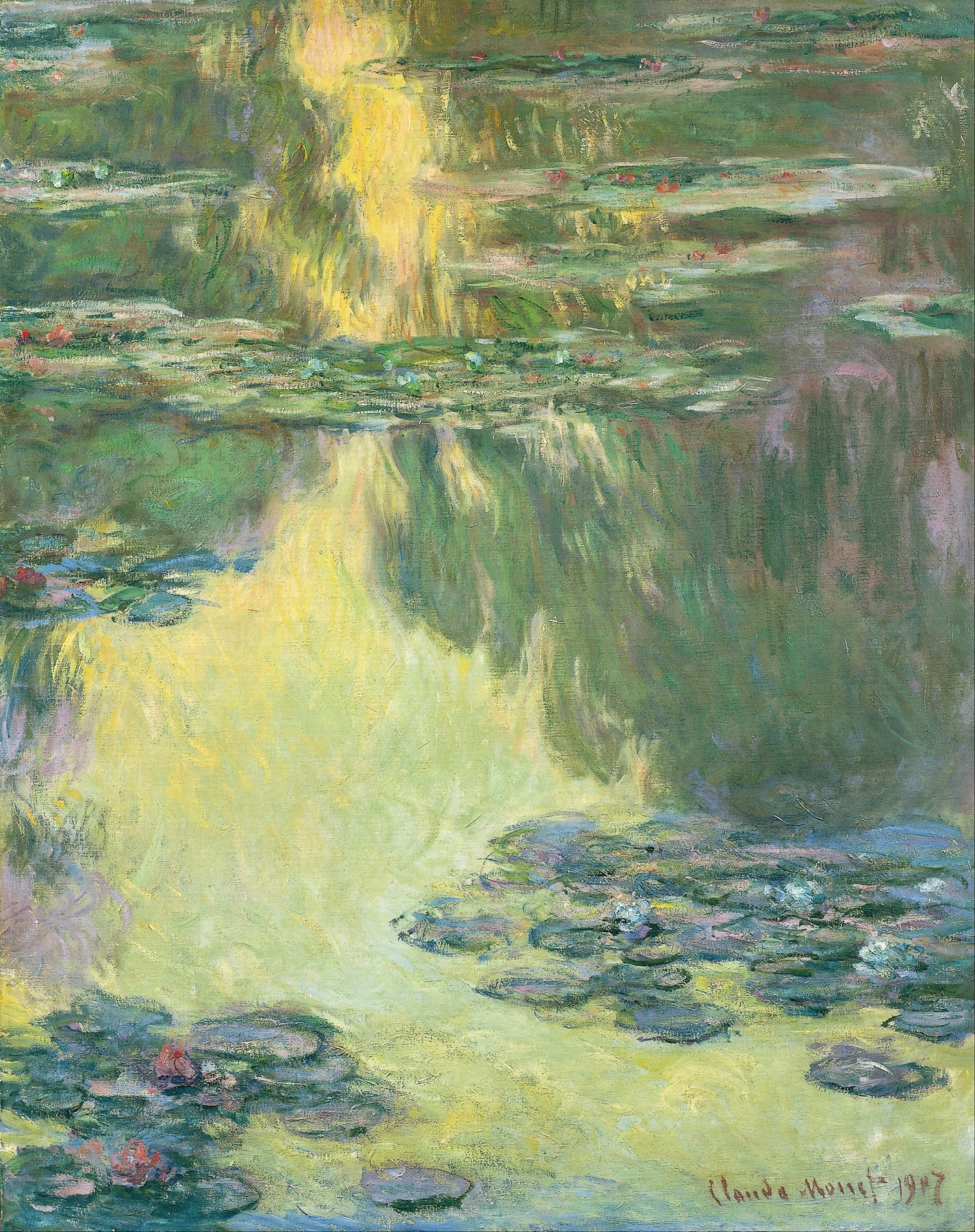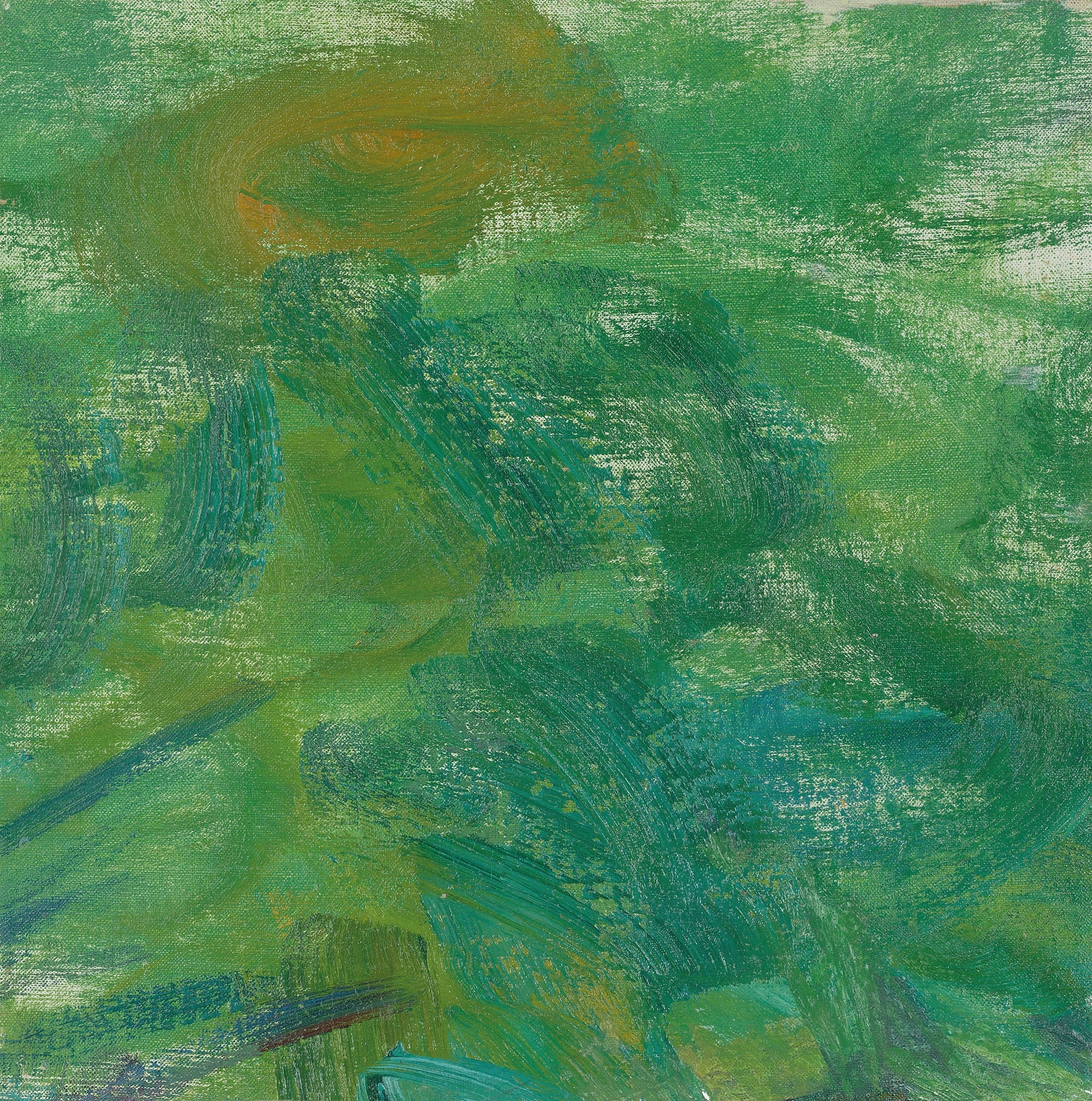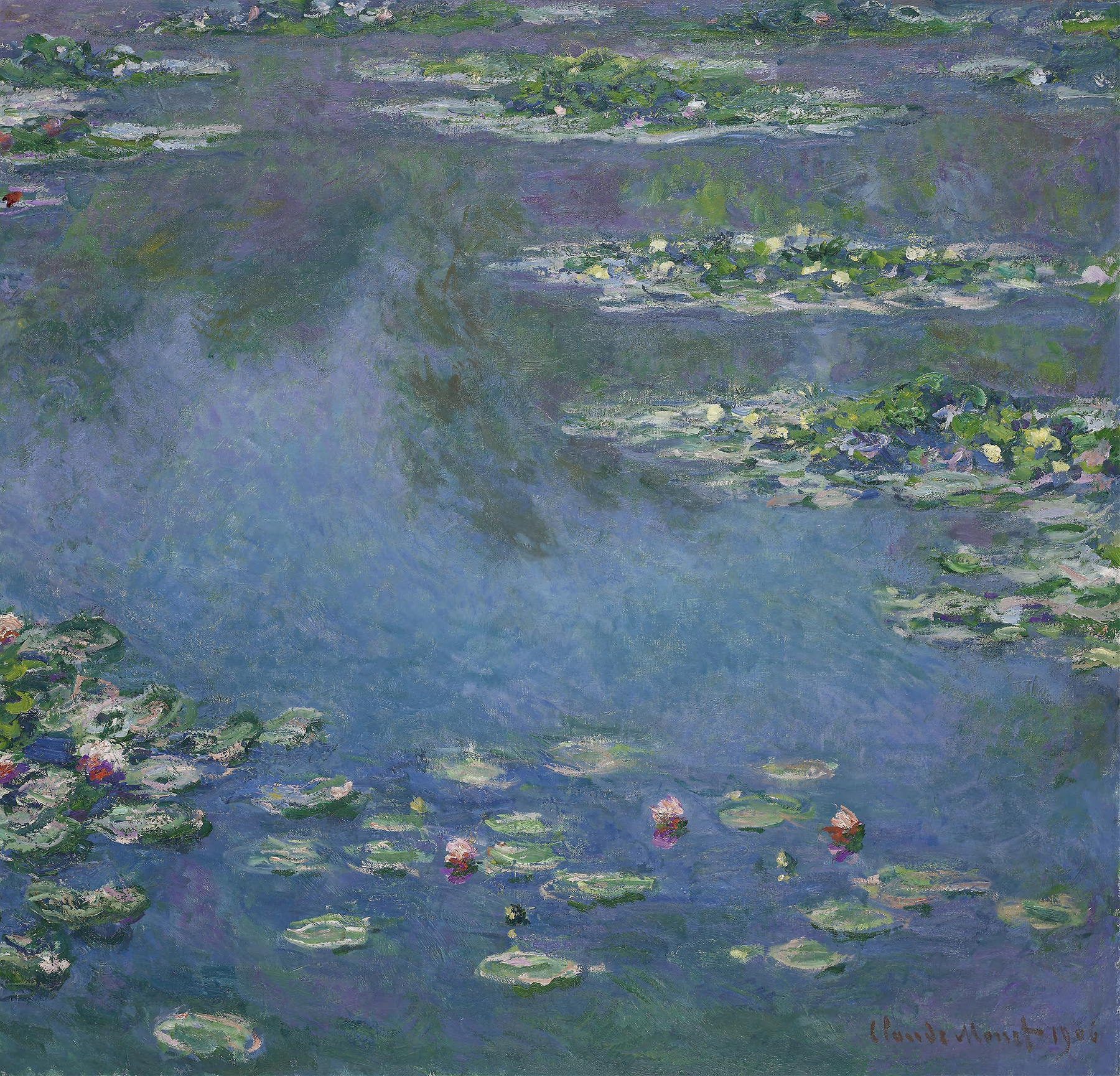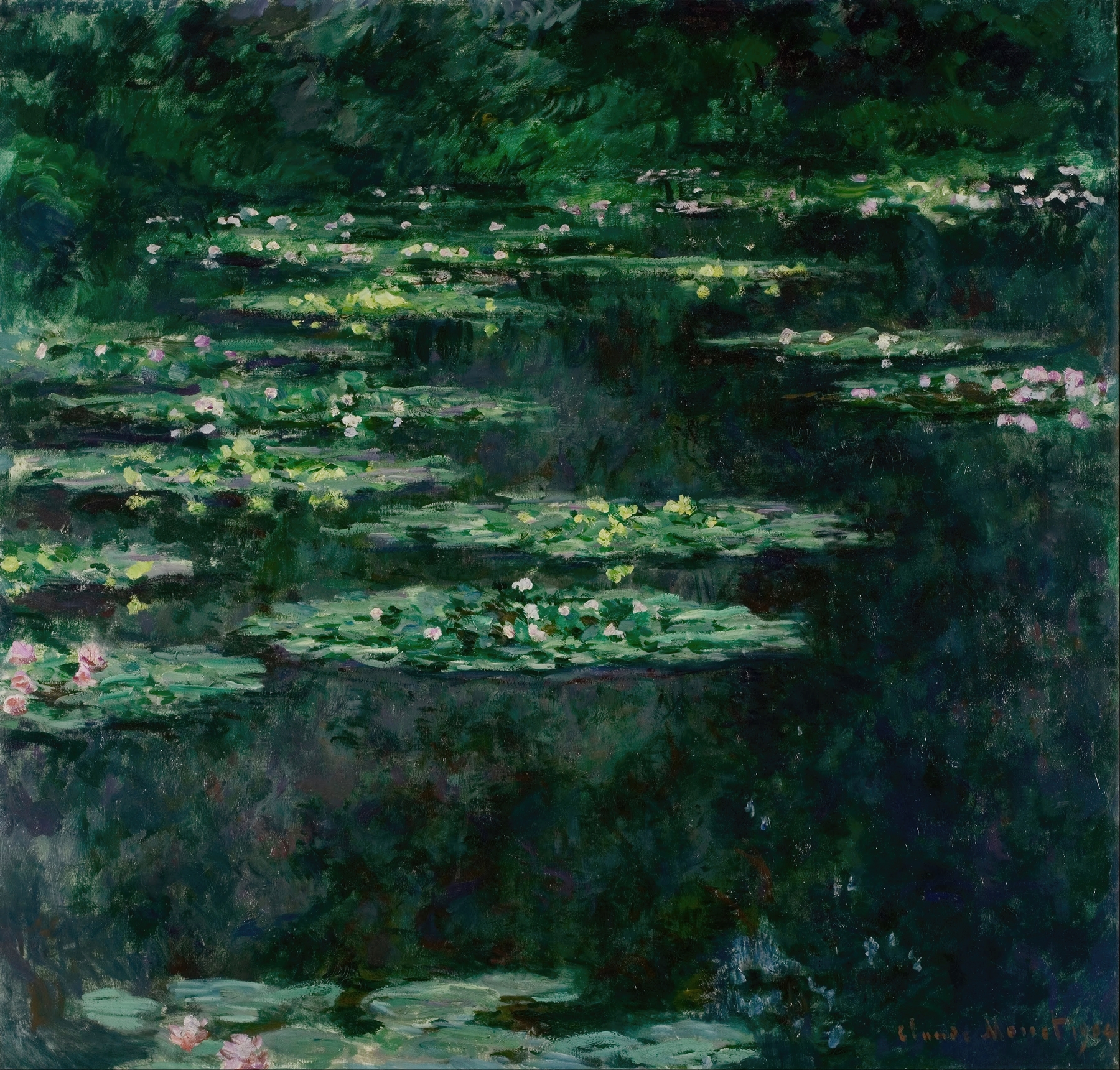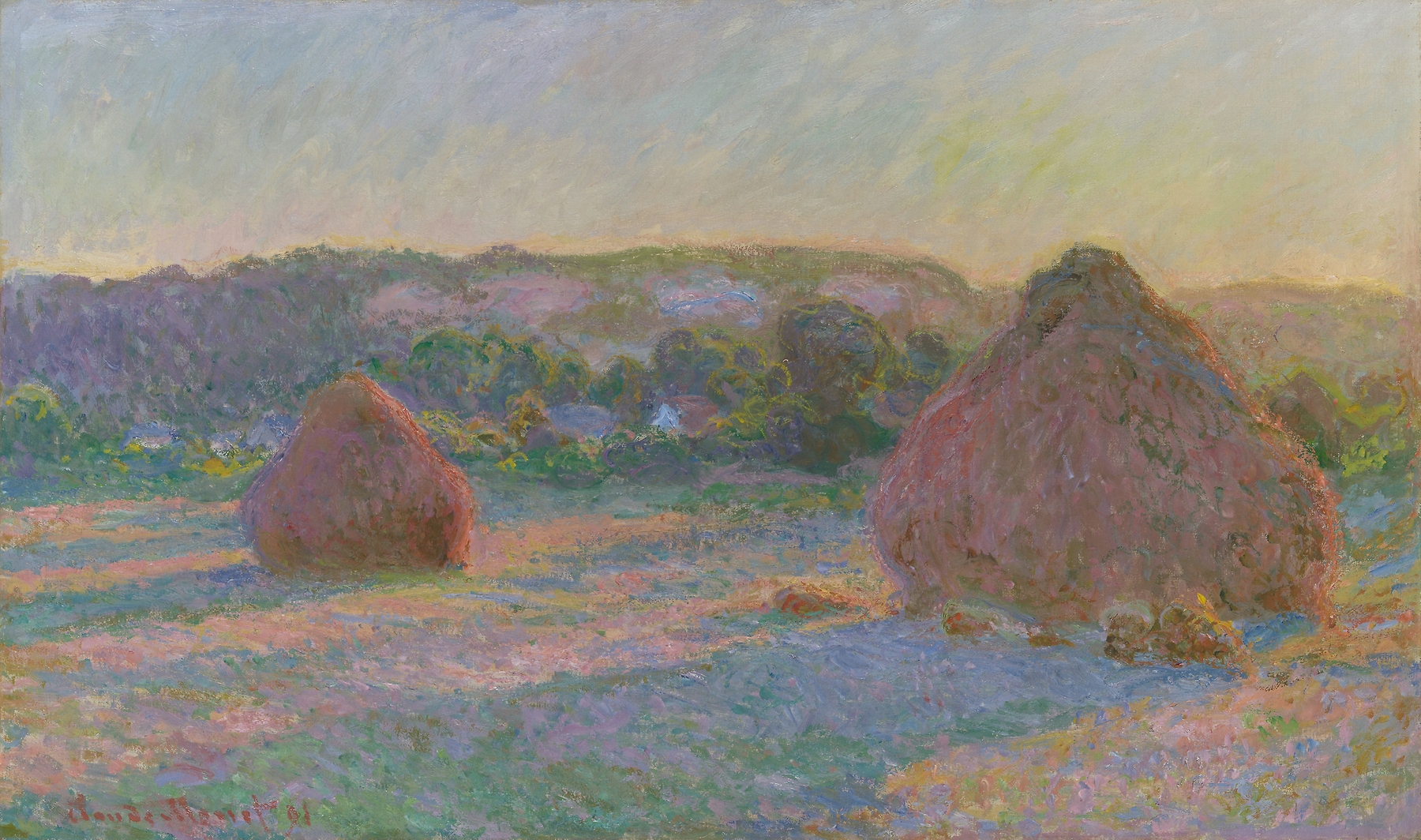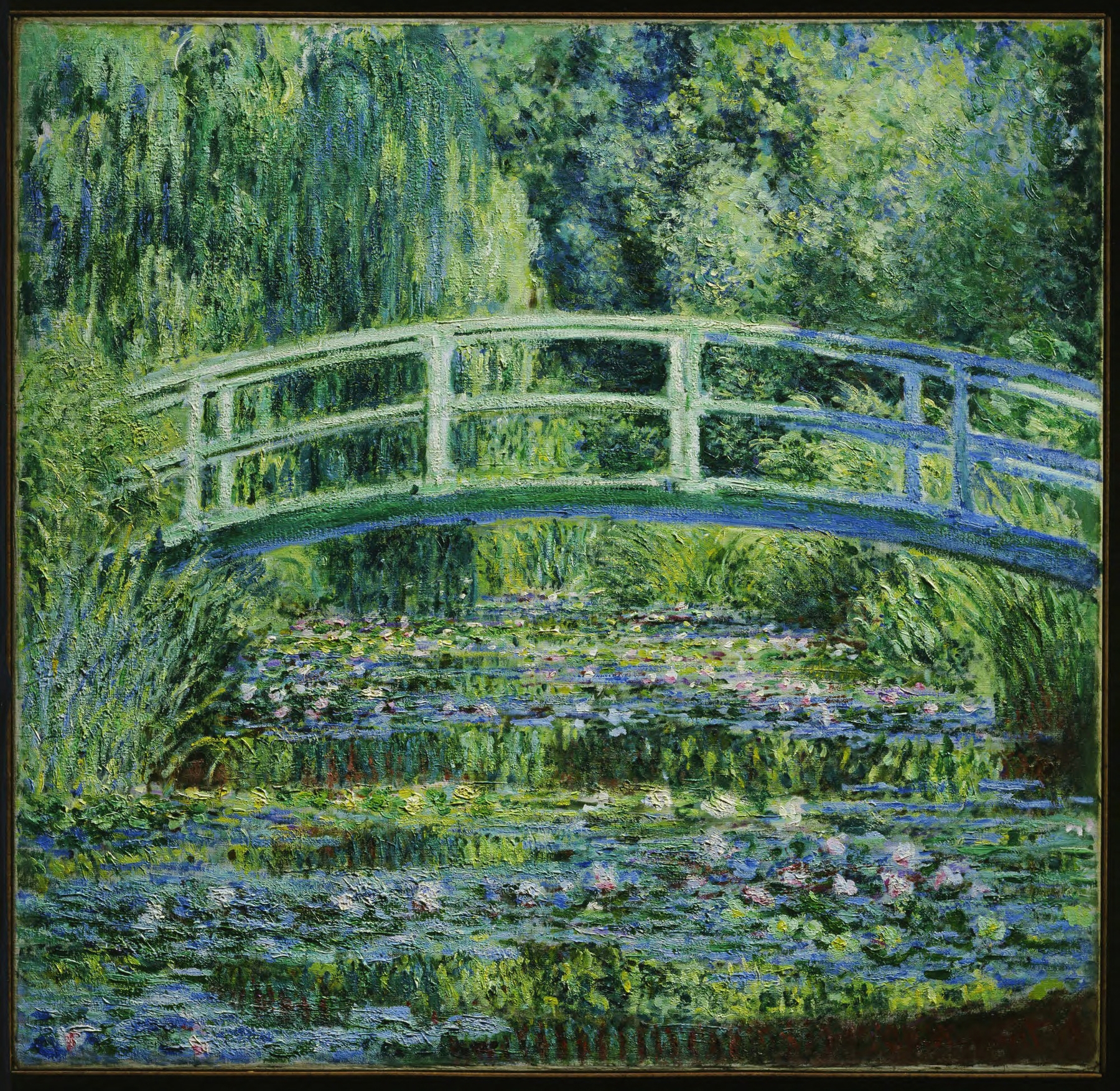
When did color learn to lie? In the world of *Water Lilies and Japanese Bridge*, brilliance dances on the surface of the water, crafting a mesmerizing illusion that blurs the line between reality and reverie. Here, hues speak louder than form, suggesting not just a scene, but an untouched moment forever in motion. Focus first on the vibrant greens and blues that dominate the canvas. The bridge, elegantly arched across the pond, invites your gaze to linger; its reflection ripples softly in the water below. Notice how the brushstrokes create an impression of fluidity and life, as if the scene breathes with the whispers of nature. The juxtaposition of the textured lilies against the smooth surface of the pond draws the eye, compelling one to explore each delicate petal swirling in an unending dance. Delve deeper into the contrasts presented here: the tranquility of the water juxtaposed against the vibrancy of the foliage amplifies a sense of serenity amidst chaos. Monet’s color palette, with its pulsating vitality, evokes a fleeting moment that feels both ephemeral and eternal. The viewer is left to ponder the intrinsic connection between nature's serenity and the fleetingness of time itself, a reminder of life’s unstoppable flow. In 1899, Monet painted this piece in Giverny, during a time when he was establishing his reputation as a pioneer of Impressionism. The art world was beginning to embrace innovative techniques that focused on light and color over traditional representation. As his garden flourished, so too did his exploration of movement and perception, solidifying his legacy in the realm of modern art.