Water Tower in Hermsdorf — History & Analysis
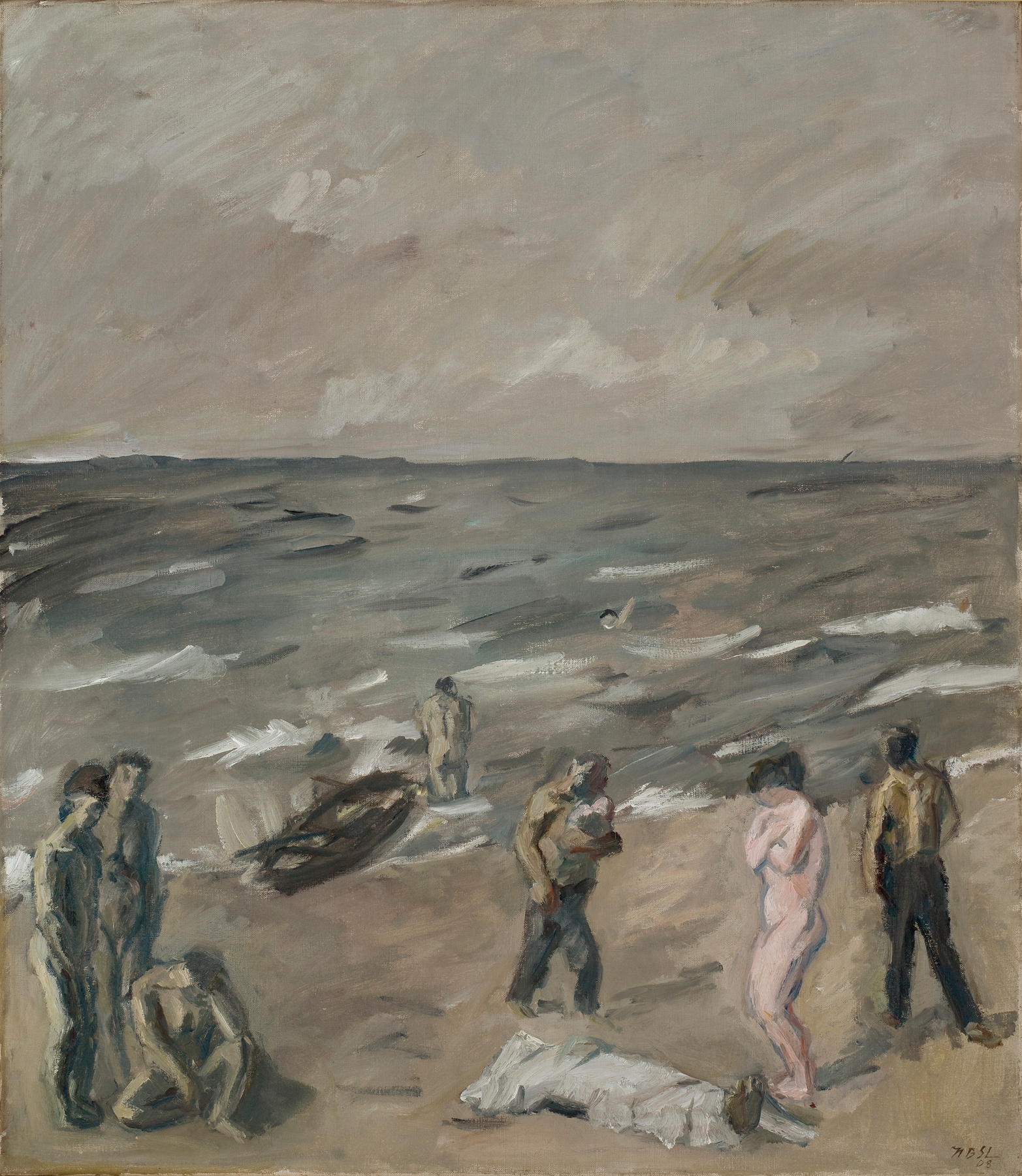
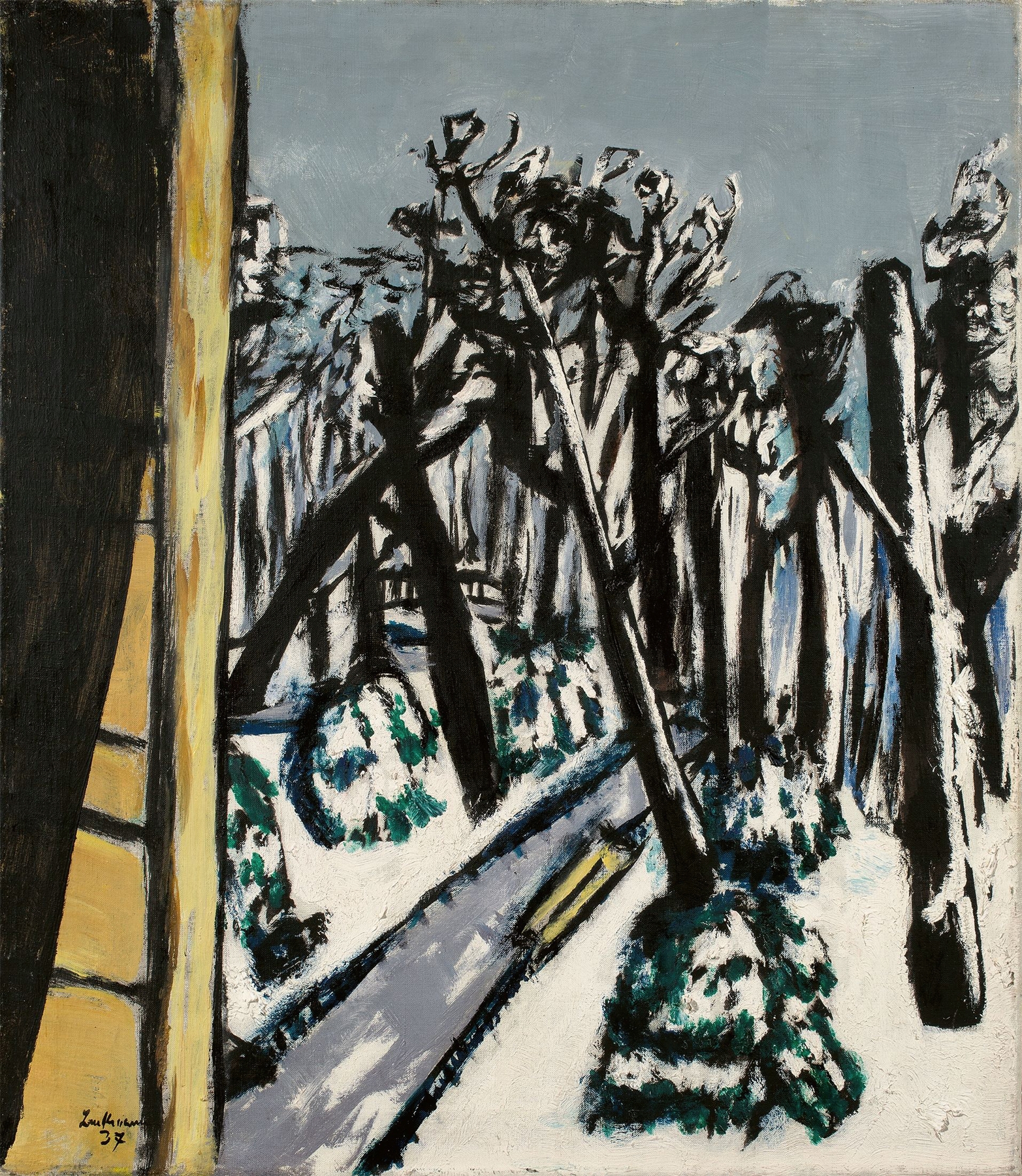
Can beauty exist without sorrow? In Water Tower in Hermsdorf, one can explore this profound duality through the lens of transformation, where stark realities intertwine with ethereal beauty. Look to the upper left, where the water tower rises like a sentinel against a muted sky, its bold lines contrasting with the delicate strokes of the surrounding landscape. Rich, earthy tones dominate the canvas, with ochres and deep greens echoing the terrain's rawness.
The tower's geometric structure is framed by softer, swirling forms of trees, guiding the viewer's gaze toward the horizon, where the interplay of light hints at the promise of change. Within this scene lies a deeper narrative. The juxtaposition of the industrial water tower against the lush, organic environment speaks to the tension between progress and nature, civilization and solitude. The subtle gradations of color suggest a fleeting moment, a reminder of the impermanence inherent in both natural beauty and human endeavors.
Each stroke tells a story of resilience and transformation, invoking an emotional resonance that captures the viewer's heart. In 1909, while living in Germany, Beckmann painted this work amid a time of profound societal change and personal upheaval. As he navigated the shifting currents of expressionism, the industrial landscape around him became both muse and subject, reflecting his fascination with the complexities of modern life. This piece represents not just a moment in his career, but an embodiment of a world on the brink of transformation.