Waterloo Bridge, London, at Dusk — History & Analysis
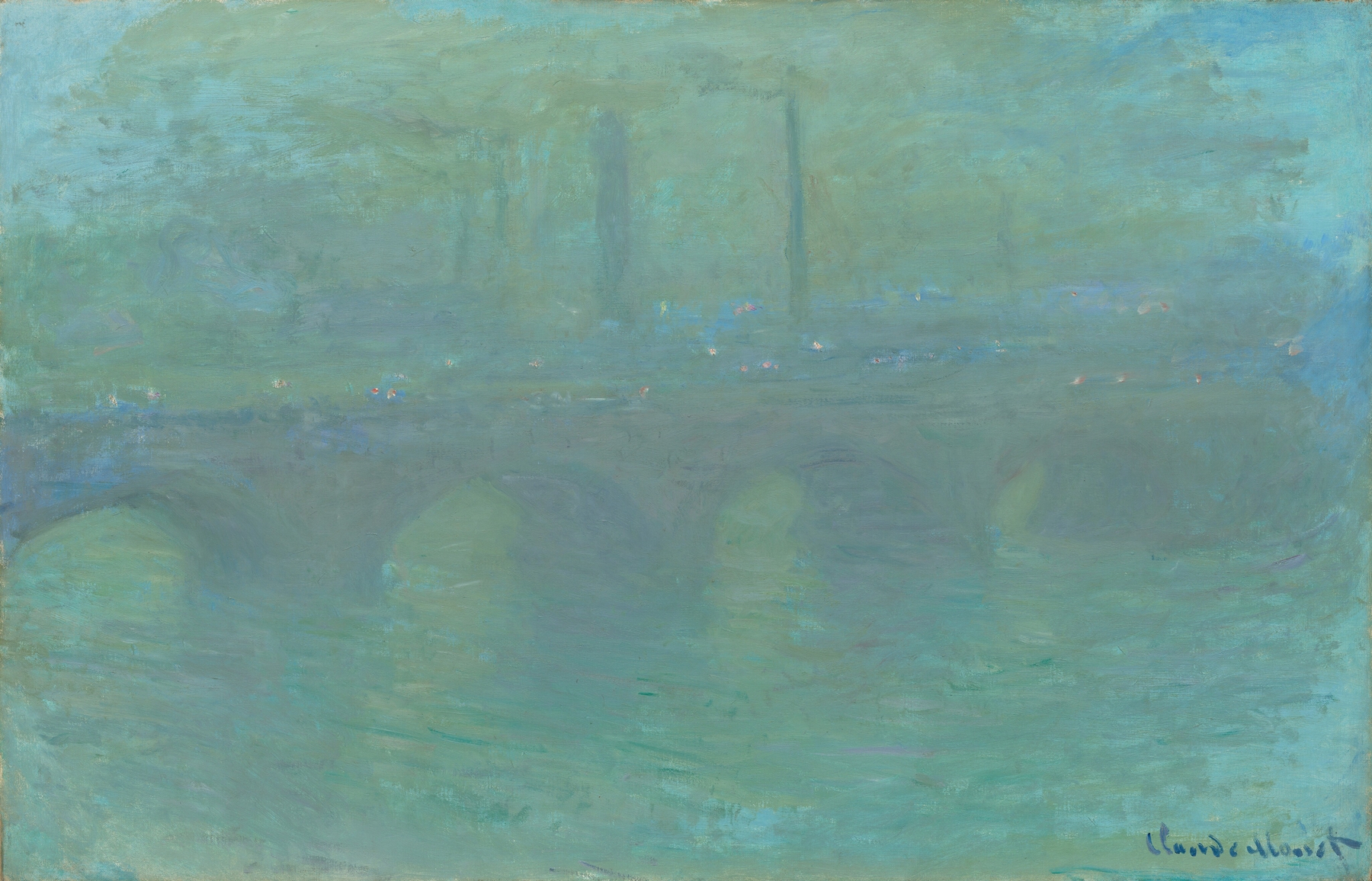
Can beauty exist without sorrow? In Waterloo Bridge, London, at Dusk, an ethereal ambiance envelops the viewer, inviting contemplation amidst a haze of color and light. Look to the center, where the bridge rises majestically, shrouded in a delicate veil of fog. The soft, muted colors intertwine—lavenders and blues blend seamlessly, capturing the essence of twilight. Notice how the light diffuses through the mist, suffusing the scene with a dreamlike quality, almost obscuring the bustling life that lies beneath.
The brushstrokes are fluid, pulsating with energy, as if the moment itself is in constant flux, embodying the transient nature of both time and emotion. Yet beneath this serene exterior lies a poignant contrast. The vibrancy of the colors belies the somber sentiment of the fog-draped scene, hinting at the melancholy of fleeting moments. The figures, barely discernible in the distance, evoke a sense of isolation, juxtaposed against the grandeur of the bridge—reminders of human fragility amidst the powerful currents of nature.
Each touch of paint tells a story of awe and vulnerability, compelling the viewer to ponder life's impermanence. In 1904, Monet was immersed in the Impressionist movement, painting in London during a period of personal challenges. The world of art was evolving, with artists exploring the interplay of light and atmosphere as central themes. This work reflects his deep engagement with the changing world around him, as well as his quest to capture the ephemeral beauty of the moment, solidifying his legacy as a master of modern art.