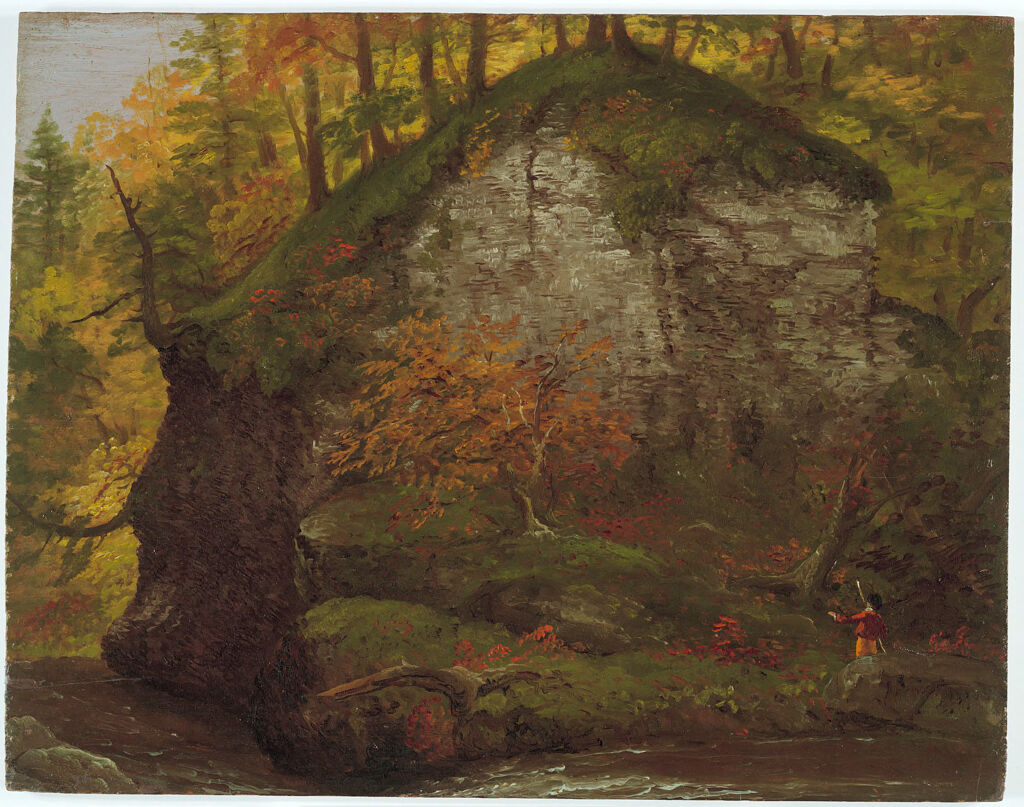
Watkins Glen; verso: Landscape — History & Analysis
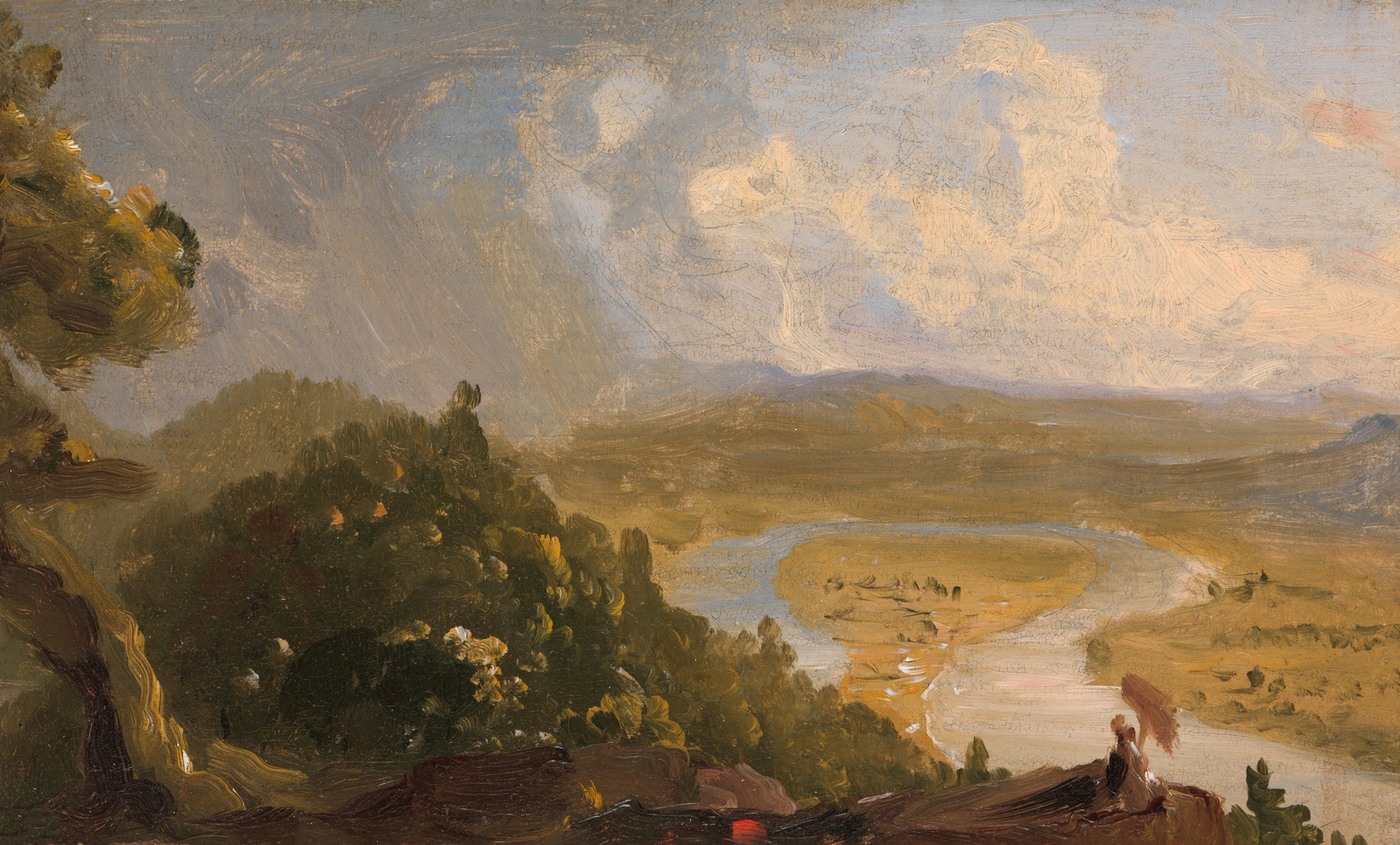
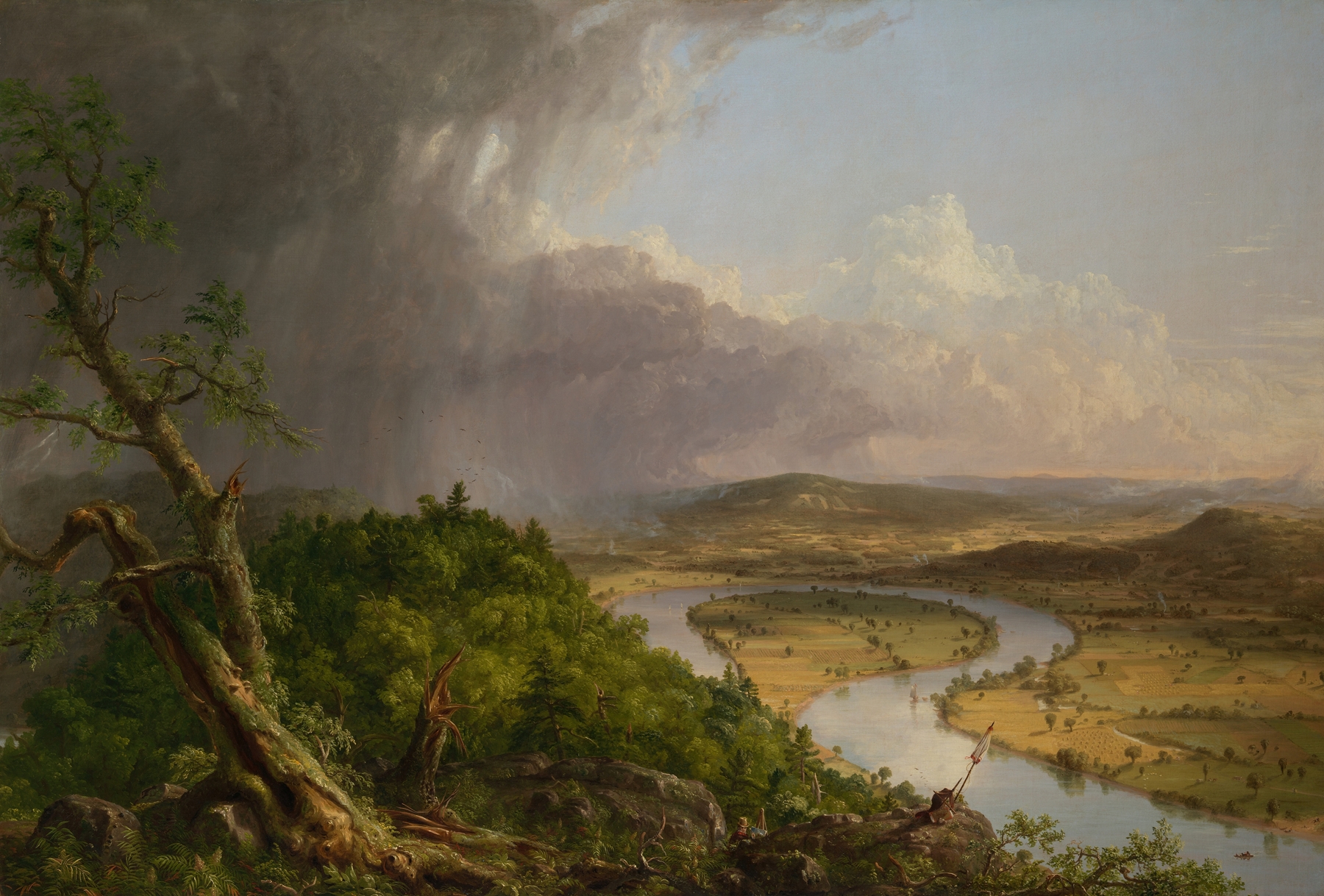
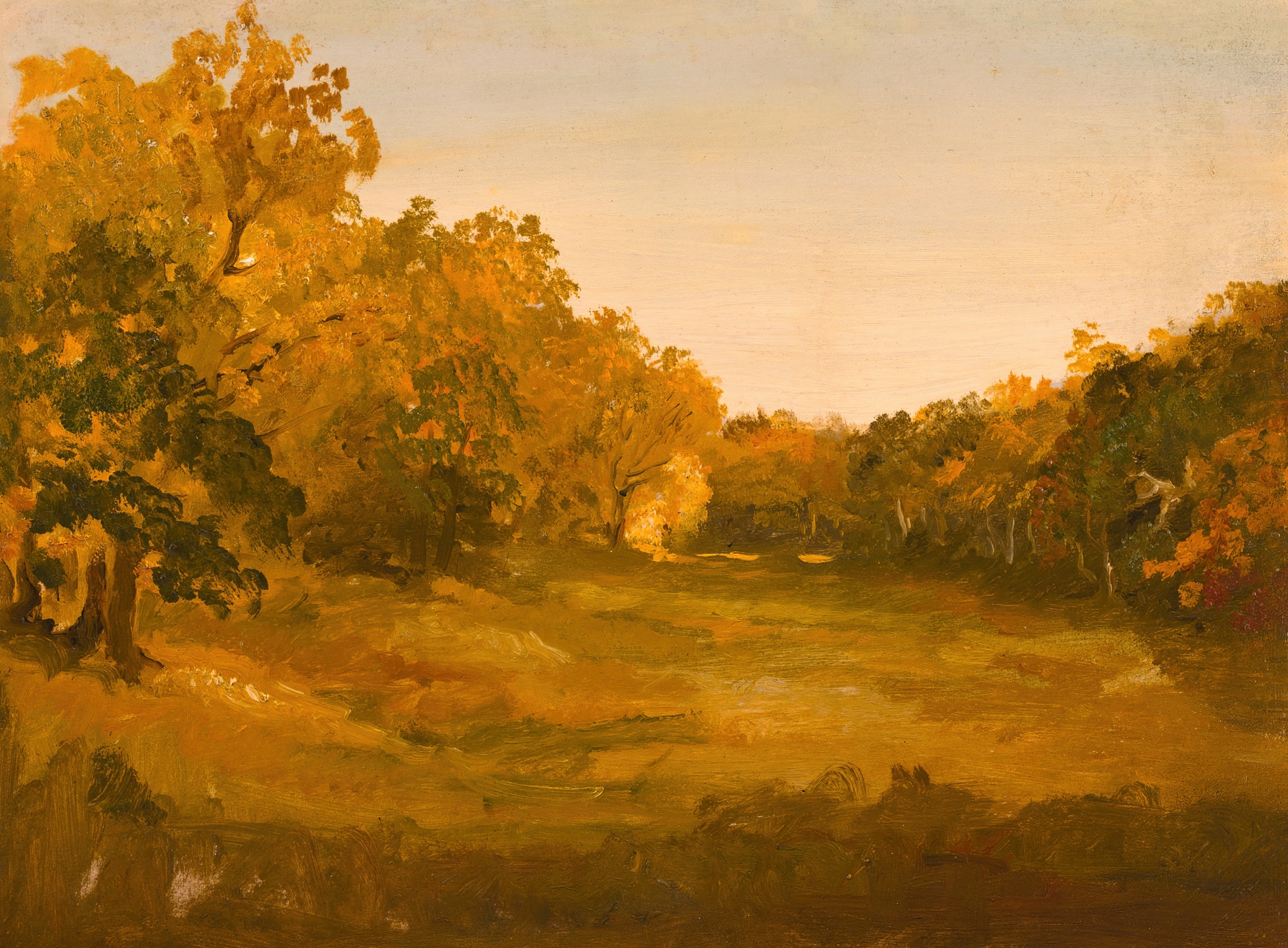
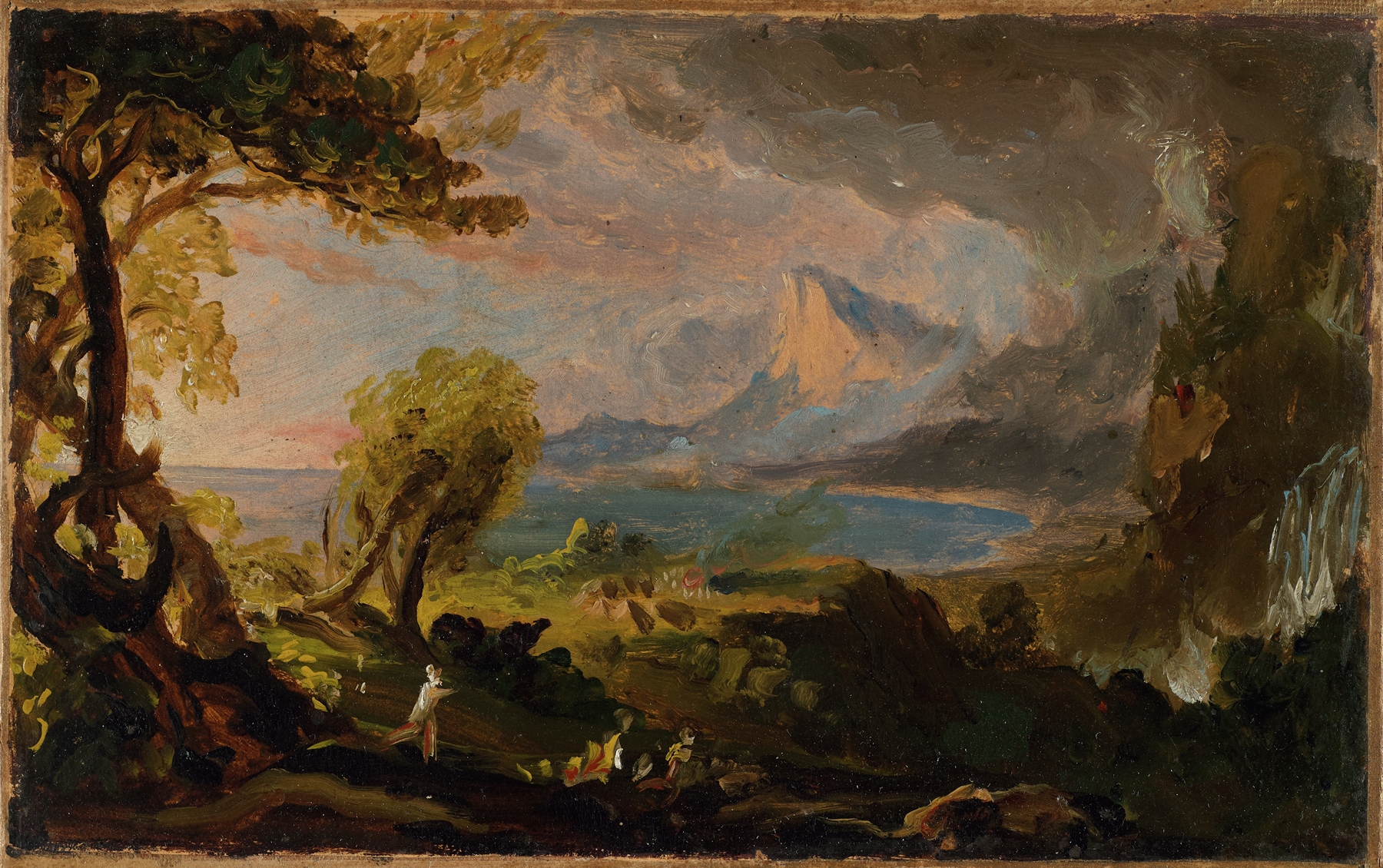
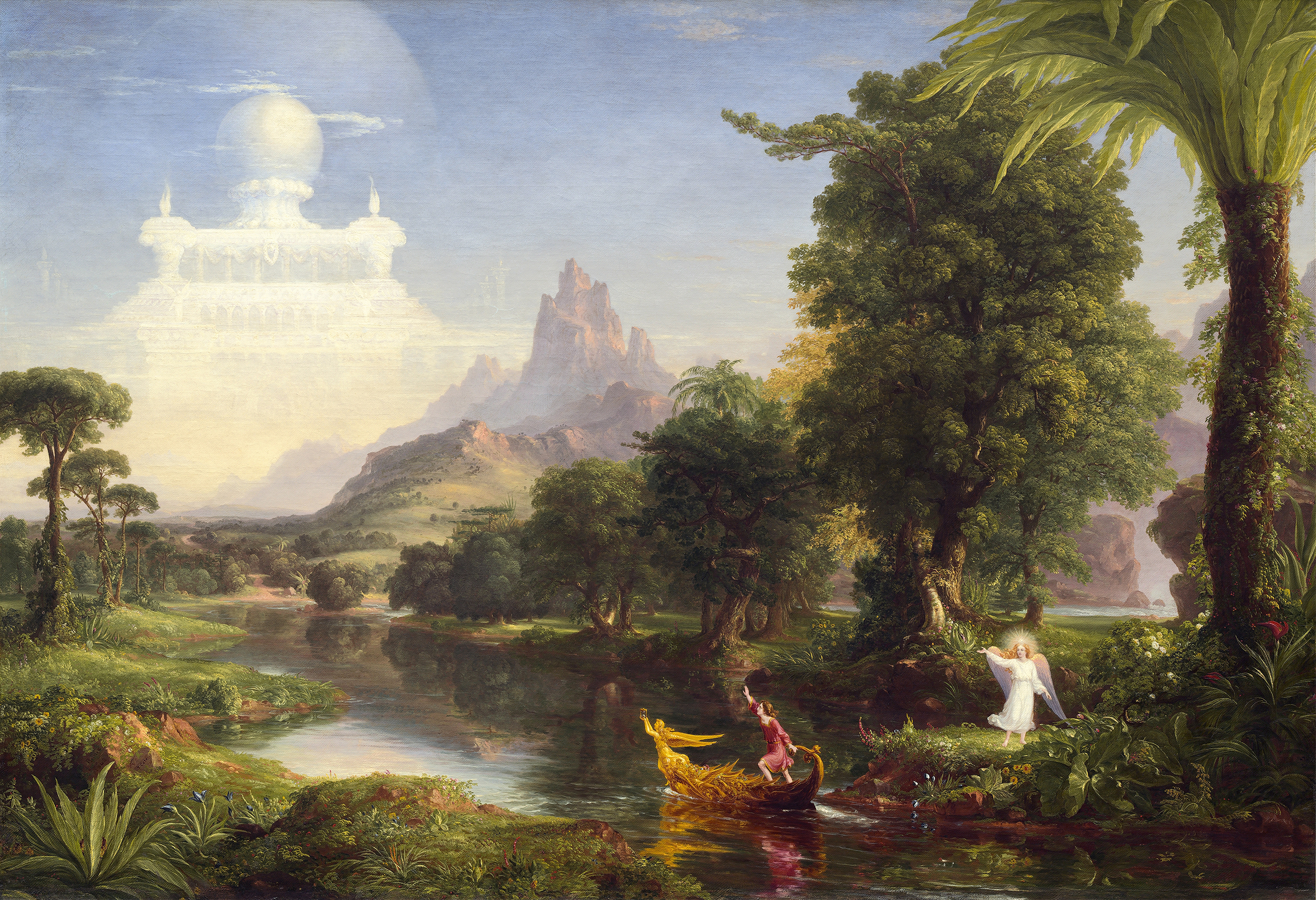
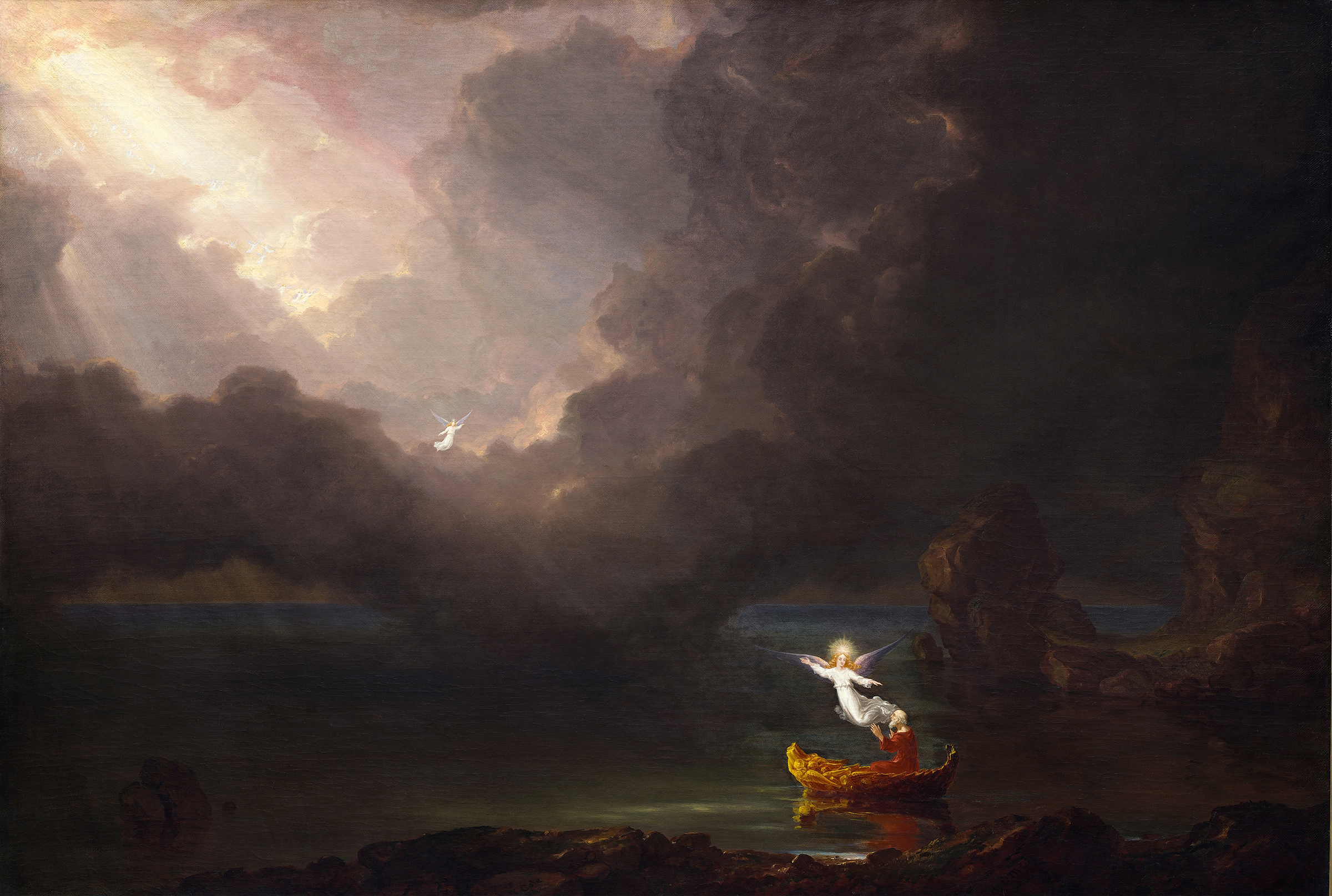
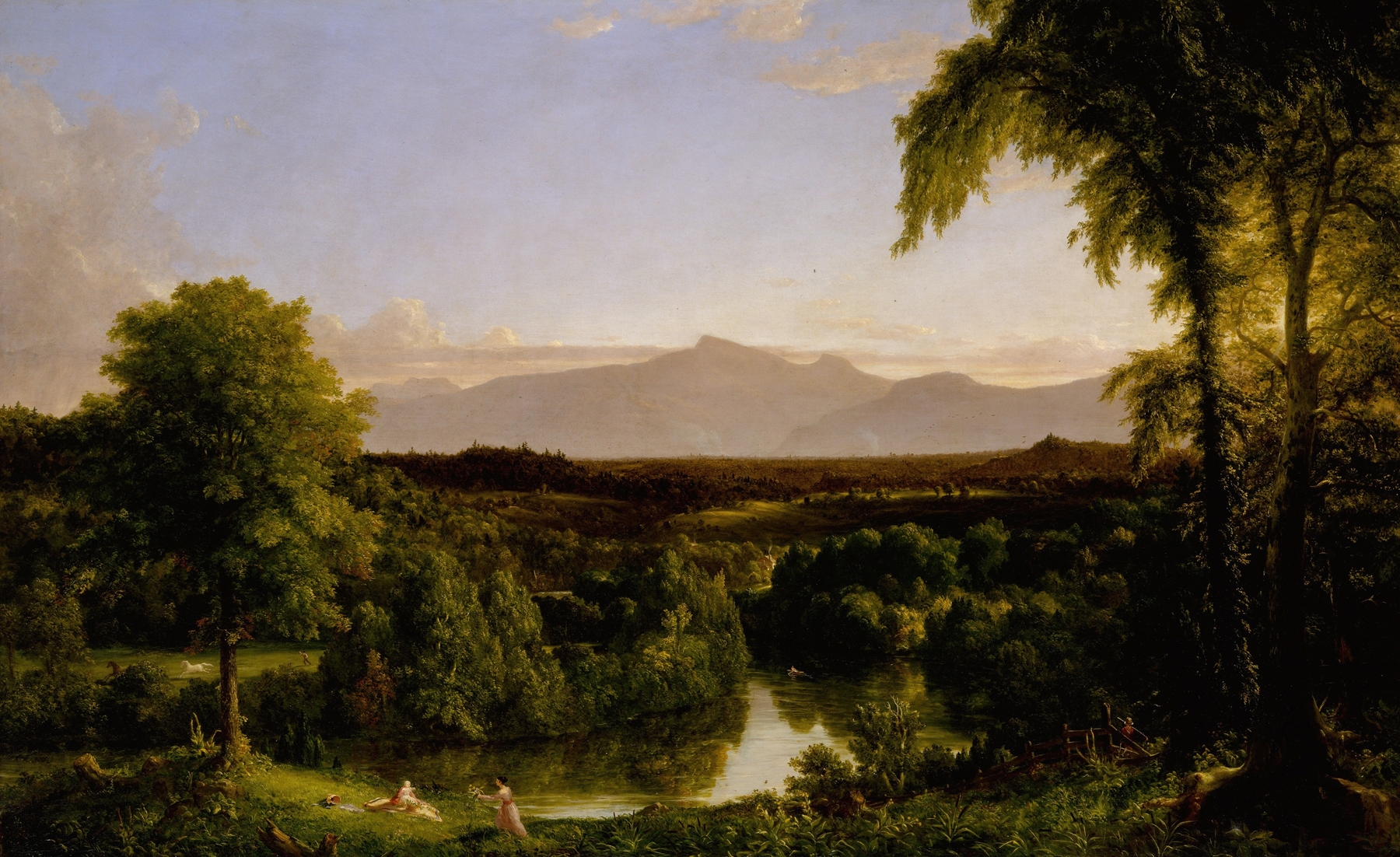
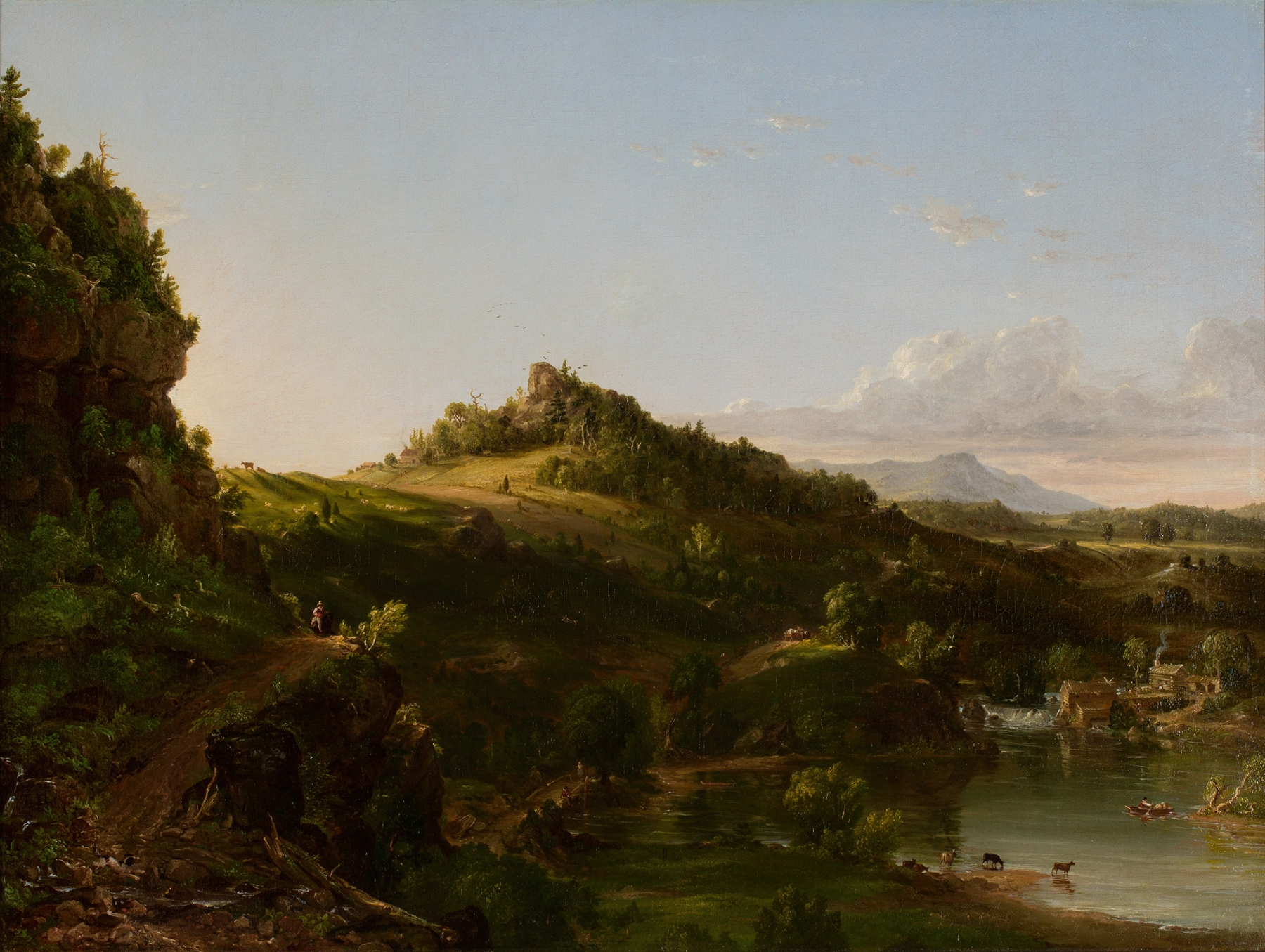
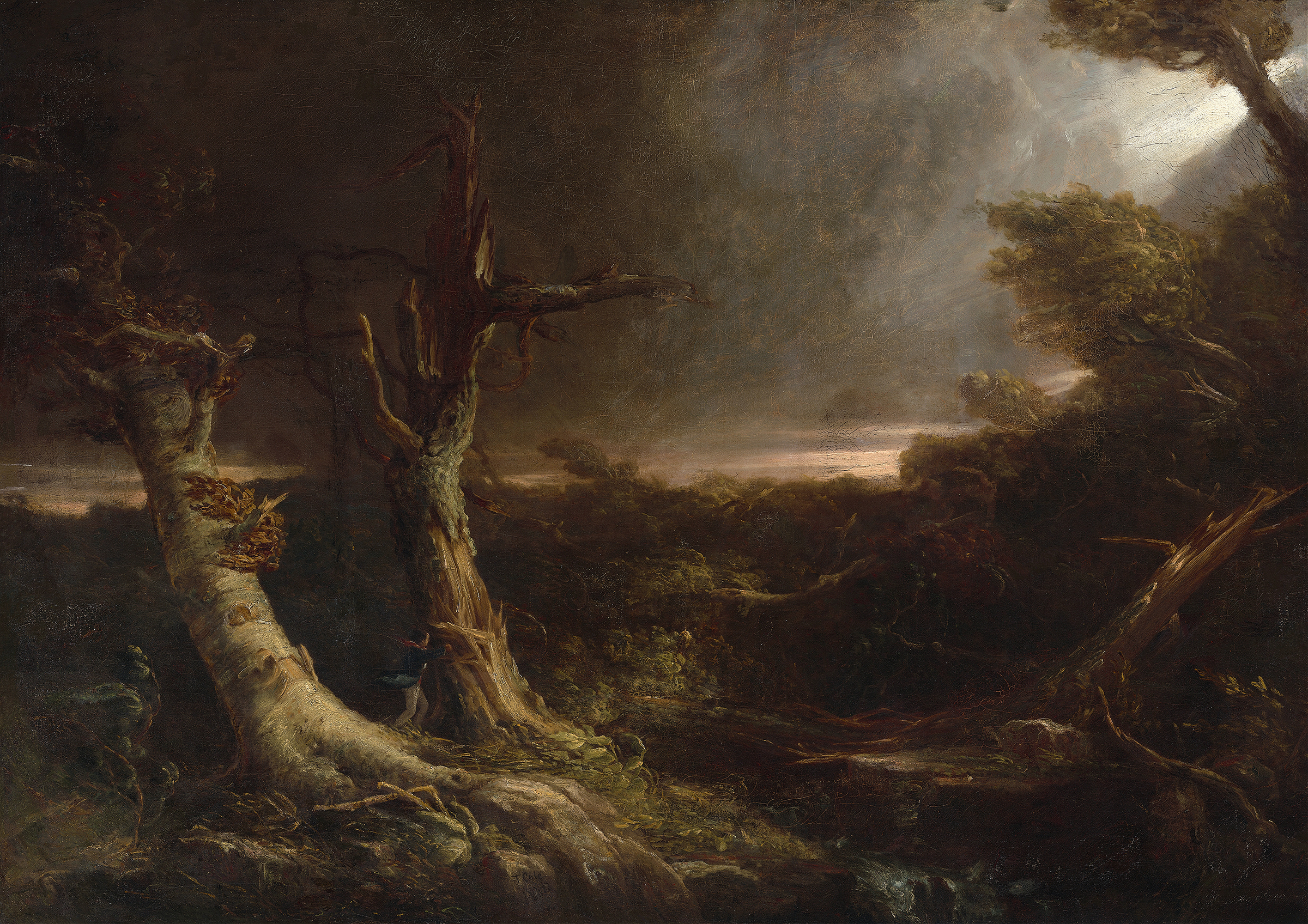
“Every brushstroke is a heartbeat remembered.” In the depths of nature's embrace, one can feel the pulse of longing that thunders in the heart. It is a desire not just for beauty, but for connection — a yearning to belong to the vast expanse of the world around us. Look closely to the left, where cascading waterfalls tumble with a ferocity that seems to echo the rhythms of life itself. Notice how the vibrant greens of the foliage blend seamlessly with the deep browns of the rocky cliffs, creating a harmonious balance between earth and water. The composition draws the eye toward the horizon, where a gentle mist hovers, inviting the viewer deeper into this tranquil yet dynamic landscape.
The chiaroscuro technique skillfully highlights the contrasts between light and shadow, intensifying the sense of depth and movement. Within this idyllic scene lies a tension between serenity and chaos. The rushing water symbolizes the relentless passage of time, while the sturdy rocks remind us of nature's permanence amidst change. Each hue carries an emotional weight — the lush greens evoke hope and renewal, while the darker shades suggest an undercurrent of melancholy.
This duality reflects the artist's exploration of humanity's relationship with nature, a profound desire for communion with the sublime. In the 1840s, during his time in the Catskills, the artist was deeply influenced by the Romantic movement, which sought to capture the emotional experience of the landscape. At this juncture, he was grappling with his own artistic identity while responding to an emerging American appreciation for the natural world. His work reflects not only personal aspirations but also a broader cultural shift towards valuing the wilderness as a source of inspiration and connection.