West Loo, Cornwall — History & Analysis
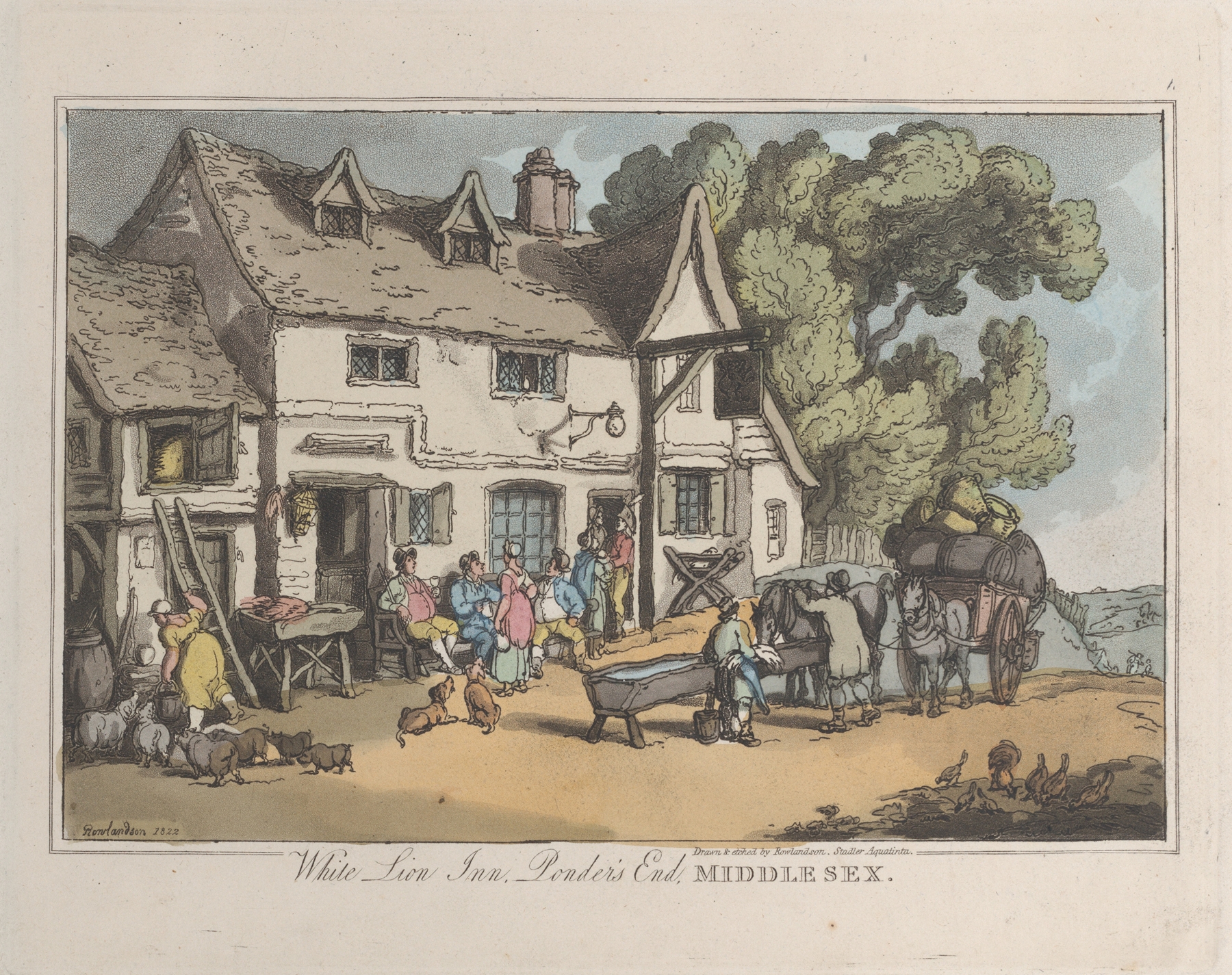
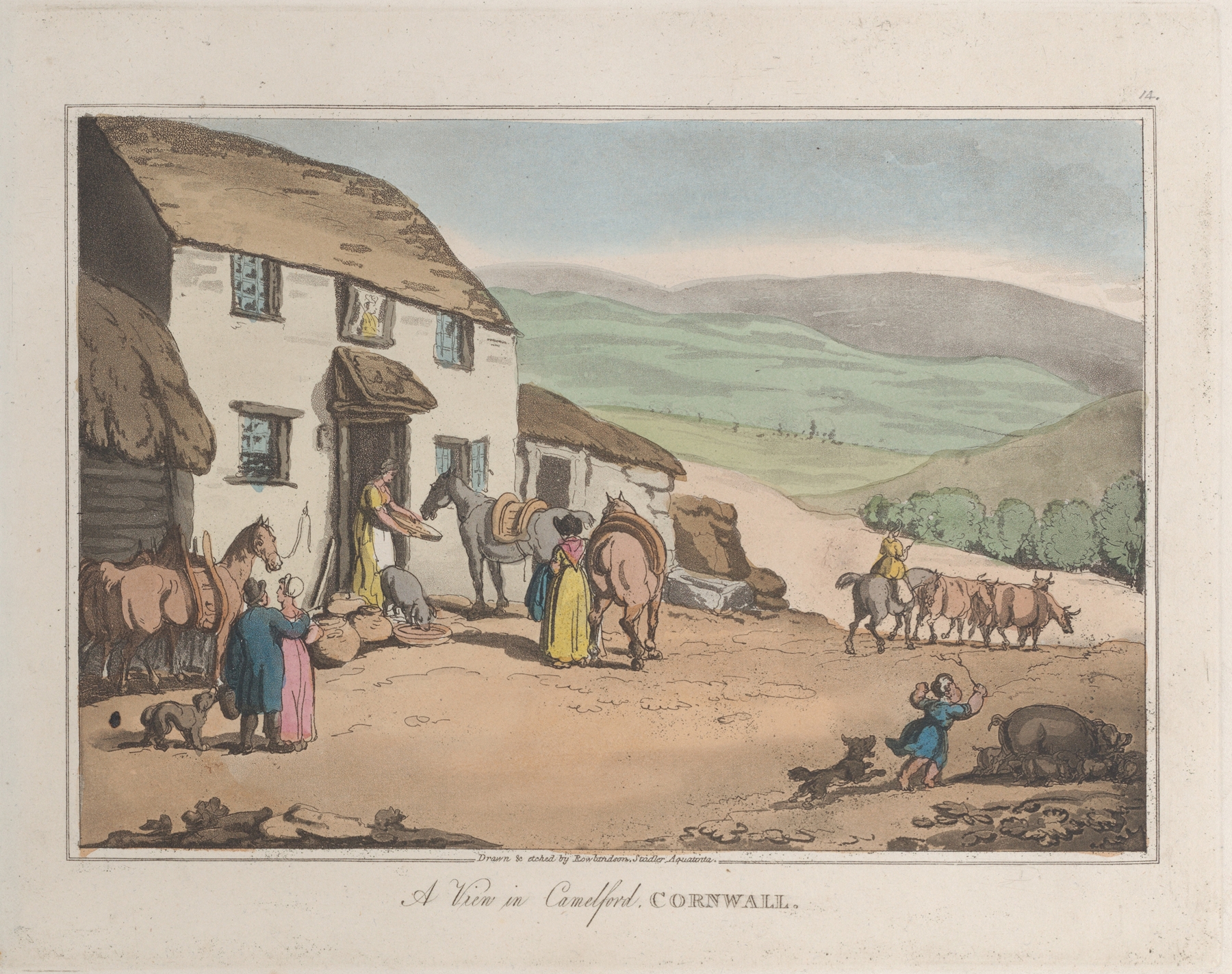
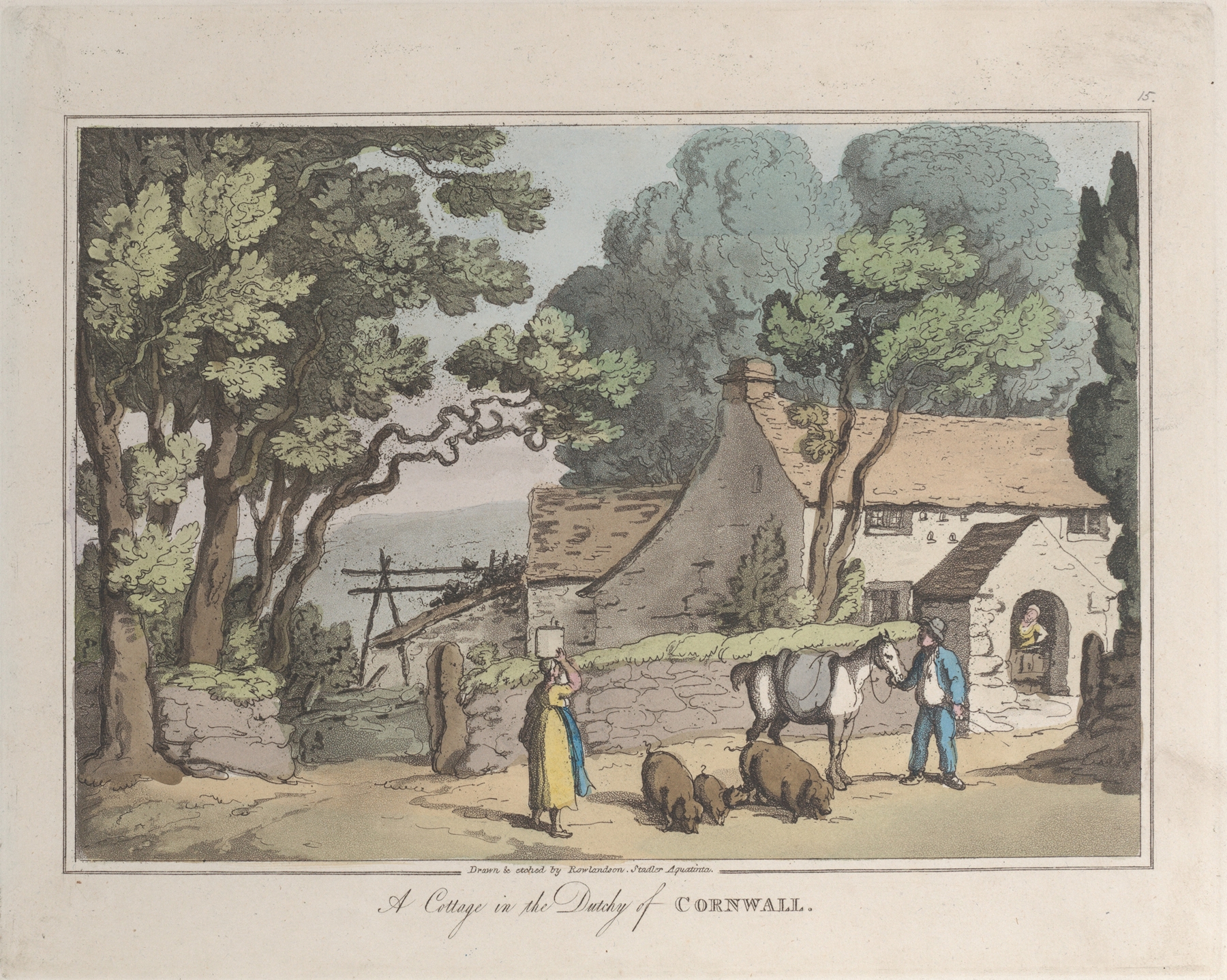
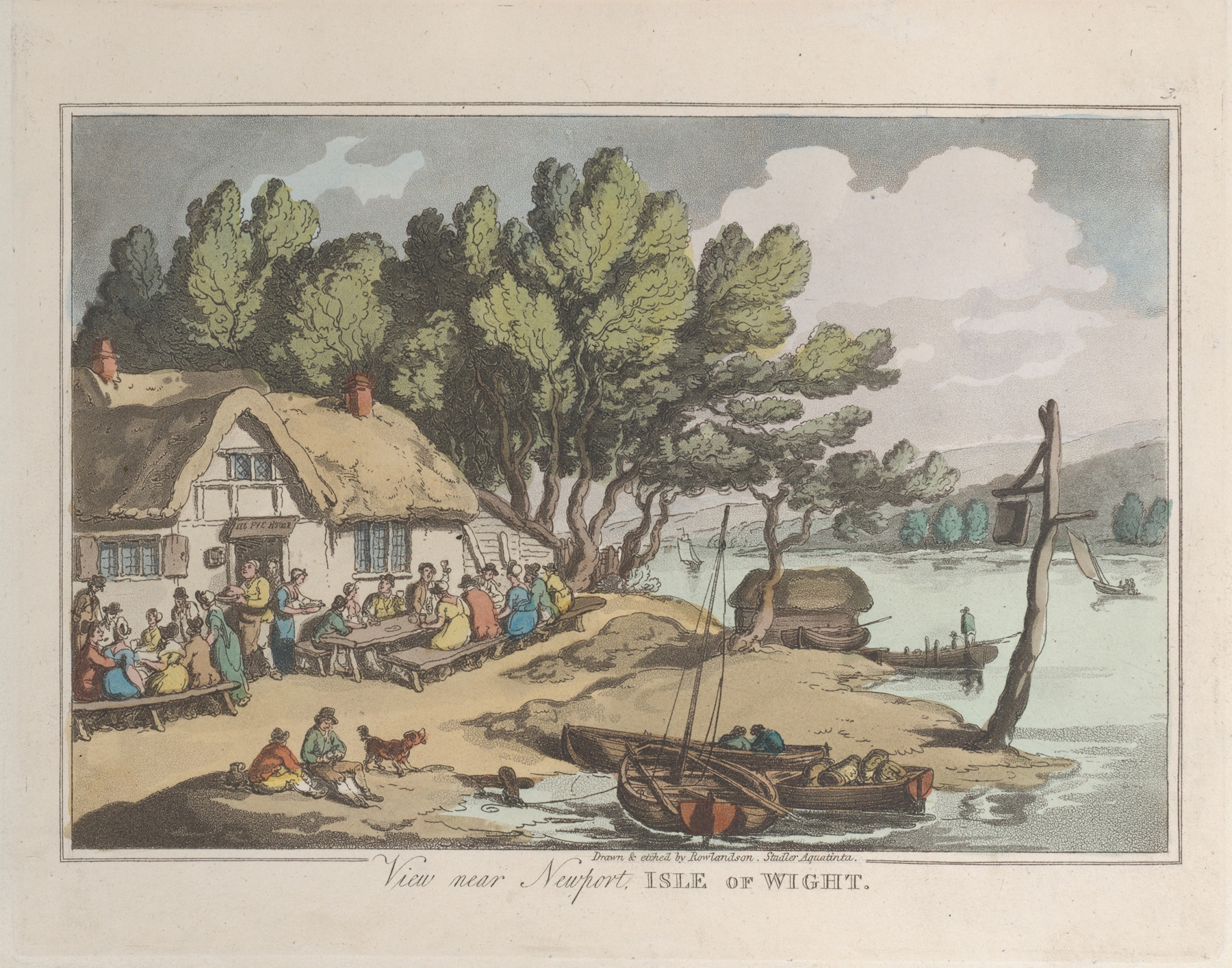
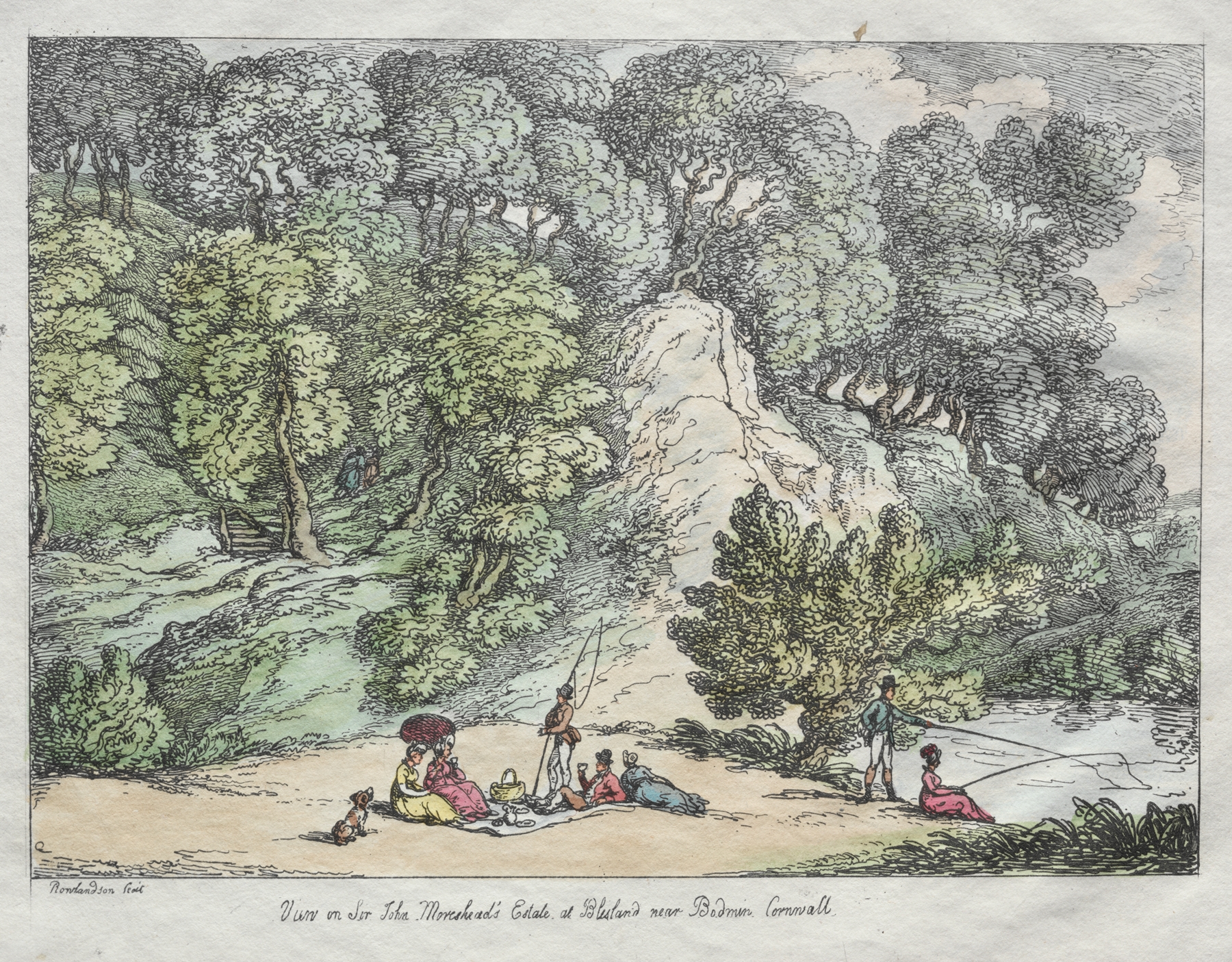
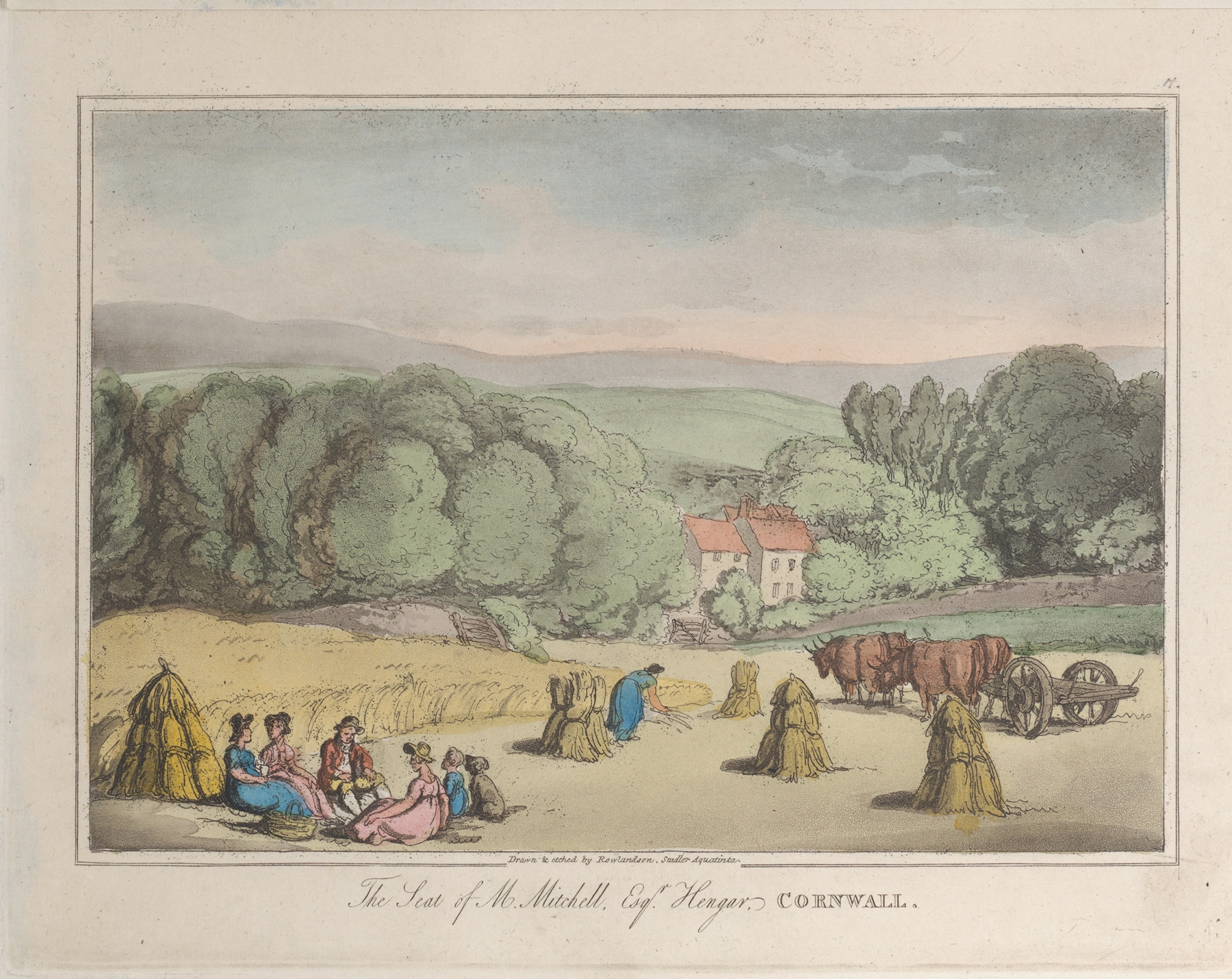
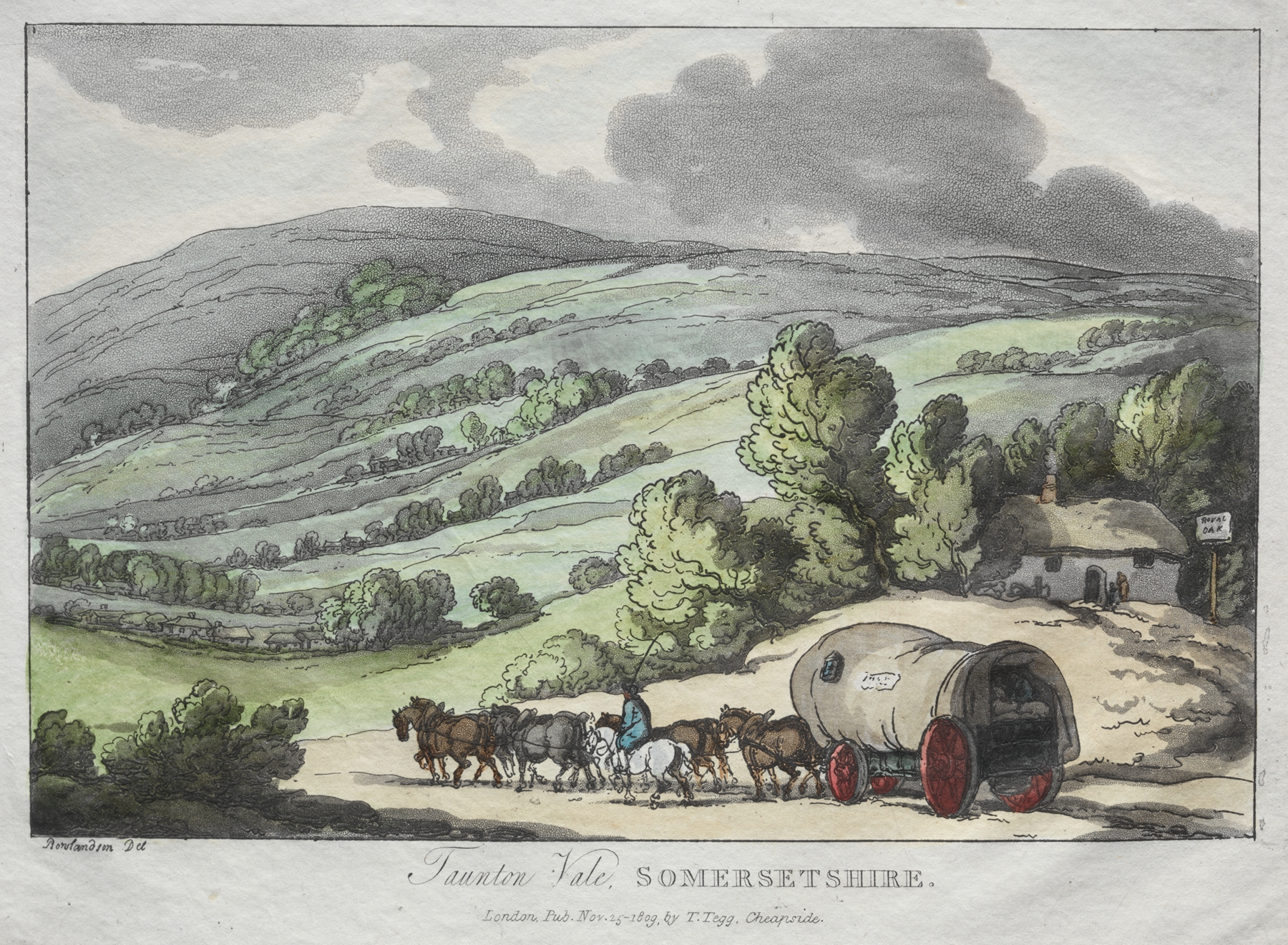
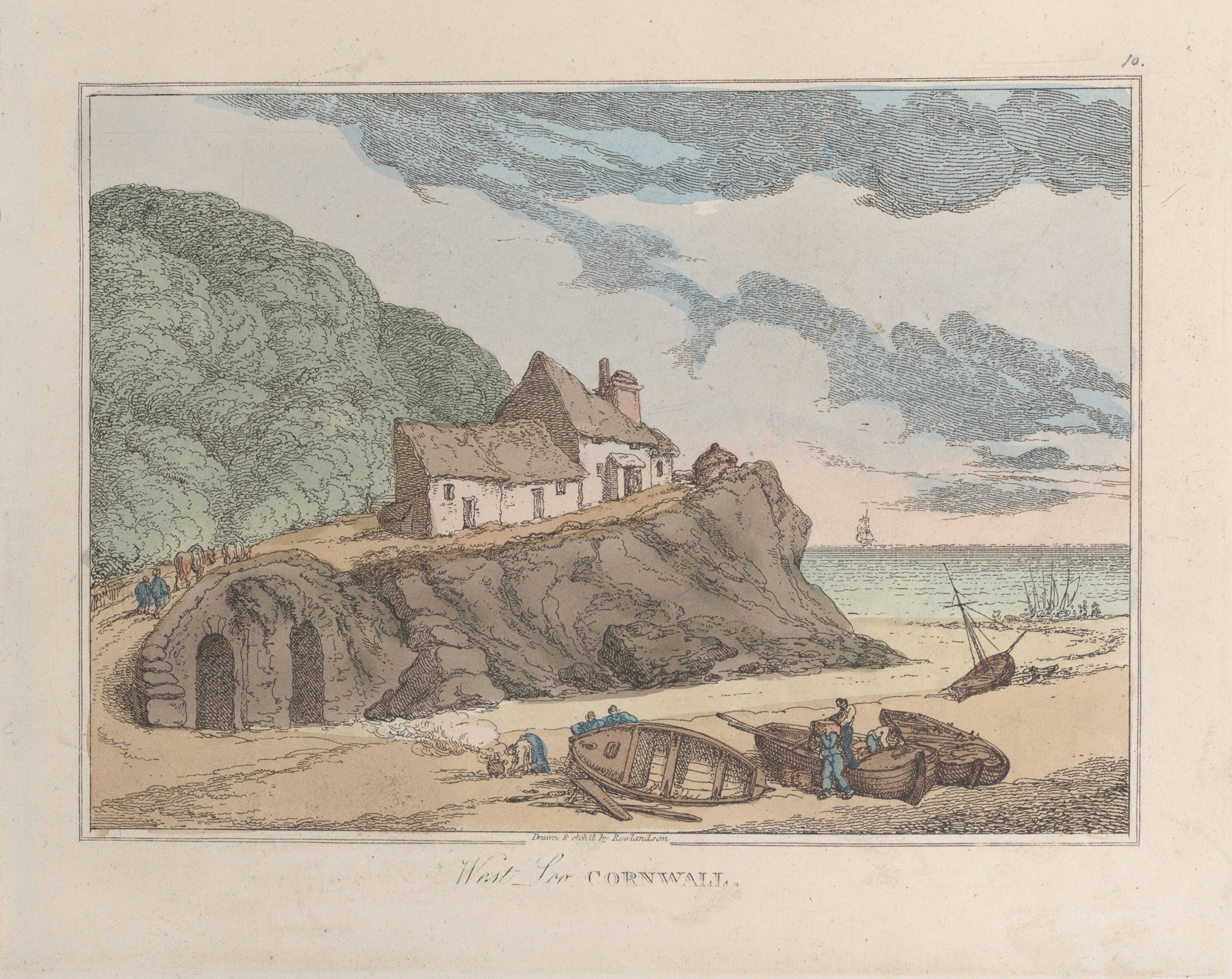
Can beauty exist without sorrow? In West Loo, Cornwall, the answer lingers in the air, suspended between the vibrant hues and the shadowy undertones of life itself. The painting captures a coastal scene, yet it stirs the depths of the viewer's soul, inviting introspection about the paradox of the human experience. Look to the left, where the rolling hills edge toward the sea, their lush greens contrasting sharply with the brooding clouds overhead.
Notice how Rowlandson masterfully blends a palette of blues and greens, allowing the light to dance upon the water's surface, illuminating the waves as they crash against the rugged cliffs. The figures scattered along the shore, though small, evoke a sense of nostalgia, their gestures hinting at a narrative of fleeting joy amid a vast, untamed world. Yet beneath the surface beauty lies a tension; the ominous sky looms as a reminder of inevitable storms, both literal and metaphorical. The juxtaposition of the lively colors against the encroaching clouds speaks to the emotional void that can accompany moments of happiness.
Each brushstroke reveals Rowlandson's keen awareness of life's fragility, urging viewers to ponder the ephemeral nature of joy and the weight of sorrow that often follows. In 1822, during his time in London, the artist created this work amidst a period of social change and artistic experimentation. Rowlandson, known for his satirical and detailed portrayals of life, was navigating the shifting tides of Romanticism, seeking to capture not only the beauty of his surroundings but also the deeper emotions that defined human existence. This painting reflects not just a moment in Cornwall but also a sentiment that resonates through the ages.