Whitby Abbey And Church — History & Analysis
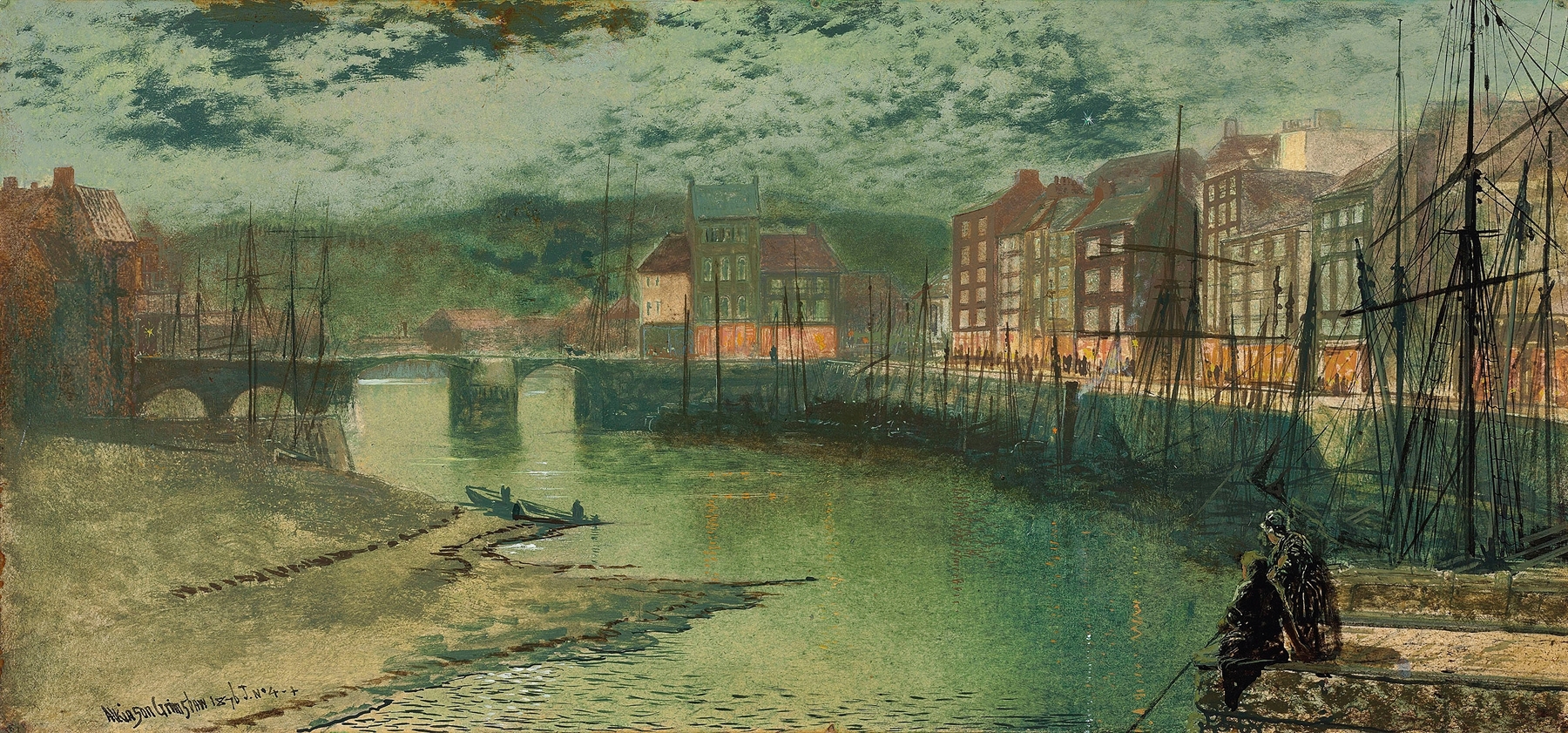
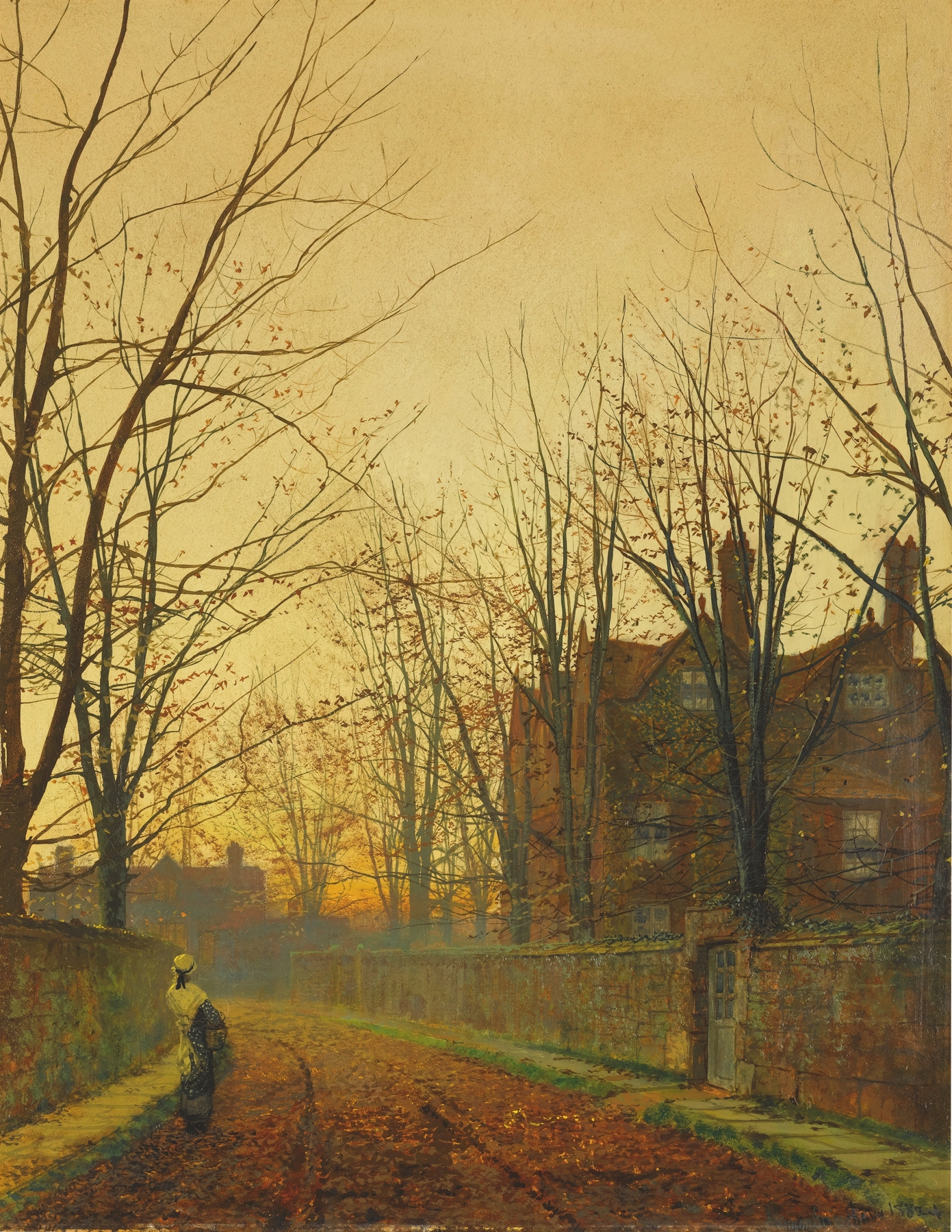
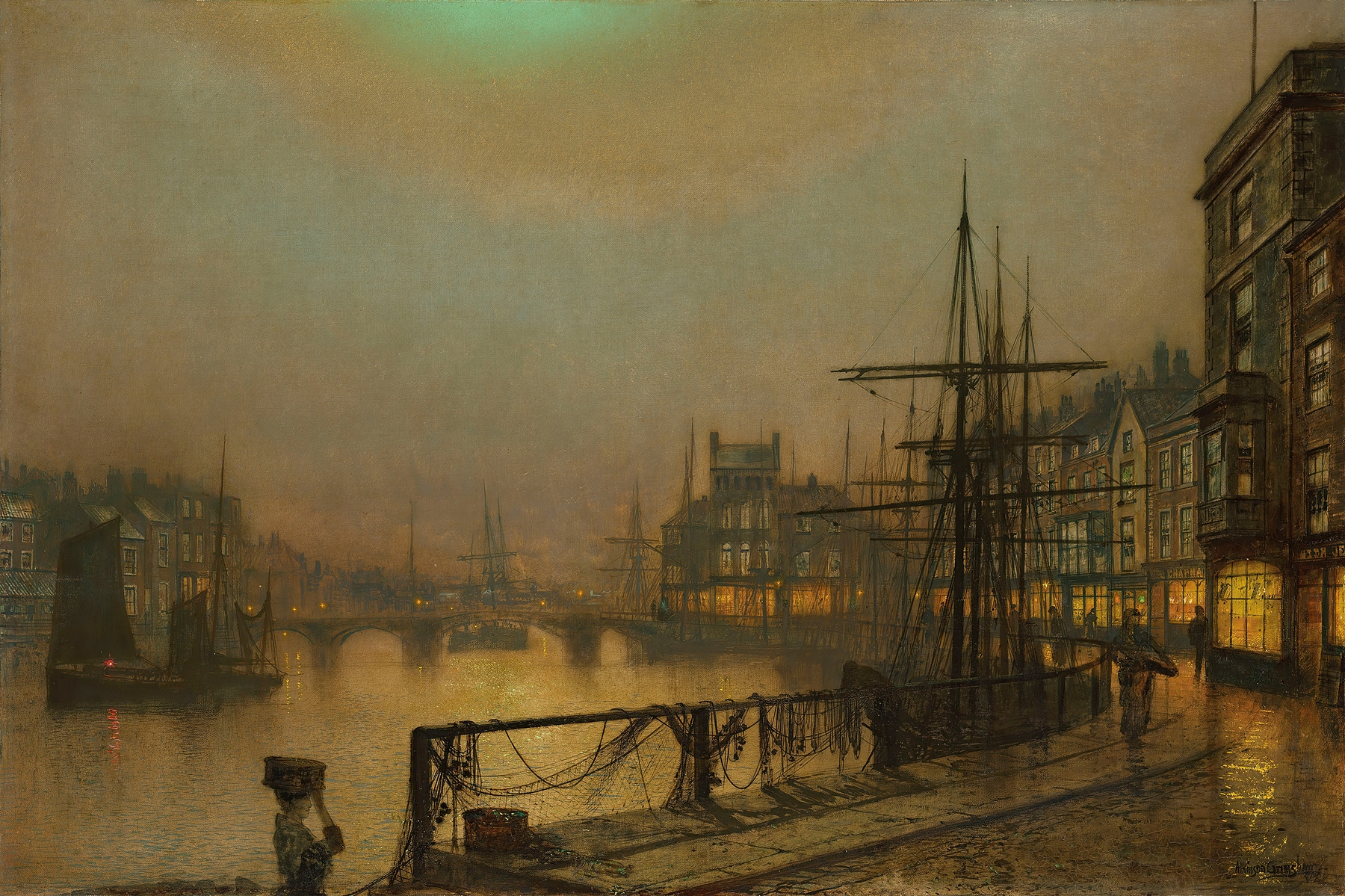
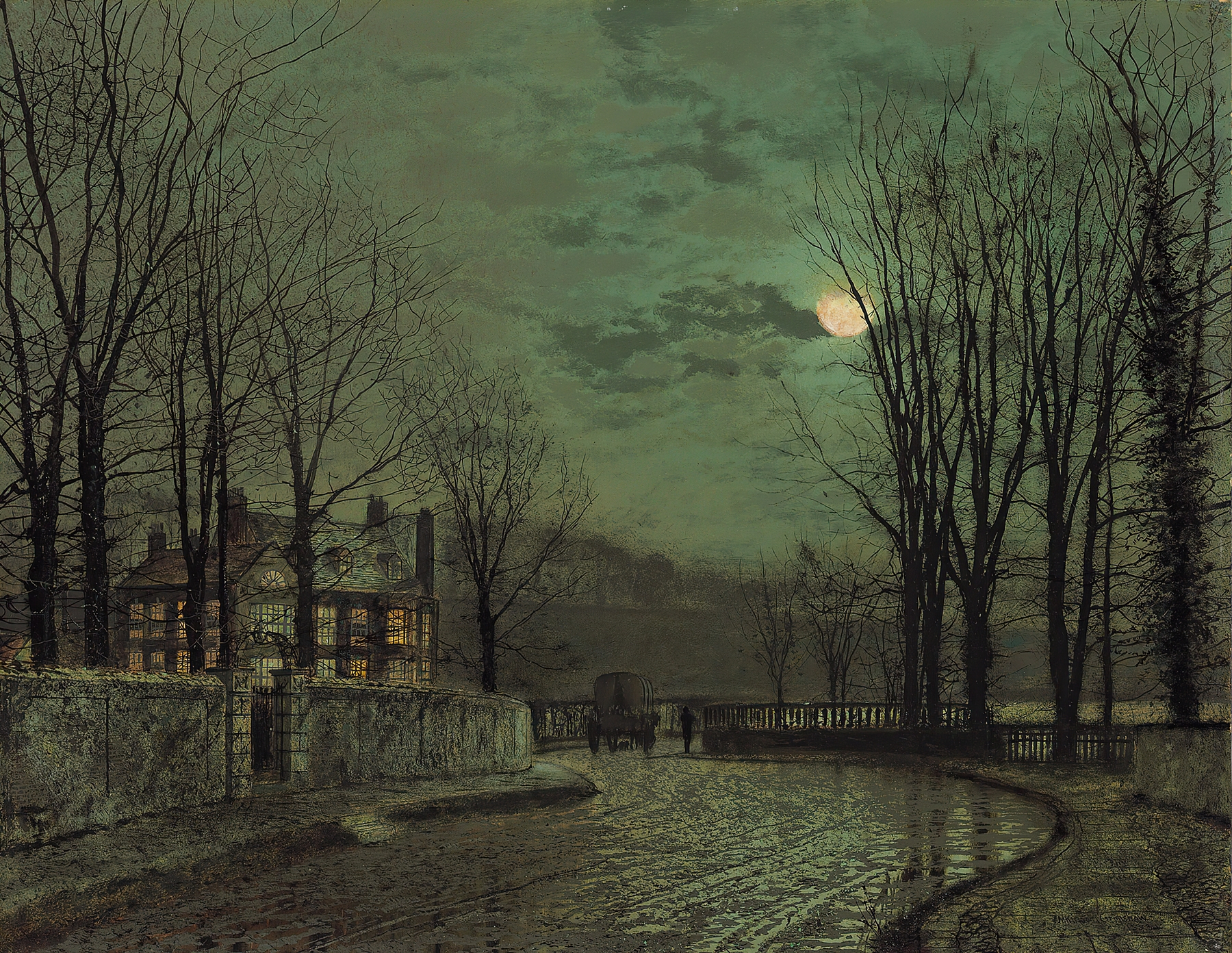
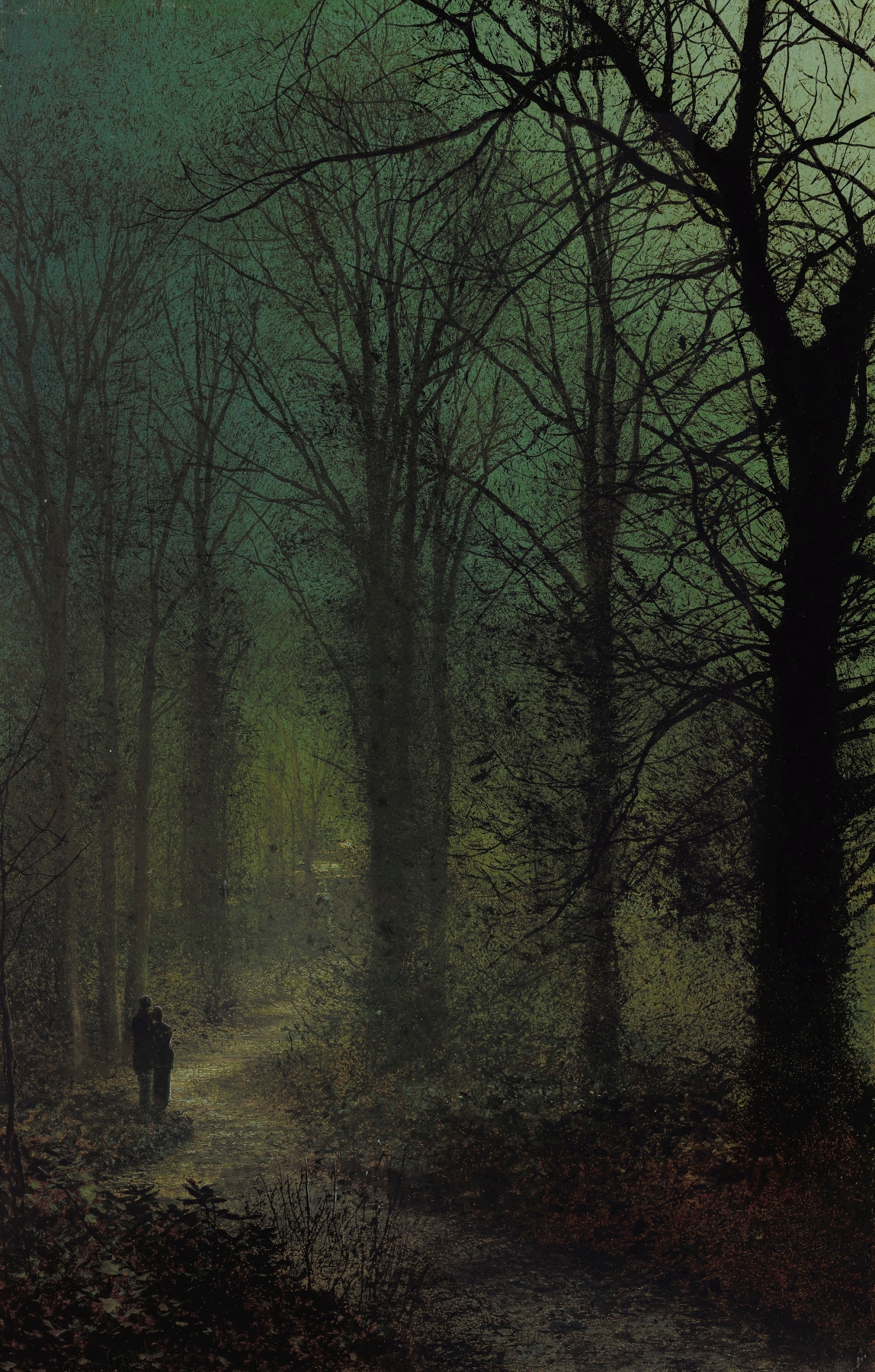
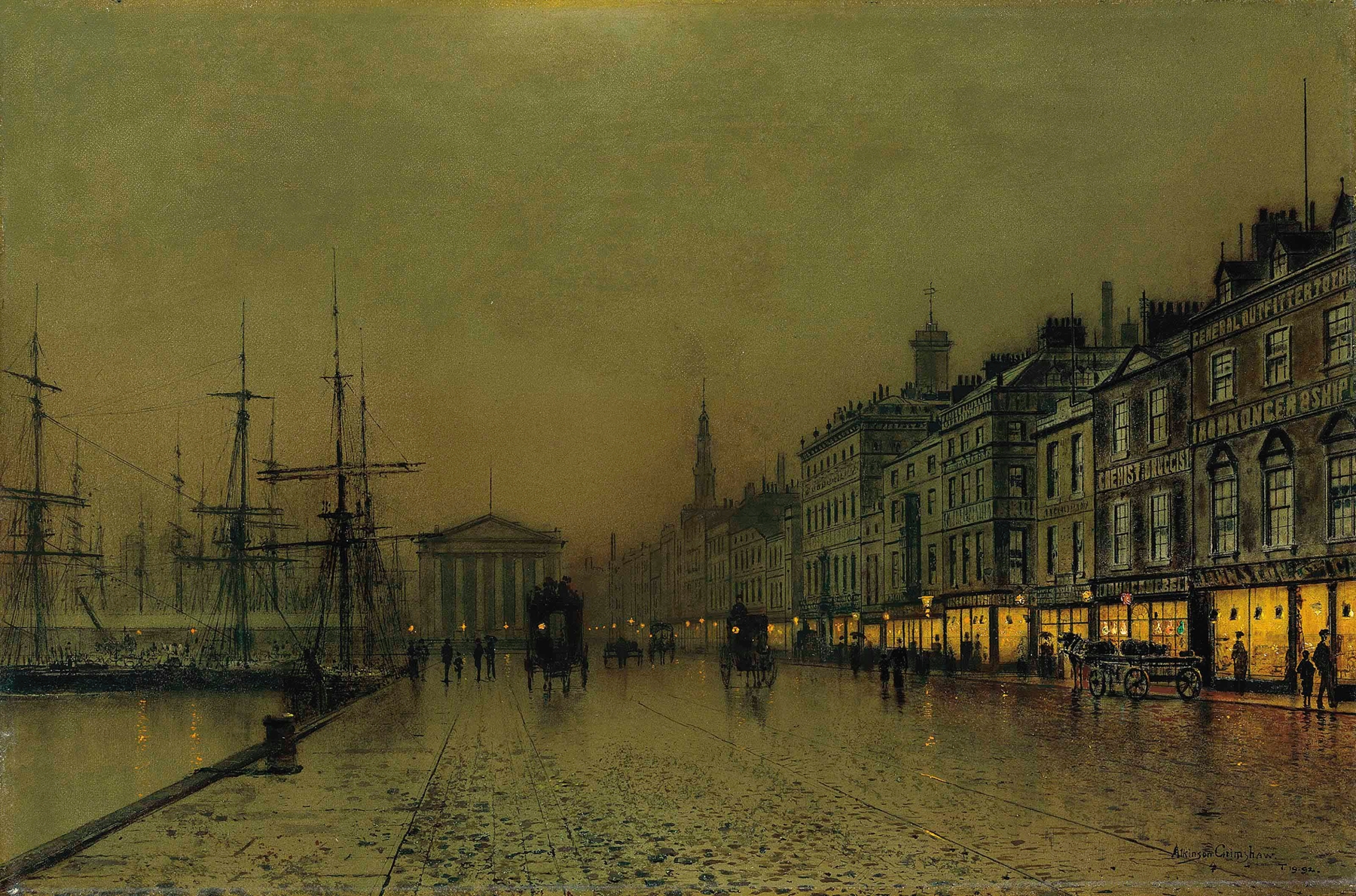
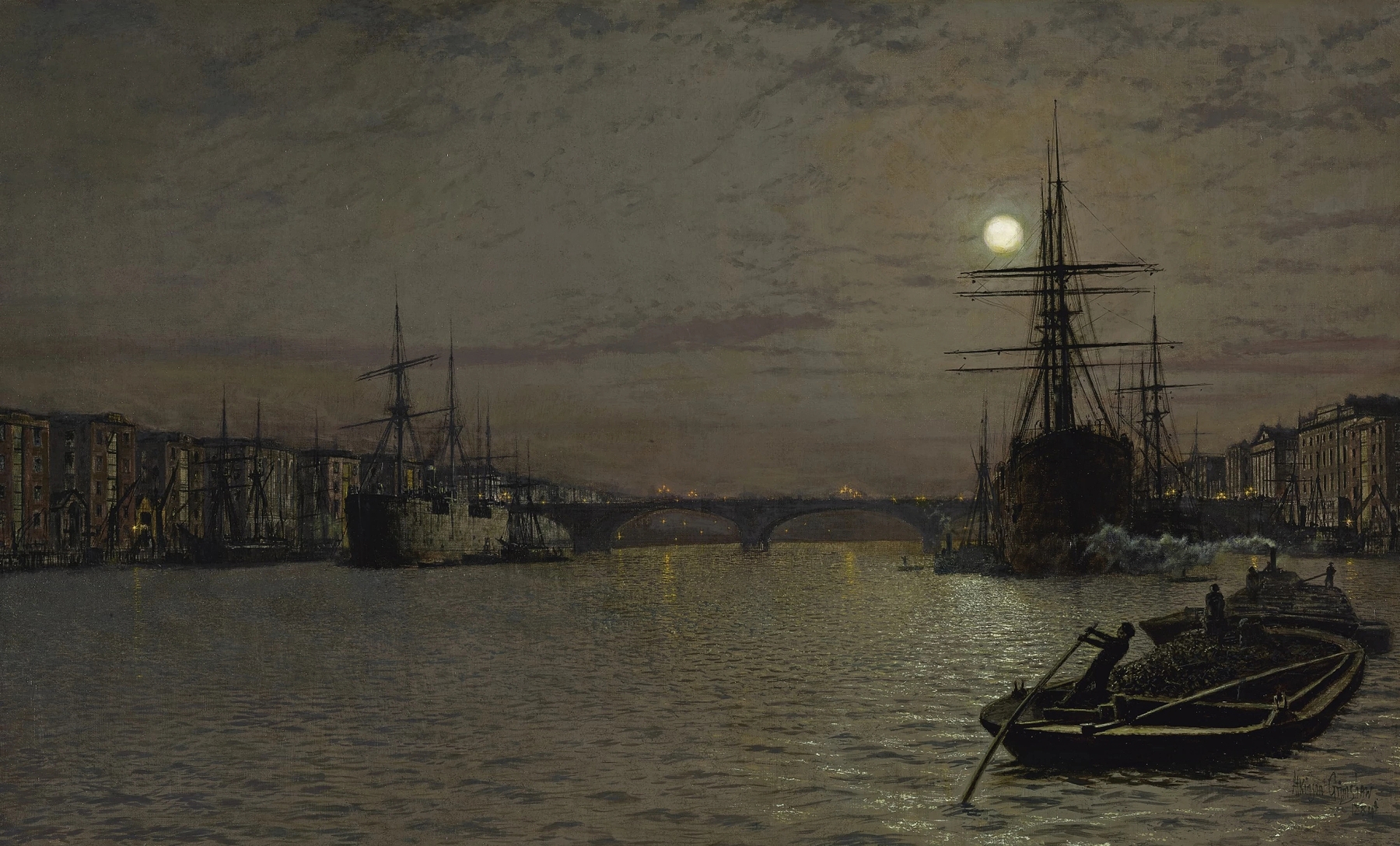
Did the painter know this moment would outlive them? In a world where whispers of time fade into silence, the haunting beauty of a fleeting moment captured on canvas speaks of loss and memory, beckoning us to pause and reflect. Look to the left at the crumbling stone of the abbey, its weathered facade a testament to the passage of time. Notice how the soft glow of twilight envelops the scene, casting long shadows that dance upon the ground.
The delicate interplay of light and dark reveals a palette of muted blues and rich earth tones, evoking a profound sense of nostalgia. The distant church, nearly swallowed by the encroaching mist, serves as a poignant reminder of faith and history intertwined. As you explore further, consider the tension between decay and beauty. The abbey's dilapidation, filled with memories, contrasts with the serene sky, suggesting that even in loss, there lies a haunting grace.
The ethereal light, almost otherworldly, reflects the artist's struggle with his own mortality, hinting at the impermanence of life and the enduring nature of art. It captures a moment where the past lingers, whispering secrets into the twilight. In 1876, Grimshaw painted this work while living in England, amid a period of artistic transition marked by the emergence of the Pre-Raphaelite Brotherhood and a growing fascination with atmospheric effects. His mastery of light and shadow was increasingly recognized, and Whitby Abbey And Church stands as a testament to his ability to encapsulate the melancholic beauty of a bygone era, making time stand still through his brushstrokes.