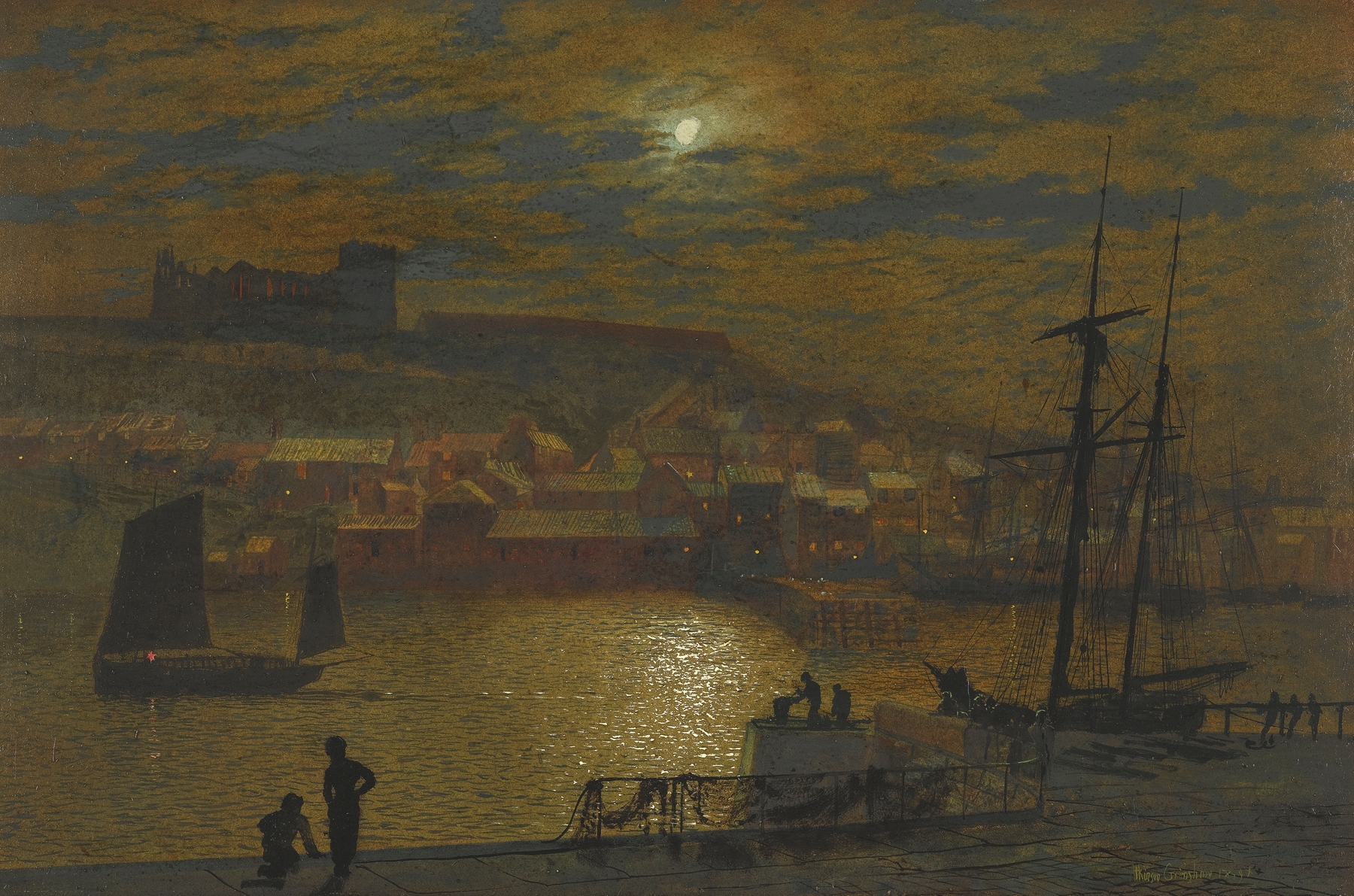
Whitby From Scotch Head, Moonlight On The Esk — History & Analysis
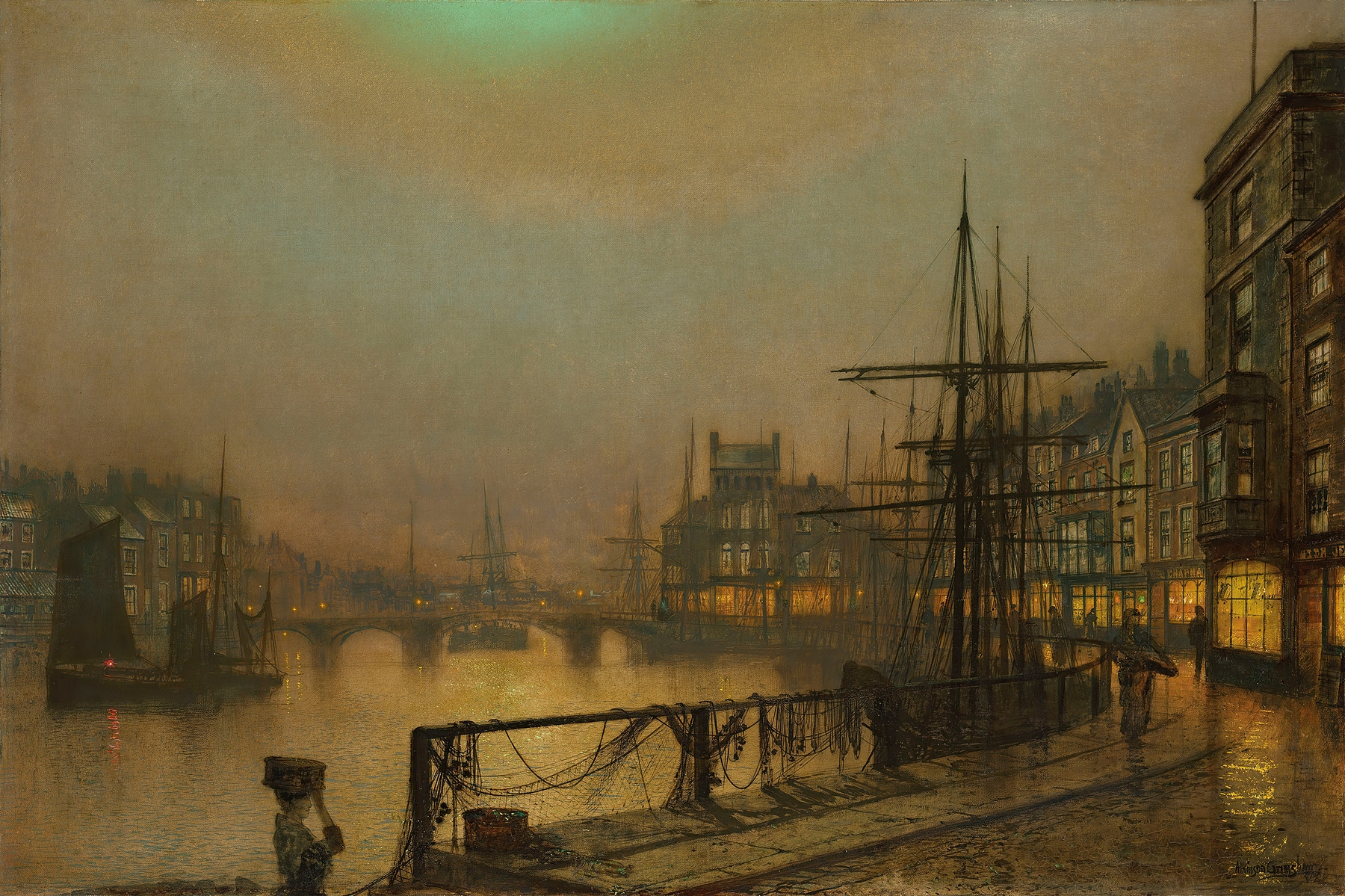
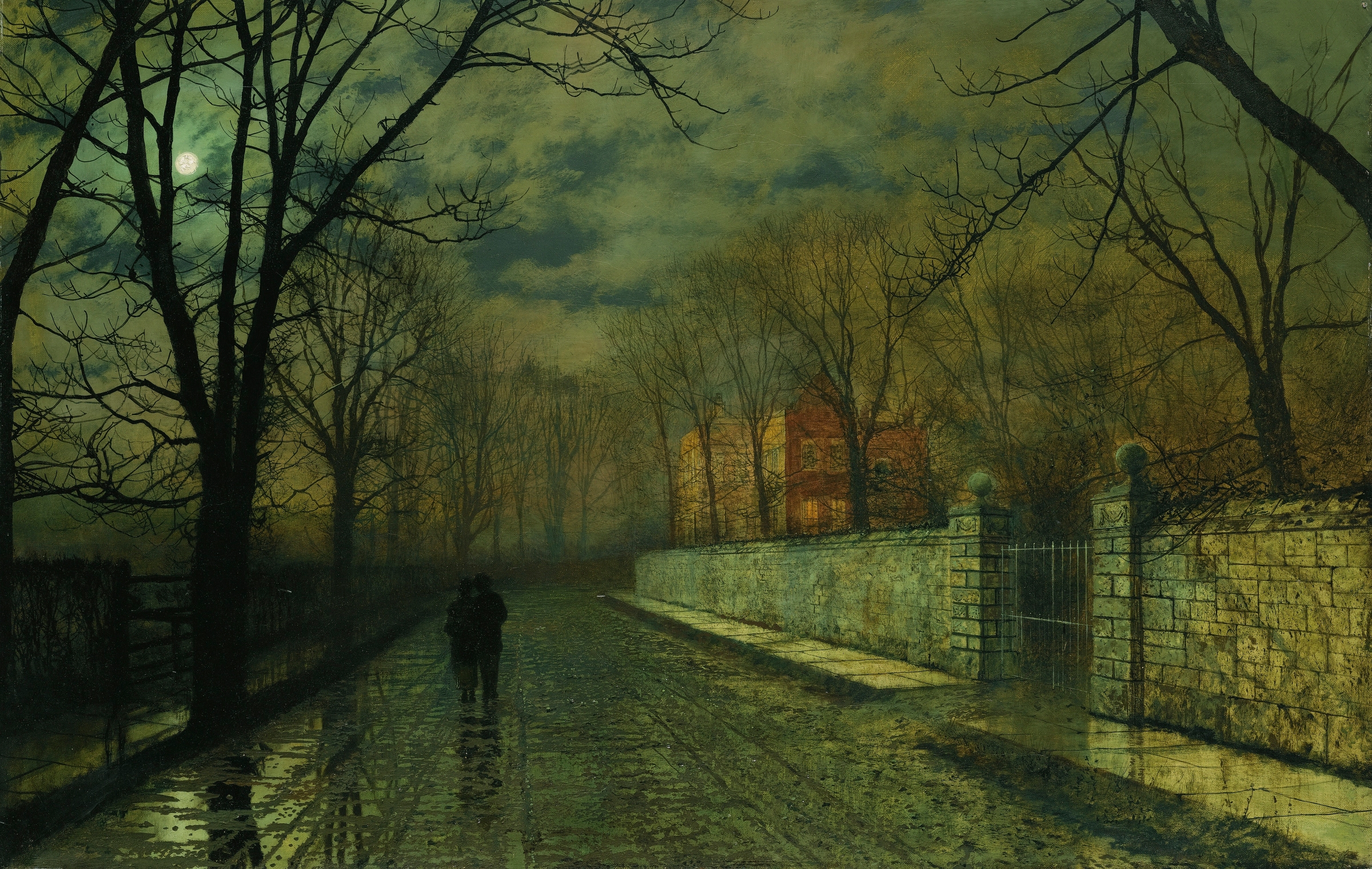
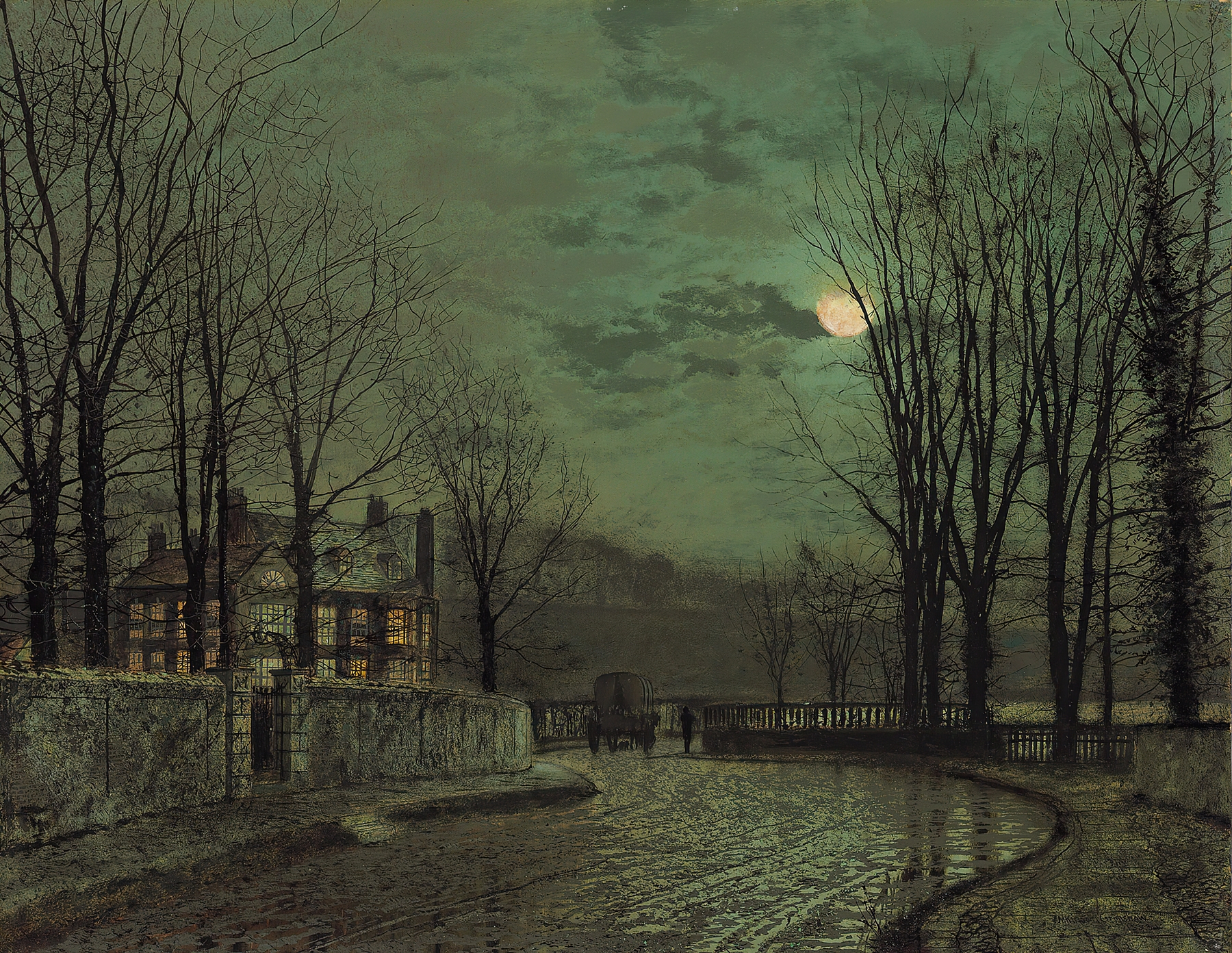
“Every silence here is a confession.” The soft embrace of twilight whispers secrets through shades of blue and gold, inviting contemplation and quiet introspection. Focus on the luminous interplay of colors across the canvas. Notice how the cool hues of night beautifully contrast with the warm glimmers of moonlight dancing upon the water’s surface. The muted tones of the buildings and the sweeping landscape draw your gaze upward, where the moon cradles the sky, casting a serene glow over the scene. The rich textures evoke a palpable sense of stillness, inviting the viewer to linger. The juxtaposition of light and shadow reveals the emotional undercurrents of the work. The shimmering reflections suggest a tranquility that belies the hidden stories of those who dwell in the shadows. The quietness of the night implies solitude, yet the vibrant colors hint at life beyond the frame. Each brushstroke captures a moment suspended in time, encouraging a deeper exploration of the silence that envelops Whitby and its surroundings. In 1879, while working on this piece, Grimshaw was deeply engrossed in his exploration of nocturnal scenes, a niche he would become renowned for. Living in Leeds, he was greatly influenced by the industrial landscape and the romantic notions tied to moonlit vistas. This period marked a significant evolution in his style, as he sought to elevate common places into realms of beauty, transforming how viewers perceived light and atmosphere in art.