Figures In A Moonlit Lane After Rain — History & Analysis
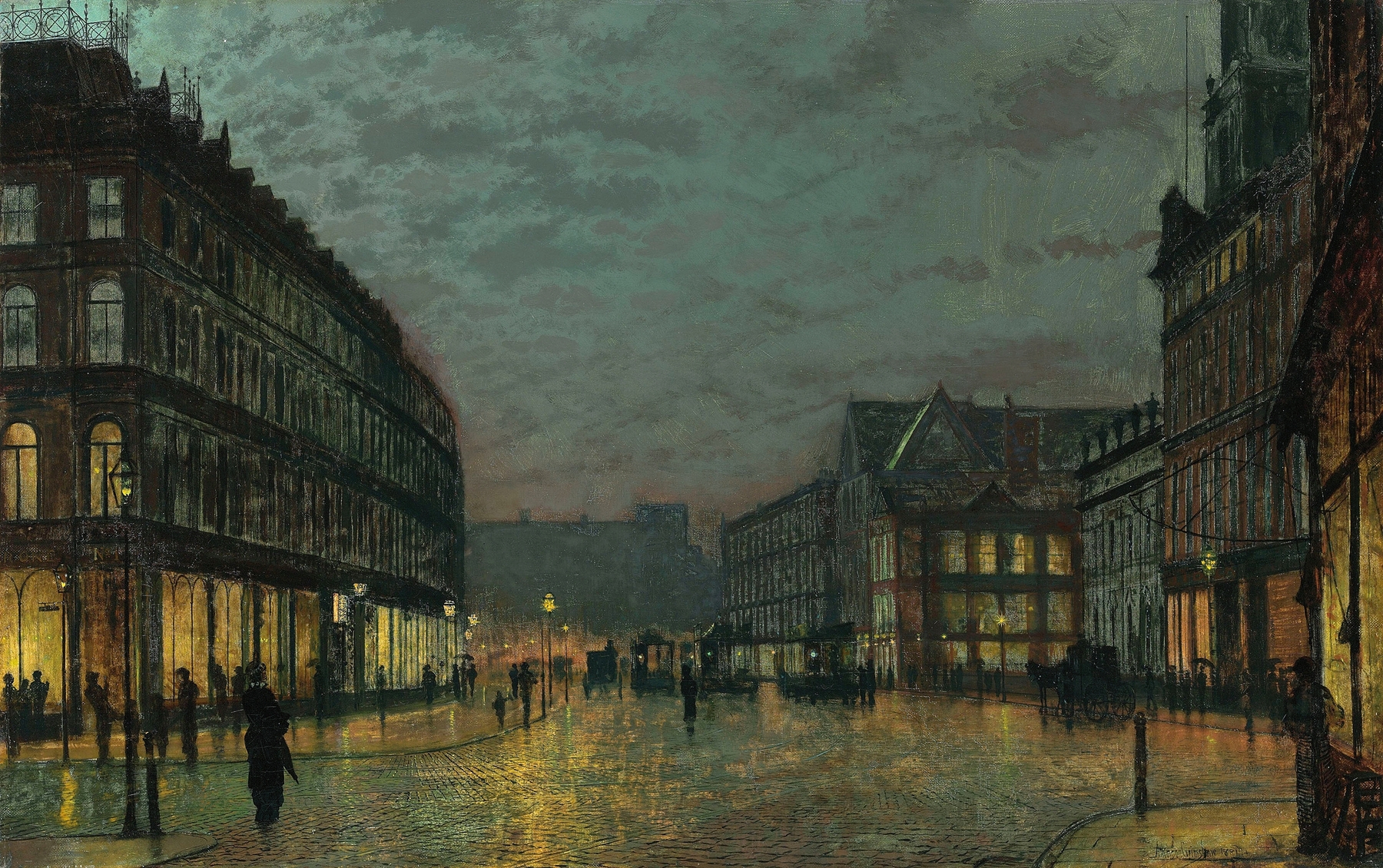
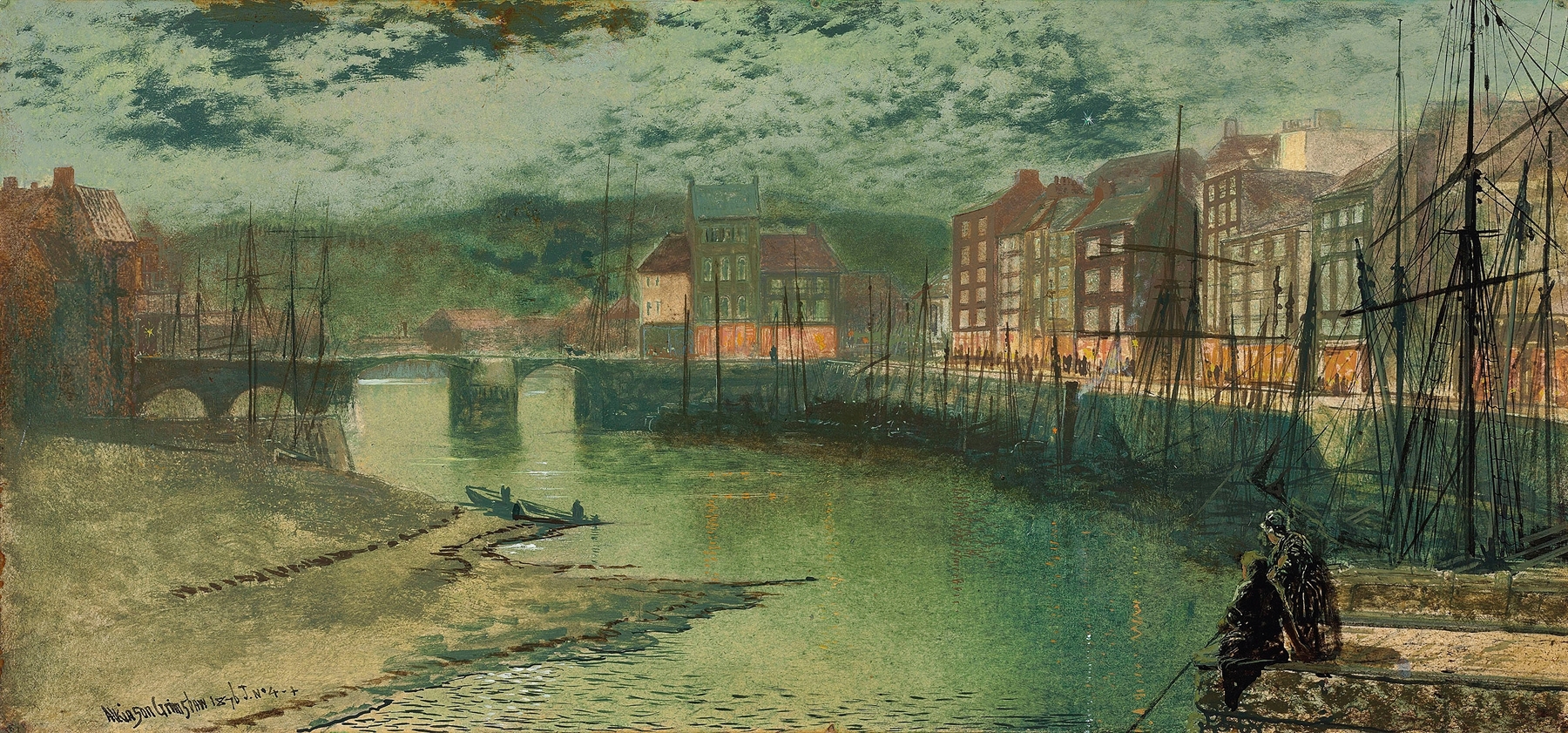
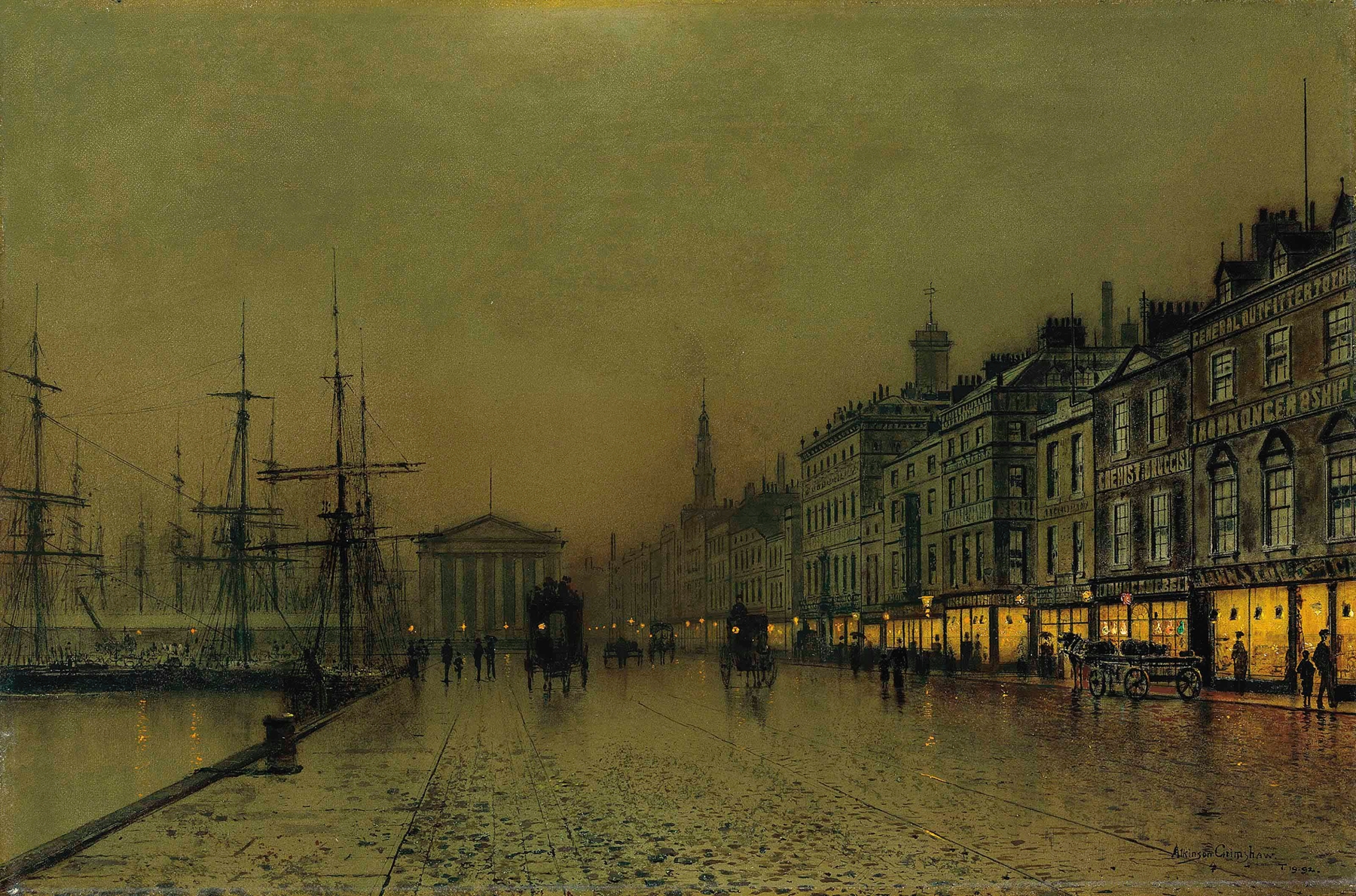
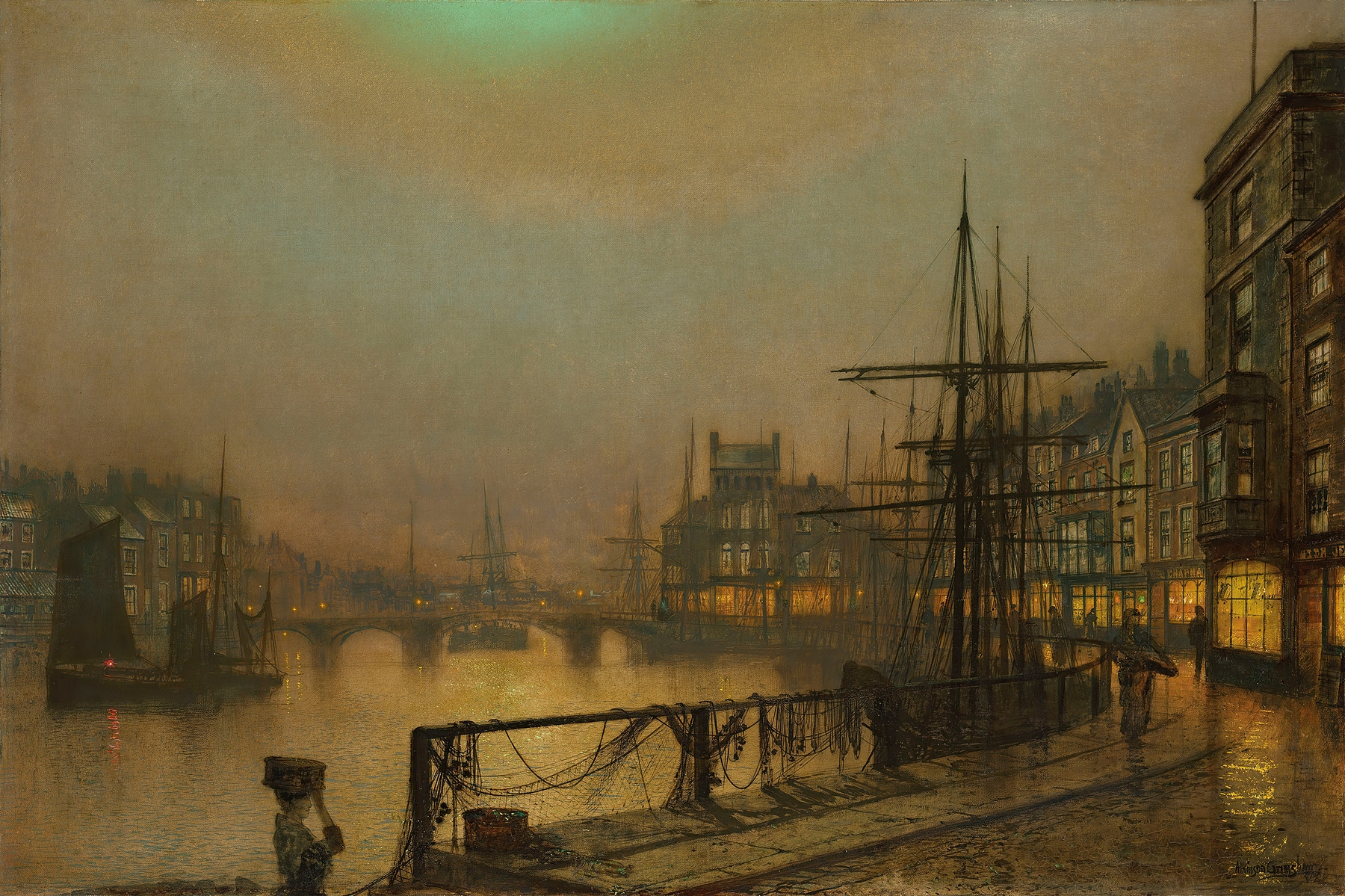
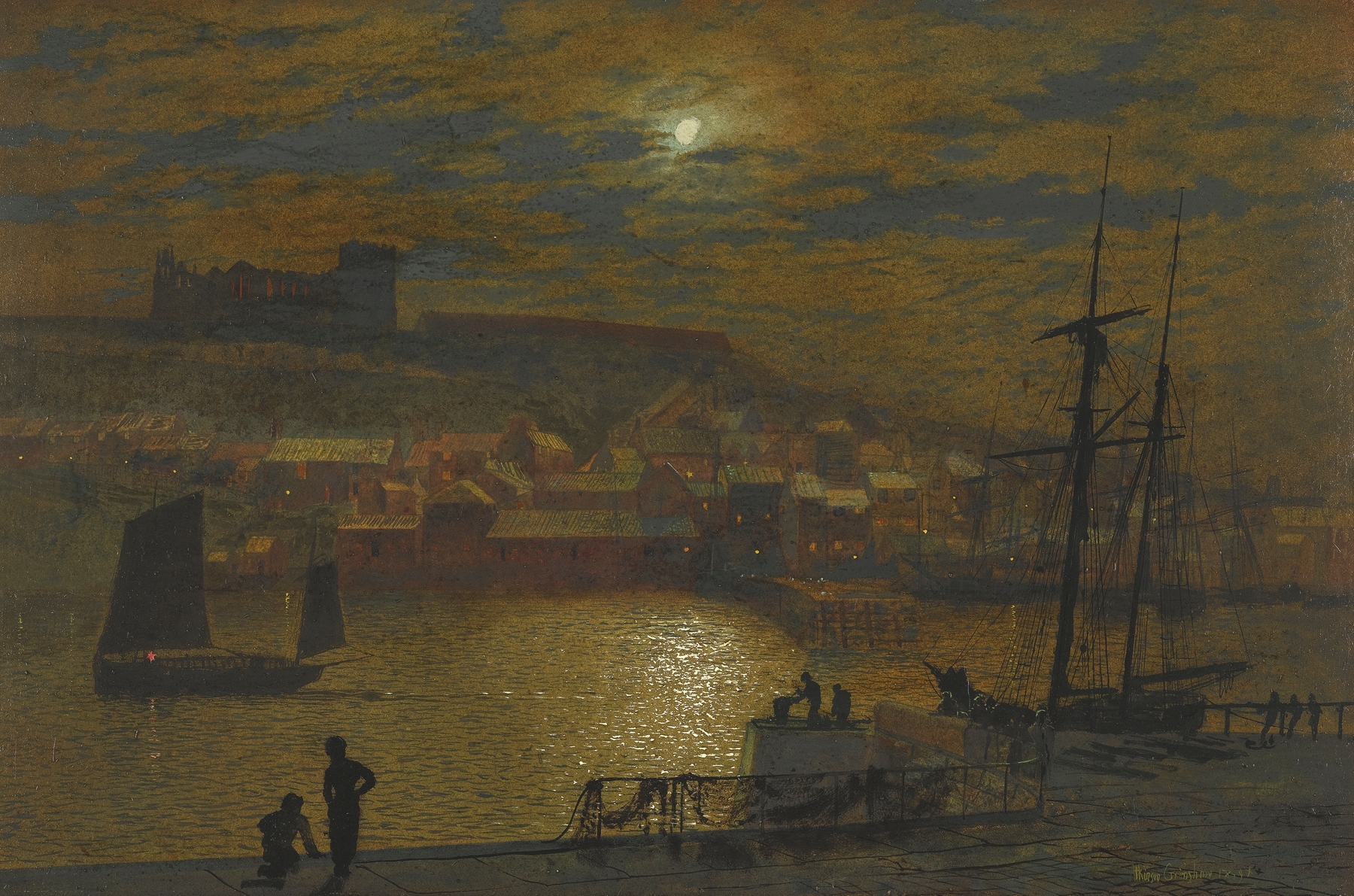
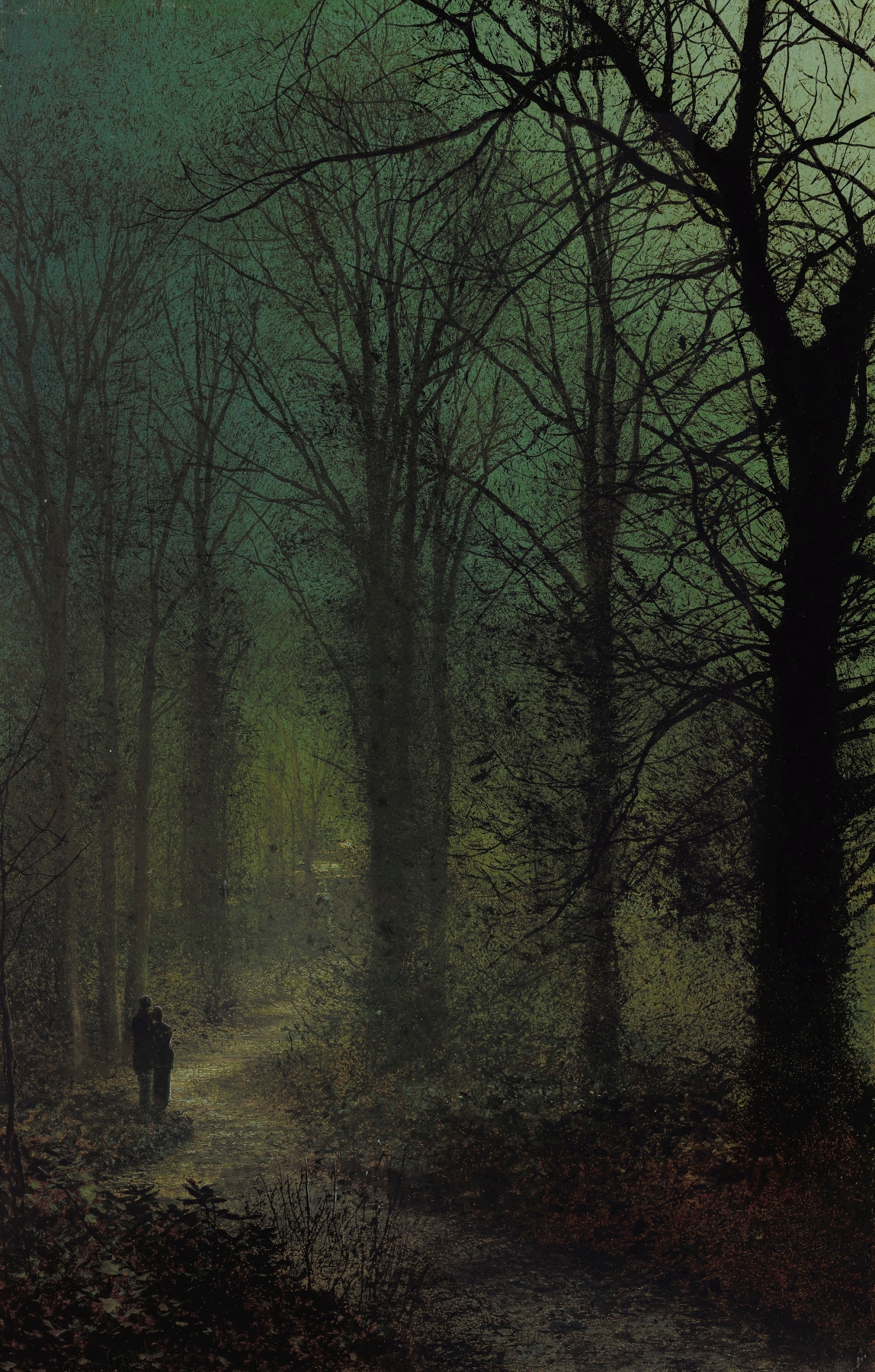
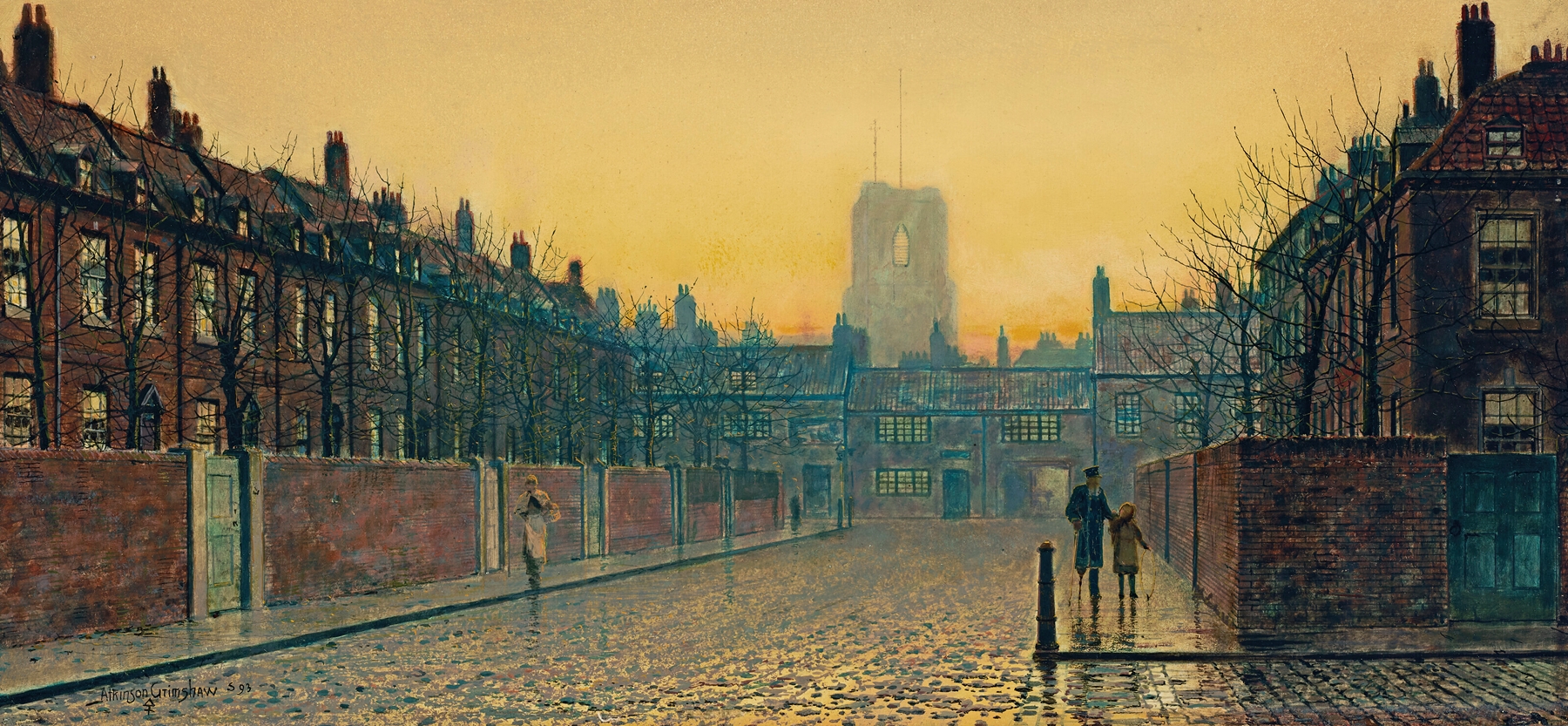
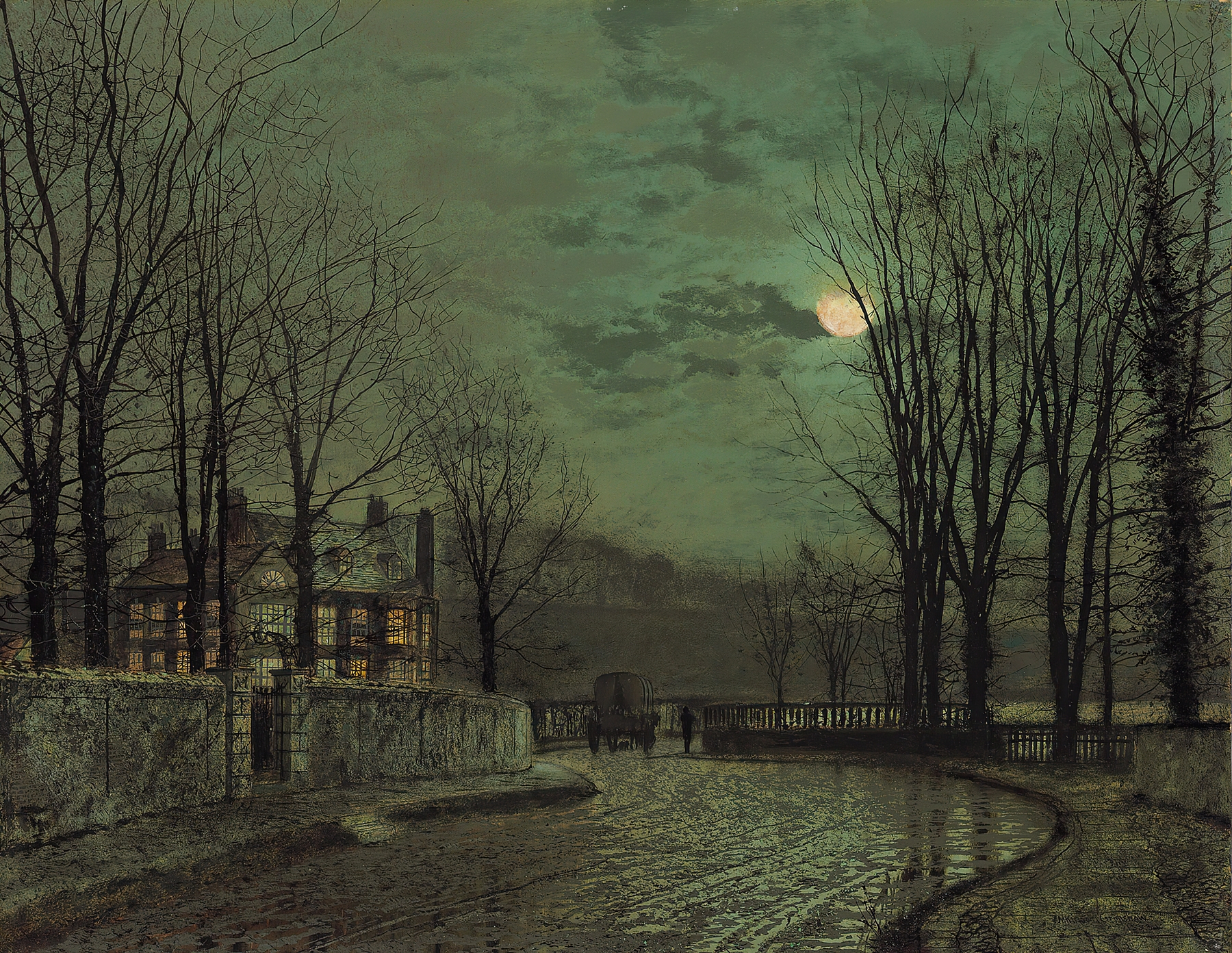
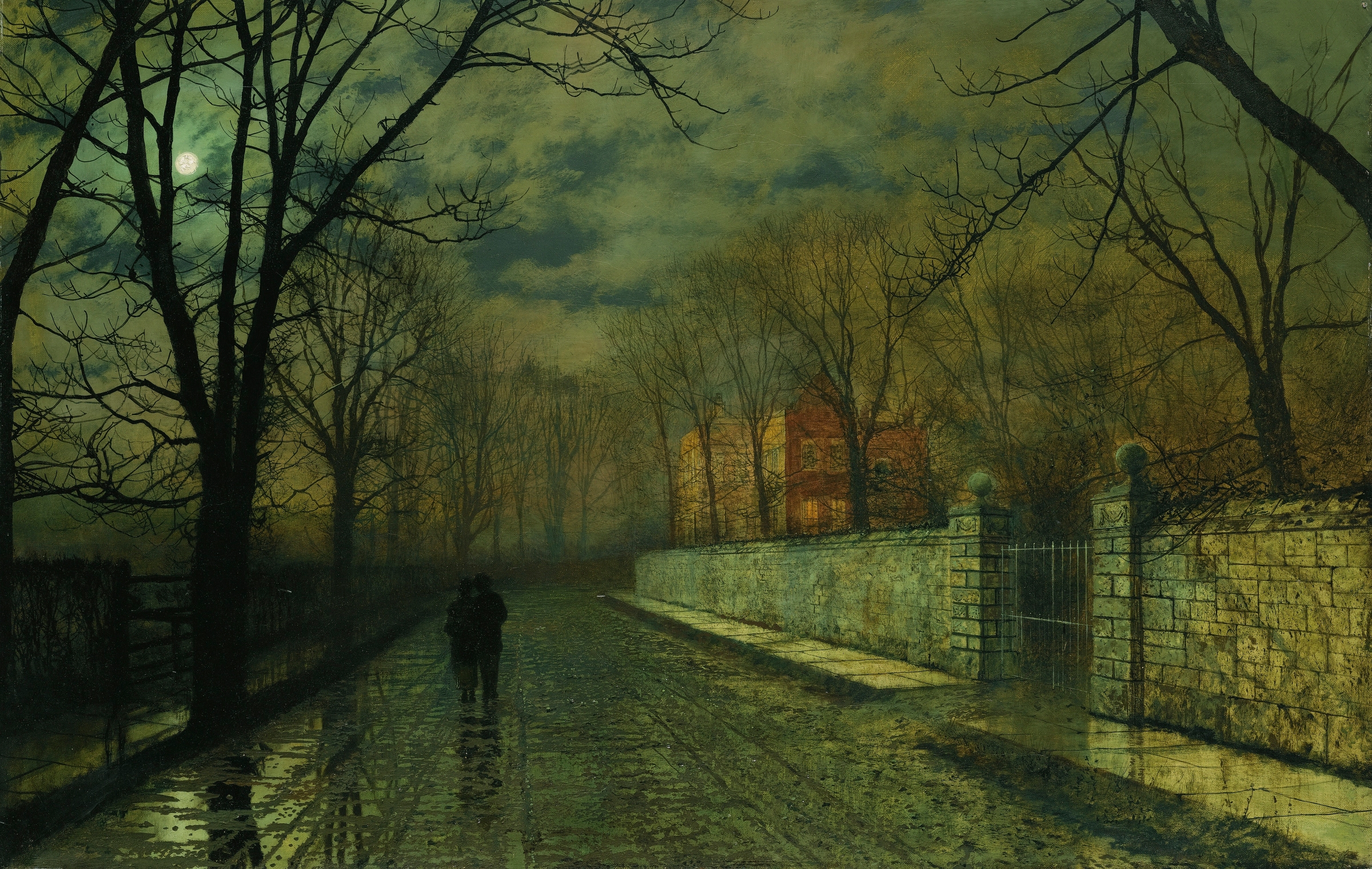
What secret hides in the quiet of the canvas? In the stillness of the night, the moonlight bathes the scene, revealing a tranquil ambiance that invites contemplation and serenity. Look to the left where the silhouettes of figures emerge, almost ghostlike, strolling down a narrow lane. Their dark forms stand in stark contrast to the luminous blue and silver of the moonlit sky. Notice how the light falls upon the cobblestones, glistening with the remnants of rain, each reflective surface amplifying the tranquility of the moment. The composition draws your eye down the winding path, leading your imagination into the depths of the night. As you delve deeper, consider the emotional weight carried by the figures’ anonymity. They exist in a shared solitude, perhaps lost in thought or connected in unspoken understanding. The interplay of light and shadow not only highlights the beauty of the landscape but also evokes a sense of mystery, suggesting that this serene moment could hold untold stories. The gentle glimmering of raindrops, seemingly frozen in time, adds layers to the scene, reflecting both fleeting beauty and the passage of time. John Atkinson Grimshaw created this work during a period when Victorian England was enamored with the beauty of night scenes. His exploration of the interplay between light and darkness coincided with the rise of the Aesthetic Movement, which valued beauty as a primary focus in art and life. The artist's mastery in capturing atmospheric effects and emotional depth was already well established, yet he continued to push the boundaries of his craft, finding new ways to express the serenity of night in an increasingly industrial world.