Wilg bij sloot — History & Analysis
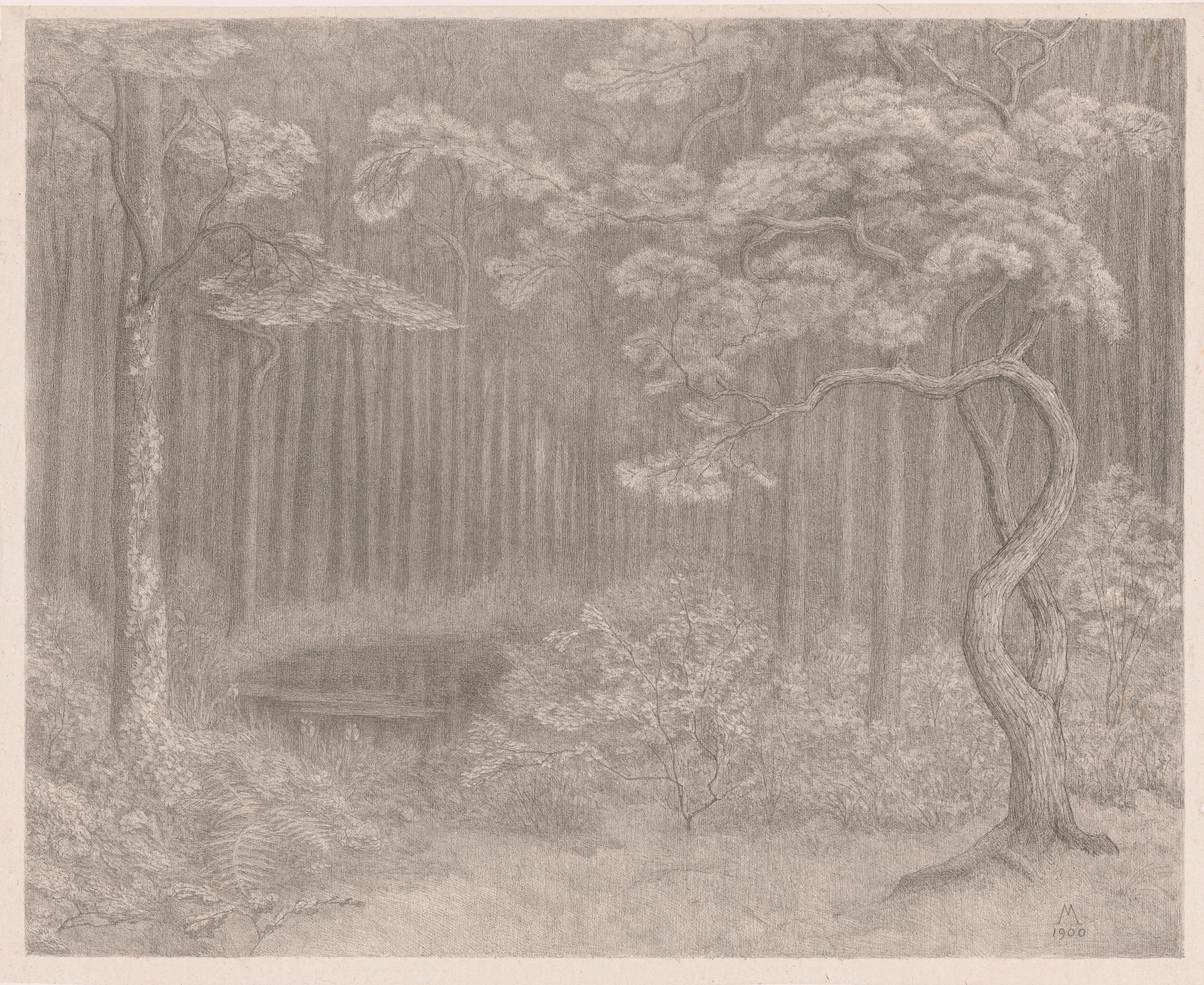
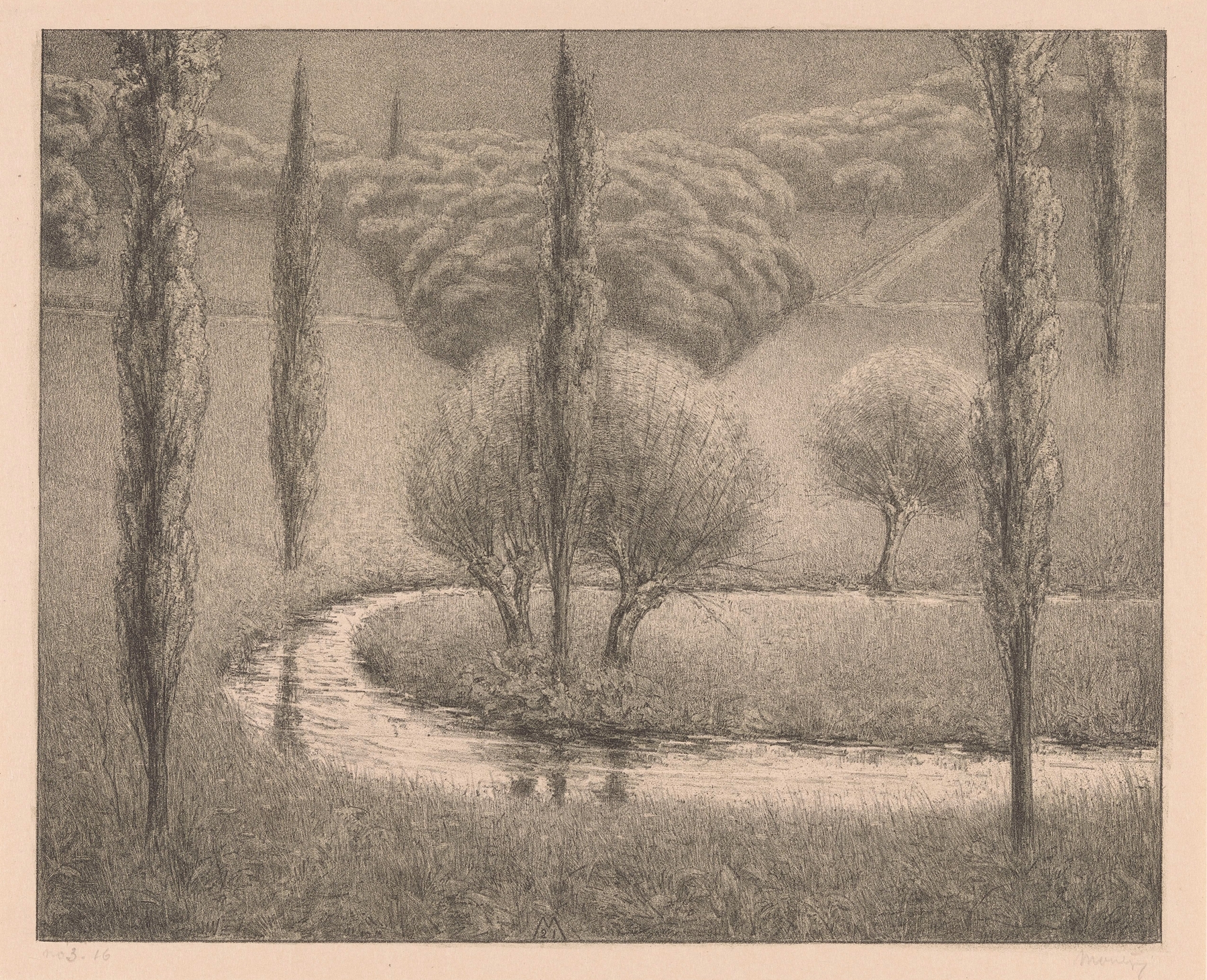
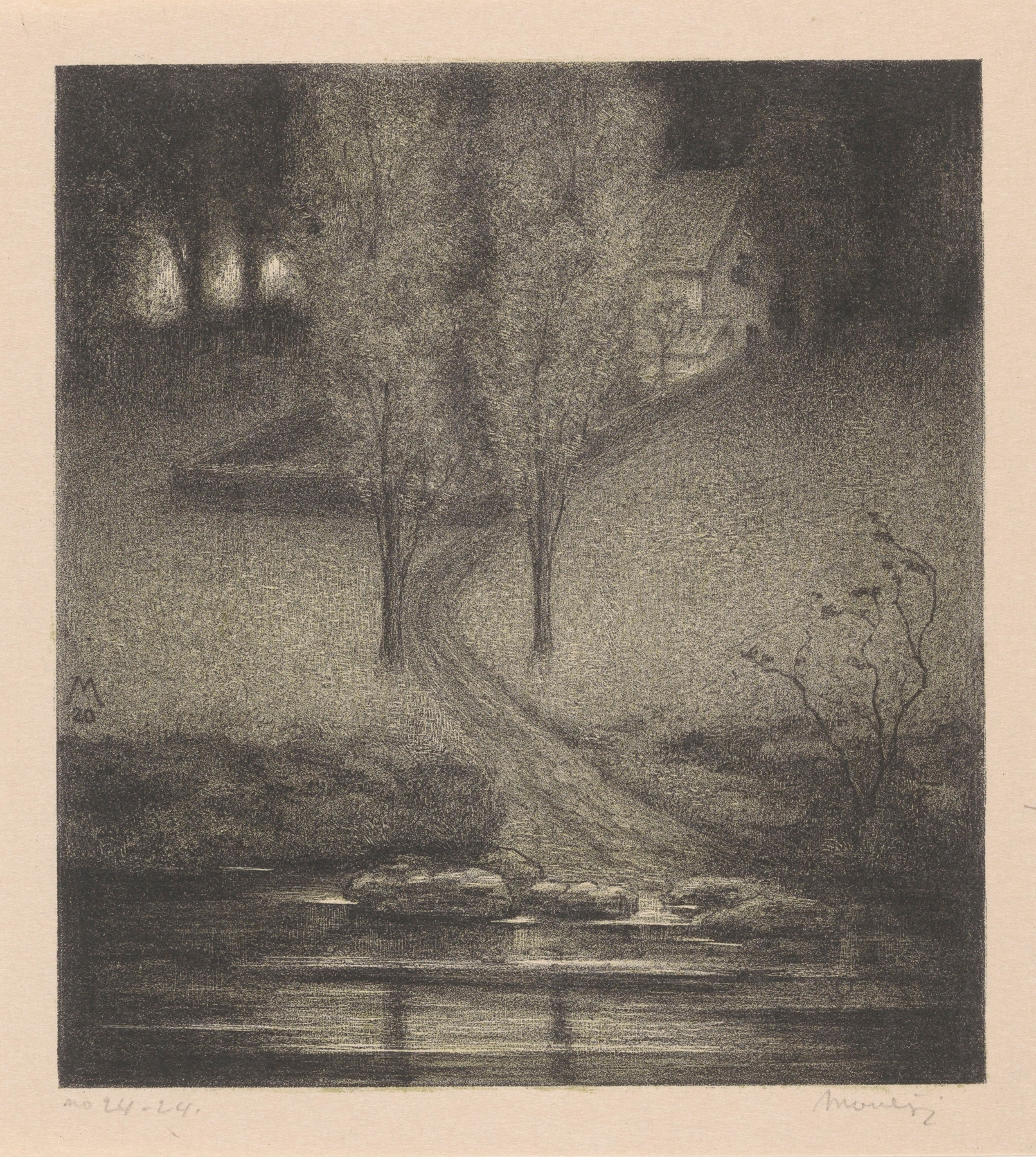
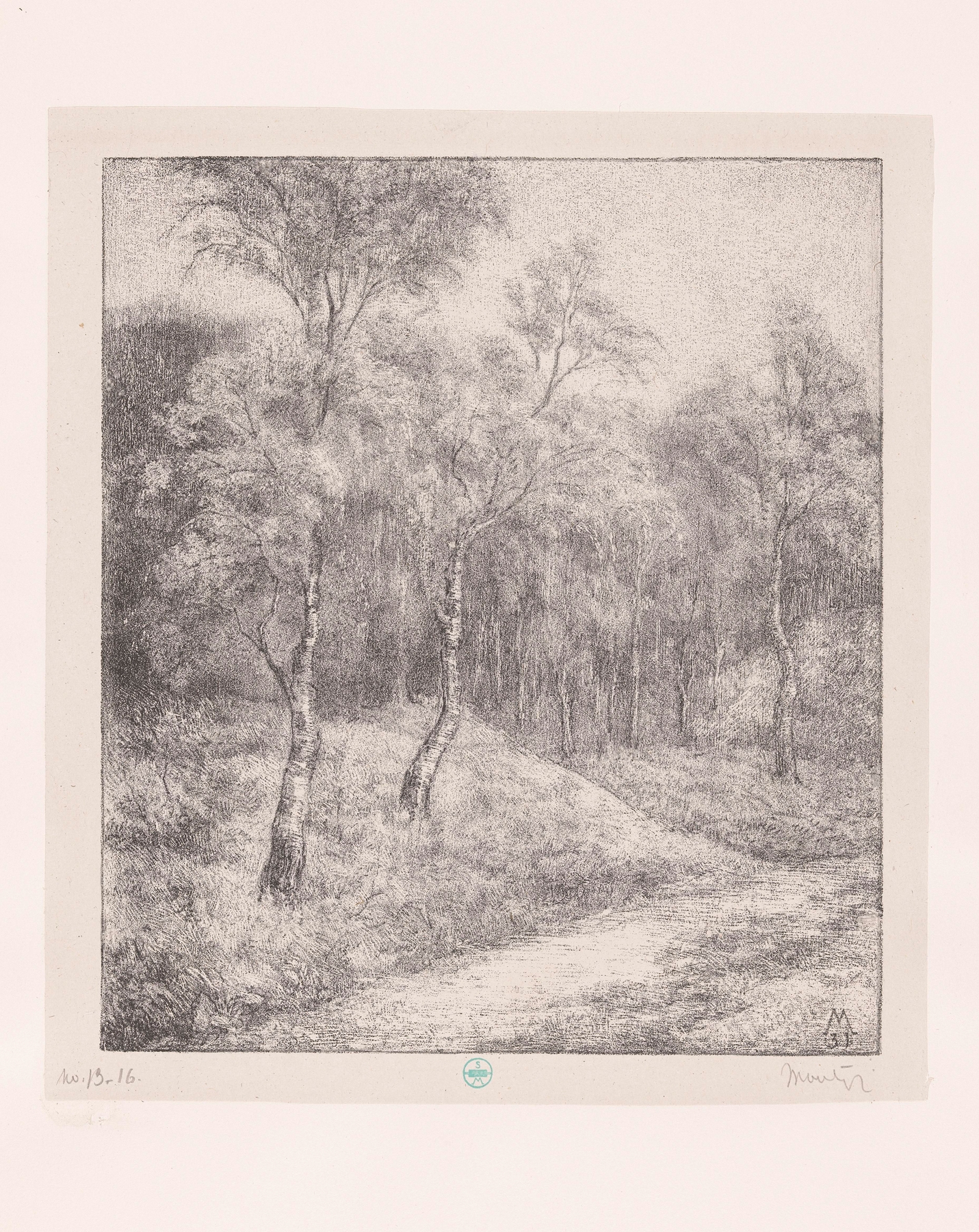
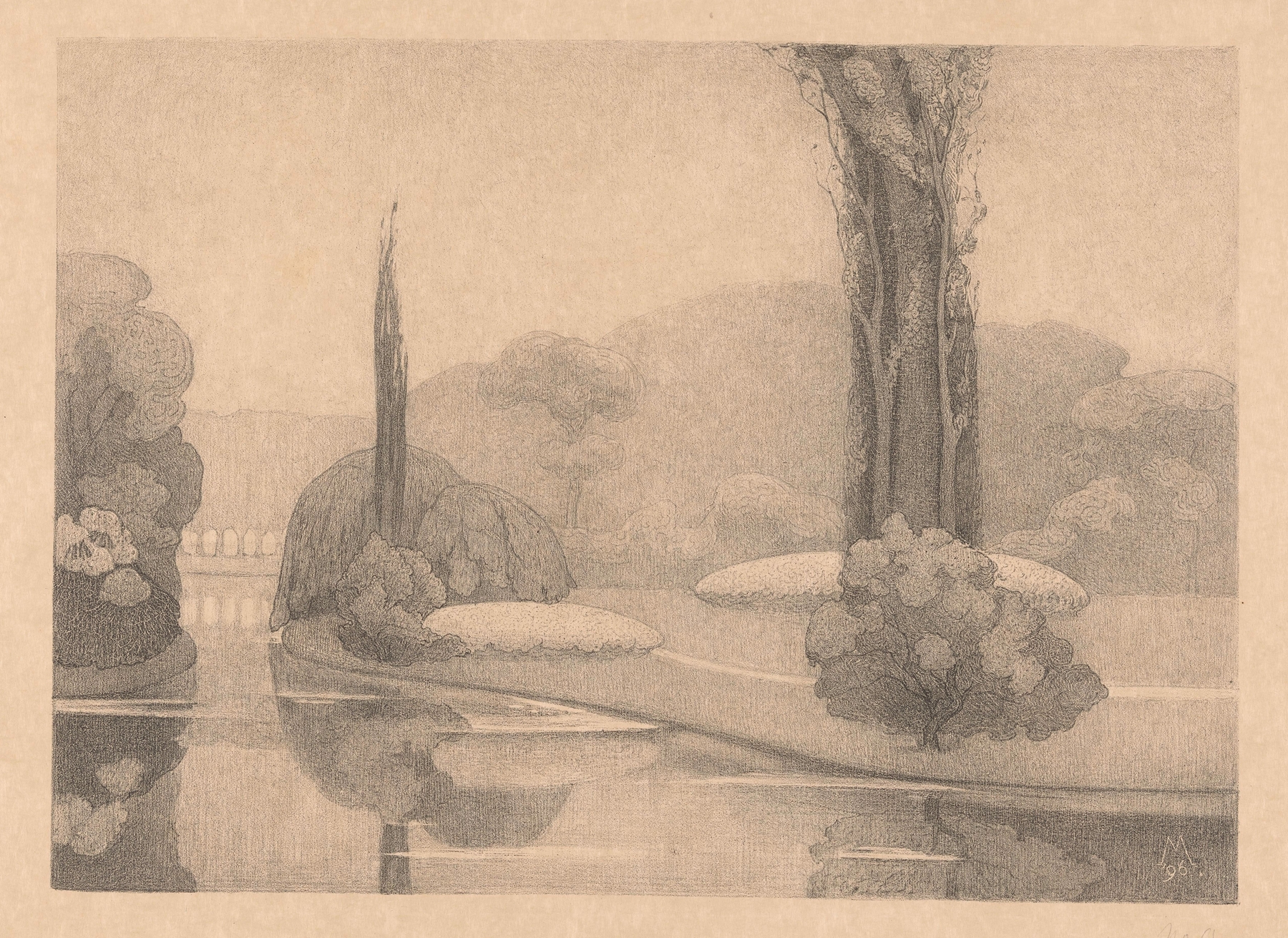
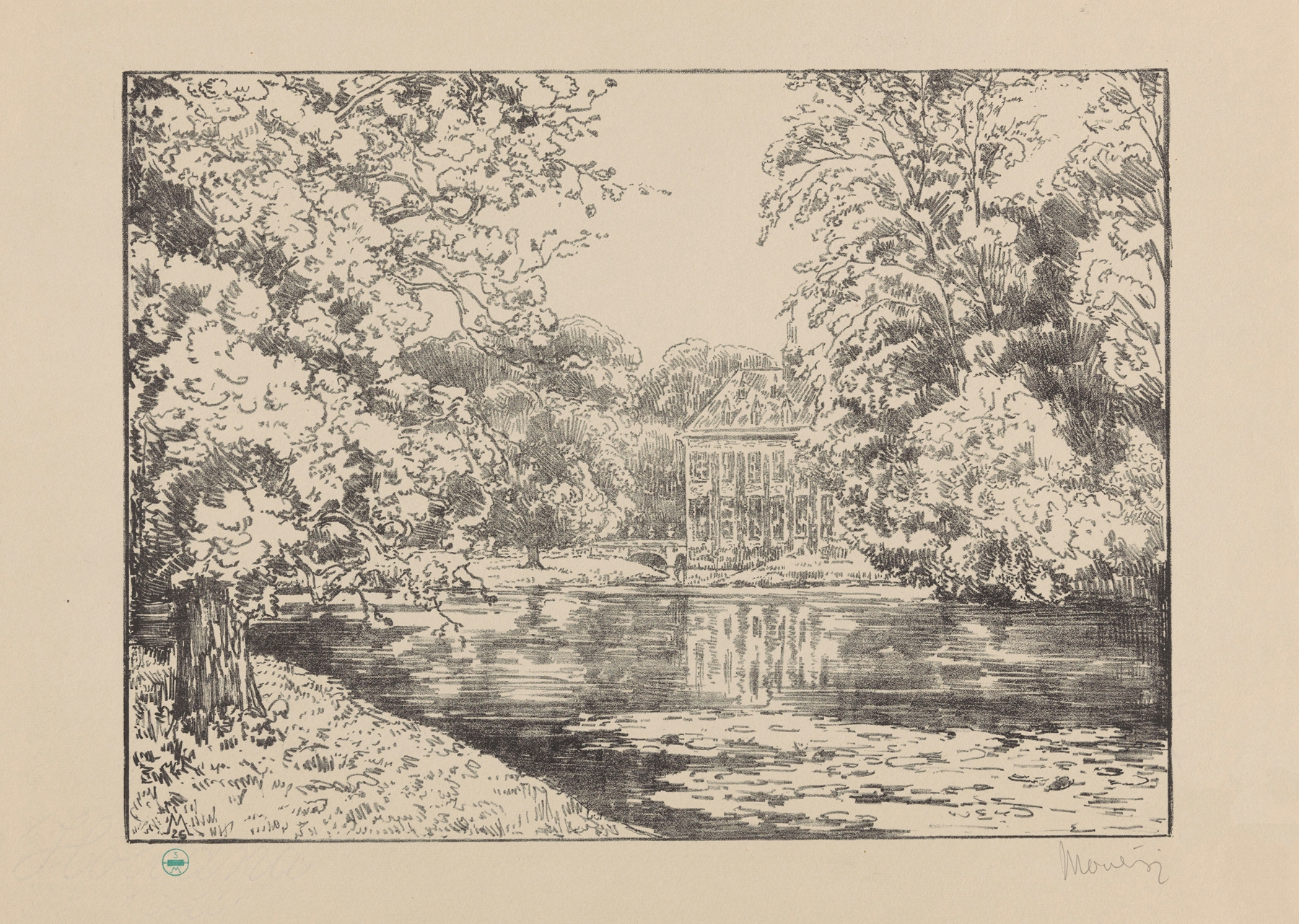
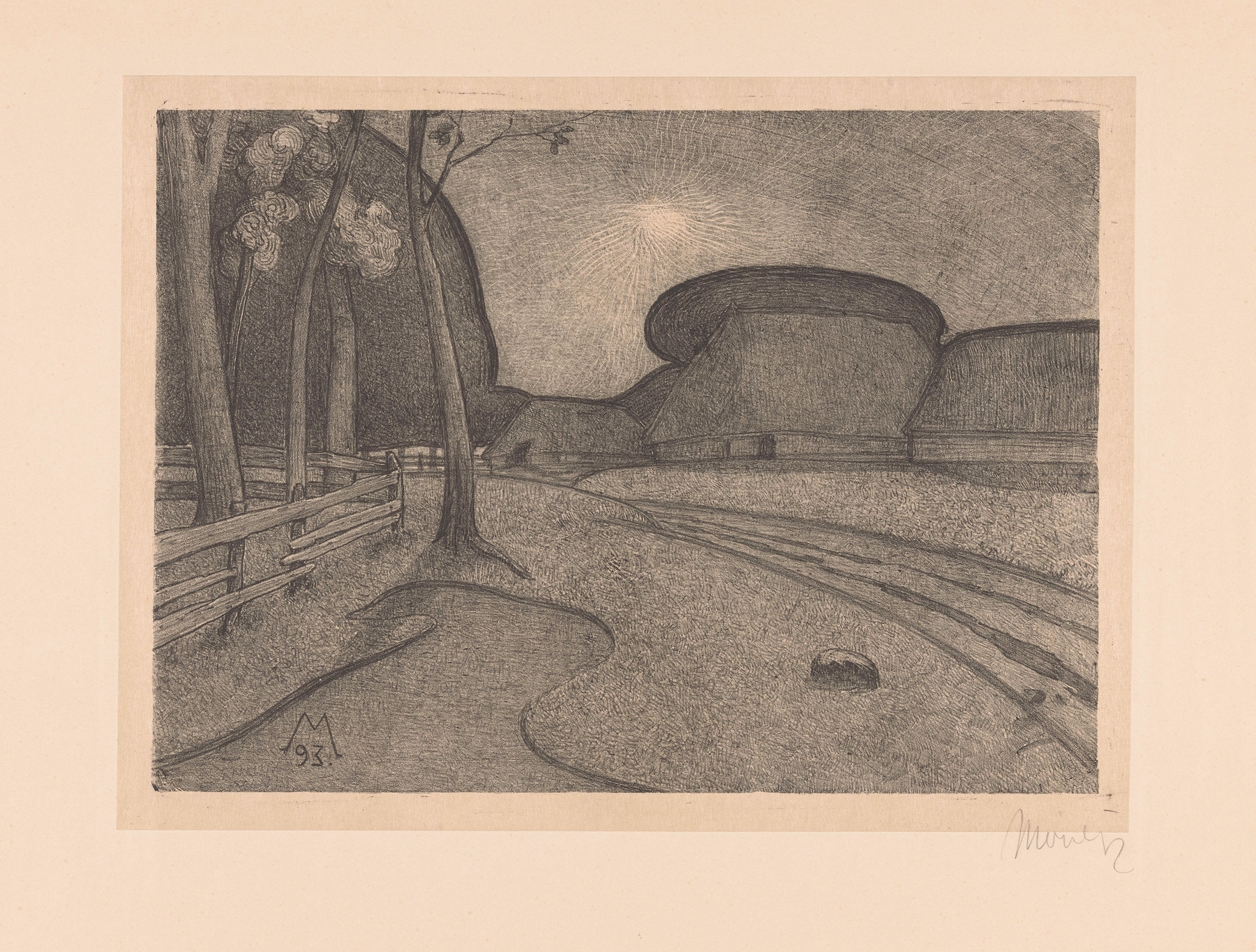
What secret hides in the quiet of the canvas? A solitary willow stands at the water's edge, its branches cascading like soft whispers around a deeper story of loneliness and resilience. Look to the left at the willow, its elongated trunk bending slightly towards the water, creating a gentle arch that invites your gaze. Notice how the muted greens and browns of the tree contrast with the stillness of the water, reflecting a serene, yet somber atmosphere.
The subtle brushstrokes convey movement, as if the branches are yearning to escape, while the calm surface of the water mirrors this desire, holding it captive in a tranquil embrace. In this work, emotional tension arises from the juxtaposition of the tree's vibrant life against the desolation of its surroundings. The expansive, empty space surrounding the willow amplifies its solitude, and the way the light dances on the water's surface suggests both hope and melancholy. Each detail—the gentle sway of the branches, the reflective stillness of the pond—speaks to the longing embedded within the scene, echoing the artist's own journey during this period.
Created in 1923, this piece reflects Simon Moulijn's engagement with the Dutch landscape as he sought to capture its beauty and emotional depth. At that time, he was living in a post-World War I Europe, grappling with themes of loss and solitude in his art. This painting represents not just a moment in nature, but a deeply personal reflection of the artist's own experiences in a world seeking to heal.