Windsor Great Park — History & Analysis
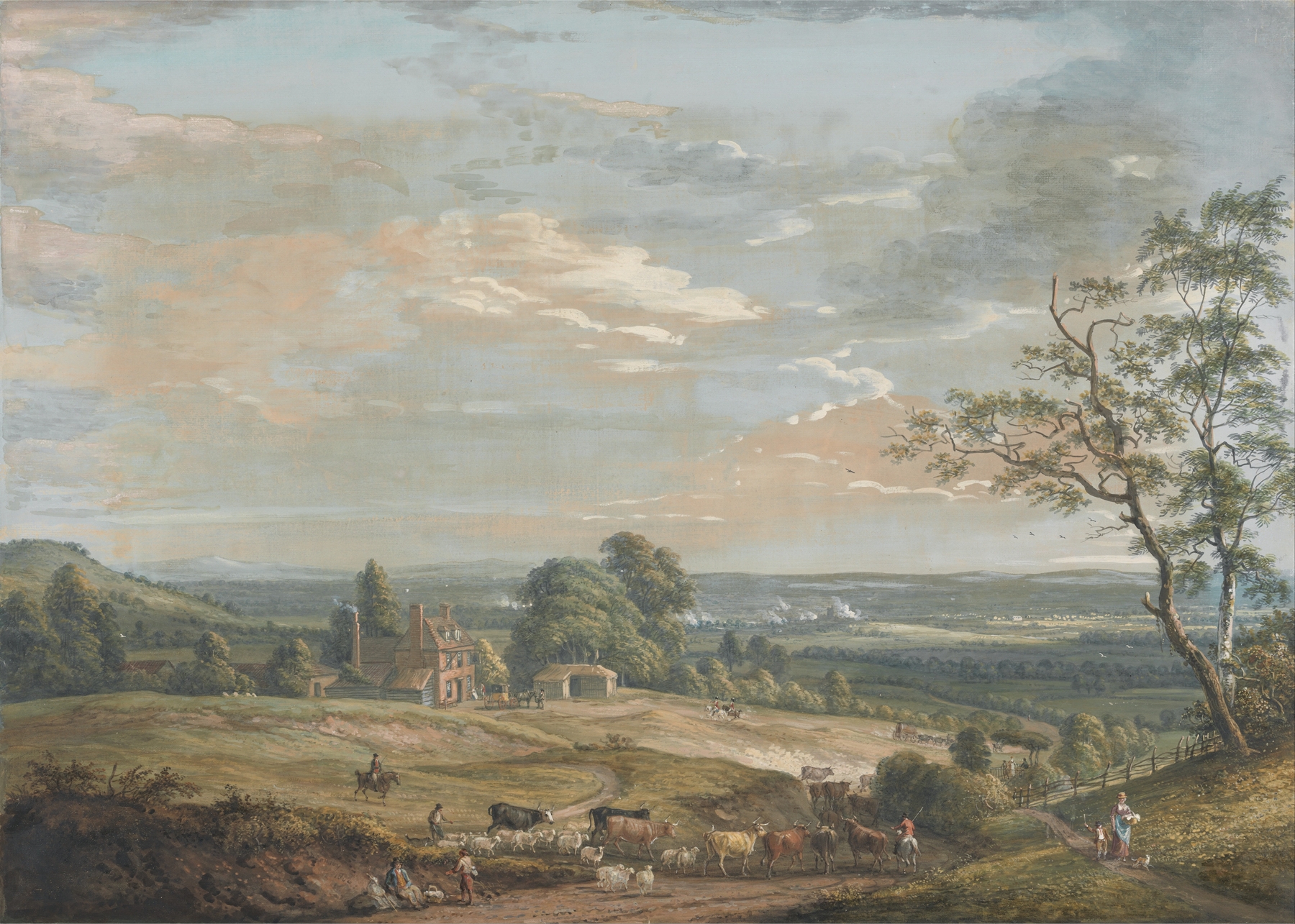
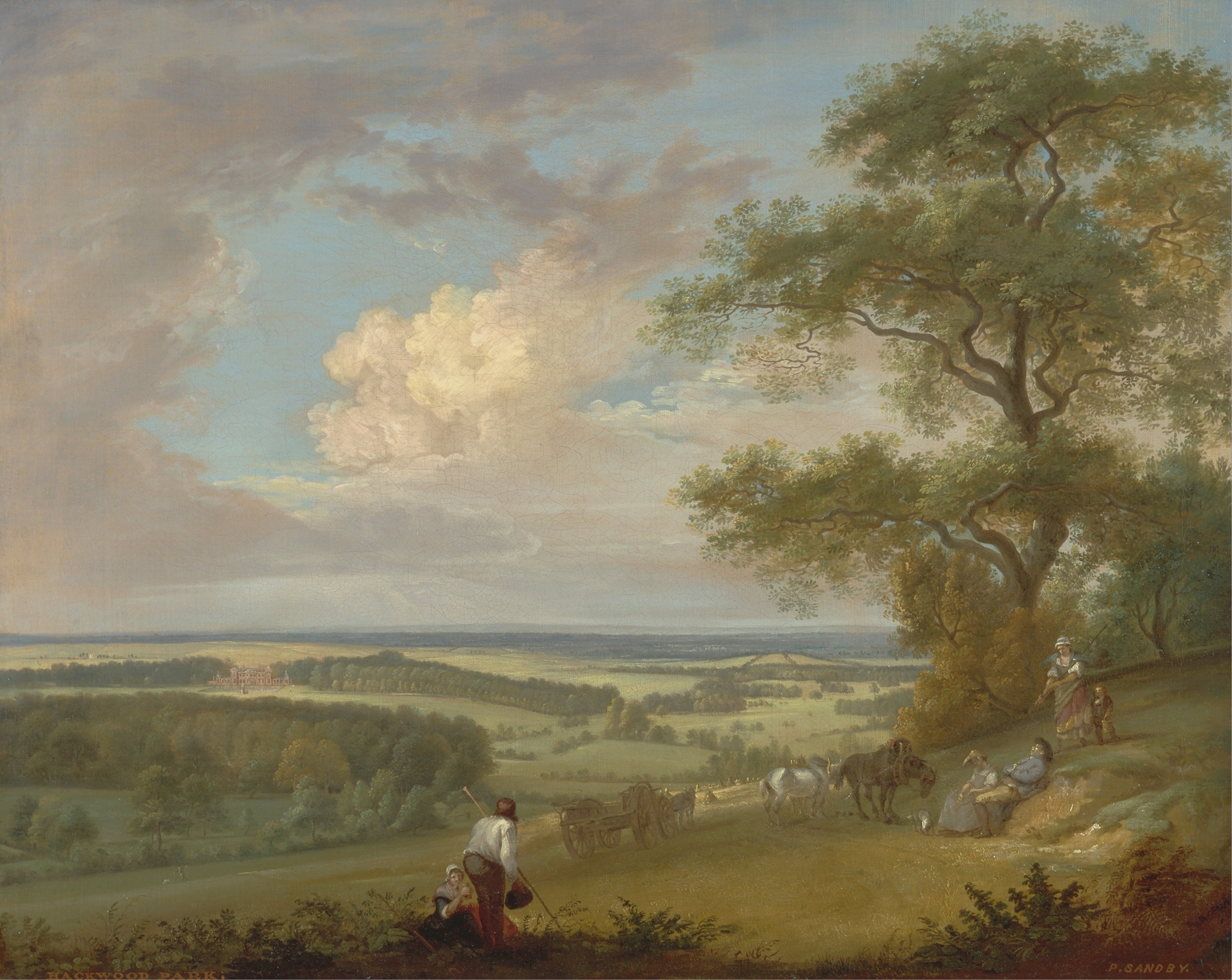
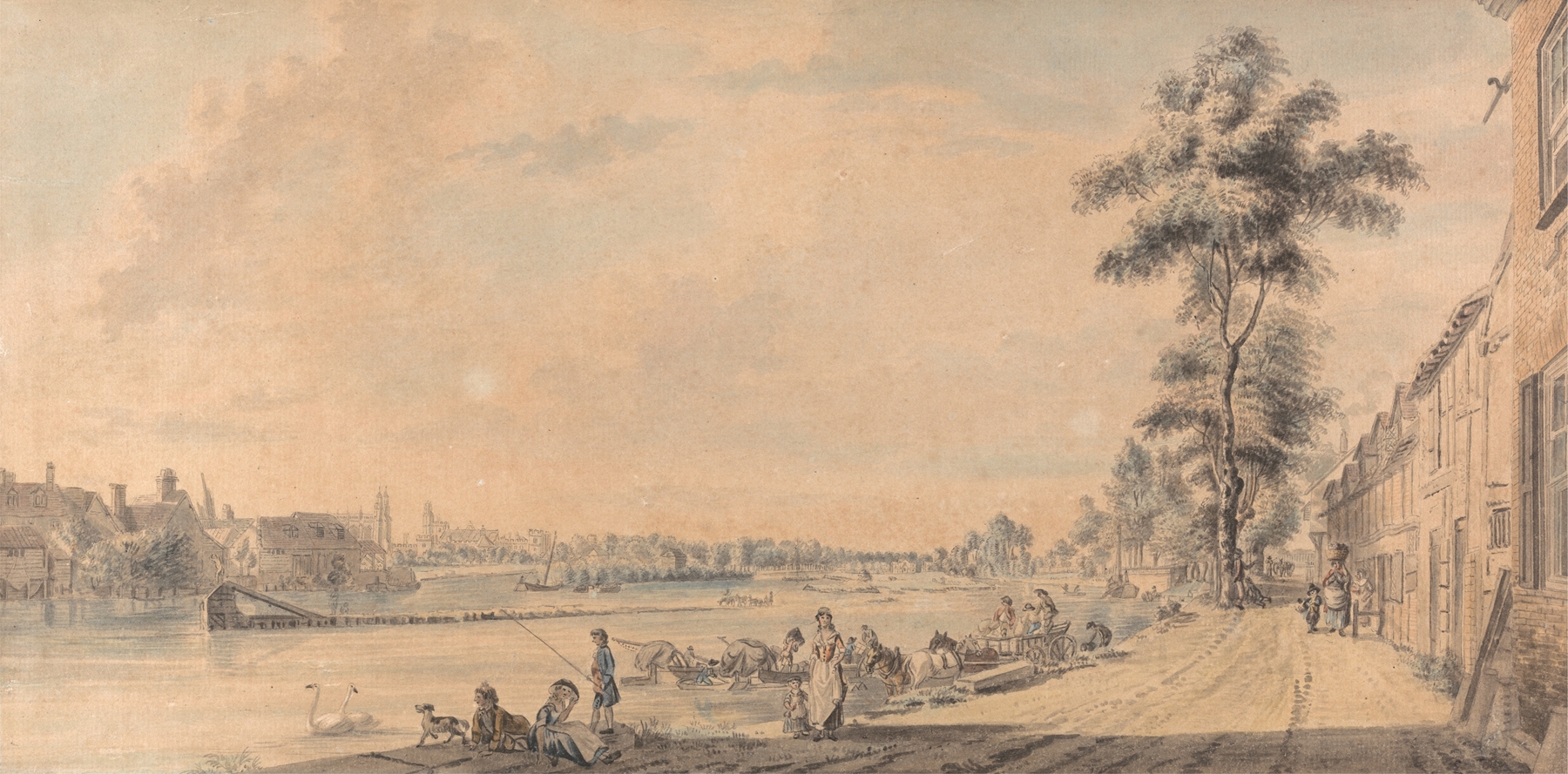
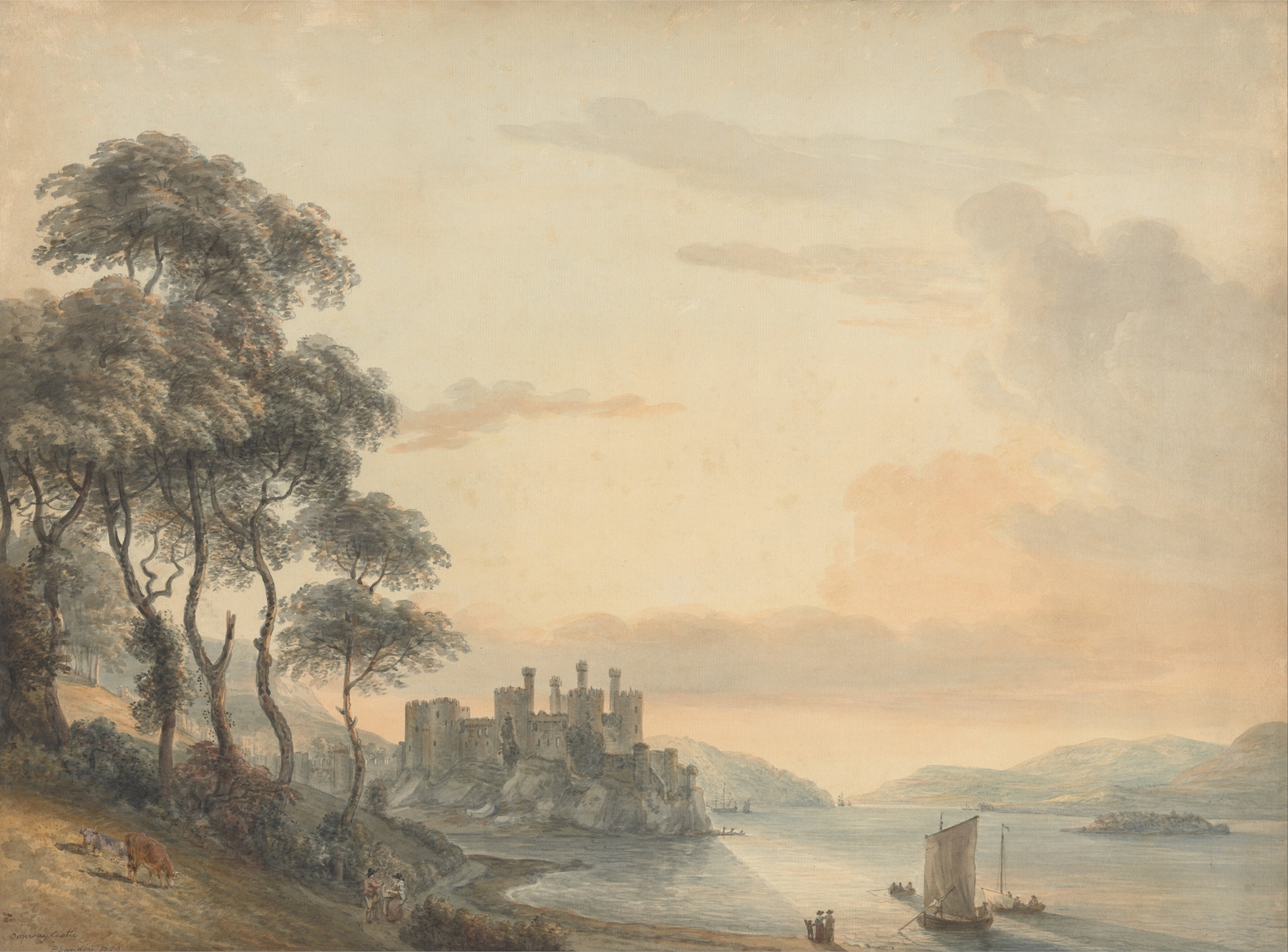
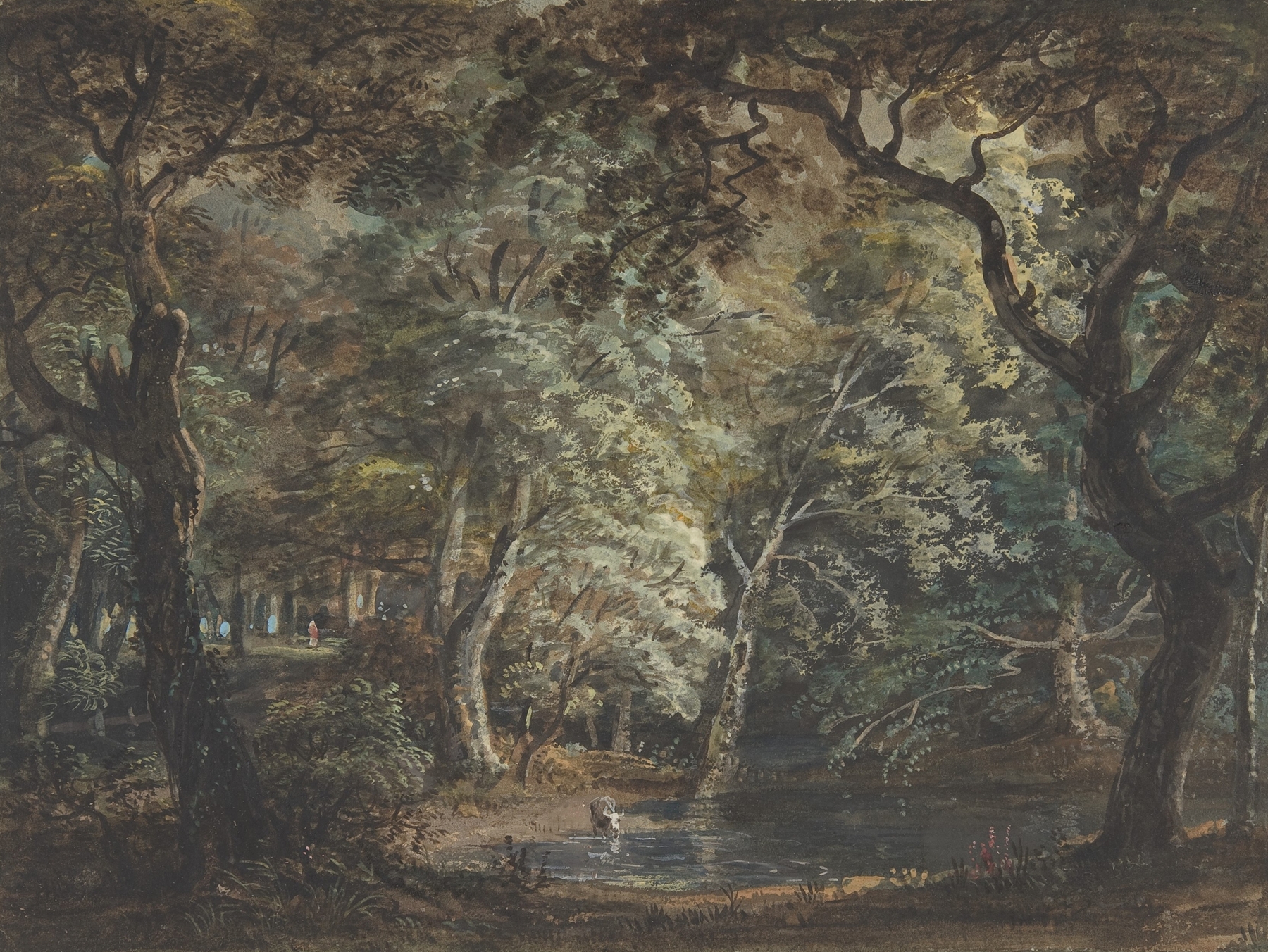
What if silence could speak through light? In the stillness of Windsor Great Park, a world unfolds where nature whispers and every ray illuminates the transcendent beauty of the landscape. Focus first on the vast expanse of greenery that stretches across the canvas, inviting the viewer into a serene embrace. The rolling hills are rich with deep greens and soft earth tones, bathed in a warm golden glow that suggests the gentle caress of afternoon sunlight. Notice how Sandby employs delicate brushstrokes to create atmospheric depth, each layer of foliage alive with detail and nuance.
The subtle interplay of light and shadow not only showcases the landscape's grandeur but also evokes a sense of tranquil solitude. This painting embodies a delicate tension between the expansive beauty of nature and the quiet introspection it inspires. The towering trees stand sentinel-like, offering both shelter and a sense of timelessness, while the path meanders invitingly, suggesting a journey yet to be taken. The harmonious balance of vibrant colors and soft edges invites contemplation, reflecting the transcendence of the natural world over the chaos of human life.
Sandby captures fleeting moments that resonate beyond the visual, touching upon themes of peace and permanence. During the late 18th century, Paul Sandby painted Windsor Great Park as he explored the role of landscape in British art. Living in a period of innovation, he was influenced by the burgeoning Romantic movement, which celebrated nature's beauty and emotional depth. Sandby's work emerged amidst discussions of national identity and an appreciation for the English countryside, marking a pivotal moment in the evolution of landscape painting.