Windstoot in het geboomte — History & Analysis
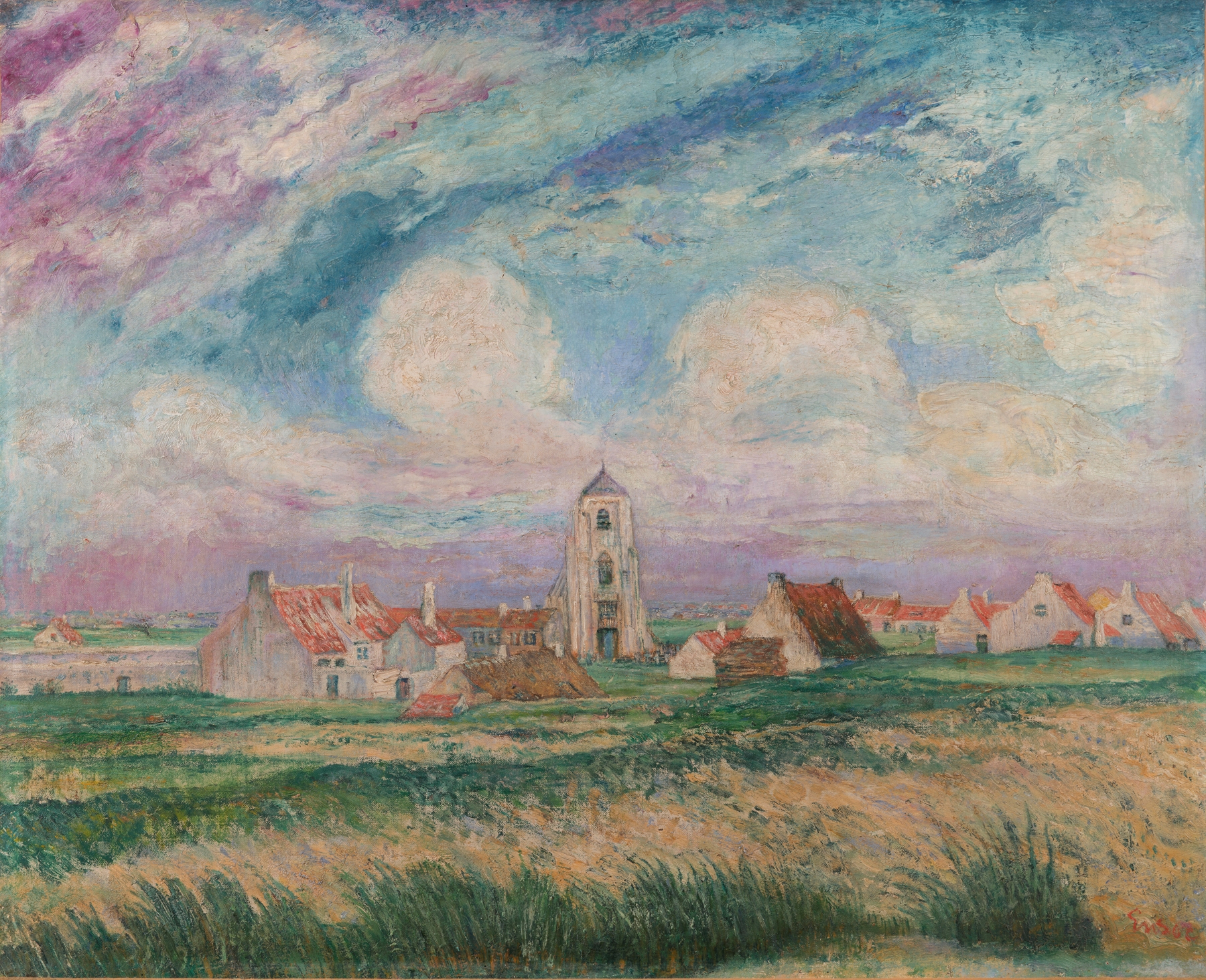
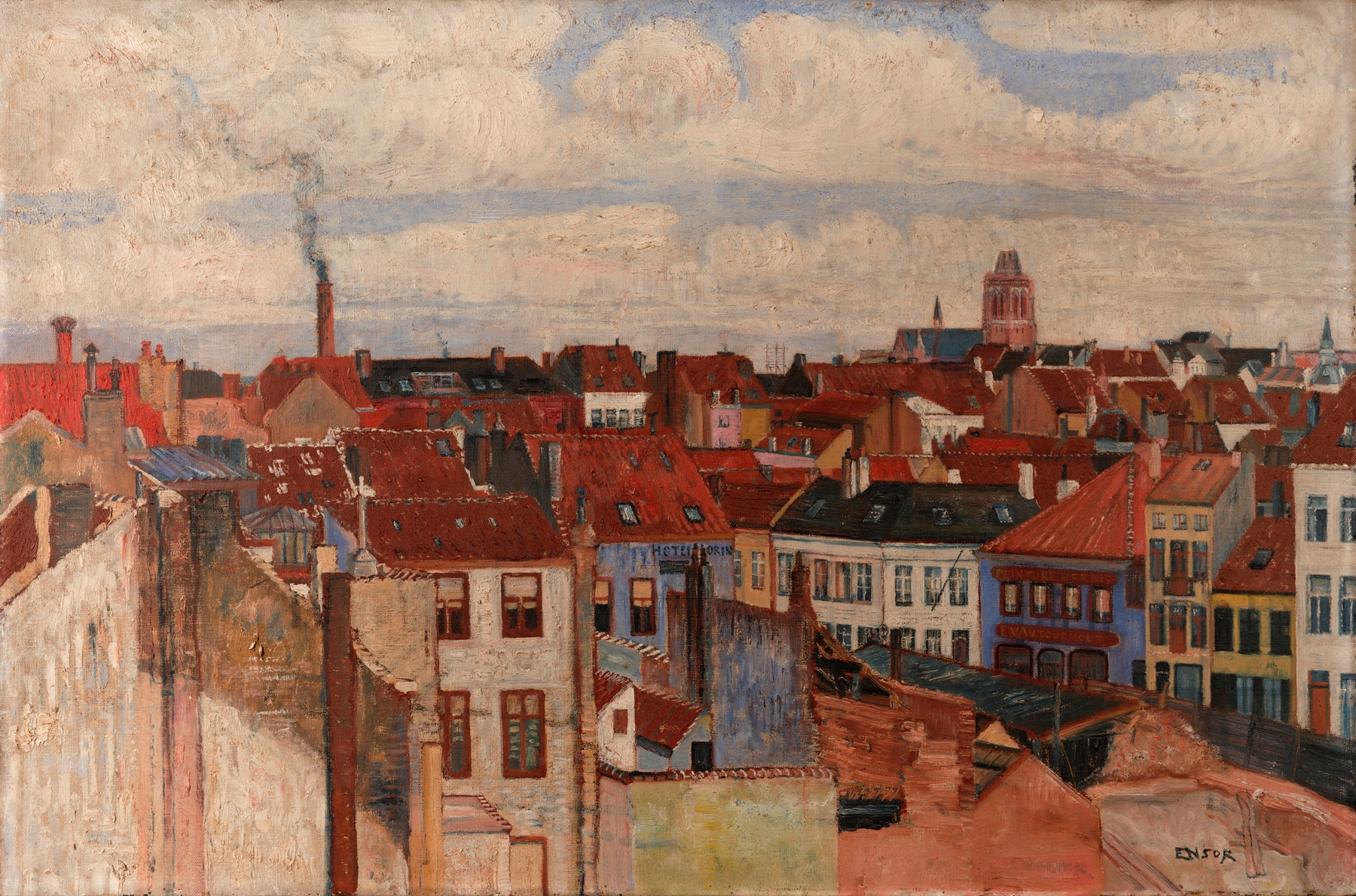
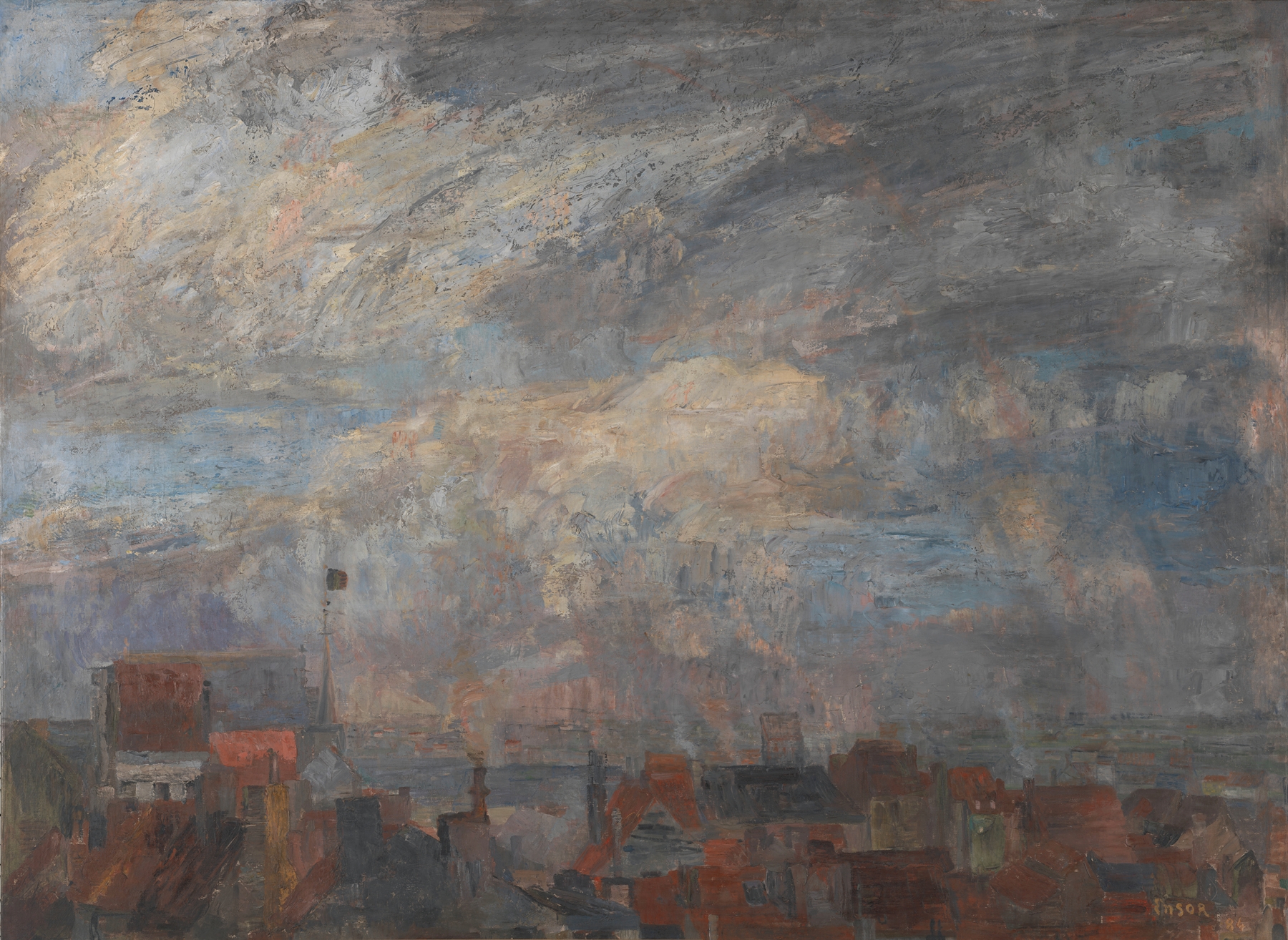
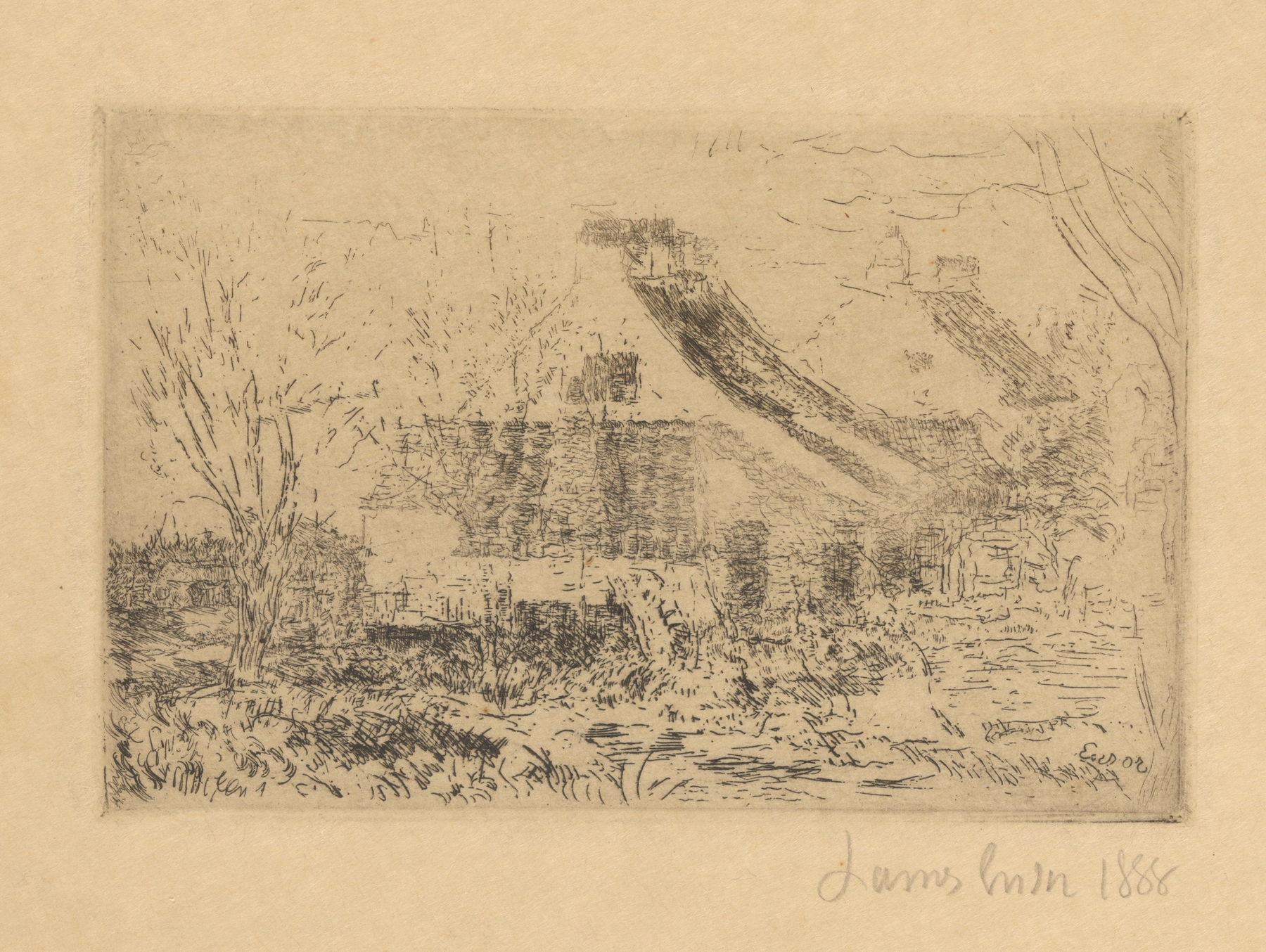
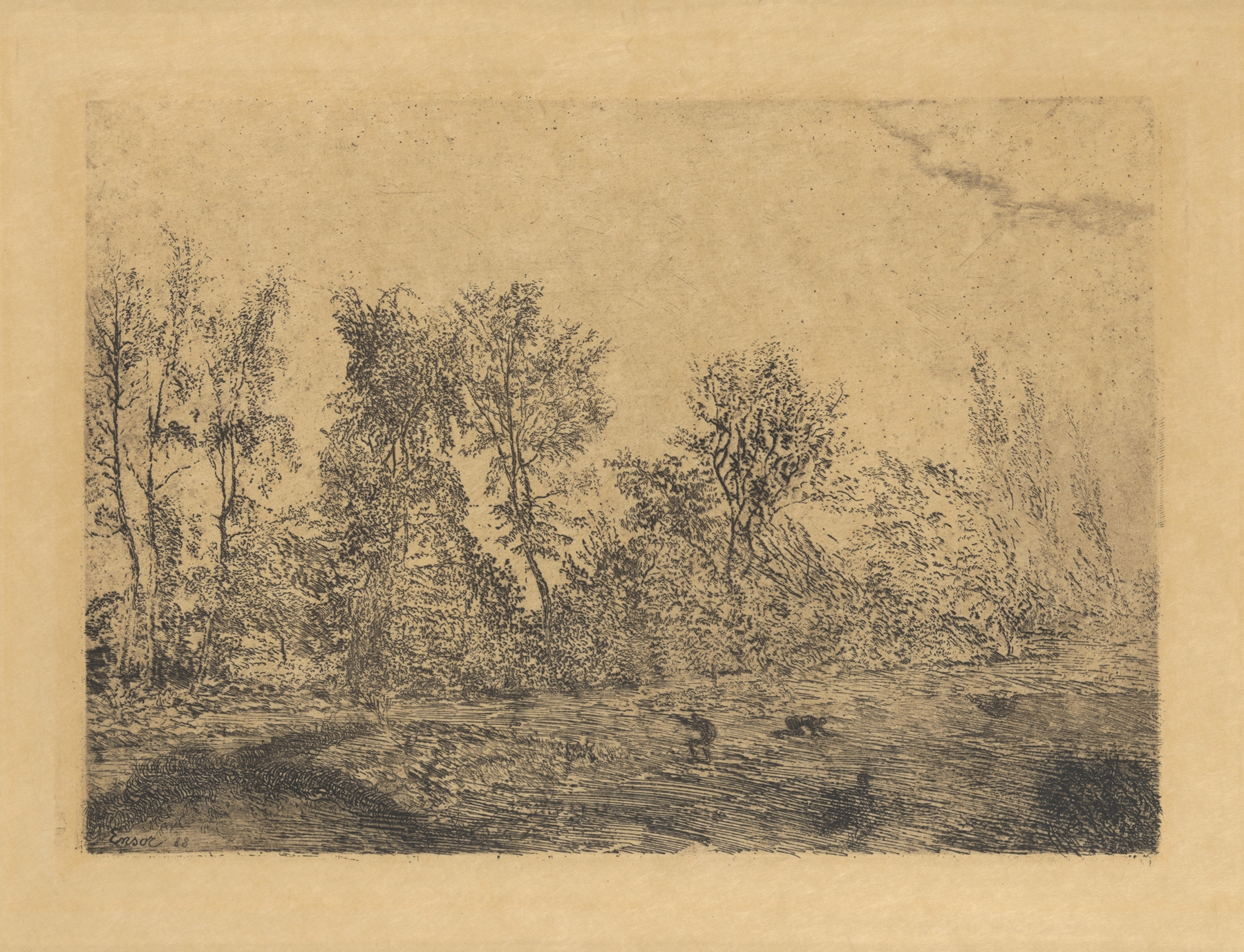
Could beauty survive in a century of chaos? Within the textured layers of Windstoot in het geboomte, the canvas whispers an answer, beckoning us to experience a world where nature's elegance dances amid turmoil. Look to the left, where the vibrant greens of the foliage swirl and intertwine, almost as if caught in a gentle, yet forceful, wind. The brushstrokes are bold and expressive, revealing a landscape alive with movement and energy.
Notice how the dappled sunlight filters through the leaves, casting playful shadows that evoke both tranquility and unease. The harmonious palette, rich with earth tones and splashes of color, invites the eye to wander, creating a sense of immersion in this chaotic yet beautiful scene. Beneath the surface, the painting reveals emotional tensions that mirror the artist's own inner conflicts. The juxtaposition of ferocious wind against the delicate beauty of the trees suggests an ongoing struggle between nature and disruption, reflecting society's uncertainties during that period.
The trees, standing tall yet swaying, symbolize resilience in the face of adversity, while the tumultuous sky hints at the storms—both literal and metaphorical—raging in the world beyond the canvas. In 1888, Ensor was living in Ostend, Belgium, a time when his innovative approach was beginning to garner attention. Influenced by the Symbolist movement, he sought to transcend the ordinary through vibrant color and emotive forms. The late 19th century was an era marked by social upheaval and a reexamination of artistic boundaries, and Windstoot in het geboomte captures this spirit—a testament to the beauty that can emerge even amidst chaos.