Winter Landscape — History & Analysis
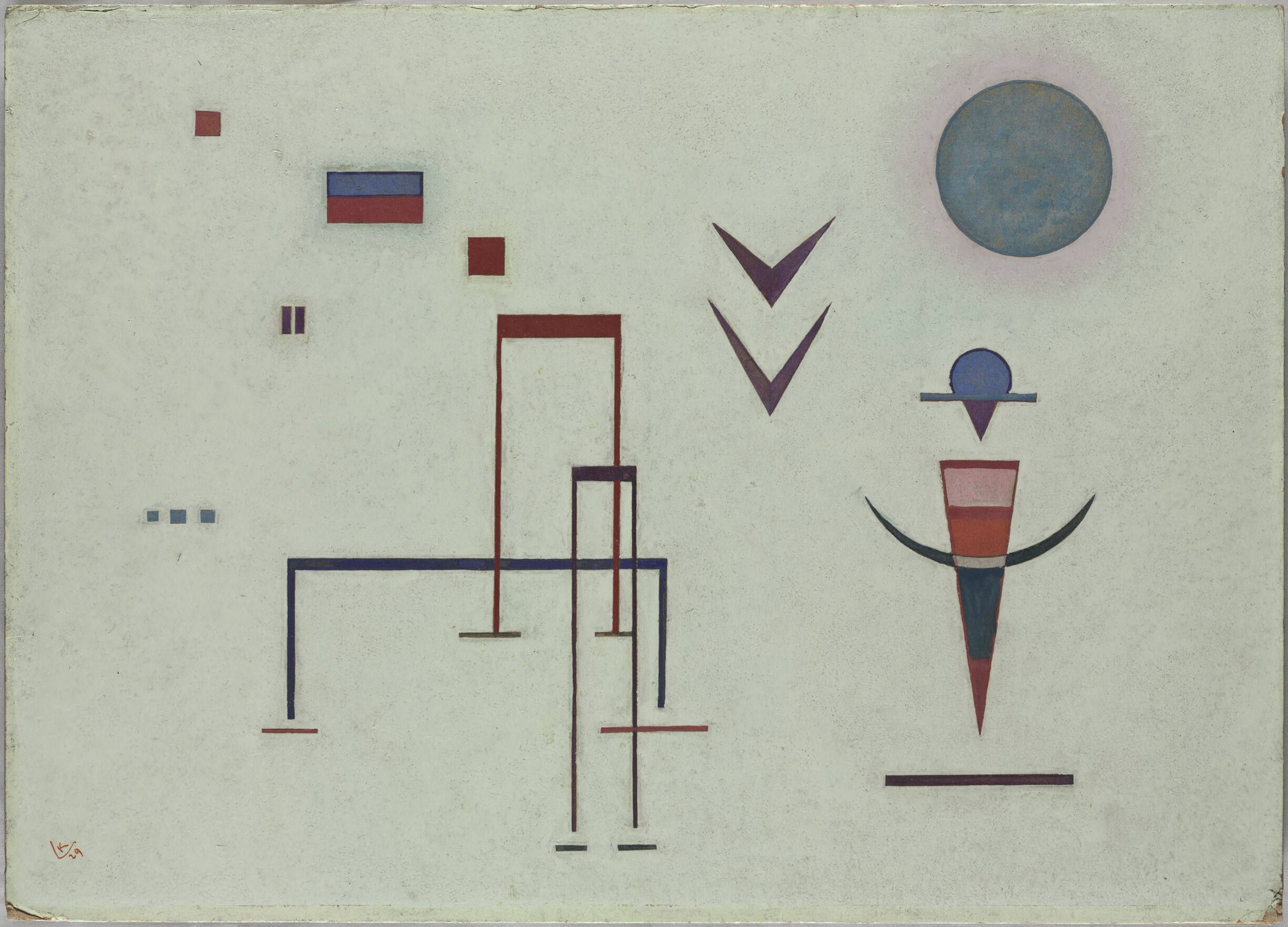
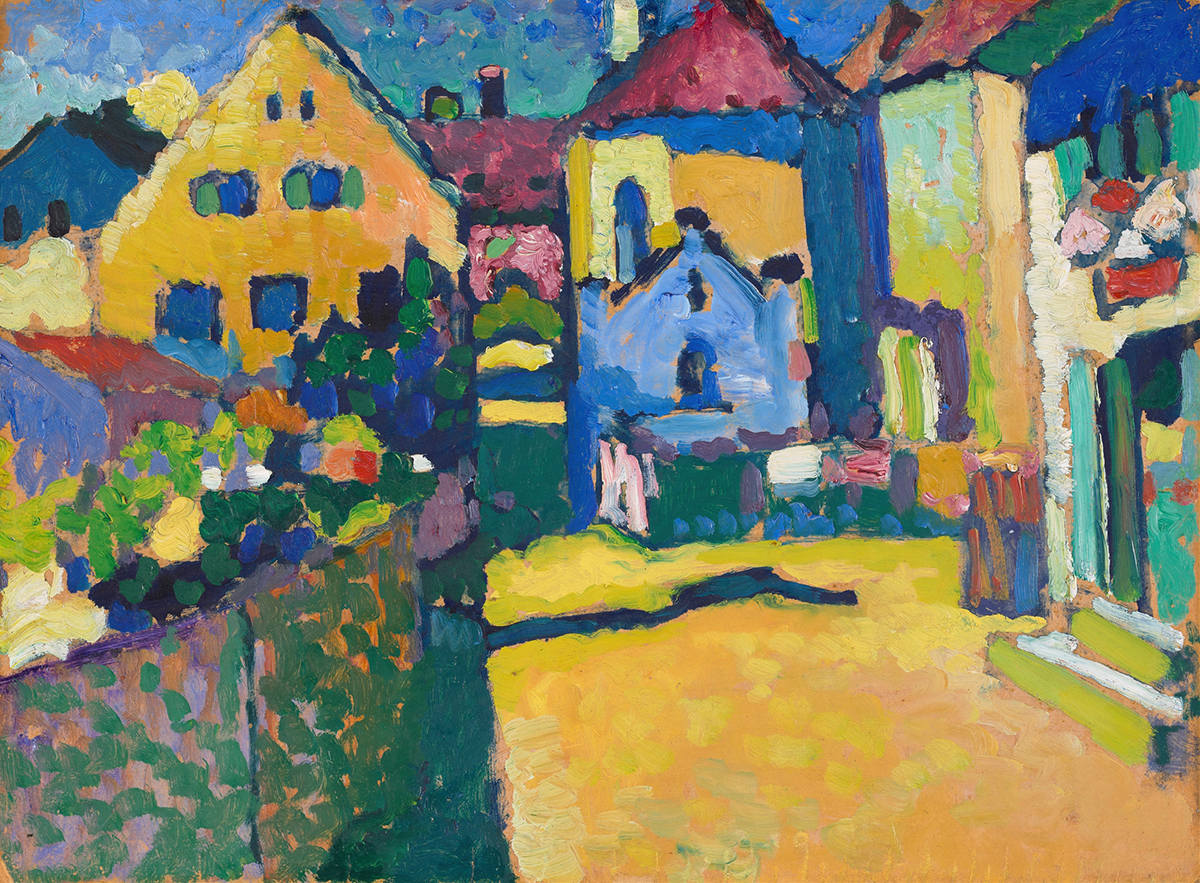
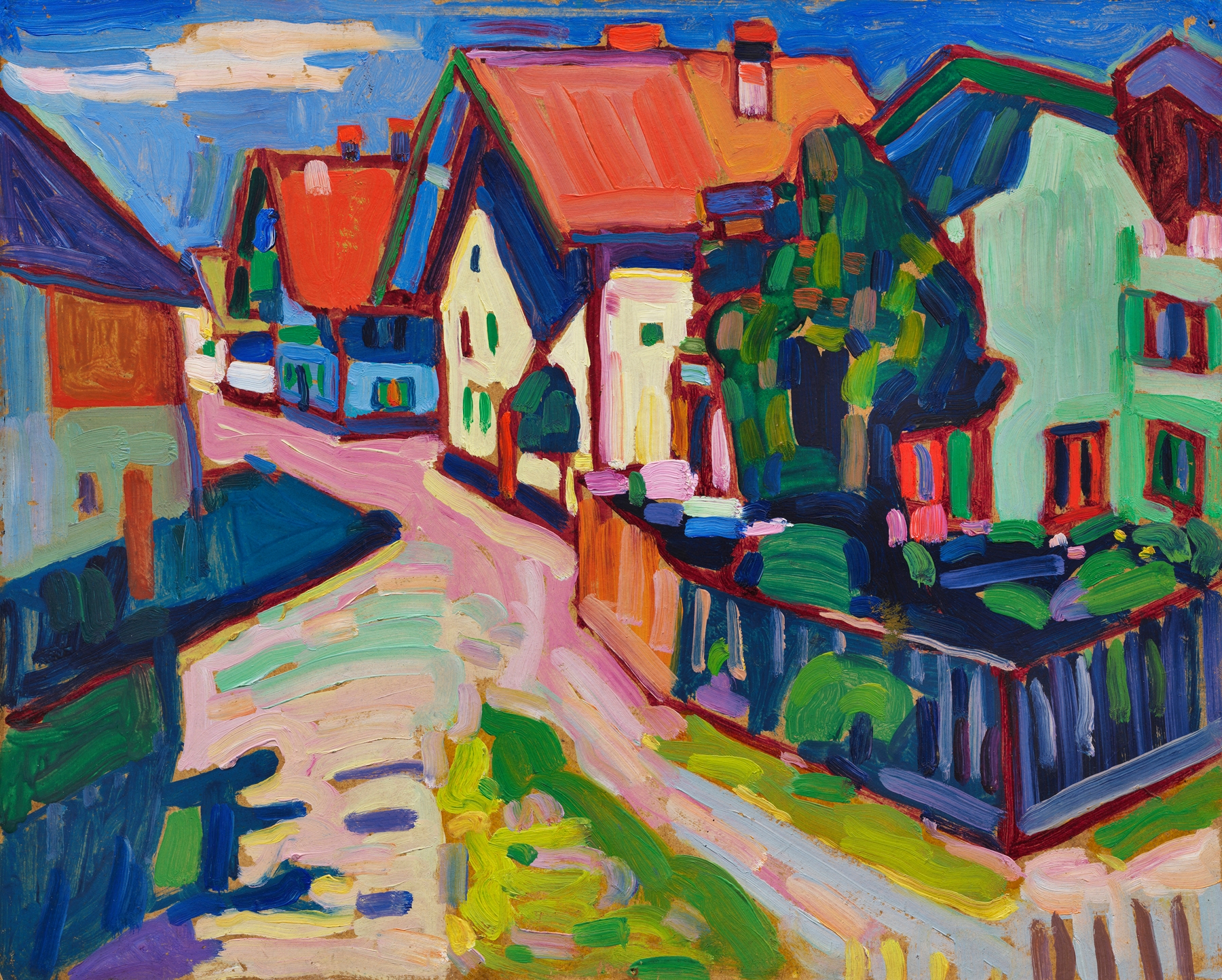
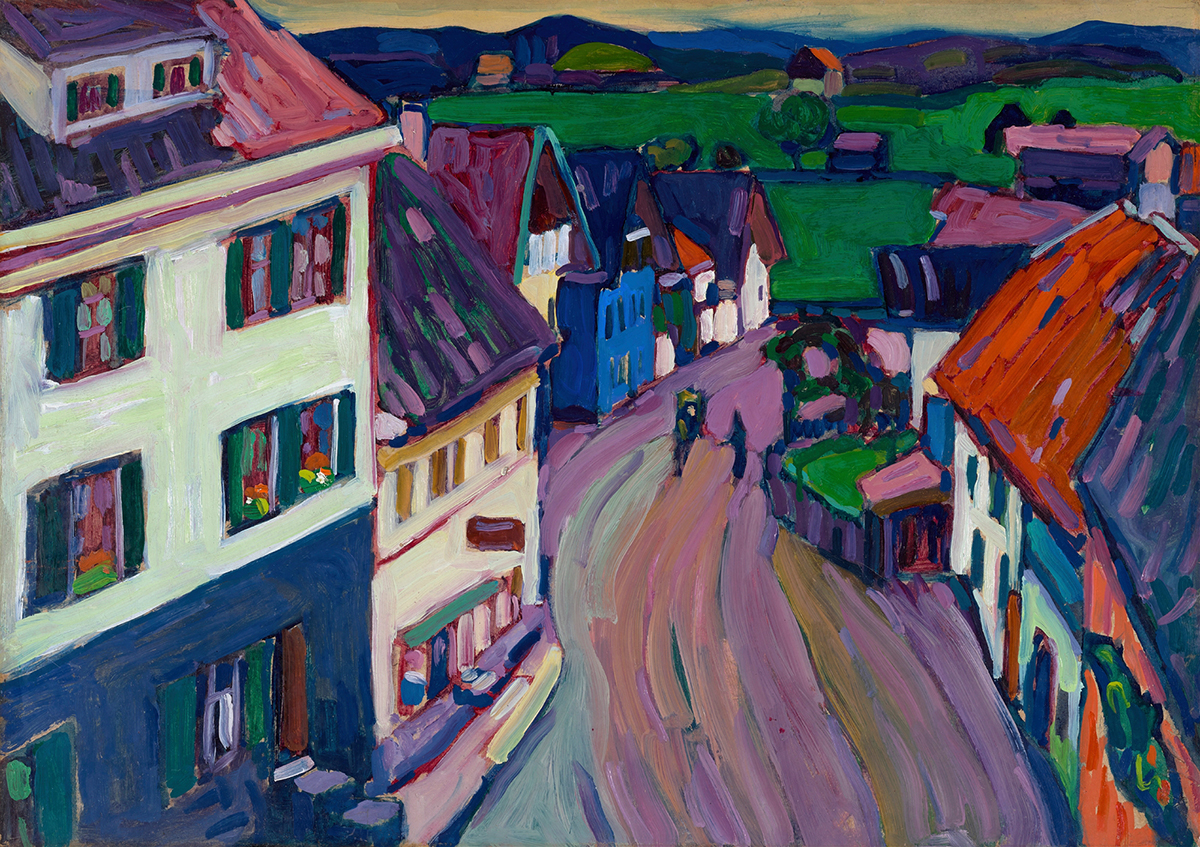
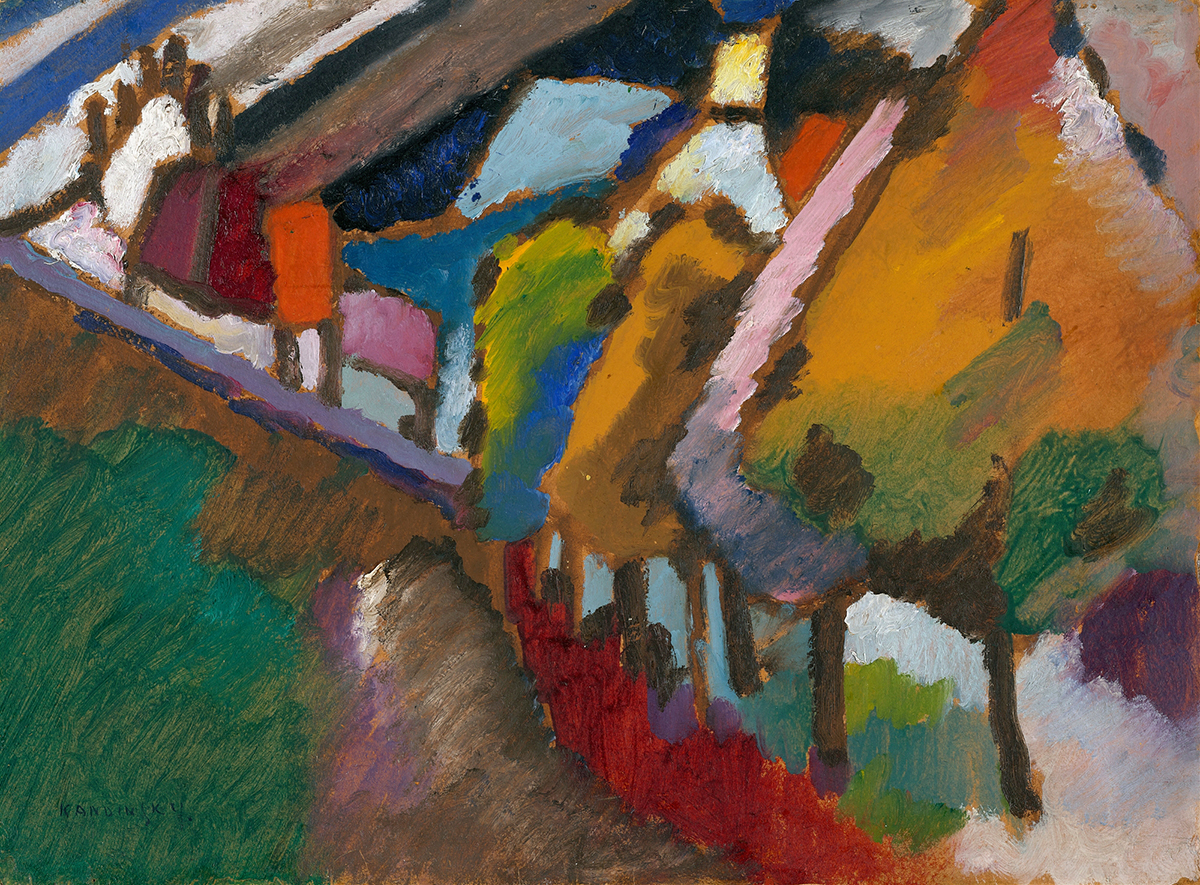
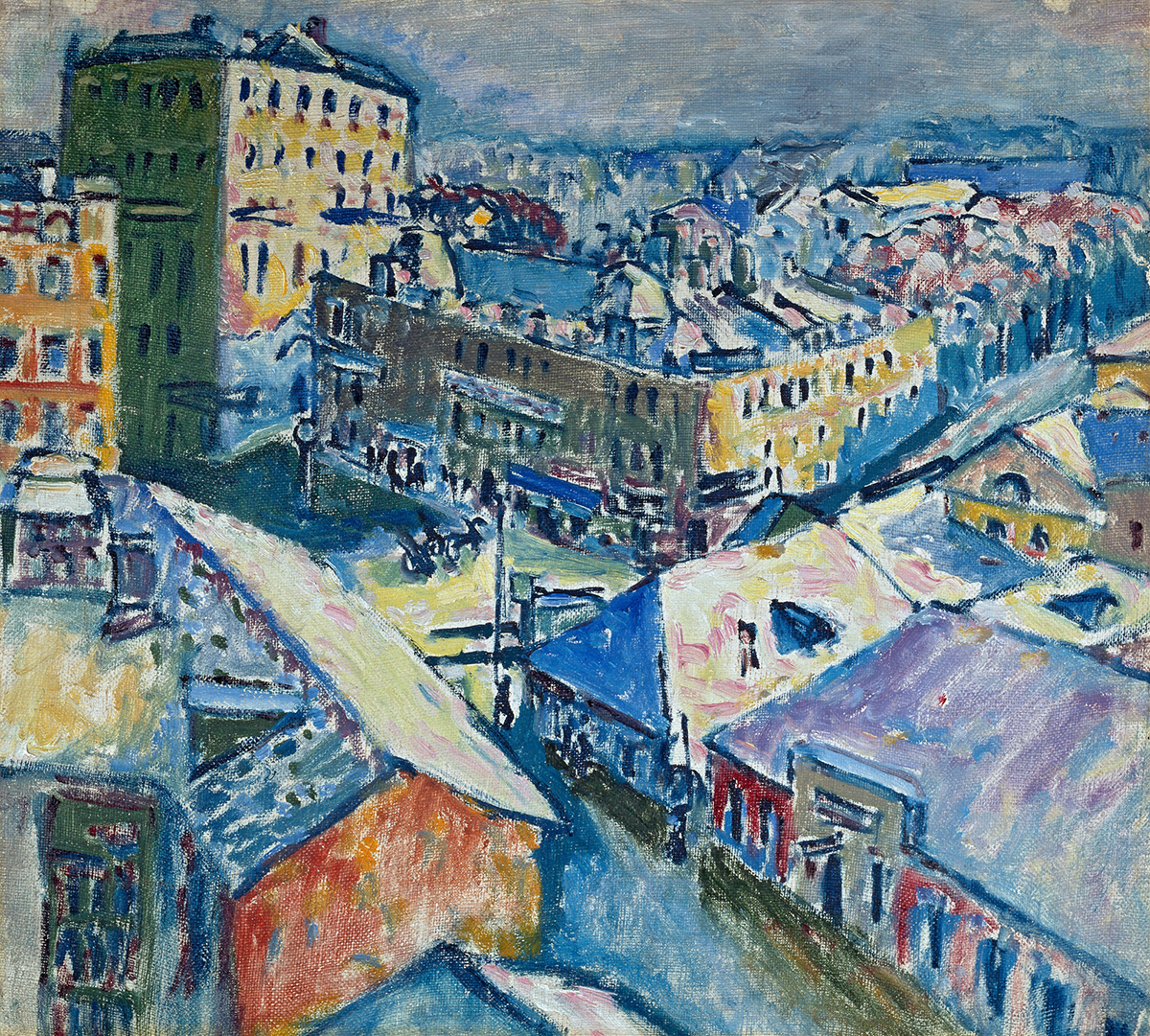
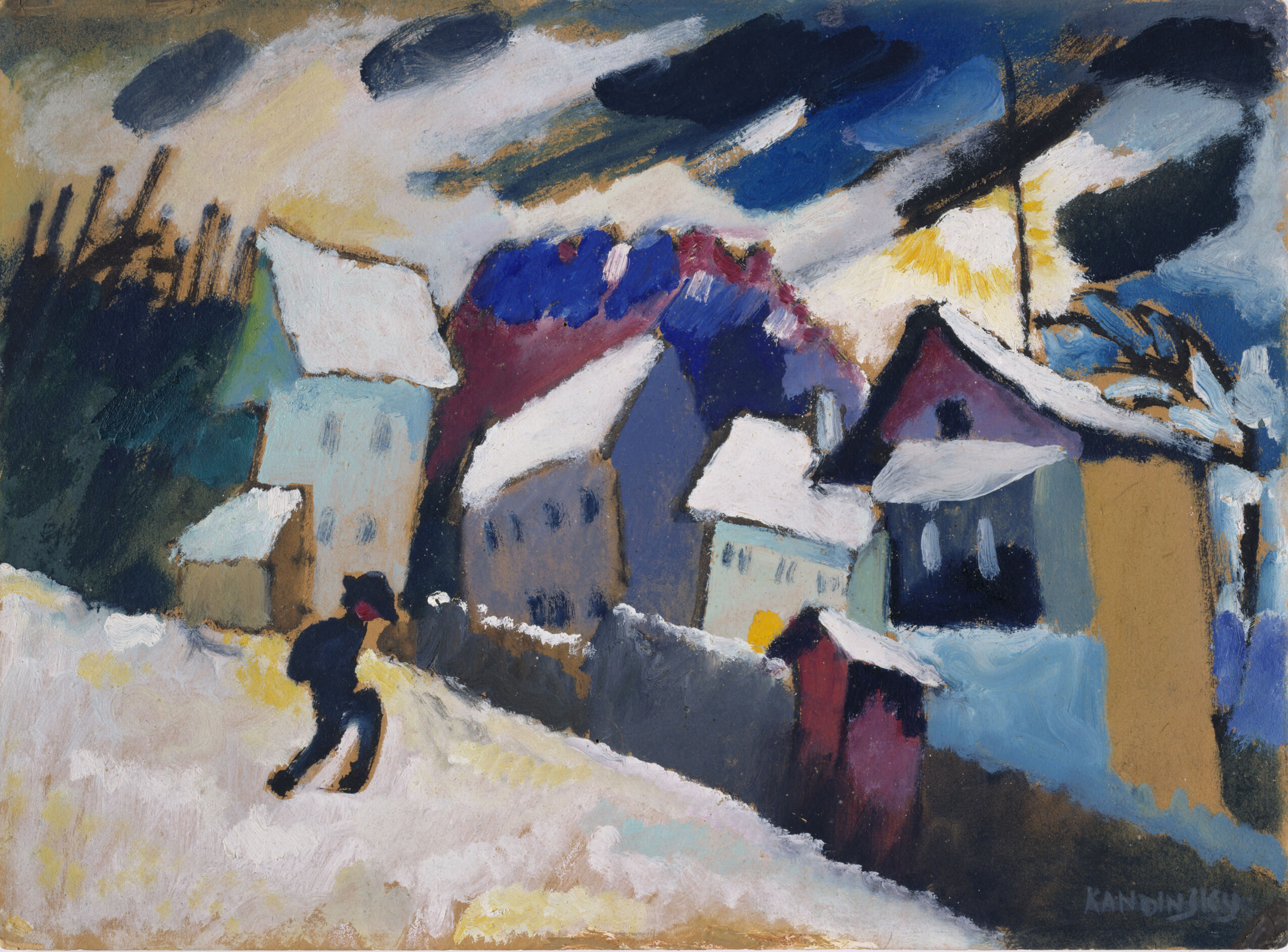
Who listens when art speaks of silence? In Winter Landscape, the essence of tranquility radiates through the interplay of color and form, inviting contemplation amidst a world often filled with noise. Look to the left at the cool blue tones that dominate the canvas, evoking the chill of winter air. Notice how Kandinsky utilizes abstract shapes, gently merging and contrasting with deeper hues, creating a sense of movement and life within the stillness.
The layered textures suggest a soft snowfall, while hints of warm colors infuse an underlying warmth, drawing the eye to the center where the painting pulsates with quiet energy. Within this serene composition lies a tension between solitude and connection. The starkness of the winter scene embodies isolation, yet the vibrant colors suggest an unseen presence, hinting at the interconnectedness of nature and the human spirit. Subtle variations in light highlight the balance of emptiness and vibrancy, reminding viewers of the beauty that exists in quiet moments of reflection, where the external world recedes into silence.
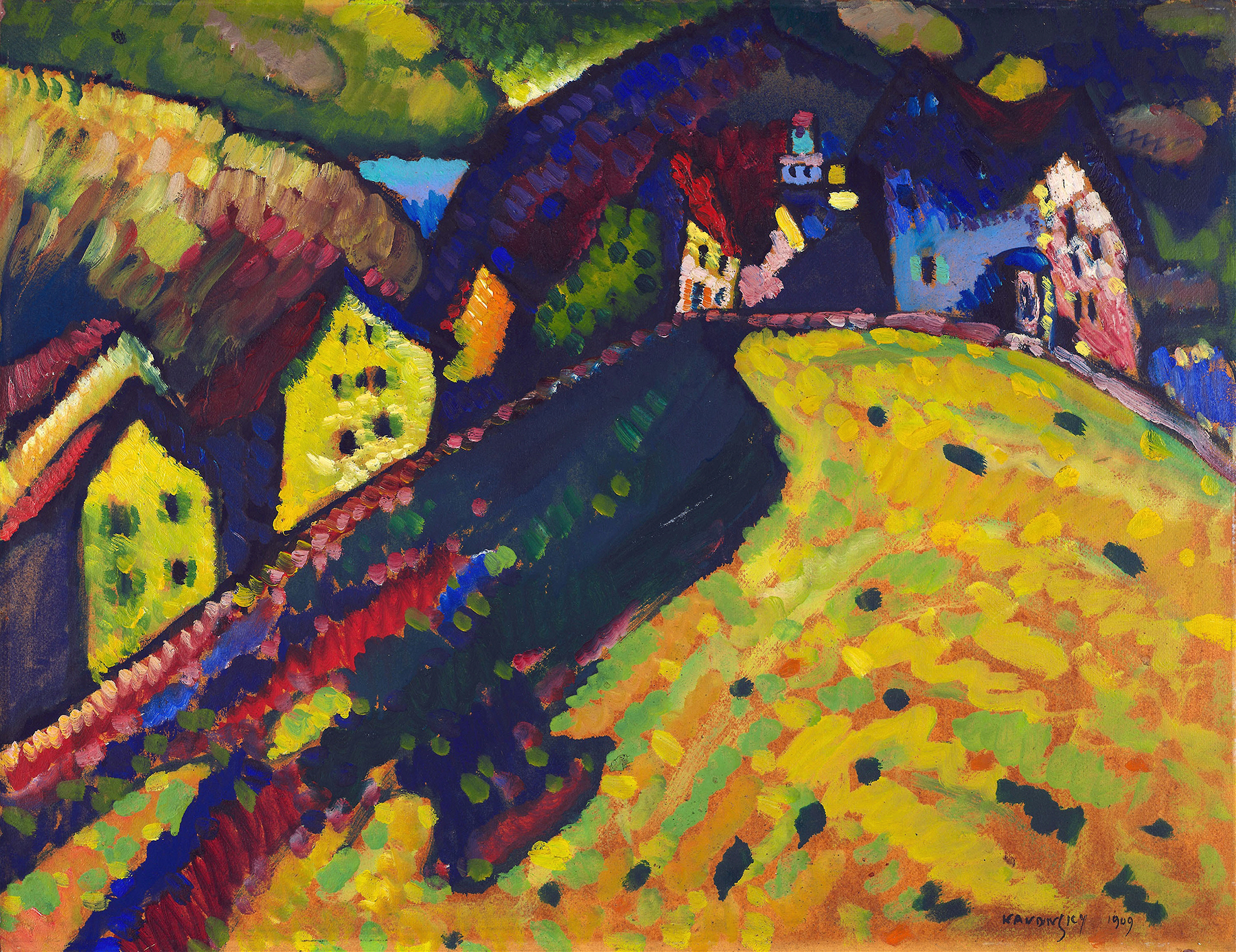
In 1910, Kandinsky created this piece during his time in Munich, a period when he was deeply engaged in exploring abstraction. The art world was shifting, moving away from representational art towards more expressive forms. Surrounded by the burgeoning avant-garde movement, he sought to convey not just the visual, but the emotional resonance of landscapes, marking a pivotal moment in his evolution as a pioneering force in abstract art.