Winter Landscape — History & Analysis
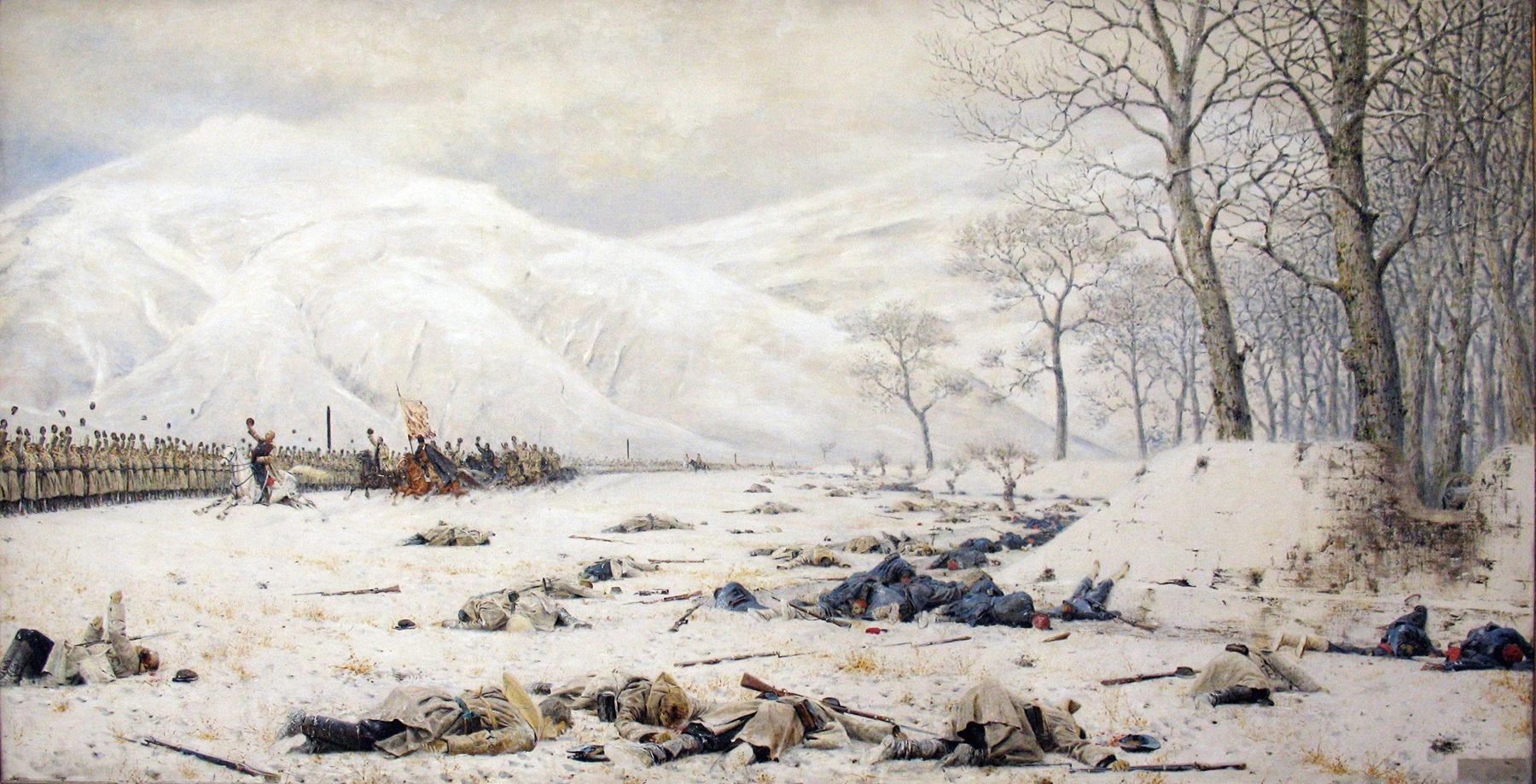
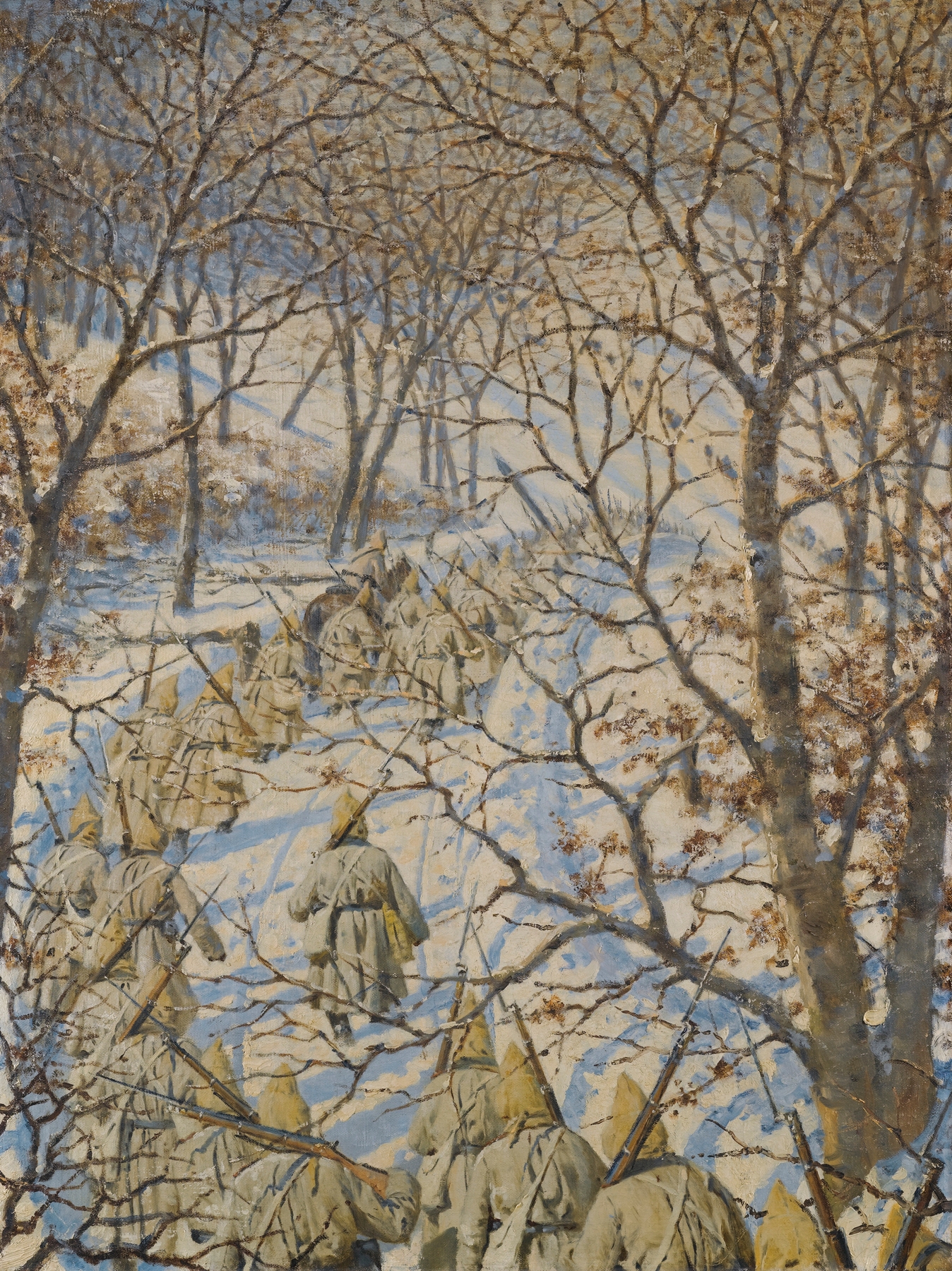
“To paint is to remember what time wants us to forget.” In this hauntingly beautiful landscape, the chill of winter breathes life into the stillness of the scene, capturing a moment that exists outside the rush of time. Look to the foreground, where delicate snow blankets the ground, each flake rendered with a meticulous touch that evokes both peace and isolation. The subtle interplay of whites and pale blues draws your eye up to the serene horizon, where soft, muted trees stand like silent sentinels, their branches reaching out like fragile fingers. Notice how the gentle light glimmers off the snow, creating a tapestry that dances between the ethereal and the tangible, pulling you deeper into the quiet majesty of winter.
This scene reveals a tension between beauty and desolation, inviting contemplation on nature's power and fragility. The stillness is palpable, yet the surrounding silence hints at an underlying narrative—whispers of life beneath the snow, memories buried yet waiting to be uncovered. The contrast between the serene landscape and the harshness of winter also speaks to the duality of existence, where beauty coexists with adversity, evoking a poignant sense of longing.
Vasily Vereshchagin created this work in 1890 during a time when he was deeply engaged with themes of war and human suffering, reflecting on the contrasting beauty of nature. Living in Russia, he had just returned from travels that enriched his perspective on the world around him. This piece stands as a quiet testament to his ability to capture the essence of a moment, emphasizing the significance of nature in a rapidly changing time.