Winter landscape with decorative figures — History & Analysis
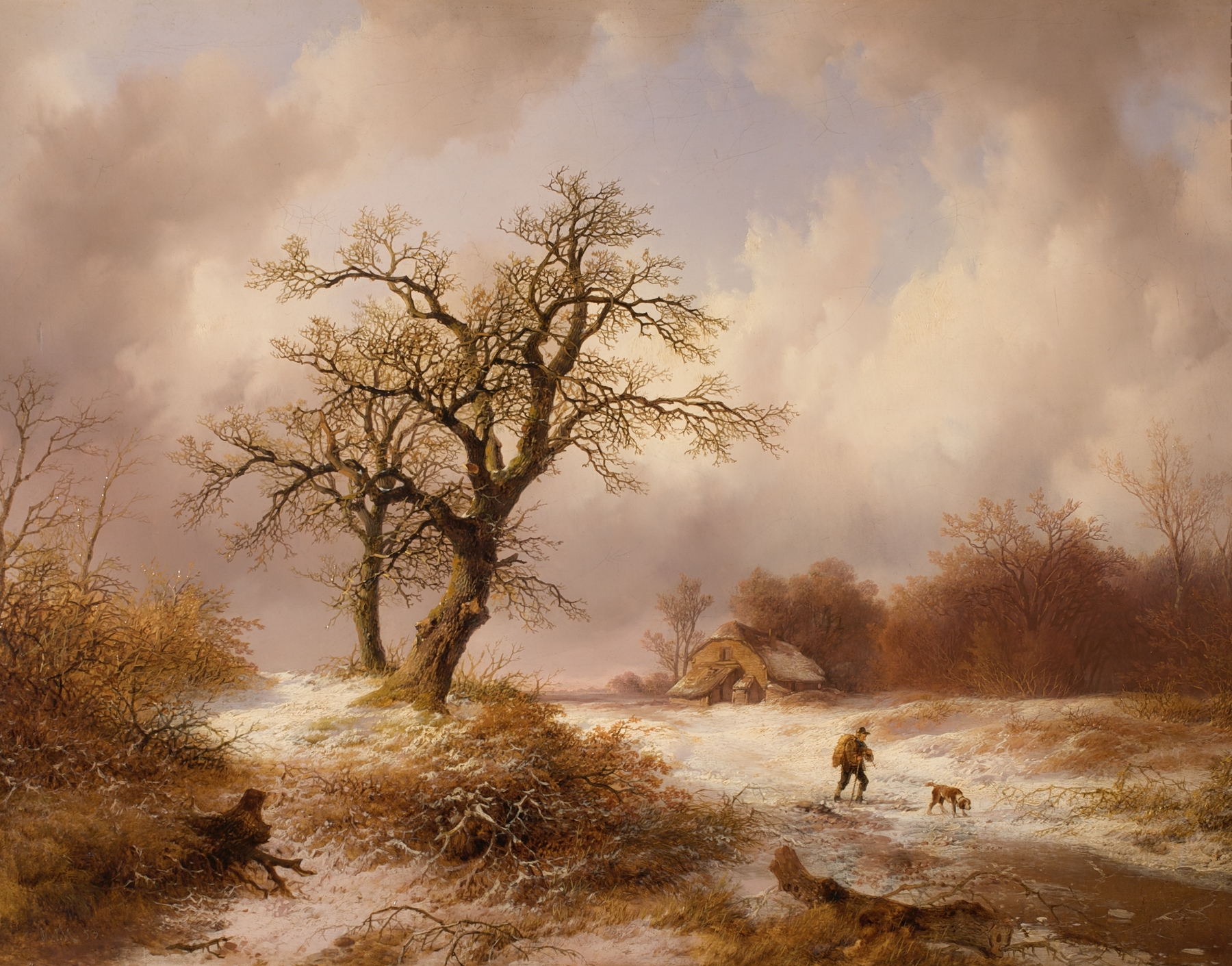
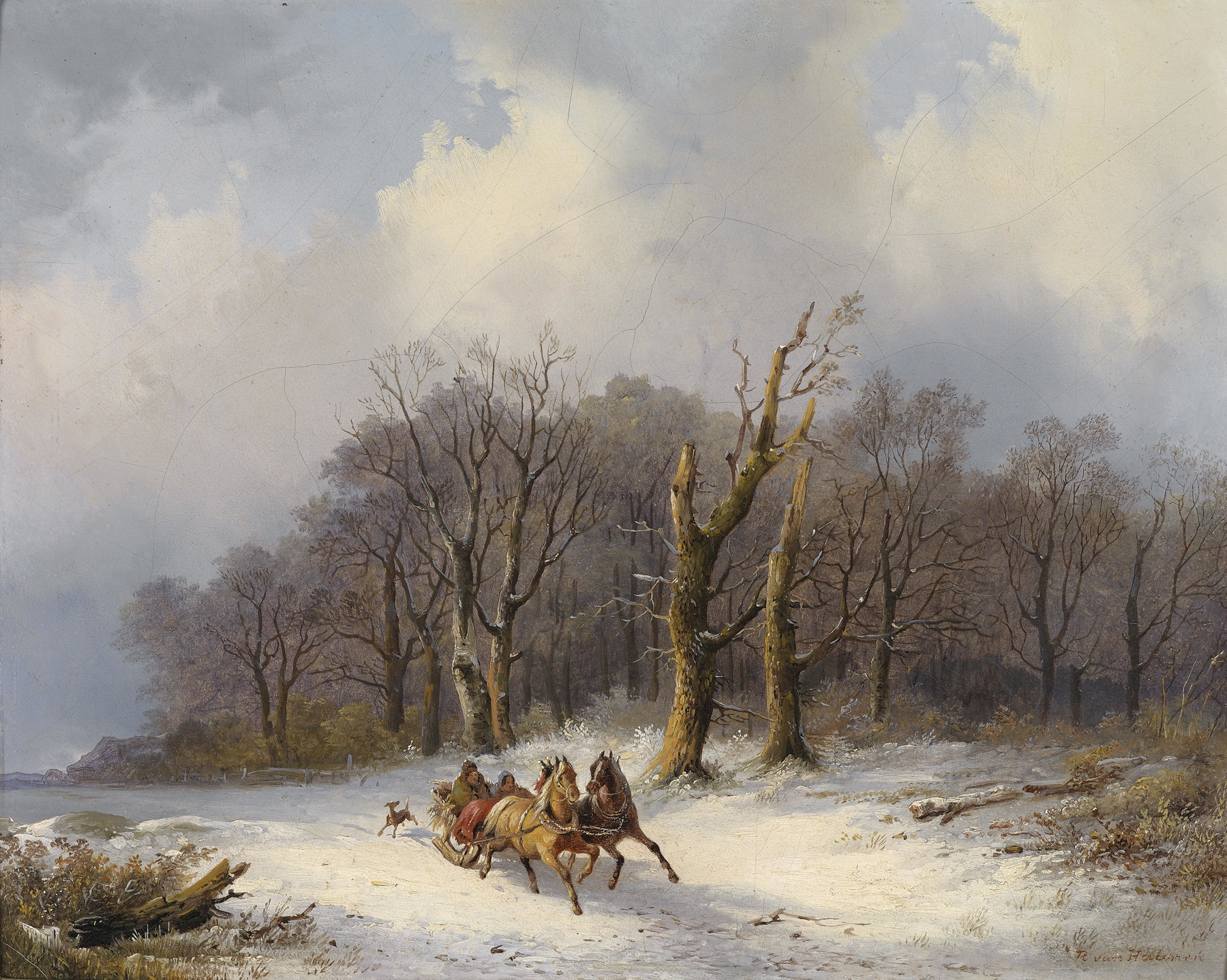
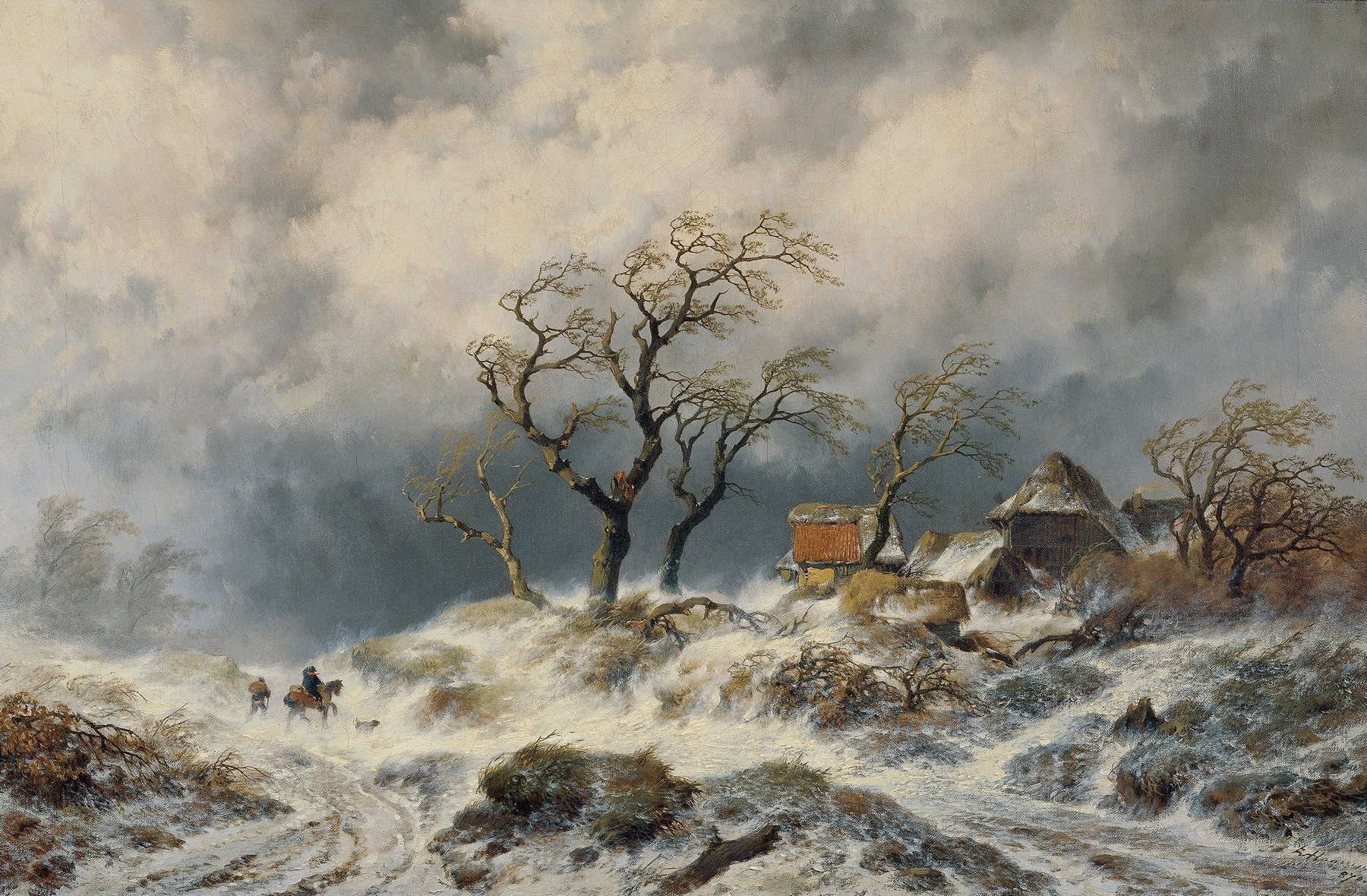
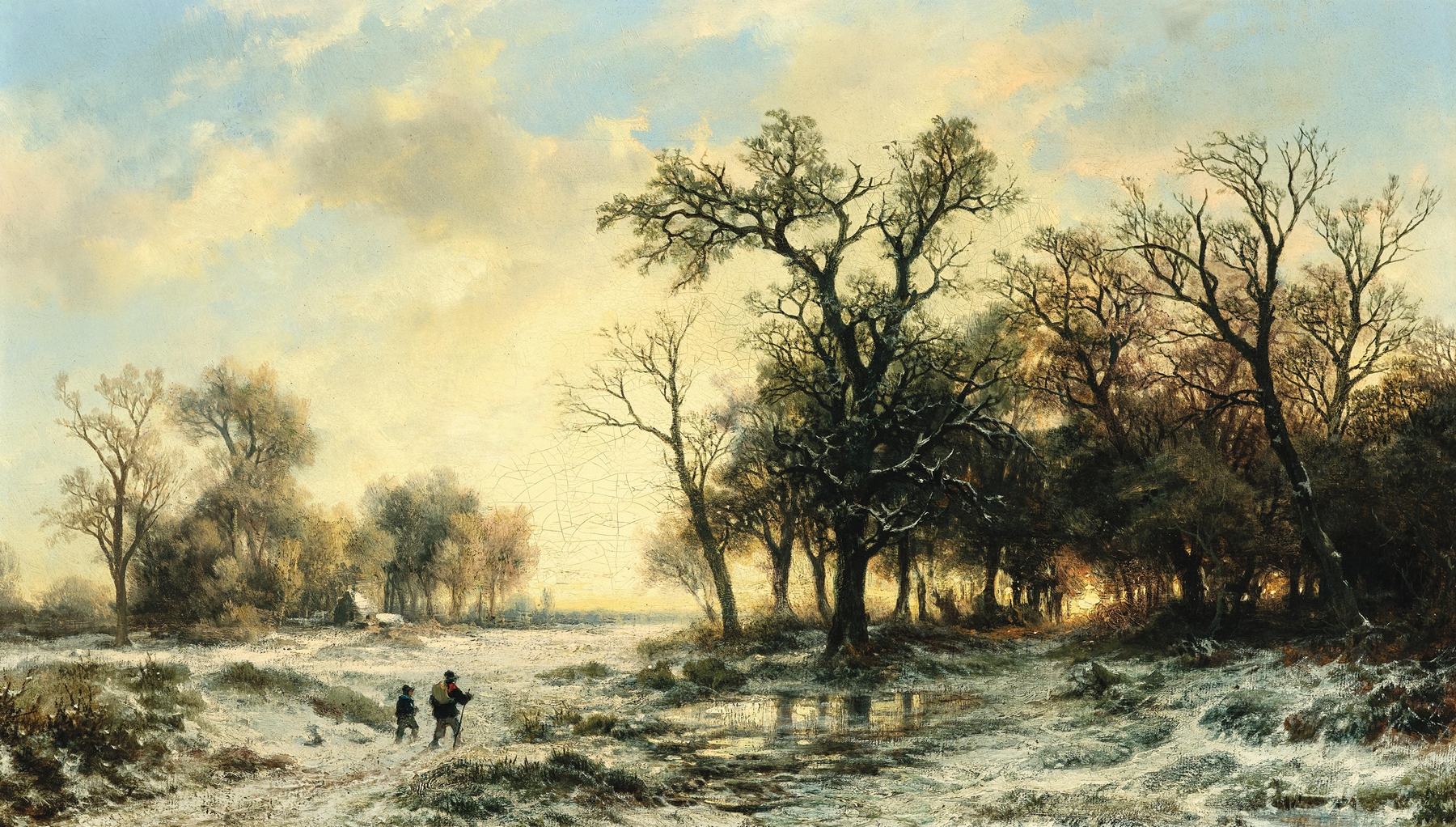
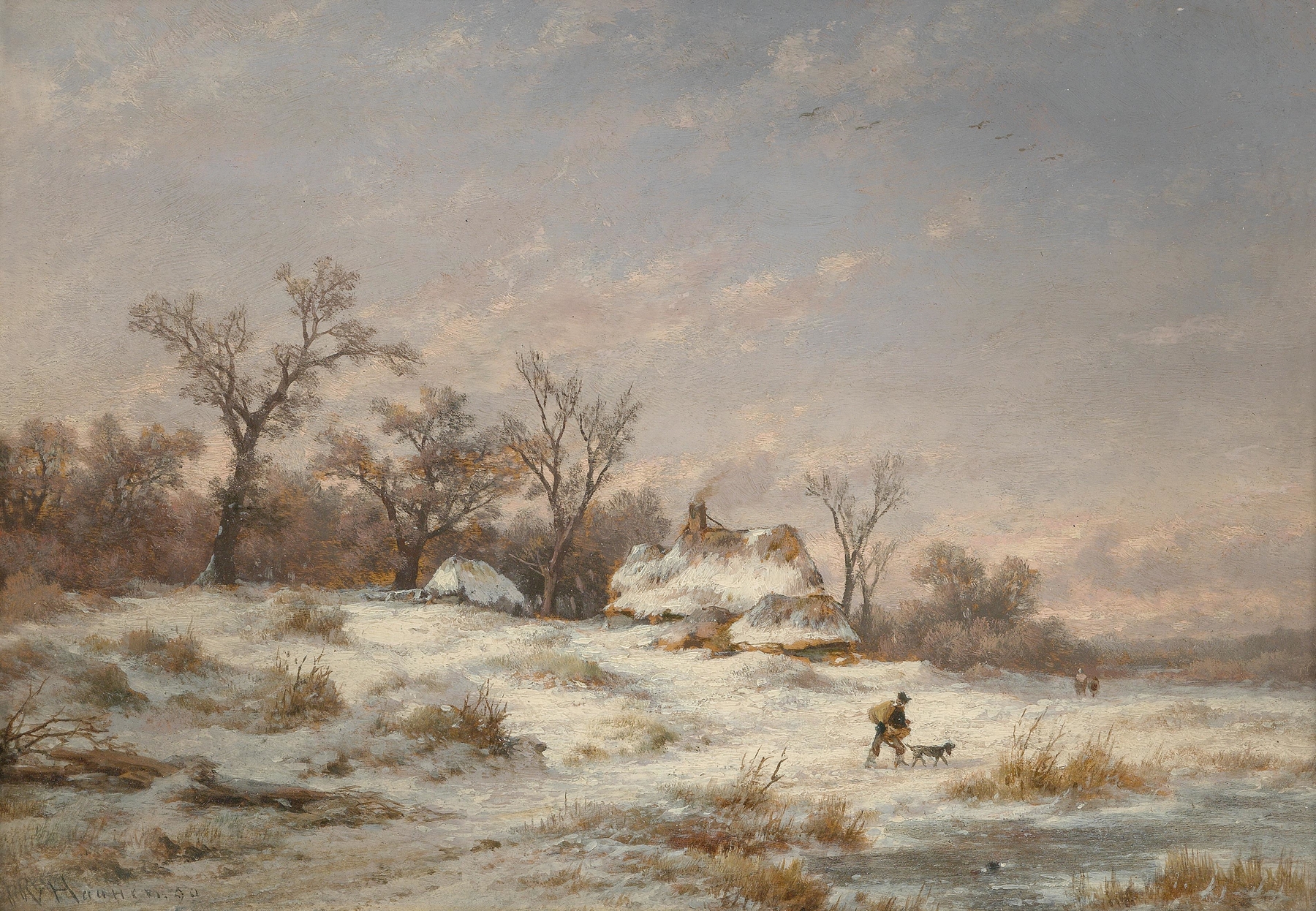
“Sometimes beauty is just pain, disguised in gold.” This haunting truth resonates deeply within the swirling blues and stark whites of a winter landscape, evoking a profound sense of loneliness that invites contemplation. Look to the center of the canvas, where the decorative figures, adorned in vibrant reds and yellows, stand stark against the icy backdrop. Their vibrant clothing sharply contrasts with the muted tones of the snow, drawing the viewer’s gaze and emphasizing their isolation in this vast, cold world. Notice how the light dances off the textured surface of the snow, creating a glistening effect that suggests a brittle beauty, yet also serves to highlight the chill of solitude embodied by these figures. The juxtaposition of warmth and cold is striking; while the figures are dressed in rich colors, their expressions convey a sense of yearning, as if they are trapped in a moment of longing. The empty landscape around them reinforces this feeling of abandonment, transforming the scene into a poignant exploration of human existence. The decorative elements in the composition hint at a festive atmosphere, yet the prevalent stillness transforms celebration into a muted echo of joy that barely penetrates the enveloping cold. In 1890, when this piece was created, Remigius Adrianus van Haanen was navigating the tension between personalization and tradition in his work. Living in the Netherlands, he was influenced by both the burgeoning Impressionist movement and the rigid formalism of earlier styles. This era marked a transitional phase in art, reflective of a broader societal shift toward expressing inner emotions, mirroring the loneliness captured in this winter landscape.