Winterlandschap — History & Analysis
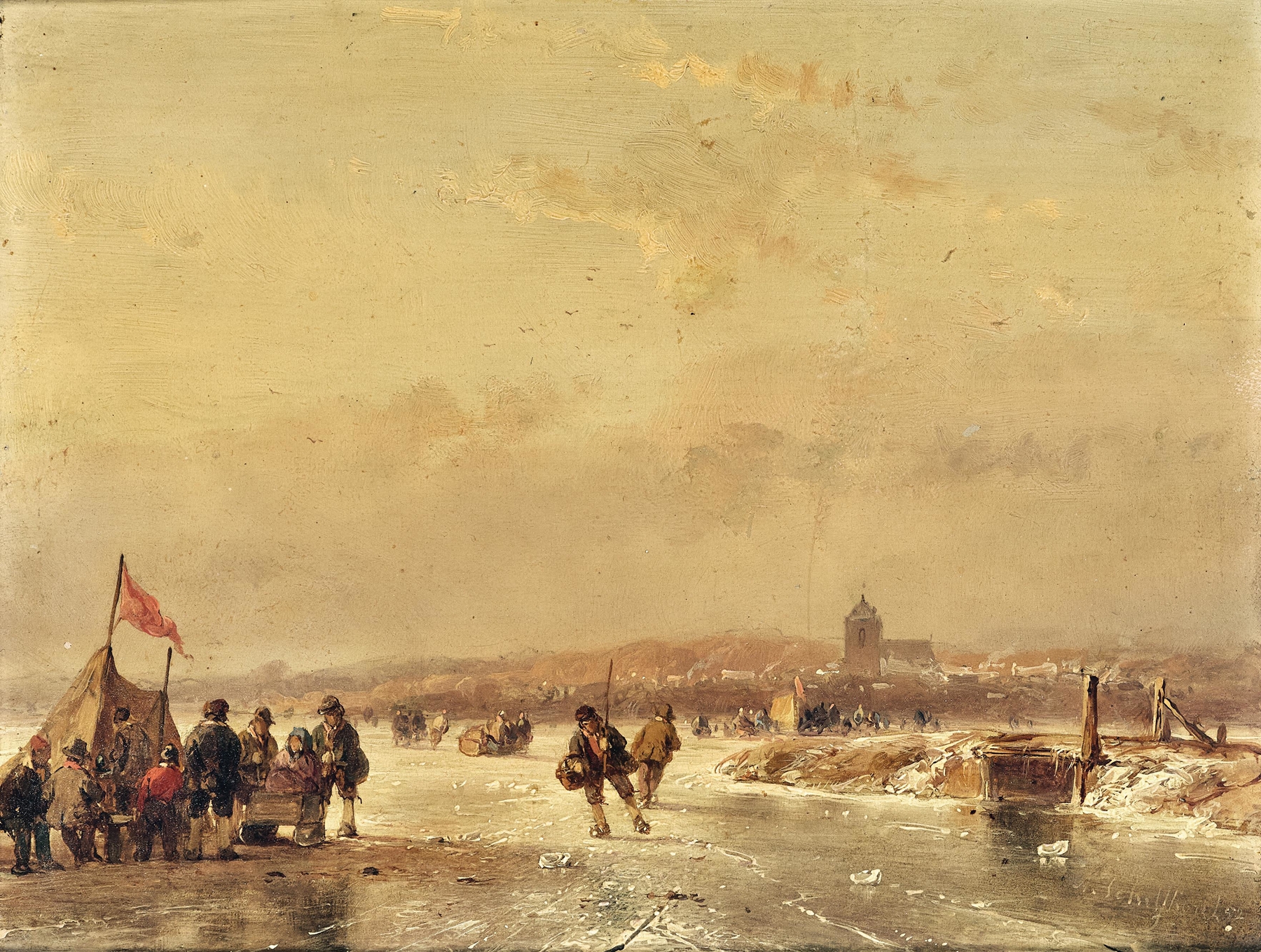
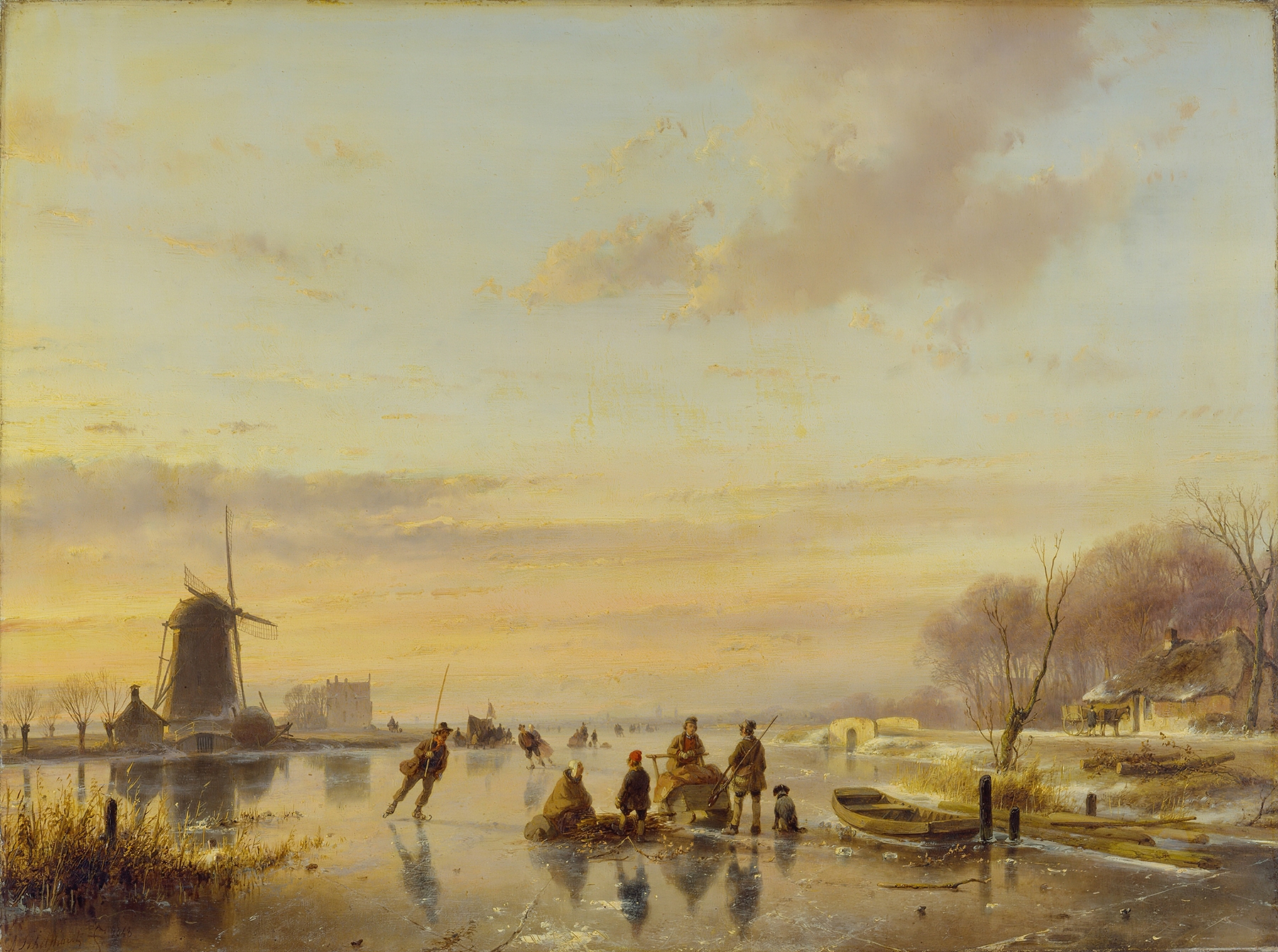
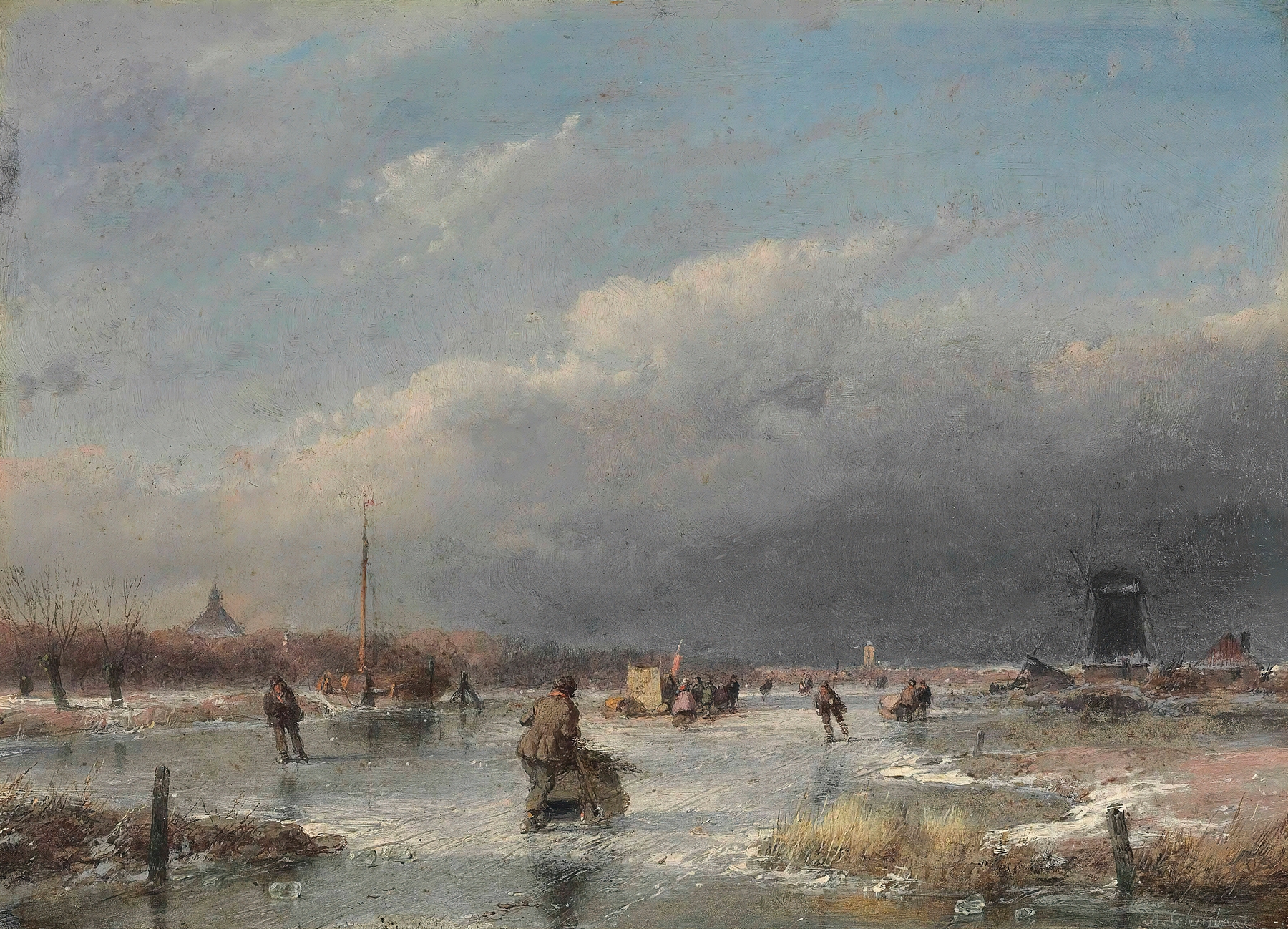
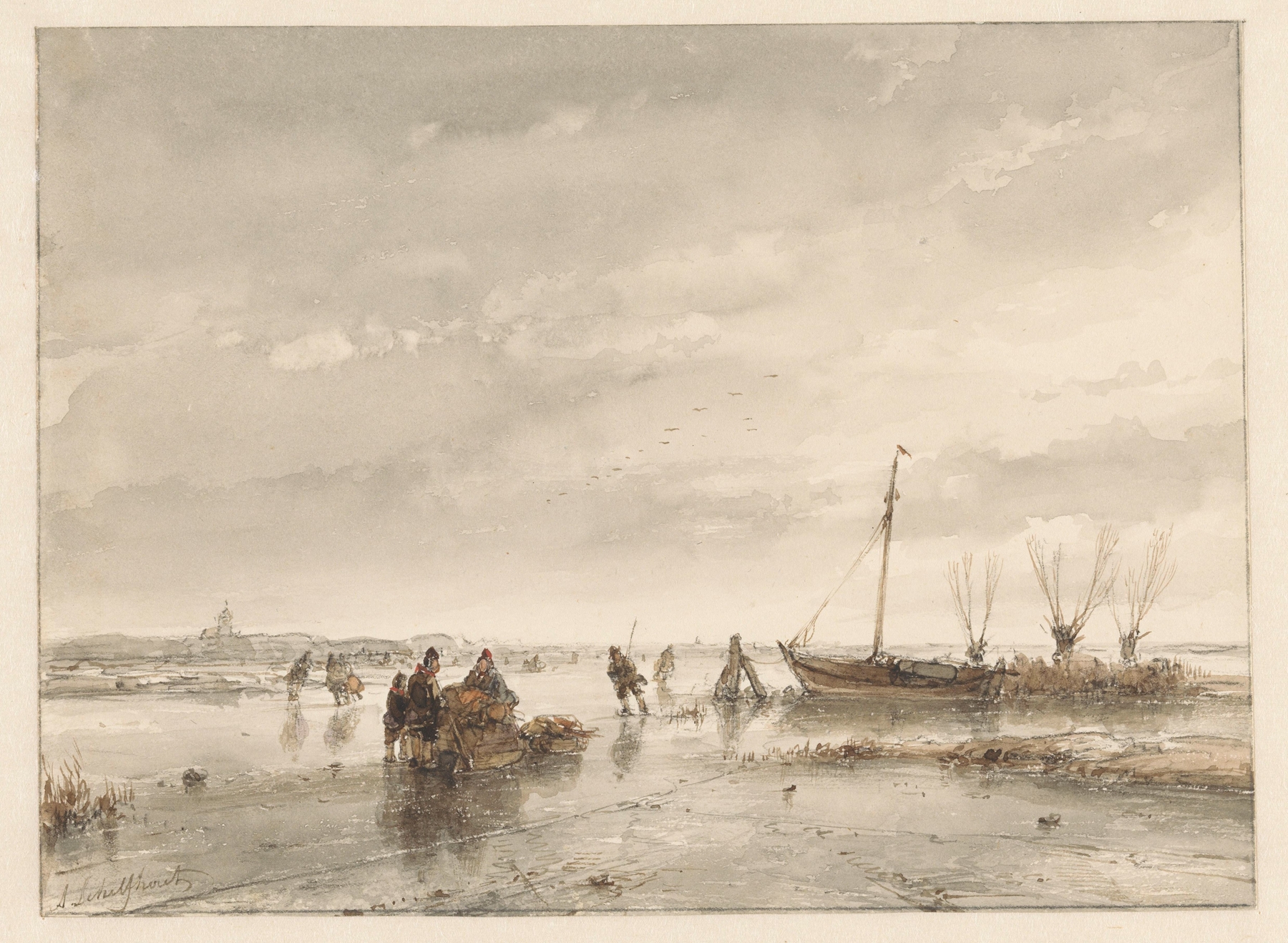
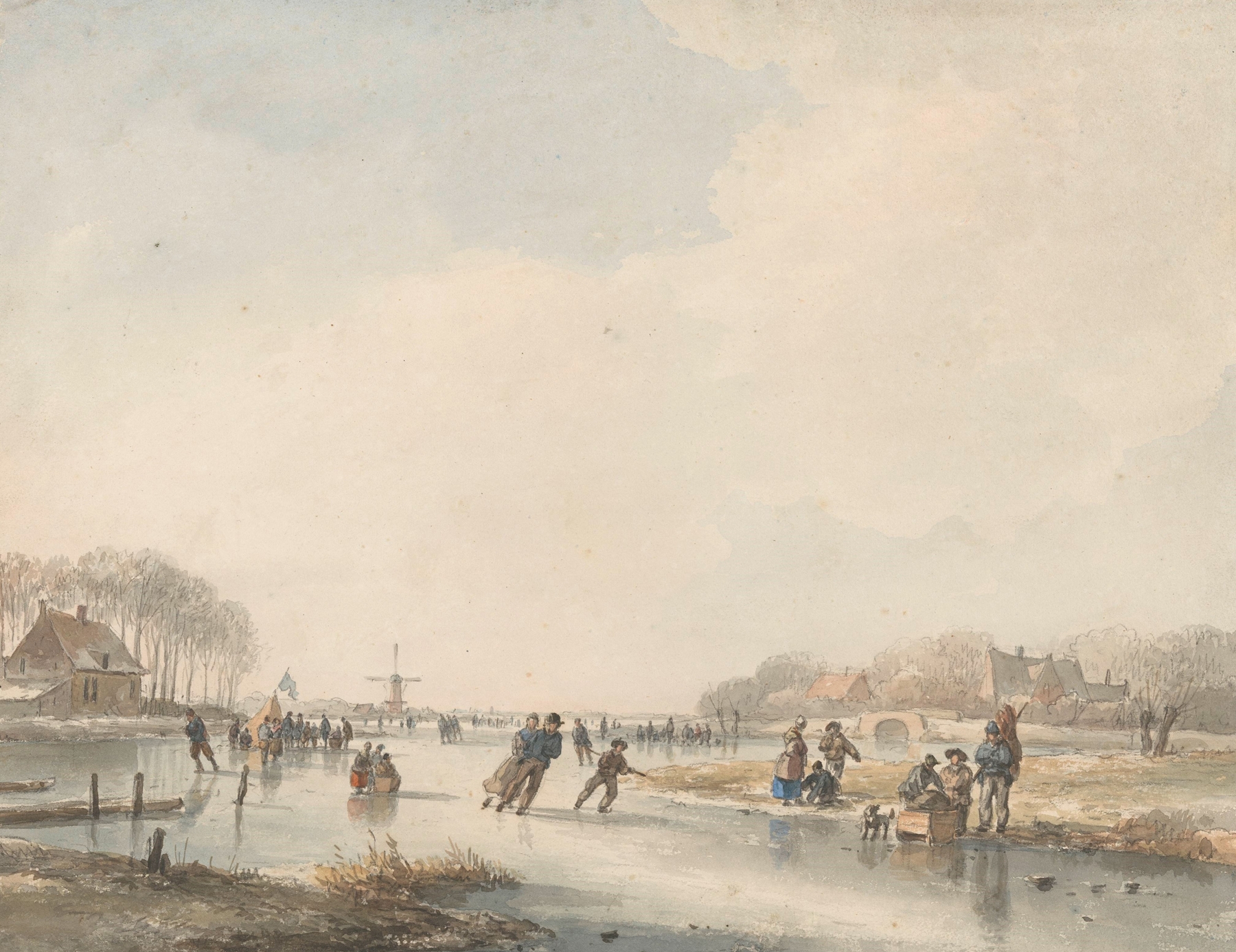
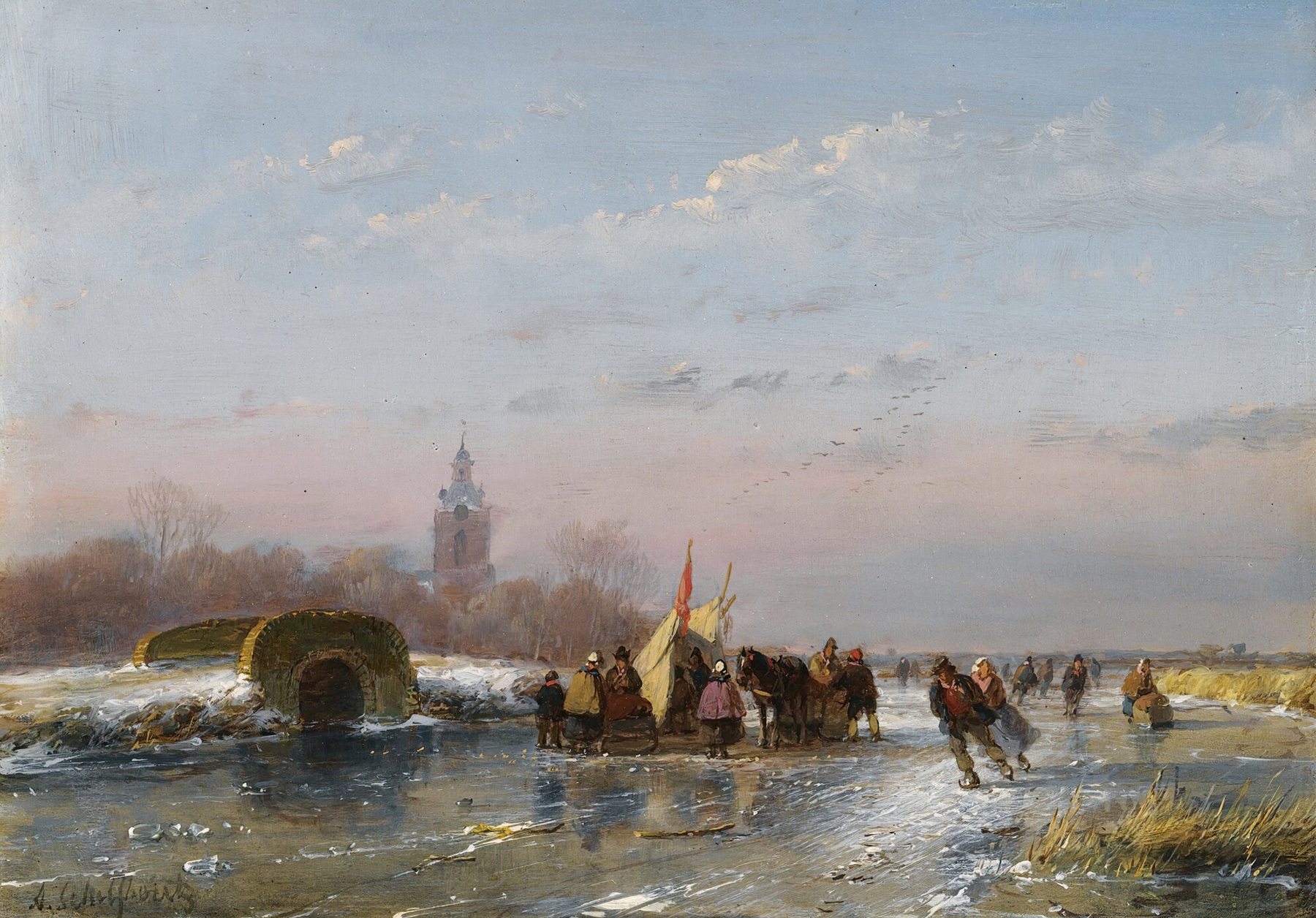
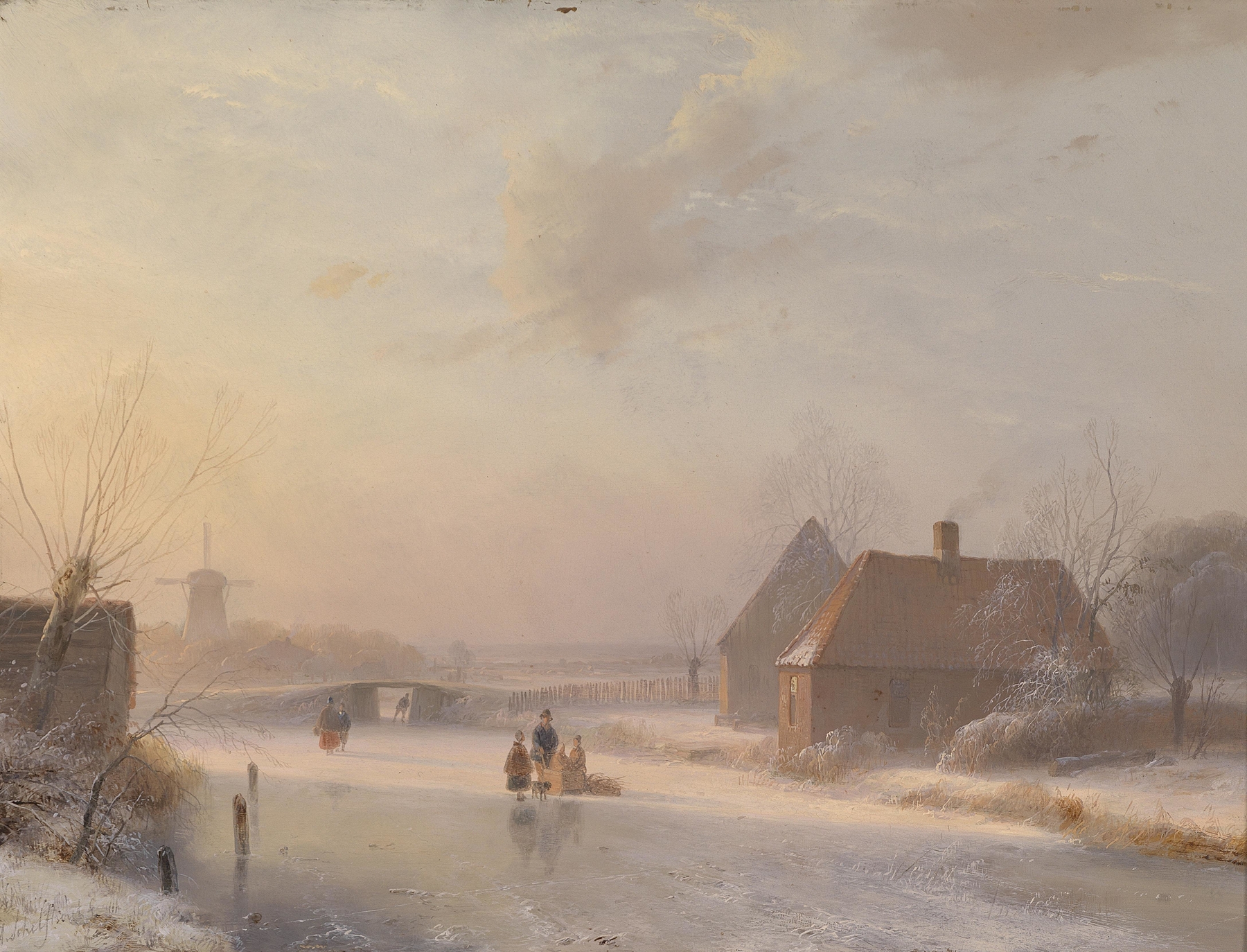
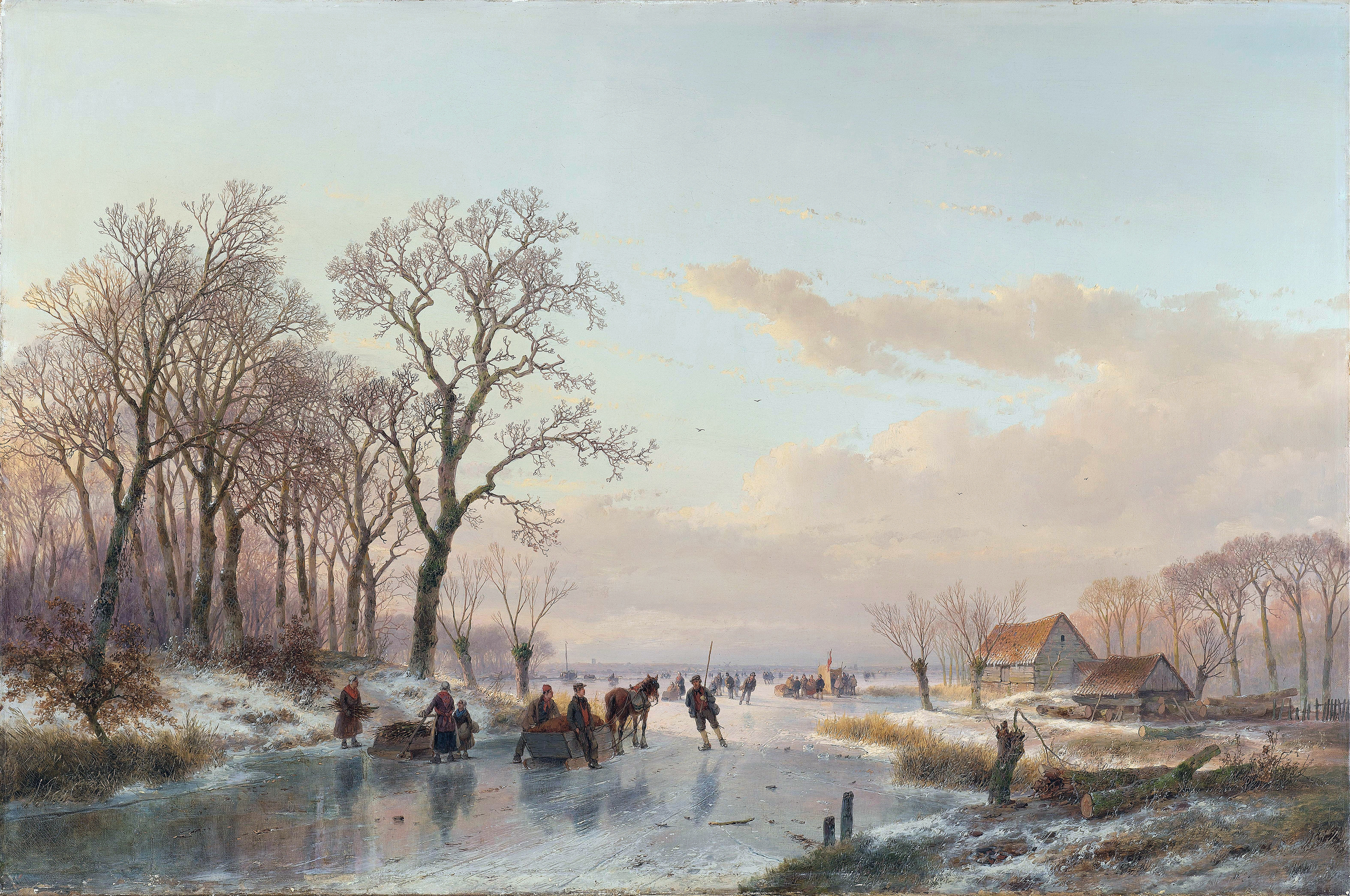
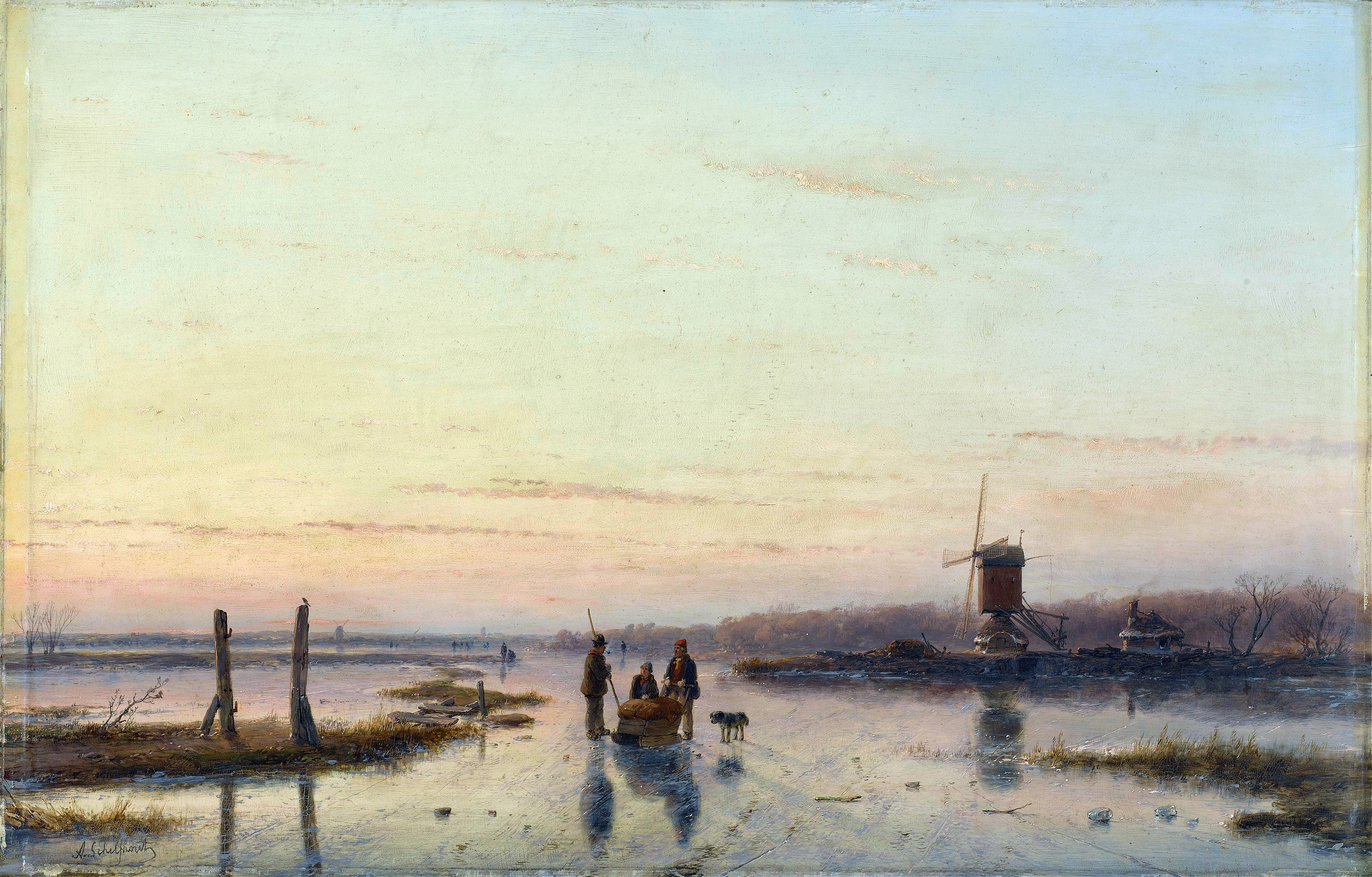
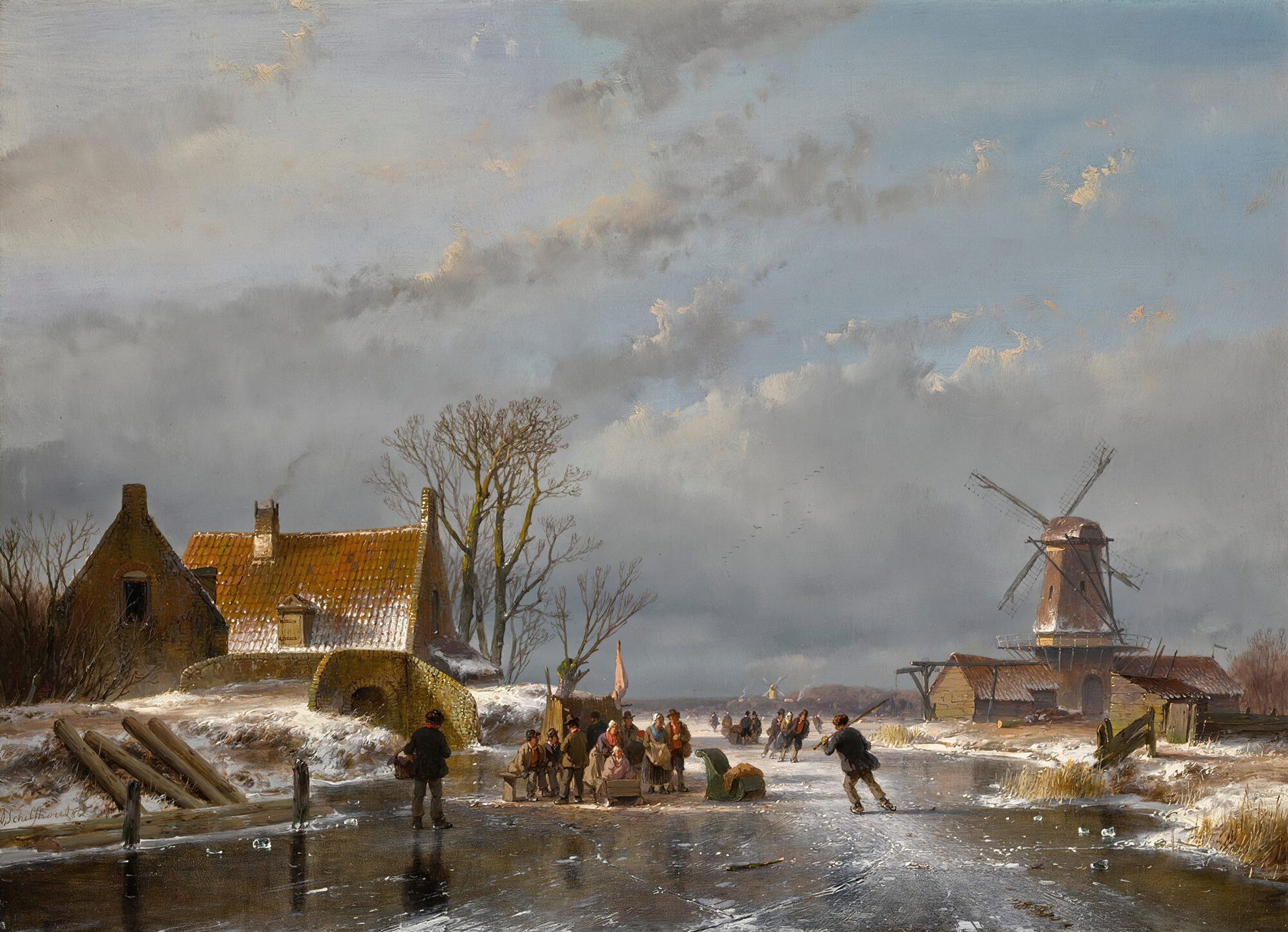
Did the painter know this moment would outlive them? In the stillness of a wintry landscape, a serene melancholy permeates the air, inviting viewers to ponder the passage of time amidst nature's quiet beauty. Look to the foreground, where a gentle path winds through the snow, leading the eye deeper into the canvas. Notice the soft, muted palette of whites and blues blending seamlessly, with the occasional stroke of warm earth tones peeking through.
The bare trees stand like sentinels, their delicate branches cradling a thick blanket of snow, while a subtle haze envelops the distant horizon, creating an ethereal atmosphere that seems to whisper of forgotten tales. Beyond the tranquil surface, the scene conveys a deeper tension between isolation and connection. The solitary figure trudging through the snow embodies the human struggle against the elements, yet also evokes a sense of introspection and solitude. The interplay of light and shadow highlights the contrasting warmth of life against the cold expanse, suggesting a fleeting moment of peace amidst the harshness of winter.
Andreas Schelfhout painted this work in the mid-19th century, a period marked by significant changes in the art world as Romanticism gave way to Realism. Working primarily in the Netherlands, he captured the essence of his homeland's landscapes, reflecting both personal experiences and broader societal shifts. During this time, the painter sought to convey the beauty and fragility of nature, making Winterlandschap a poignant testament to both his artistic vision and the enduring allure of the winter season.