Women Bathing in the Park of Terni — History & Analysis
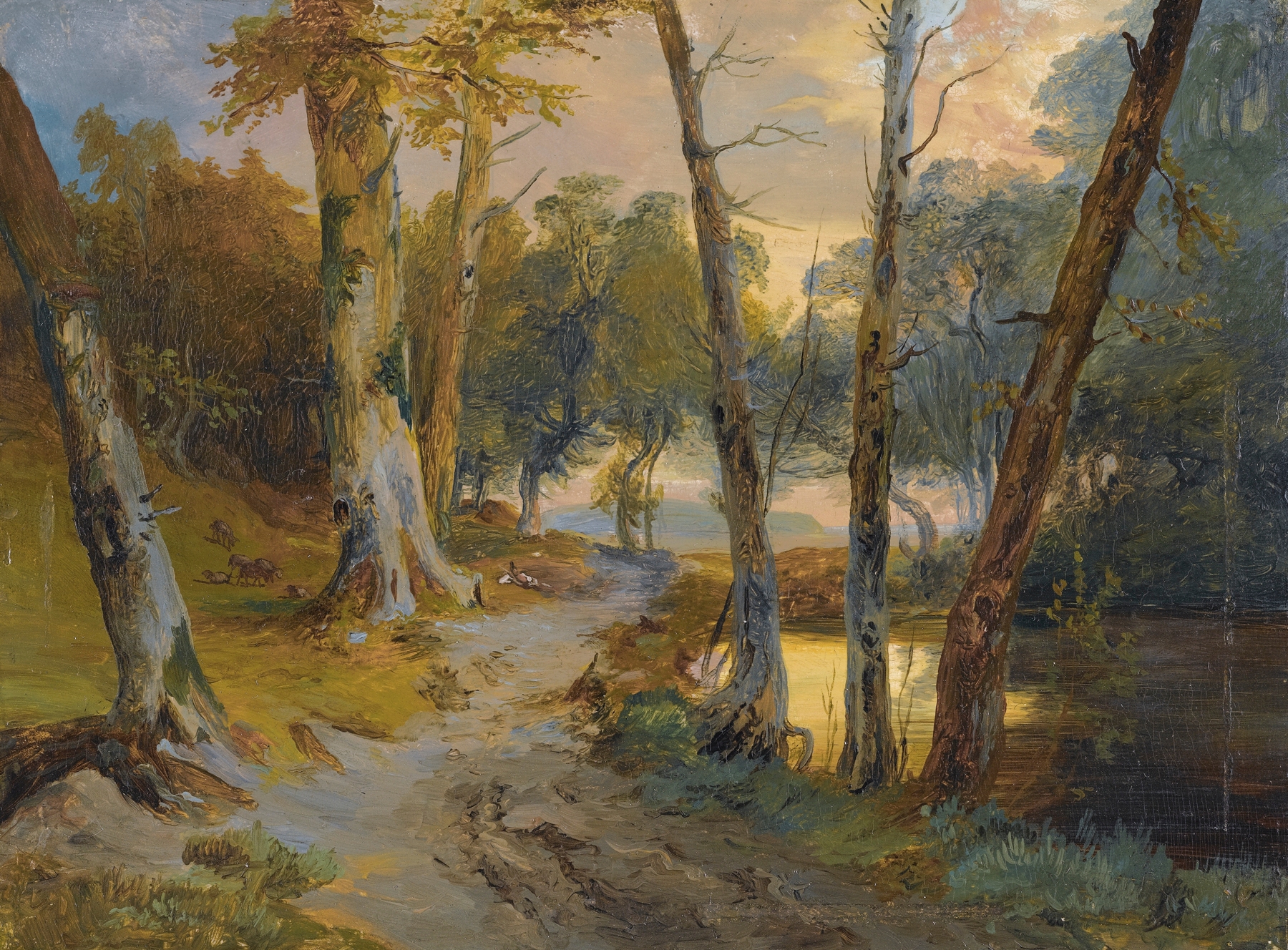
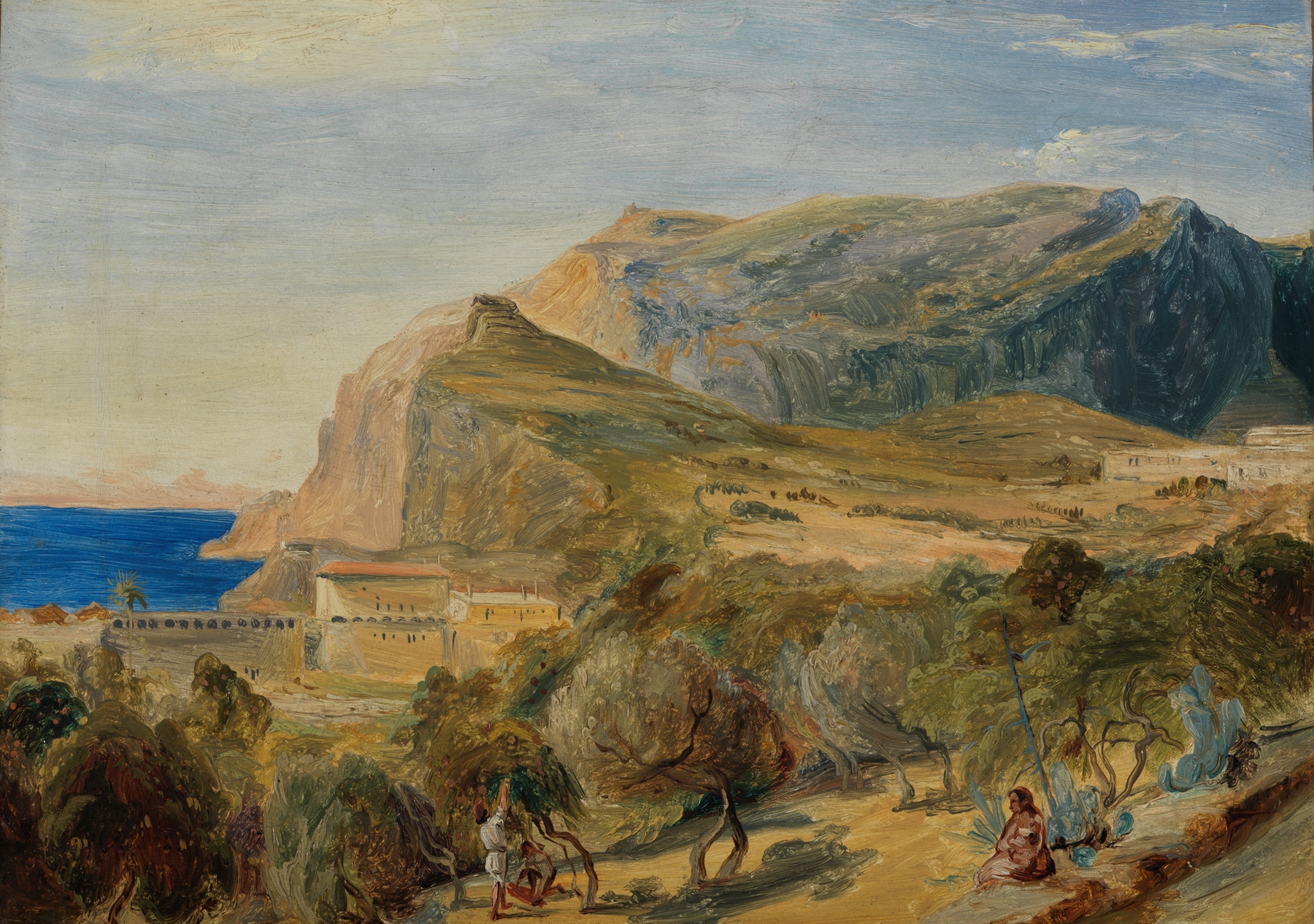
What if beauty was never meant to be finished? In the delicate embrace of nature, a moment of rebirth unfolds, echoing the eternal cycle of life and harmony. Look closely at the center of the canvas, where the women are clustered beneath the gentle shade of trees, their forms a celebration of femininity and freedom. The soft brushstrokes convey movement, as if the figures are caught in laughter or the splashes of water. Notice how the light dances through the leaves, dappling their skin and creating a mosaic of radiance that contrasts with the lush greenery.
The palette of muted earth tones and lively greens infuses the scene with a sense of vitality, inviting the viewer to linger. In this serene tableau, the juxtaposition between the figures and their natural surroundings reveals deeper contemplations on femininity and the connection between women and nature. The act of bathing symbolizes purification and renewal, while the lush park serves as a backdrop of sanctuary and solitude. Each woman, immersed in her own moment, reflects individuality within community, suggesting a powerful bond among them.
The gentle ripples in the water can be seen as reflections of both time and space, hinting at the cyclical nature of life itself. Carl Blechen created this work in the early 19th century, during a period of personal tumult and artistic evolution. Living in Germany, he was influenced by the Romantic movement, which sought to connect with nature and express emotion through art. Amidst changing artistic philosophies, he found solace in the simplicity of everyday life, capturing it with a delicate touch that resonates through time, inviting viewers to explore their own interpretations of beauty and rebirth.