Wooded landscape with a Water-mill — History & Analysis
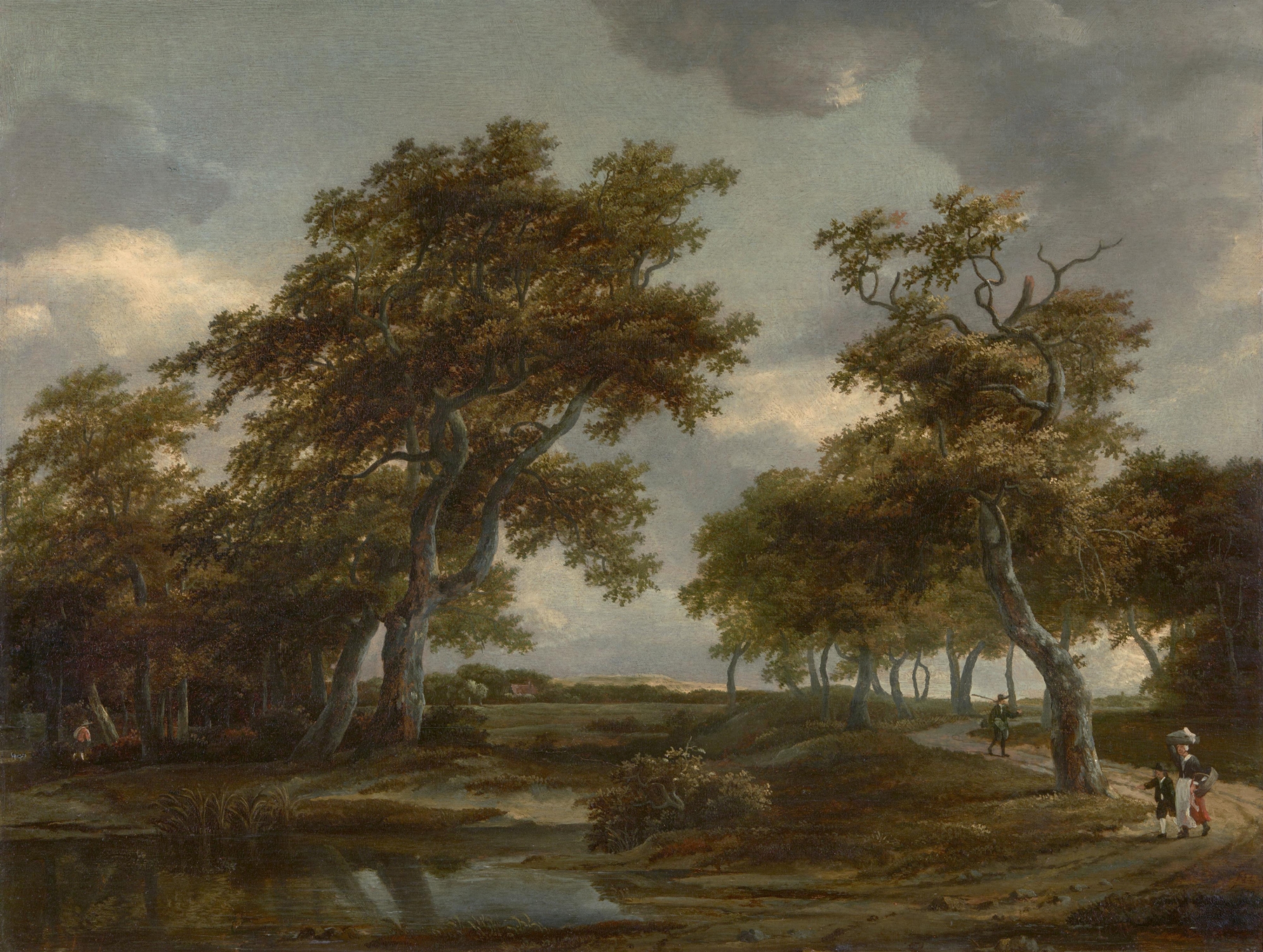
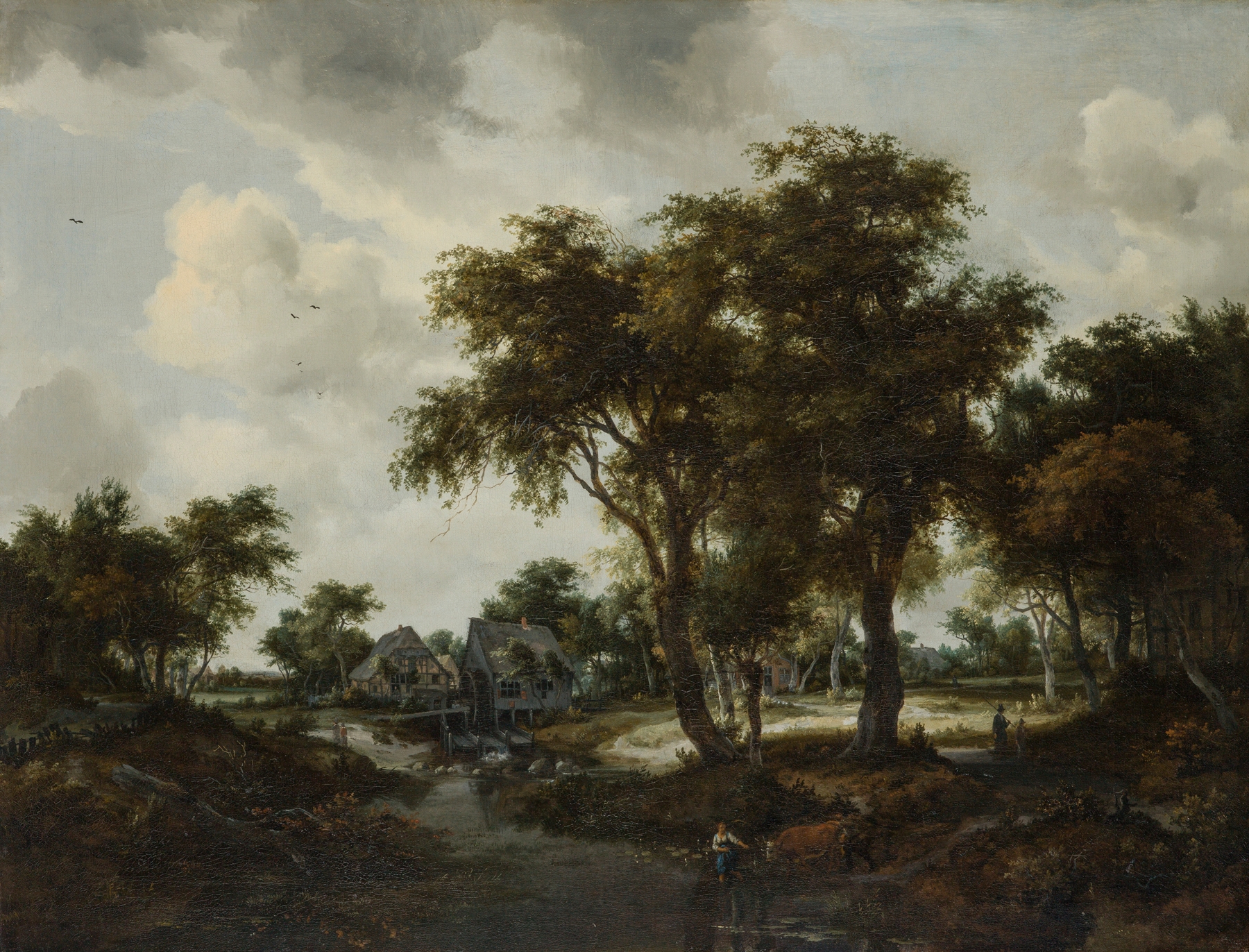
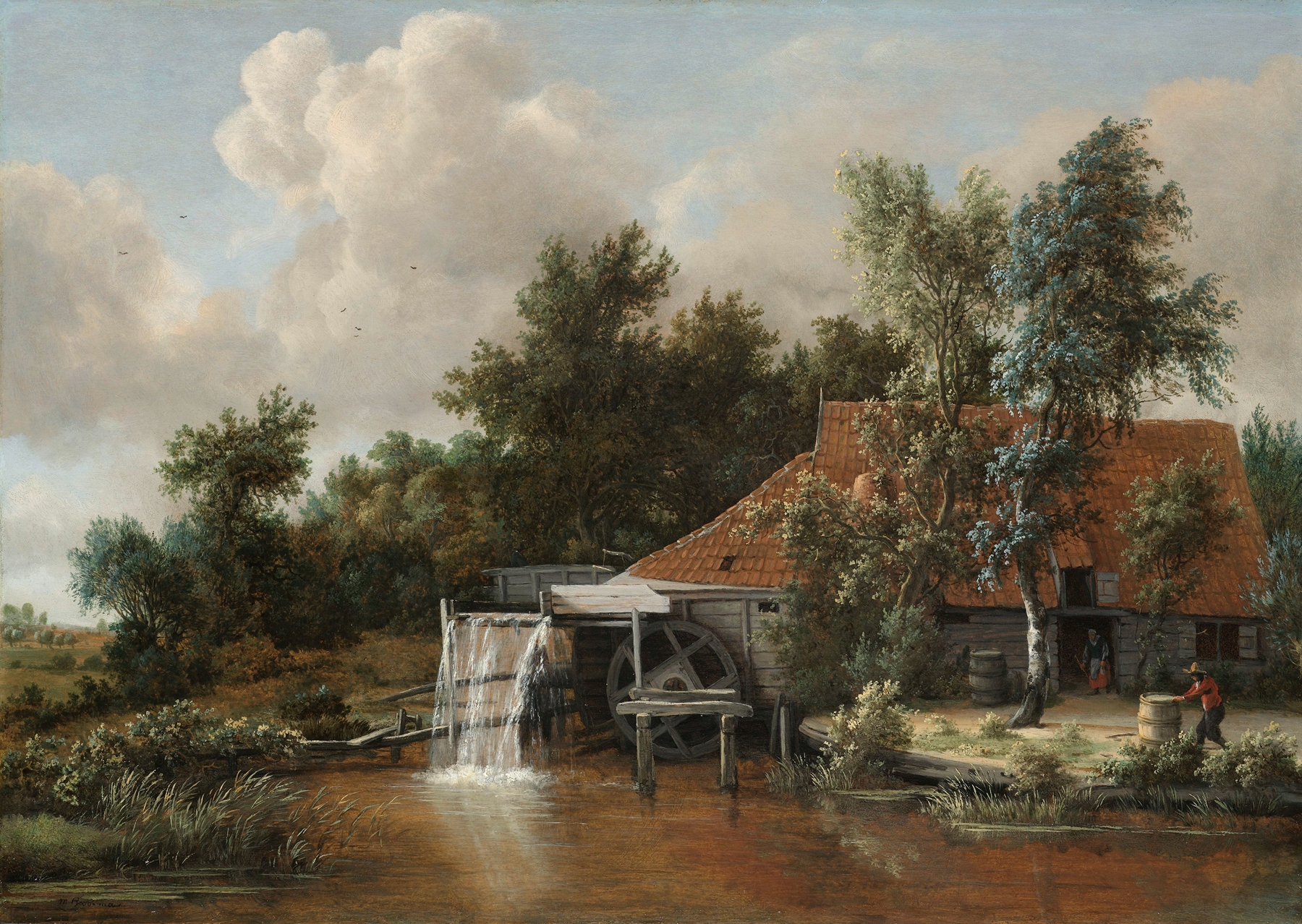
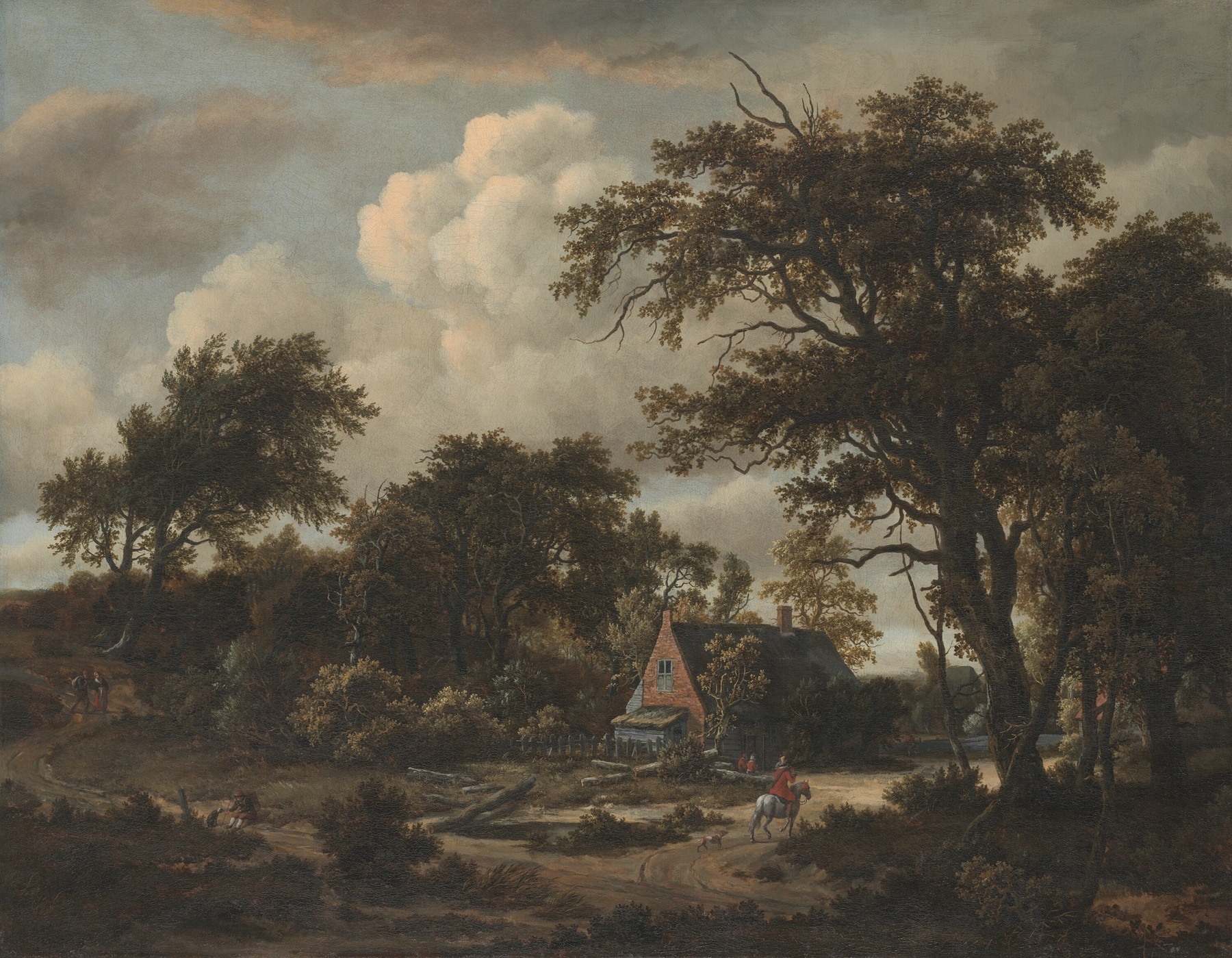
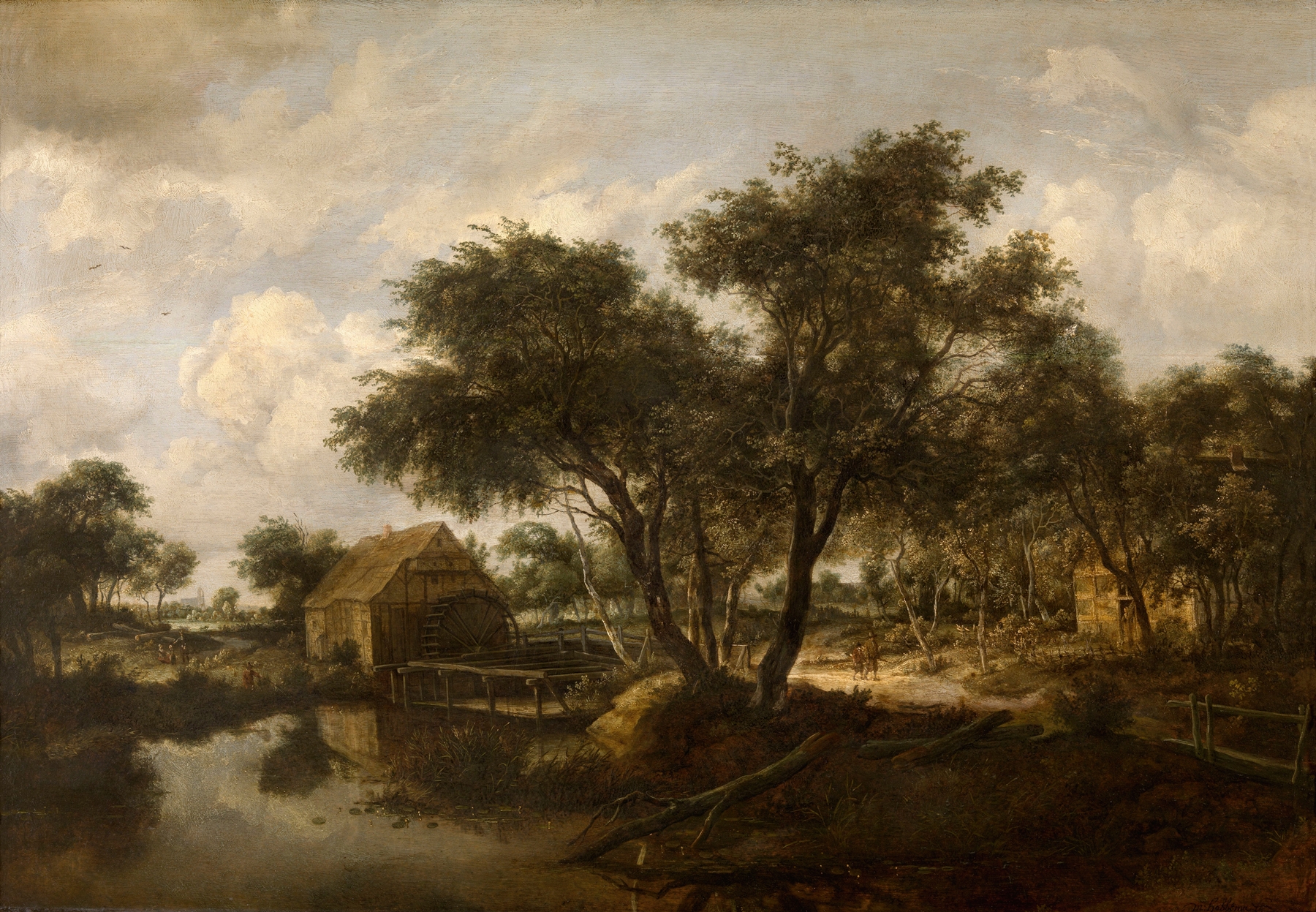
“Art reveals the soul when the world turns away.” In that stillness, longing finds its voice within a landscape, inviting us to embrace the serenity of nature’s retreat. Look closely at the tranquil scene, where the eye finds its first resting place in the gentle curve of the waterway, reflecting an azure sky. Notice how the painter's deft brushstrokes create a tapestry of lush greens, dotted with the rustic browns of the mill, each color whispering of life and history. The composition draws you into the heart of the landscape, where light dances upon the water’s surface, beautifully illuminating the surrounding flora and inviting your gaze deeper into the woodland.
Yet, beneath the serene surface lies a tension between nature’s calm and human intervention. The water-mill stands as a reminder of civilization’s presence, a symbol of industriousness amidst the untouched wilderness. The juxtaposition between the gentle flow of the stream and the static structure of the mill evokes a sense of yearning — for balance, for harmony, and perhaps, for a simpler existence, timeless yet fleeting in the ever-changing canvas of life.
During the period when this artwork was created, Meindert Hobbema was deeply engaged in capturing the idyllic aspects of Dutch landscapes, immersing himself in nature’s beauty. This work, likely painted in the mid-to-late 17th century, reflects a time when pastoral scenes were celebrated in the Netherlands, a counterpoint to the complexities of urban life and the burgeoning art market. In this context, Hobbema’s landscape serves as a personal and collective yearning for peace amidst the chaos of growing modernity.