Wooded Landscape with a Woodcutter — History & Analysis
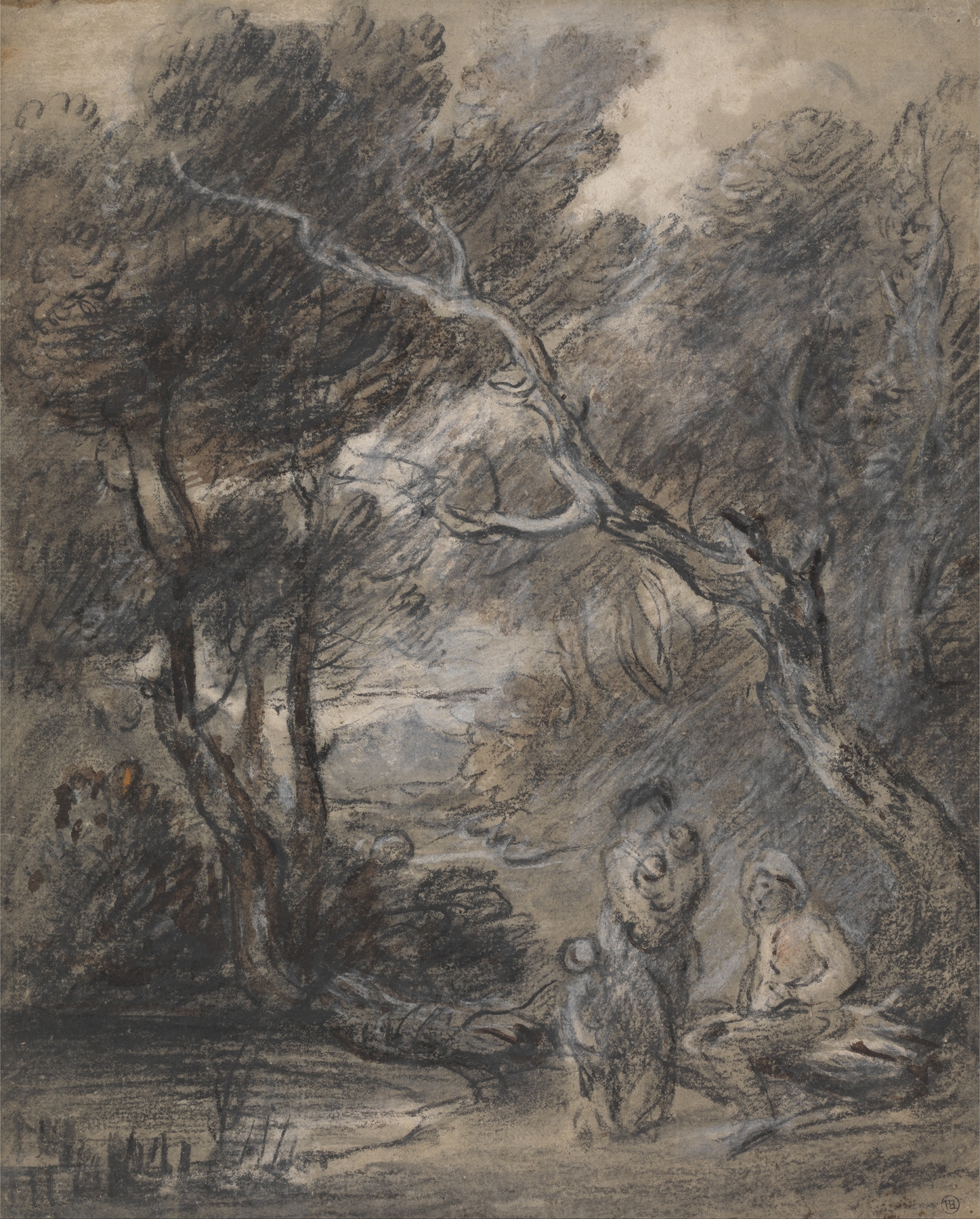
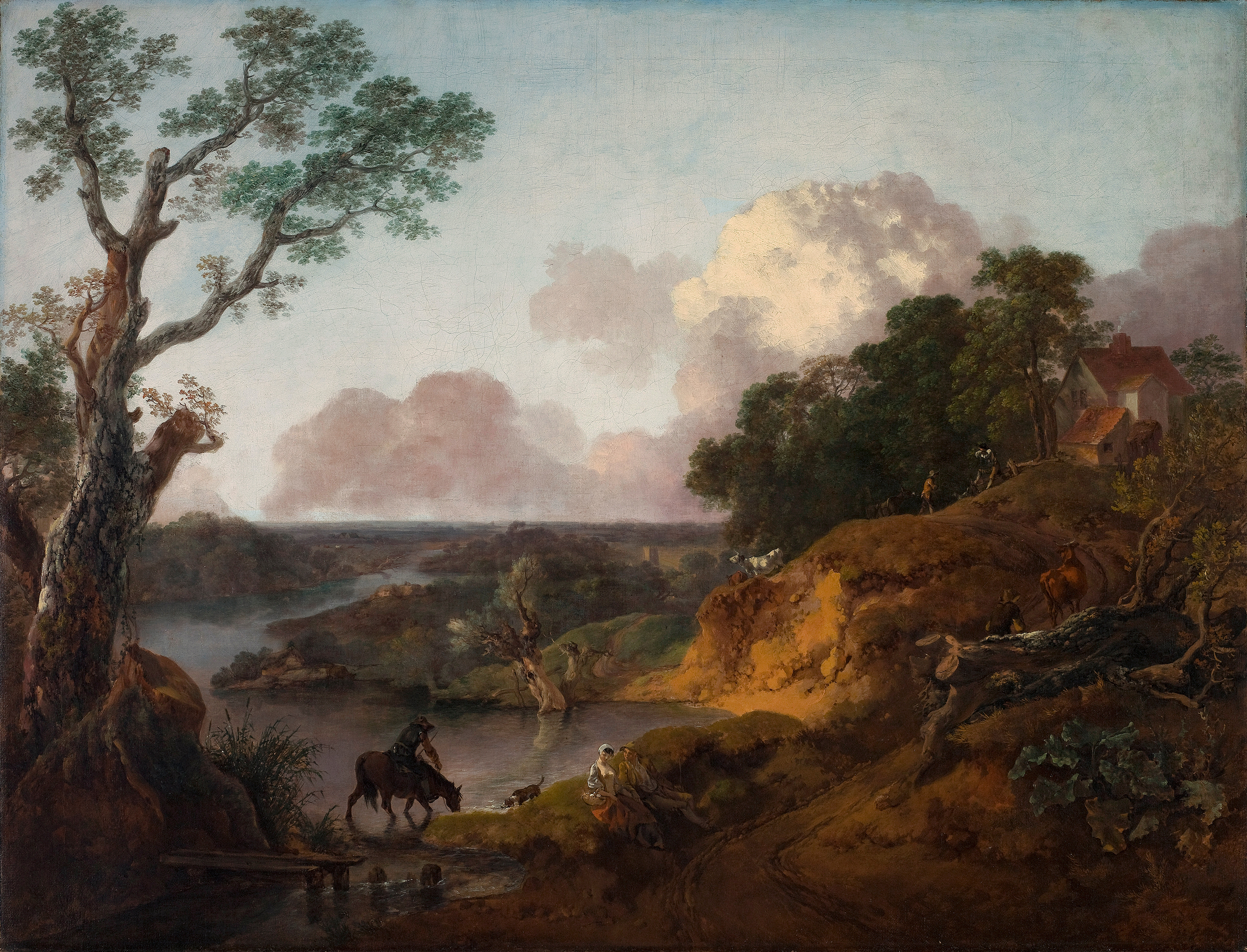
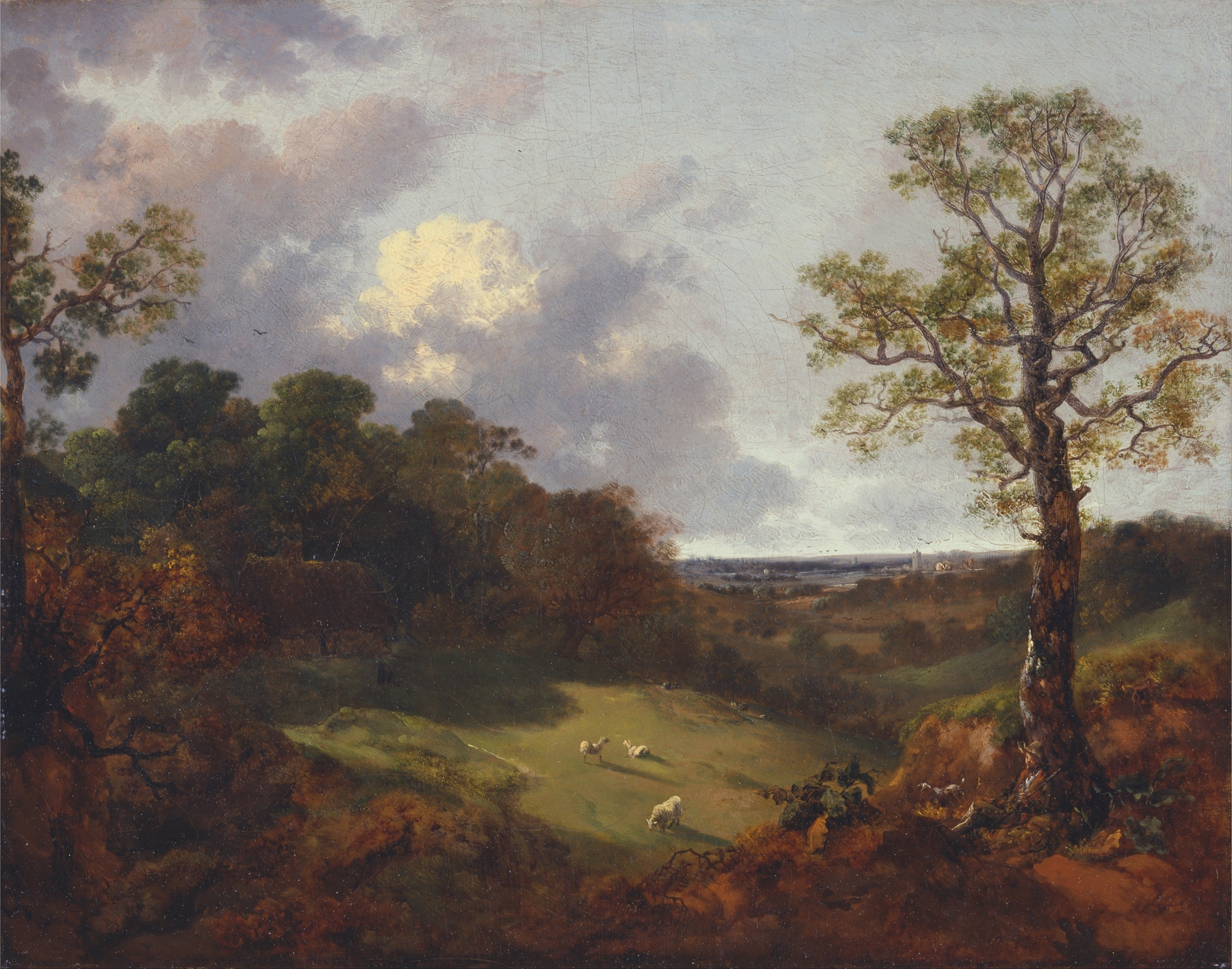
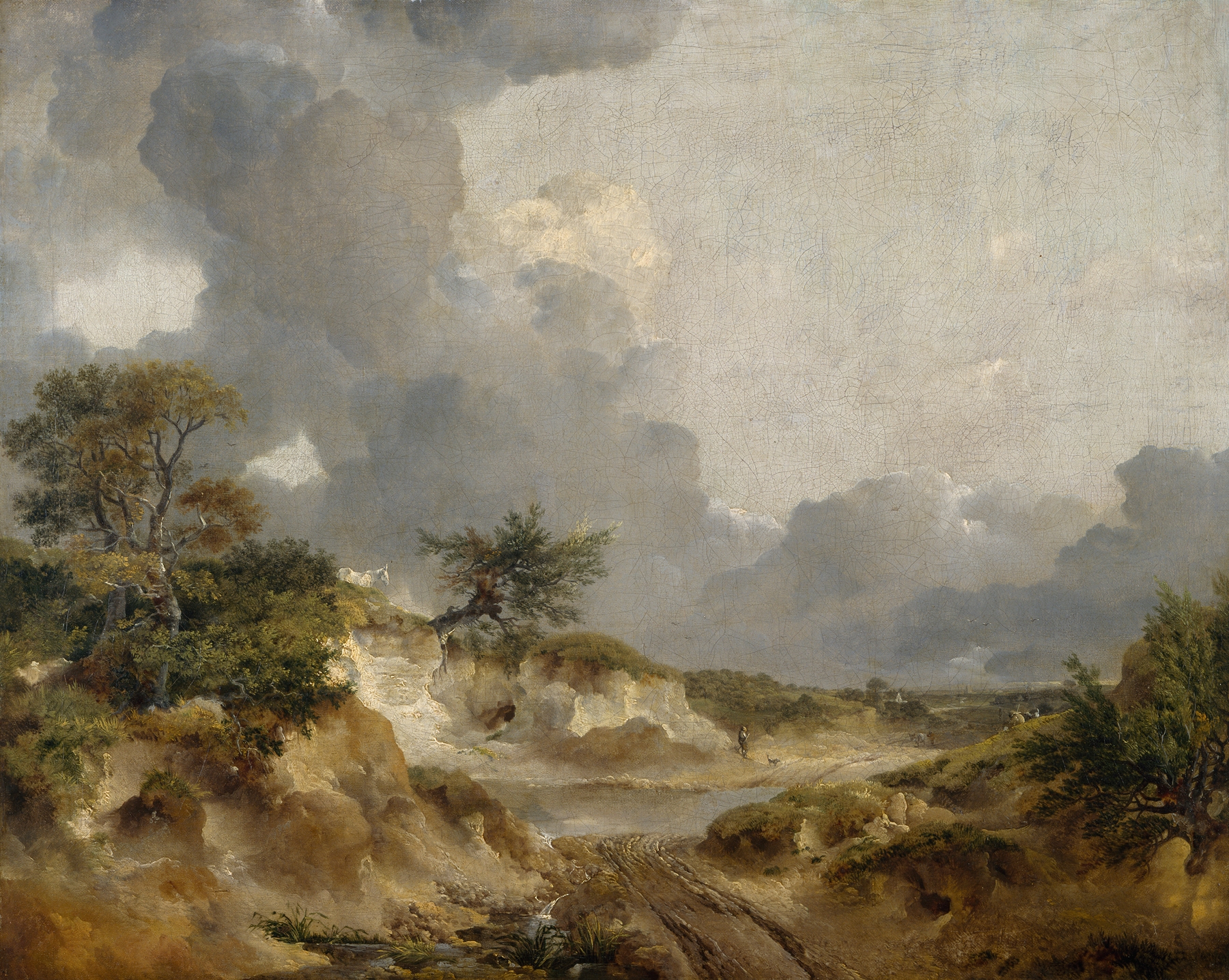
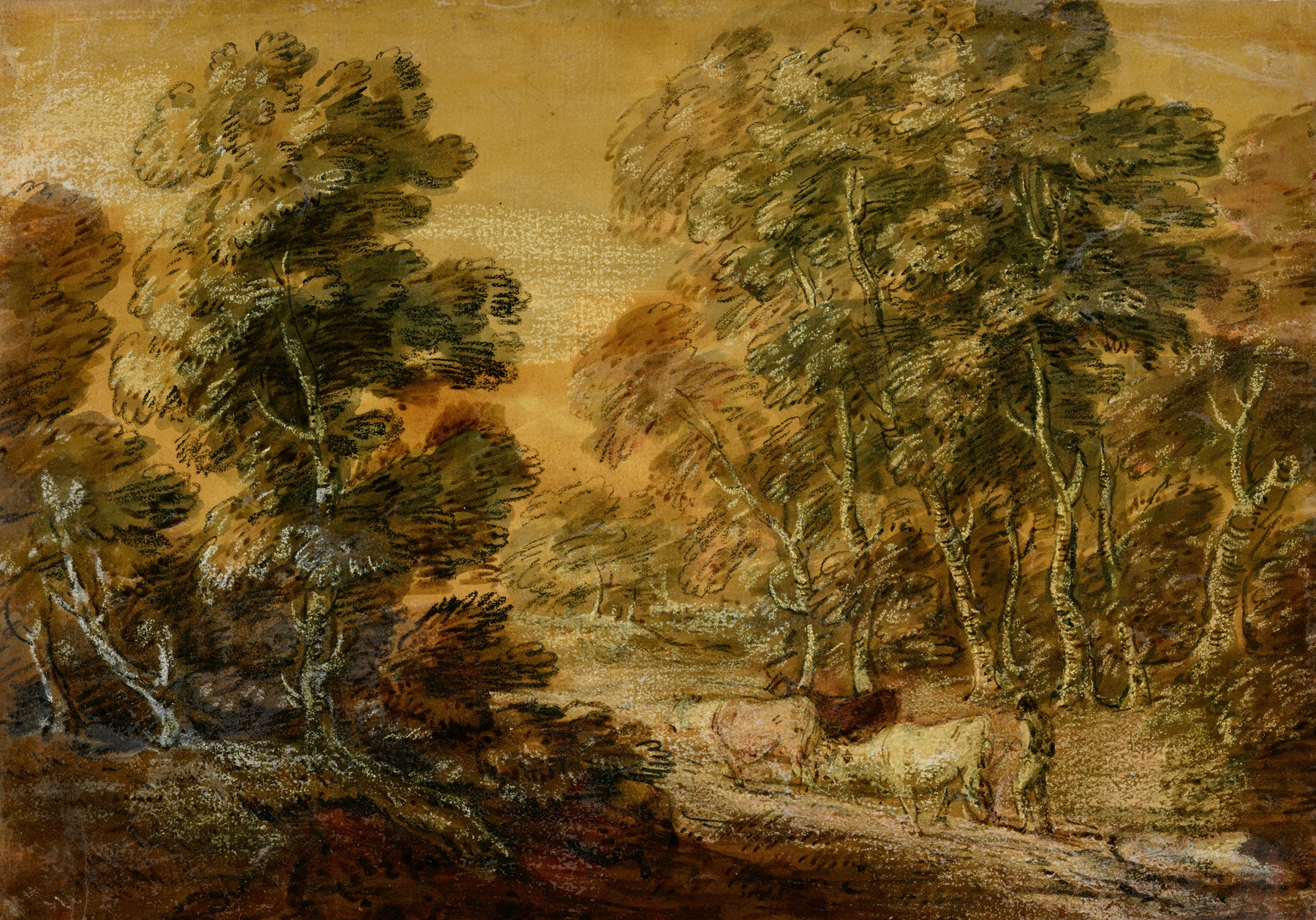
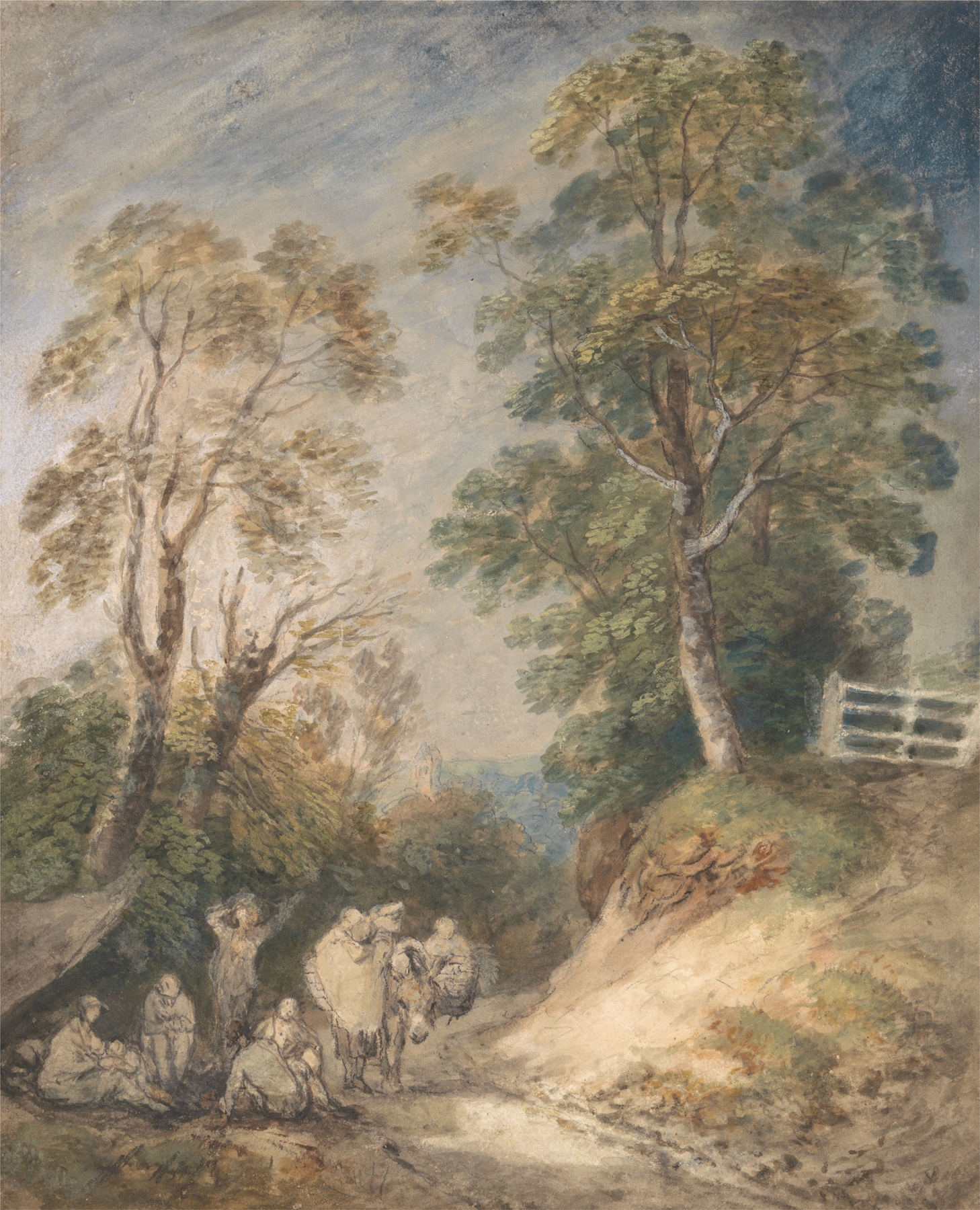
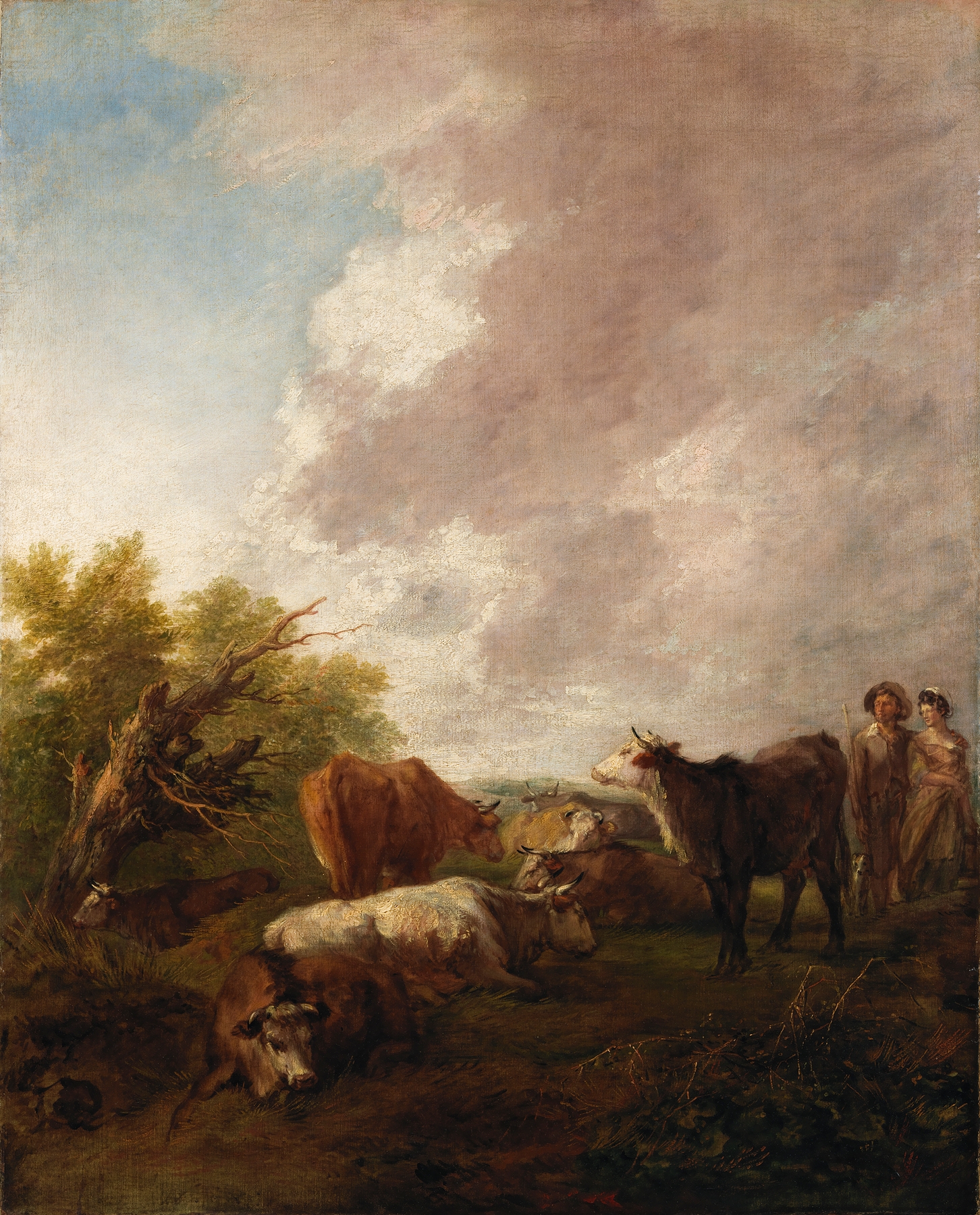
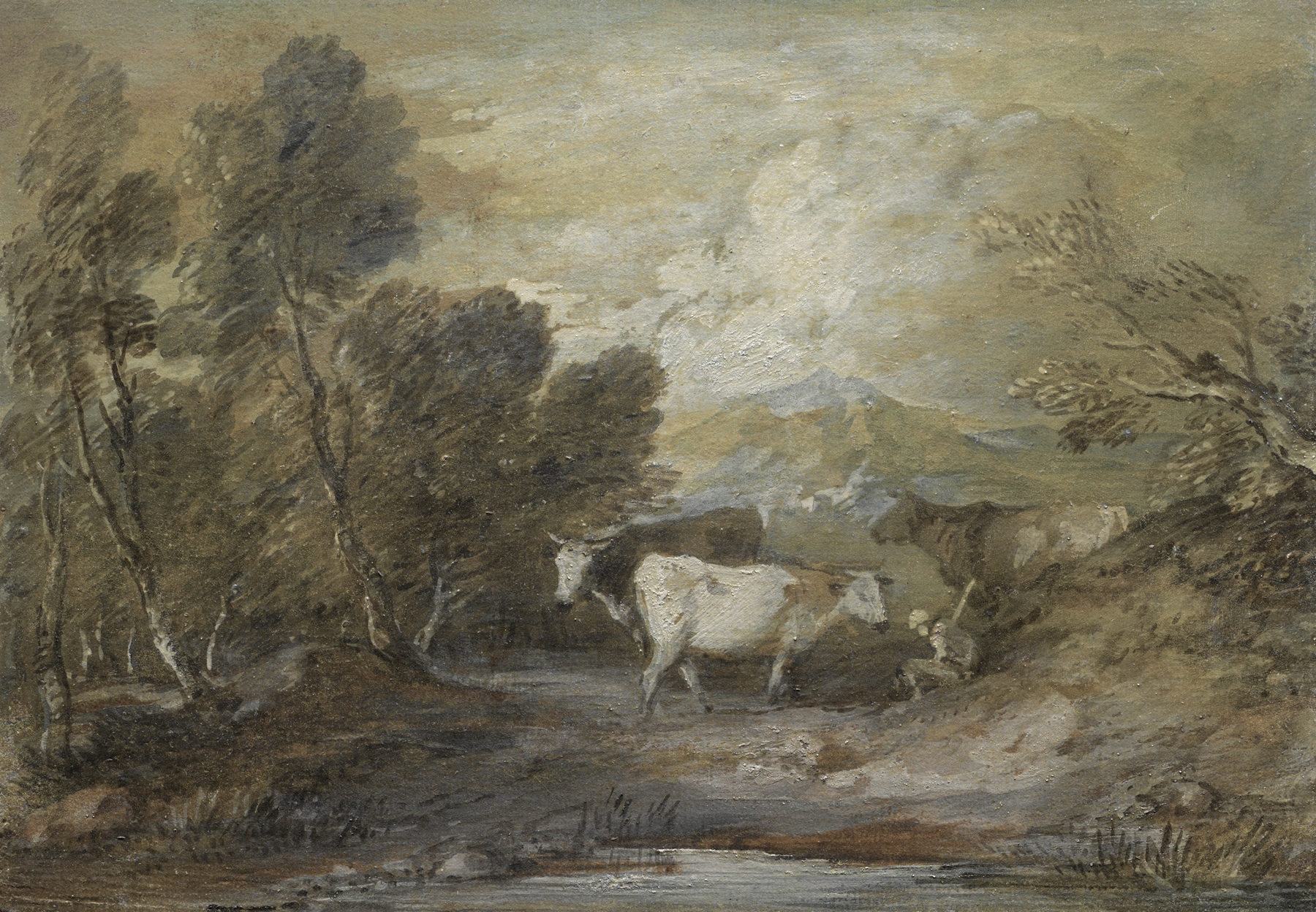
When did color learn to lie? The hues of nature often conceal the truths of human existence, blending beauty with burden in a single glance. Look to the left where the woodcutter stands, a figure almost swallowed by the vibrant greens and browns of the trees that envelop him. Notice how the light filters through the foliage, dappling the ground in patches of golden warmth, while the dark silhouettes of trunks loom like sentinels.
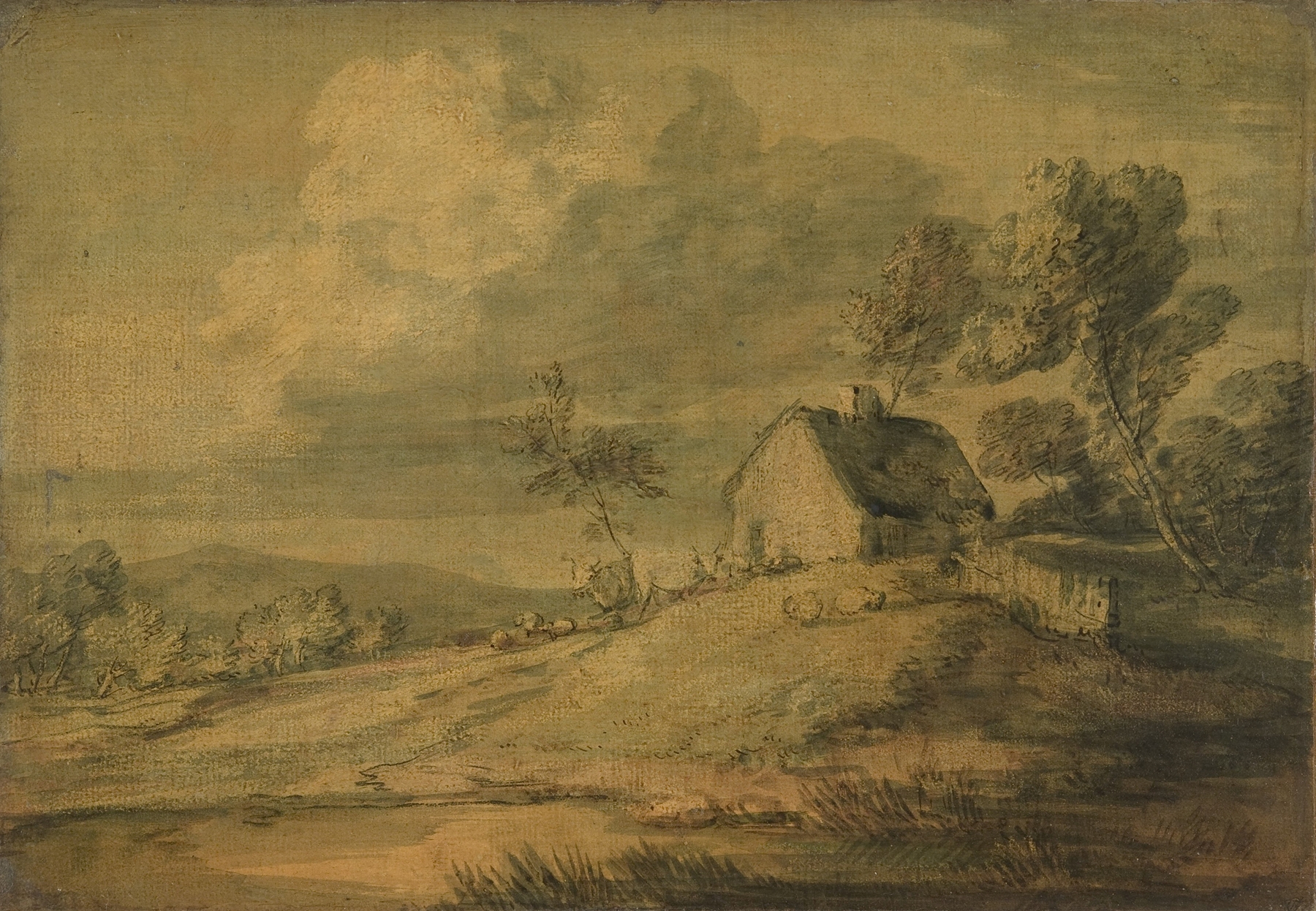
Gainsborough’s brushstrokes breathe life into the scene, each leaf and shadow rendered with a delicate touch that invites the viewer to step closer, to feel the weight of the log he prepares to chop. Yet, the woodcutter's toil speaks to a deeper narrative. The lush landscape, brimming with vitality, contrasts starkly with the laboring figure, suggesting a tension between nature's serene beauty and the harsh realities of survival. The vibrant palette may evoke tranquility, but it simultaneously hints at the exhaustion of those who work within it.
Each stroke not only captures the physical space but also communicates the emotional undertones of sacrifice and resilience. Created in the 18th century, the work reflects Gainsborough's exploration of natural landscapes at a time when English art was transitioning from the grand historical scenes of the Baroque to a more intimate portrayal of rural life. During this period, Gainsborough was establishing his reputation, blending the realities of working life with the romantic ideals of pastoral beauty, which would later influence generations of artists.