Wooded Landscape with Horseman and Pack Horse — History & Analysis
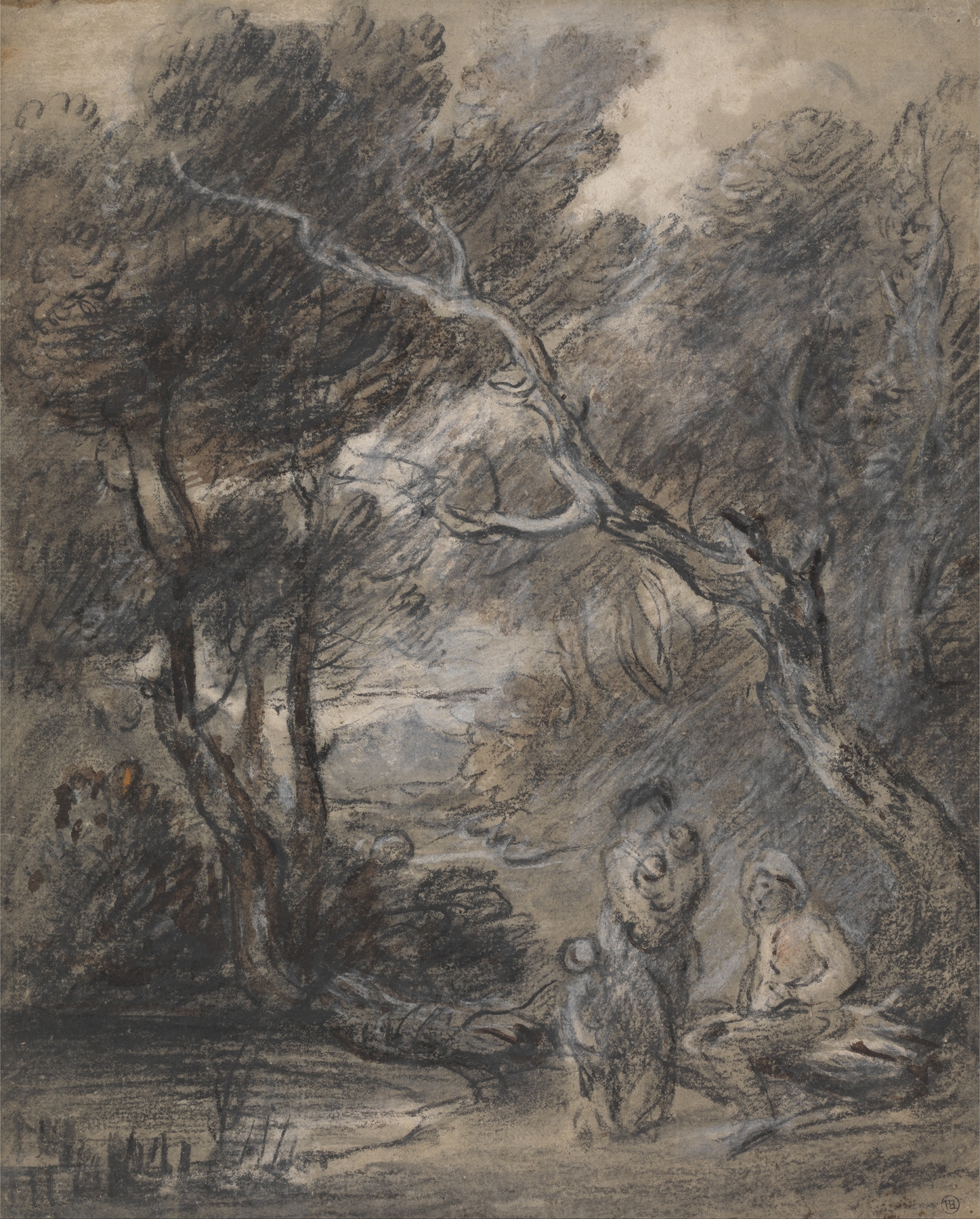
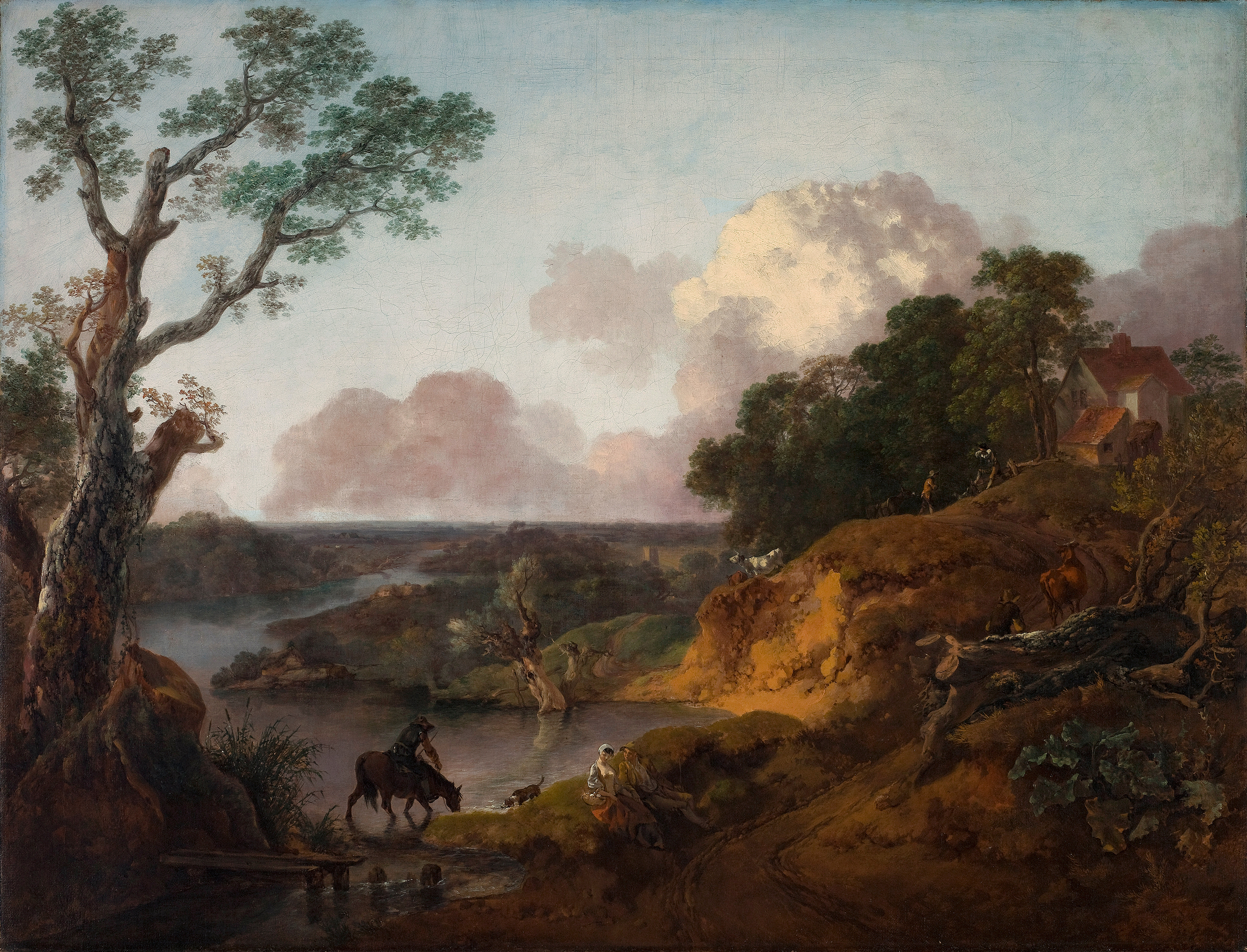
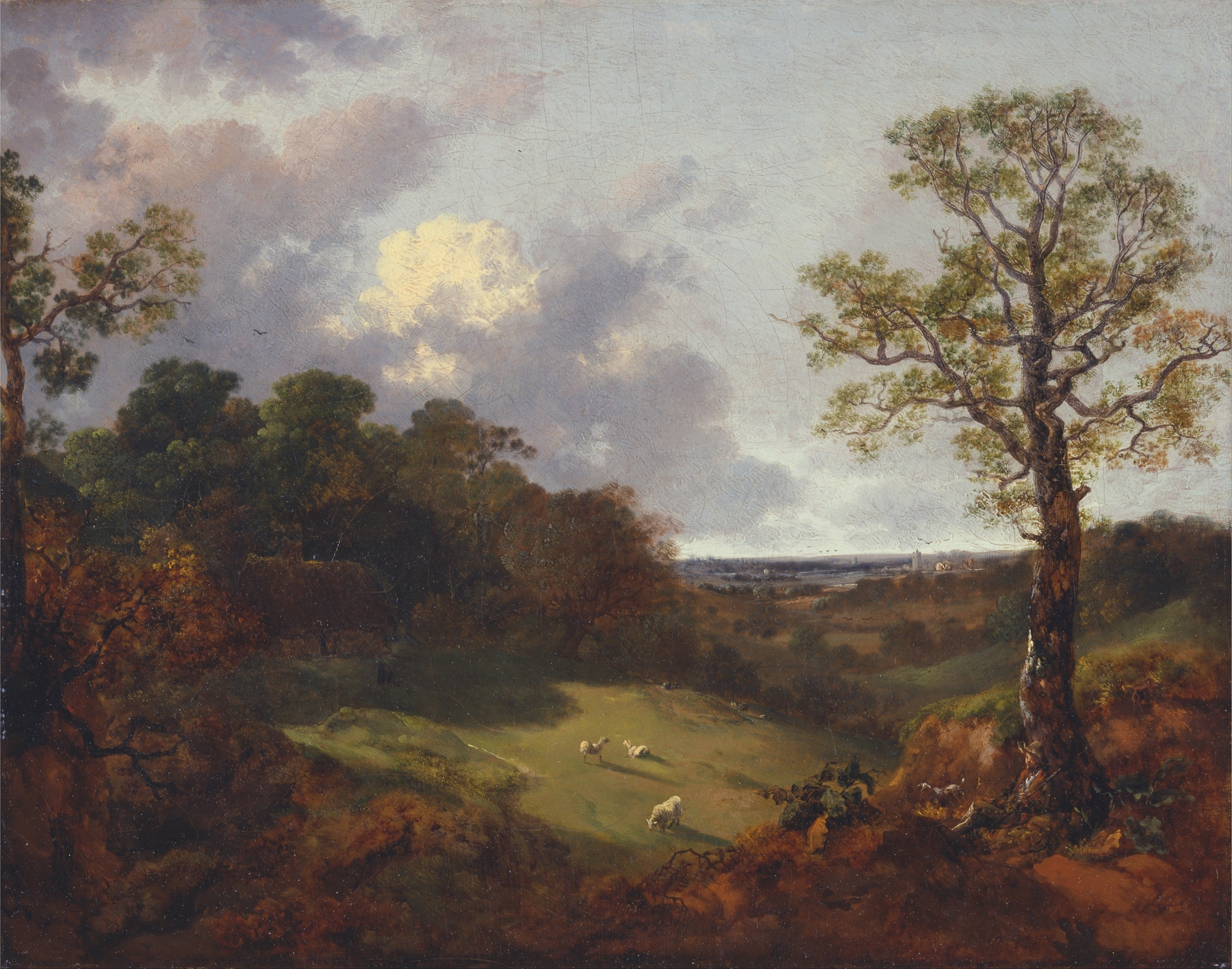
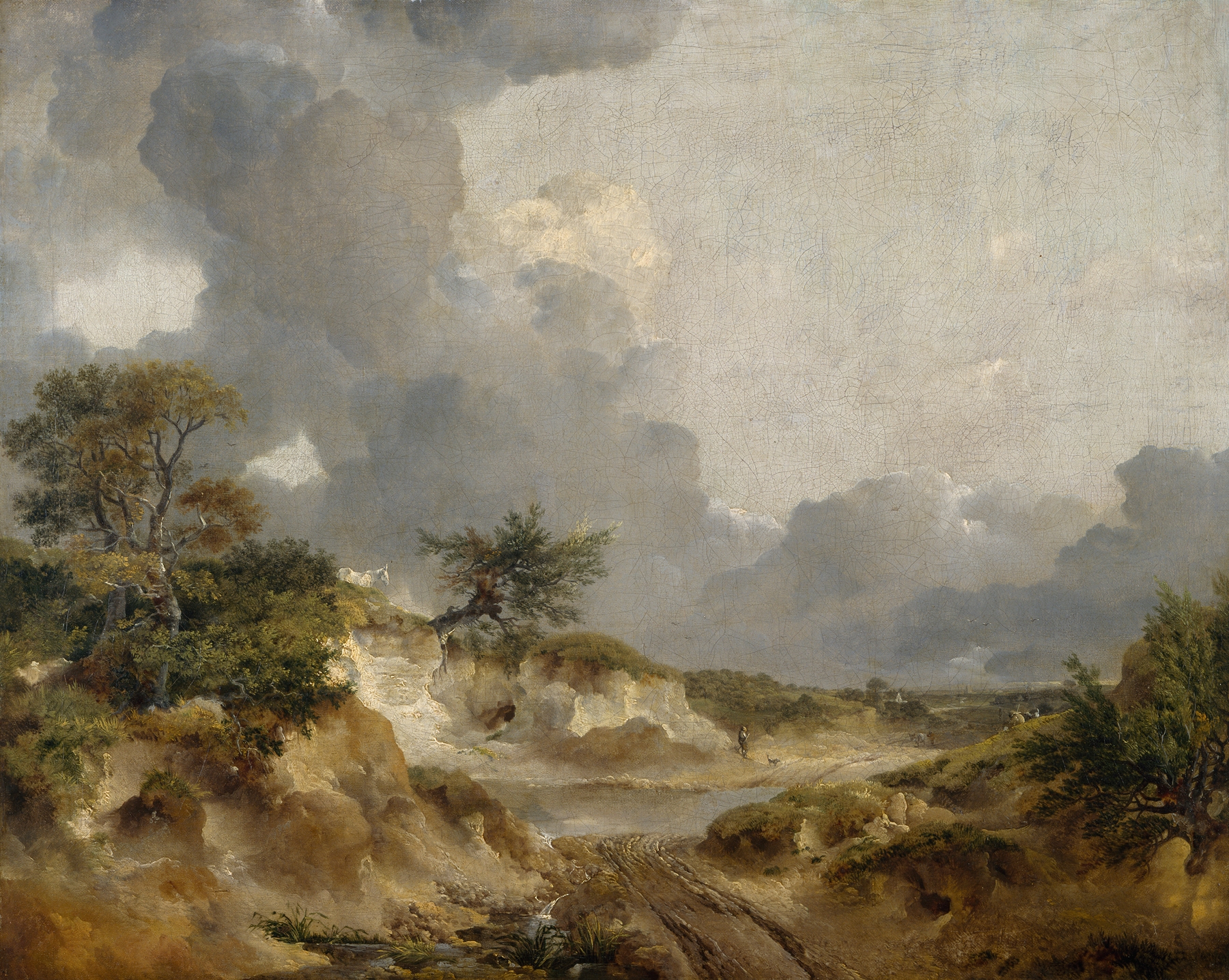
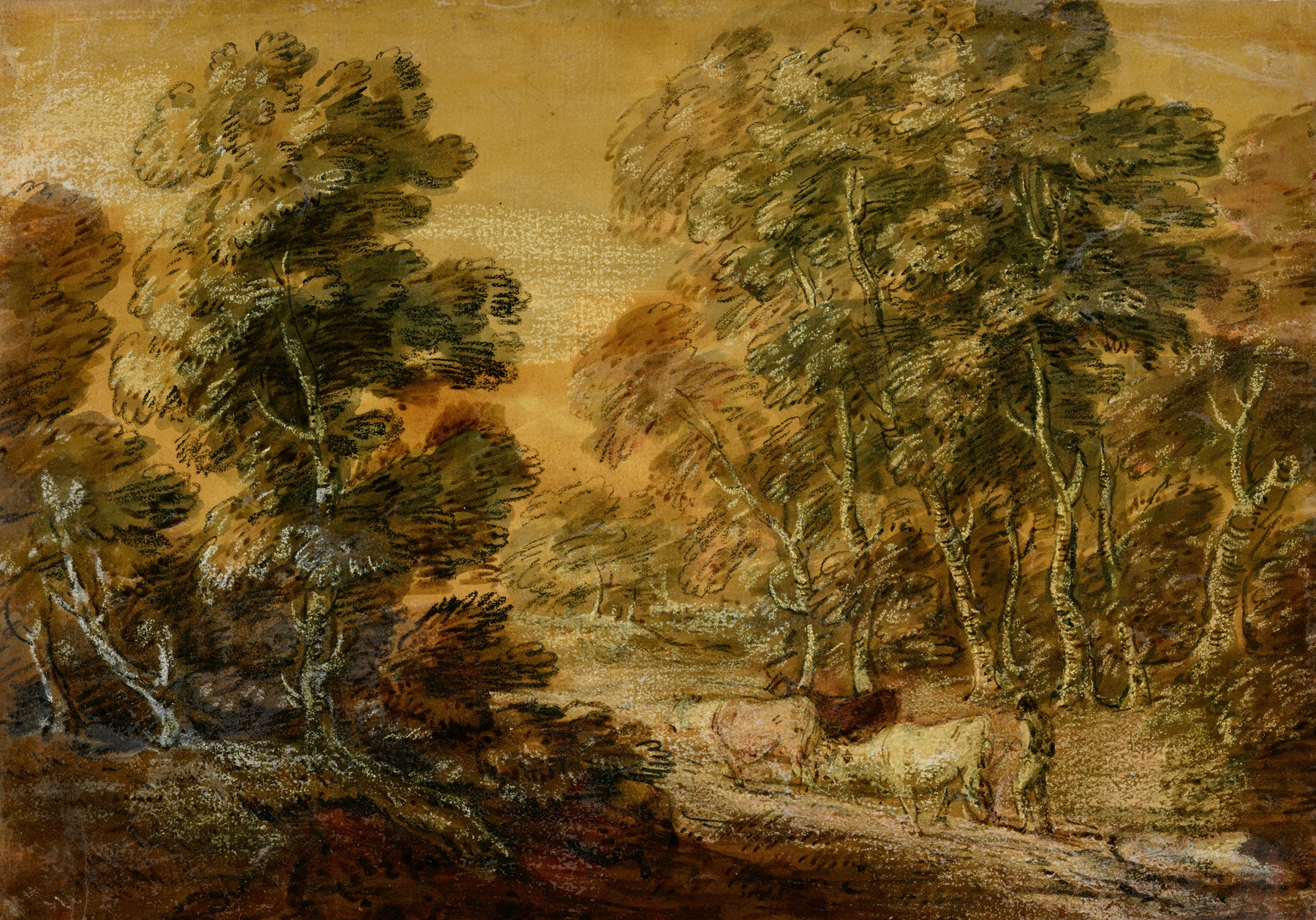
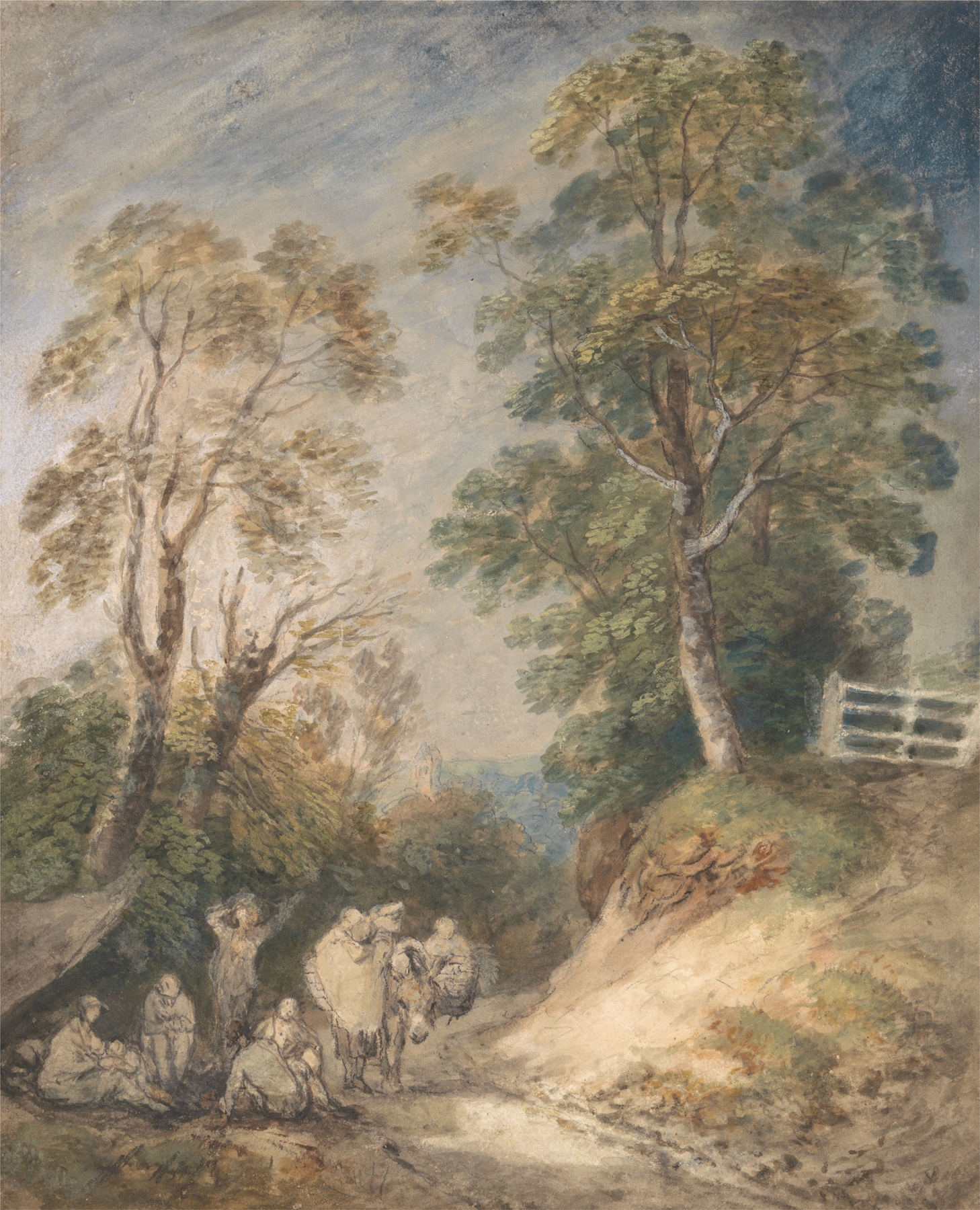
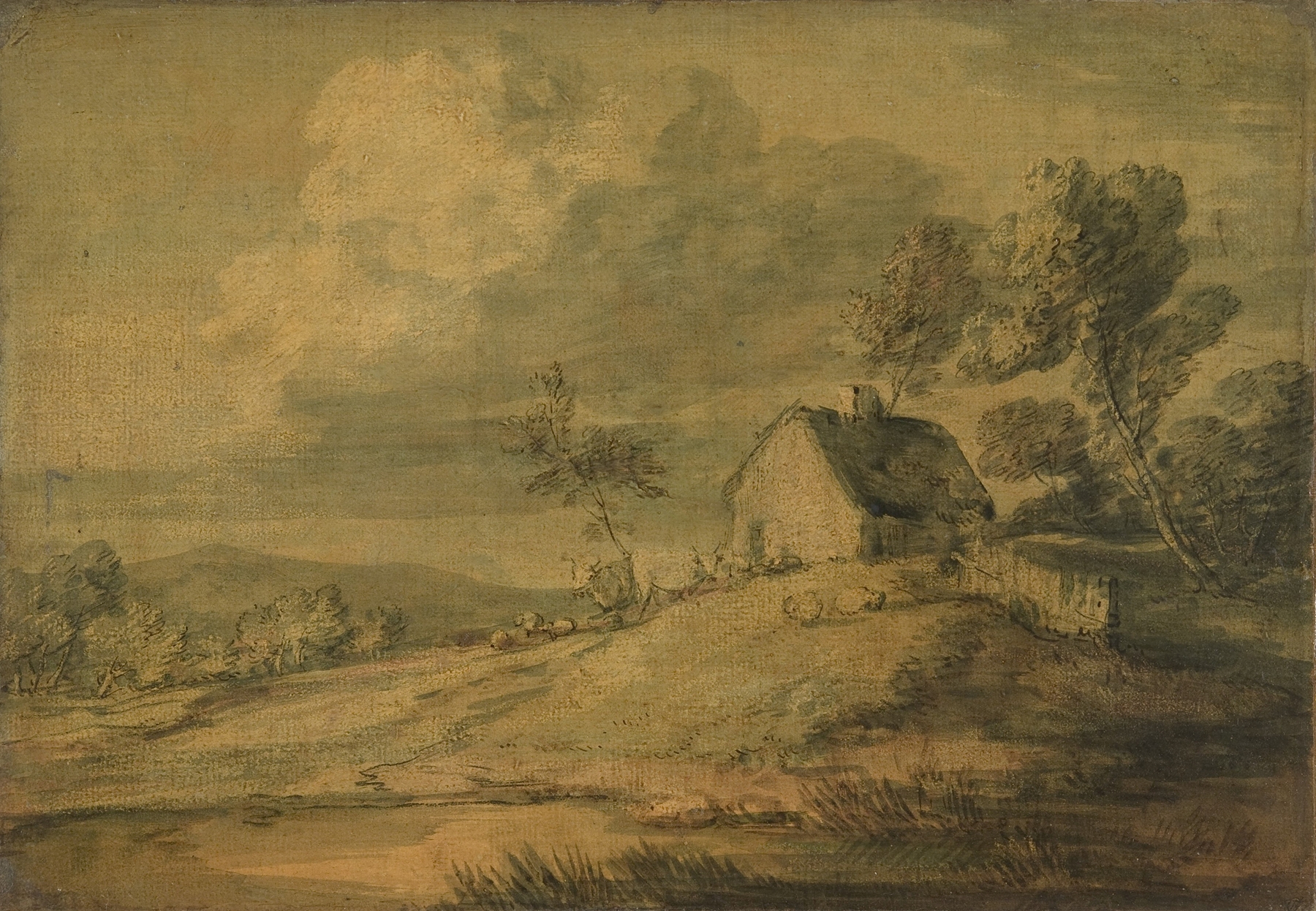
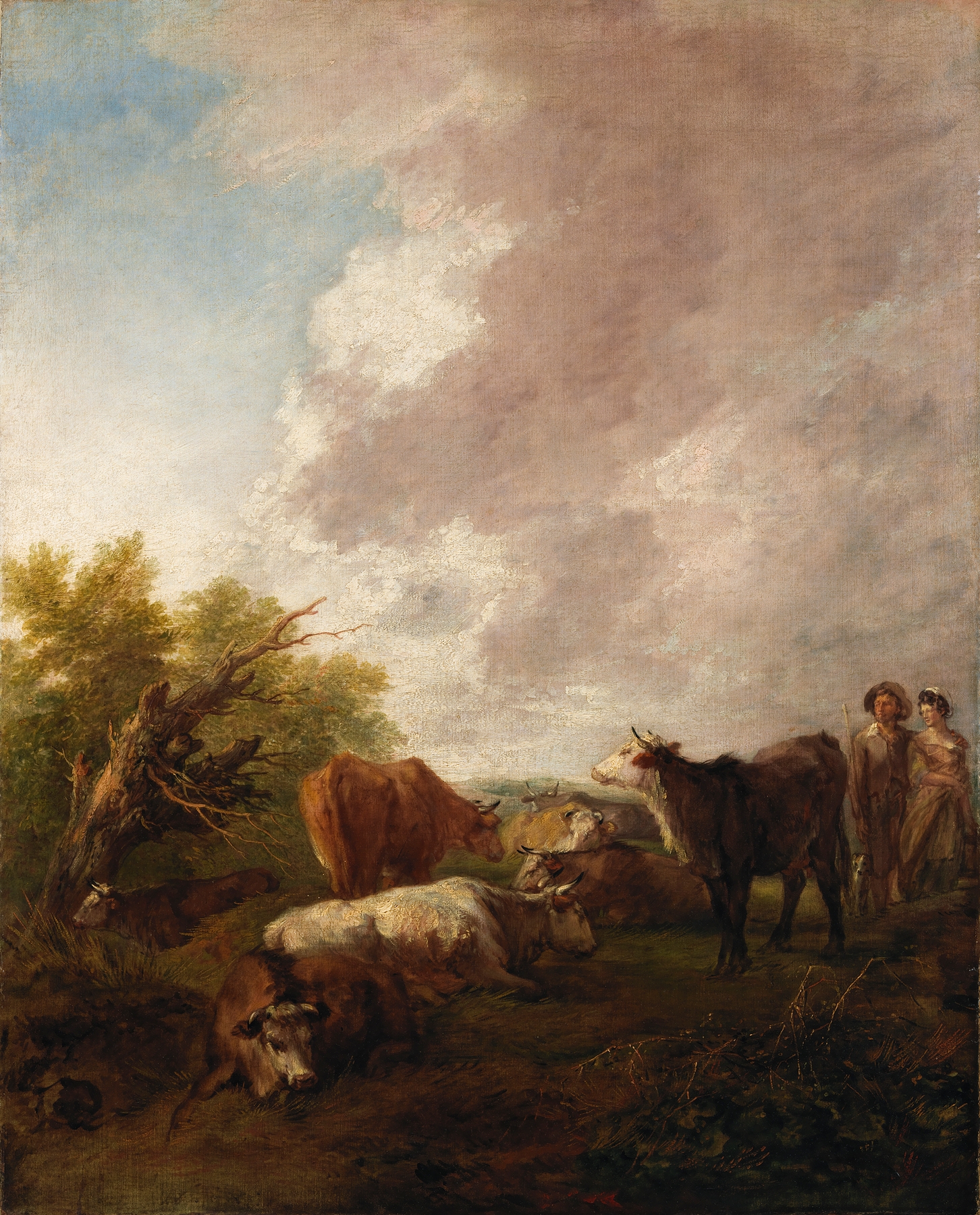
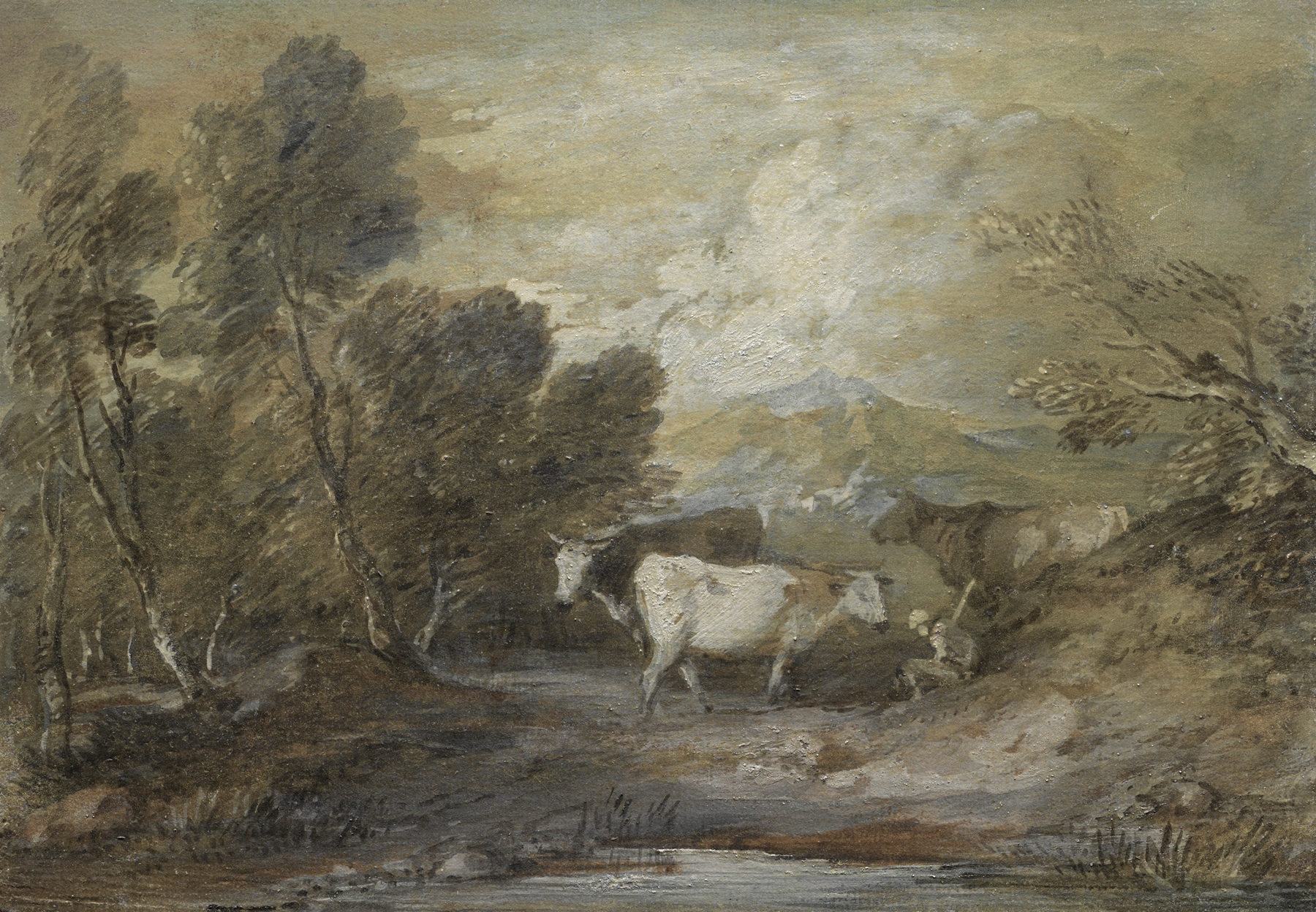
Where does light end, and longing begin? The interplay of nature and humanity sings through the canvas, whispering the tales of serene journeys and thoughtful solitude. Look to the left at the gentle curves of rolling hills bathed in soft greens and muted earth tones. The golden light filters through the tree canopy, casting dappled shadows on the path that winds through the scene. Notice the horseman, poised atop his steed, as if caught between the world of man and the embrace of the wilderness.
The pack horse follows dutifully, a testament to the quiet burden each traveler must bear. The brushwork, a blend of delicate strokes and bold gestures, conjures the atmosphere of an early afternoon, where time seems to dissolve into the calm of nature. There is a palpable tension between the depicted figures and their surroundings; while the horseman commands attention, he is dwarfed by the towering trees and expansive sky. The contrast between his solid posture and the ethereal light suggests a fleeting moment of introspection amidst the vastness of life. One can feel the longing for direction, as if the rider seeks more than just a physical journey.
The subtly rendered clouds overhead hint at the promise of change, whispering of both adventure and the unknown. In the 1770s, the artist was immersed in the pastoral beauty of England, drawing inspiration from the landscapes that surrounded him. This period marked a shift in the art world, as a growing appreciation for nature’s beauty influenced many painters of the time. Gainsborough, known for his mastery of light and color, captured the tranquility of rural life while pushing the boundaries of what landscape art could convey, inviting viewers to find their own narratives within the serene expanses.