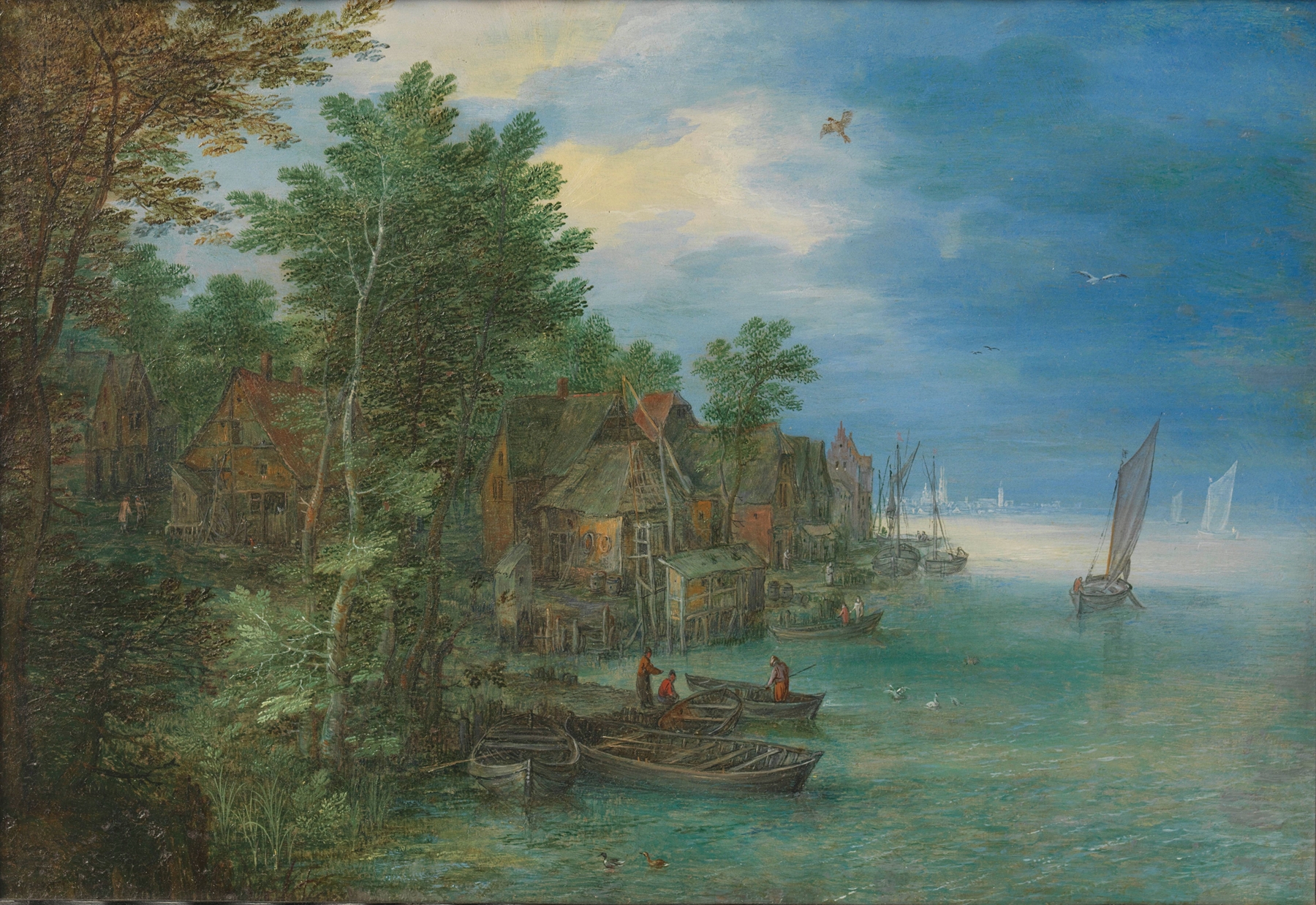
Wooded landscape with travellers — History & Analysis
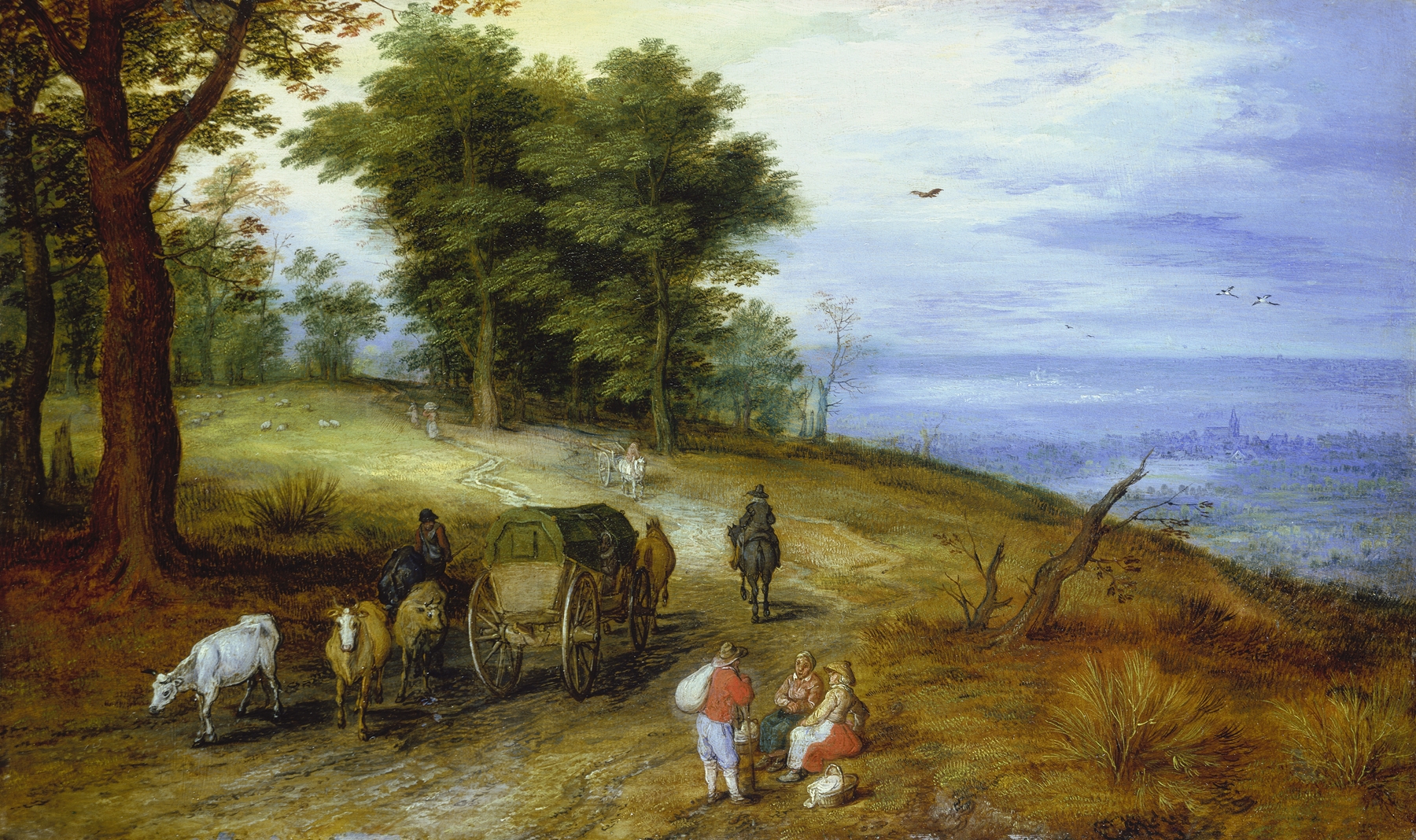
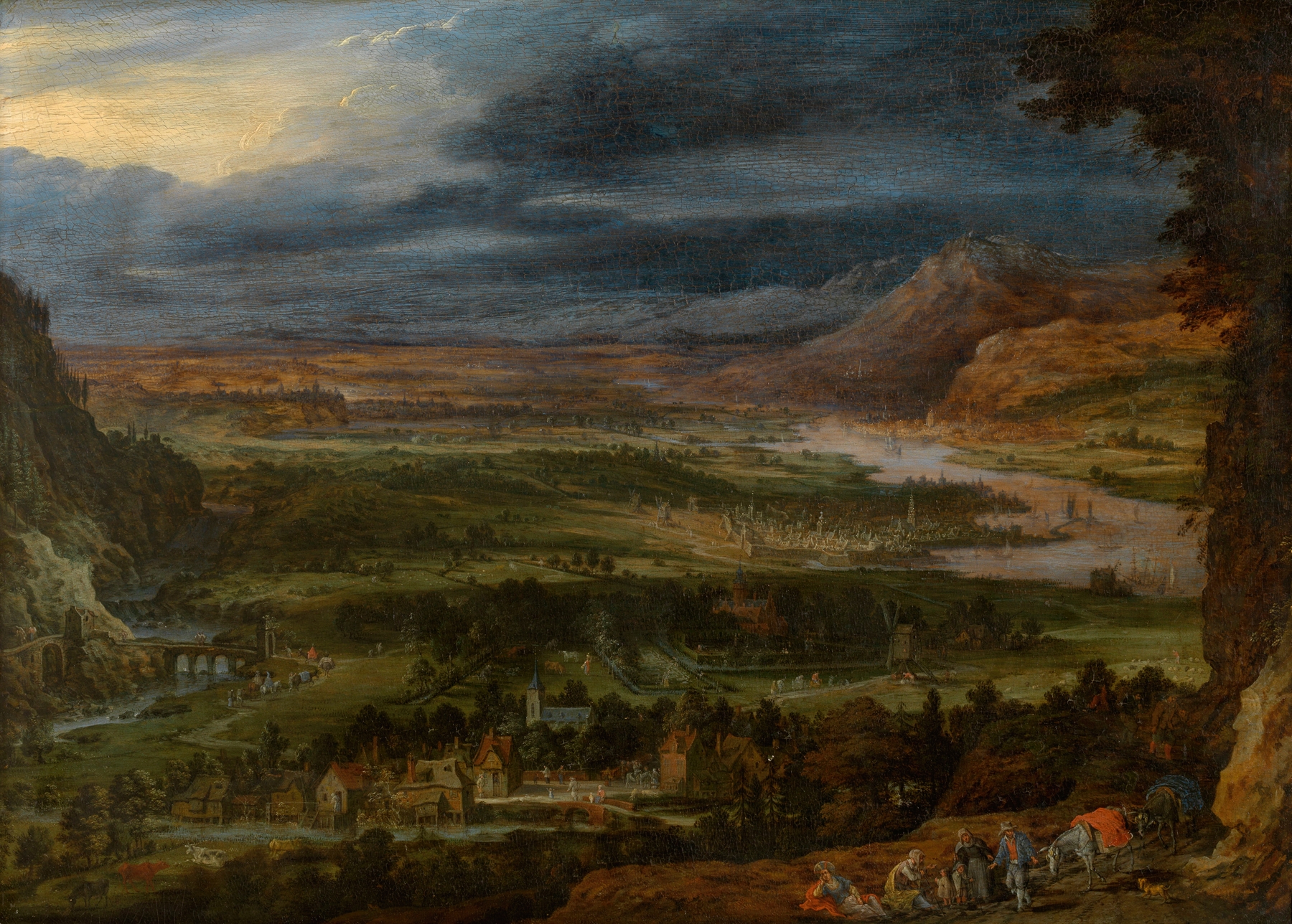
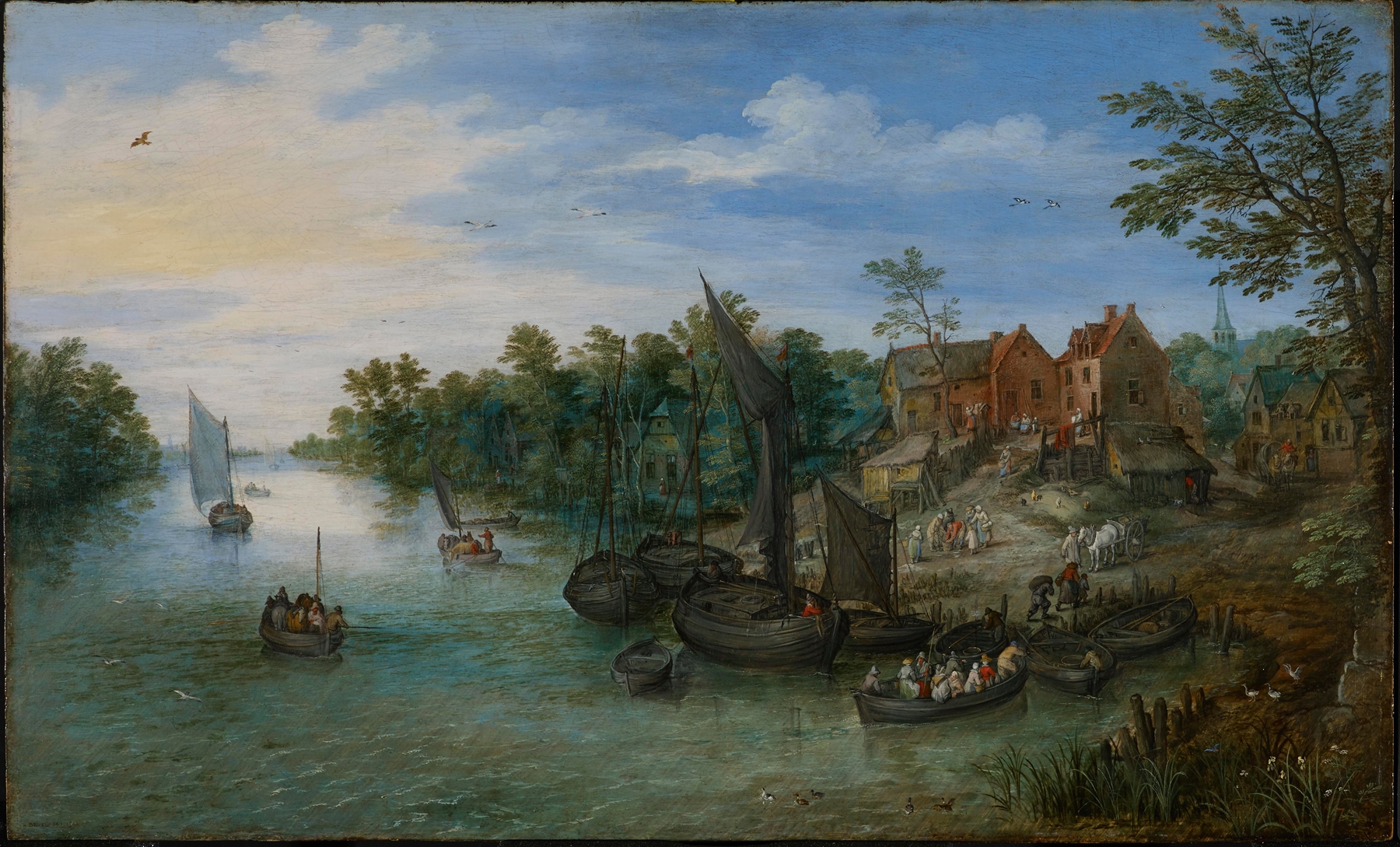
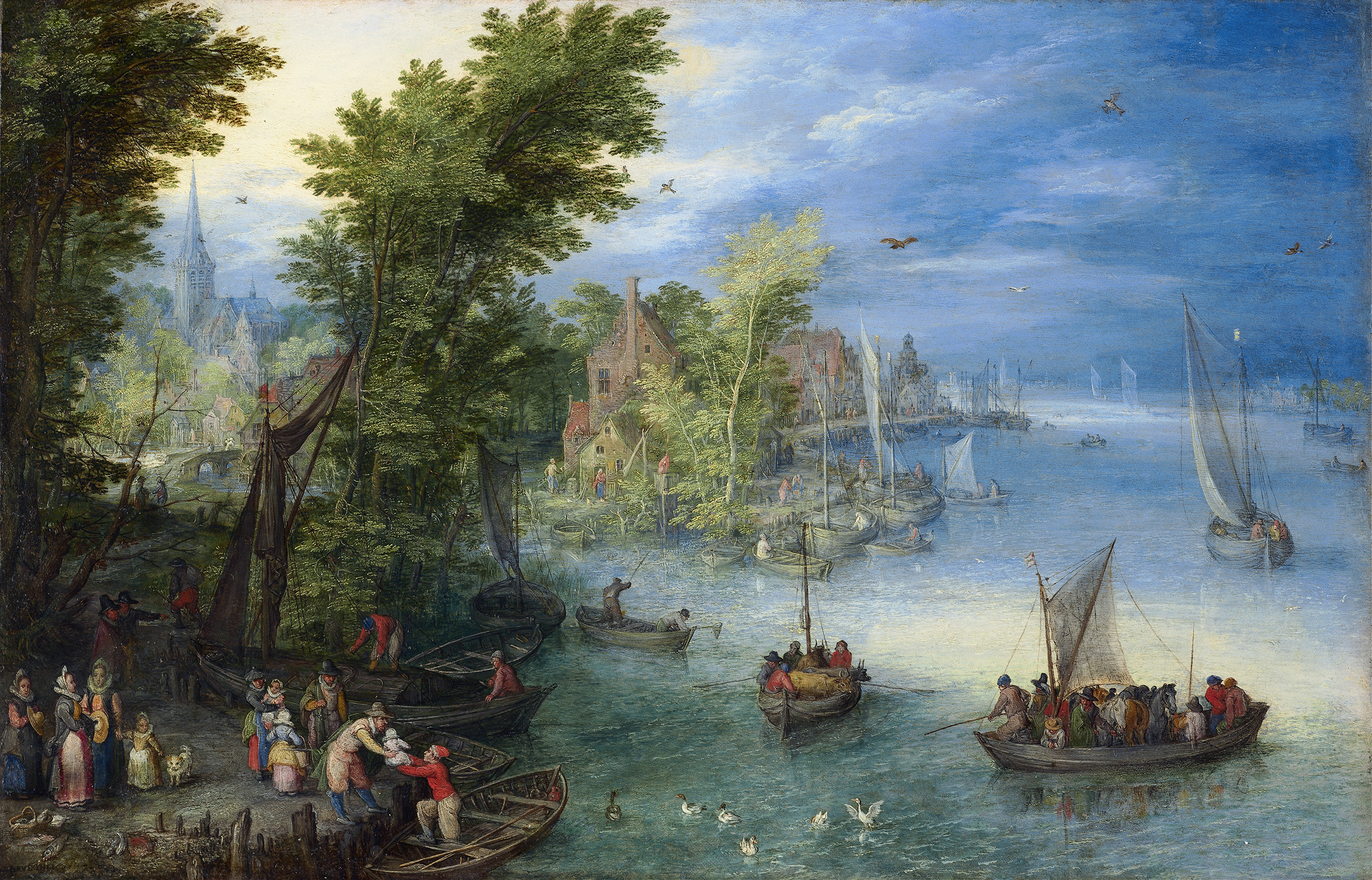
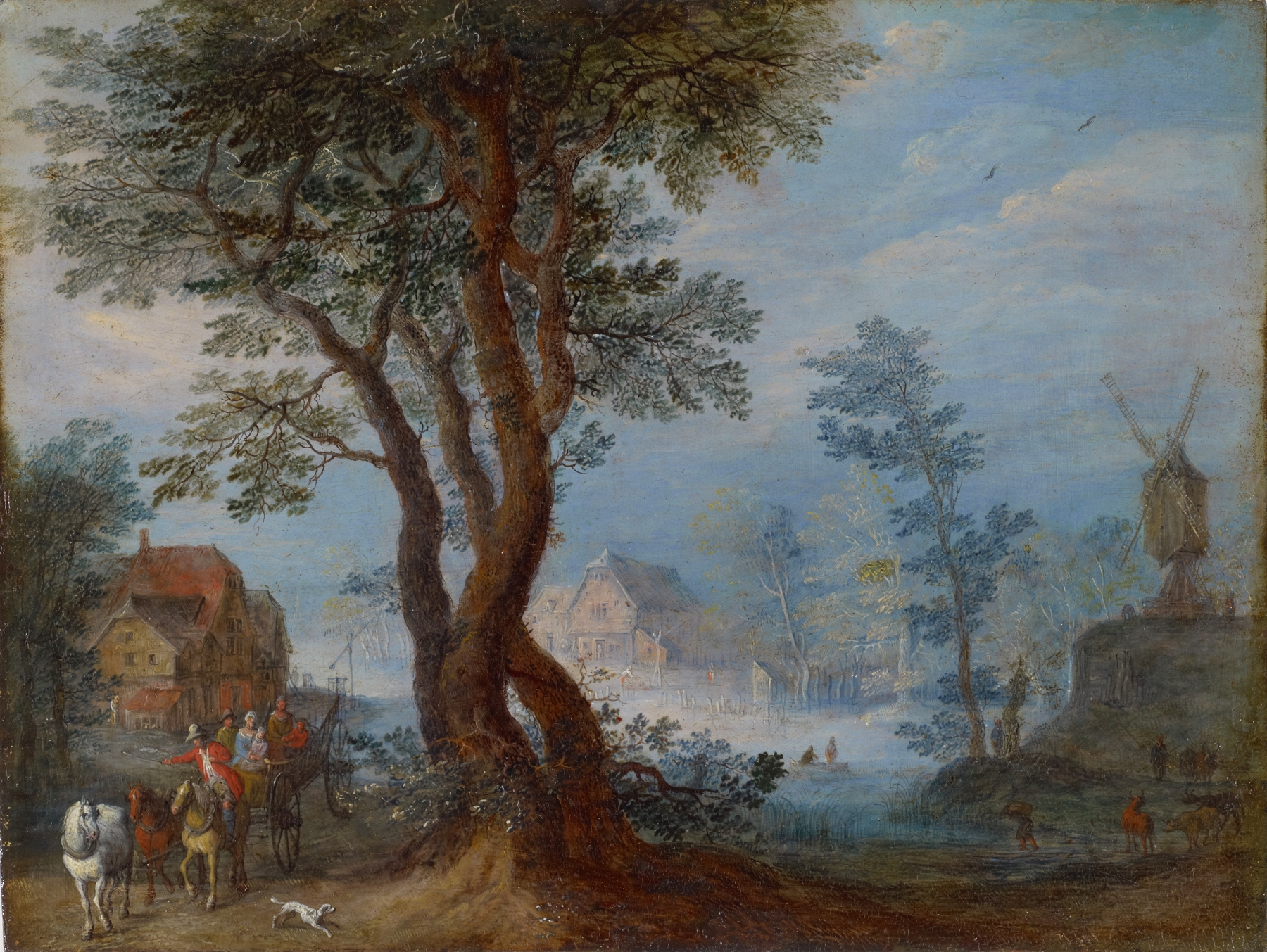
“Art reveals the soul when the world turns away.” In the stillness of a wooded glade, nature breathes, cloaked in the shades of life and decay. The air is thick with the promise of transformation — a pause where travelers journey through a world that seems at once alive and untouched by time. Focus first on the central figures meandering through this lush landscape, their subtle movements drawing the viewer into a serene narrative. Notice how Brueghel employs a vibrant palette of greens and browns, punctuated by dappled sunlight filtering through the dense canopy.
This interplay of light and shadow creates a sense of depth, inviting the eye to wander along the winding path, where each brushstroke captures the essence of the journey itself. Yet, beyond the picturesque beauty lies a poignant tension between the transient nature of human presence and the eternal landscape. The travelers symbolize the fleeting moments of life, while the towering trees stand as silent witnesses, enduring through generations. Each detail, from the meticulously painted leaves to the distant hints of wildlife, suggests a balance between the ephemeral and the everlasting — a reminder that change is the only constant in this serene yet dynamic scene.
In 1611, Brueghel painted this work during a time of personal and artistic growth, as he navigated the complexities of life in Antwerp. The art world was buzzing with the influence of the northern Renaissance, and he was deeply inspired by the natural world surrounding him. This painting reflects not only his mastery of landscape but also his contemplative spirit, capturing a moment that resonates through time and speaks to the essence of transformation itself.