Wooden bridge — History & Analysis
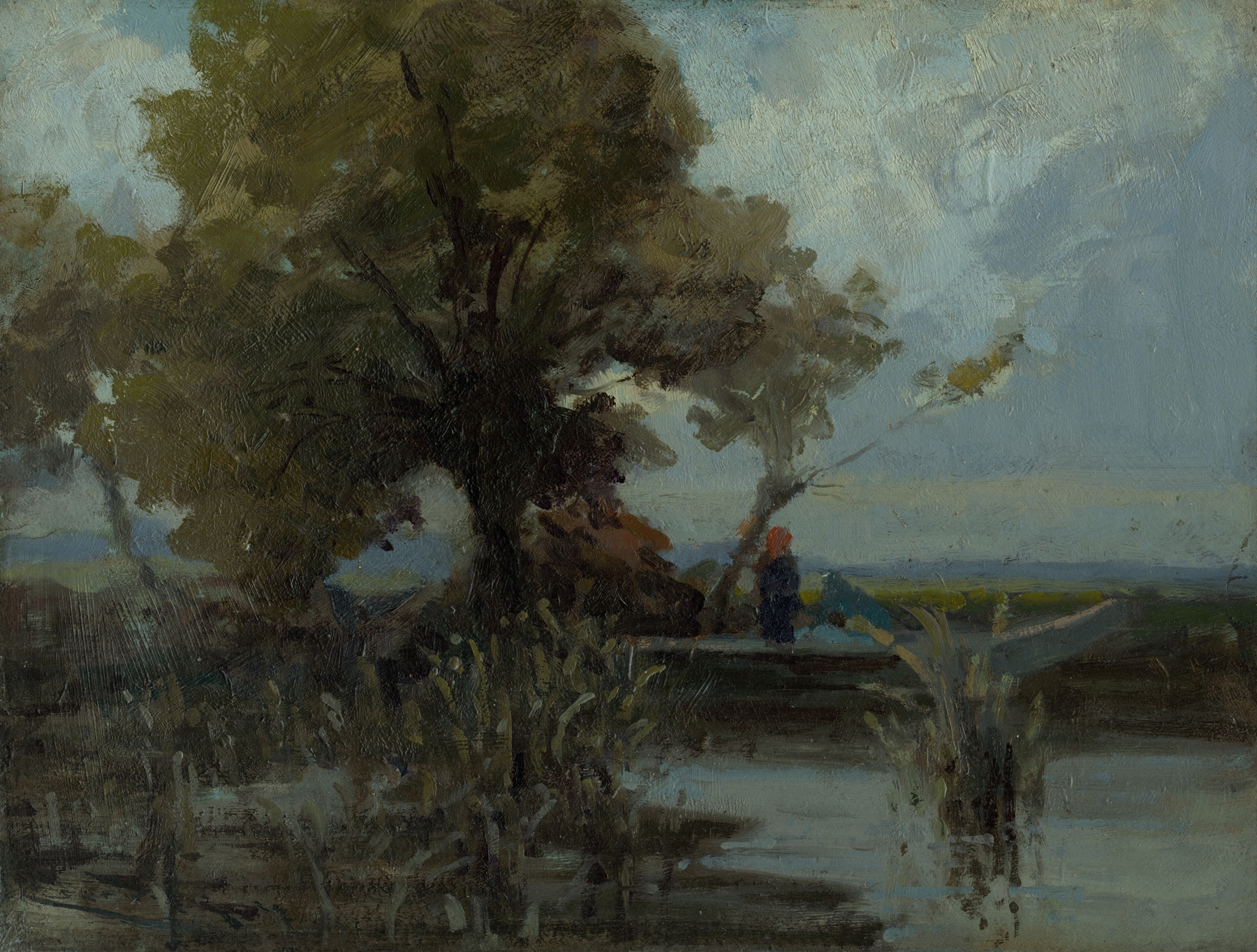
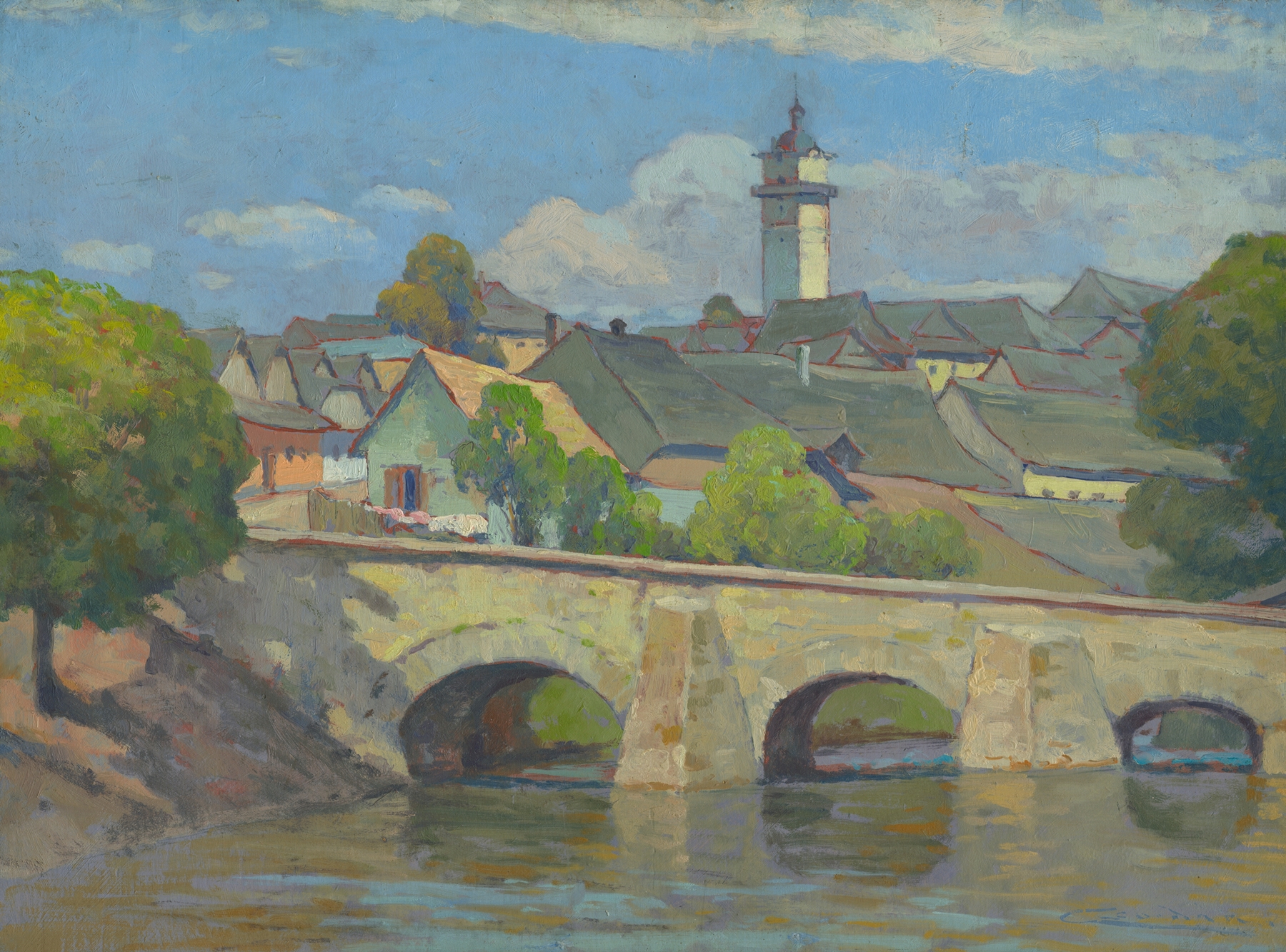
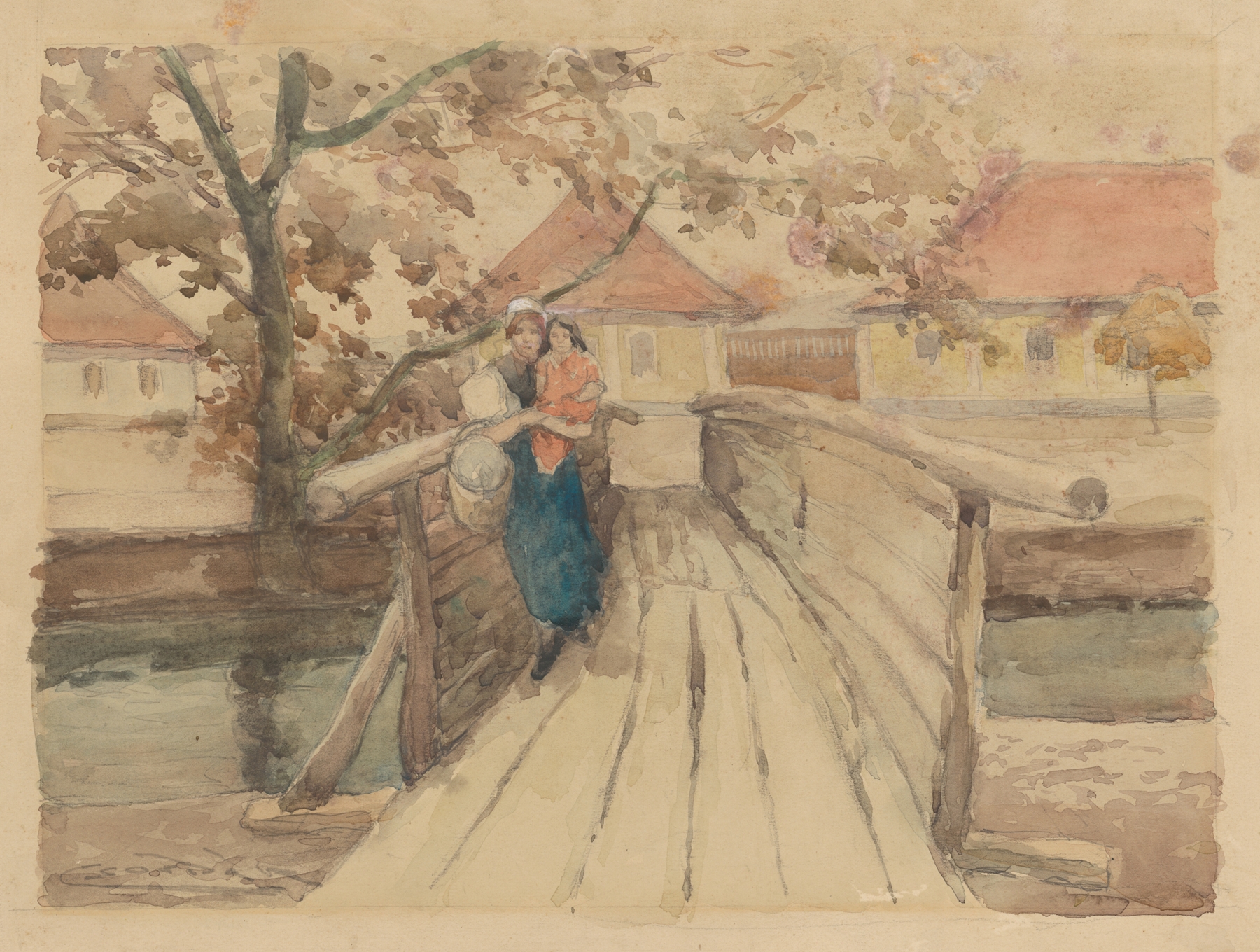
Is this a mirror — or a memory? In Wooden Bridge, the delicate interplay of water and wood evokes a profound sense of faith, inviting viewers to ponder the bridges we build in life. Look to the center where the bridge gracefully arches over the tranquil water, its wooden planks revealing rich, earthy tones that harmonize beautifully with the surrounding landscape. Notice how the reflections ripple along the surface, creating a seamless connection between the earth and the sky.
The soft dapple of light filtering through the trees enhances the scene, casting a gentle glow that suggests the passage of time and the promise of new beginnings. As your gaze drifts to the edges, subtle details emerge — the contrasting textures of the rough timber against the smooth water surface symbolize the fragility yet resilience of human endeavor. The lush greenery enveloping the scene serves as both a sanctuary and a reminder of nature's omnipresence, while the serene absence of figures evokes a moment of contemplation, urging the viewer to consider their own journey across unseen bridges in life.
During the years from 1910 to 1920, Ľudovít Čordák painted this piece amidst a backdrop of socio-political change in Slovakia. This period marked a growing interest in national identity and the natural landscape, as artists gravitated towards the rich heritage of their homeland. Čordák's mastery in capturing the essence of nature reflects not only his artistic evolution but also a collective yearning for connection and continuity in a transforming world.