Košatý strom pri jazere — History & Analysis
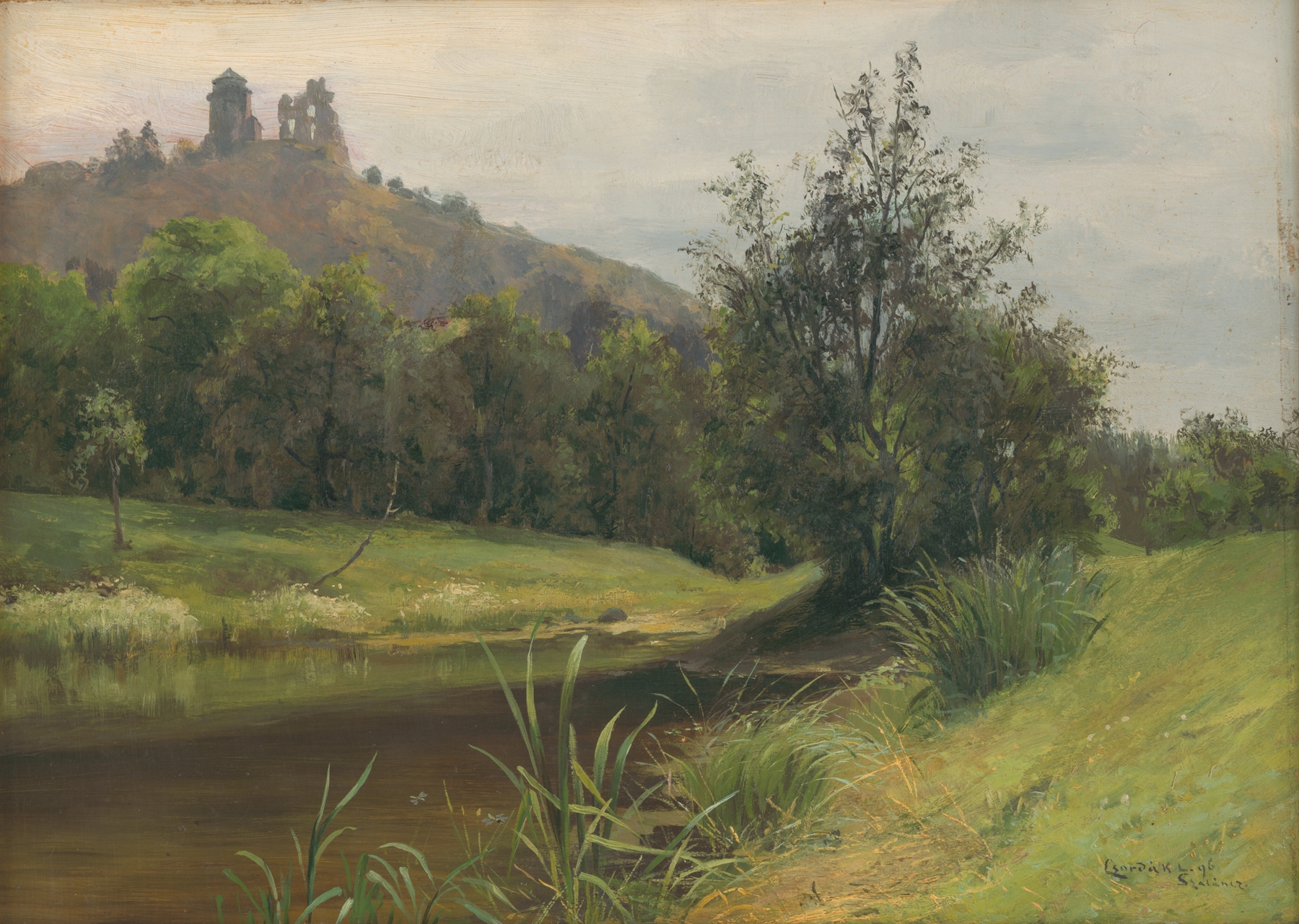
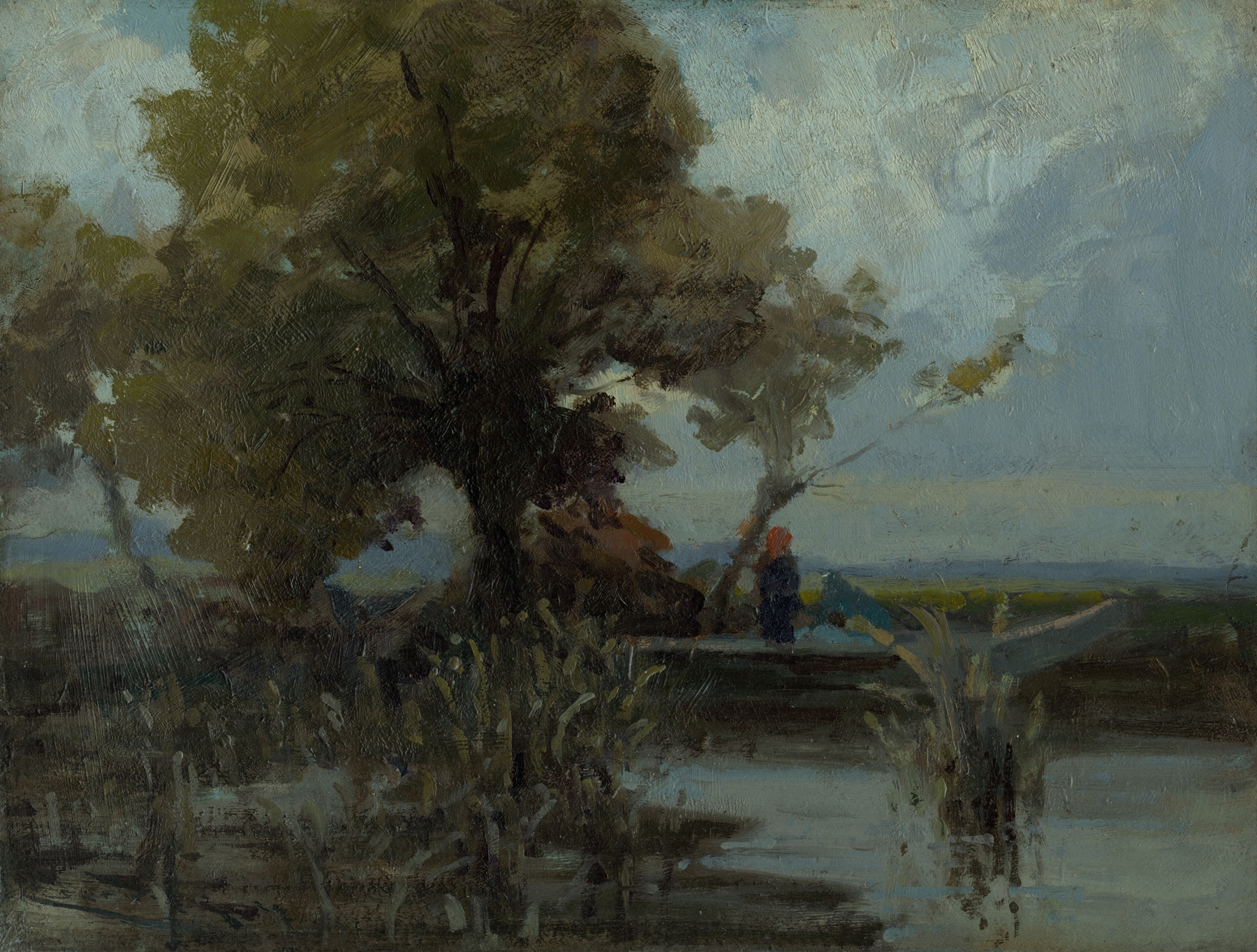
Where does light end, and longing begin? This question echoes in the tranquil atmosphere of Košatý strom pri jazere, where nature unfolds its secrets beneath the silent gaze of a grand tree. Look to the left at the robust trunk, its gnarled form twisted with age and wisdom, grounding the composition. Notice how the light filters through the rich canopy of leaves, casting playful shadows on the glistening surface of the lake.
The artist employs a palette of greens and browns, inviting the viewer into a lush sanctuary, while the soft brushstrokes lend a sense of movement, as if the air itself is whispering stories of what lies beneath the surface. Yet, it is in the subtle contrasts that deeper meanings emerge. The serenity of the lake reflects an inner stillness, yet the ripples hint at unseen currents of emotion, perhaps a longing for connection or an unfulfilled yearning.
The juxtaposition of the sturdy tree against the fluid water speaks to the tension between permanence and transience, grounding the viewer in a moment that feels both eternal and fleeting. During the late 19th to early 20th century, as Ľudovít Čordák created this piece in Slovakia, he found himself at a pivotal intersection of national identity and artistic expression. The region was celebrating a cultural renaissance, and the artist was inspired by the natural beauty surrounding him, seeking to capture the essence of his homeland while engaging with the broader European movements of Impressionism and Symbolism.