Zádiel — History & Analysis
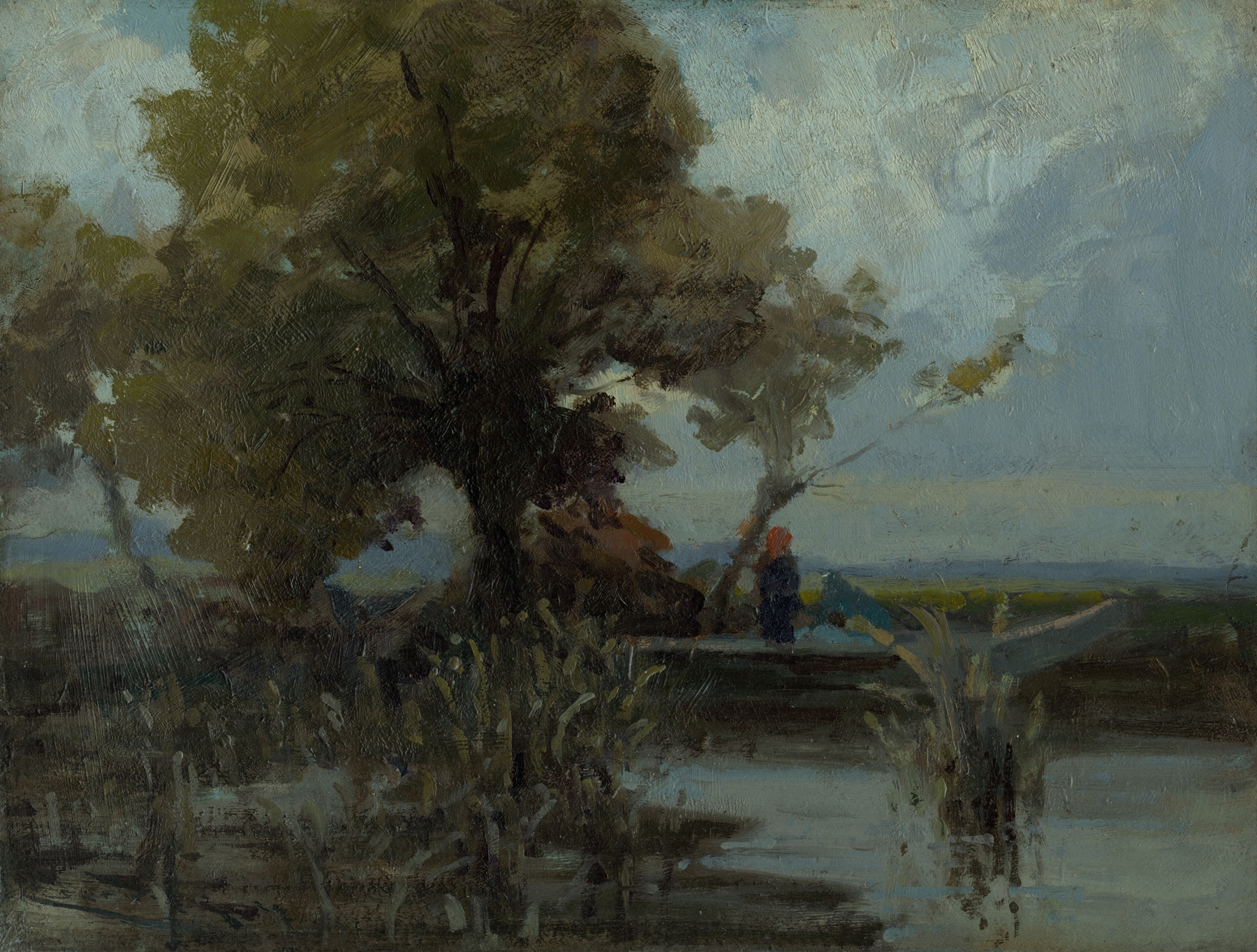
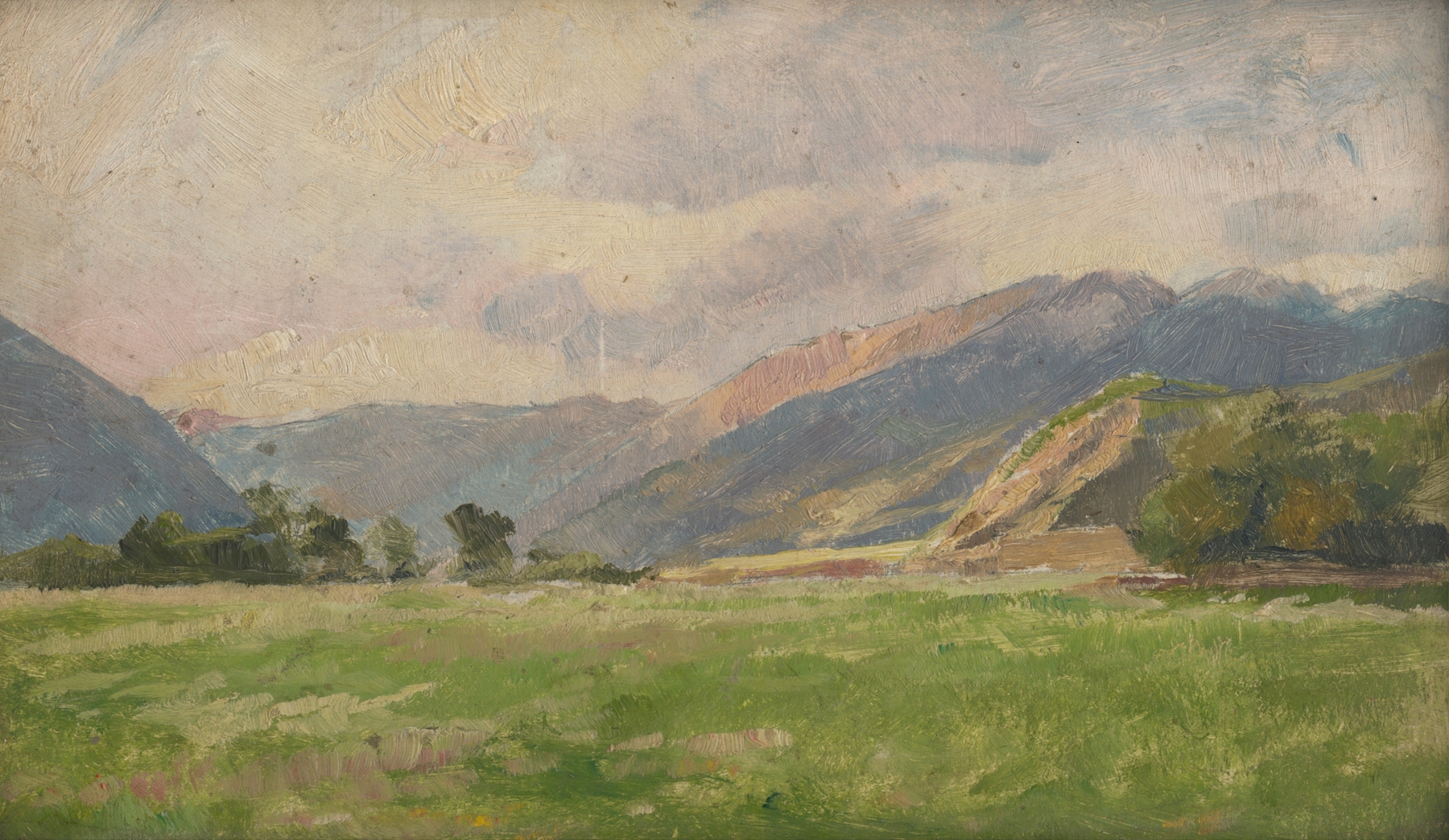
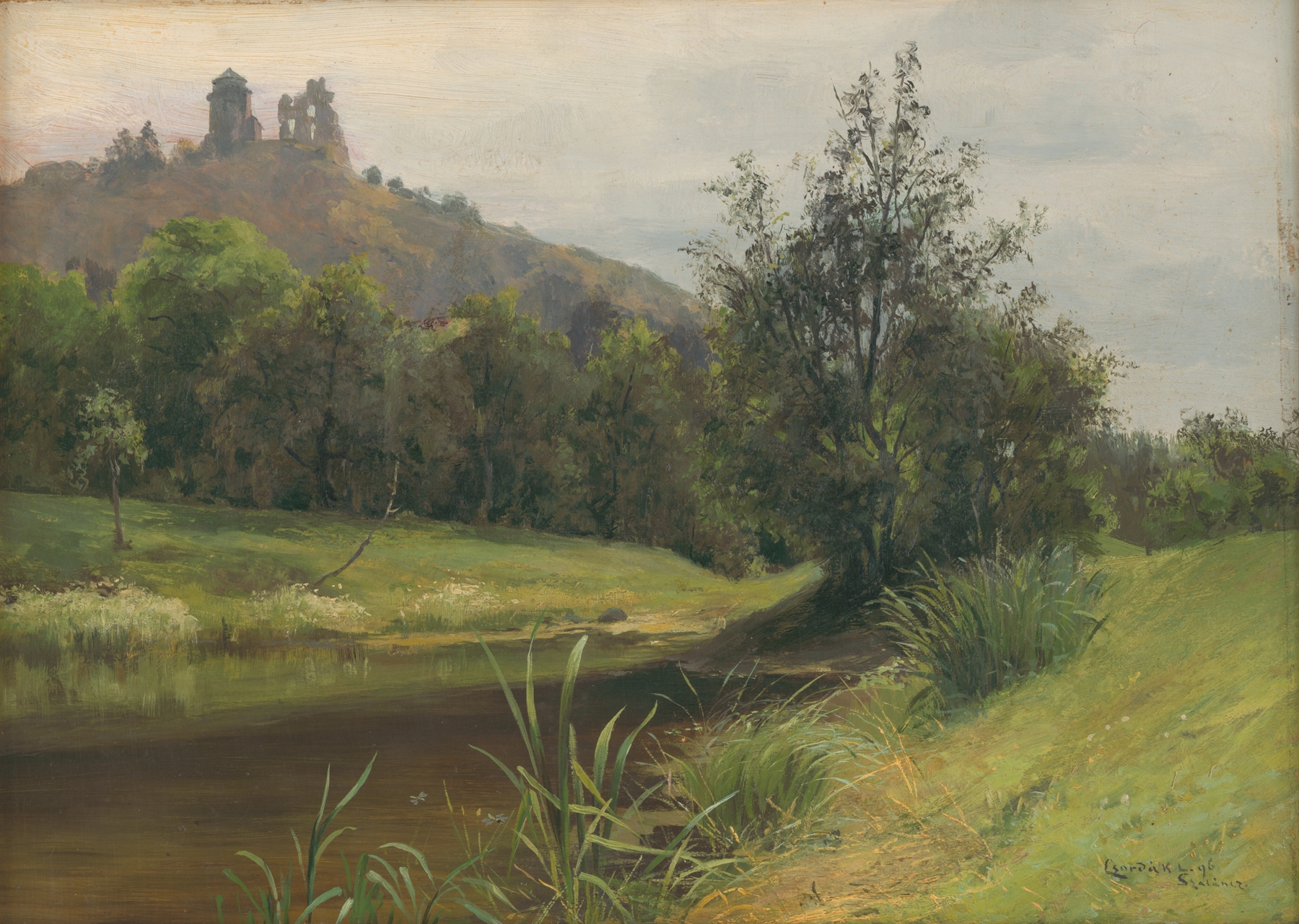
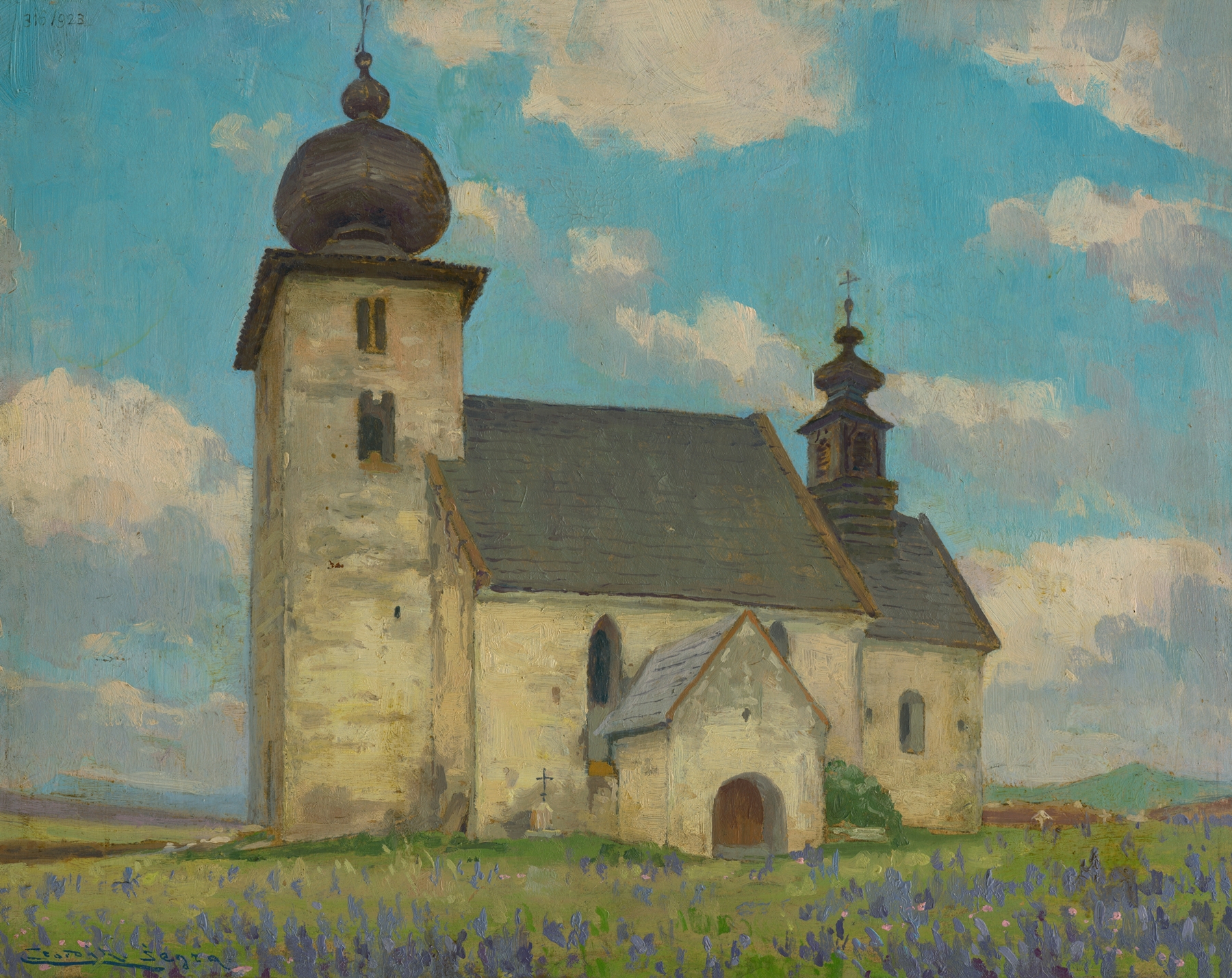
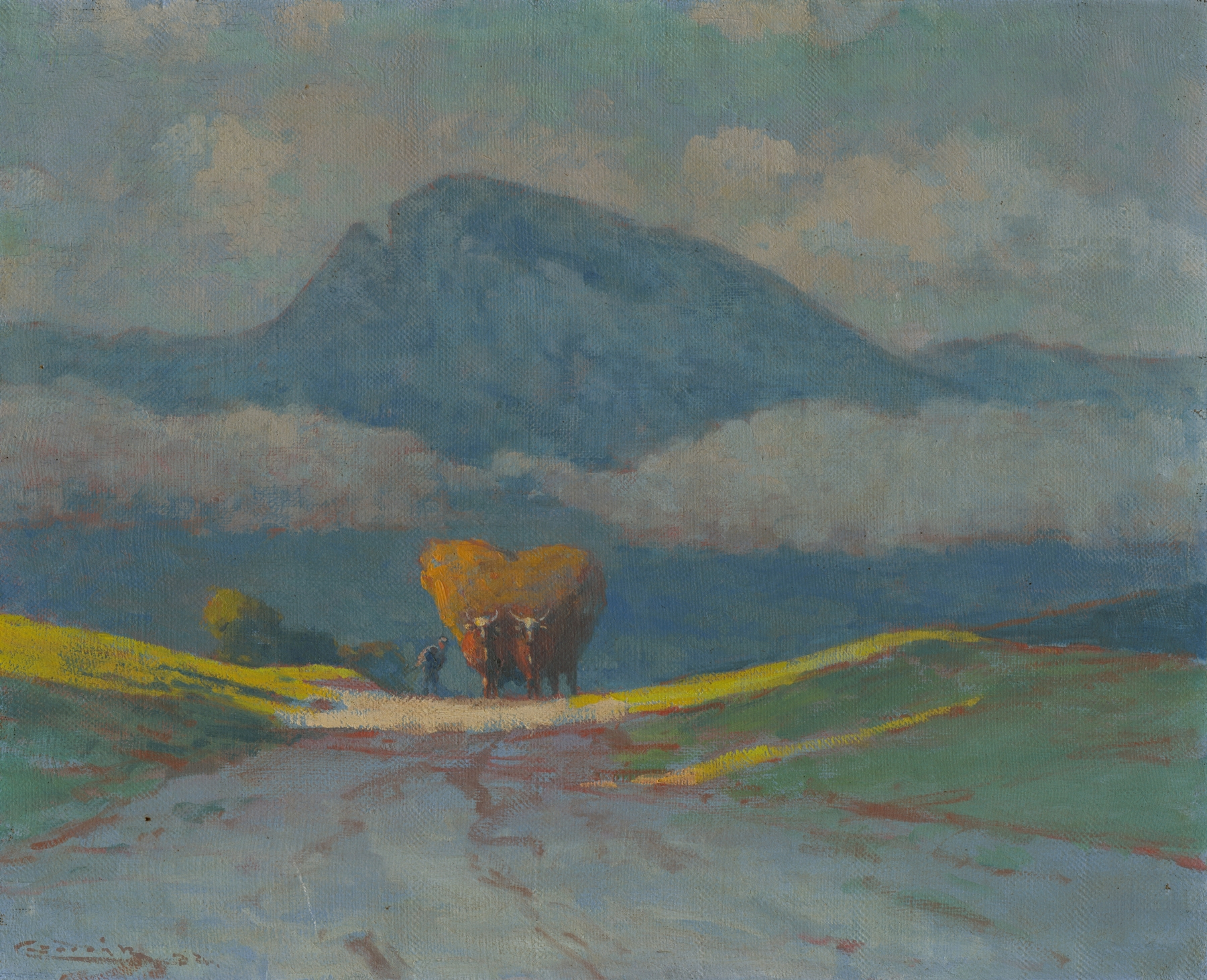
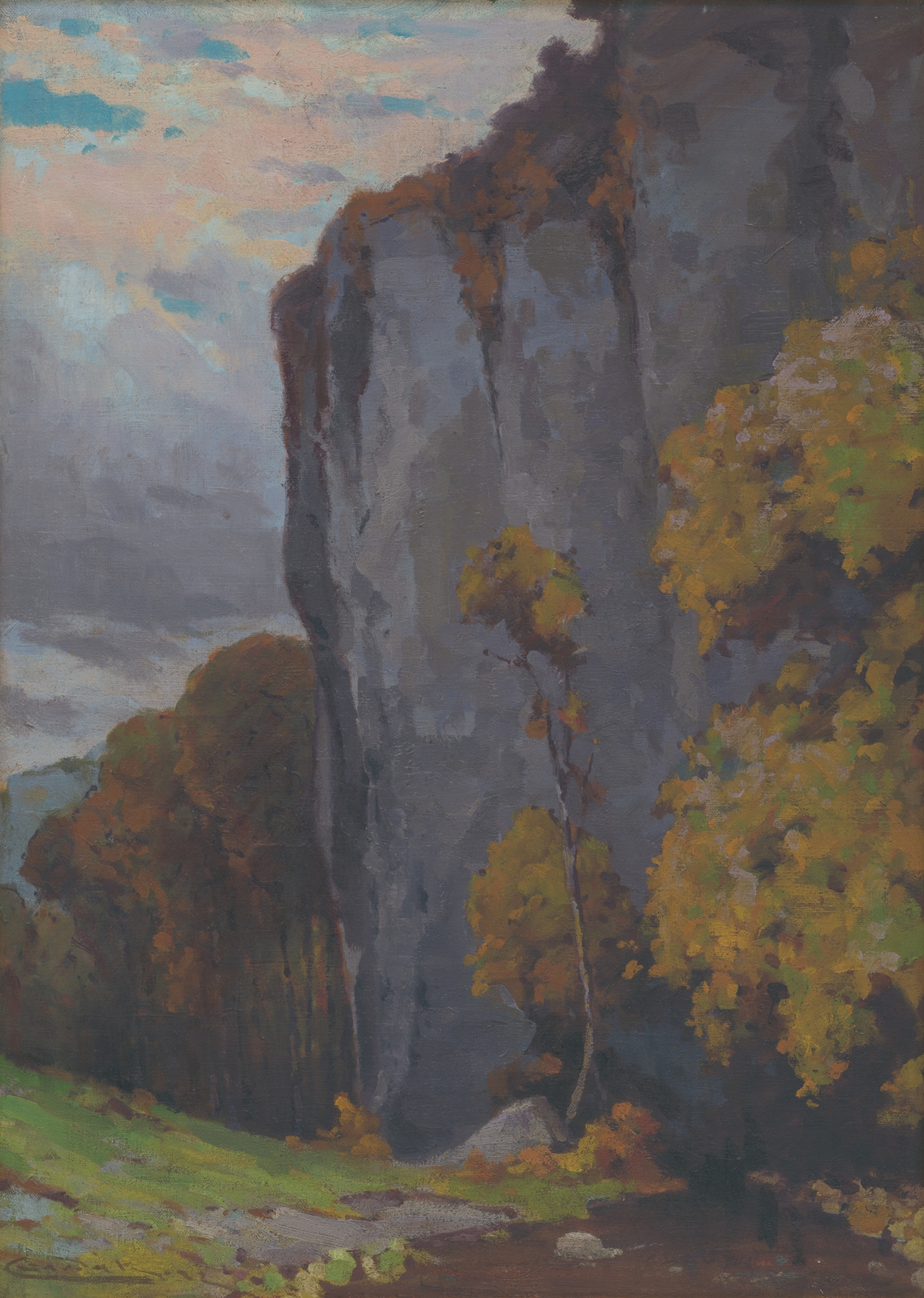
What if beauty was never meant to be finished? In Ľudovít Čordák's Zádiel, desire transcends the confines of form, inviting the viewer into a realm where nature breathes, flows, and yearns. Look to the expansive canvas that stretches before you, where sweeping hills bathed in a gentle golden hue command immediate attention. The vibrant greens of the treetops contrast with the rich browns of the earth, leading your gaze towards a horizon that seems to promise more than it reveals.
Notice how the light dances across the landscape, creating a sense of movement and life that invites exploration — each brushstroke conveys not just color, but emotion, echoing the artist’s deep connection to the scenery. Within this tranquil vista lies an undercurrent of longing; the undulating forms of the hills appear to whisper secrets of nature’s beauty and transience. The interplay of light and shadow hints at something deeper, a dialogue between solitude and the overwhelming pull of the surrounding wilderness. It speaks to a universal desire for connection — to the land, to each other, and perhaps to the very essence of existence itself, left tantalizingly incomplete.
In 1932, Čordák created Zádiel while residing in his native Slovakia, a period marked by burgeoning artistic exploration amid political turmoil in Europe. This time was critical for him as he sought to express the unique beauty of his homeland through landscape painting. Balancing personal vision with broader artistic movements, he crafted a work that speaks not only to the eye but to the soul, inviting reflection on the transient nature of beauty.