Mountain Meadow — History & Analysis
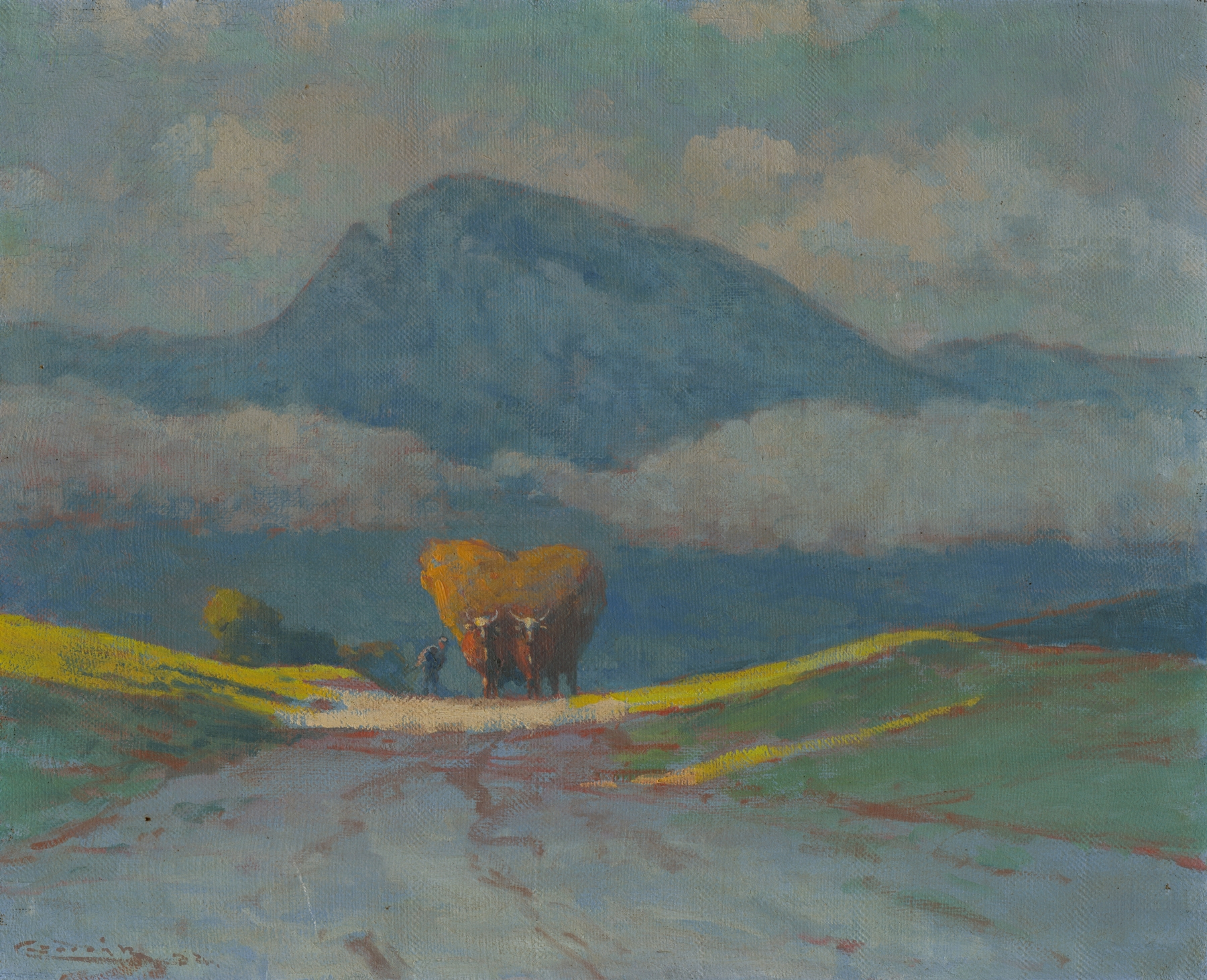
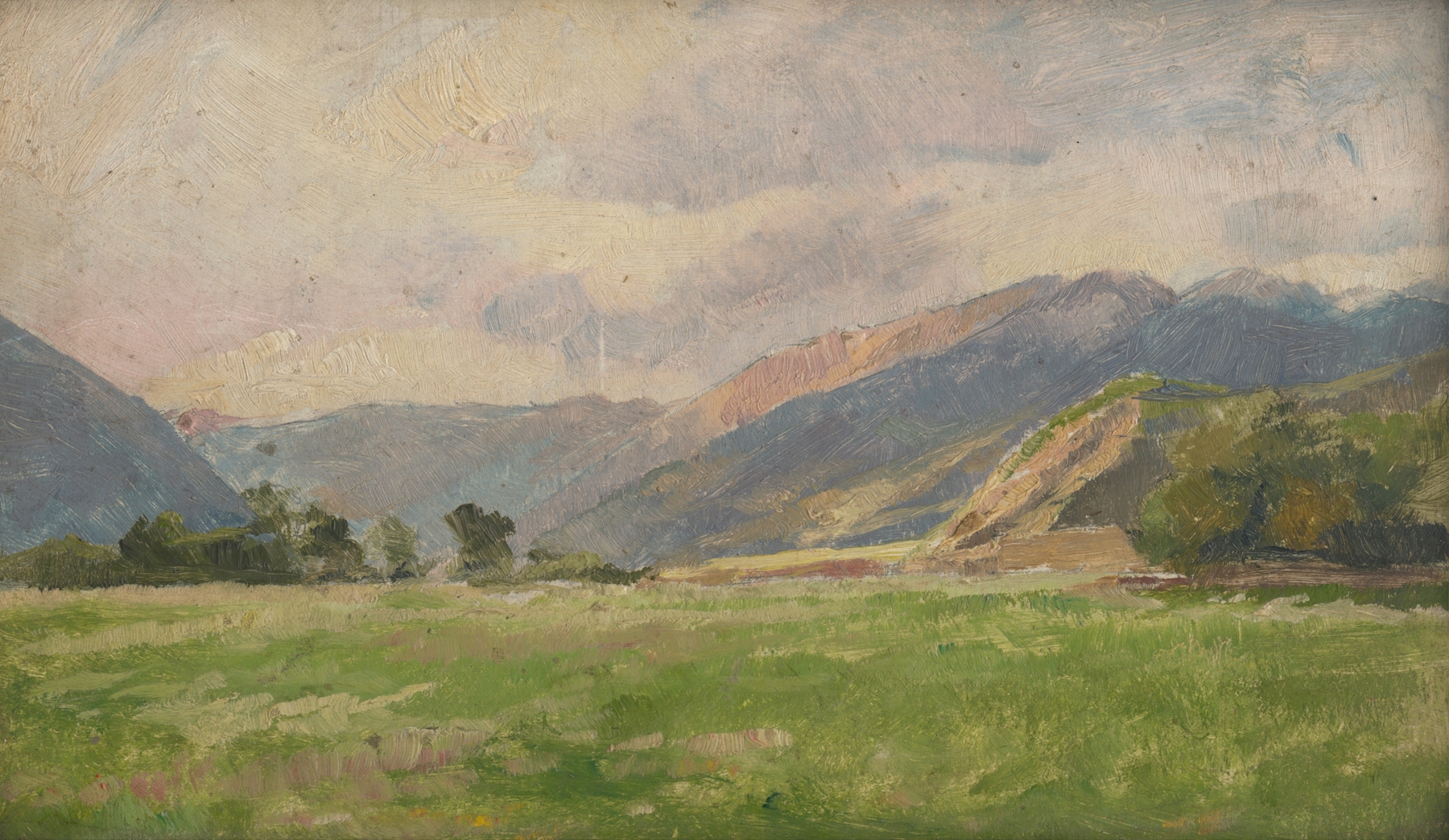
Can paint confess what words never could? In a world brimming with noise and complexity, the innocence captured in this piece beckons us to pause and reflect. Look to the center of the canvas where soft greens and warm yellows merge in a gentle embrace, creating the essence of a mountain meadow. Notice how the artist delicately renders the wildflowers, each petal alive with color, inviting the viewer’s eye to linger. The interplay of light across the landscape is masterful, with sunlight filtering through the clouds, casting a serene glow that envelops the scene.
Every brushstroke feels like a whisper of nature, coaxing you deeper into this tranquil haven. Innocence pervades the work, evident not only in the idyllic scenery but also in the unblemished juxtaposition of nature and the human experience. The soft contours of the hills suggest a nurturing presence, while the vibrant blooms evoke fleeting moments of joy. The viewer may sense a quiet longing; a reminder of simpler times when innocence was not yet overshadowed by the complexities of life.
Here, the painting reveals its layered depths, asking us to consider what has been lost alongside the passage of time. During the years between 1900 and 1930, Ľudovít Čordák painted this work amidst a backdrop of significant change in Central Europe. As the art world began to embrace modernism, he remained rooted in a more traditional approach, reflecting the beauty of unspoiled landscapes. This period of his life was marked by a search for identity in an evolving artistic landscape, making Mountain Meadow not just a representation of nature, but also a poignant expression of his own journey.