A small town in Spiš — History & Analysis
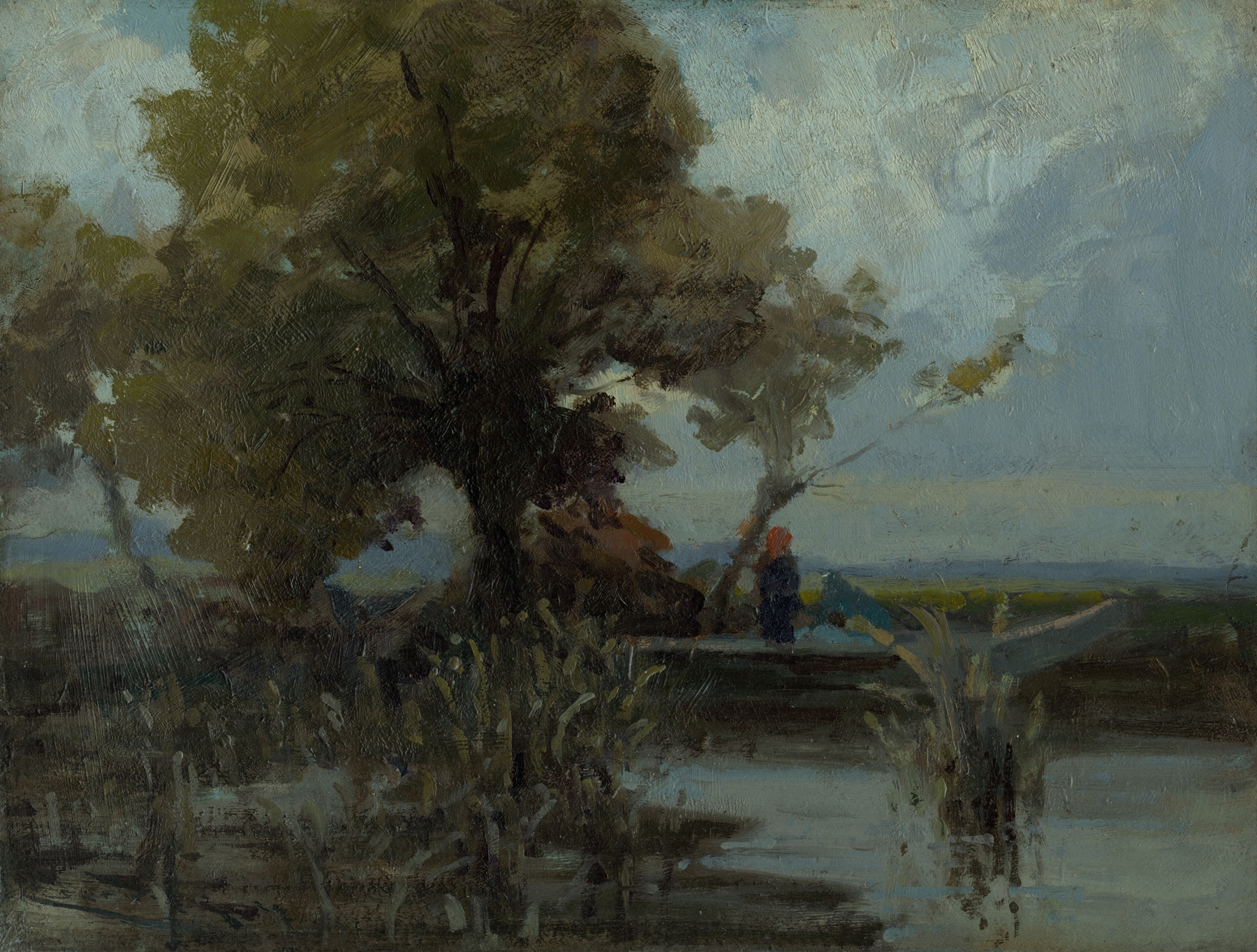
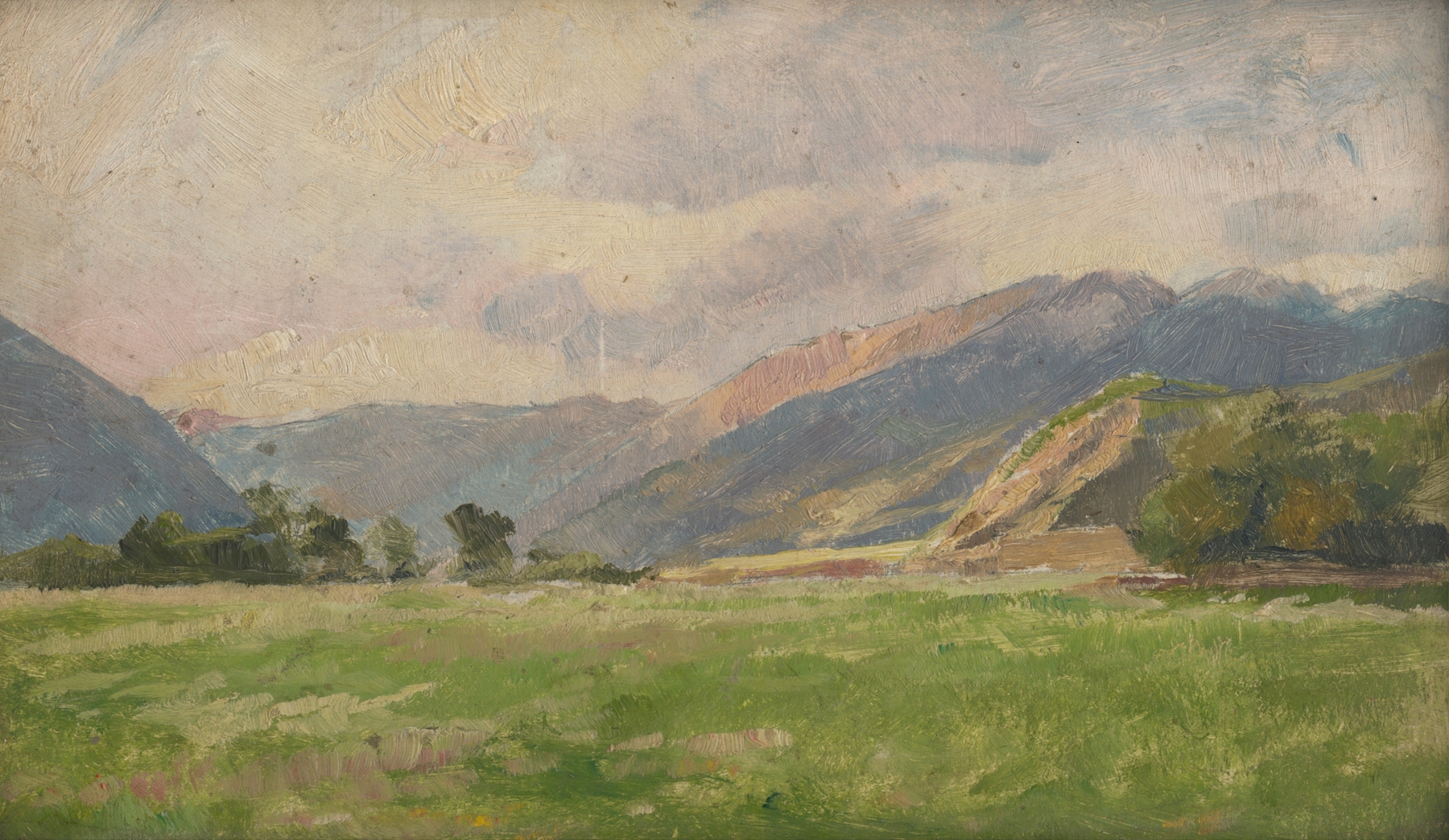
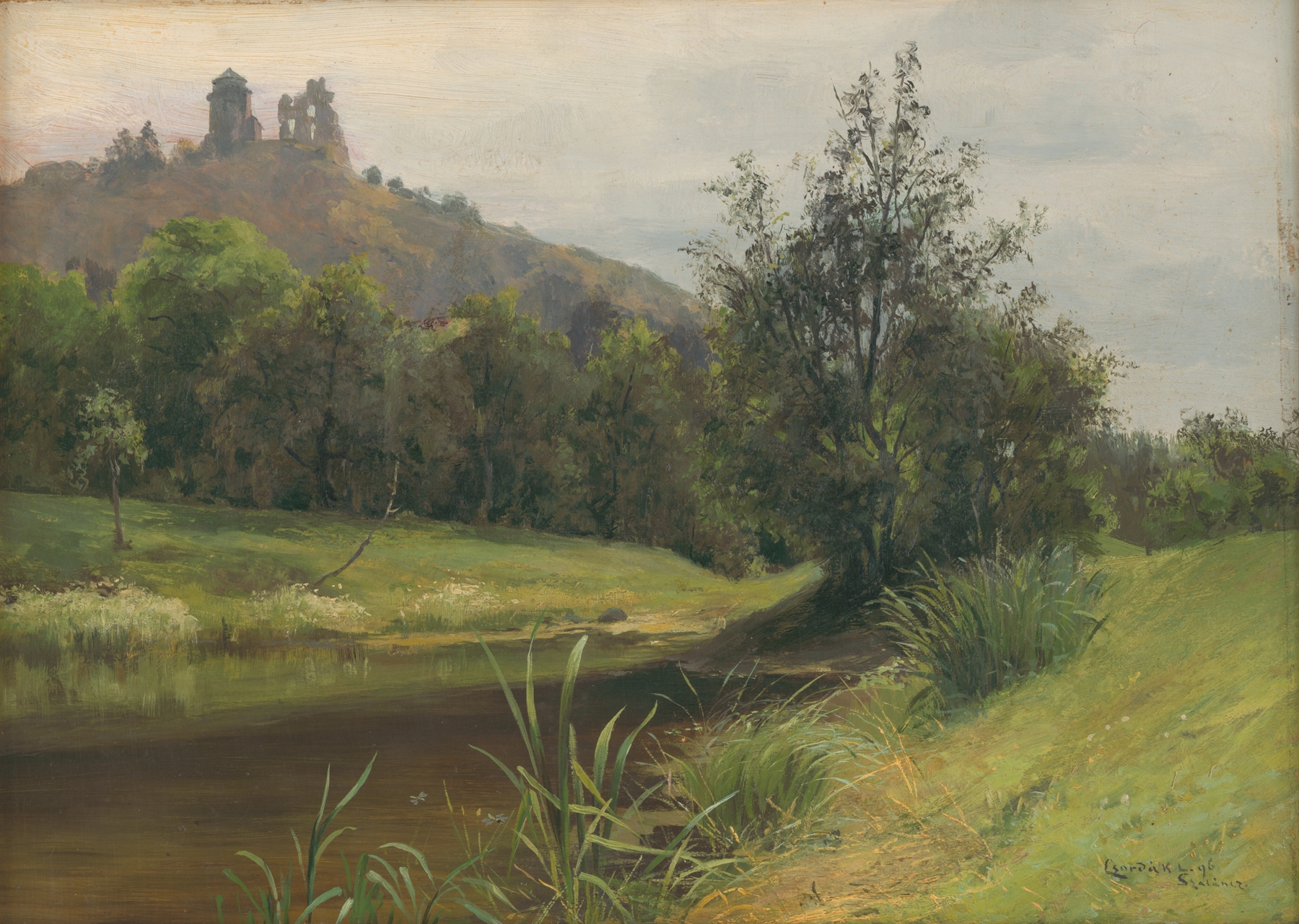
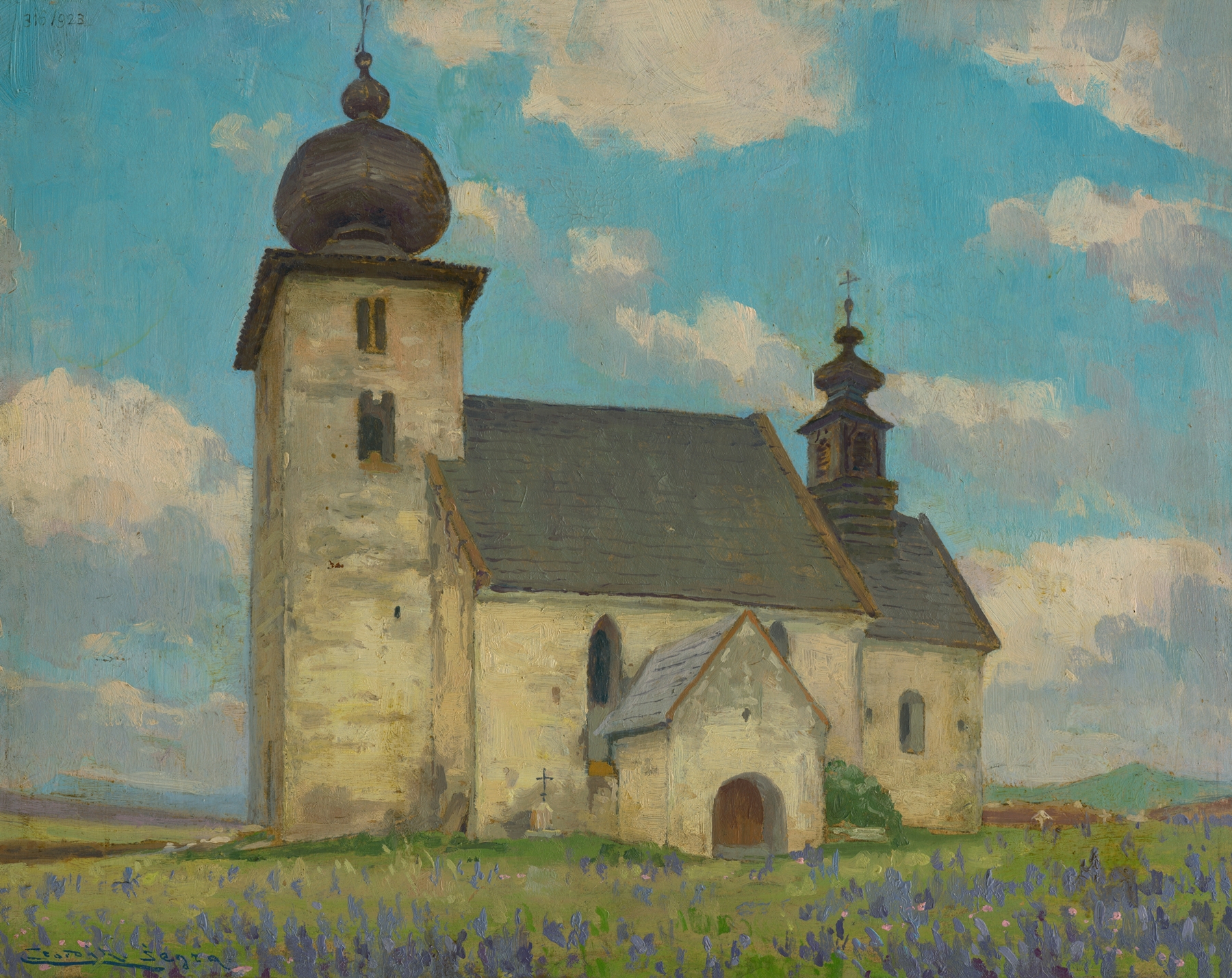
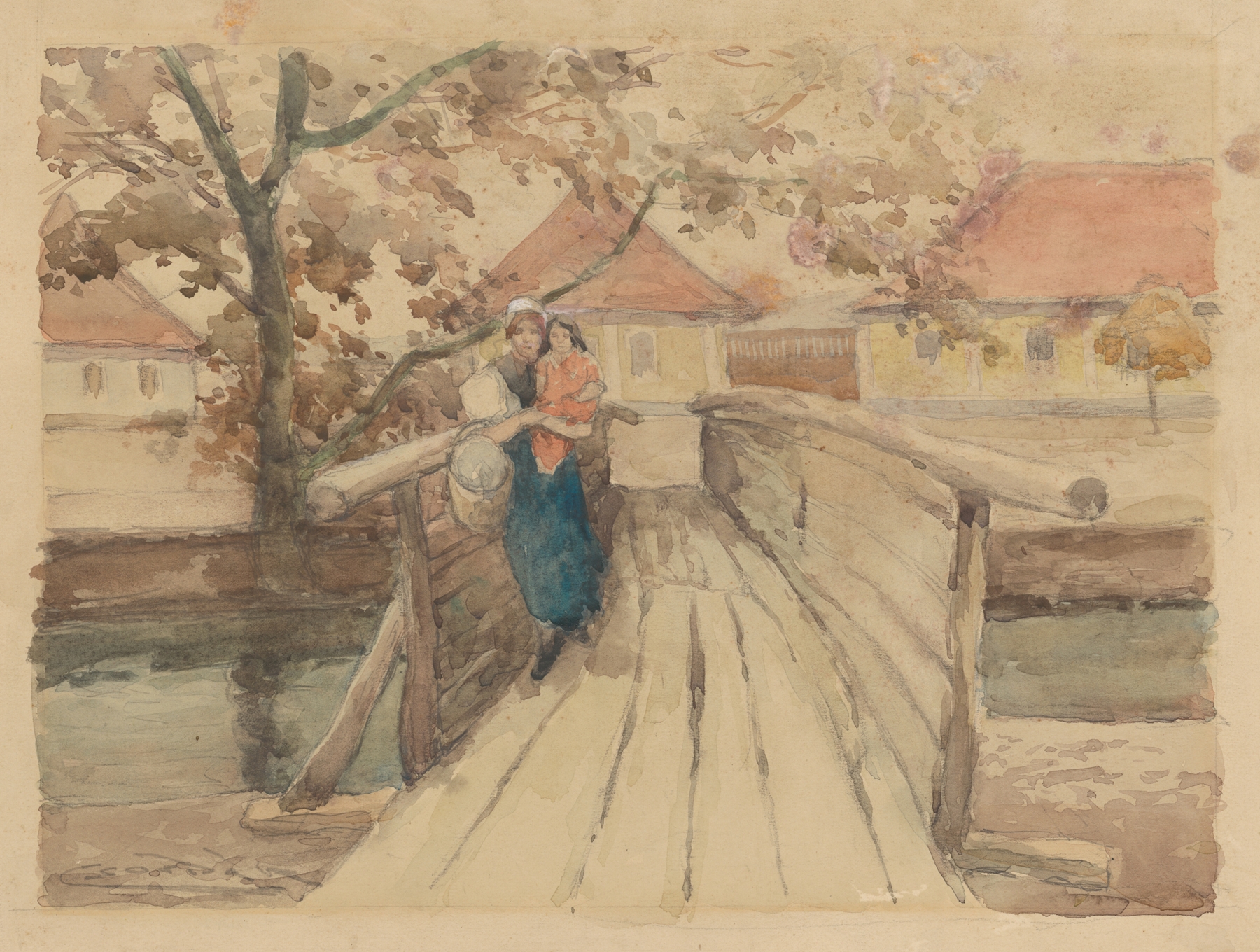
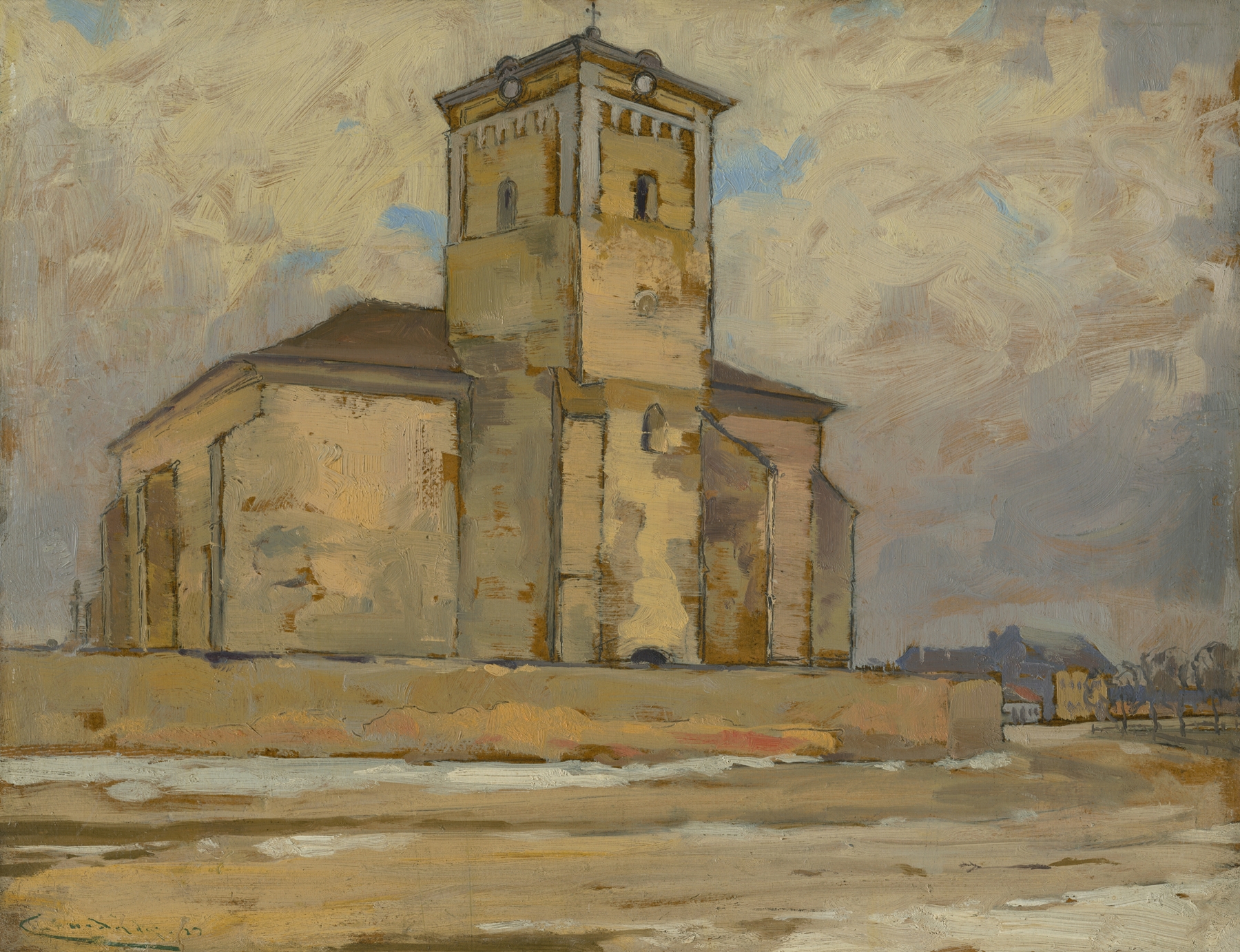
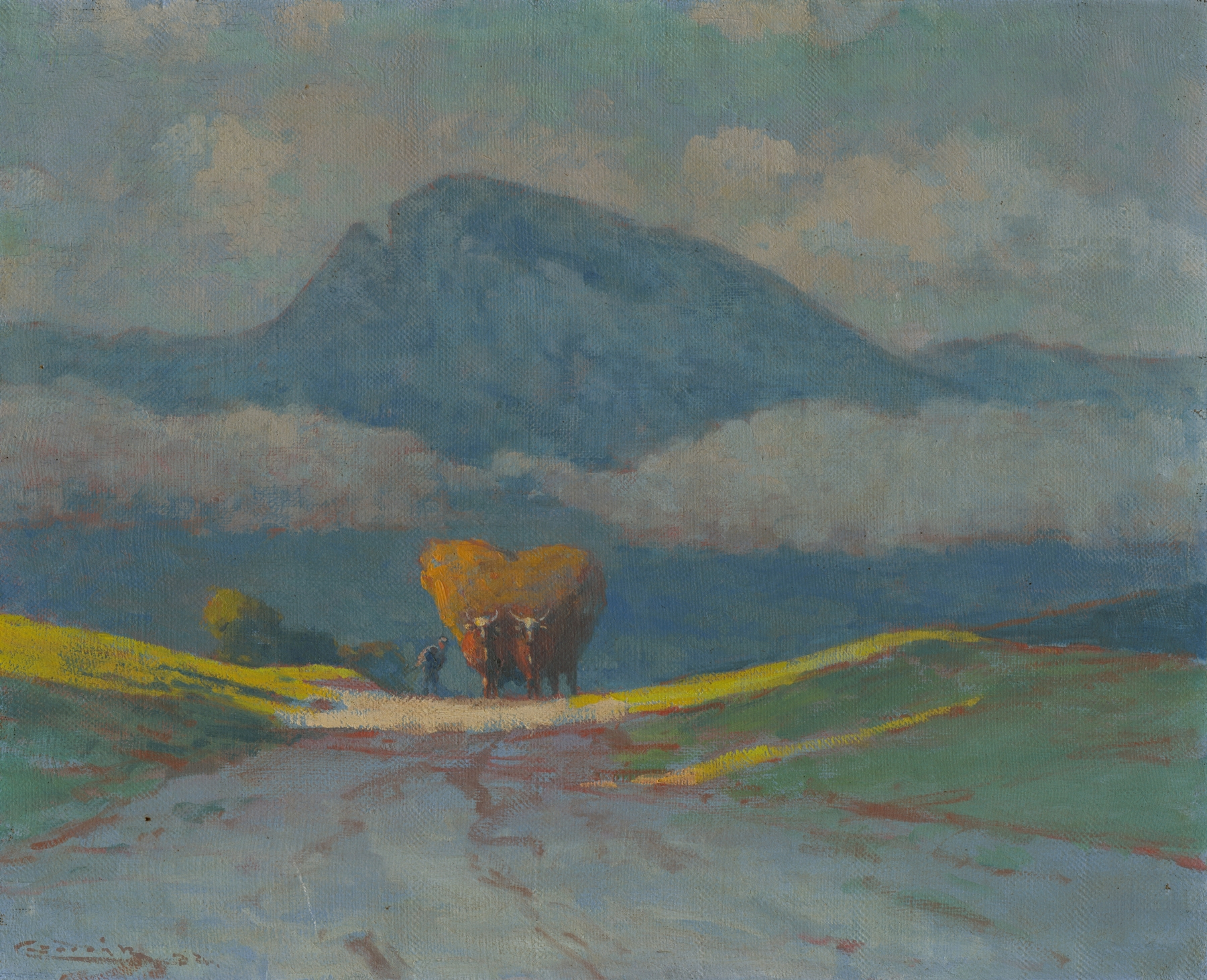
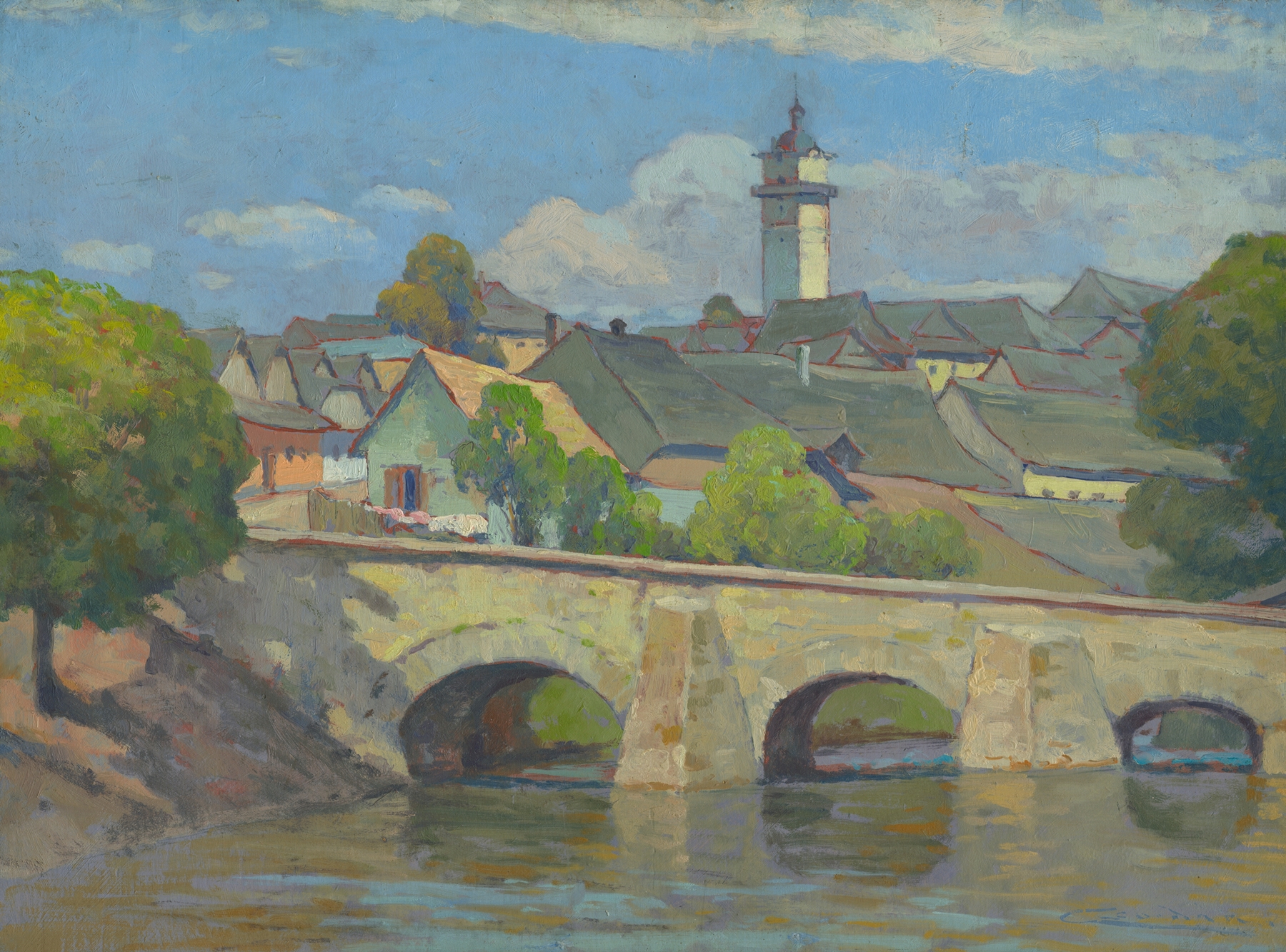
Is this a mirror — or a memory? The canvas invites you to explore a tranquil moment, where time seems to blend into the gentle sway of the landscape and the whispers of a small town. Look to the left at the inviting glow of warm hues cascading over quaint rooftops, layered in earthy reds and soft browns. The delicate interplay of light and shadow breathes life into the scene, highlighting the rising hills that cradle the town.
Notice how the artist employs soft brushstrokes, creating a sense of movement, as if the breeze might sweep through the fields at any moment, leaving behind an echo of the past. Beneath this serene surface lies a deeper narrative. The juxtaposition of vibrant greenery against muted architecture suggests a harmony between nature and human dwelling, evoking a longing for connection with one's roots. Subtle details, like the winding path leading to the horizon, hint at journeys taken and stories untold, instilling a poignant sense of nostalgia.
The painting captures both stillness and the invisible pulse of life, allowing viewers to question their own memories within this landscape. In the early 1920s, during his time in Slovakia, Čordák sought to encapsulate the essence of rural life, reflecting the social changes that followed World War I. Focused on national identity, he painted A small town in Spiš as a homage to the simplicity and beauty of local landscapes. This period marked a significant shift in Slovak art, as artists began to embrace their cultural heritage amidst the complexities of modernity.