Church in Moldova — History & Analysis
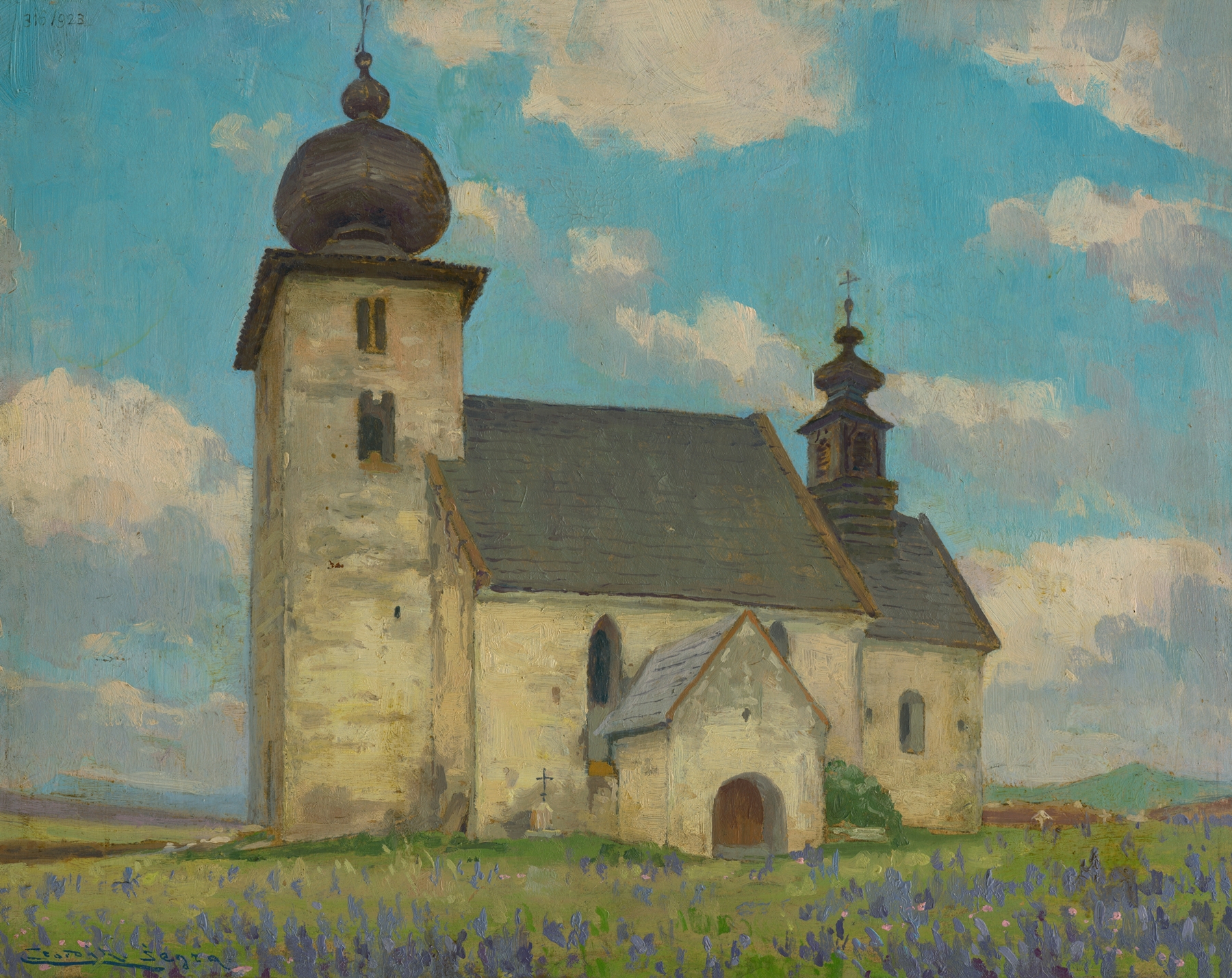
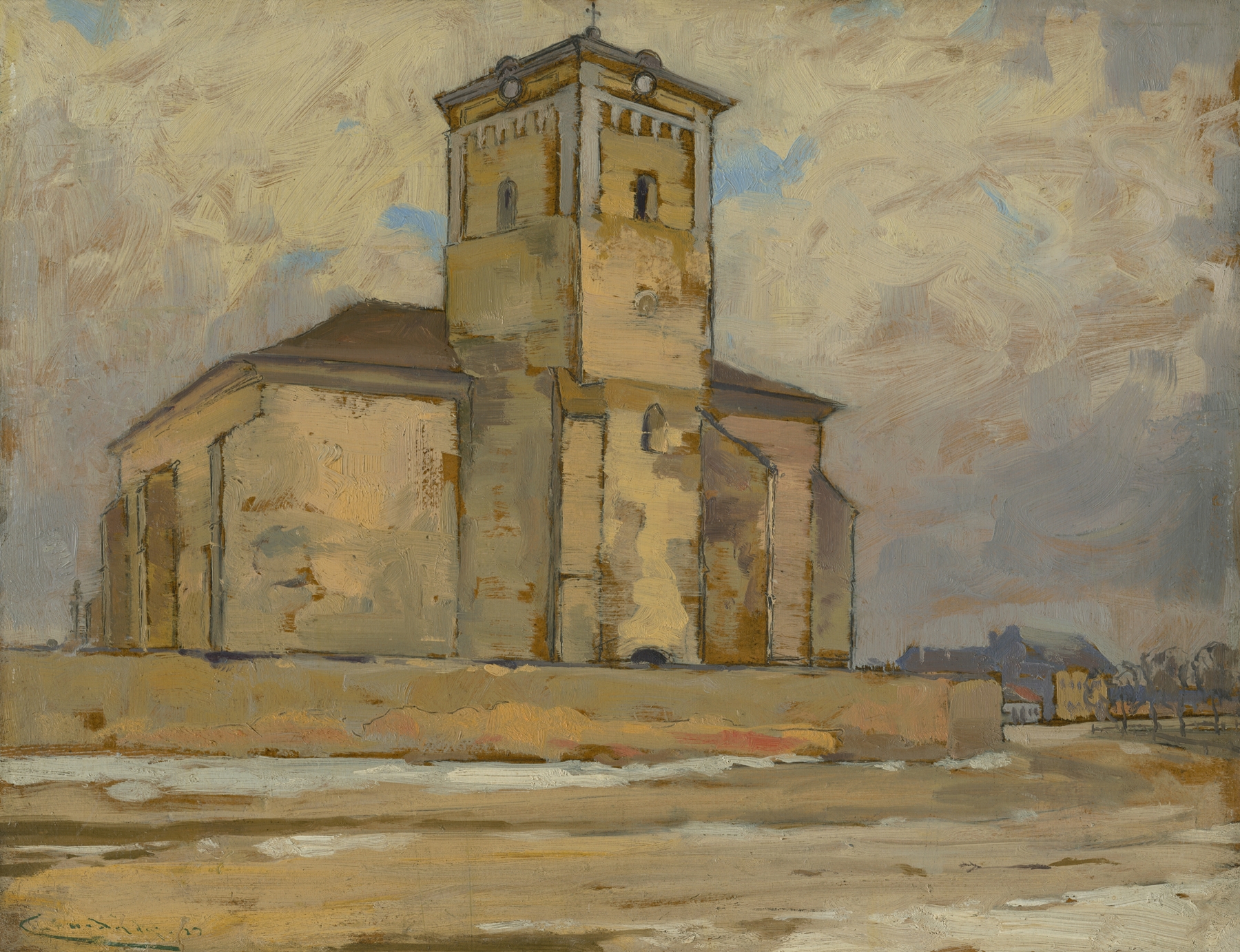
What secret hides in the quiet of the canvas? In Church in Moldova, a haunting stillness envelops the scene, inviting viewers to explore a world filled with yearning and solitude. Focus on the soft, muted colors that wash over the canvas, especially the gentle yellows and deep blues that evoke an ethereal quality. Look closely at the church's steeple, rising elegantly against the sky, crowned by a golden orb that captures the light, drawing the eye upward.
The rolling hills cradle the structure, their contours lending a sense of serenity, yet the texture of the brushstrokes reveals a touch of turmoil beneath the surface, hinting at stories untold. This artwork resonates with emotional depth, contrasting the solidness of the church with the fluidity of the landscape. The stillness of the building stands in stark opposition to the whispers of the wind that seem to echo through the hills, suggesting an unfulfilled longing for connection. Each element in the painting, from the delicate foliage to the expansive sky, reflects a deeper desire for solace and belonging, inviting the viewer into a contemplative state.
In 1923, Ľudovít Čordák created this piece during a pivotal time in Eastern Europe, marked by shifting political landscapes and a quest for cultural identity. While deeply rooted in his Slovak heritage, the artist sought to explore the broader essence of spirituality and community within the tumult of the post-World War I era. The simplicity of this church stands as a testament to hope amid uncertainty, capturing a moment of introspection that resonates throughout history.