York Harbor, Coast of Maine — History & Analysis
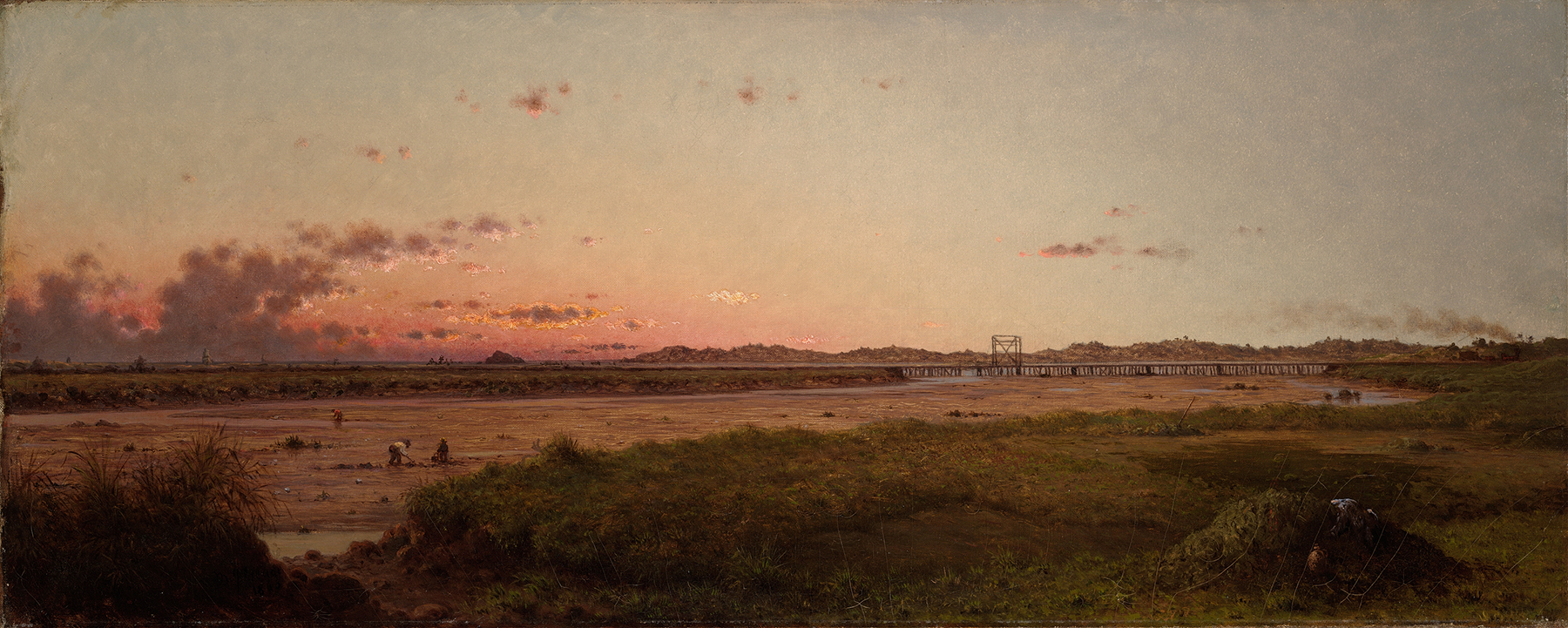
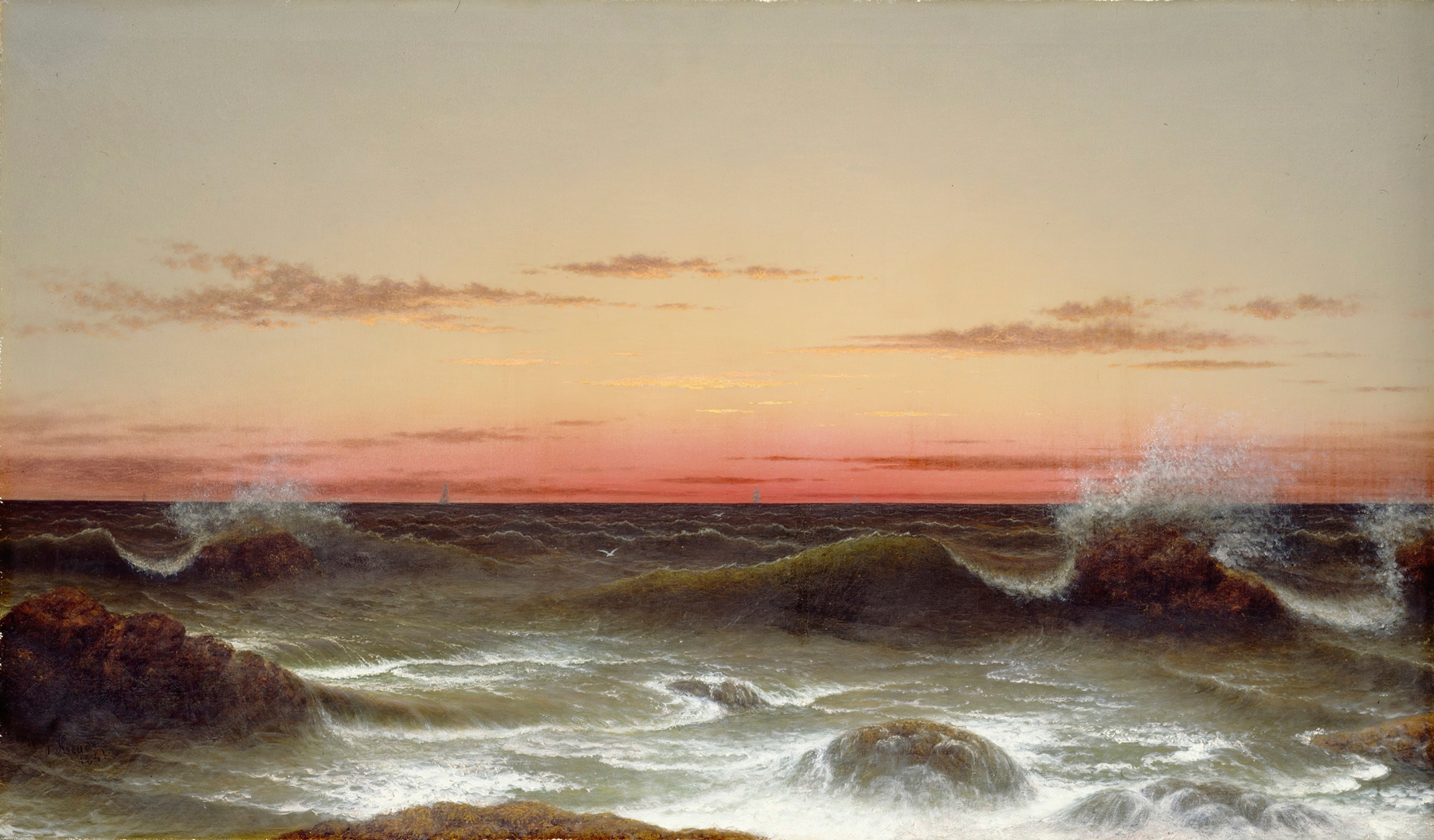
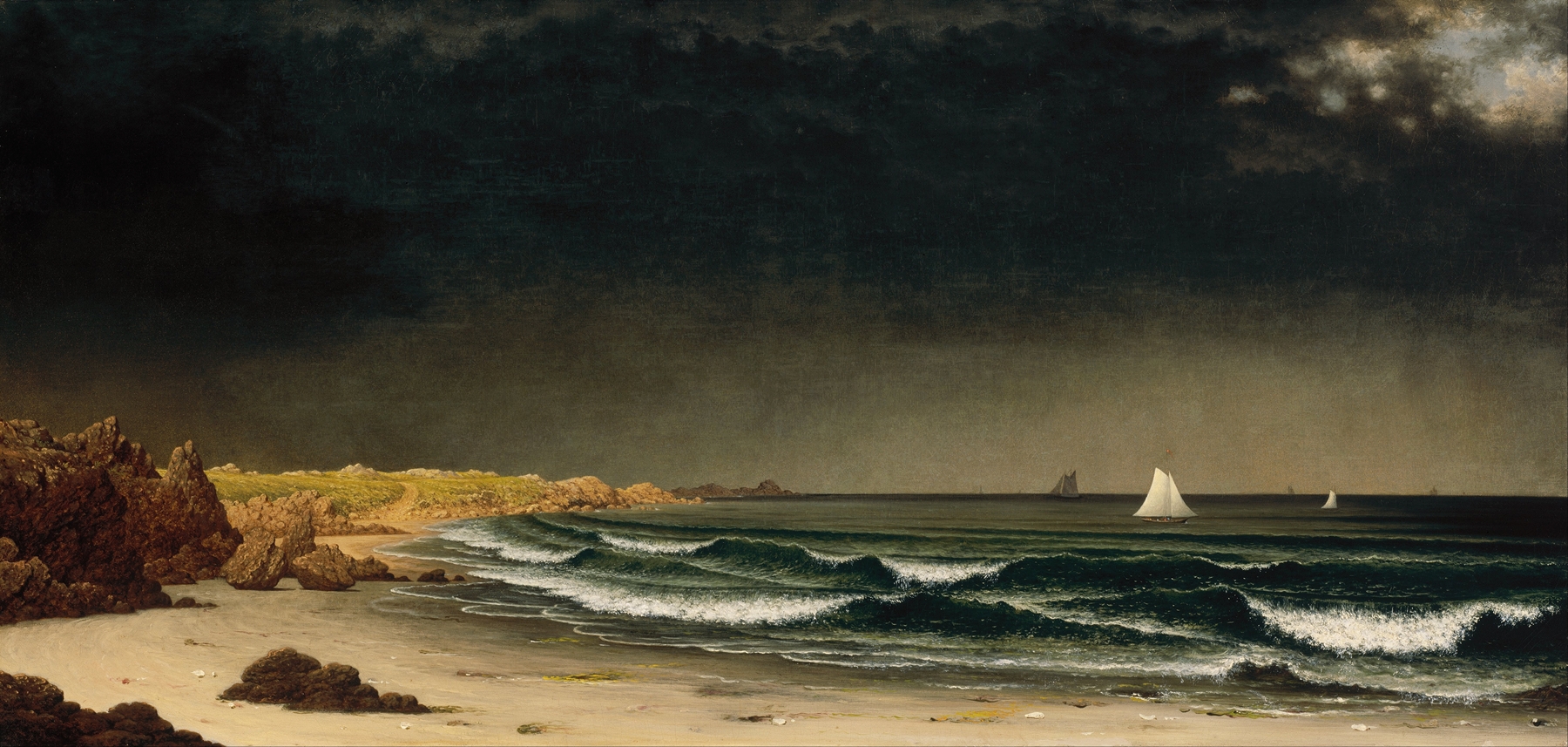
“To paint is to remember what time wants us to forget.” In York Harbor, Coast of Maine, Martin Johnson Heade captures the ephemeral balance between nature and memory, inviting us to dwell in a stillness that defies the passing of time. Look closely at the horizon, where the soft blush of dawn kisses the water. The gentle ripples shimmer with shades of lavender and gold, drawing your gaze outward toward the distant boats, their sails barely stirred by a whispering breeze. Notice how the clouds, like brushstrokes of delicate gray, cradle the burgeoning light, creating a tranquil yet dynamic composition that evokes a sense of possibility.
The interplay of light and shadow in the foreground adds depth, as rocks emerge from the water, grounded yet fleeting. The contrast between the serene waters and the rugged coastline suggests both safety and isolation, a metaphor for human existence intertwined with nature. The distant boats symbolize exploration and adventure, yet they remain anchored in the moment, caught between the desire for discovery and the comfort of familiarity. This painting encapsulates a delicate truth: the transient beauty of life persists even as we yearn to hold onto it.
In 1877, Heade was immersed in the American landscape movement, painting in various locations, including Maine. His work during this period reflected a growing fascination with the natural world, as well as the evolving American identity. Heade’s technique involved capturing atmospheric effects, a hallmark of his practice, influenced by the Romantic ideals that permeated art and culture at the time.