Ypres Remember — History & Analysis
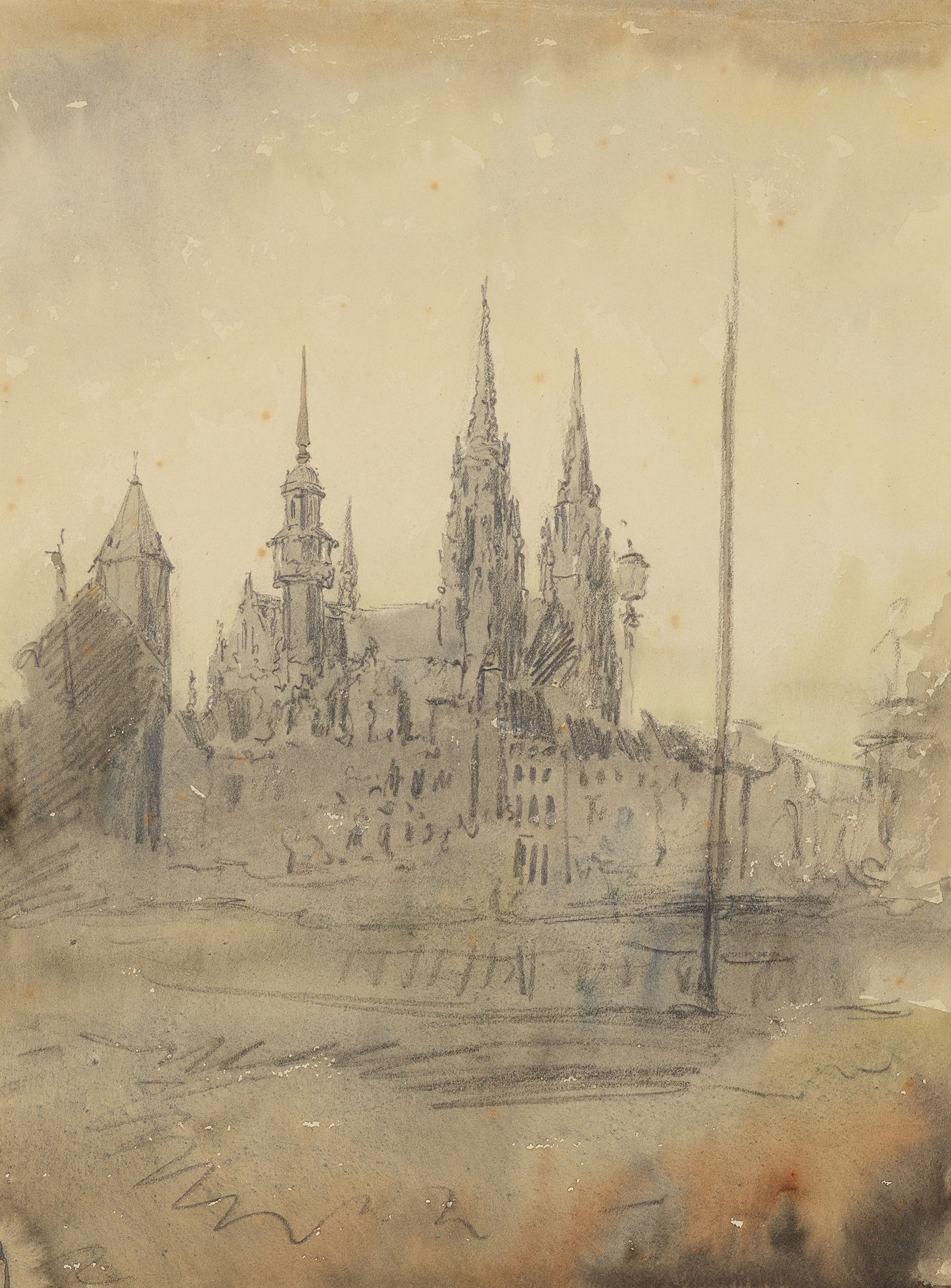
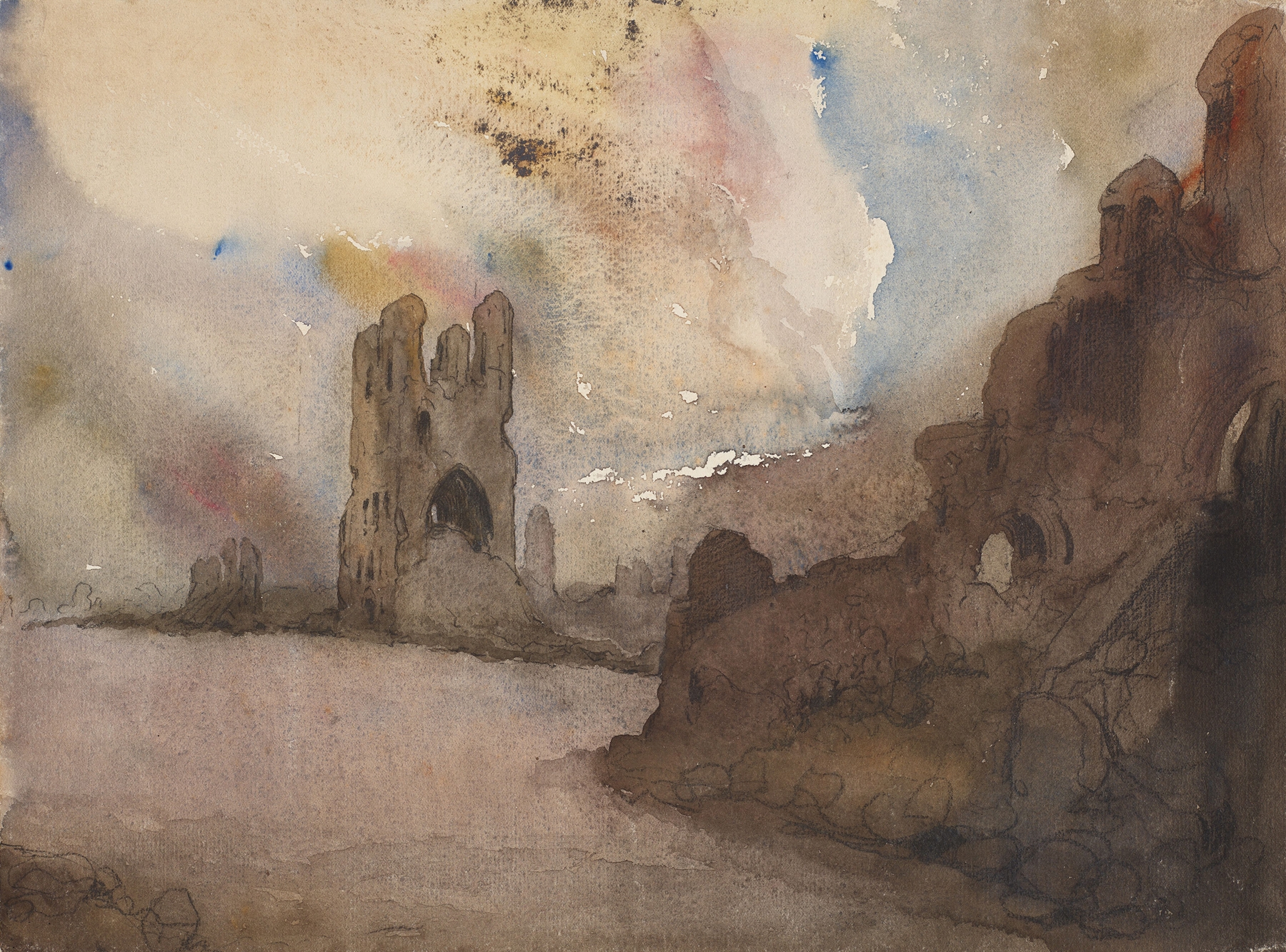
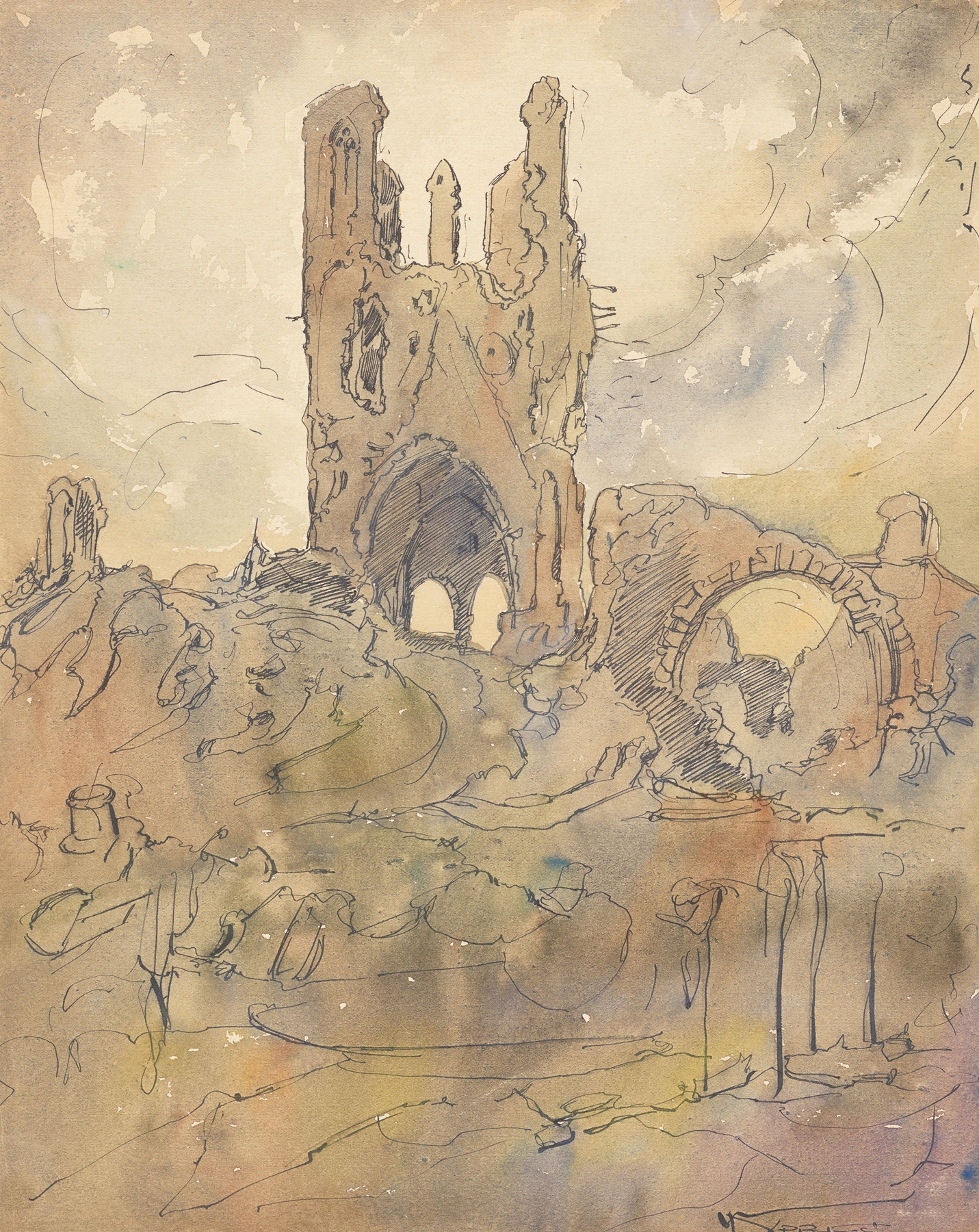
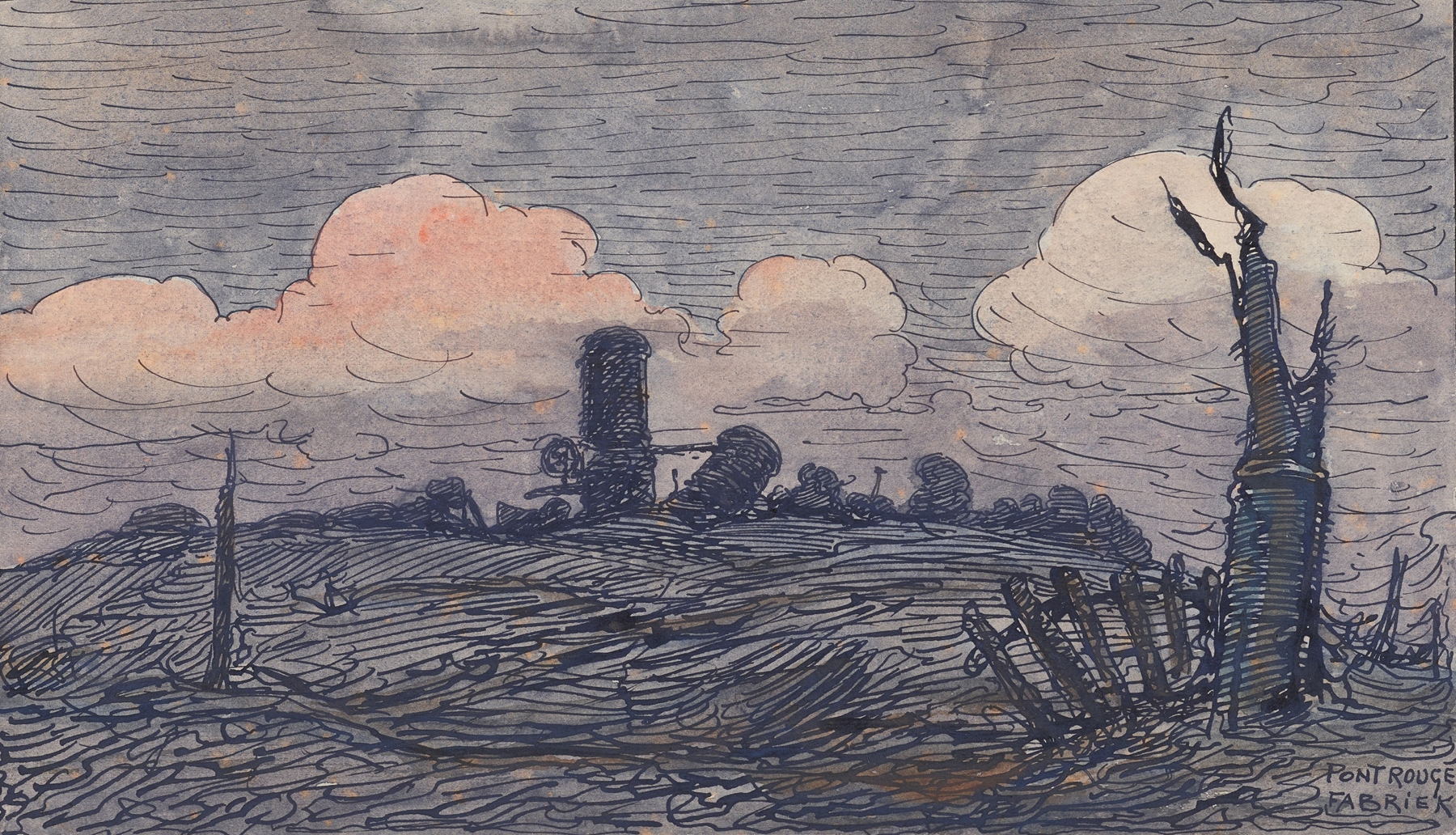
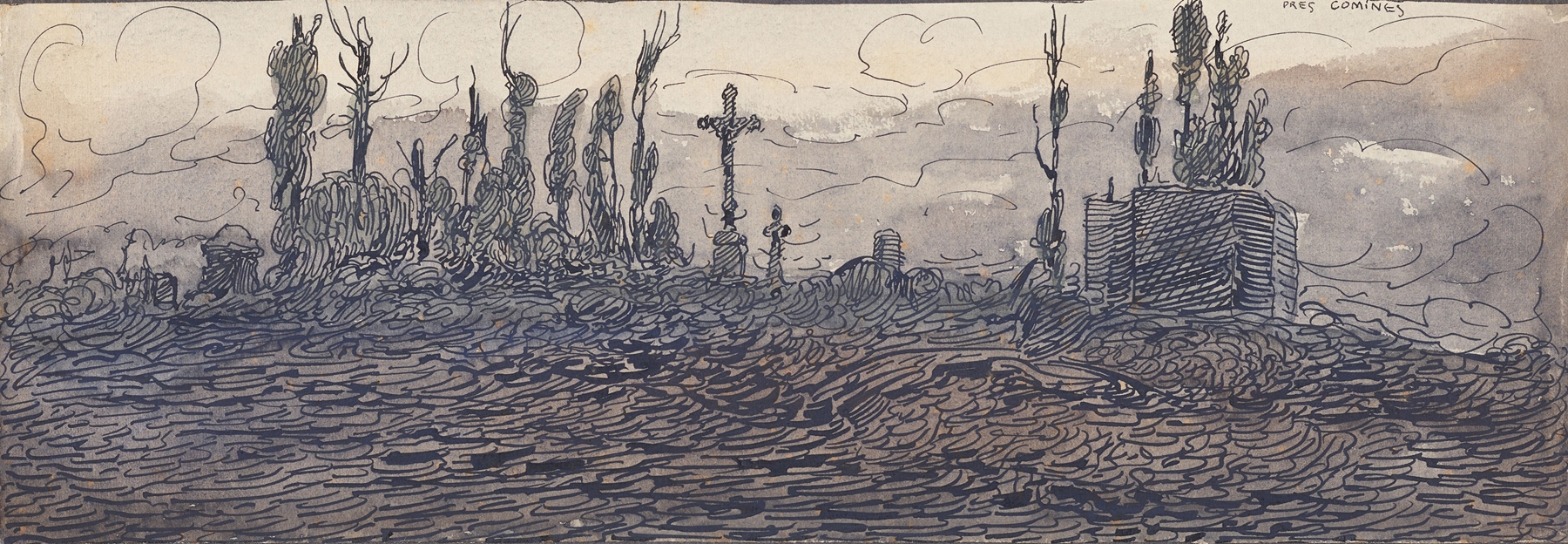
“Art reveals the soul when the world turns away.” In an age marred by conflict and despair, silence becomes a powerful whisper in the presence of enduring sorrow. Look to the center of the canvas where the somber tones of gray and muted earth colors command your attention. The remnants of war—a desolate landscape—stretch toward the horizon, punctuated by the haunting outlines of skeletal trees. Notice how the artist employs a delicate interplay of light and shadow, imbuing the scene with a chilling stillness, as if time itself has paused in reflection of the tragedy that unfolded there.
Yet, within this apparent void lies a profound tension; the absence of human figures speaks volumes. Each brushstroke evokes the weight of memories unspoken—perhaps the echoes of fallen soldiers or the resilience of those left behind. The stark contrast between the barren land and the ethereal light hint at a glimmer of hope. This duality invites contemplation: can silence be a form of remembrance or an indictment of the past?
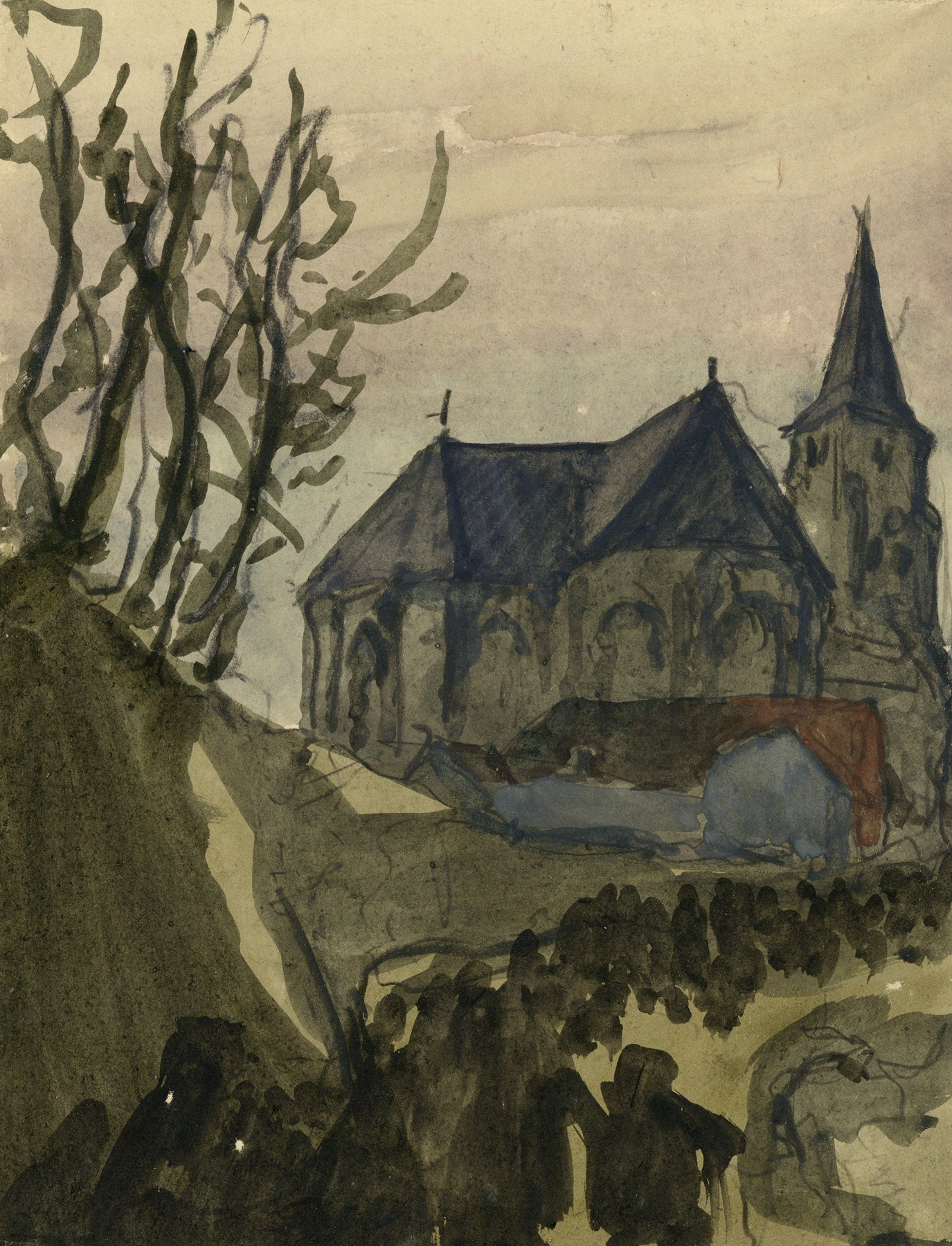
Alfred Ost painted Ypres Remember in 1919, shortly after the end of World War I, during a time when Europe was grappling with the aftermath of devastation. Living in Belgium, he sought to immortalize the scars left by the conflict, symbolizing the collective trauma experienced by a generation. This painting embodies the somber mood of a continent striving to rebuild while wrestling with the ghosts of its history.