Zagori, Greece — History & Analysis
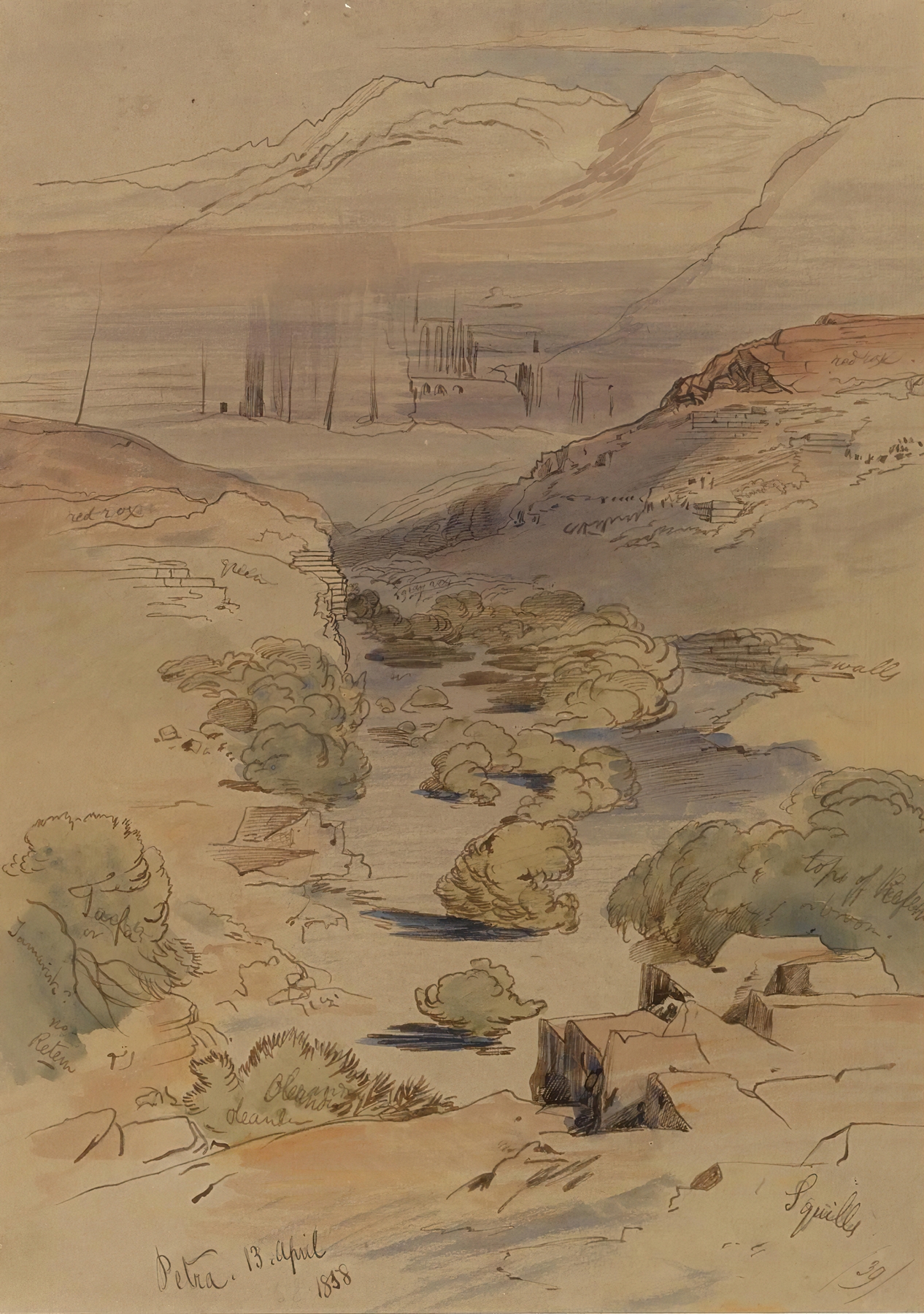
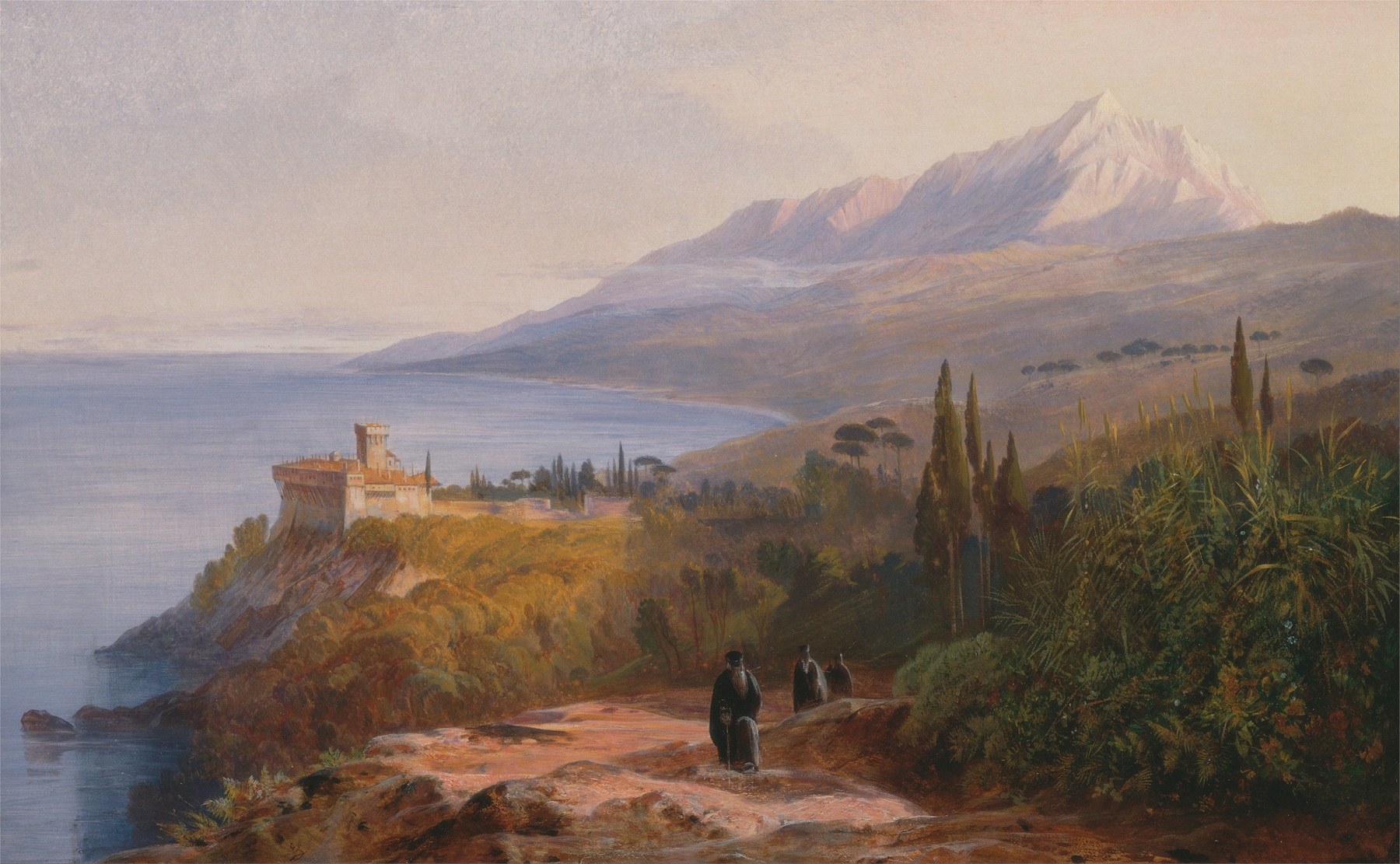
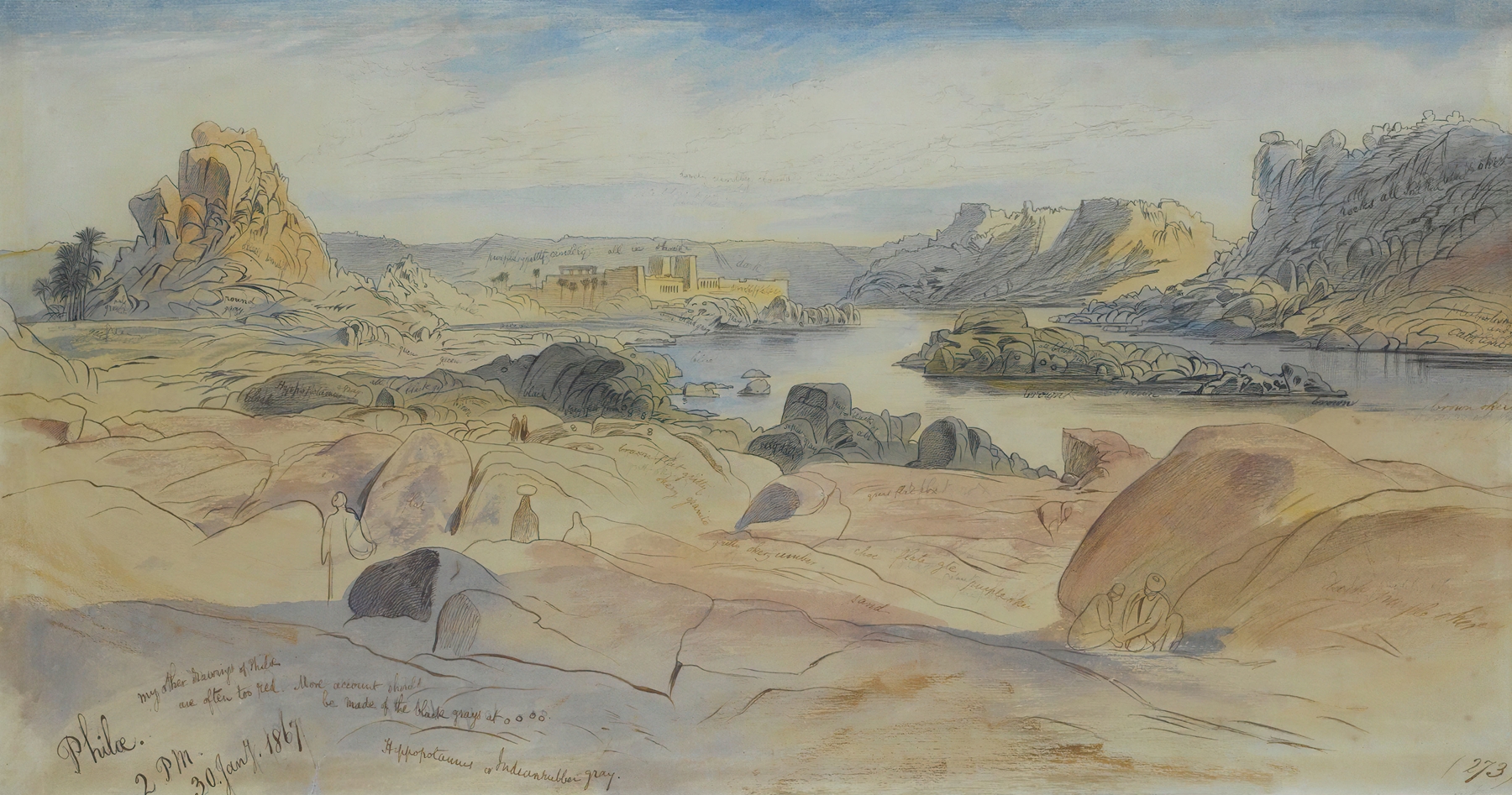
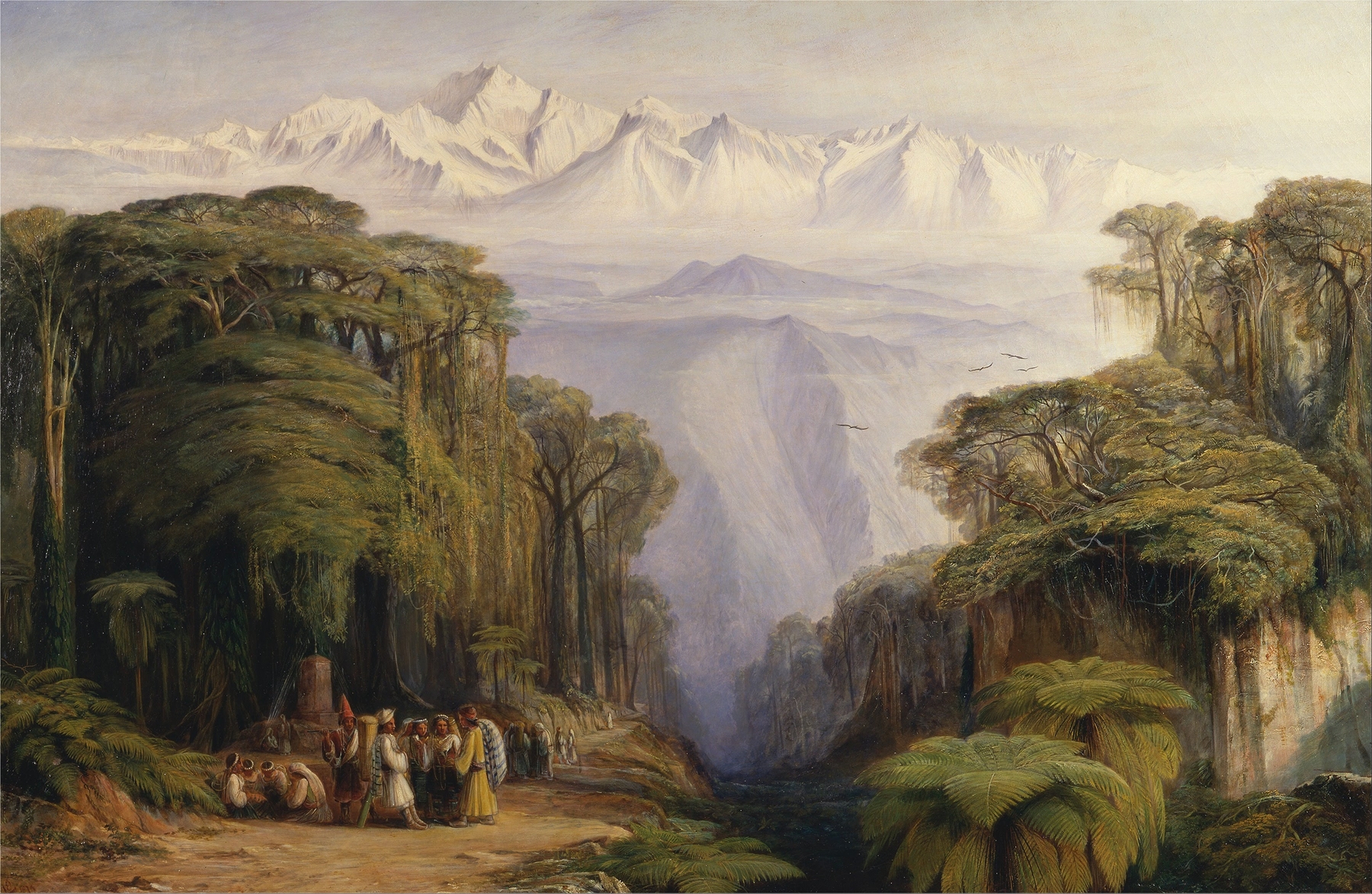
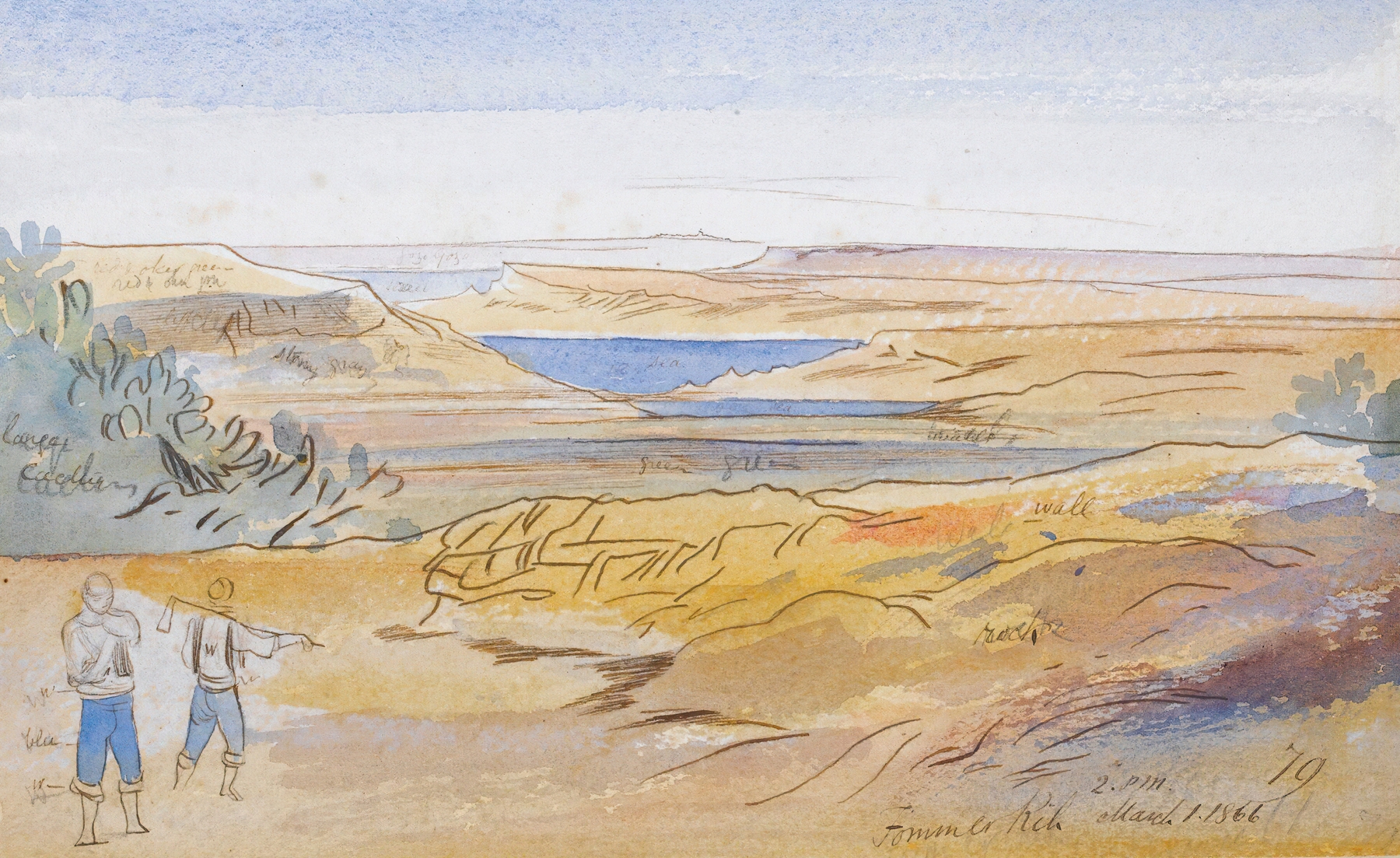
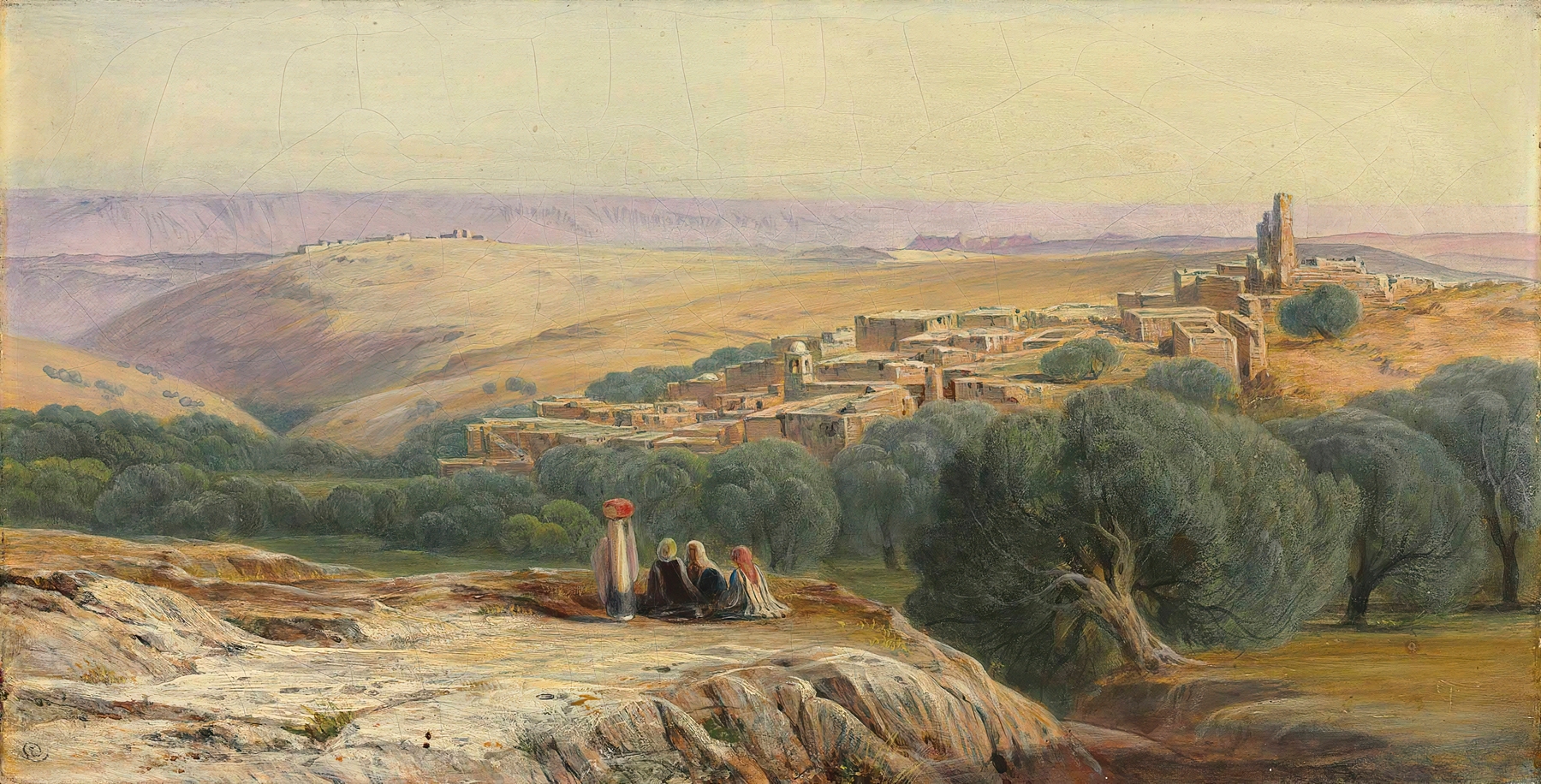
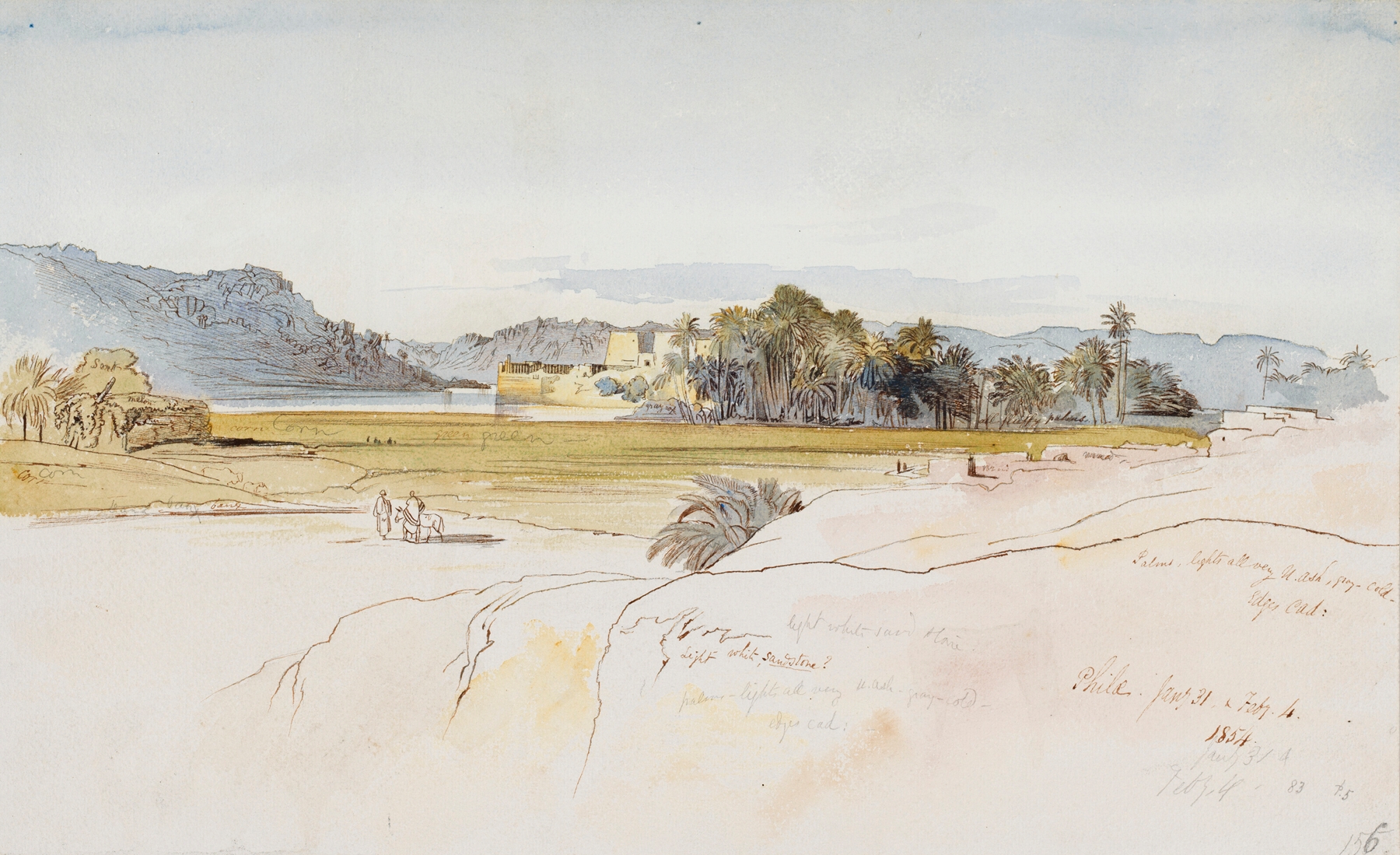
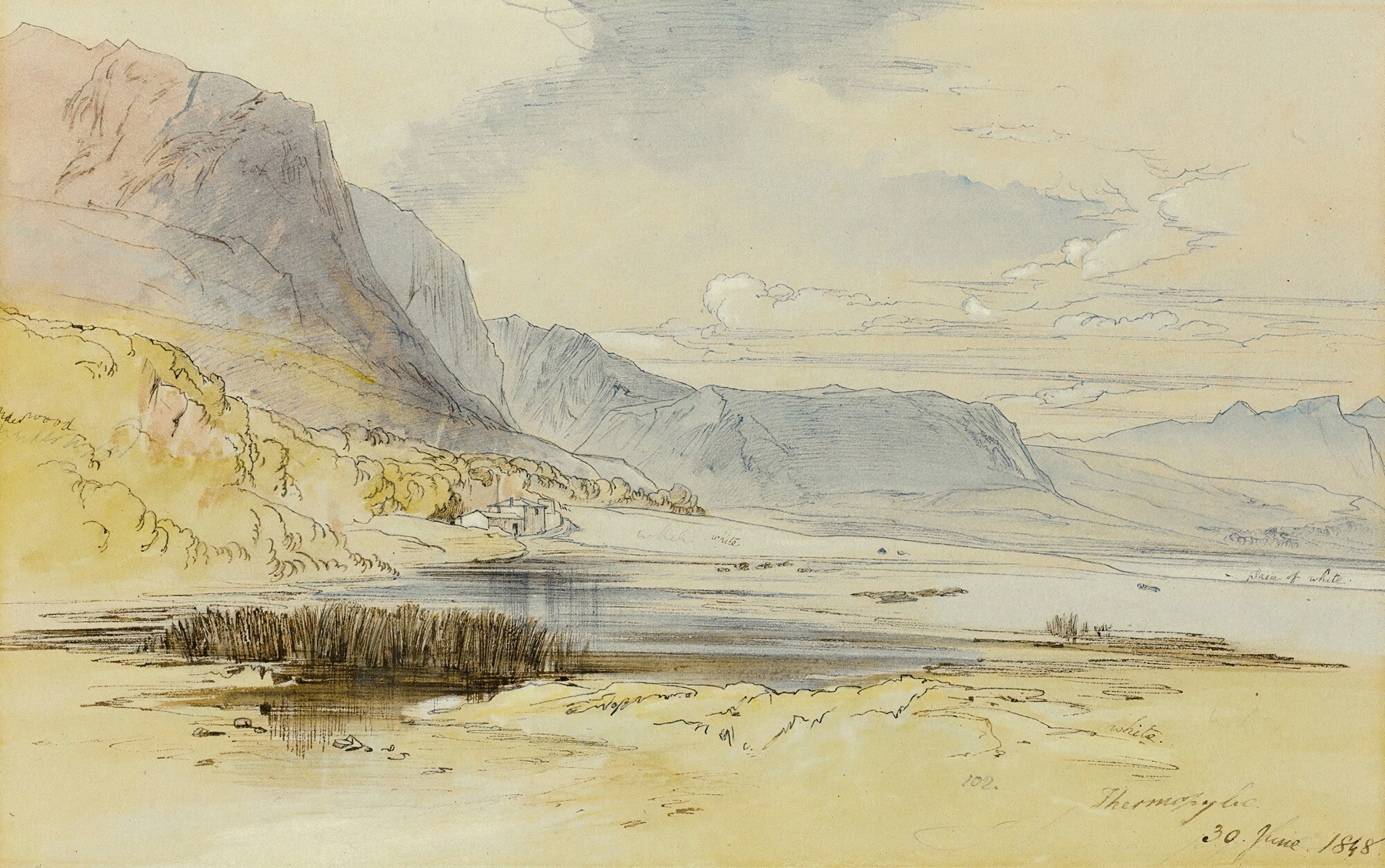
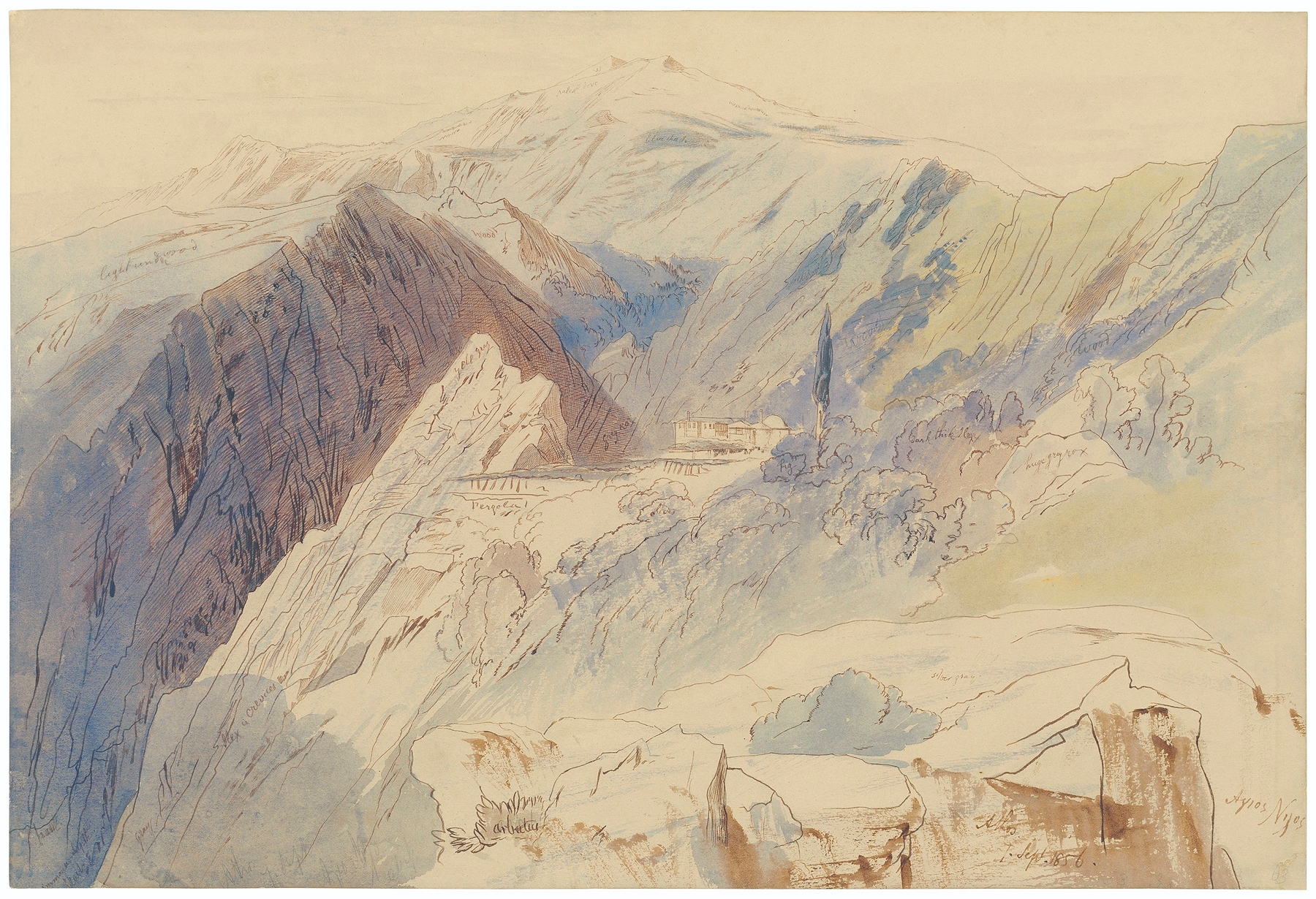
Can beauty exist without sorrow? In Edward Lear's Zagori, Greece, a landscape unfolds where vibrant colors flirt with shadows, hinting at a deeper narrative beneath the surface. The interplay of light and texture suggests a world of rebirth, as if nature herself is emerging from a slumber, echoing the cycles of life and loss. Focus on the sweeping hills that cascade into the horizon, painted with lush greens and soft earth tones. Notice how the sky, a palette of blues and whites, vibrates with energy, while the distant mountains stand as silent guardians, draped in gentle hues.
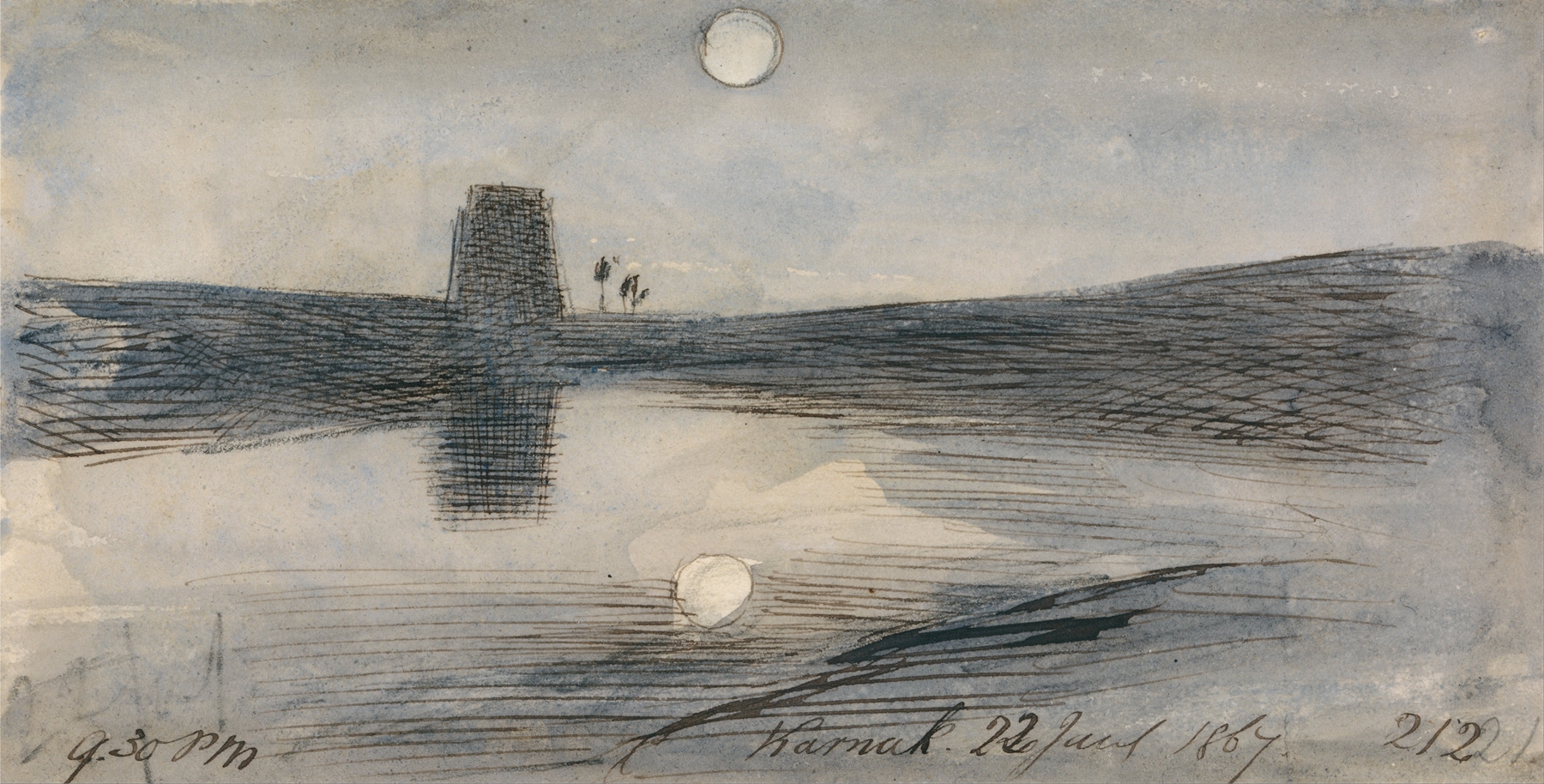
Lear’s brushwork invites you to linger in the details—the delicate strokes that create the foliage breathe life into the image, while the sunlight breaking through the clouds whispers stories of hope and renewal. Yet, hidden within this picturesque scene is an underlying tension. The bright, flourishing landscape contrasts sharply with the shadows that linger among the rocks, as if hinting at the struggles that lie beneath the beauty. The stillness of the water mirrors a moment of introspection, reflecting the duality of joy and sorrow that often accompanies rebirth.
Such contrasts invite contemplation on the transient nature of life and the bittersweet essence of existence. Lear painted this work during a period rich with travels and artistic exploration, likely around the mid-19th century, when he was deeply influenced by his journeys through Greece. Captivated by the ancient ruins and breathtaking scenery, he sought to capture the essence of a land where history and beauty intertwined. This painting reflects not only Lear's technical prowess but also his deep appreciation for the landscapes that shaped his artistic vision.