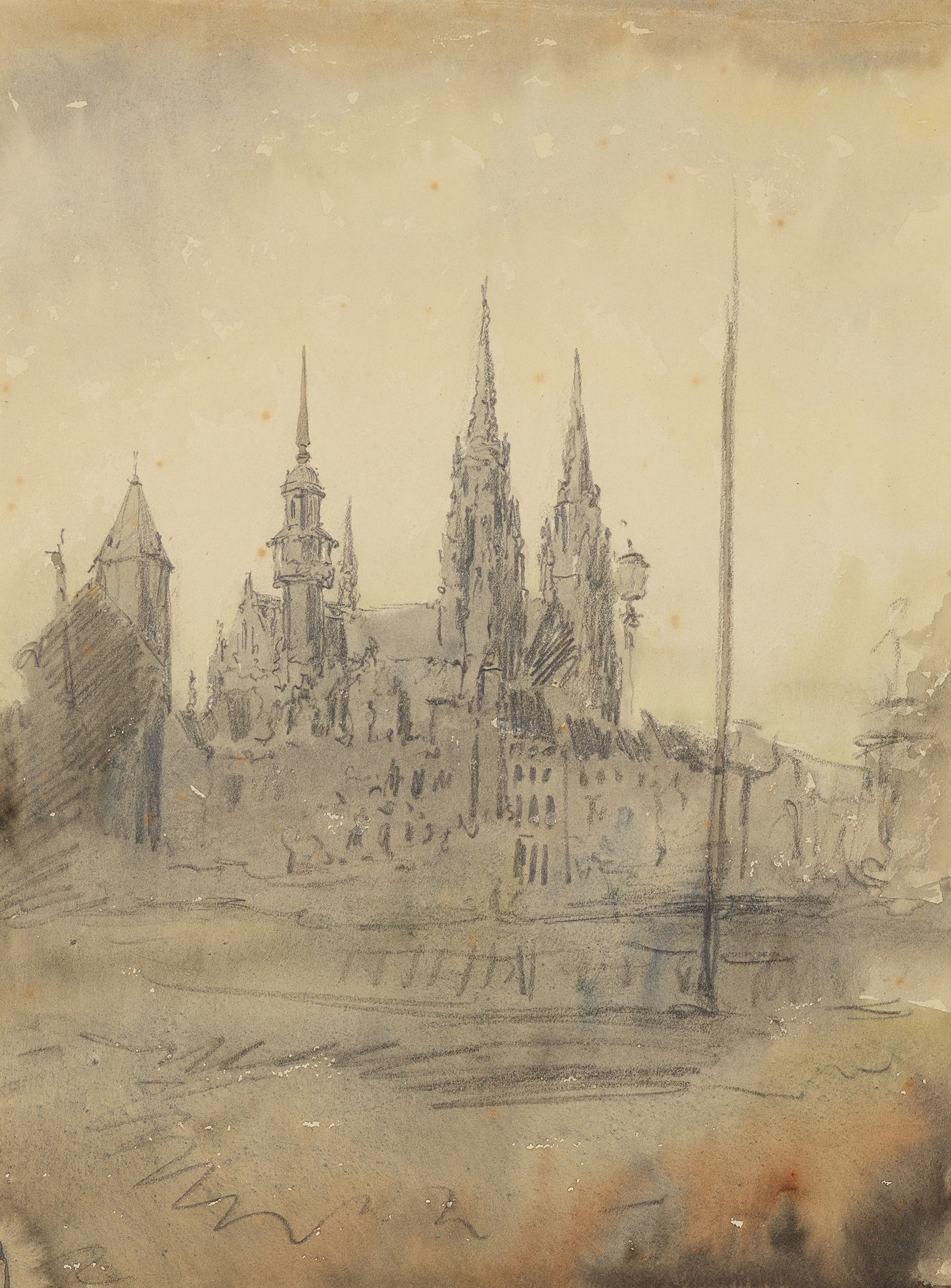
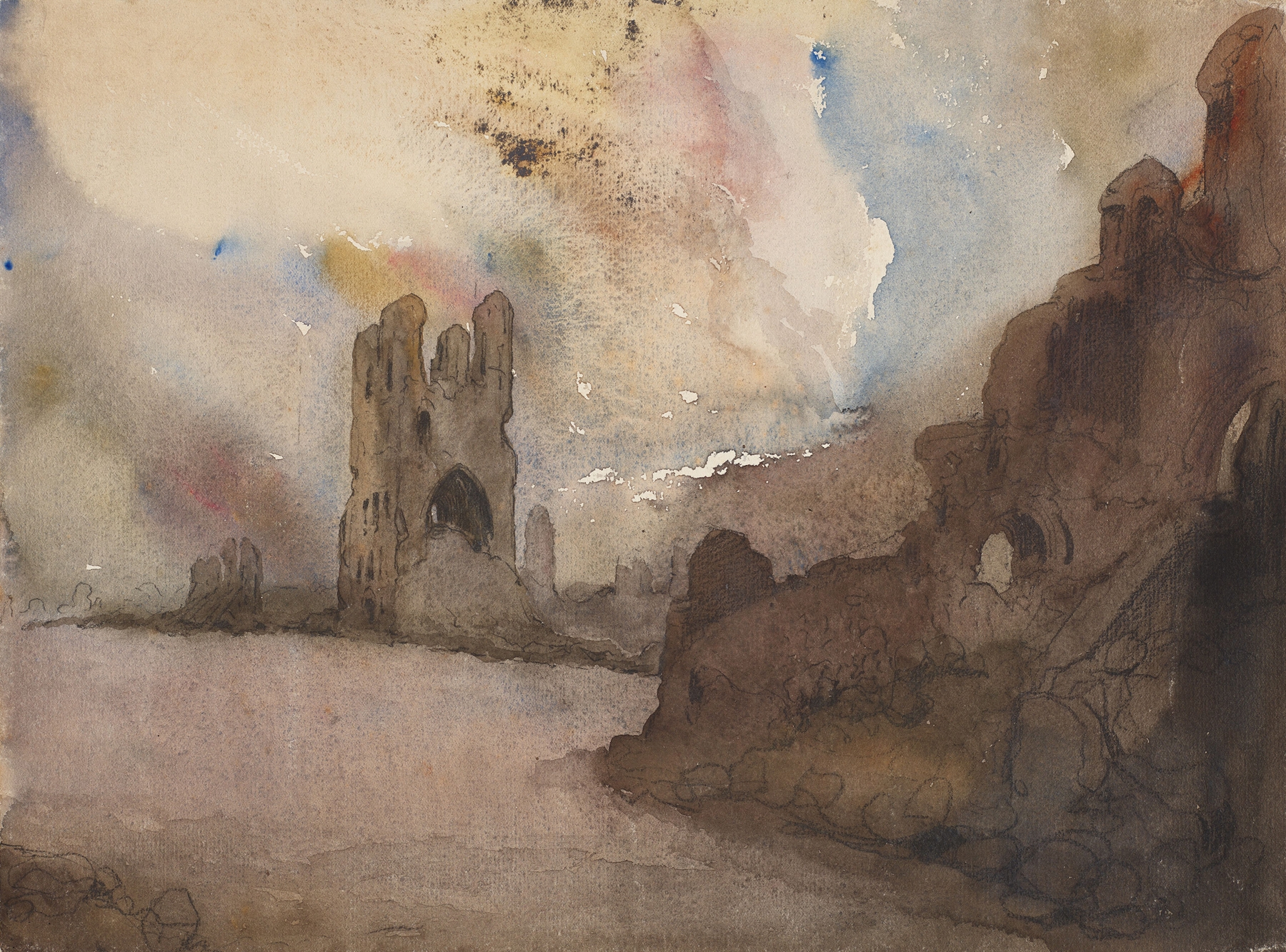
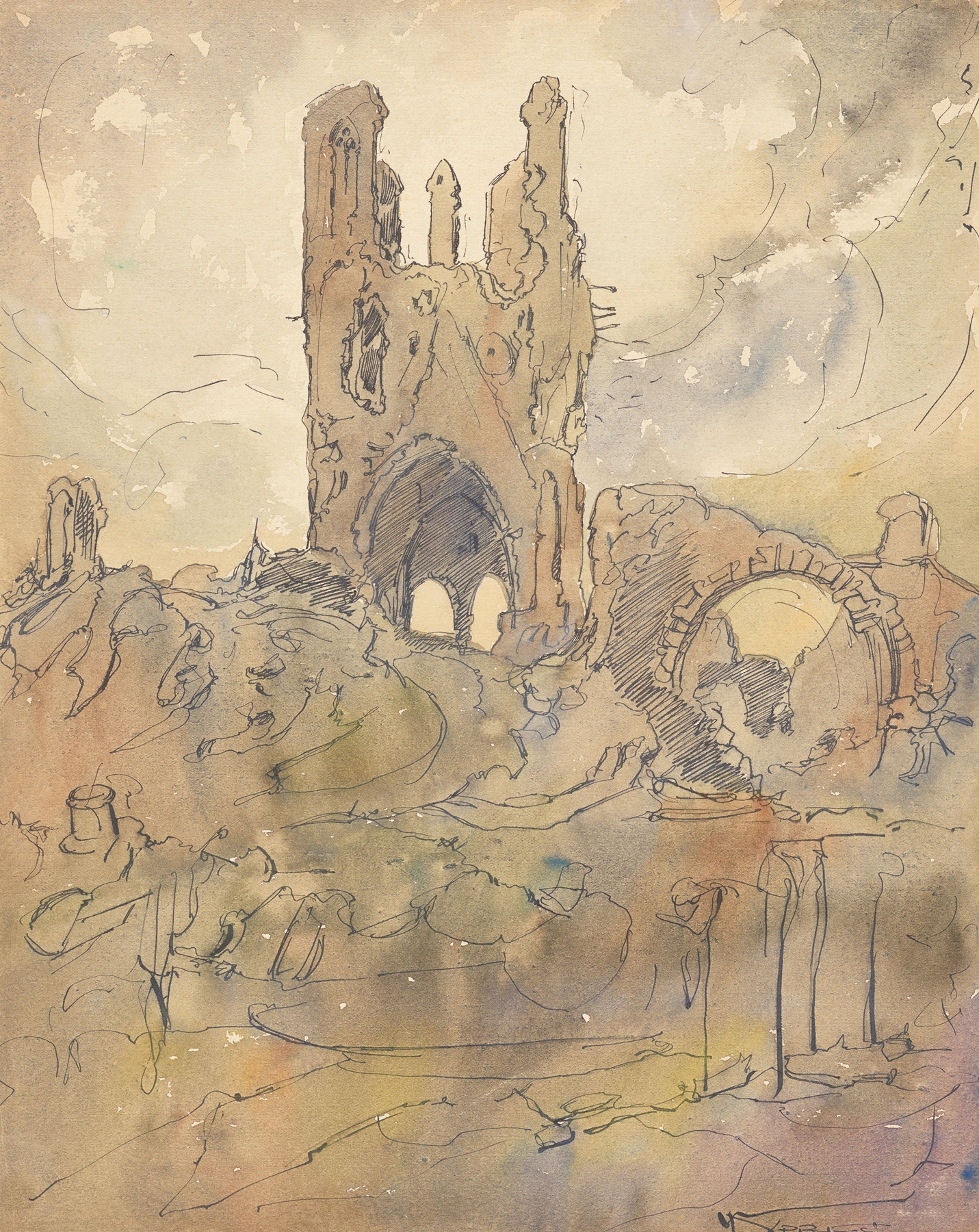
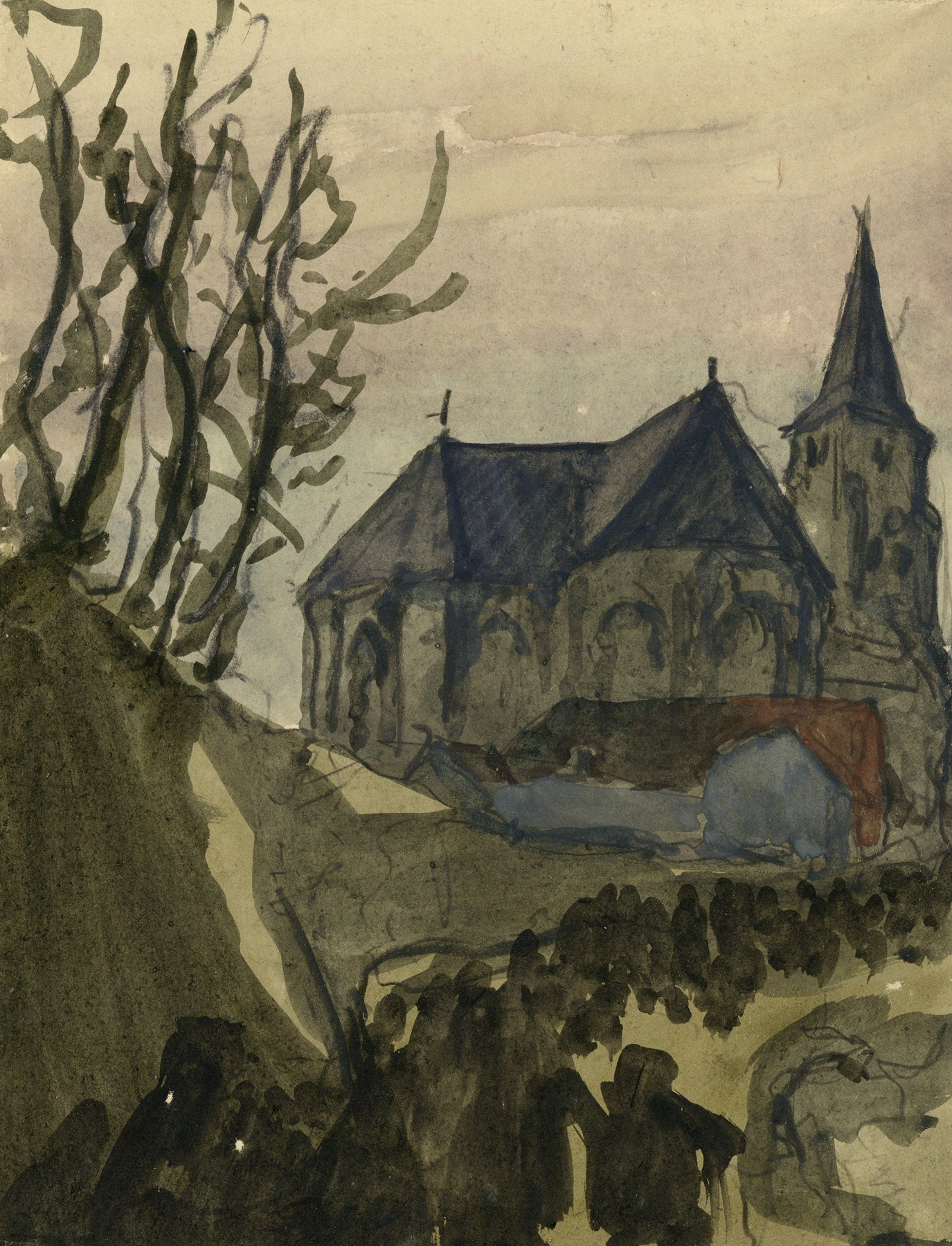
Zijzicht op de OLV – kerk te Mechelen — History & Analysis
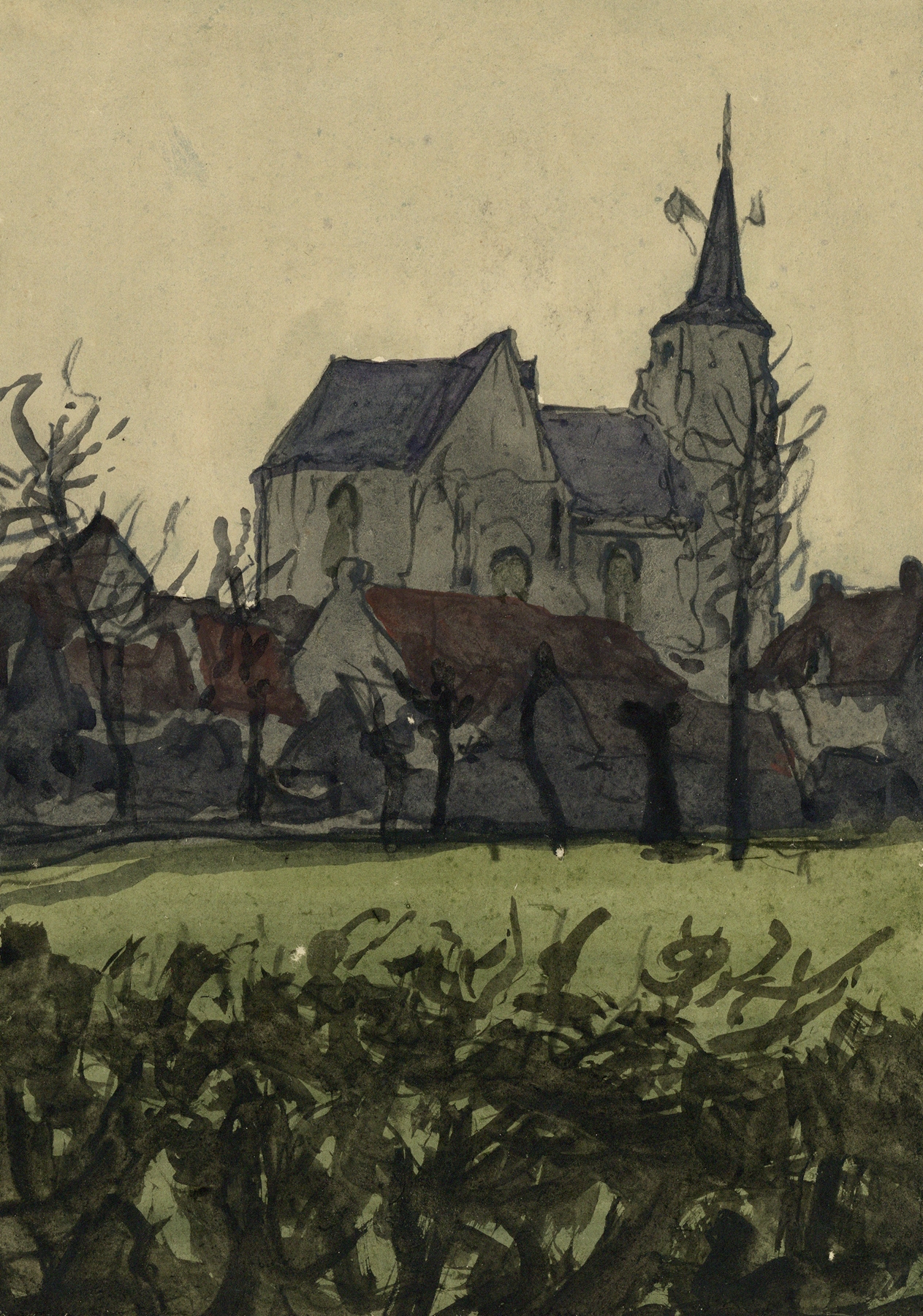
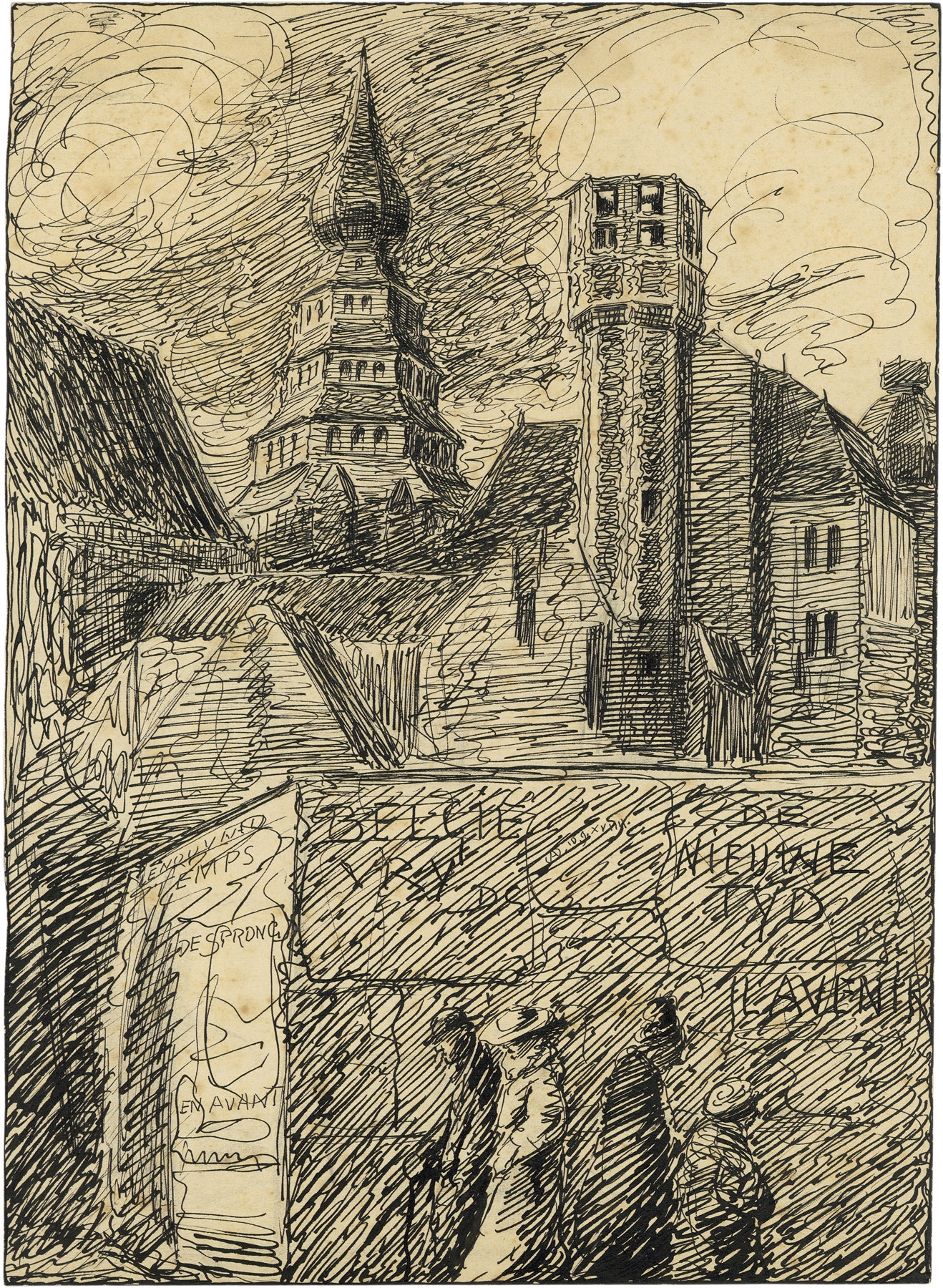
Is this a mirror — or a memory? The delicate interplay of light and shadow suggests a world teetering between the tangible and the ethereal, capturing a moment that feels both real and dreamlike. Within this scene, the church stands not merely as a structure but as a vessel of past whispers and present echoes, compelling the viewer to ponder the fragility of existence. Begin by examining the structure on the left, where the tall steeple reaches upward, almost pleading with the sky. The soft, muted palette of beiges and grays envelops the composition, inviting your gaze to dance across the gentle contours of the architecture.
Notice how Ost employs light to caress the stone surfaces, revealing textures that evoke a sense of age and reverence. Each brushstroke seems to breathe life into the walls, making the viewer acutely aware of the passage of time. As you delve deeper, consider the contrasting elements within the work. The solidity of the church juxtaposed with the ephemeral nature of the surrounding landscape suggests a meditation on permanence versus impermanence. The wisps of clouds swirling overhead hint at fleeting moments, while the unwavering structure below embodies steadfastness.
This tension mirrors our own experiences—how we cling to memories even as they slip away, transforming into fragilities that shape our identities. Alfred Ost created this piece in 1909 while living in Belgium, a period marked by artistic experimentation and the rise of modernism. The early 20th century was a time of shifting paradigms in art, and Ost, influenced by Impressionism, sought to capture the essence of a moment rather than its precise details. This painting reflects his personal journey and the collective exploration of memory and perception in a rapidly changing world.