Zypressen im Park der Villa d’Este — History & Analysis
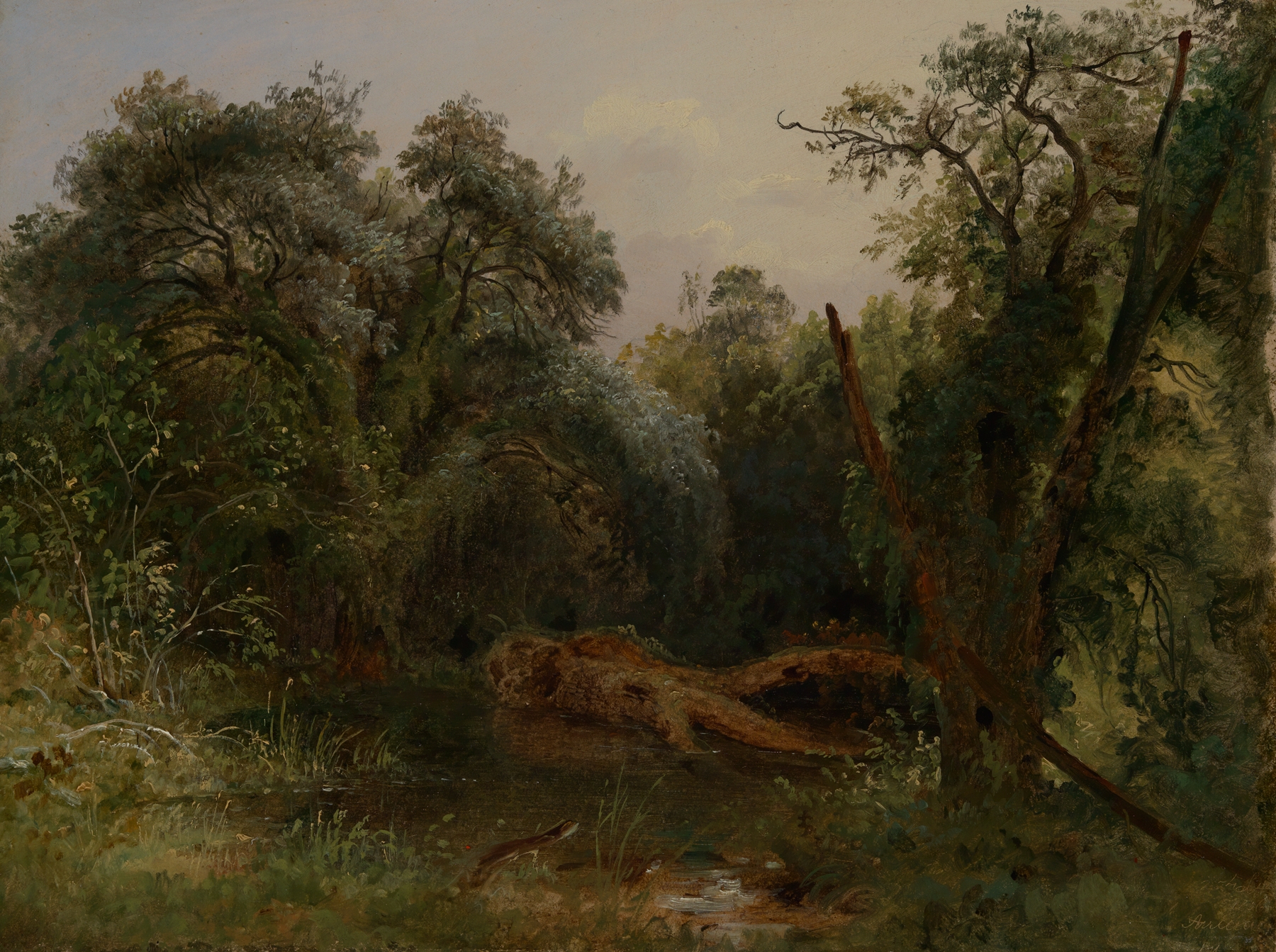
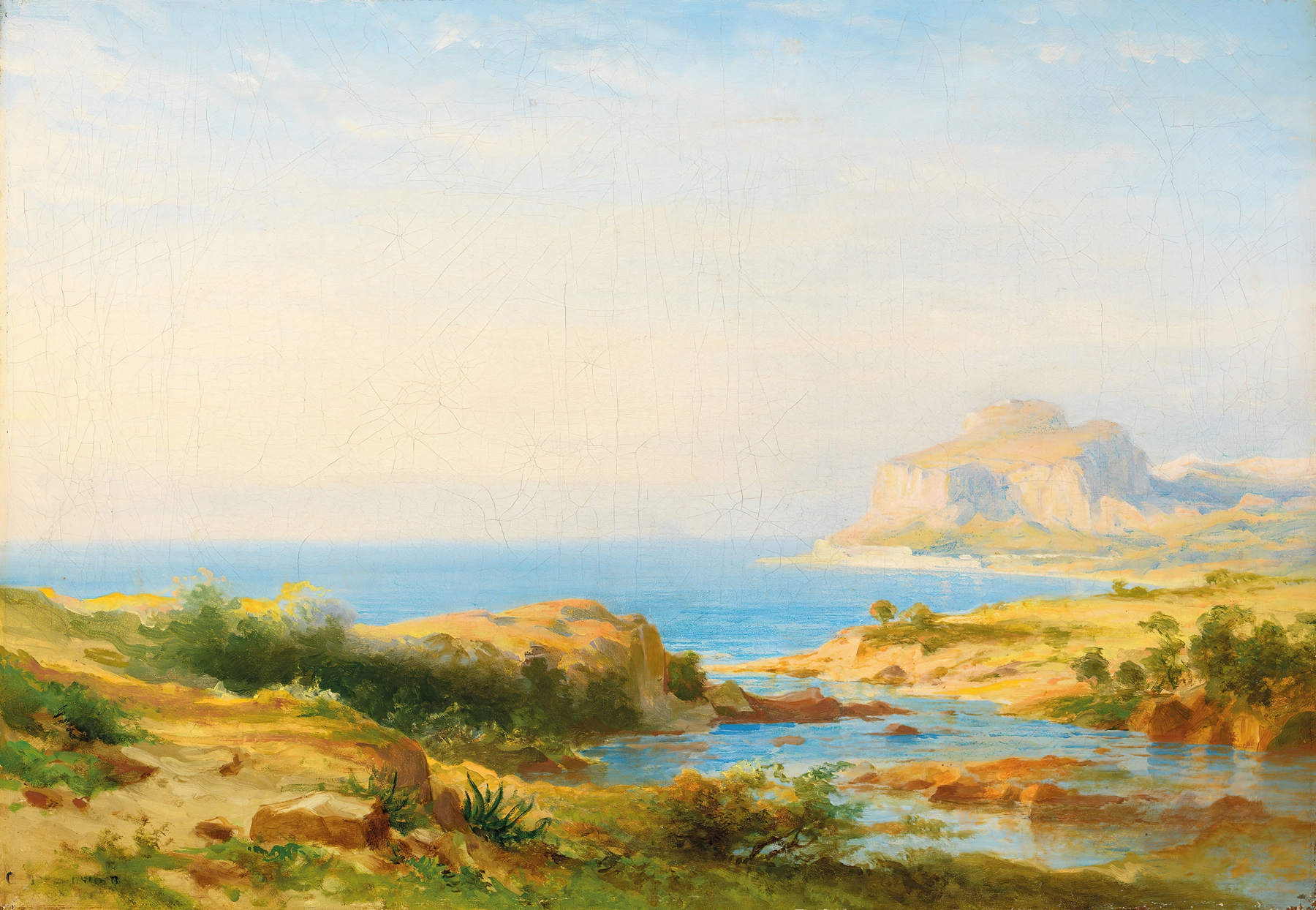
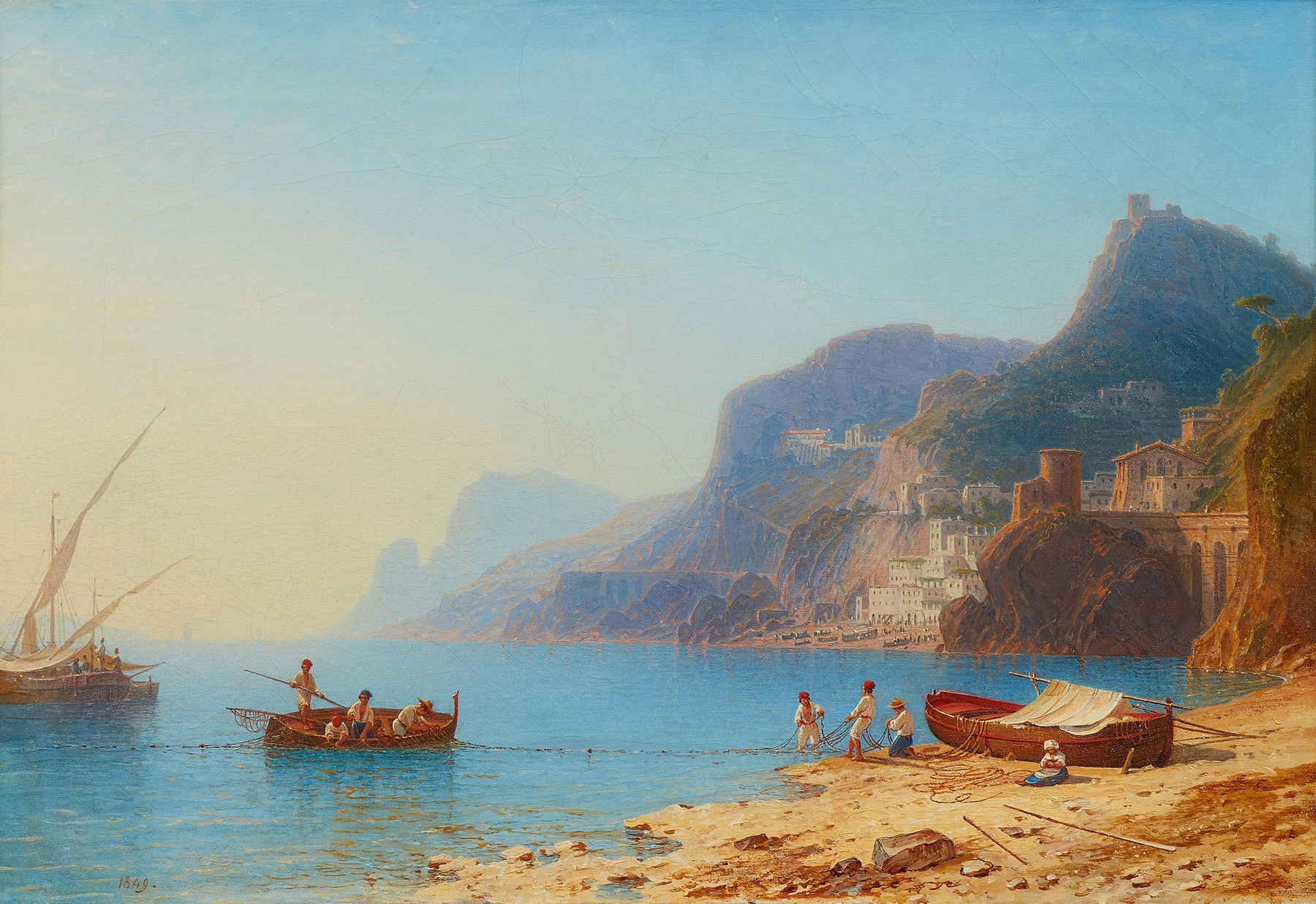
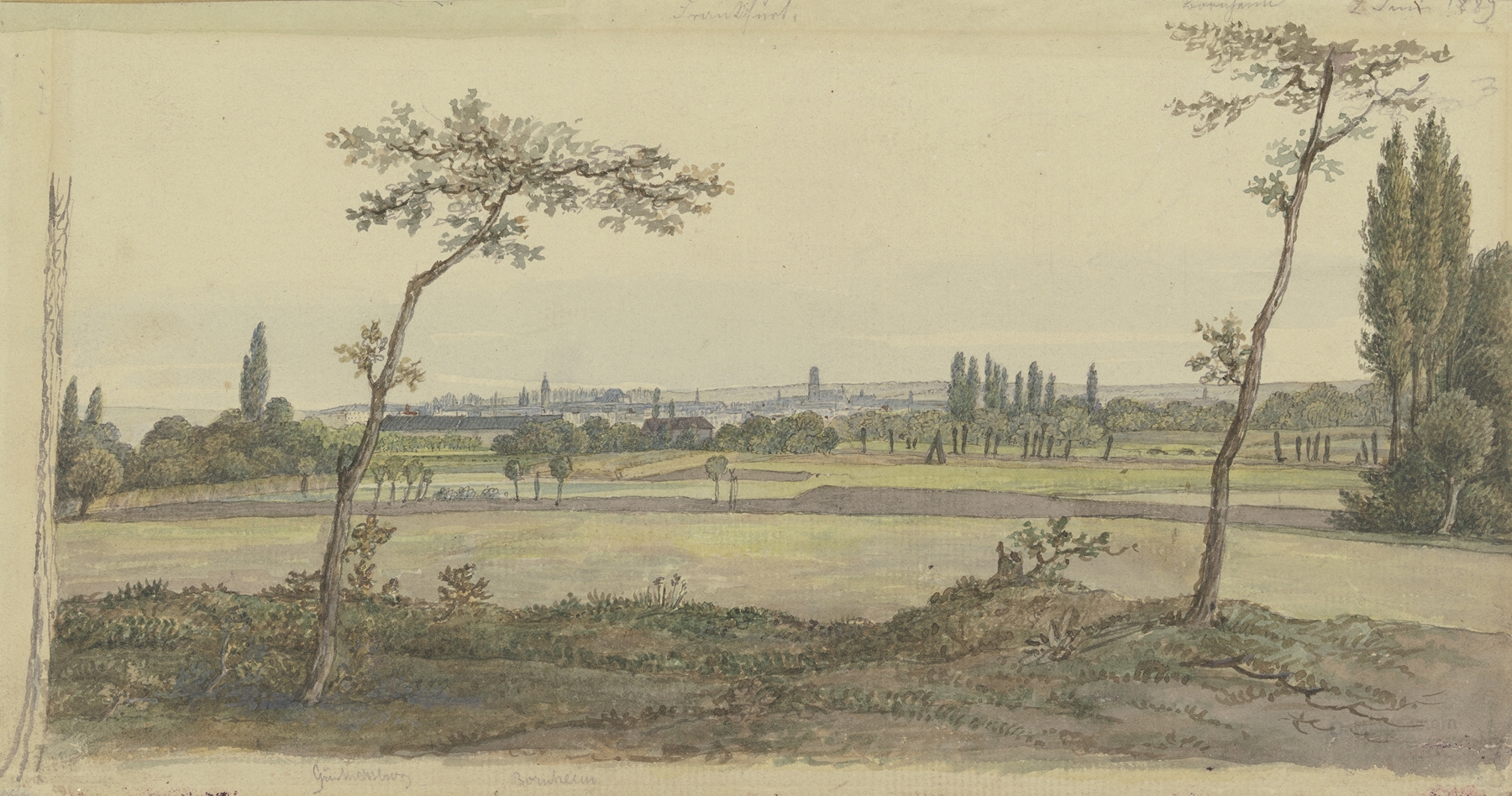
What if beauty was never meant to be finished? In Zypressen im Park der Villa d’Este, the artist captures a moment that feels suspended in time, echoing the transient nature of existence and the lingering presence of loss. Focus on the vibrant green cypress trees that rise majestically in the foreground, their dark silhouettes contrasting against the soft, muted palette of the sky. Notice how the dappled light filters through the branches, creating a play of shadow and illumination that invites you deeper into the scene.
The gentle undulations of the landscape lead your gaze toward the distant hills, suggesting an eternity, yet hinting at an unreachable horizon. Within this tranquil garden, there lies a profound dichotomy between the serenity of nature and the melancholy of what might have been. The cypress trees, often symbols of mourning, evoke a bittersweet sentiment, while the meticulously rendered architecture of the villa speaks to human achievement—a beauty tinged with impermanence. The juxtaposition of flourishing foliage and stillness serves as a reminder of the ever-present cycle of growth and decay, resonating with the idea that beauty and loss are intertwined.
In 1835, Carl Morgenstern was immersed in the Romantic movement, a time when artists sought to express deep emotional experiences. Working in Italy, he found inspiration in the lush landscapes and classical architecture, reflecting a yearning for the sublime in nature. This period marked a significant shift in art, as artists began to explore themes of emotion and individual experience, capturing the fleeting beauty of life in their work.