A capriccio with a Gothic church and antique ruins — History & Analysis
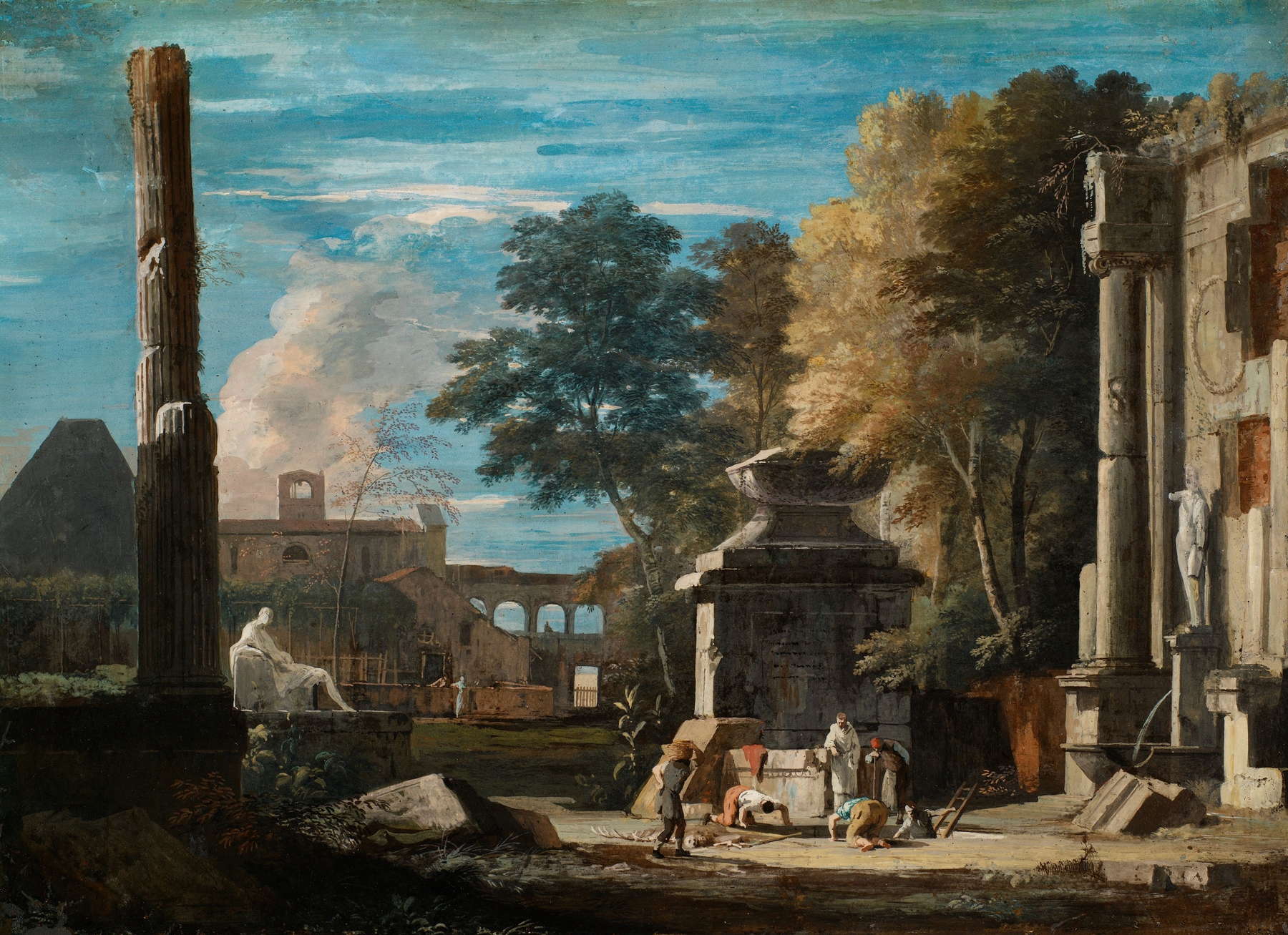
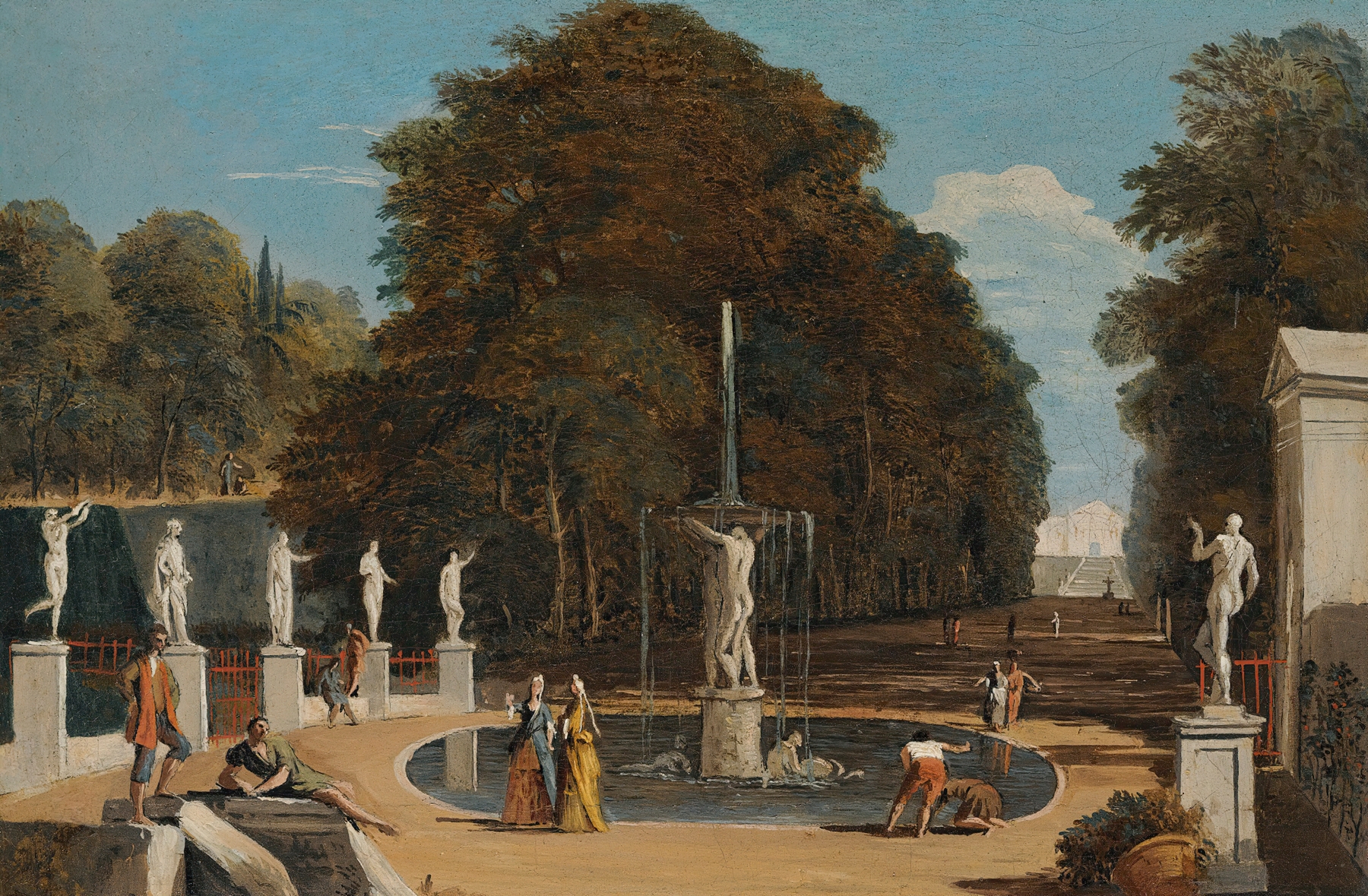
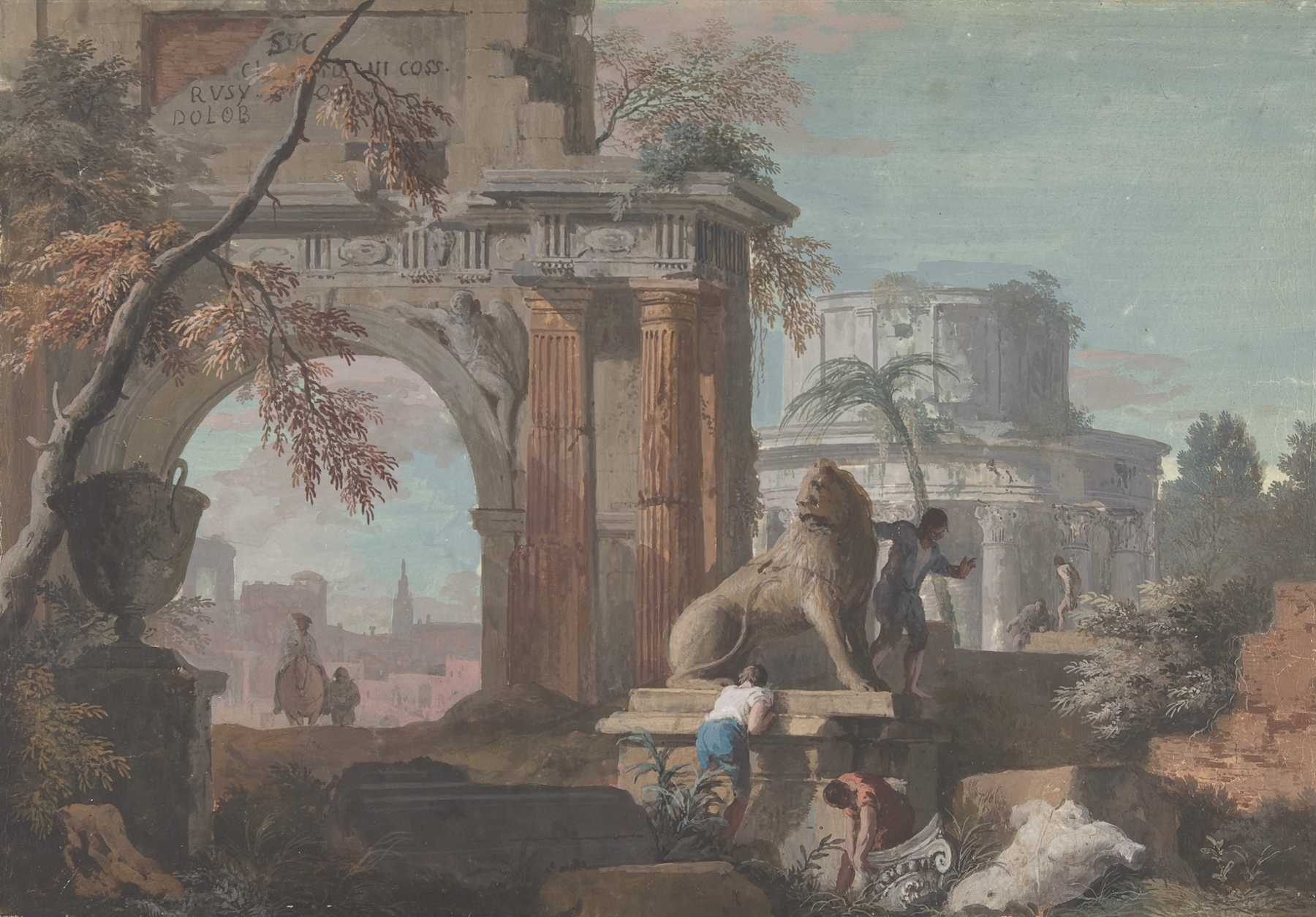
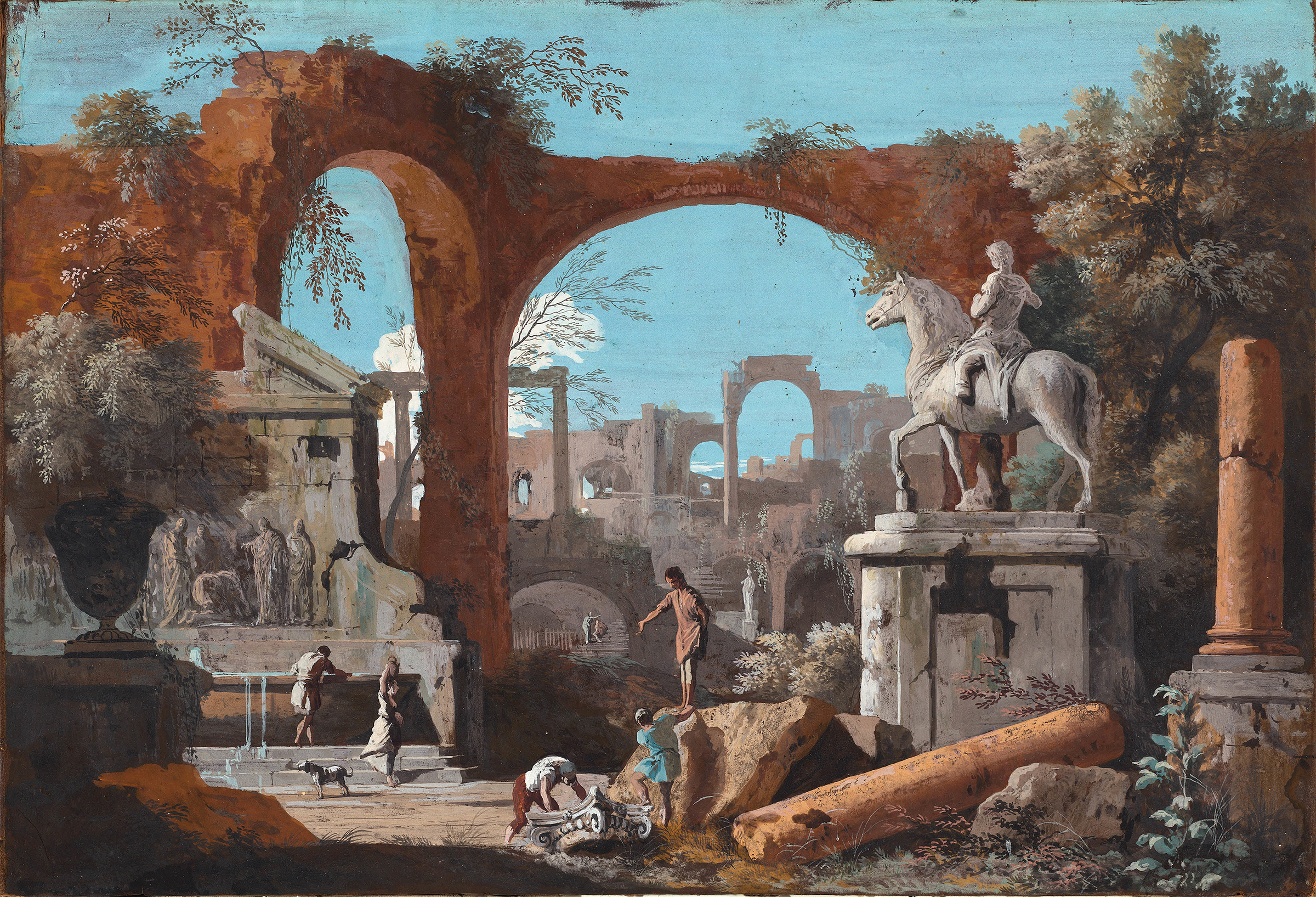
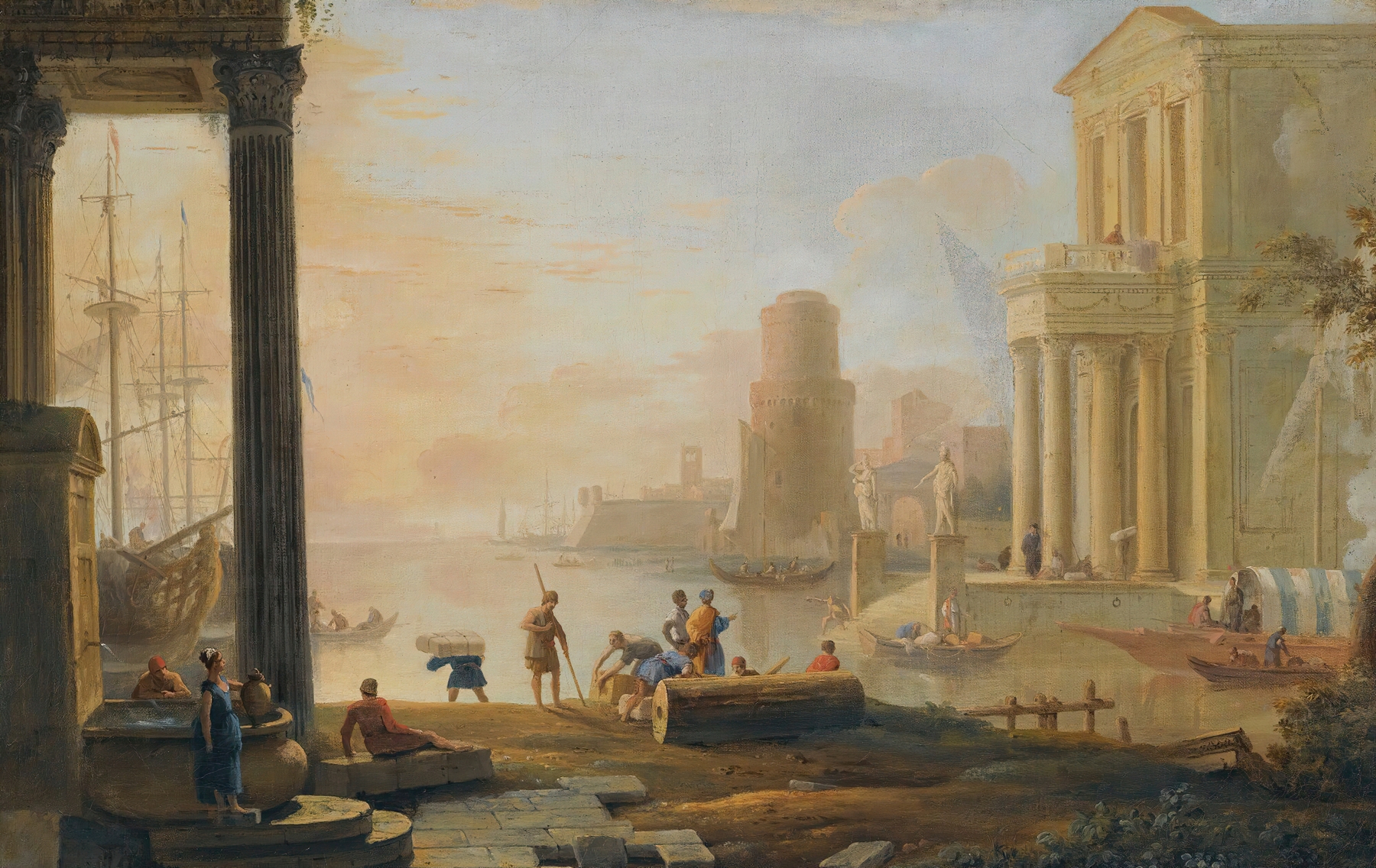
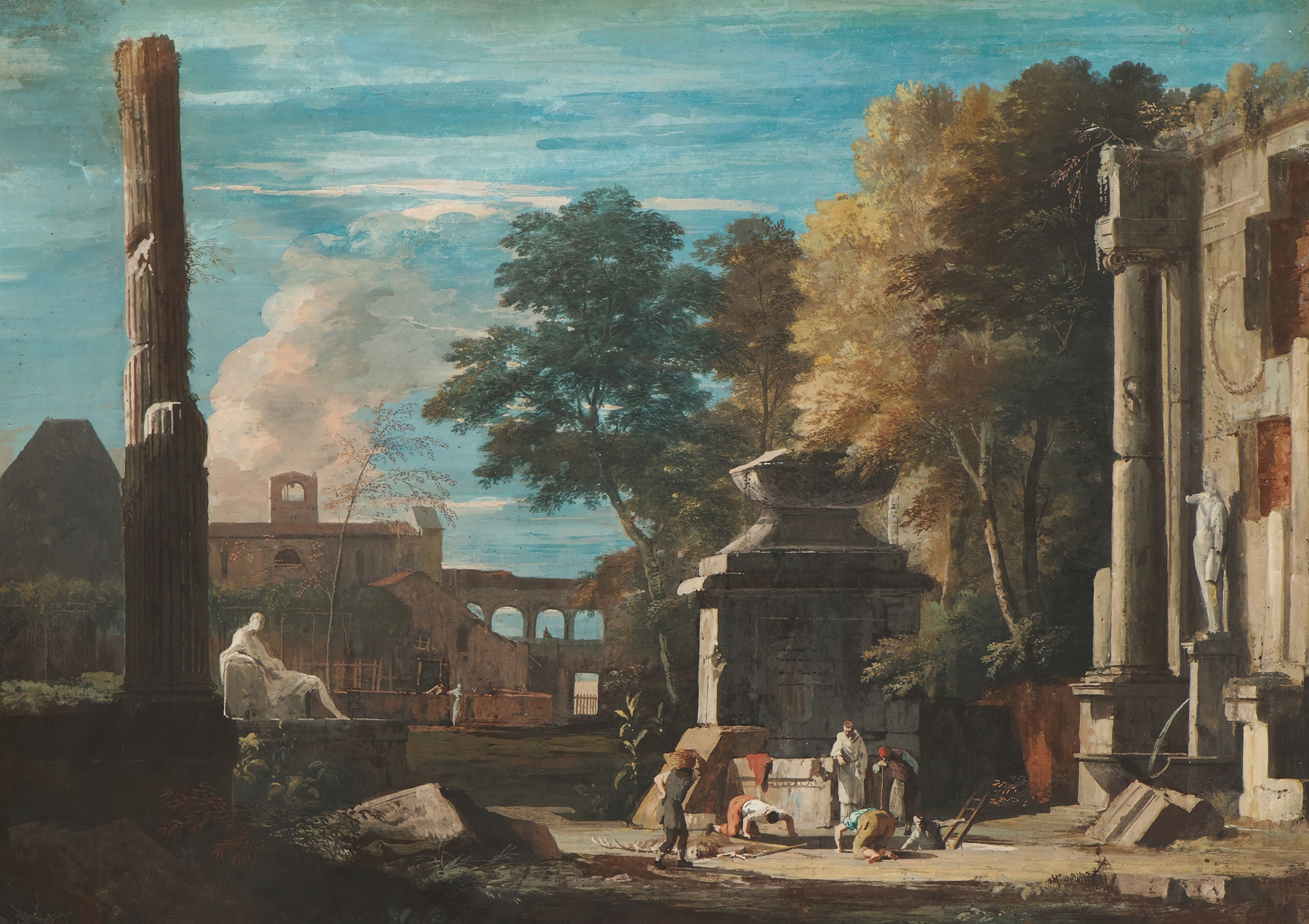
Art reveals the soul when the world turns away. In the delicate interplay of architecture and nature, we find a reflection of longing, where the remnants of time whisper secrets of melancholy. Look to the foreground where the ruins of ancient structures cradle the scene, their weathered stones softly glowing in muted earth tones. The towering Gothic church looms in the background, its spires reaching skyward, creating a dramatic contrast with the decaying relics.
Notice how the light filters through the trees, casting dappled patterns on the ground, inviting the viewer to wander deeper into this serene yet haunting landscape. The juxtaposition of the vibrant life symbolized by the church and the fading remnants of history evokes a sense of tension between hope and decay. The lush greenery surrounding the ruins suggests that life persists, even in the face of inevitable time. Look closer, and you’ll see small figures dotting the scene, perhaps wanderers or guardians of memory, each absorbed in their thoughts, embodying a shared solitude that resonates through the canvas.
Marco Ricci painted this capriccio during a time when the art world was transitioning from the Baroque to the Rococo, likely in the early 18th century. Living in Venice, he was influenced by the vibrant Venetian landscape yet sought to infuse his work with a sense of nostalgia and introspection. Amidst this cultural shift, his compositions began capturing not only architectural grandeur but also the profound beauty found in decay, inviting viewers to ponder the passage of time.