A caravan crossing the desert — History & Analysis
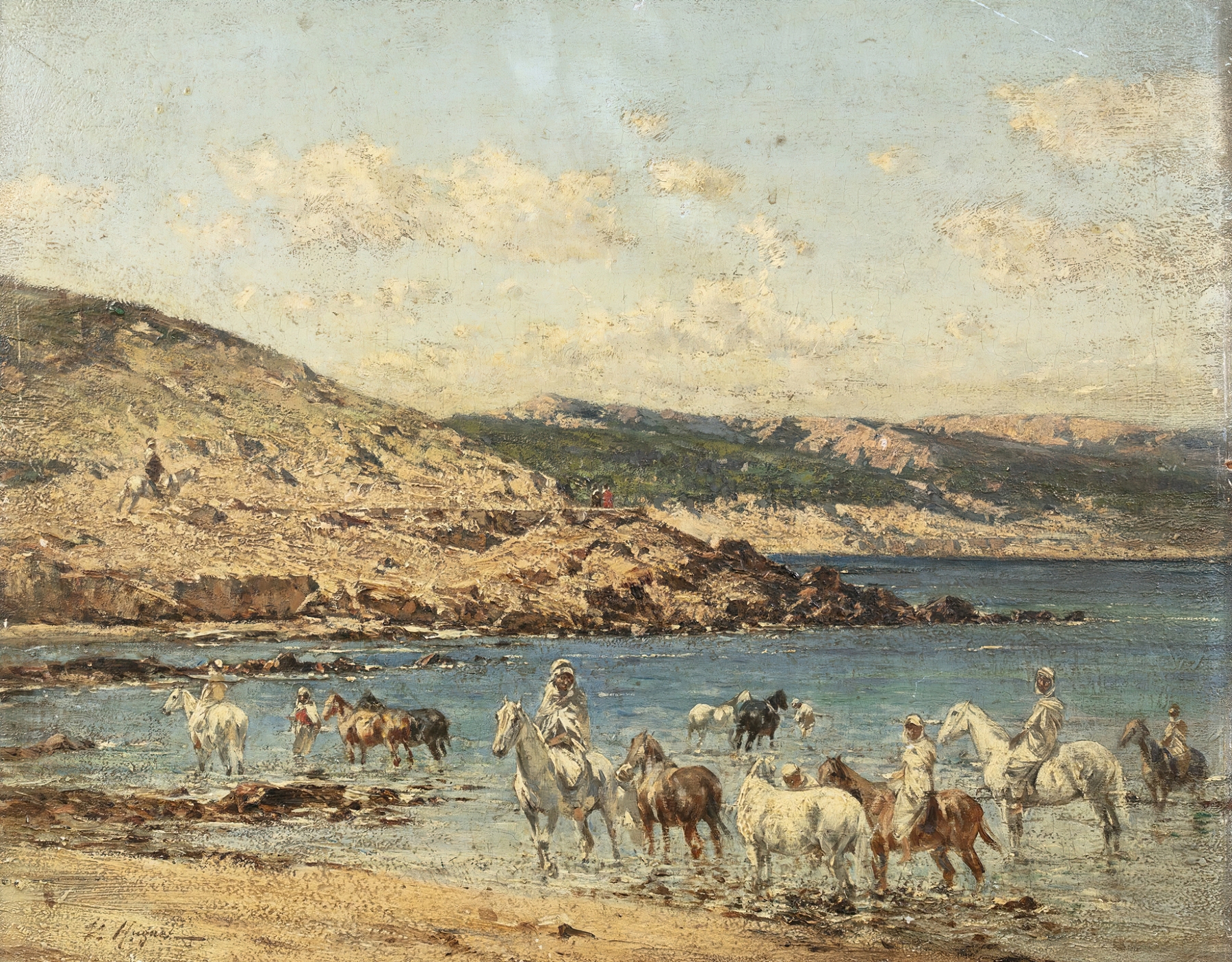
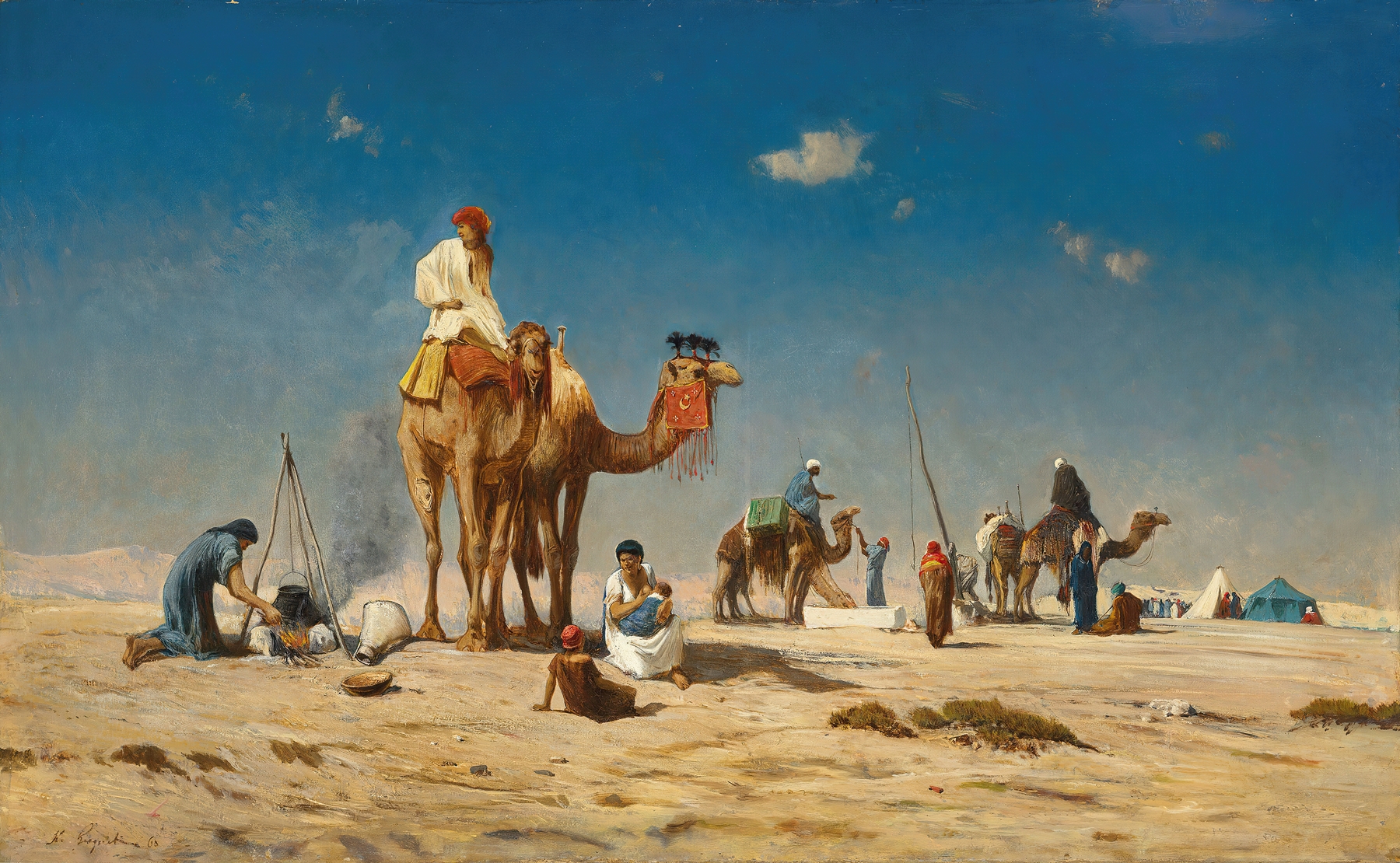
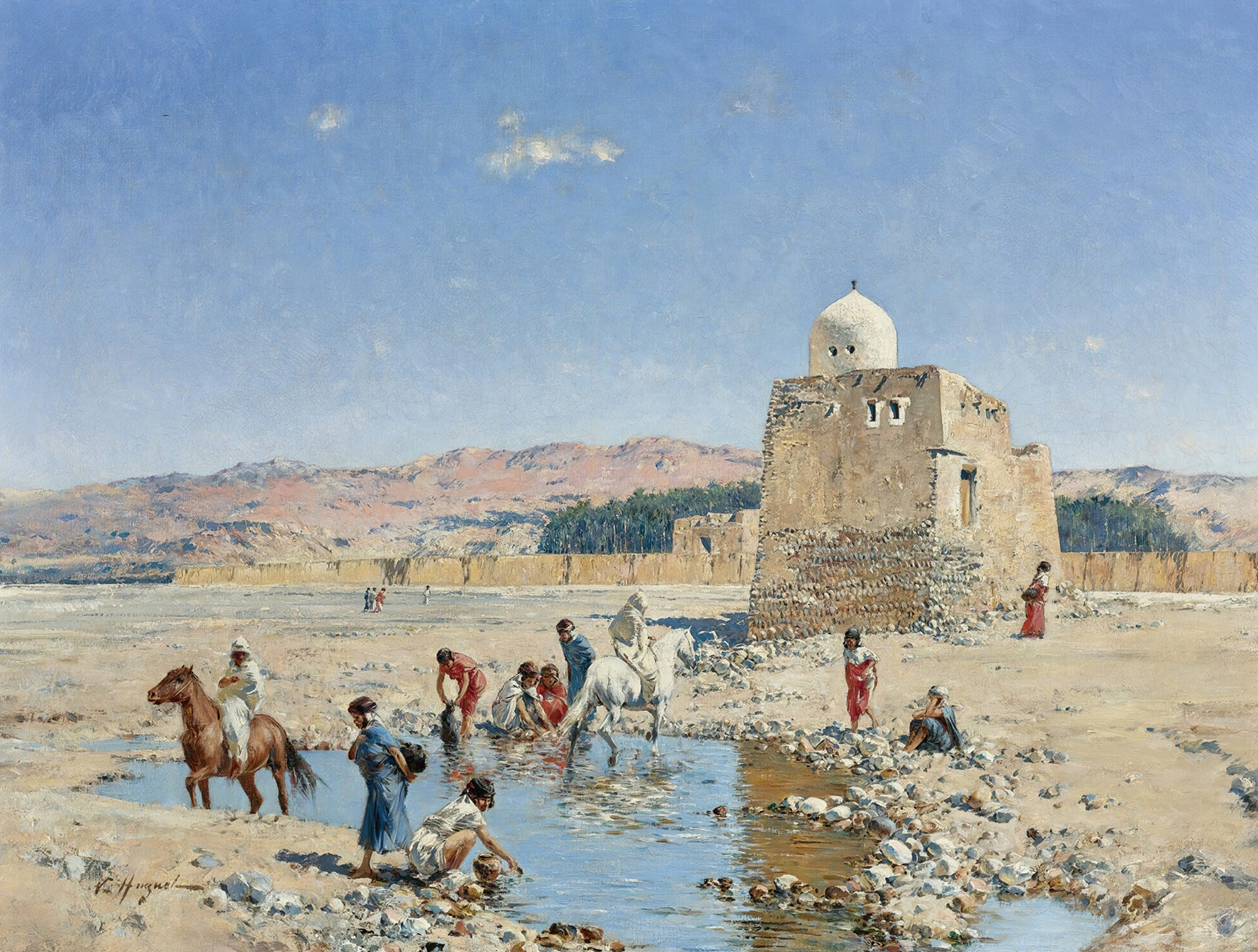
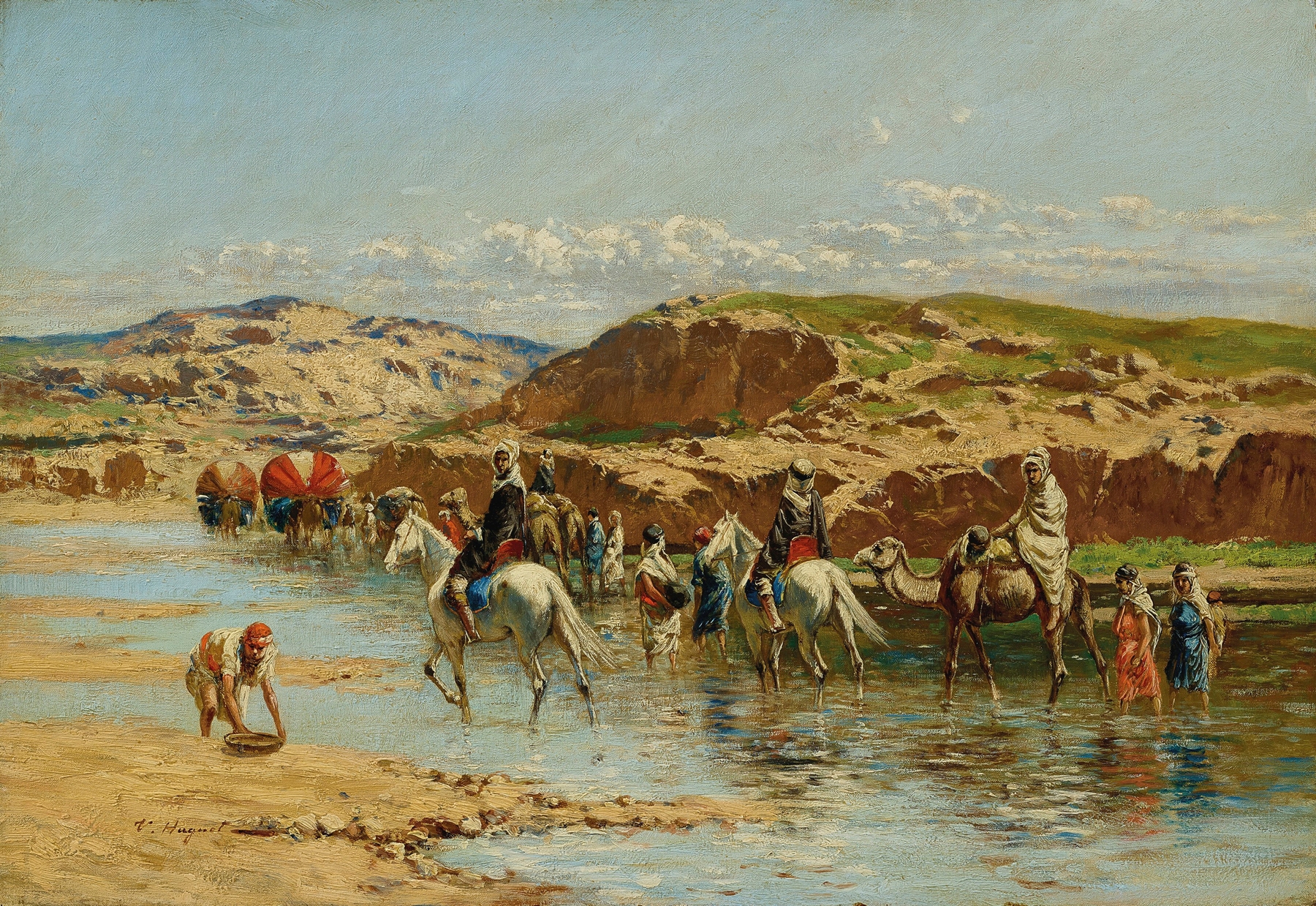
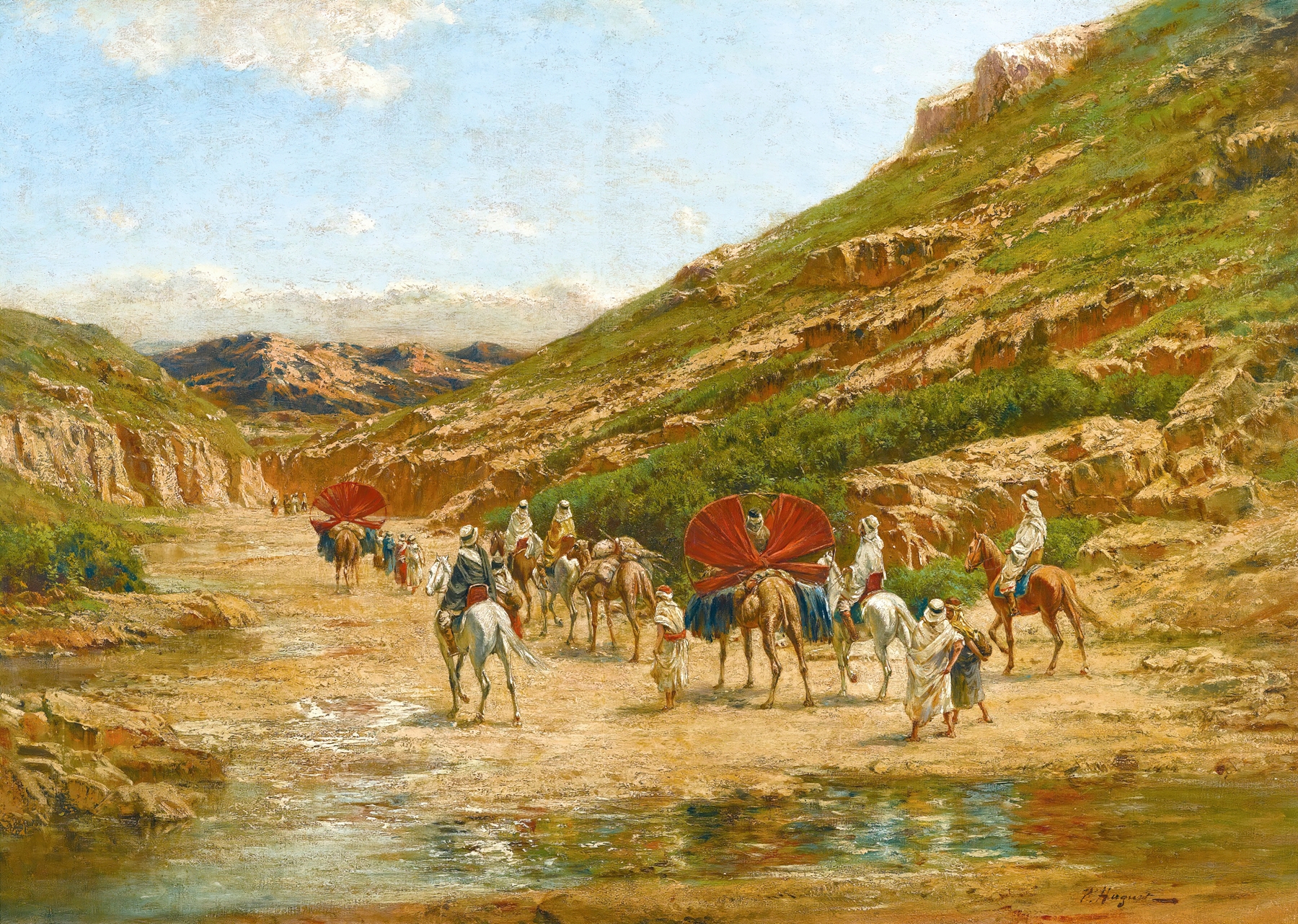
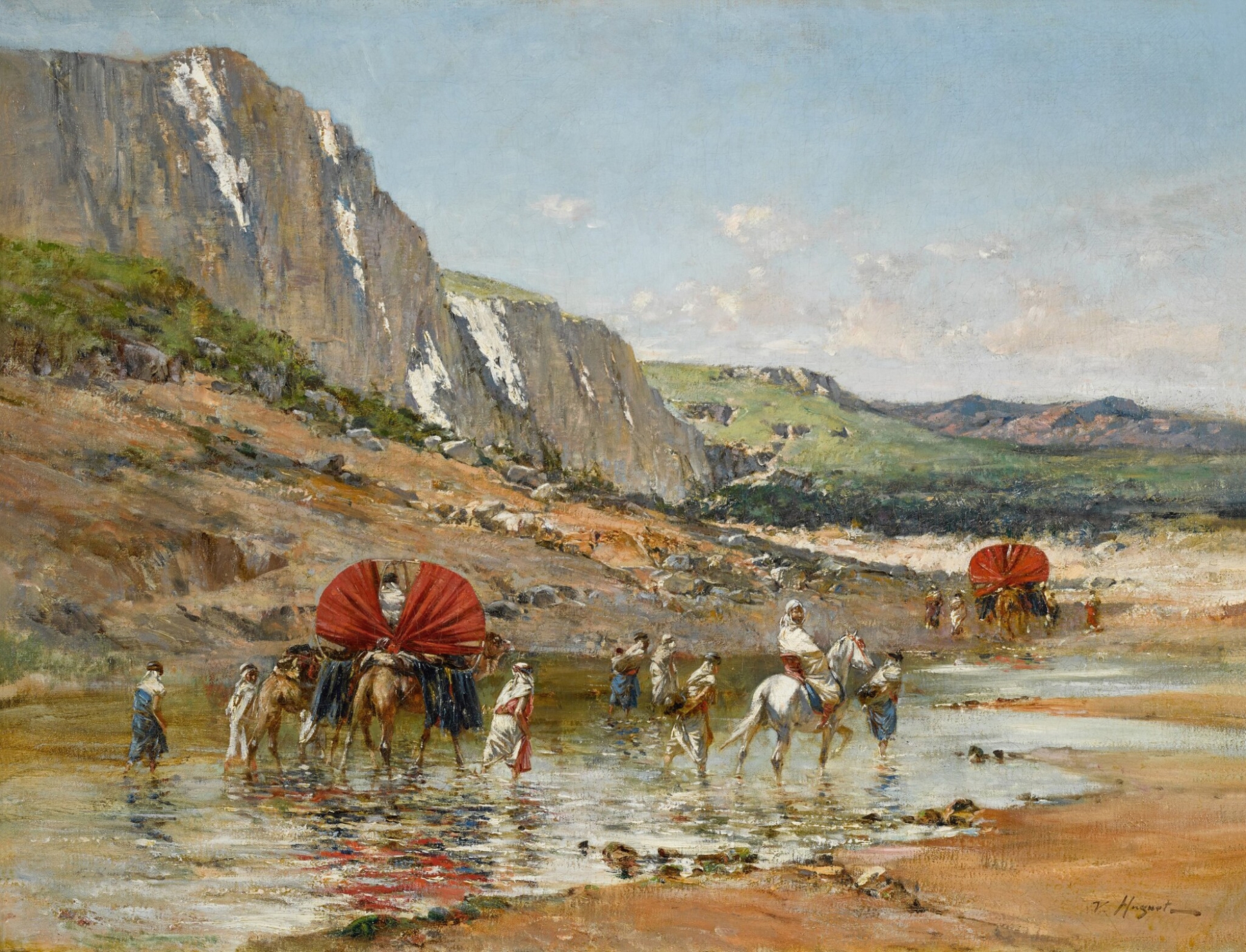
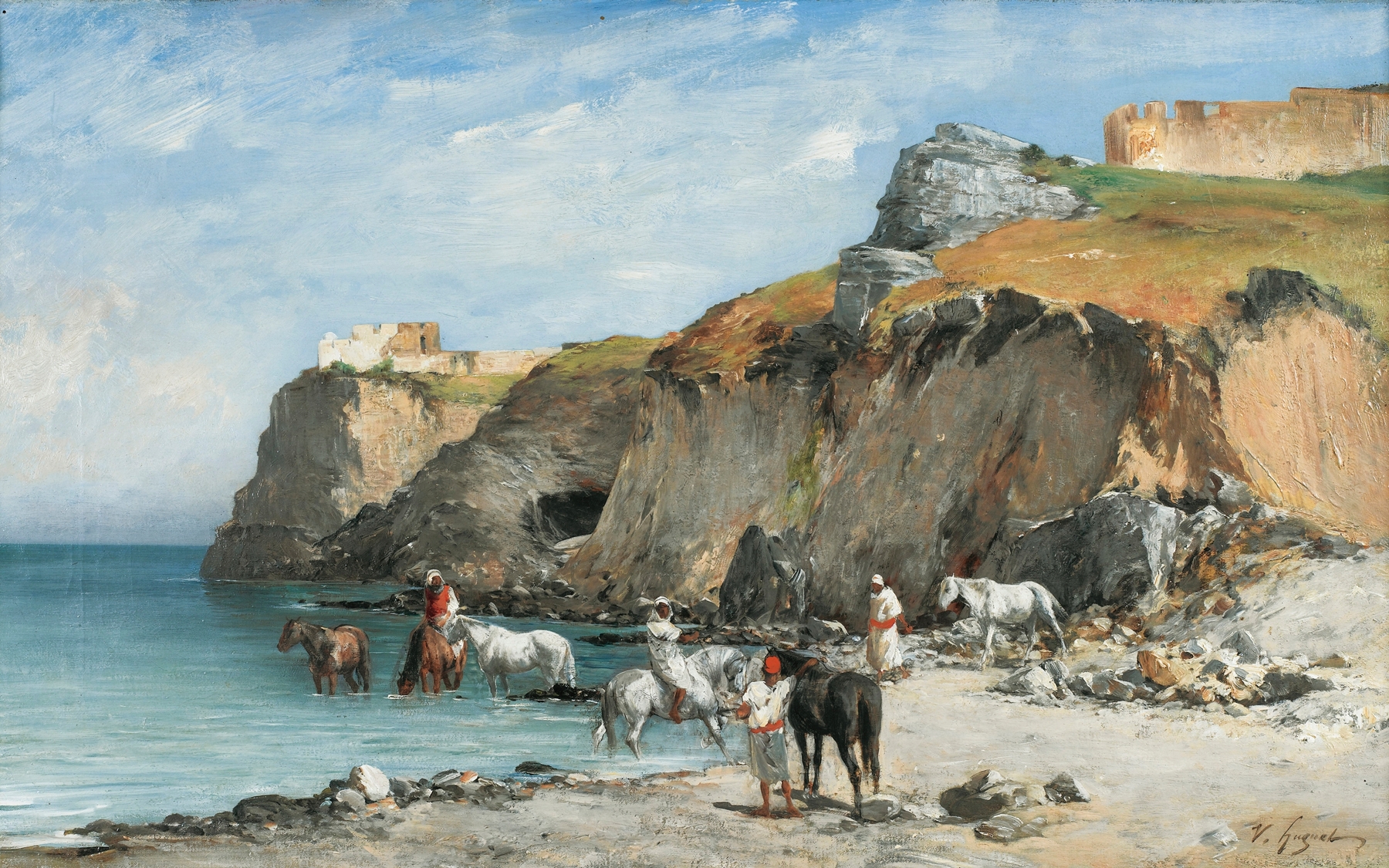
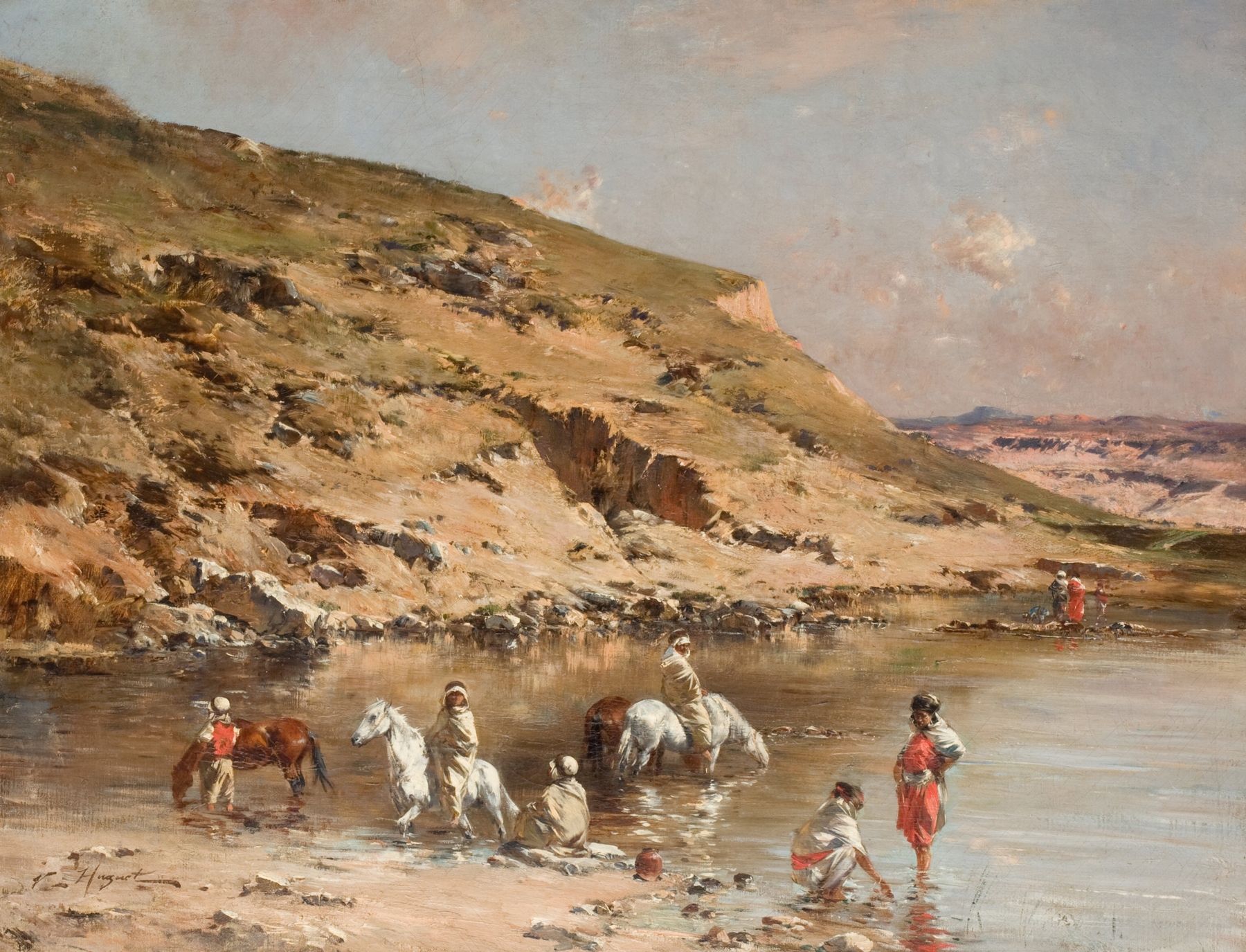
“Between color and silence, truth hides.” In the stillness of a sun-drenched desert, the unyielding sand stretches endlessly, interrupted only by a caravan, steadfast yet vulnerable. The air is thick with anticipation, each grain of sand whispering secrets of the journey ahead, while the silence wraps around the travelers like an unseen cloak of solitude. Look to the center of the canvas, where the caravan is meticulously rendered, each figure cloaked in vibrant hues, contrasting sharply against the muted backdrop of golden dunes. Notice the way the light dances off the textured surfaces of the camels, illuminating the intricate details of their saddles and the fabric of their burdens.
The composition draws your eye along the winding path, suggesting movement and resilience, as if the entire scene is caught in a breath — poised at the threshold of action. Yet, amidst the vibrancy, there lies a profound tension. The travelers, though surrounded by the beauty of their environment, appear isolated, their faces unreadable beneath their head coverings. The desolation of the landscape speaks to the weight of their journey, hinting at struggles that lie beyond the frame.
The contrast between the bright, cheerful colors of the caravan and the oppressive heat of the desert evokes a sense of longing and contemplation, reminding us of the trials faced in pursuit of hope. At the time this work was created, Victor Huguet was immersed in the vibrancy of 19th-century France, where Orientalism was a dominant theme in art. While the exact date remains unknown, Huguet’s fascination with North African culture and landscapes influenced his artistic output. This period was marked by a growing interest in exotic themes, and the artist's travels provided a backdrop of inspiration that resonated deeply within the artistic community of his time.