A Castle and its Proprietors — History & Analysis
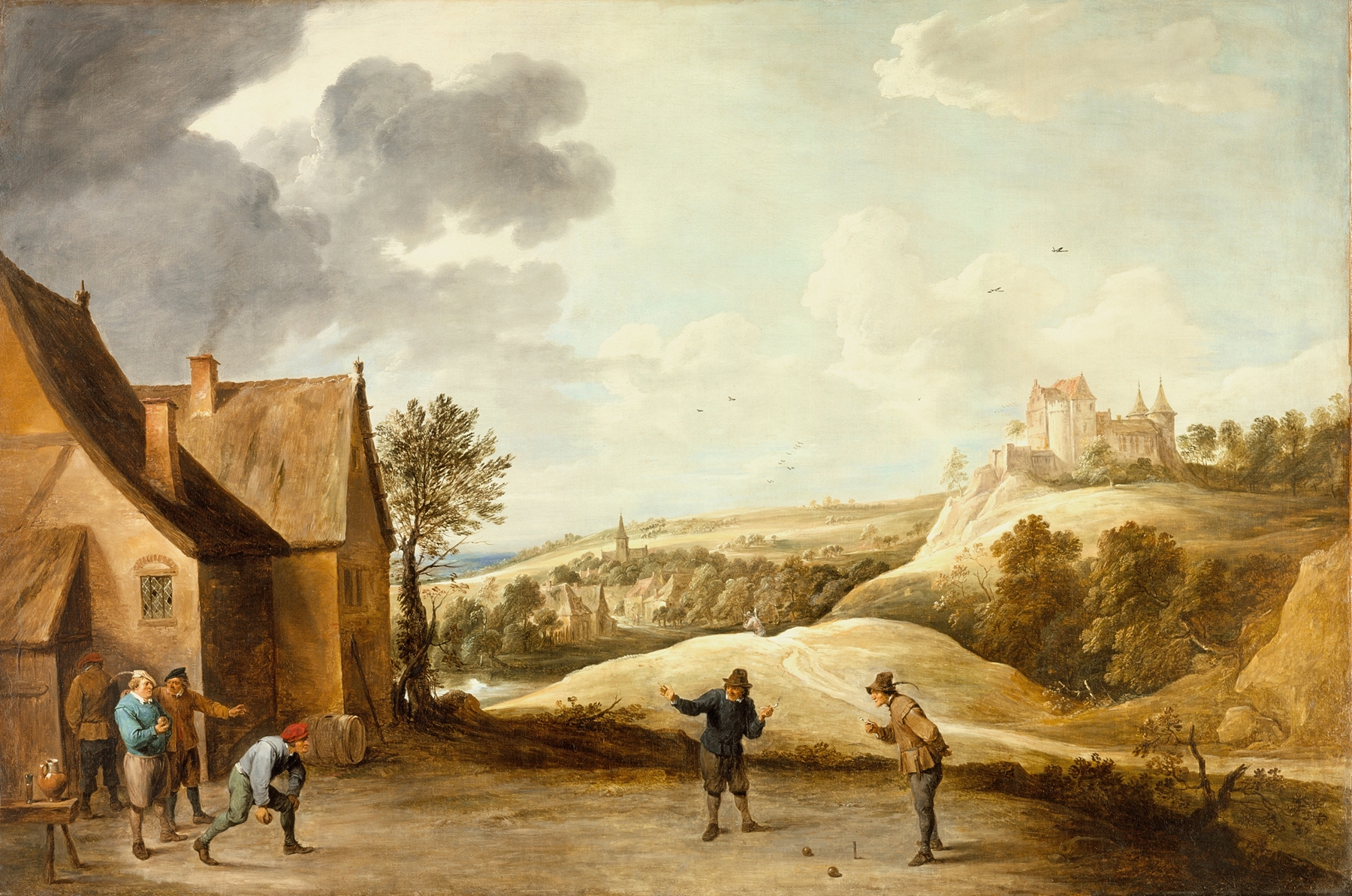
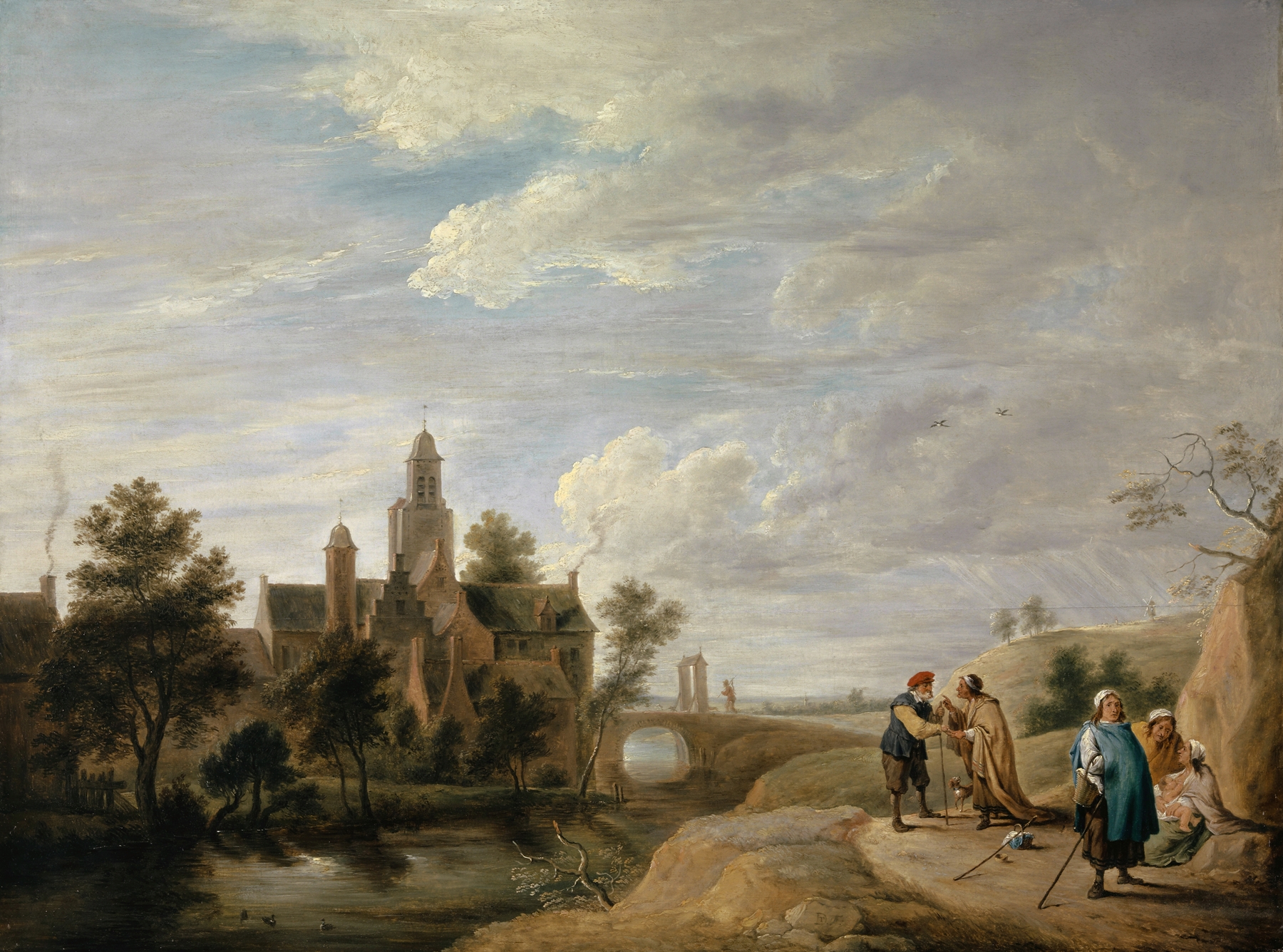
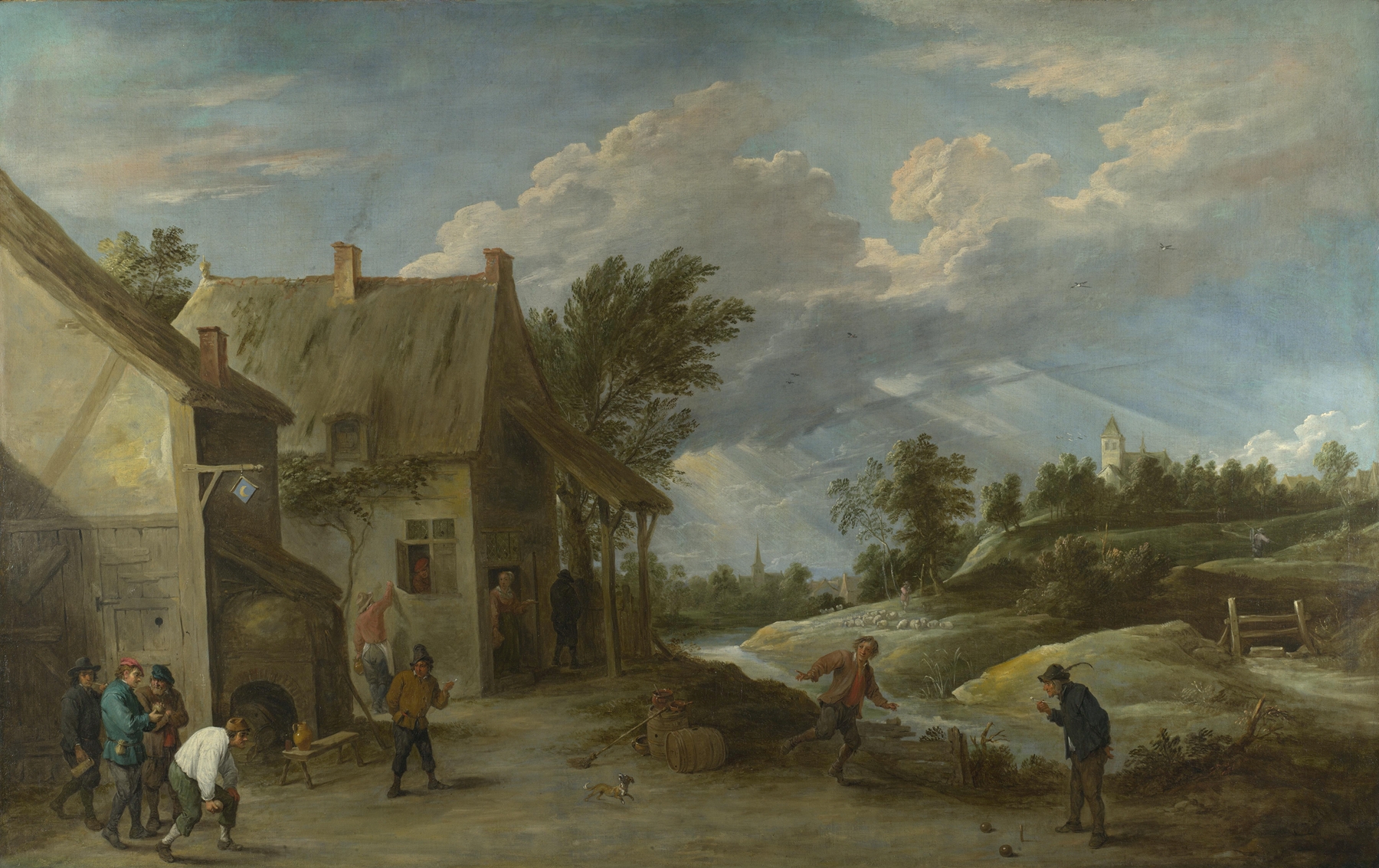
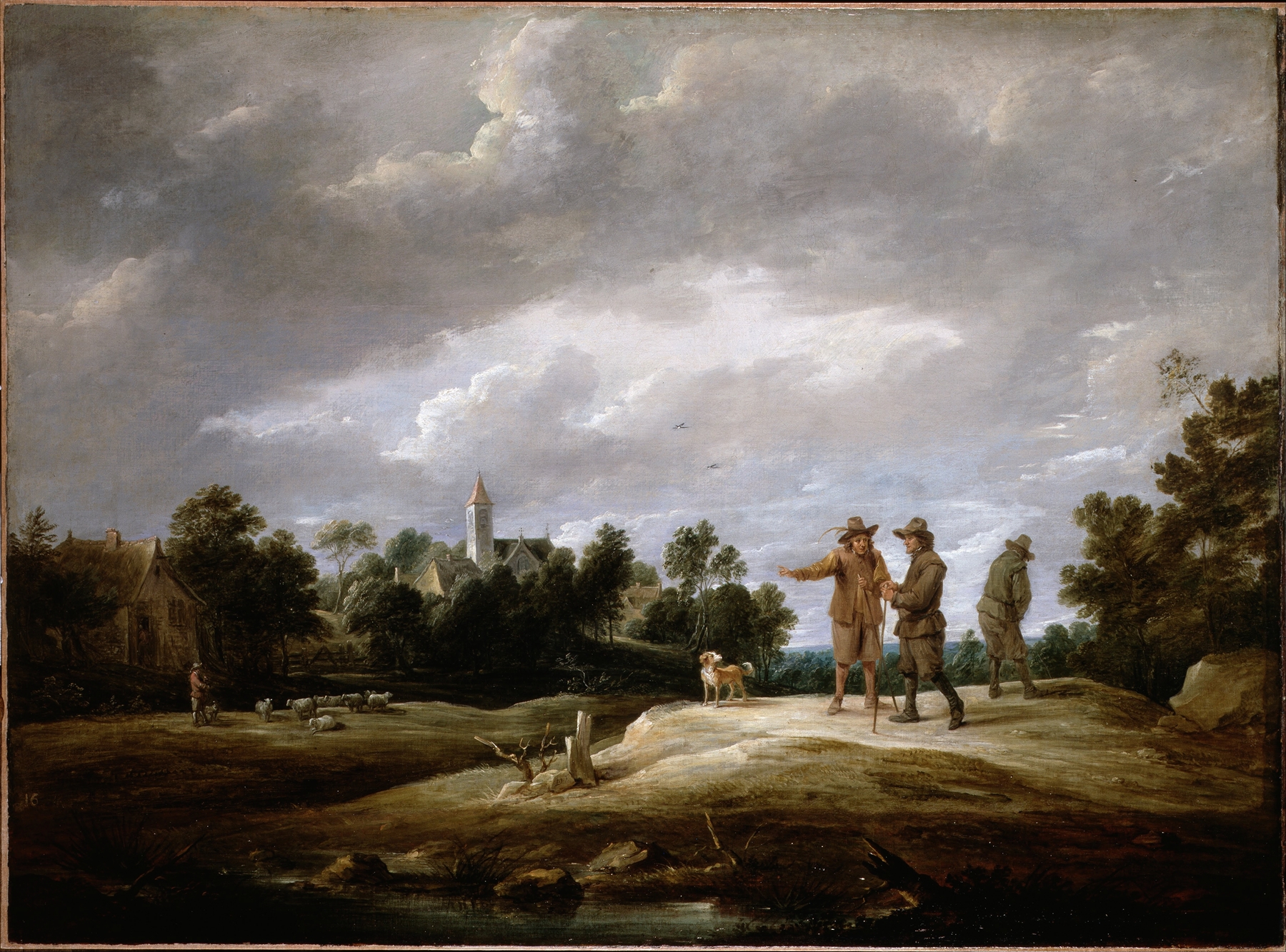
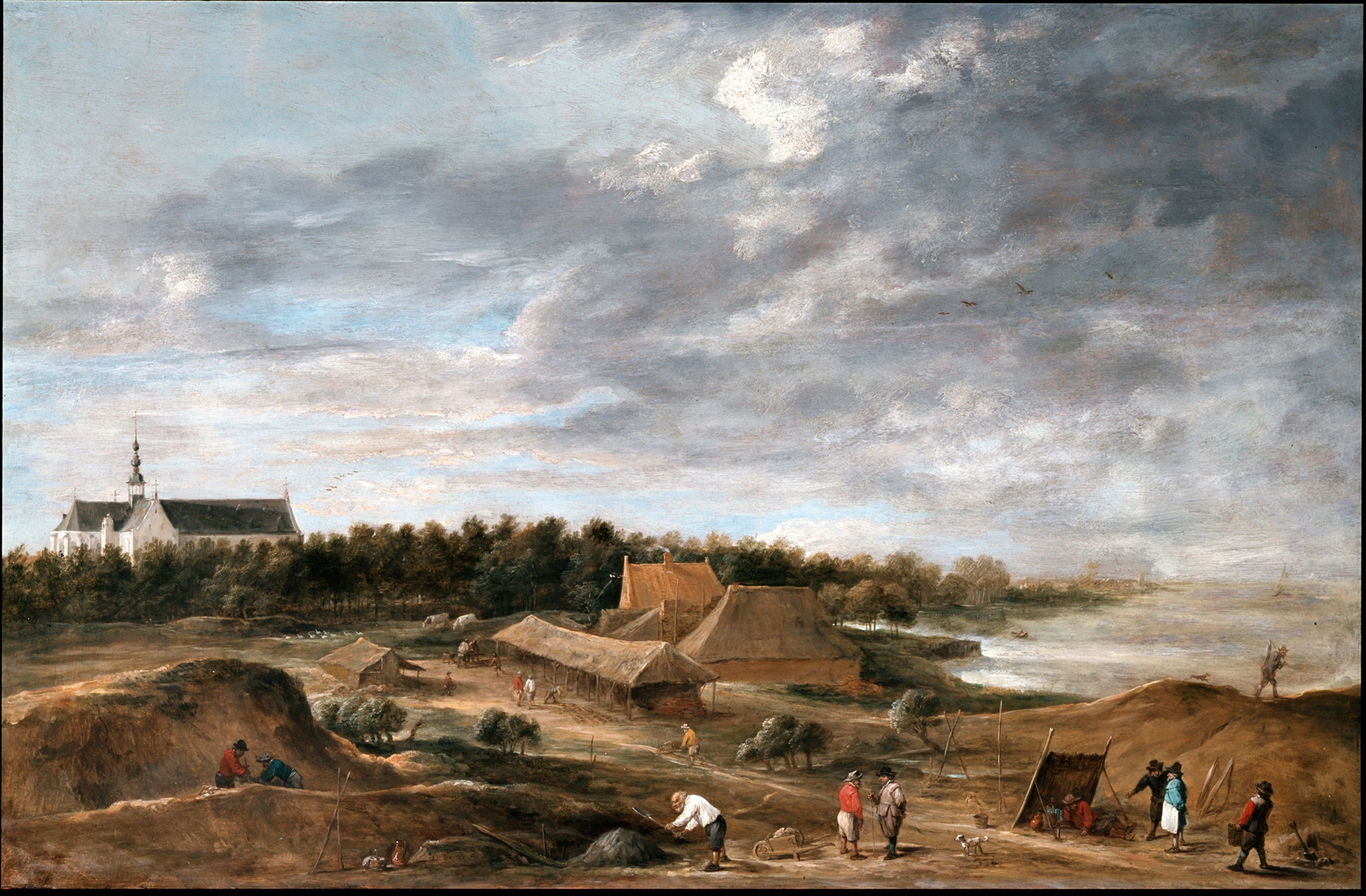
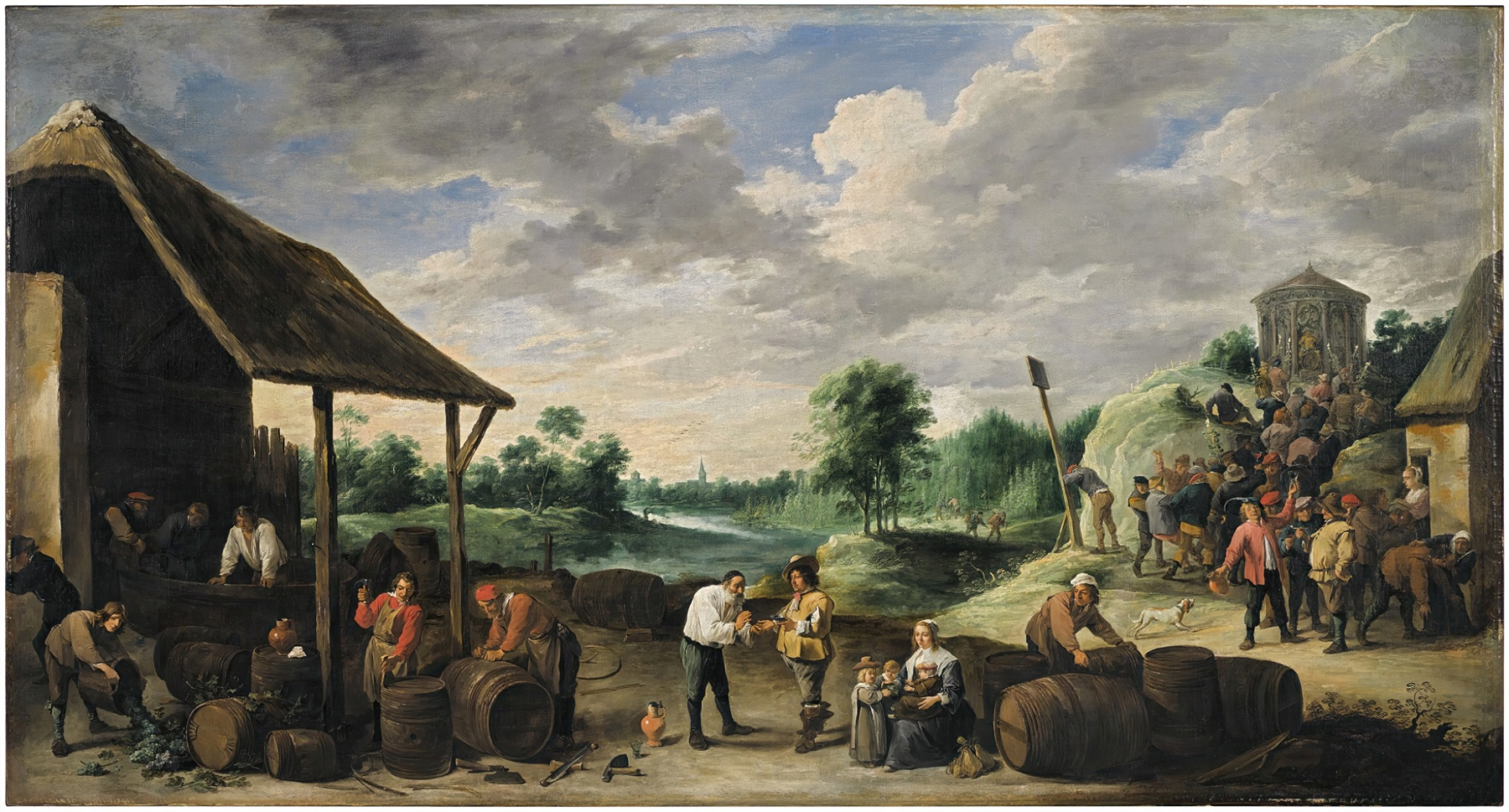
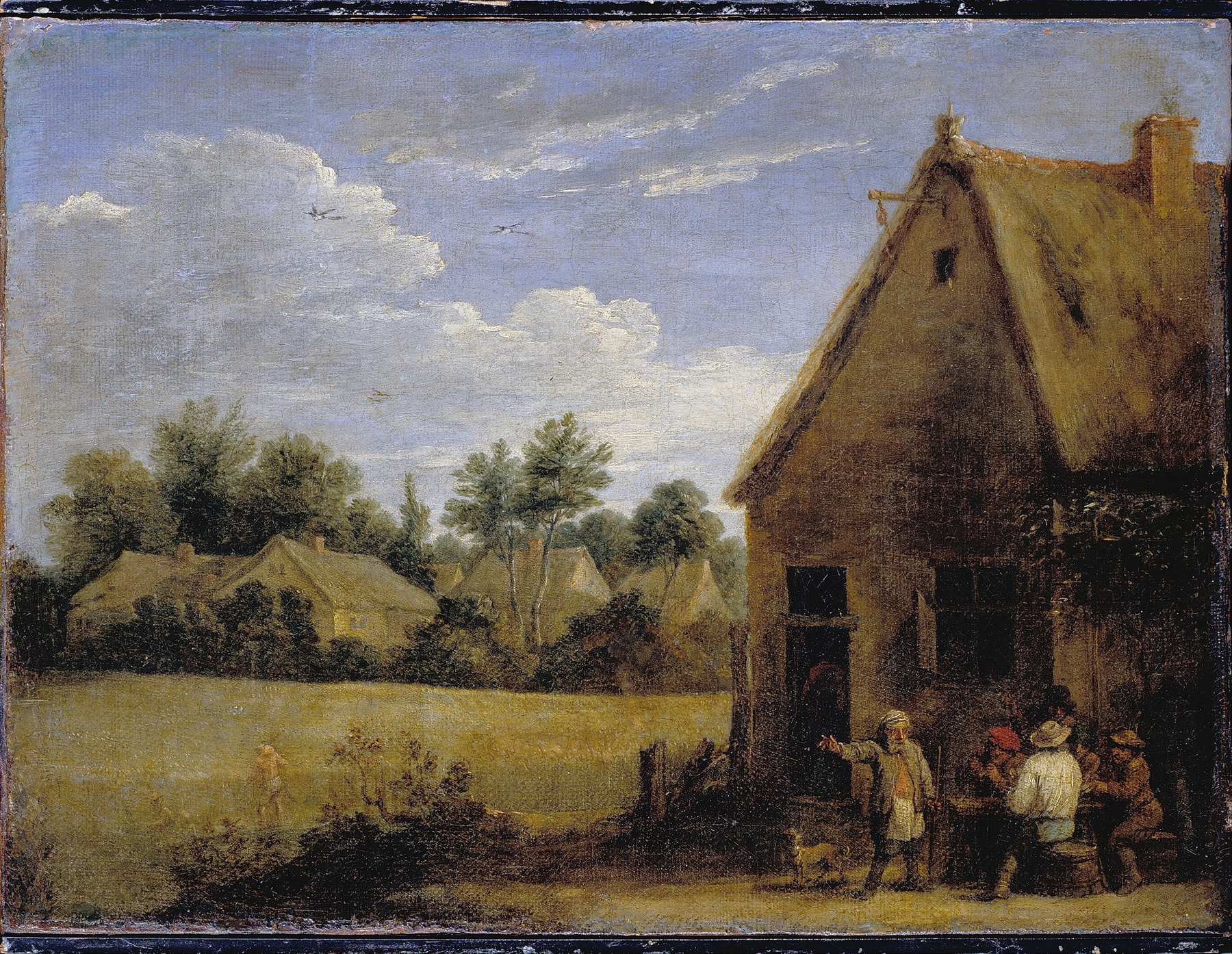
“Sometimes beauty is just pain, disguised in gold.” This poignant reflection resonates deeply when gazing upon the intricacies of this artwork, where color dances between vibrancy and shadow, revealing layers of emotion lurking beneath the surface. Look to the foreground at the castle’s grand façade, a testament to both human achievement and the fragility of ambition. The rich blues and earthy browns contrast sharply, drawing your eye to the ornate details that embellish the structure, while the green foliage wraps around it, a vivid reminder of nature’s quiet dominance. Notice how the sky, painted in gentle hues of twilight, bathes the scene in a bittersweet light, creating an atmosphere that oscillates between celebration and melancholy.
Beneath the enchanting colors lies a tapestry of emotional tension. The castle, a symbol of power and ownership, stands in stark opposition to the encroaching wilderness, suggesting a precarious balance between civilization and nature. The figures—its proprietors—appear both proud and burdened, captured in a moment that hints at the weight of their legacy. The lush surroundings may represent both beauty and a looming threat, posing questions about the cost of desire and ambition.
Created during the height of the Baroque period, this artwork emerged from the brush of an artist who thrived in a world marked by conflict and transformation. As a prominent figure in 17th-century Flemish painting, he navigated a shifting landscape of artistic influence, characterized by both realism and the burgeoning interest in landscape. While the exact date of creation remains elusive, it reflects a period where art served as a means to explore the complexities of human experience, echoing the conflicts and triumphs of his time.