A cottage on fire at night — History & Analysis
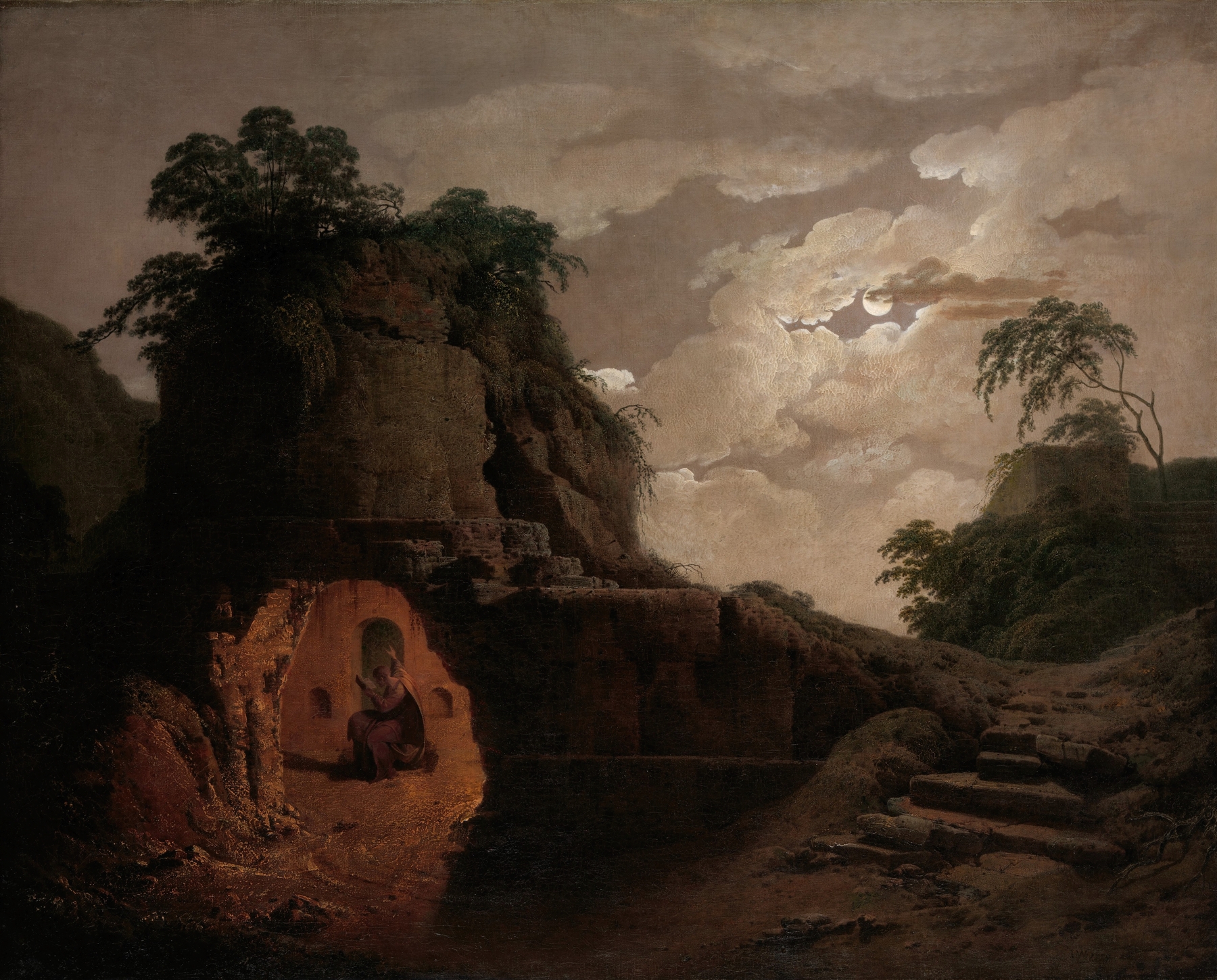
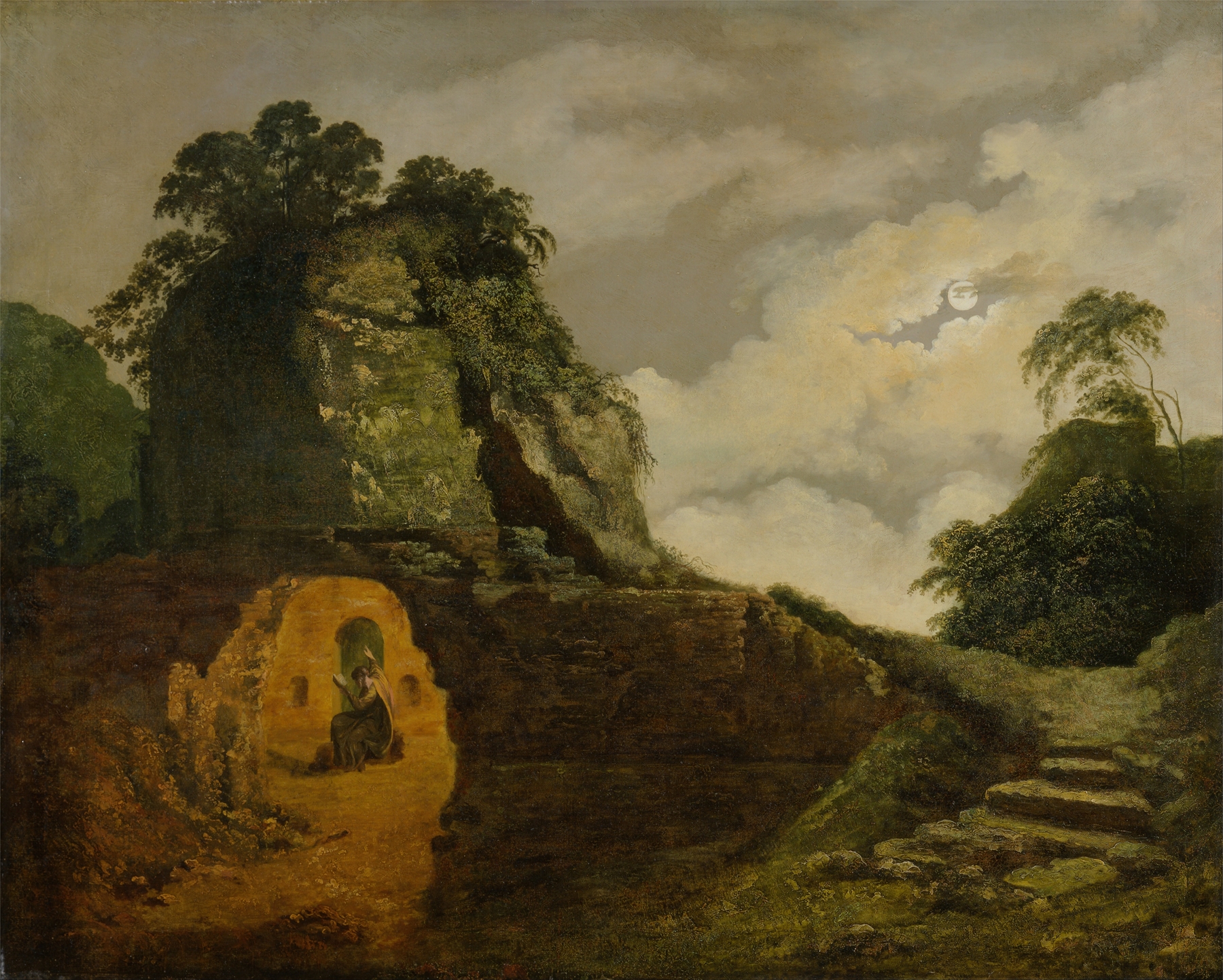
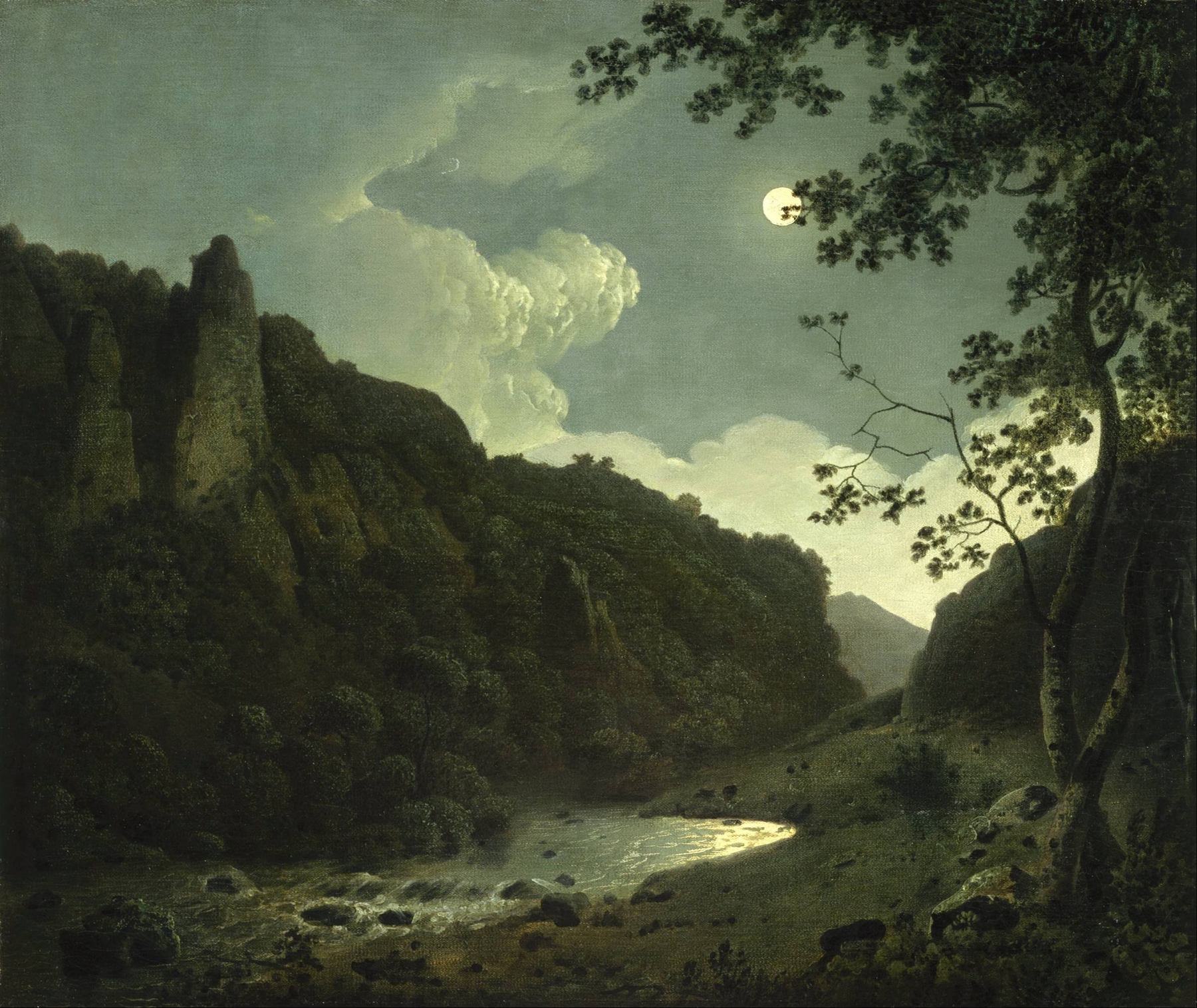
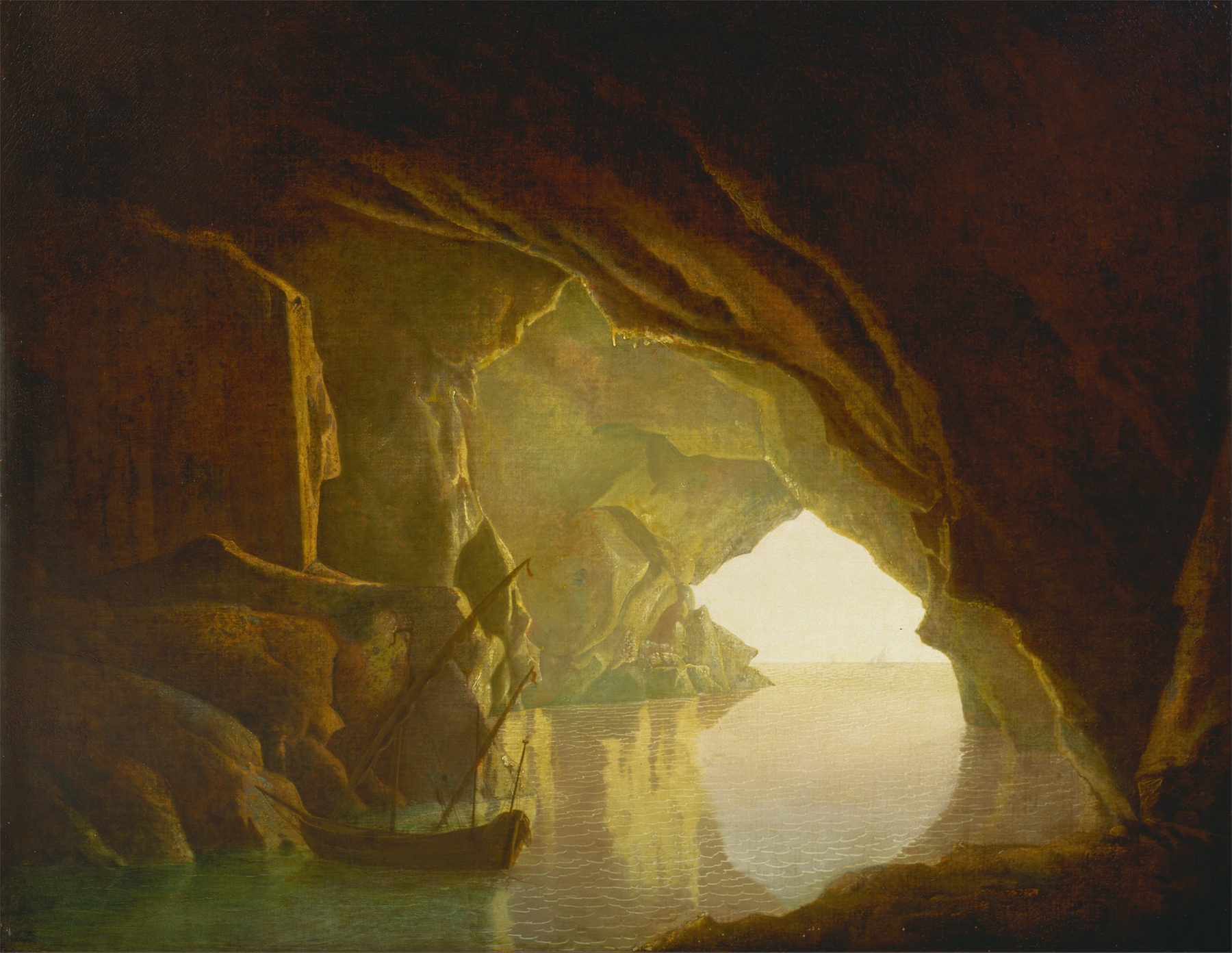
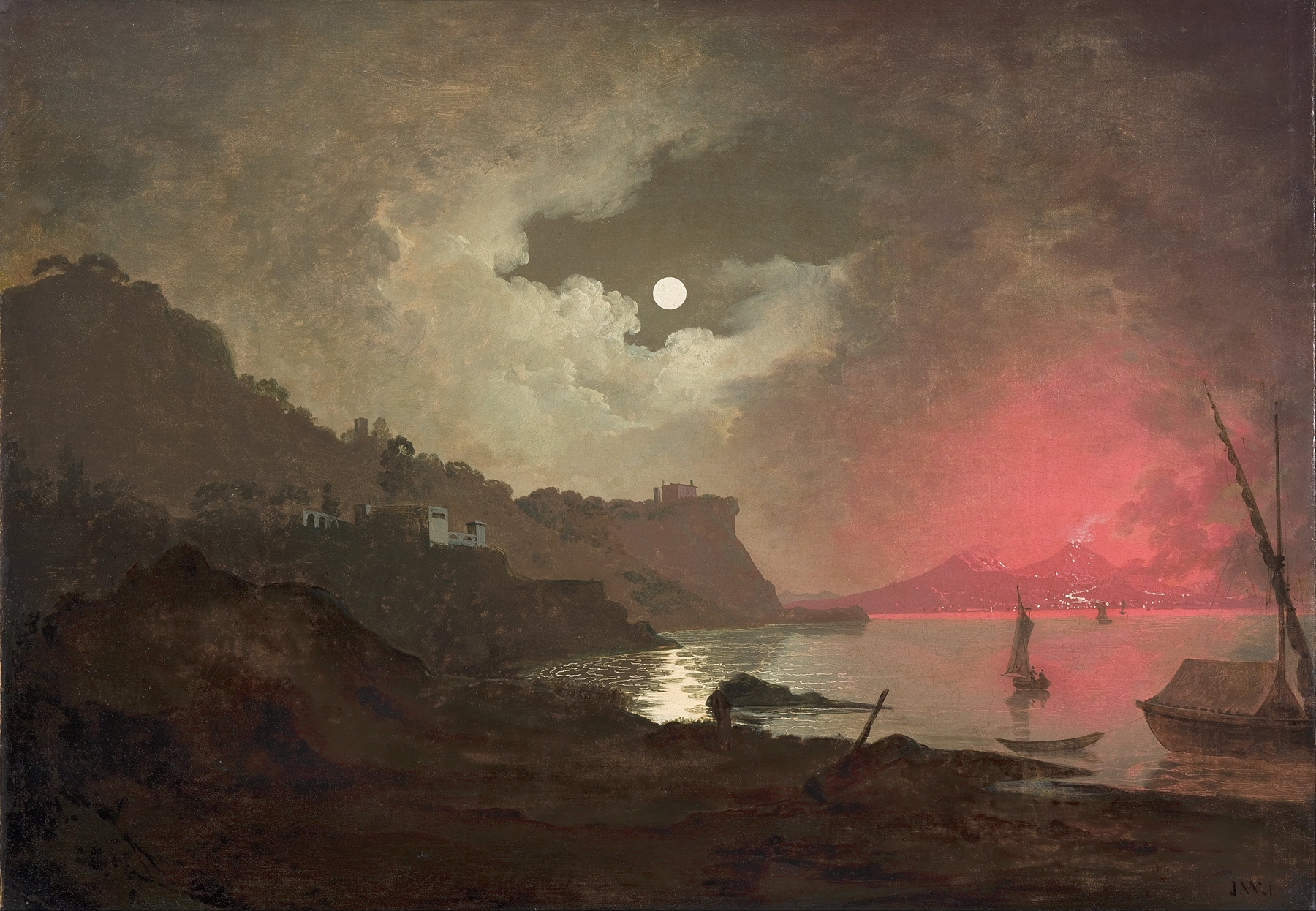
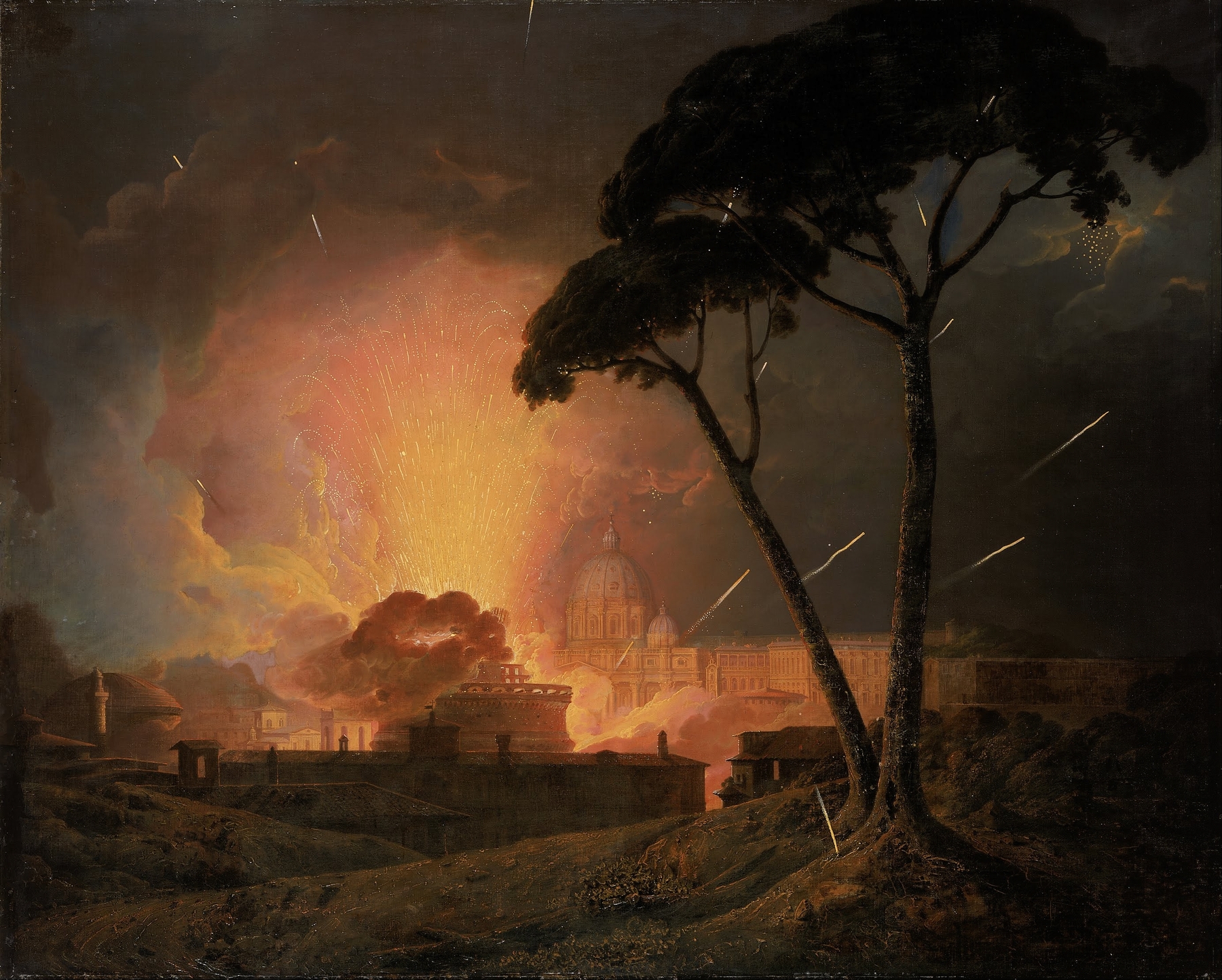
What if beauty was never meant to be finished? In the flickering glow of a fire, we find reflections of chaos and serenity intertwined, illuminating the fragile line between destruction and creation. Focus on the warm hues radiating from the flames, spilling light onto the surrounding darkness. The cottage, consumed by fire, stands as a haunting silhouette against the night sky, its form a stark reminder of impermanence.
Notice how the contrast between the vibrant oranges and deep blacks pulls your gaze towards the heart of the inferno, while the shadows extend like ghostly fingers, hinting at the stories lost within the flames. In this scene, emotional tension simmers beneath the surface—the juxtaposition of light and darkness evokes a sense of both wonder and dread. The vibrant glow suggests a certain beauty, yet the destruction it heralds speaks to the inevitability of loss. The fire serves as a reflection of human existence: transient yet profound, captivating yet devastating, leaving us to ponder what remains when the last embers fade.
Joseph Wright of Derby painted this work during a period marked by the Enlightenment, when interest in nature and human emotion was on the rise. Created in England, likely in the mid-18th century, his exploration of light and shadow reflects the era's scientific curiosity and emotional depth. In a world grappling with change, this painting encapsulates the fragility of life and the beauty that resides even in tragedy.