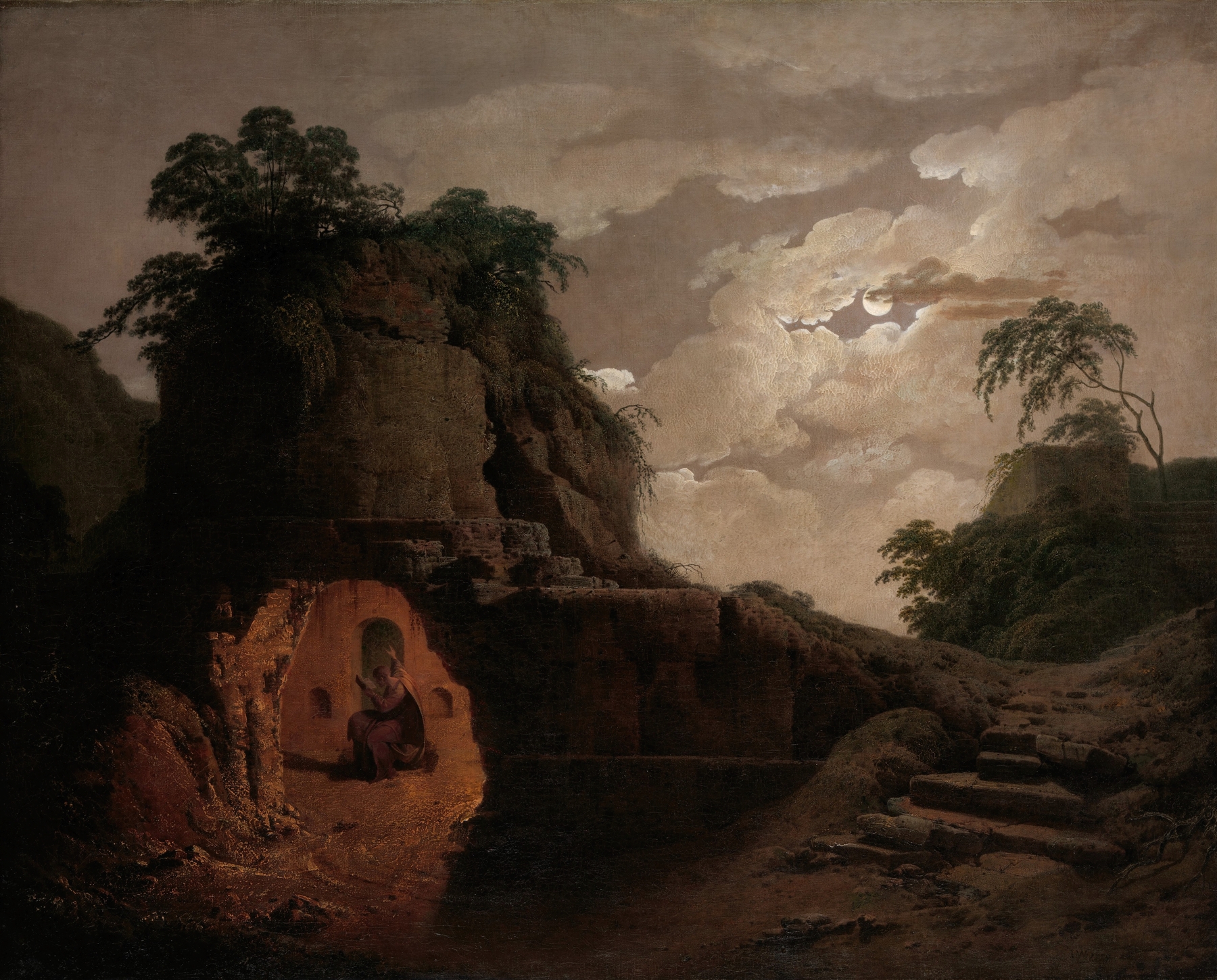
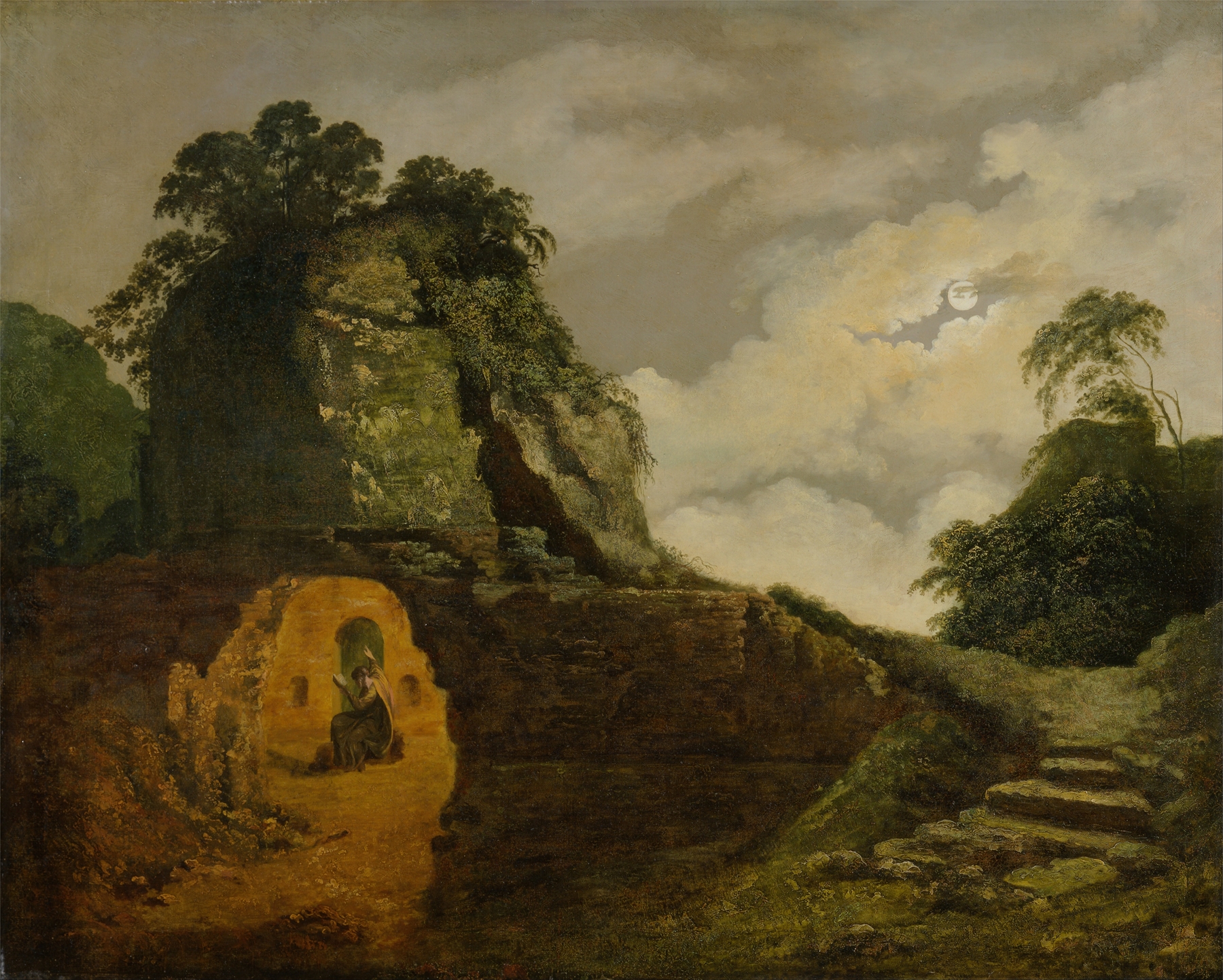
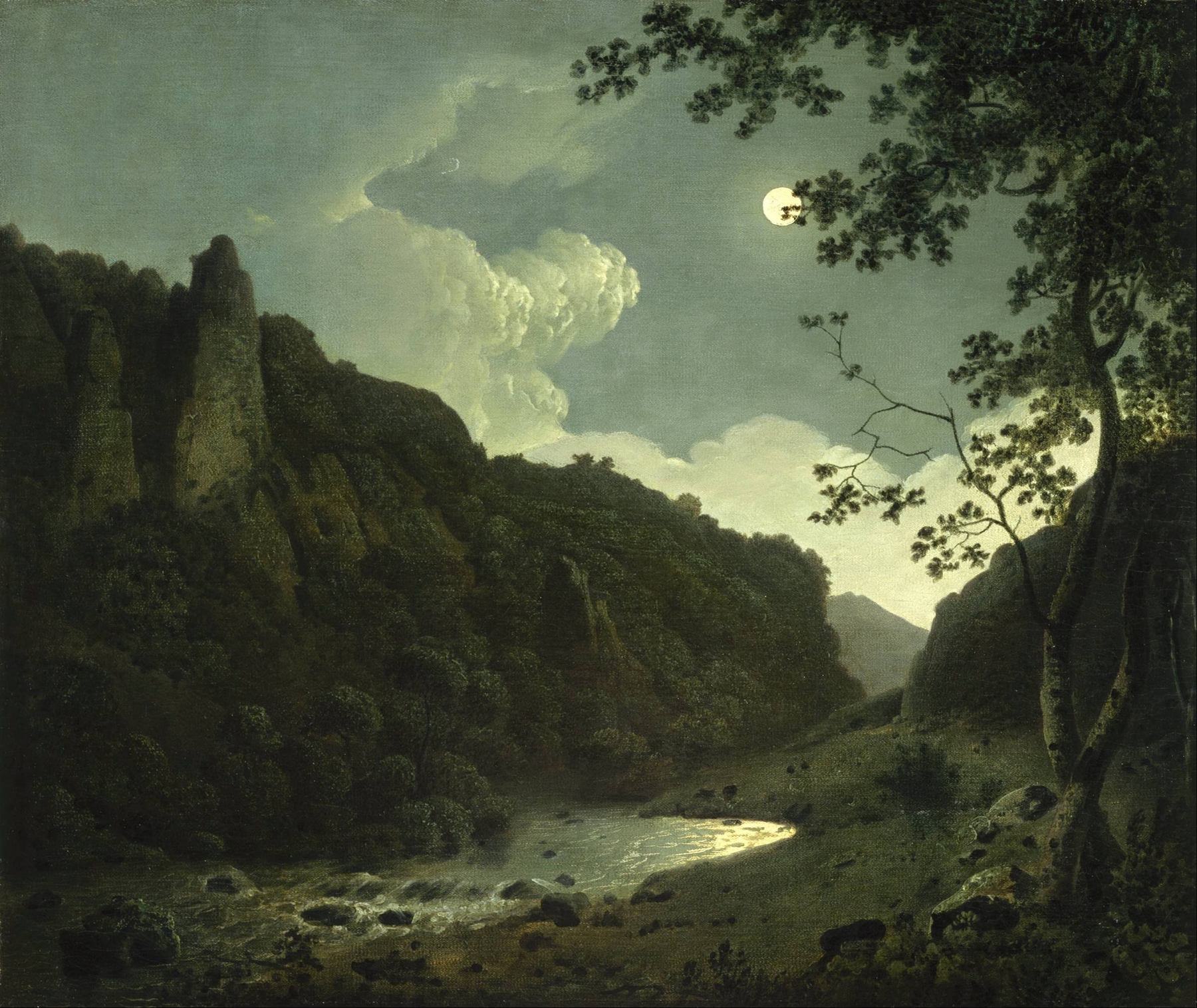
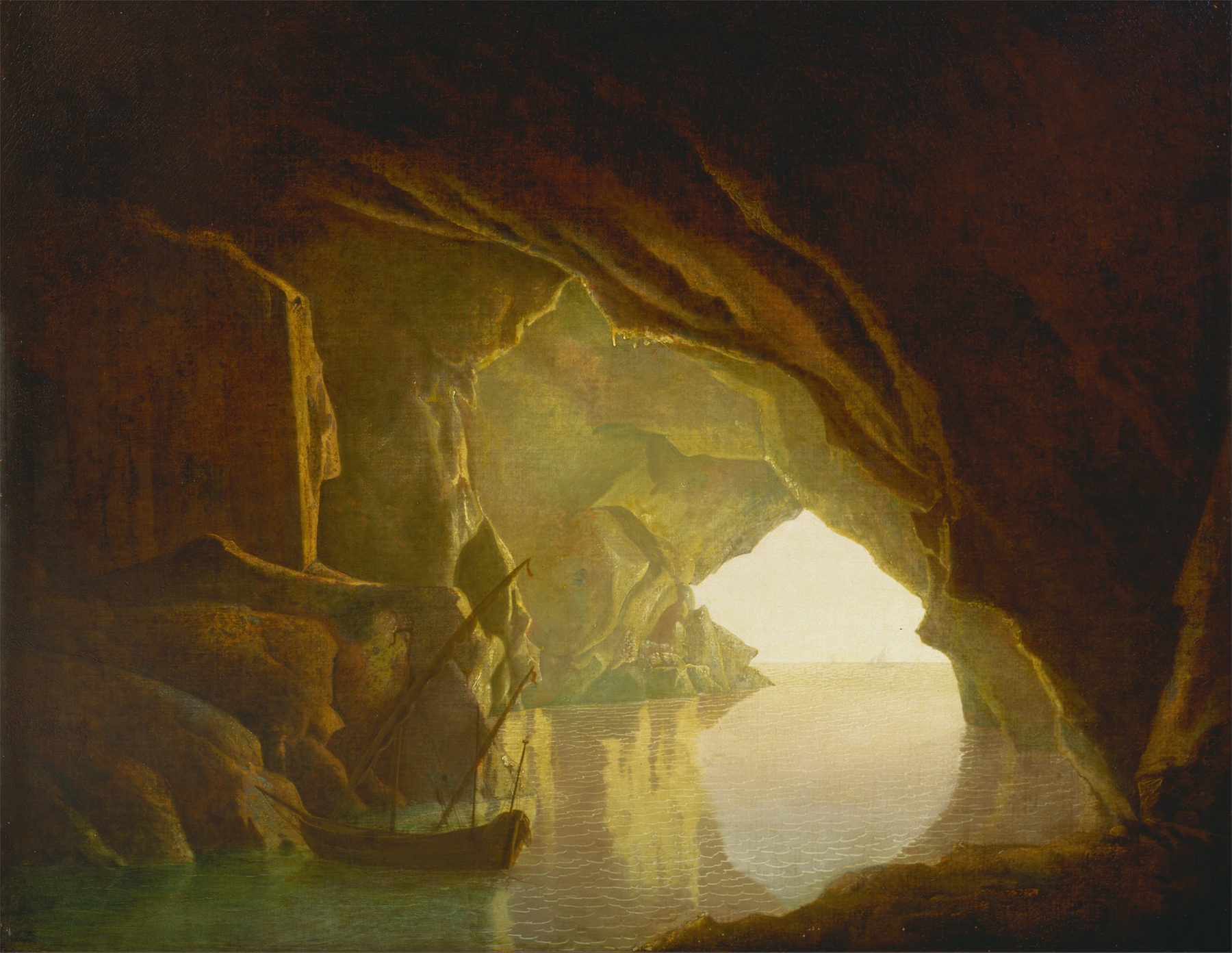
The Gulf of Salerno — History & Analysis
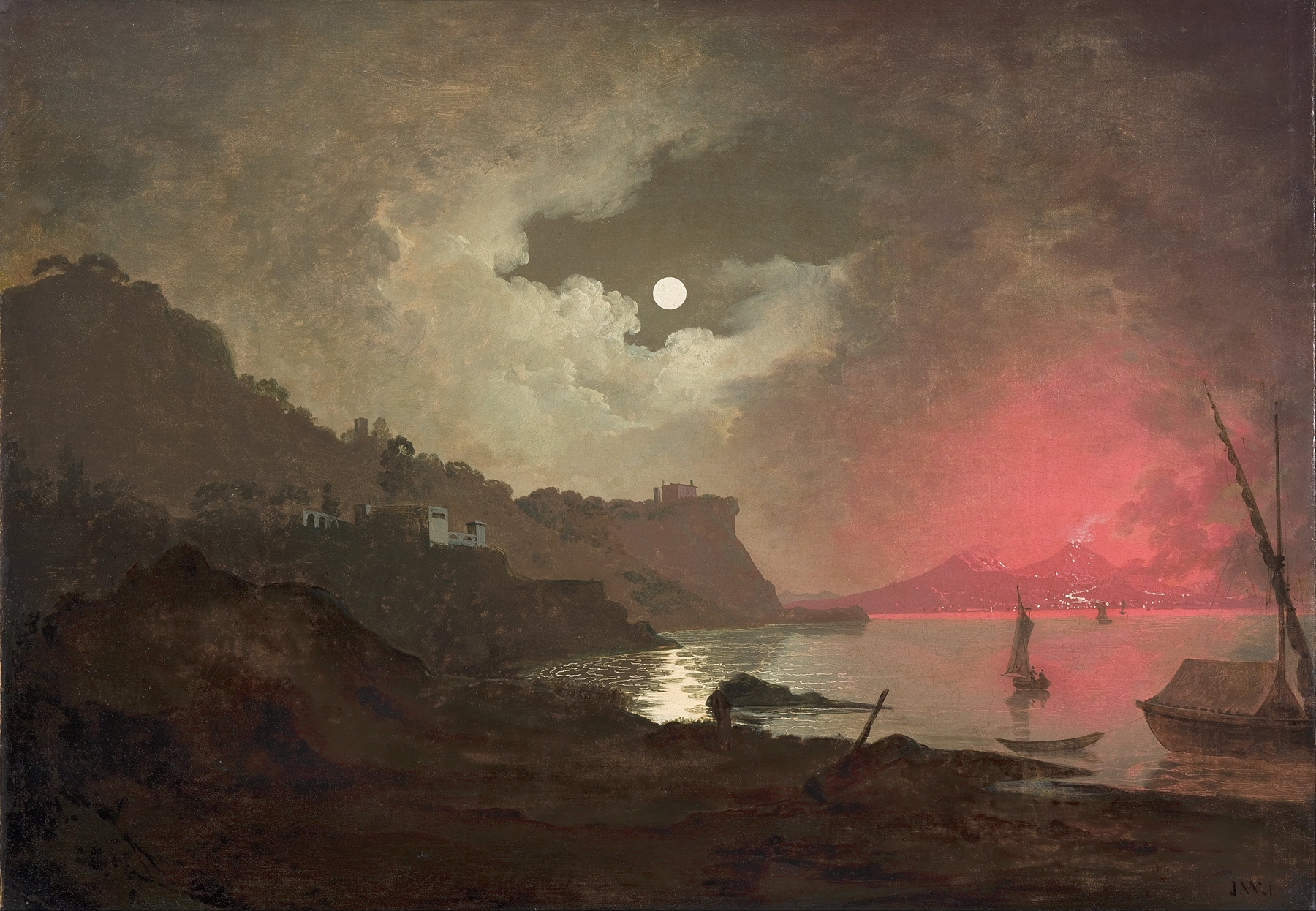
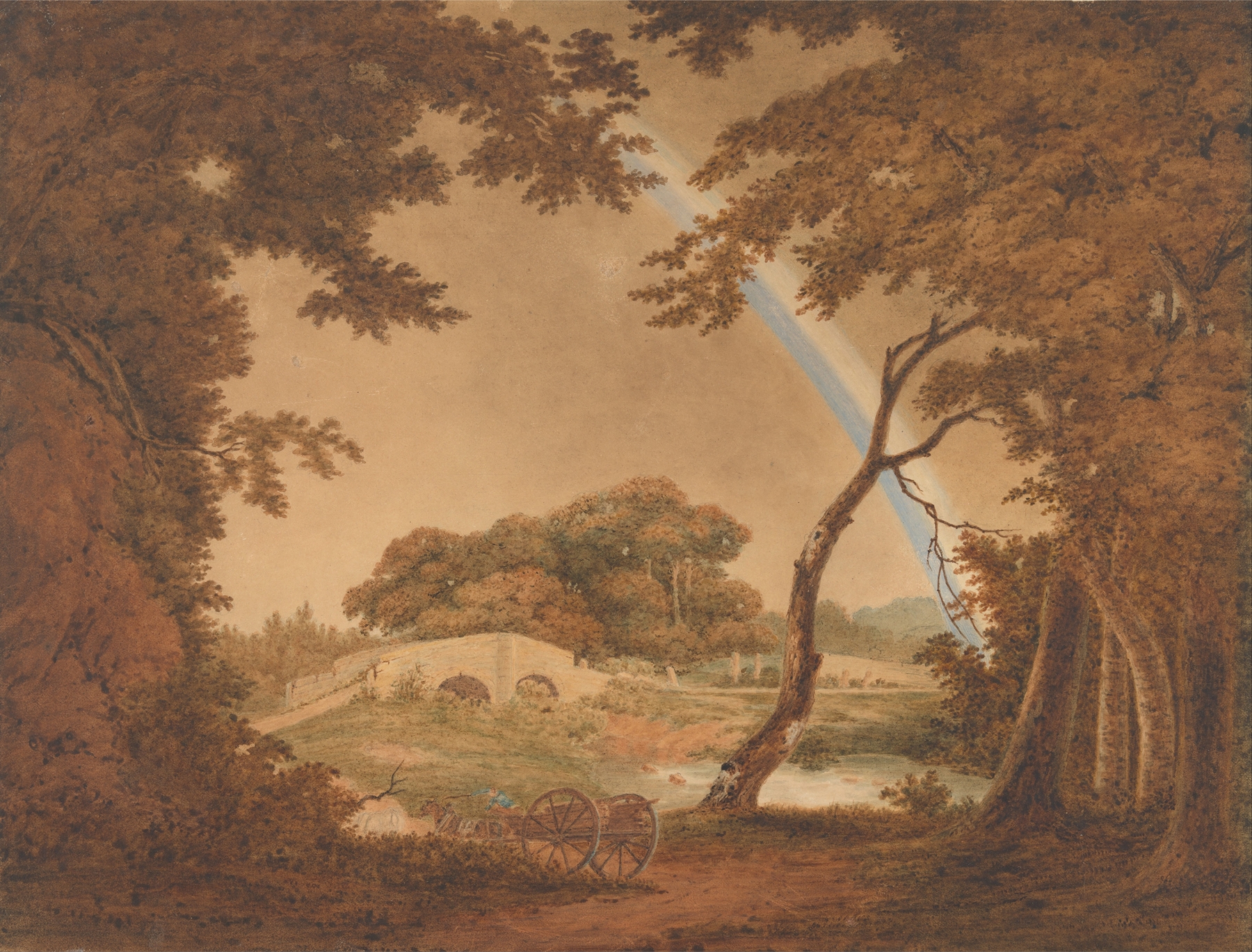
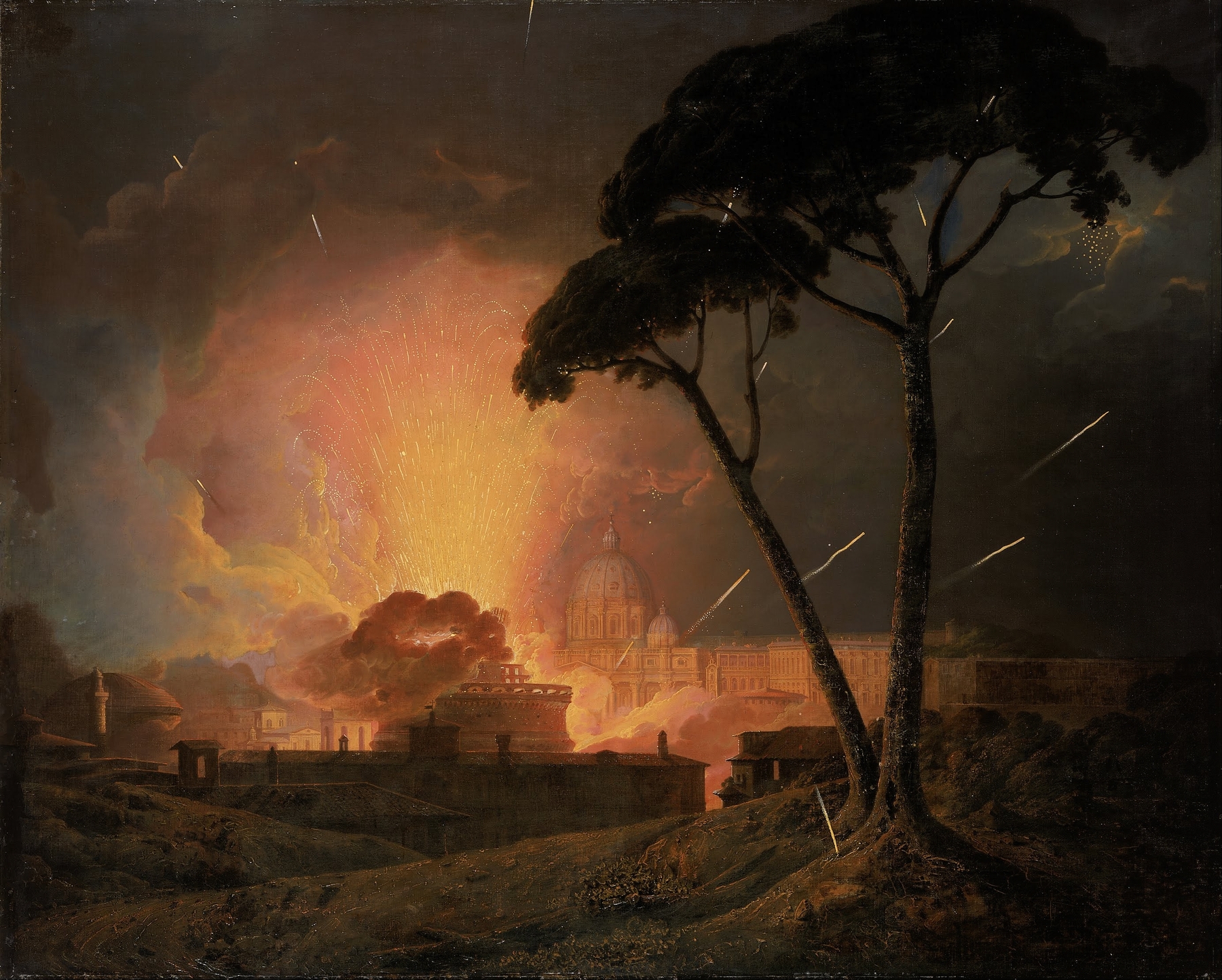
When did color learn to lie? In an era where the essence of truth was chased relentlessly, light and shadow conspire to create a world suspended in time. Focus on the deep blues swirling in the water, where the vibrant hues seem to dance upon the surface, reflecting a sky both turbulent and tranquil. Notice how the warm oranges and yellows of the setting sun blend seamlessly with the cool undertones, merging the elements into a harmonious, yet unsettling, balance.
The composition draws the eye toward the horizon, where the sun’s descent creates a dramatic chiaroscuro, emphasizing the tension between day and night, light and dark. In the foreground, the scattered boats suggest movement and life, while the distant cliffs loom like silent sentinels, betraying a sense of isolation. This juxtaposition creates a haunting echo of longing, as if the landscape itself yearns for the warmth of the sun. The air is thick with an unspoken story, reflecting the broader uncertainties of the age, as the tumult of the natural world mirrors the turbulence of human emotion.
Joseph Wright of Derby painted The Gulf of Salerno between 1783 and 1785, during a time of significant change in the world and the art community. Emerging from the shadows of the Enlightenment, Wright explored the relationship between nature and human experience. In the wake of industrial progress and philosophical inquiry, he embraced color and light to reveal the complexities of both the landscape and the emotions it evokes.