Virgil’s Tomb By Moonlight — History & Analysis
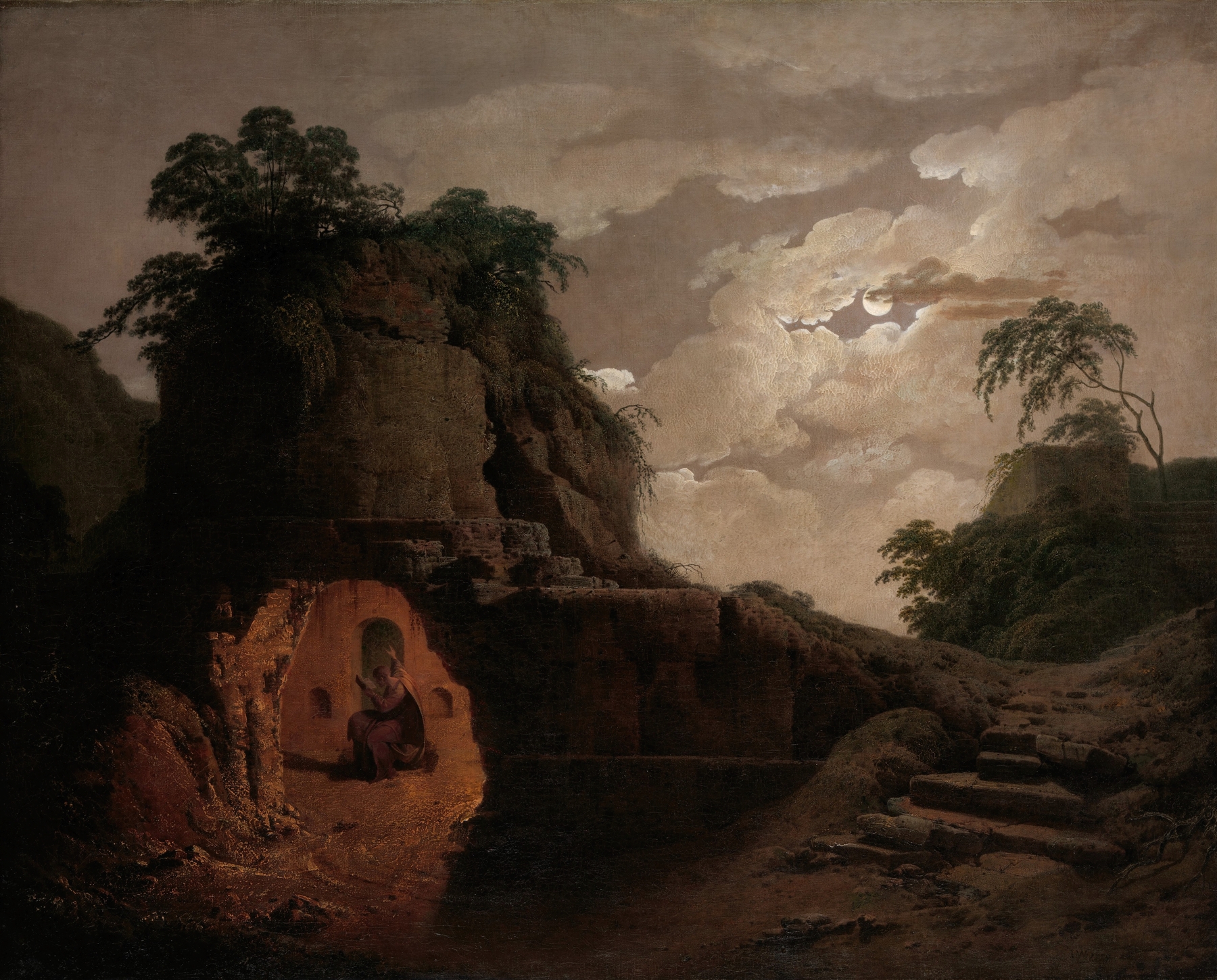
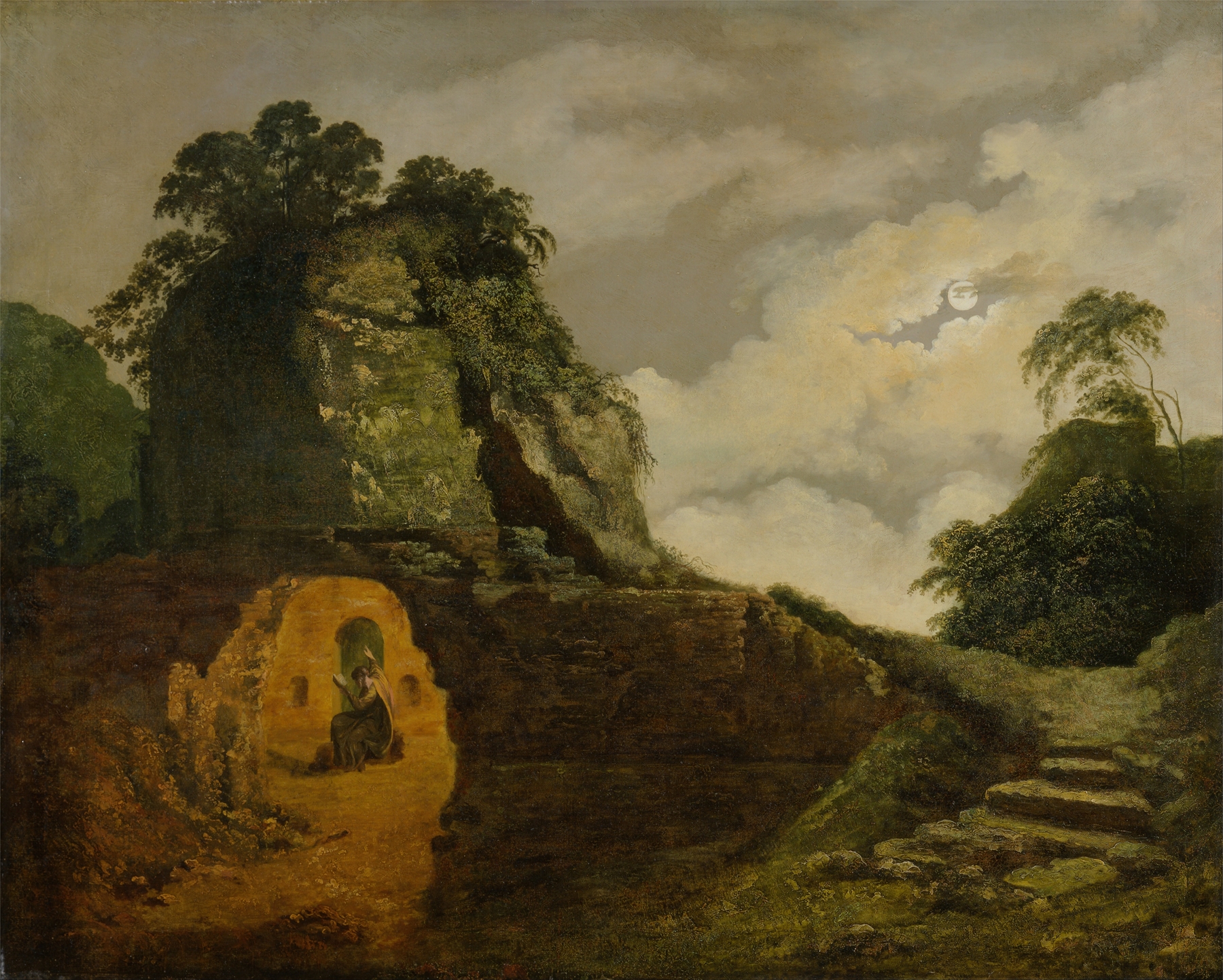
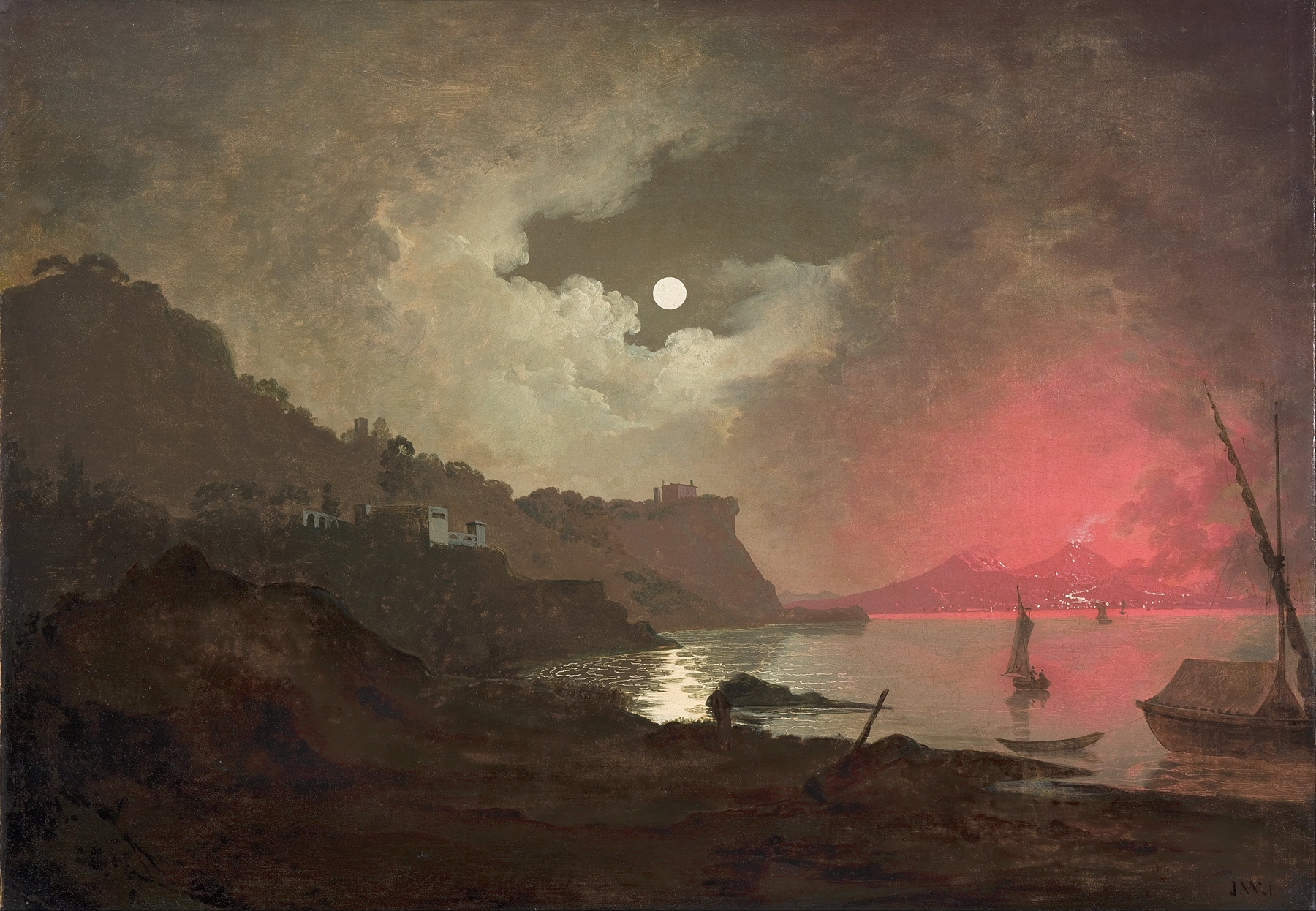
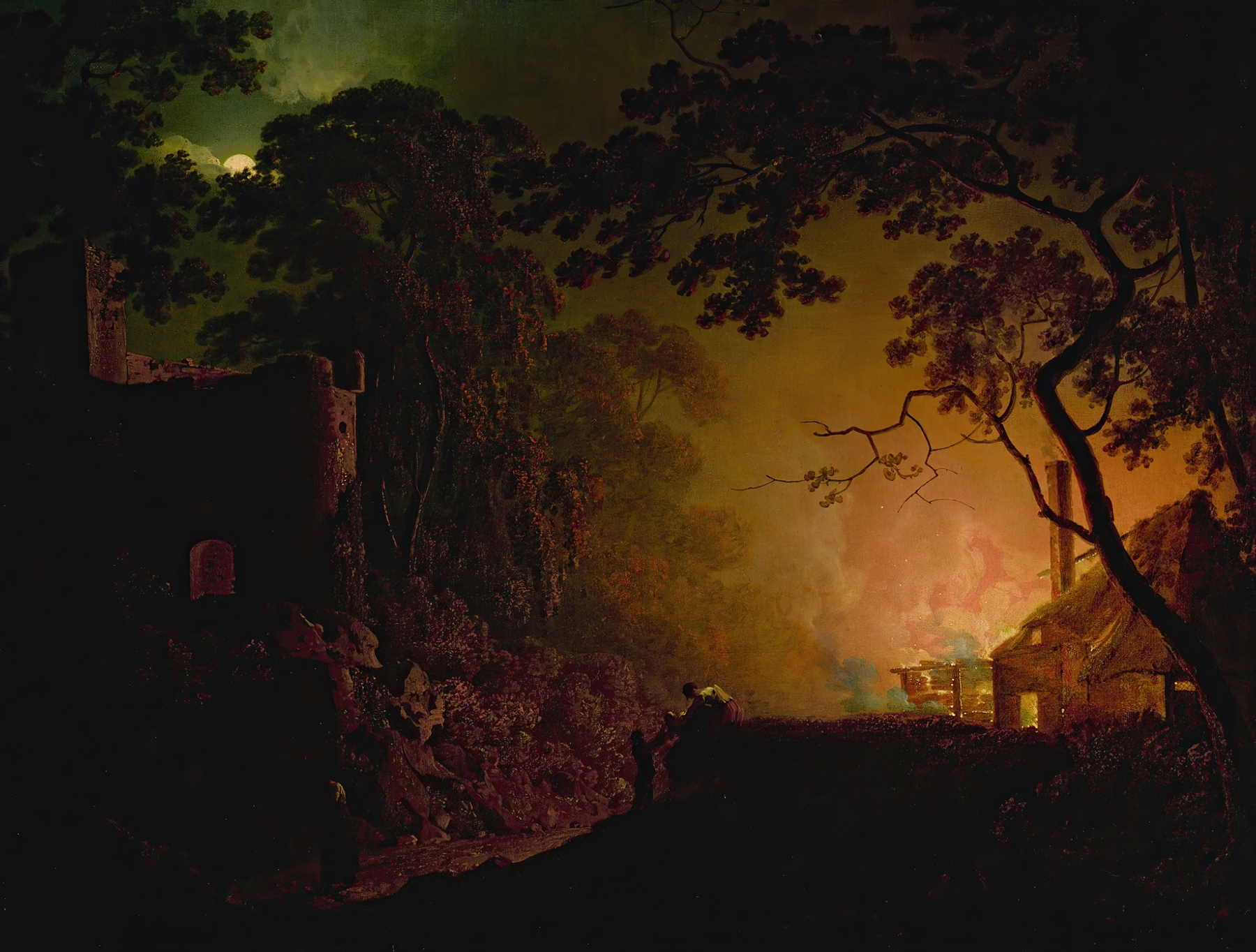
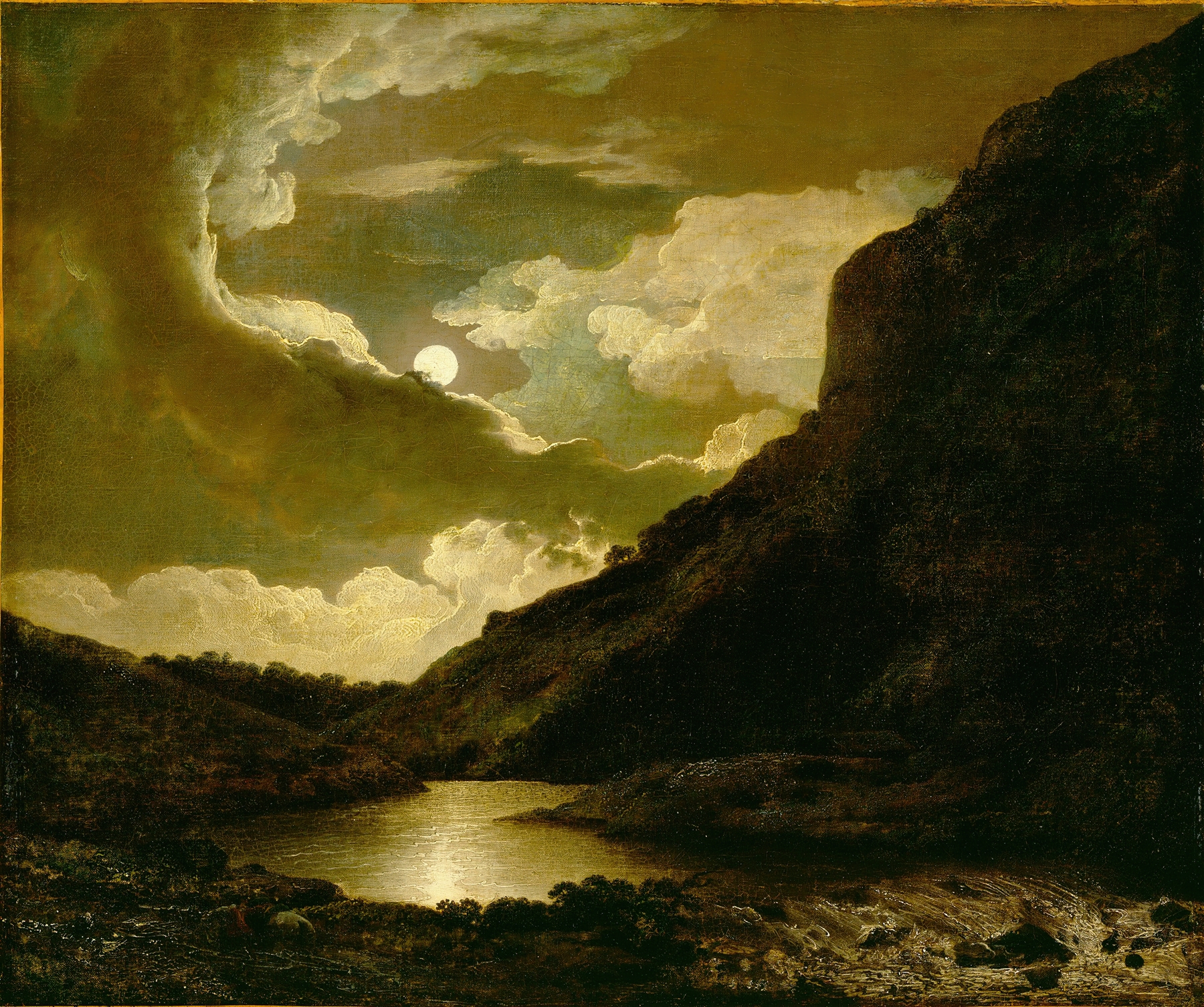
Can beauty exist without sorrow? In Virgil's Tomb By Moonlight, the answer seems to linger like the shadows cast beneath the silver glow, where history and longing intertwine. Focus first on the striking nocturnal scene that Wright masterfully depicts. Look to the left where the moonlight bathes the ancient tomb in a soft, ethereal glow, illuminating the weathered stone. The contrast between the cool blues of the night sky and the warm amber tones reflecting off the figures creates a palpable tension.
Notice how the artist crafts a delicate balance between light and dark, inviting the viewer to feel both the allure and the melancholy that the scene evokes. As your eyes explore further, consider the people gathered around the tomb. Their postures are laden with reverence and yearning, suggesting a deep connection to the past. The solitary figure in the foreground, gazing contemplatively, embodies the universal human struggle with legacy and memory.
This painting, while visually enchanting, speaks to the profound sorrow and respectful awe that often accompany reflections on the lives that preceded us. In 1779, Joseph Wright of Derby created this work in a period marked by Enlightenment ideals and a growing interest in classical antiquity. While pursuing his career in England, he was deeply influenced by the emotional depth of Romanticism and the burgeoning movement of landscape painting. This masterpiece encapsulates both personal and cultural aspirations, portraying a moment where beauty, loss, and longing converge beneath a moonlit sky.