Dovedale by Moonlight — History & Analysis
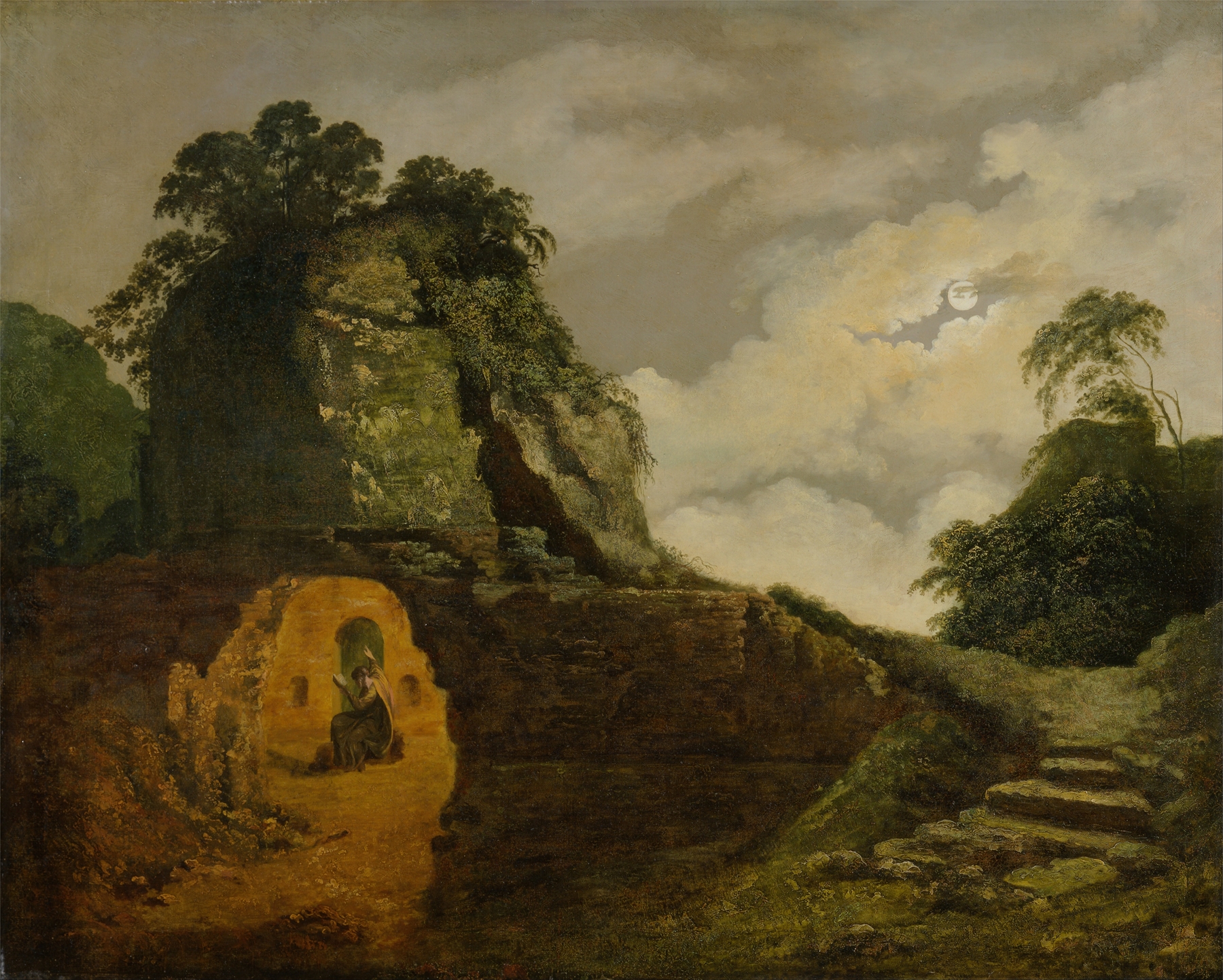
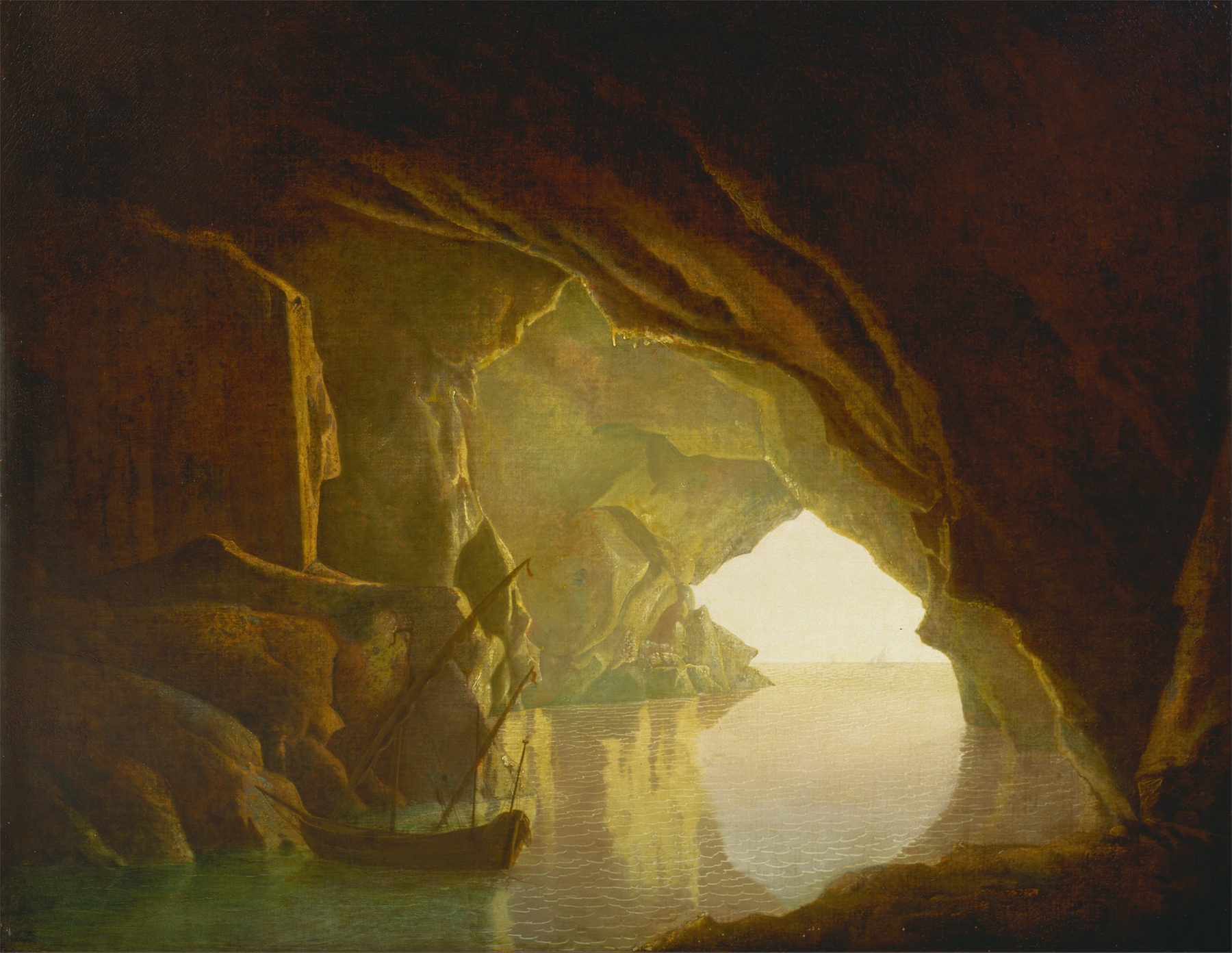
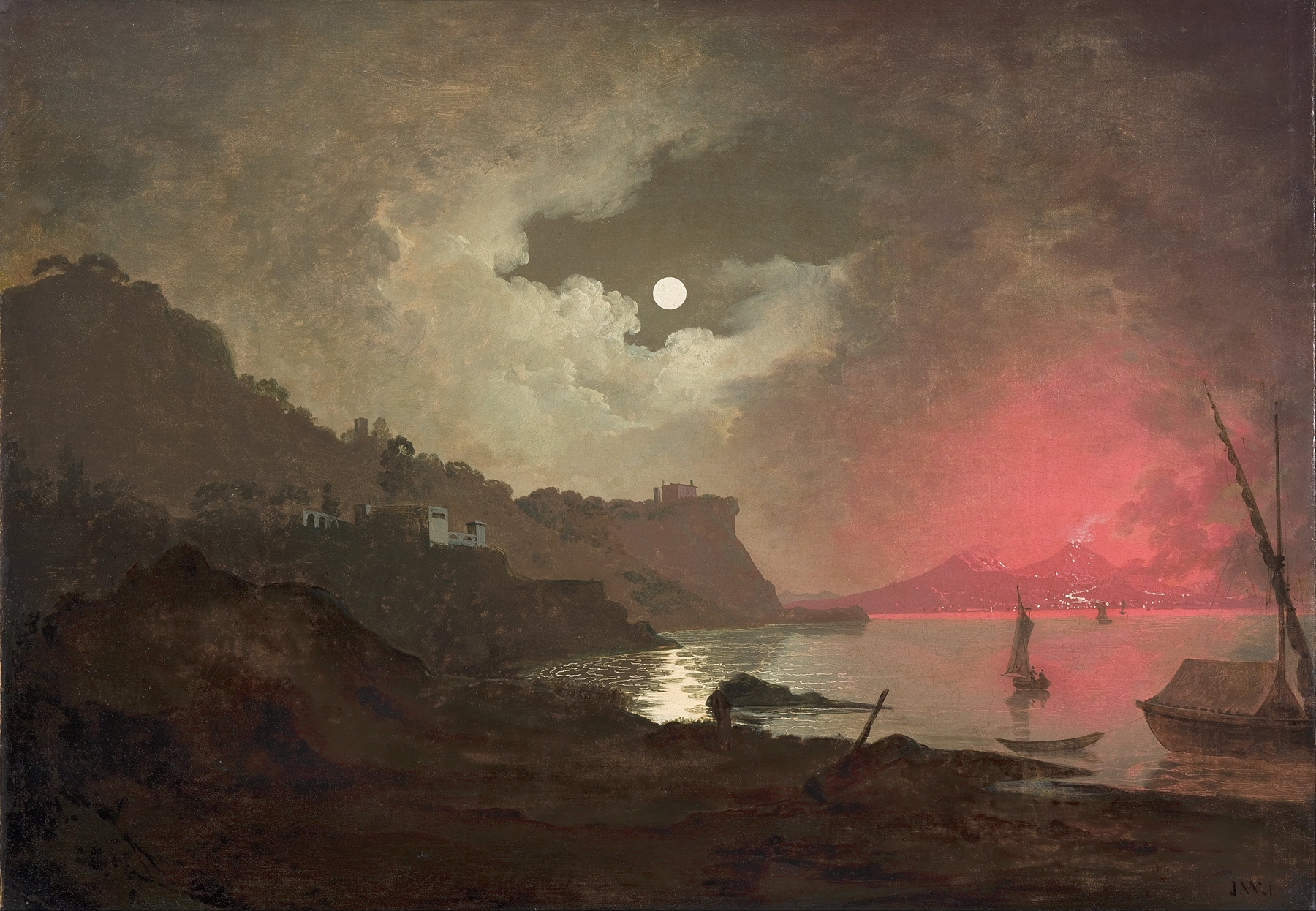
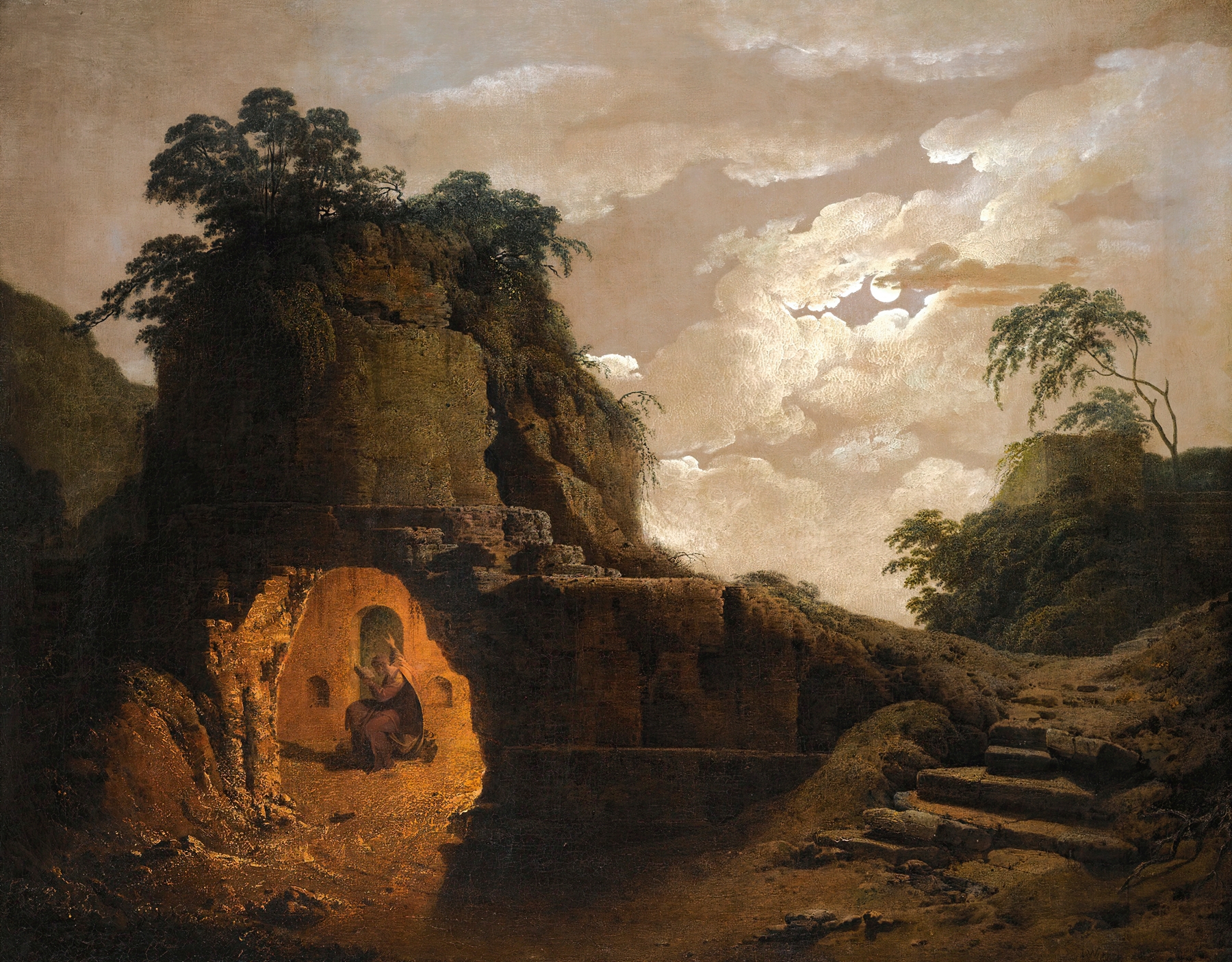
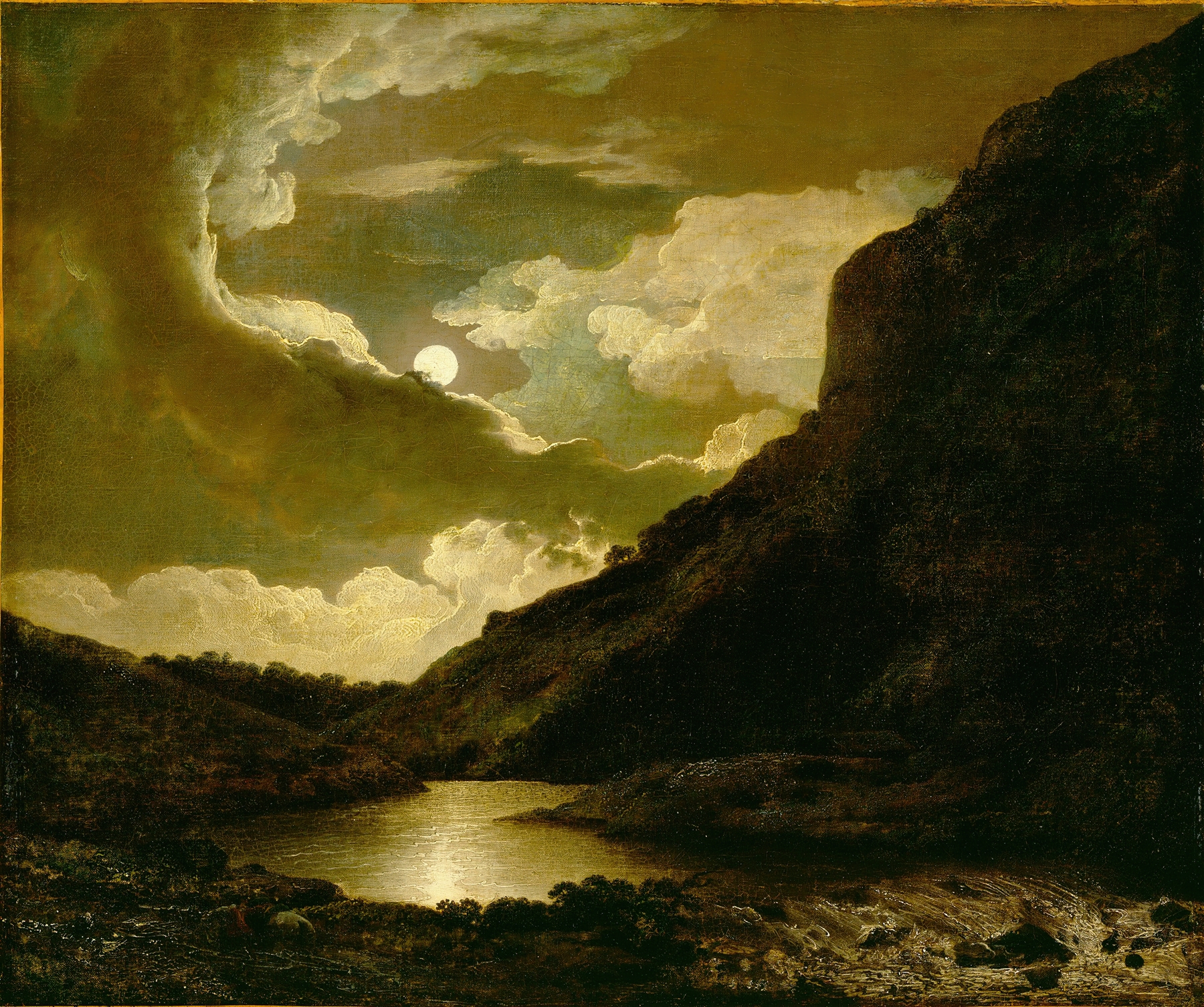
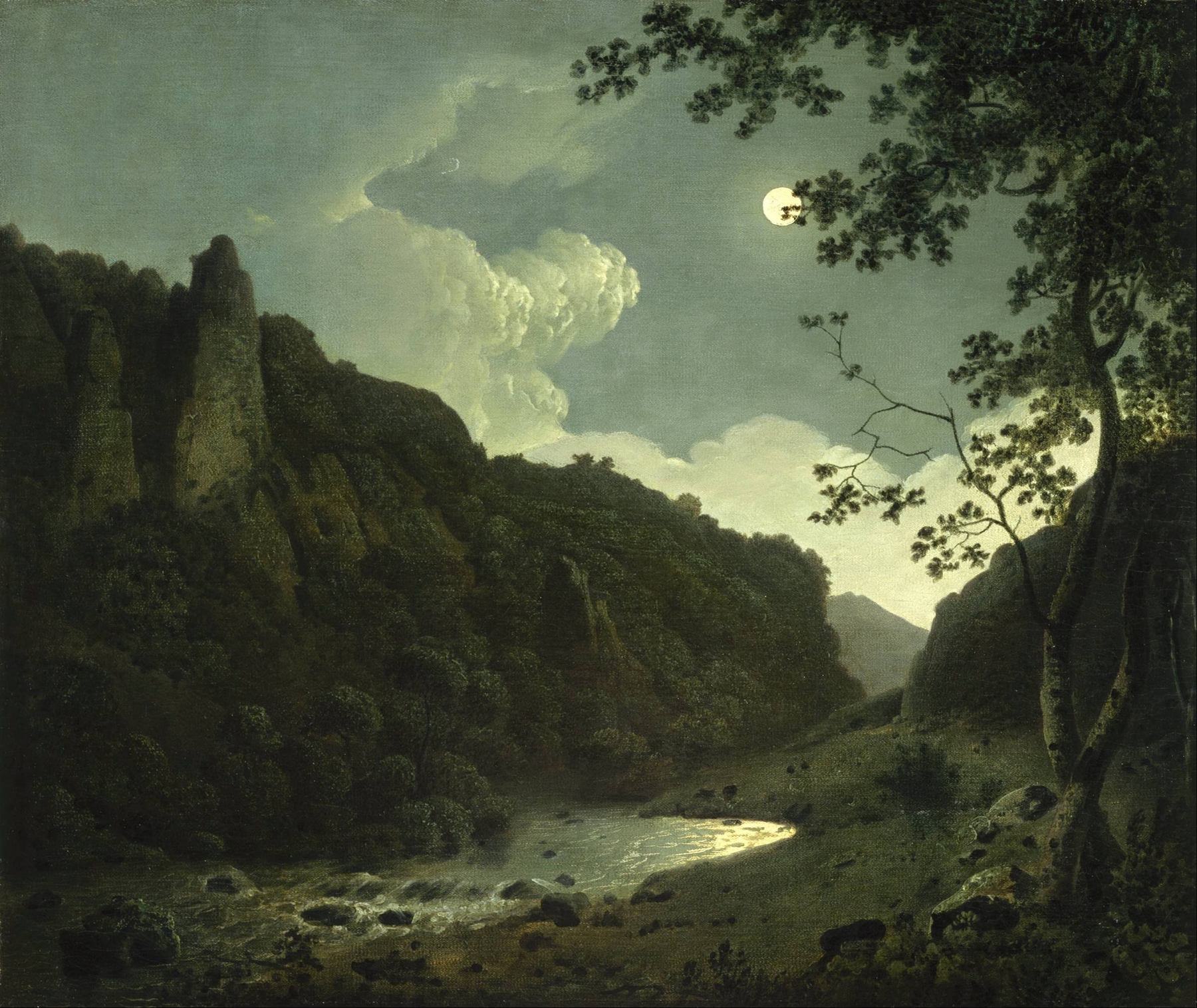
“The canvas doesn’t lie — it simply waits.” In the stillness of Dovedale by Moonlight, we find not just a landscape, but a testament to the enduring power of nature and its capacity to inspire generations. Look to the center where the valley unfolds under a blanket of silvery light. The moon casts a gentle glow upon the rugged hills, illuminating the soft contours of the landscape and revealing the textures of the rocks. Notice how the deep blues and muted greens create a serene harmony, while the luminous white of the moonlight contrasts sharply with the darkness of the night sky, inviting the viewer into a world that feels both tranquil and mysterious.
This painting captures the essence of melancholy and beauty intertwined. The moonlight seems to whisper secrets of the past, hinting at the lives that have traversed this valley, while the shadowy areas suggest the unknown, the untraveled paths that lie ahead. There’s a tension between light and dark, certainty and ambiguity, reflecting the duality of existence itself. Each brushstroke conveys not just scenery but emotion — a legacy of human experience within the vastness of nature.
During the late 18th century, while residing in Derby, the artist captured this work amidst a burgeoning interest in natural landscapes and the sublime. This period marked a shift towards romanticism in art, where emotion and individual experience were paramount. Wright's exploration of light and its relationship to the natural world positioned him as a key figure in this transformation, leaving a lasting impression on the legacy of landscape painting.