Virgil’s Tomb by Moonlight, with Silius Italicus — History & Analysis
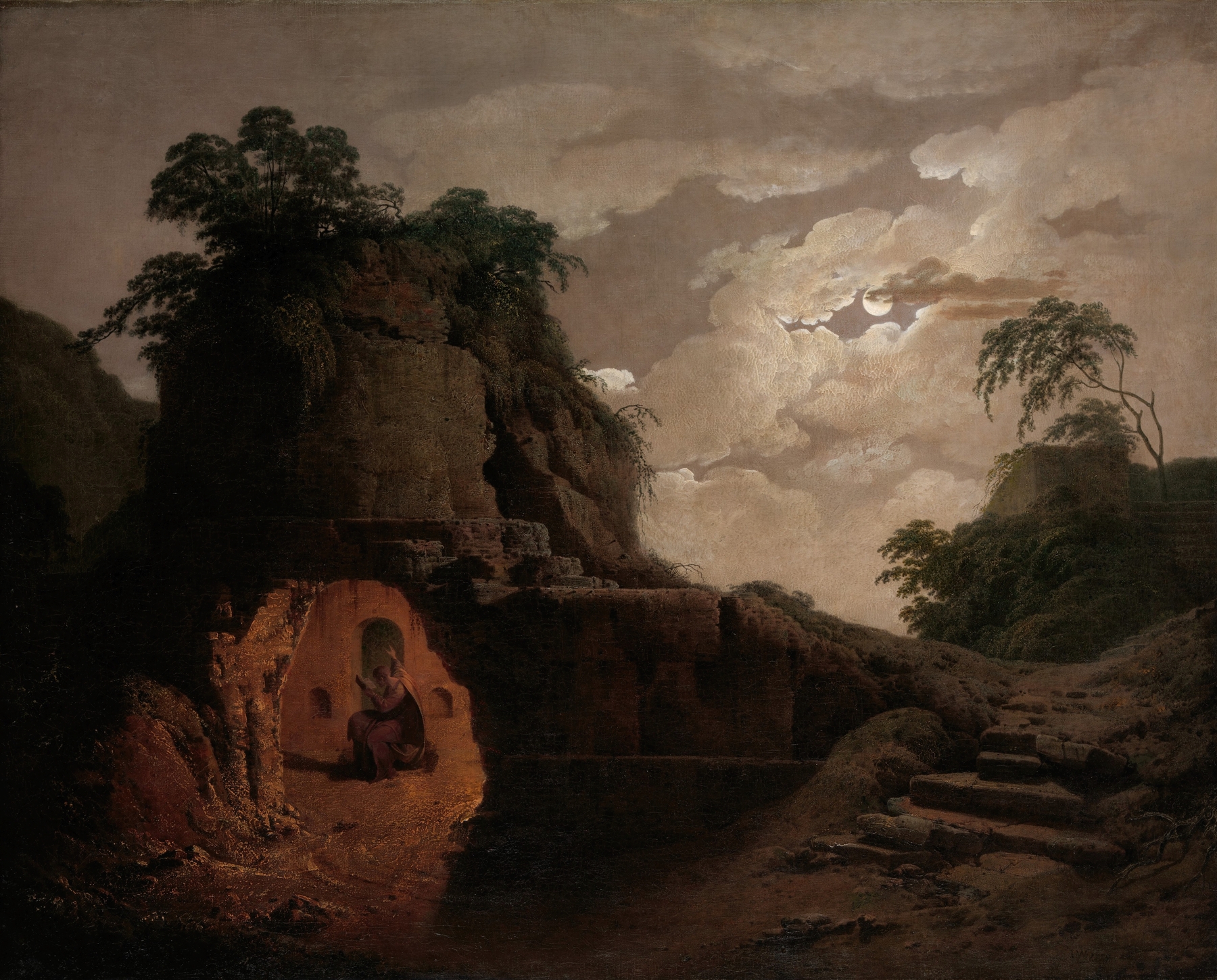
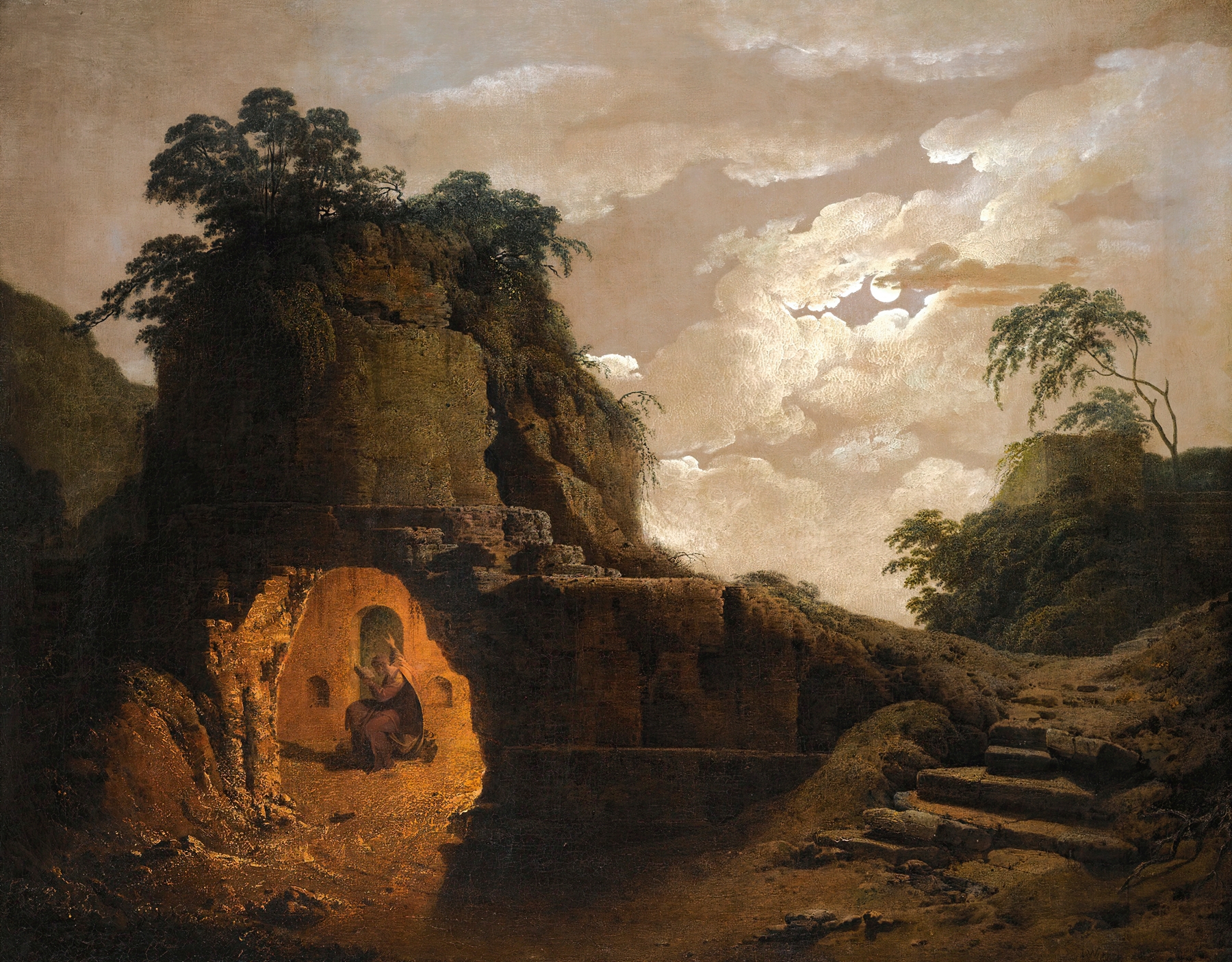
Can beauty exist without sorrow? In the shadows of a moonlit night, the ethereal glow envelopes a solemn moment, where destiny and memory intertwine. Look to the center of the canvas, where the pale, silvery light casts gentle illumination over the sculpted tomb. The figures of Silius Italicus and Virgil stand in quiet reverence, their postures reflecting both admiration and melancholy. Notice the delicate interplay of light and shadow, as the moonlight penetrates the darkness, revealing the intricate details of the marble.
The artist’s skillful use of chiaroscuro brings depth and dimension, inviting you to ponder the weight of the scene. As you examine the painting further, consider the emotional tension between the living and the dead. The somber expressions on the figures evoke a sense of loss, yet their presence suggests an enduring connection to the past. This duality, captured in the contrasting warmth of the figures against the coolness of the stone, hints at the bittersweet nature of legacy and artistic ambition.
In this silent communion, the viewer feels the poignant pull of history and the destiny that unites both poet and admirer. Joseph Wright of Derby painted this evocative piece during a period marked by the Enlightenment, likely in the late 18th century. He was known for his dramatic use of light and exploration of human emotion. At the time, he was navigating the complexities of his career, gaining recognition for his unique approach to art, while also reflecting the intellectual currents that defined an era preoccupied with reason, beauty, and the profound impact of the past on the present.