A view of Vesuvius from Posillipo, Naples — History & Analysis
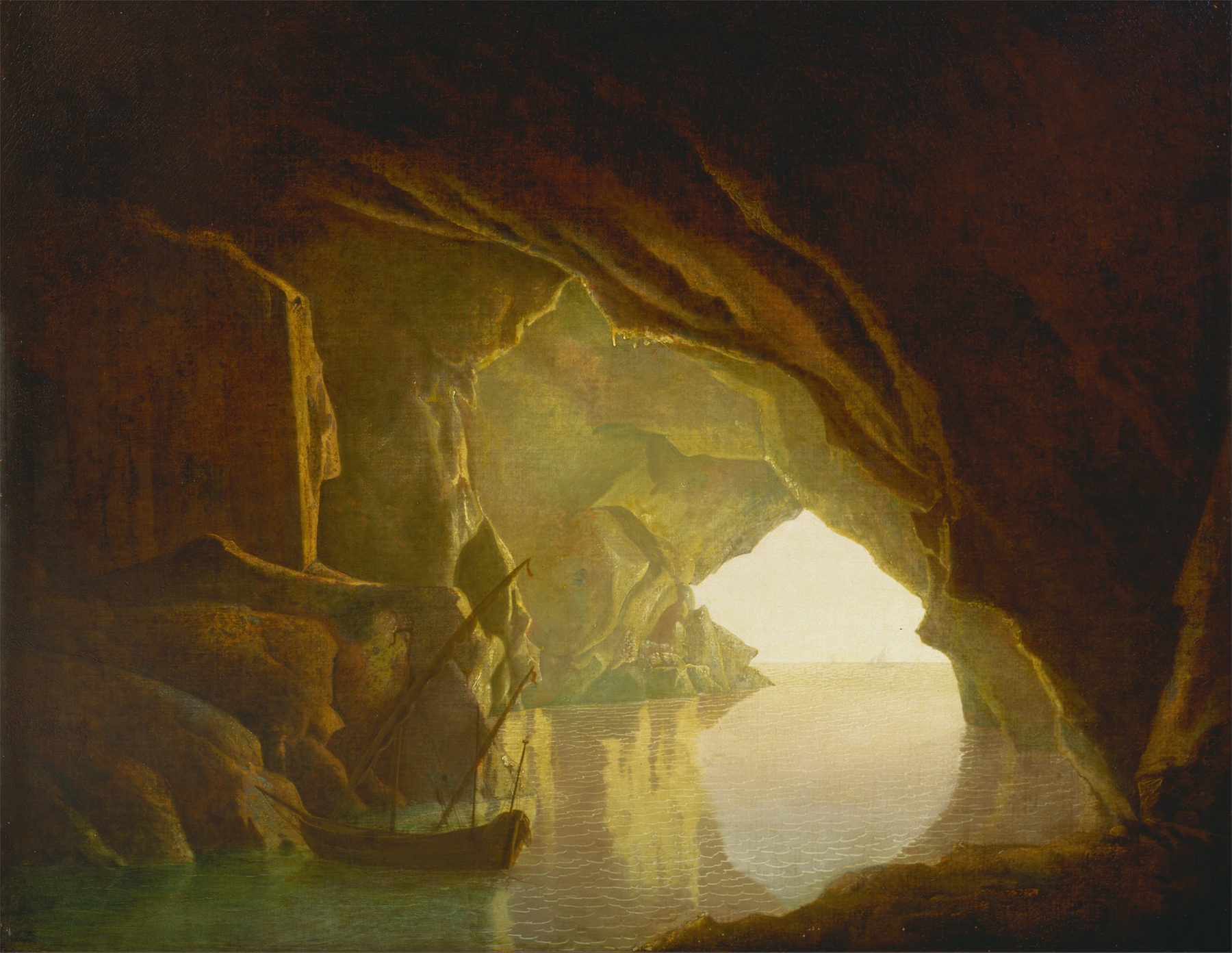
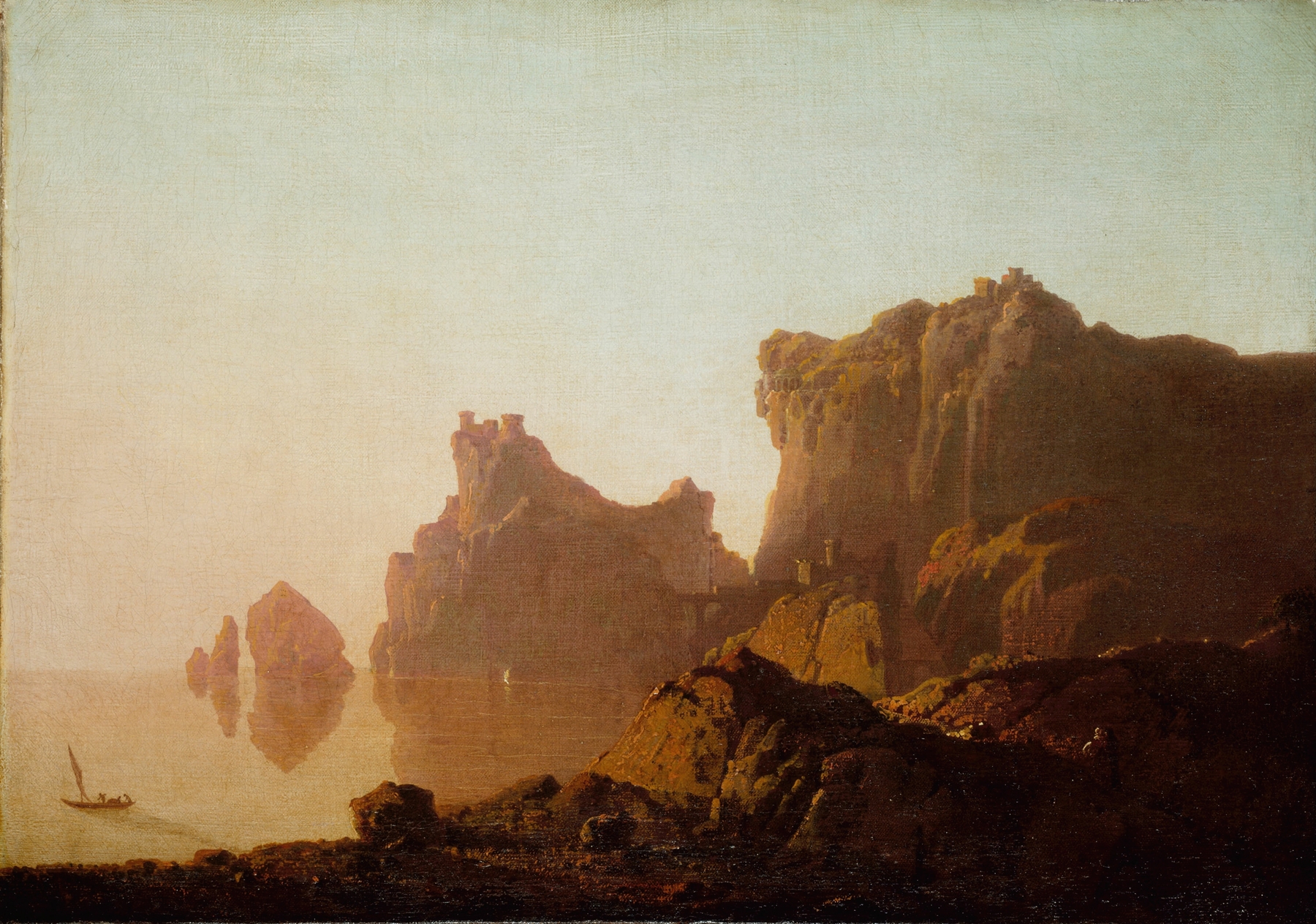
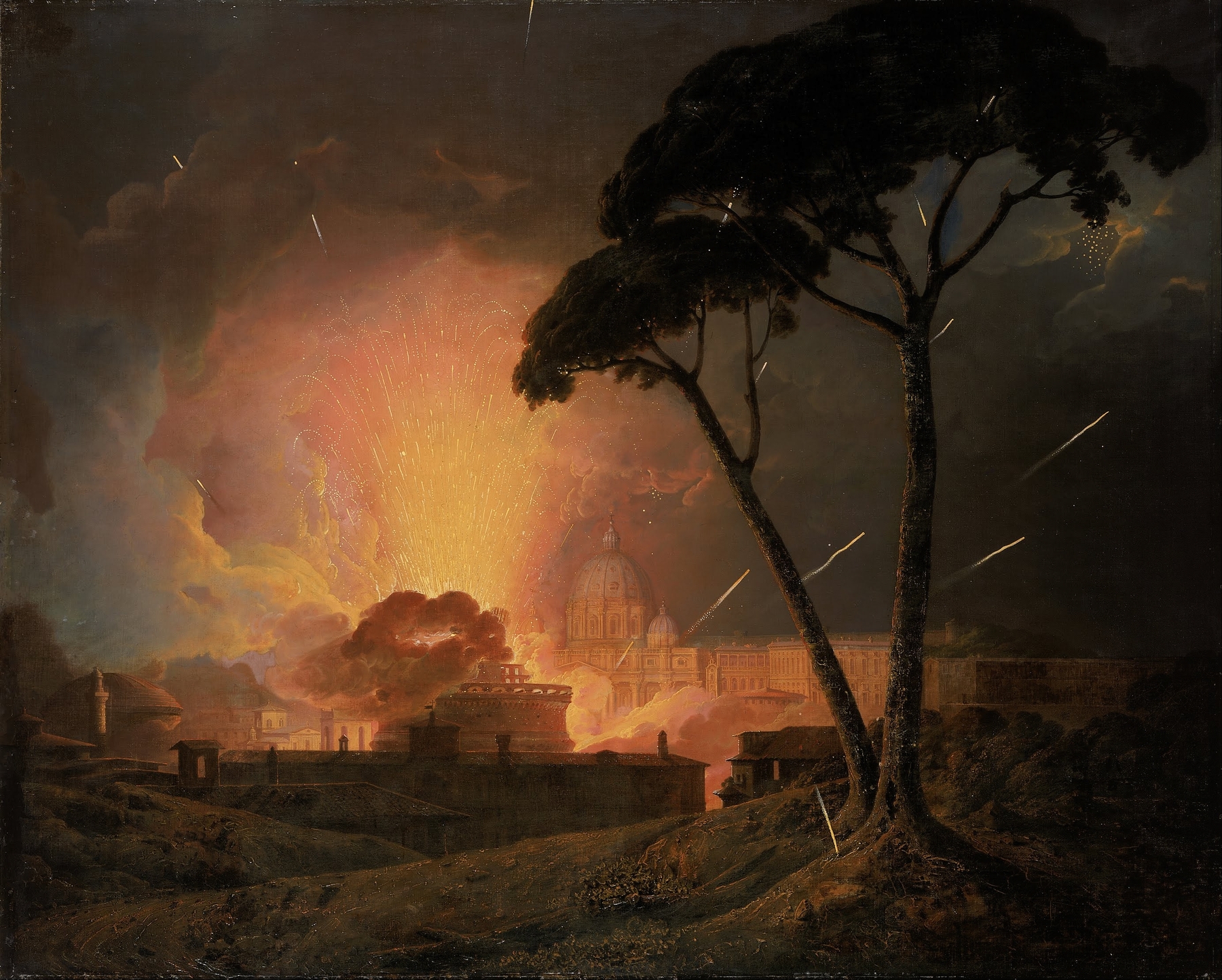
Can paint confess what words never could? In A view of Vesuvius from Posillipo, Naples, beauty weaves itself into the fabric of the canvas, inviting us to contemplate the sublime power of nature. Look to the shimmering waters in the foreground, where the gentle waves catch the light at sunset, creating a breathtaking interplay of soft oranges and deep blues. The majestic Vesuvius looms in the background, its silhouette rising dramatically against the fading sky.
Notice how the artist employs delicate brushstrokes to convey the texture of the land and the fluidity of the sea, making the viewer feel as though they could step into this serene yet volatile landscape. The contrast between the calm depicted in the foreground and the looming figure of the volcano encapsulates an emotional tension: beauty is often intertwined with danger. The warm glow of the evening sky suggests a fleeting tranquility, masking the ferocity that the volcano represents.
This duality encourages viewers to reflect on the relationship between humanity and nature—how we are drawn to beauty, even when it is held within the embrace of potential destruction. Created in an era marked by the Enlightenment, this work reflects Joseph Wright of Derby's fascination with natural phenomena and scientific inquiry. Although the exact date is uncertain, it belongs to a period in the late 18th century when Romanticism was beginning to emerge, allowing the artist to explore the interplay between light, shadow, and emotion at a time when artists sought to express the majestic qualities of the natural world.