The Annual Girandola at the Castel Sant’Angelo, Rome — History & Analysis
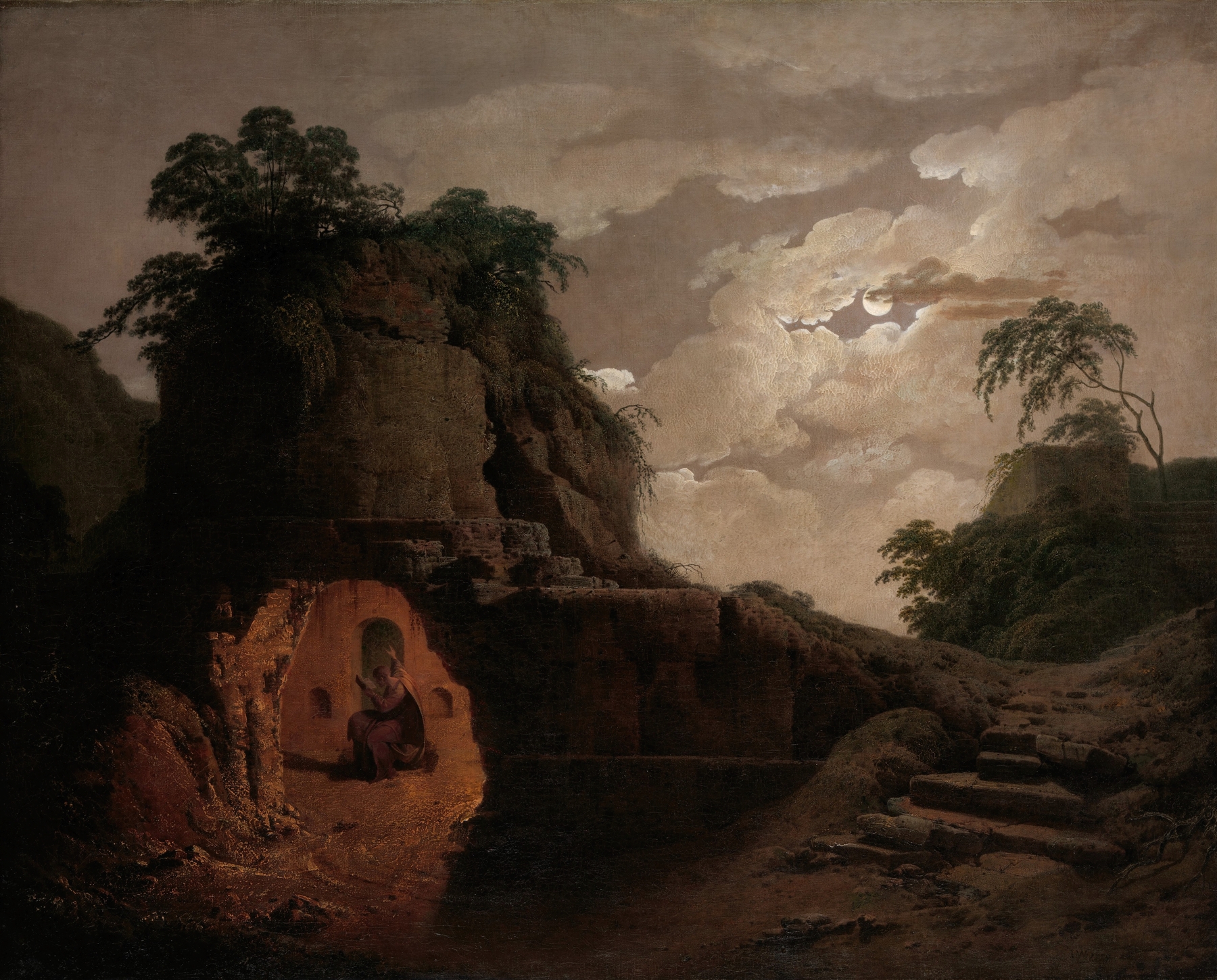
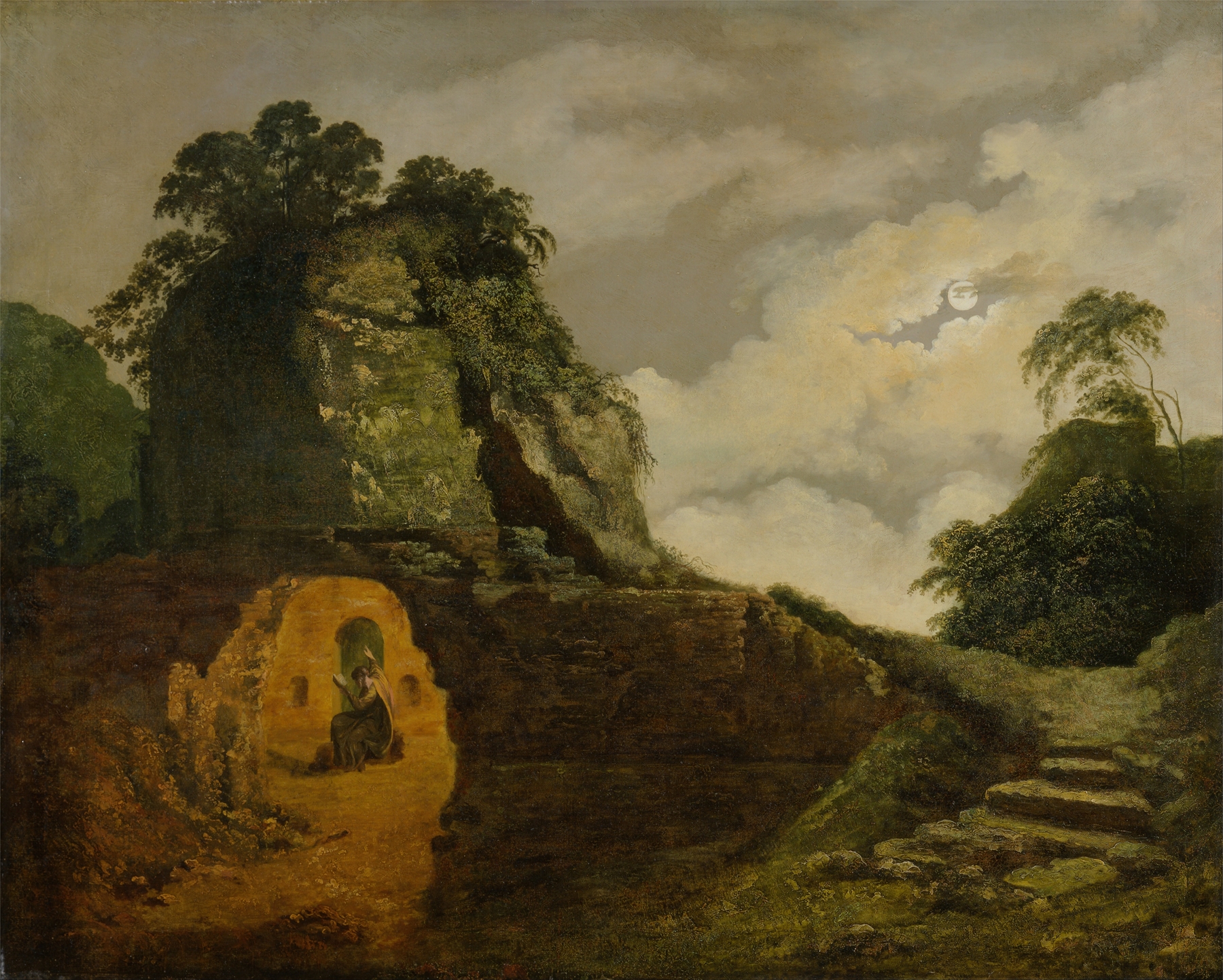
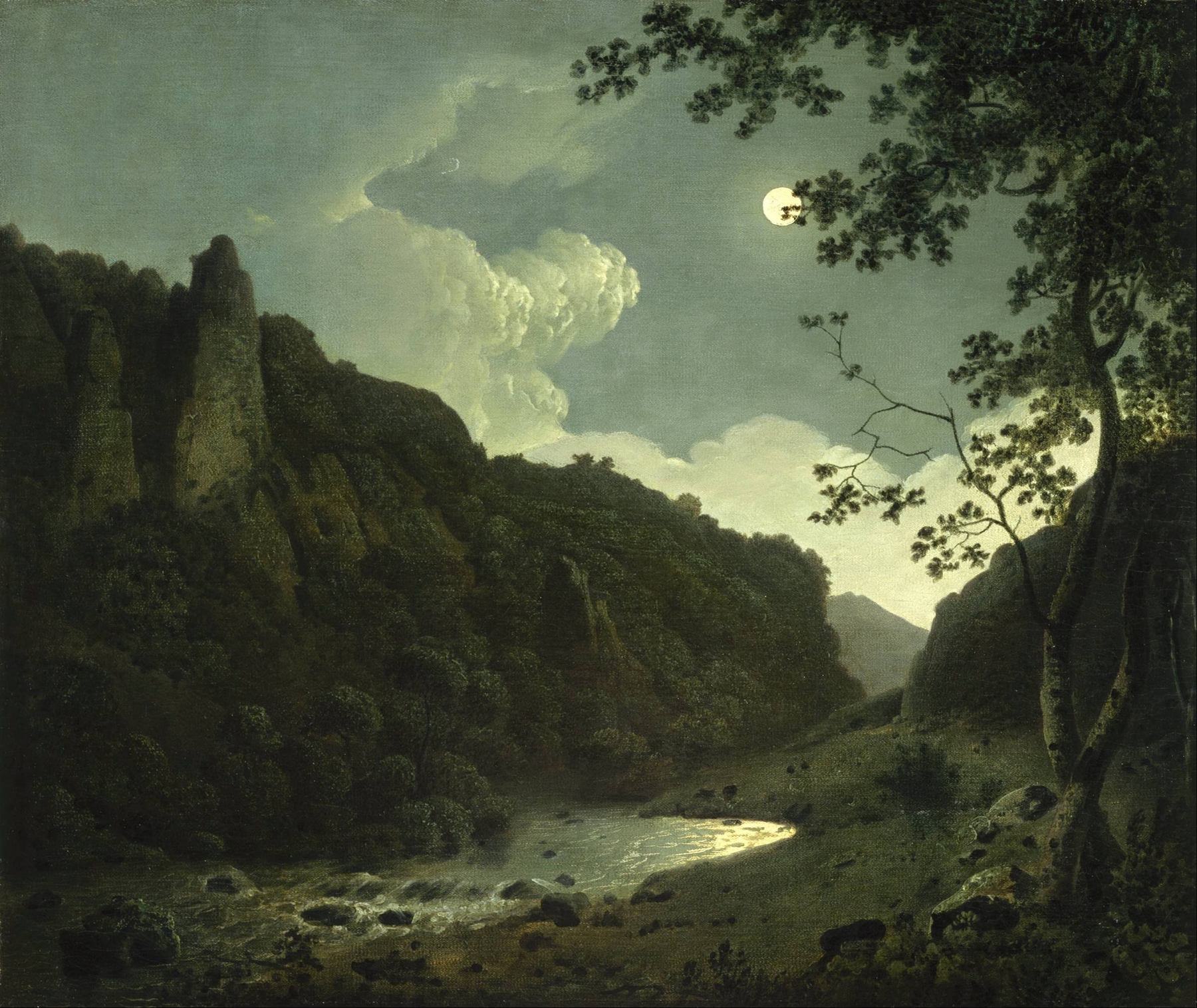
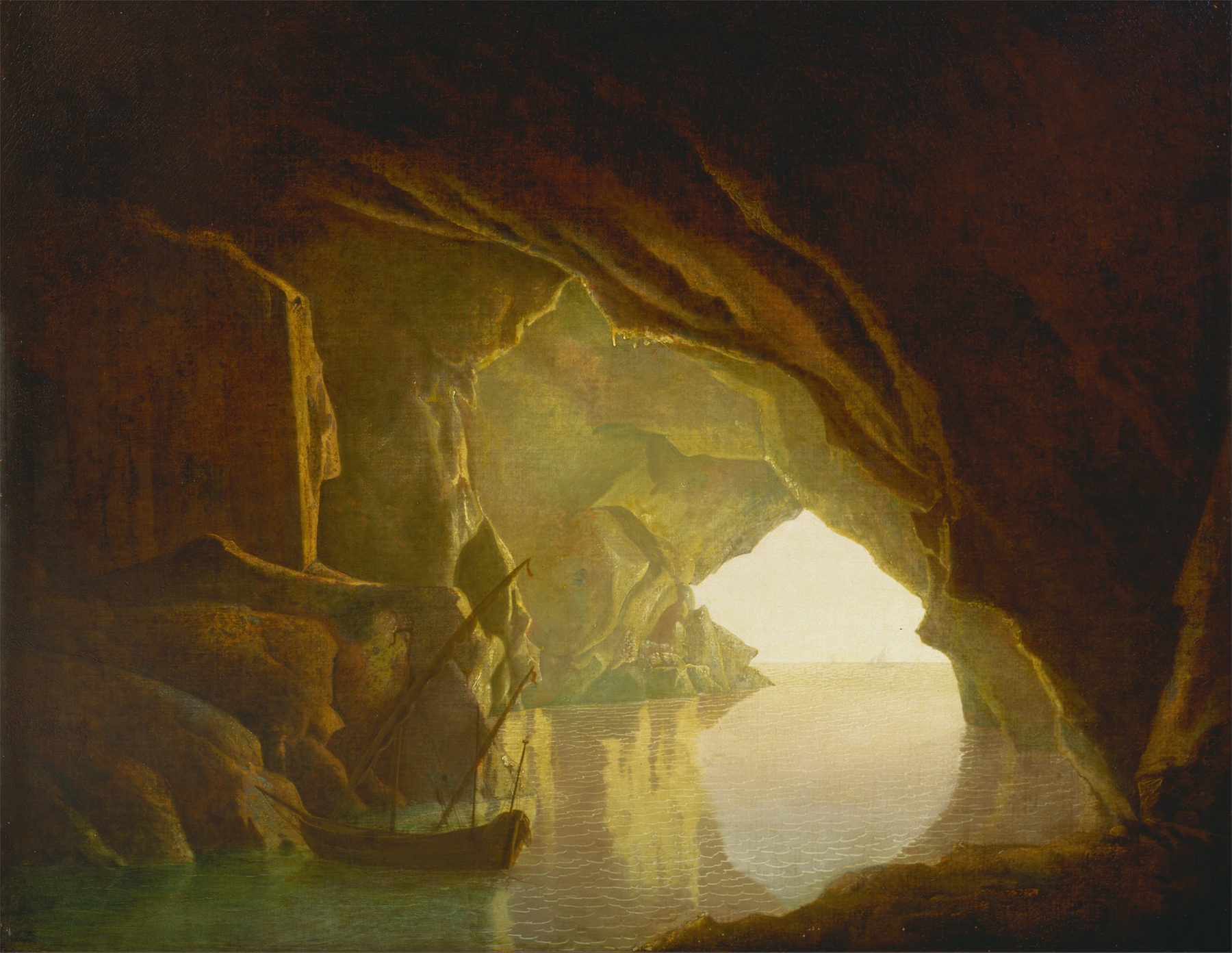
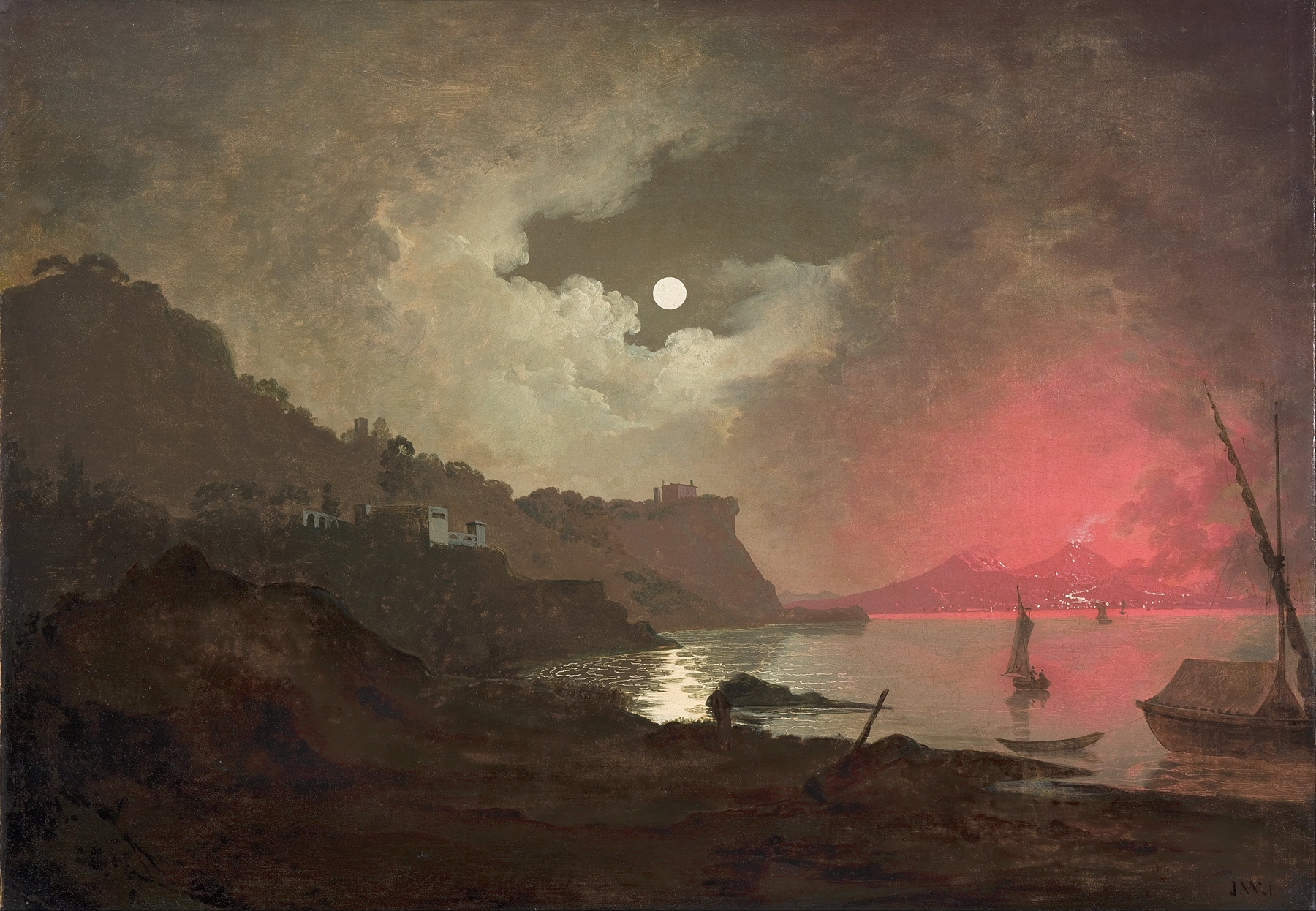
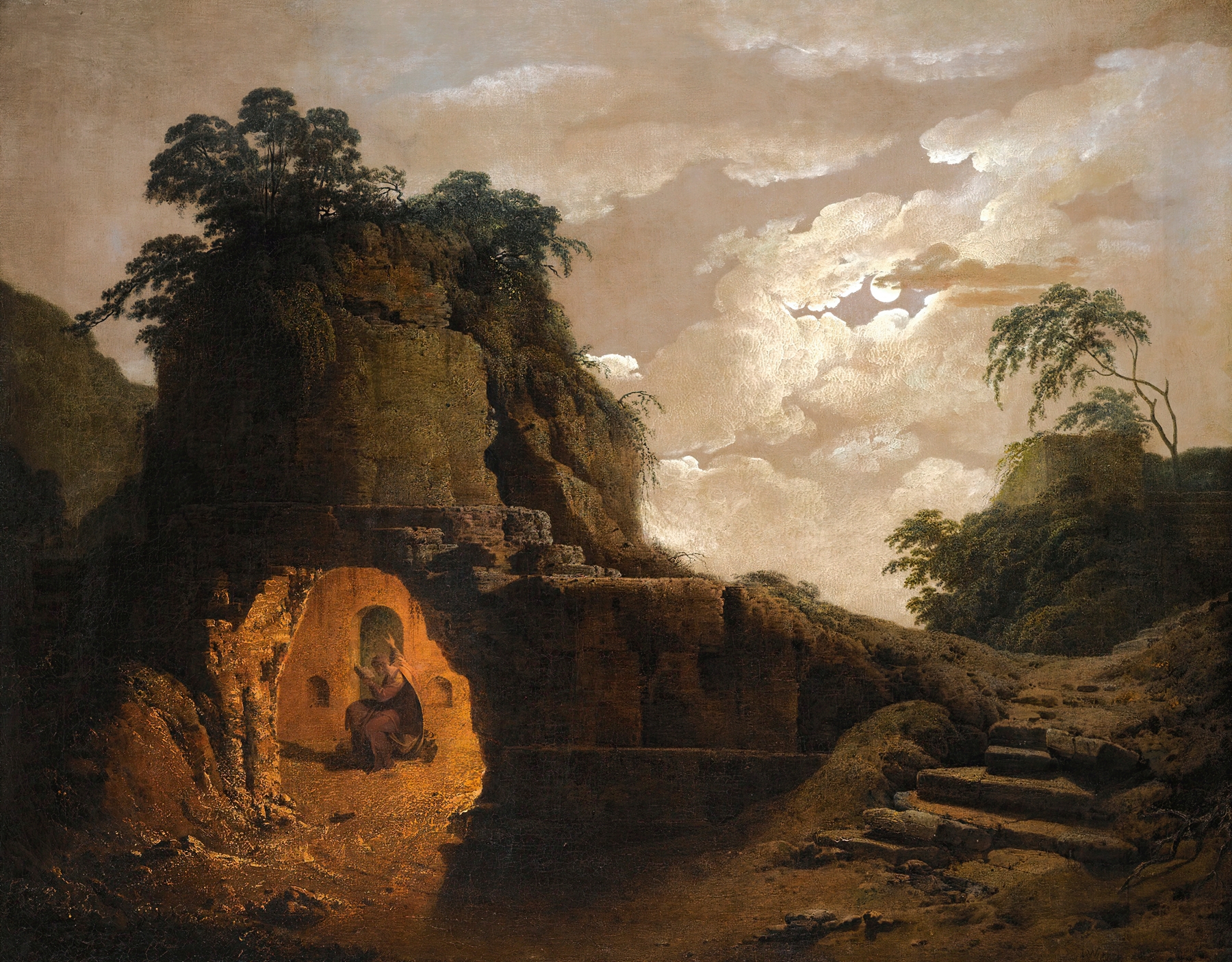
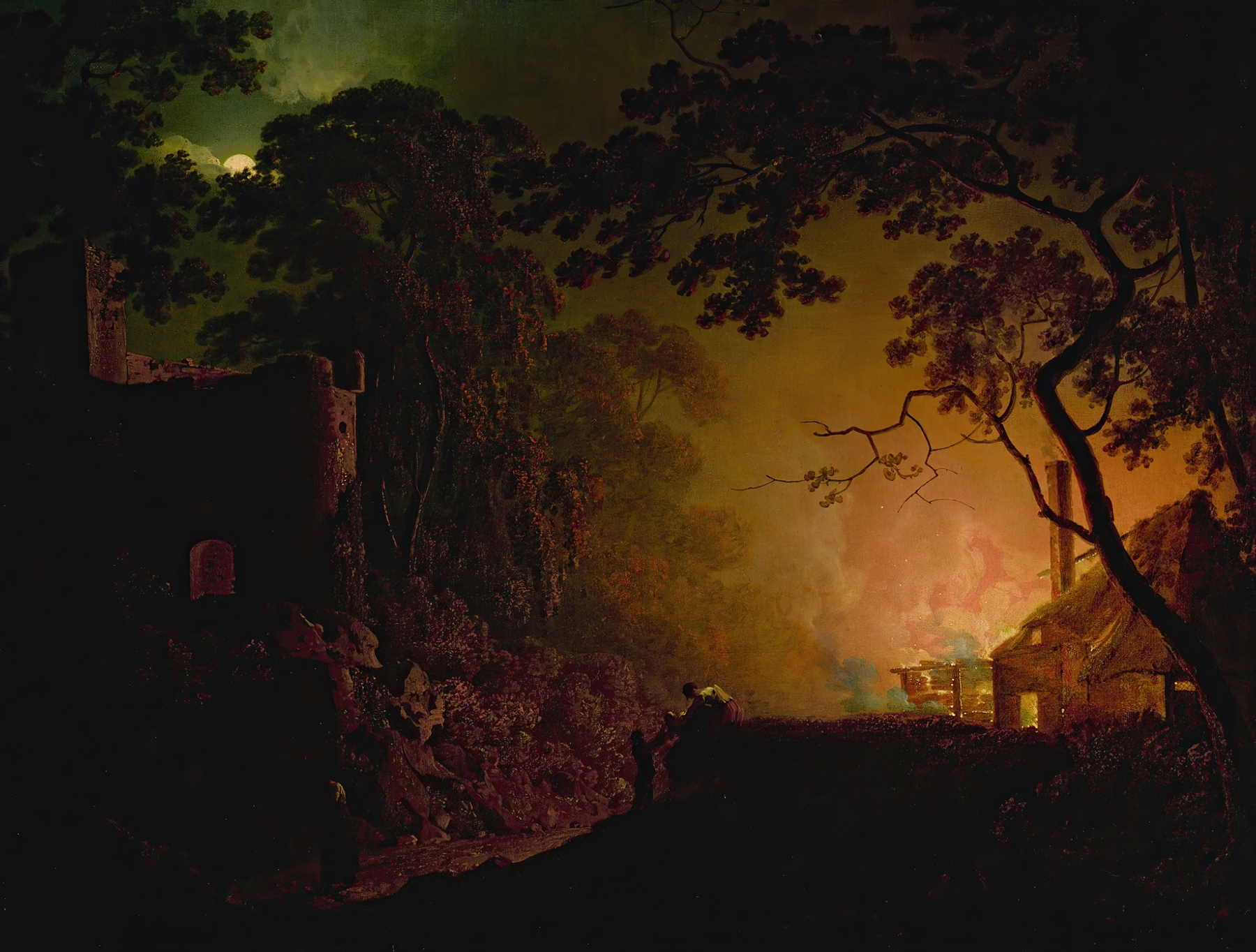
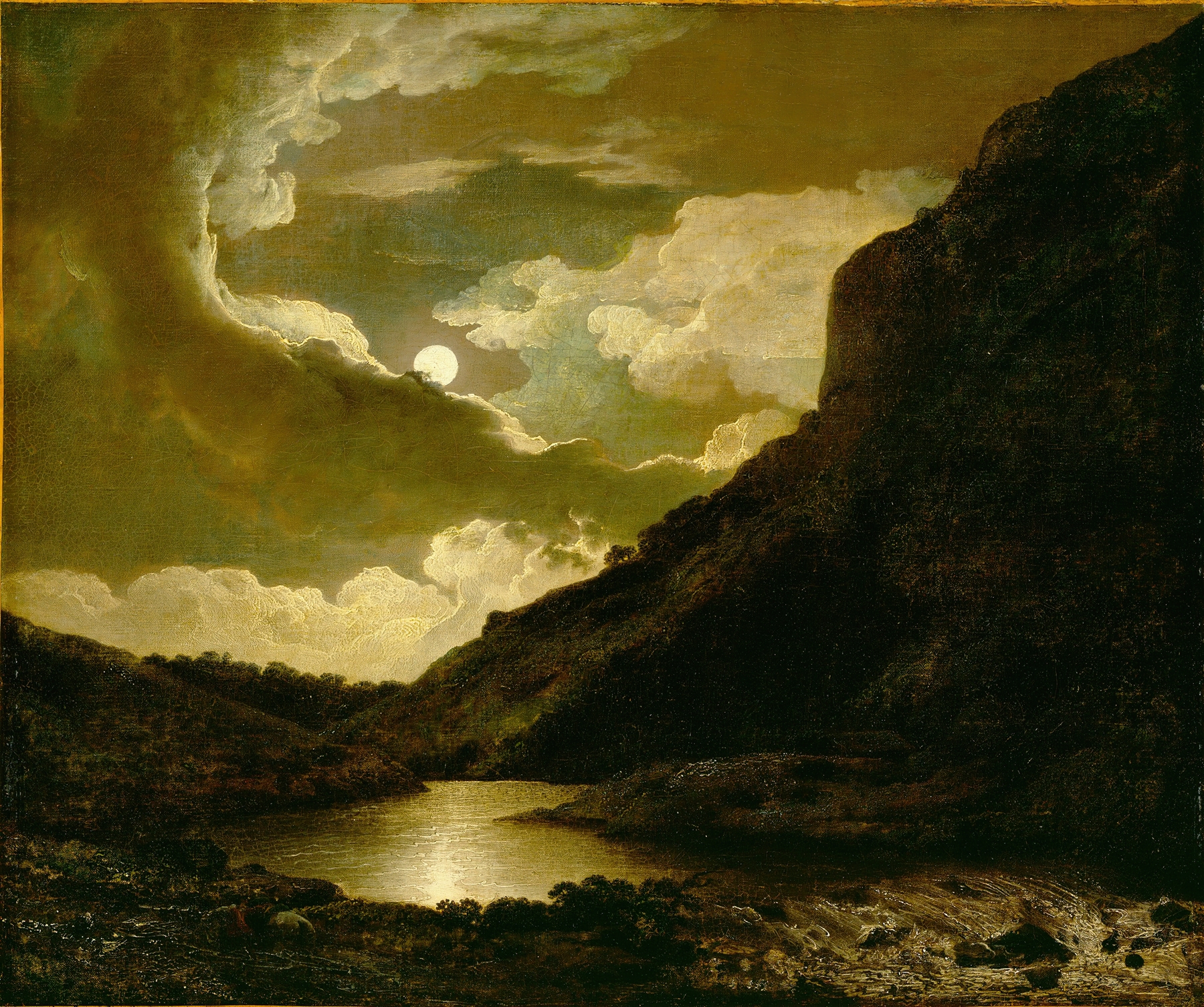
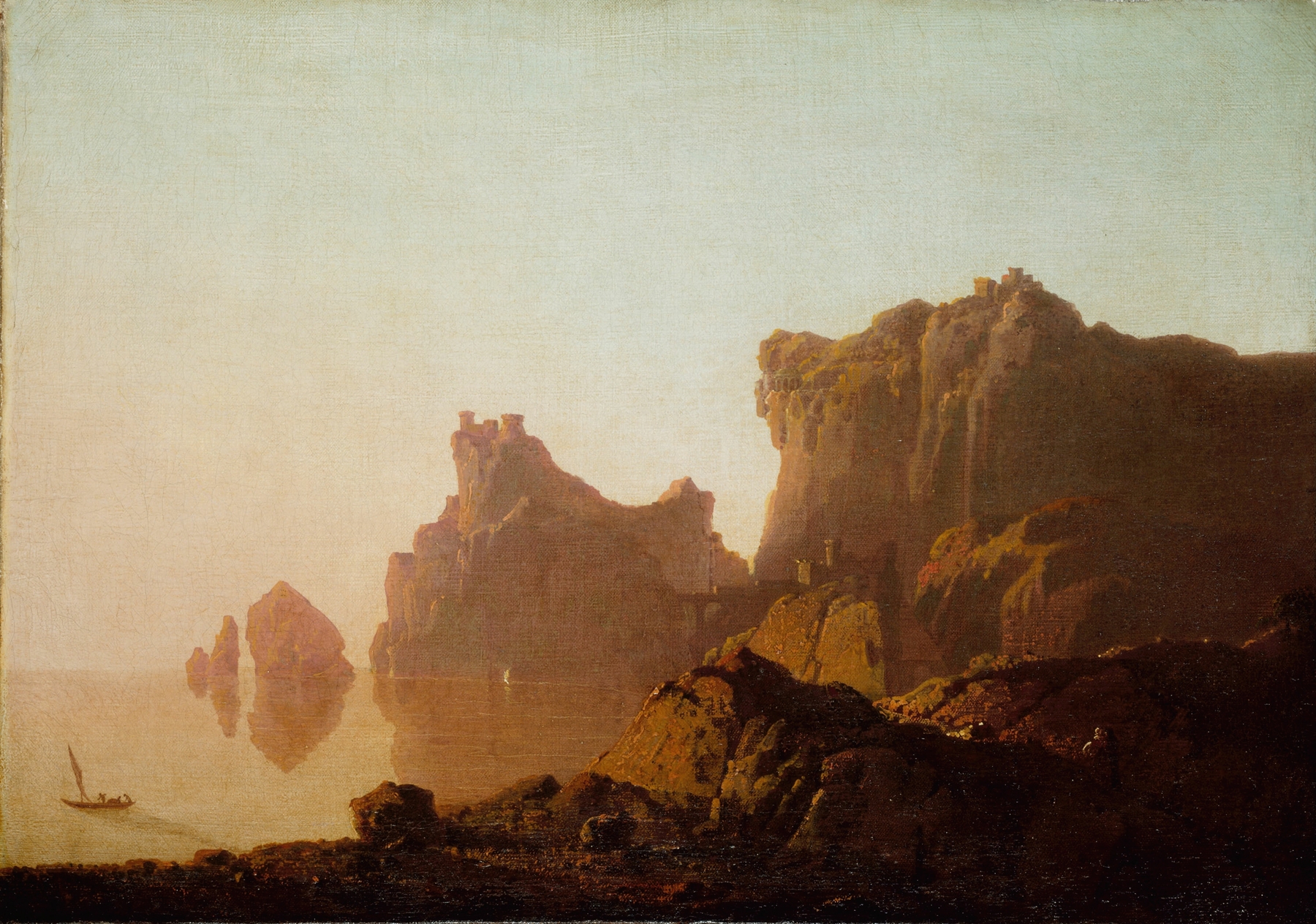
“Under the brush, chaos becomes grace.” In The Annual Girandola at the Castel Sant’Angelo, Rome, brilliant bursts of light dance through the night sky, encapsulating a moment where ephemeral beauty reigns supreme. This masterful representation of fireworks unfurls like a dream, suggesting that in creation, disorder can yield sublime wonder. Look to the center of the canvas, where the explosive colors of the fireworks light up the darkened sky, illuminating the figures below. The artist employs a striking contrast between the vibrant hues of reds, oranges, and yellows against the deep blues and blacks of the night, creating a mesmerizing spectacle.
Notice how the light falls upon the faces of the spectators, reflecting astonishment and joy, while their postures convey a sense of communal celebration and awe. Beneath the exuberance lies a tension between transience and memory. The fireworks, representing fleeting moments, invite contemplation on the nature of existence itself, while the historic architecture of the Castel Sant’Angelo underlines permanence. The crowd, expressions of wonder and delight mingling with shadows, embodies the collective experience of ephemeral beauty; it captures the essence of life's most vivid moments that dissolve into the ether just as quickly as they appear.
Joseph Wright of Derby painted this scene during the late 18th century, a time marked by the Enlightenment's embrace of science and discovery. Rising in prominence in England, he found inspiration in the interplay of light and human emotion. This work reflects the artist's fascination with dramatic illumination, and the social contexts of his time, ushering in a celebration of creativity that resonates even today.