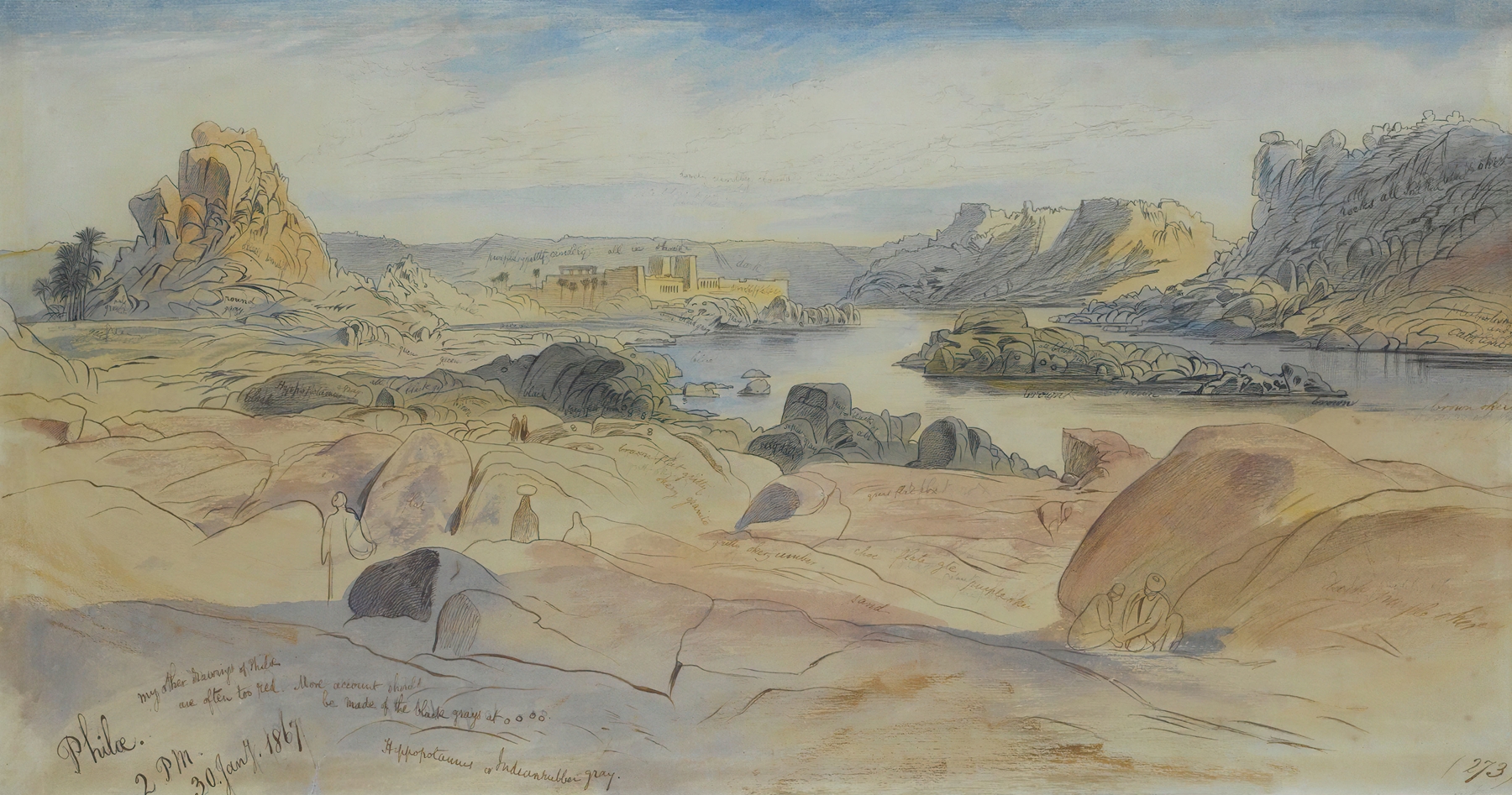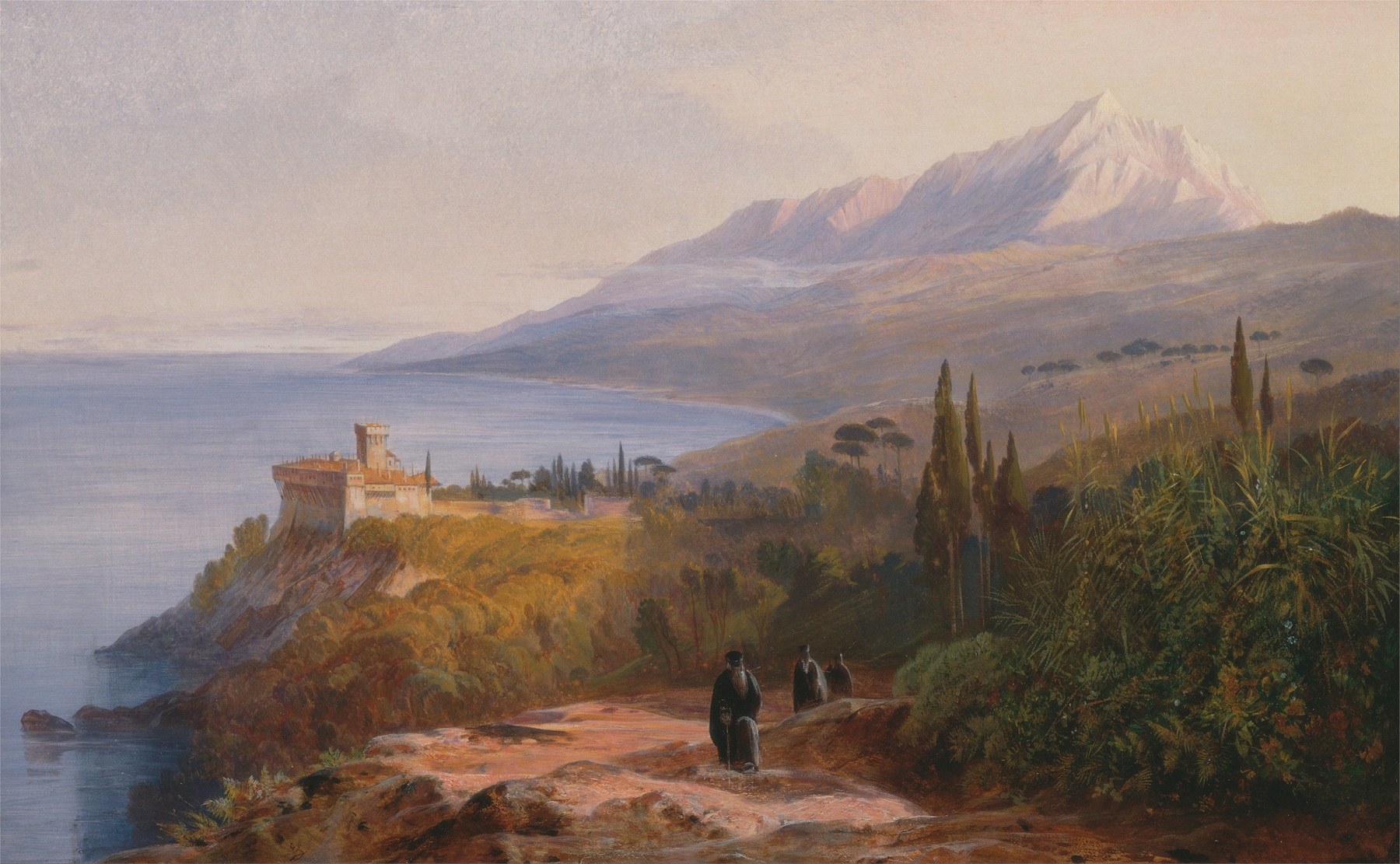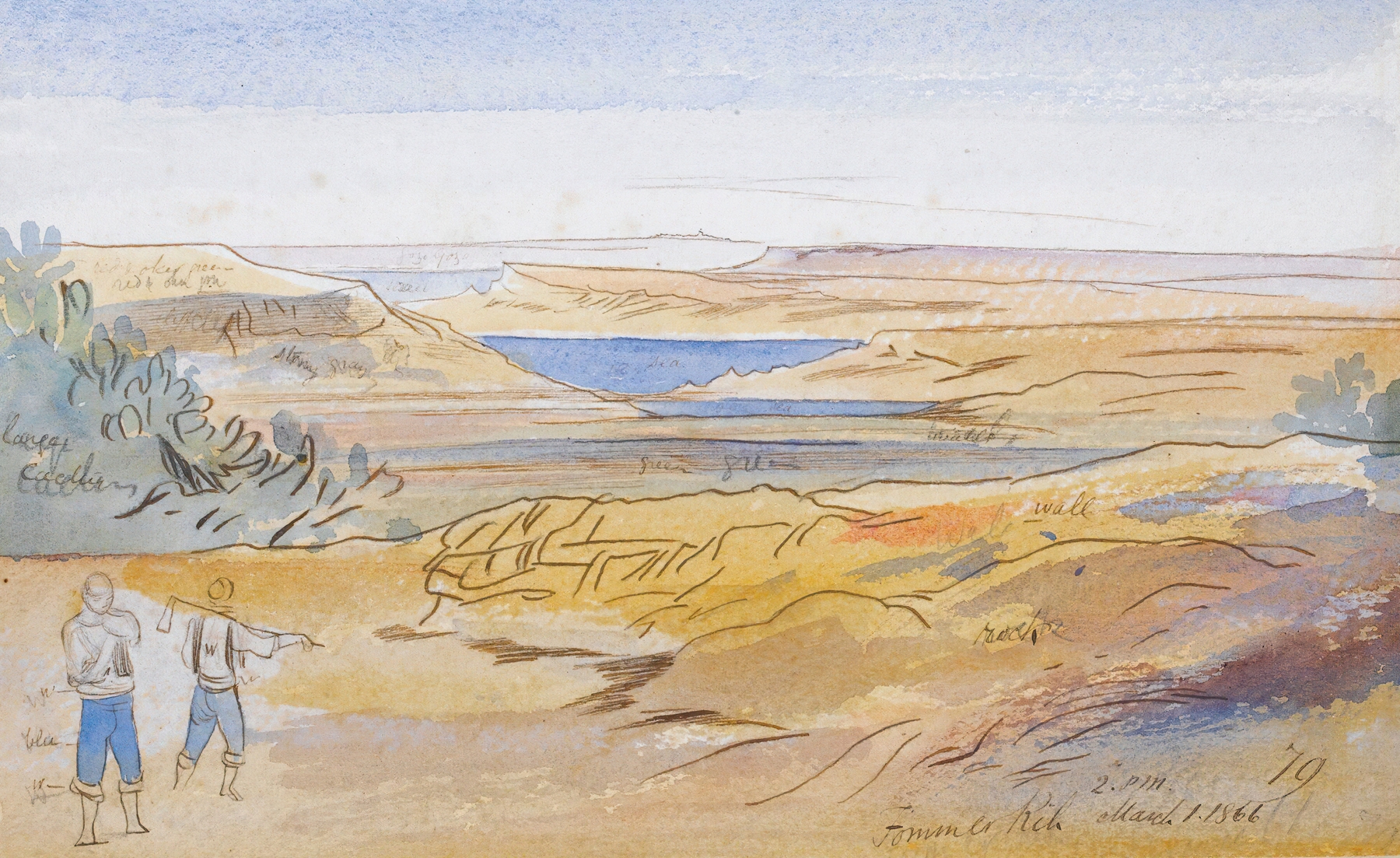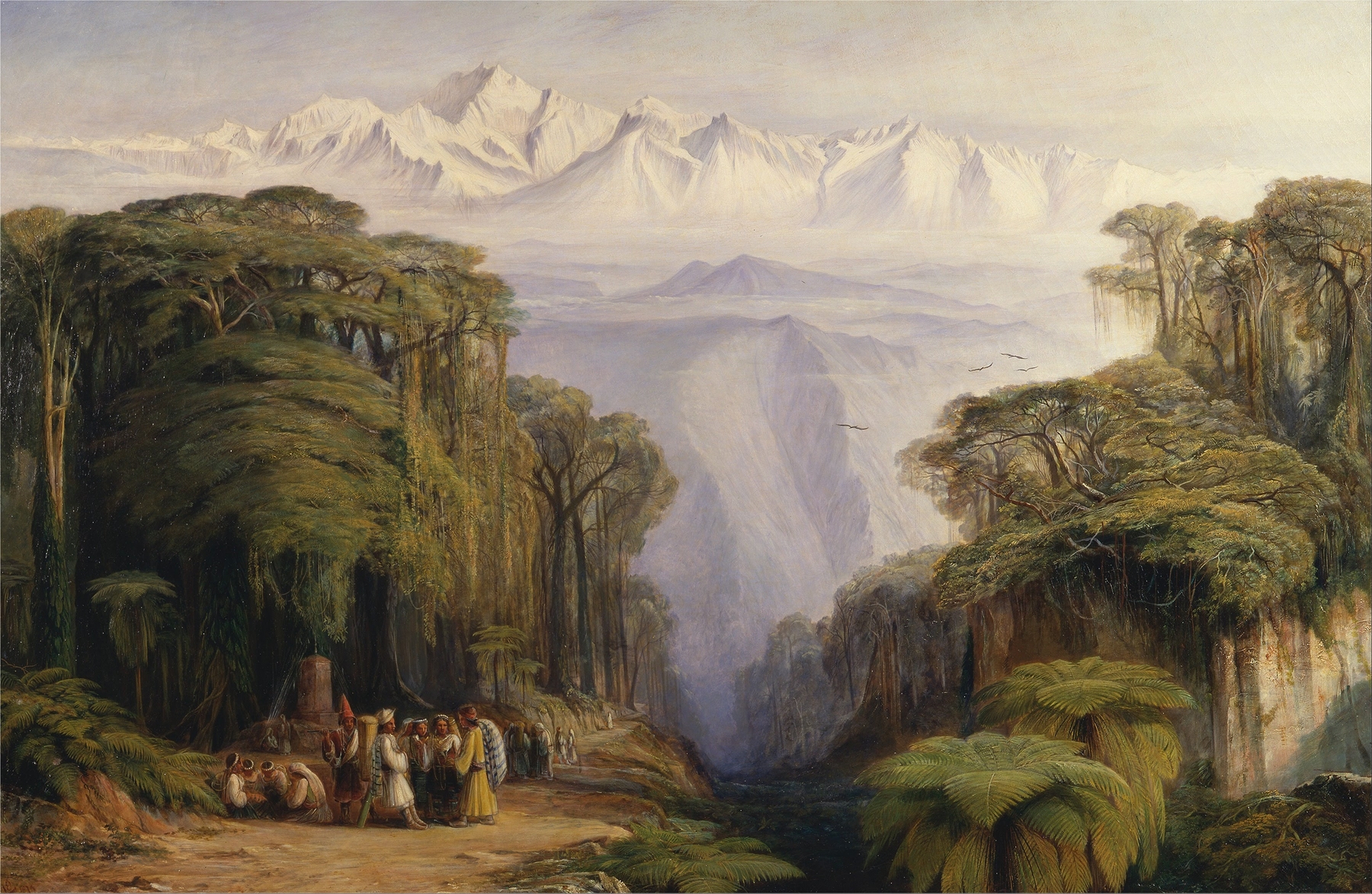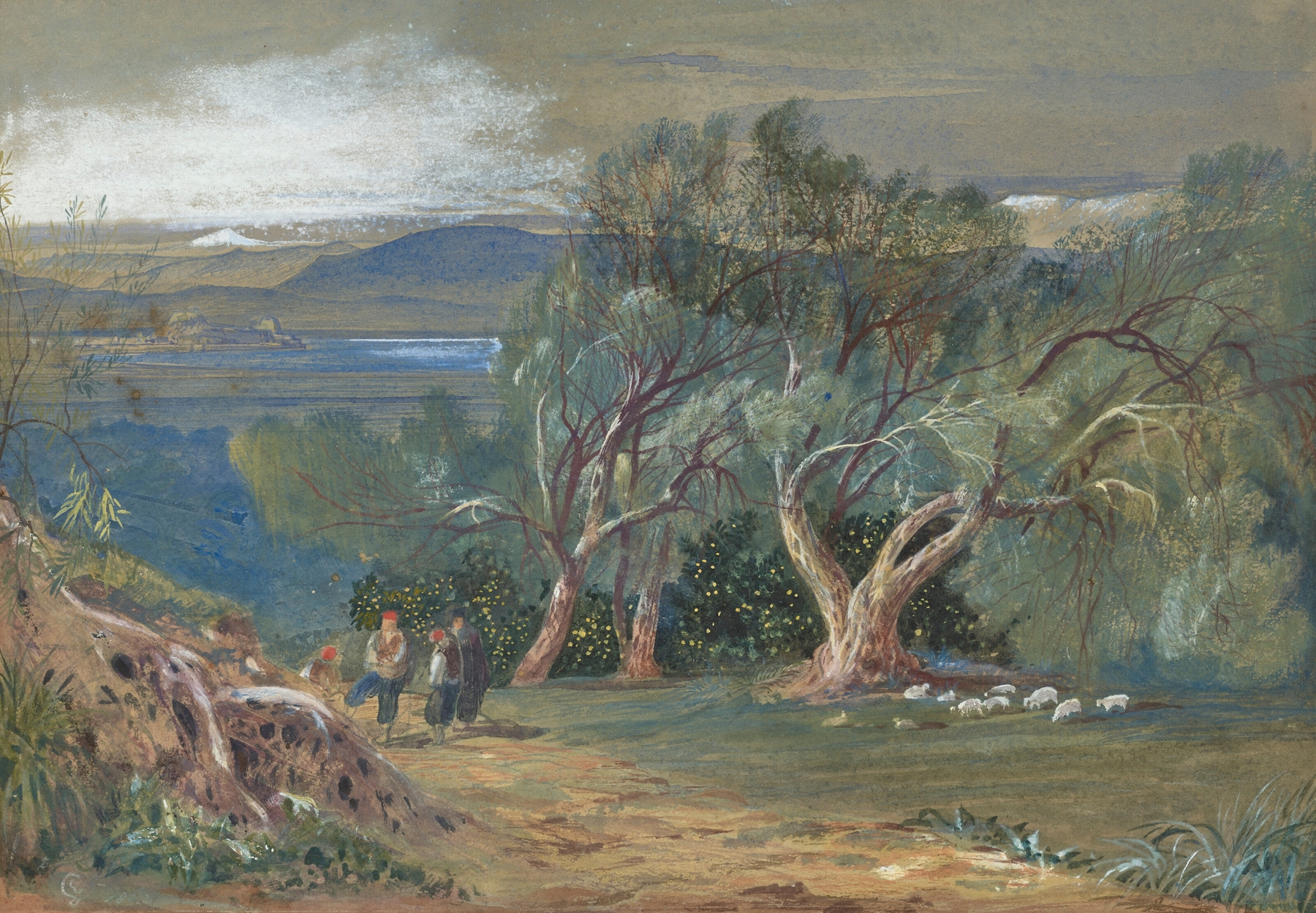
Is this a mirror — or a memory? The calm waters reflect not just the landscape but the turbulent epoch that shaped it, hinting at unspoken conflicts veiled beneath the tranquil surface. Look to the left at the craggy outlines of a distant shore, where the lush greens of the hills meet the azure expanse of the sea. The artist employs soft, pastel hues that blend seamlessly, creating a serene atmosphere that belies the historical violence of the region. Notice how the light dances across the water, giving life to each wave, while the gentle brushstrokes convey a sense of harmony, subtly contrasting with the chaotic history of Corfu. Delve deeper into the composition, and you’ll uncover the juxtaposition of nature's beauty against the backdrop of human strife. The horizon, bathed in a golden glow, hints at hope, yet the shadows lurking in the foreground echo the past's darker undercurrents. Each element, from the rugged cliffs to the calm sea, speaks to the duality of peace and conflict, revealing the artist's acute awareness of the land’s storied history. In 1862, Lear painted this view from his vantage point in Viros, during a time when the Ionian Islands were grappling with their national identity amid fluctuating rule. The artist was deeply influenced by his travels, capturing landscapes that reflected both their beauty and the tumultuous narratives of their past. It was during this period that Lear's work continued to evolve, as he embraced a distinctive blend of realism and romanticism that would define his legacy in the world of art.