A Ferry On The Nile — History & Analysis
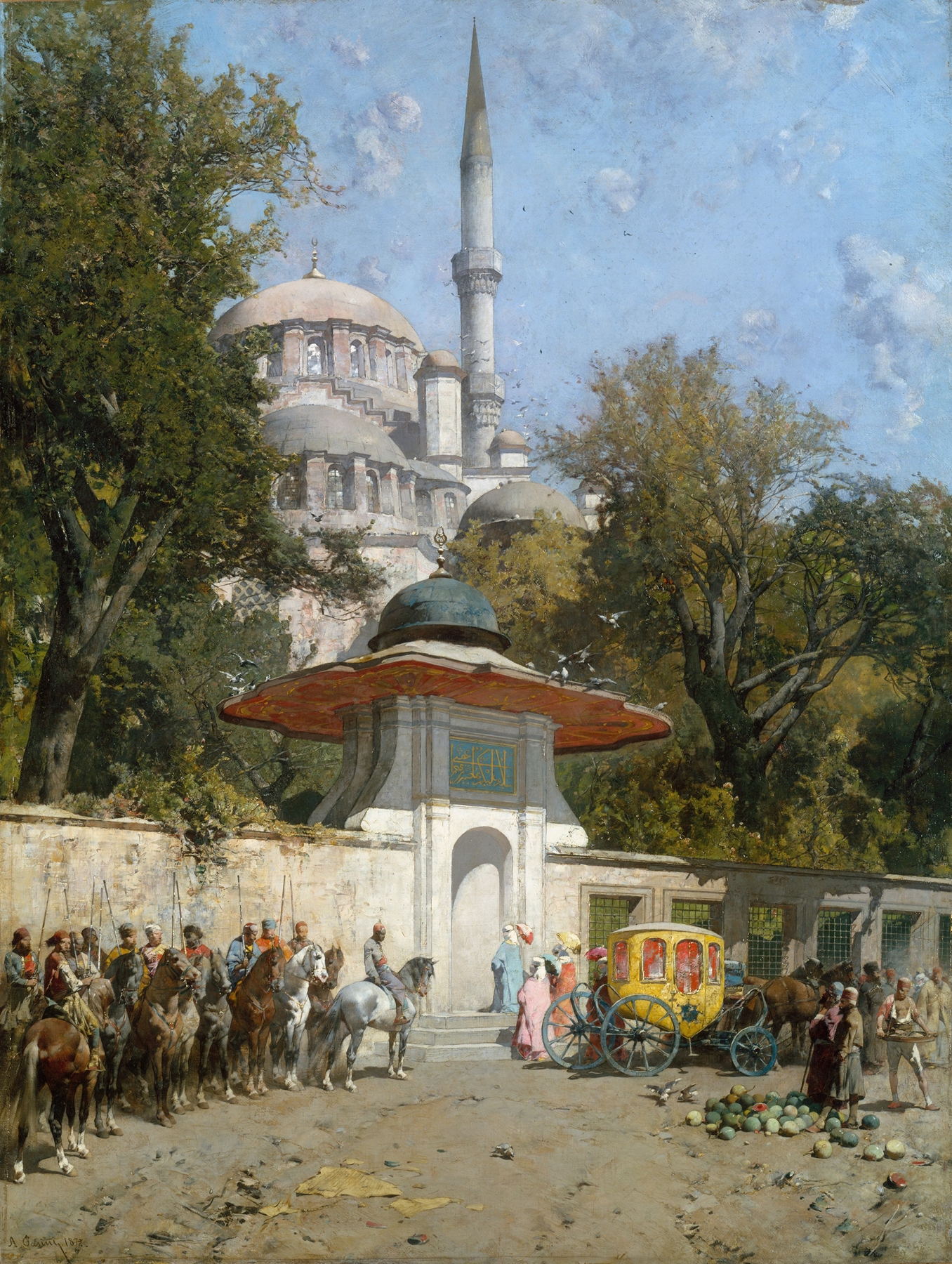
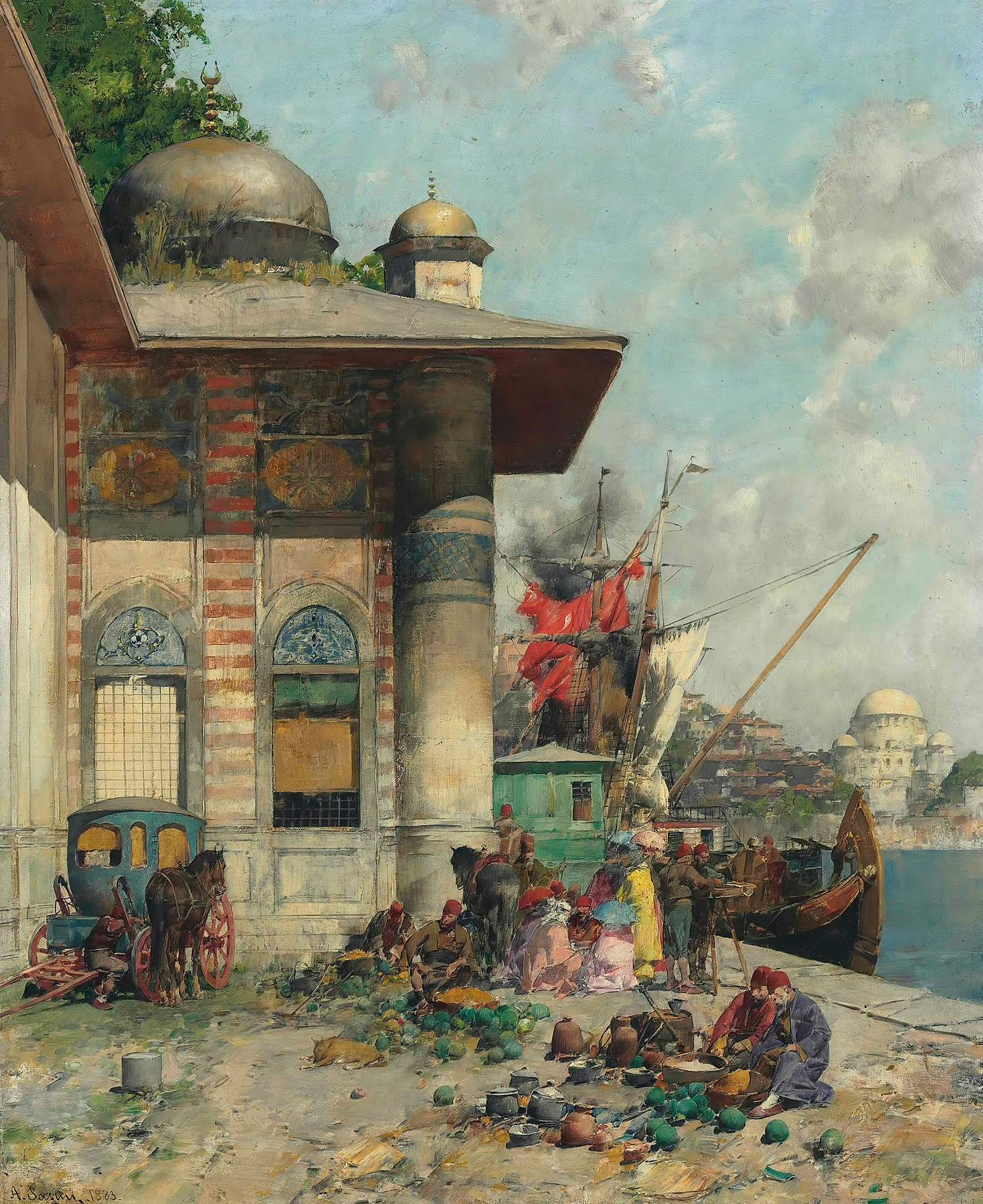
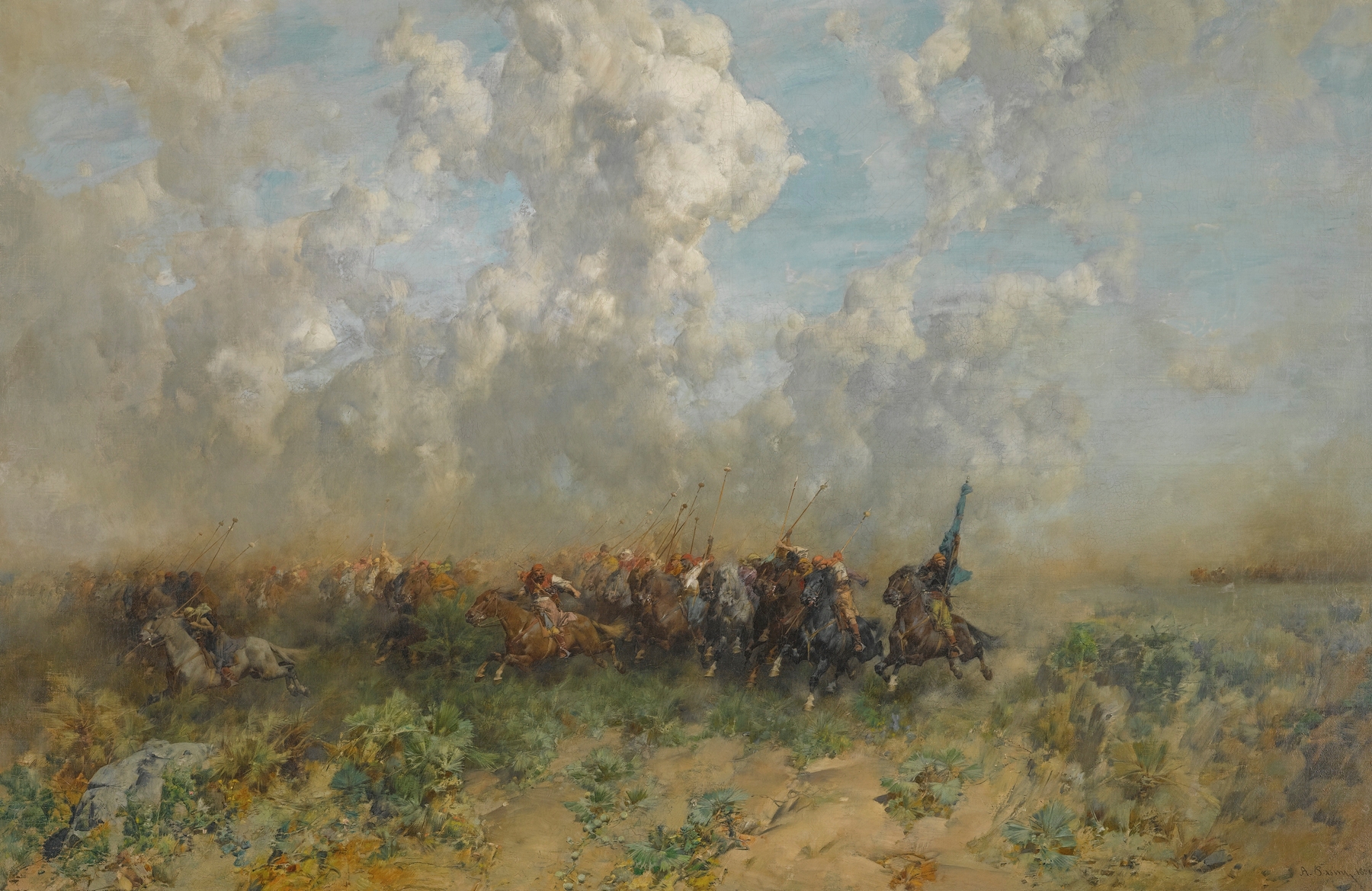
“Art reveals the soul when the world turns away.” In the gentle sway of a riverboat, the essence of life floats serenely, captured in time. This artwork unveils a moment of profound revelation, inviting viewers to reflect on the delicate interplay between travel and transformation. Look closely at the figures on the boat, their postures suggesting both anticipation and calmness as they traverse the glistening waters. The rich, earthy palette of browns and ochres seamlessly blends with the vibrant blues of the Nile, drawing your gaze into the heart of the scene.
Notice how the sun bathes the figures in a soft golden light, illuminating their faces and casting reflections that shimmer with promise. Each stroke of the artist’s brush captures the essence of a journey, not just across the river, but through the soul. The contrasts within the piece are striking — between the tranquility of the water and the unspoken urgency of the travelers. The juxtaposition of the stillness of the river against the undulating waves evokes a sense of duality; the serenity of nature meeting the restless desires of humanity.
Each detail whispers of stories untold, of dreams carried upon the breeze, revealing a world where the mundane intertwines with the extraordinary. In 1861, Pasini found himself immersed in the vibrant contrasts of Egypt, producing this work while navigating a burgeoning career influenced by Romanticism and Orientalism. At this time, he was exploring the narratives of travel and adventure, capturing the essence of exotic locales that fascinated European audiences. The painting emerged from his experiences, reflecting both personal and artistic explorations within a transforming world.