A Mosque — History & Analysis
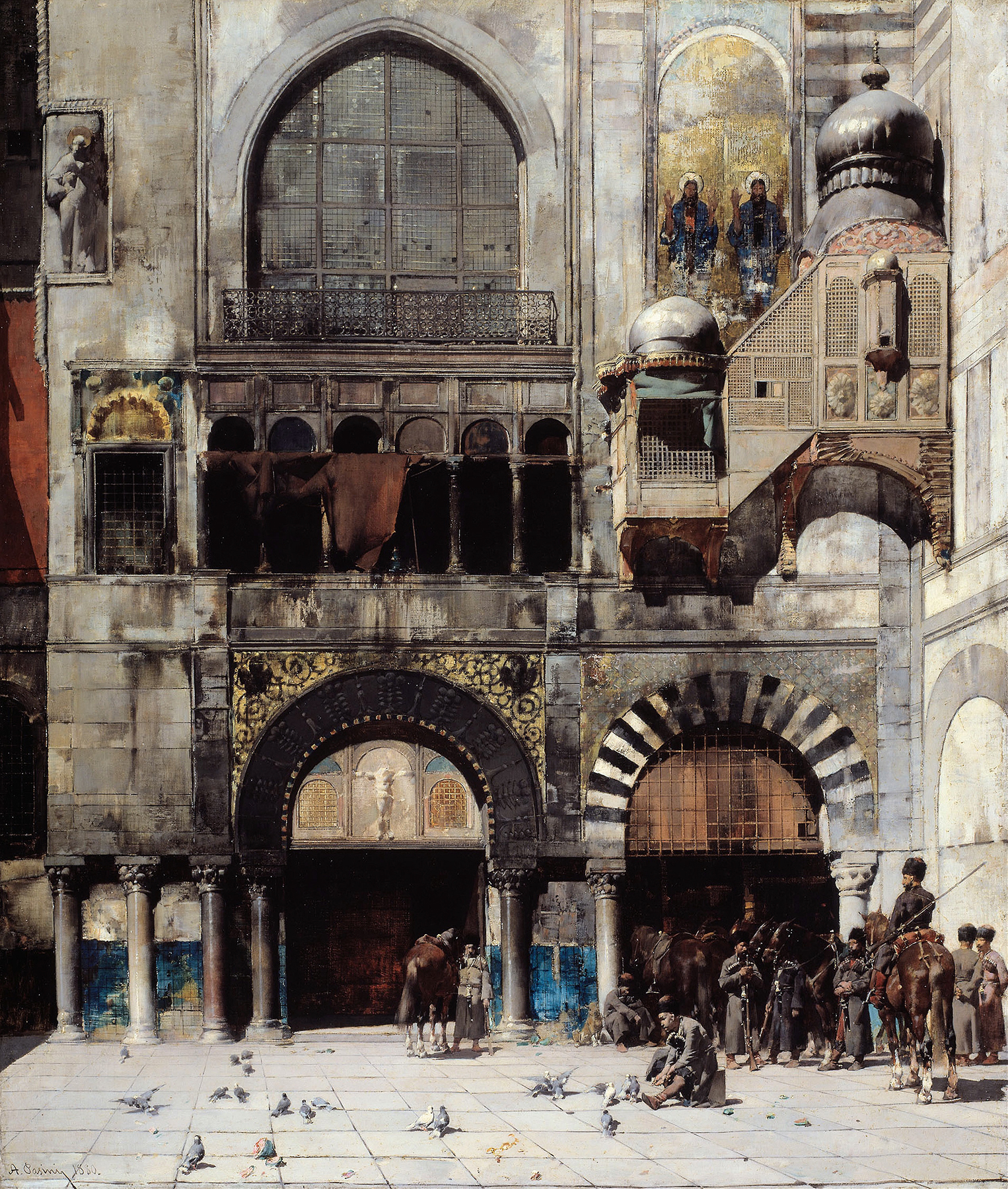
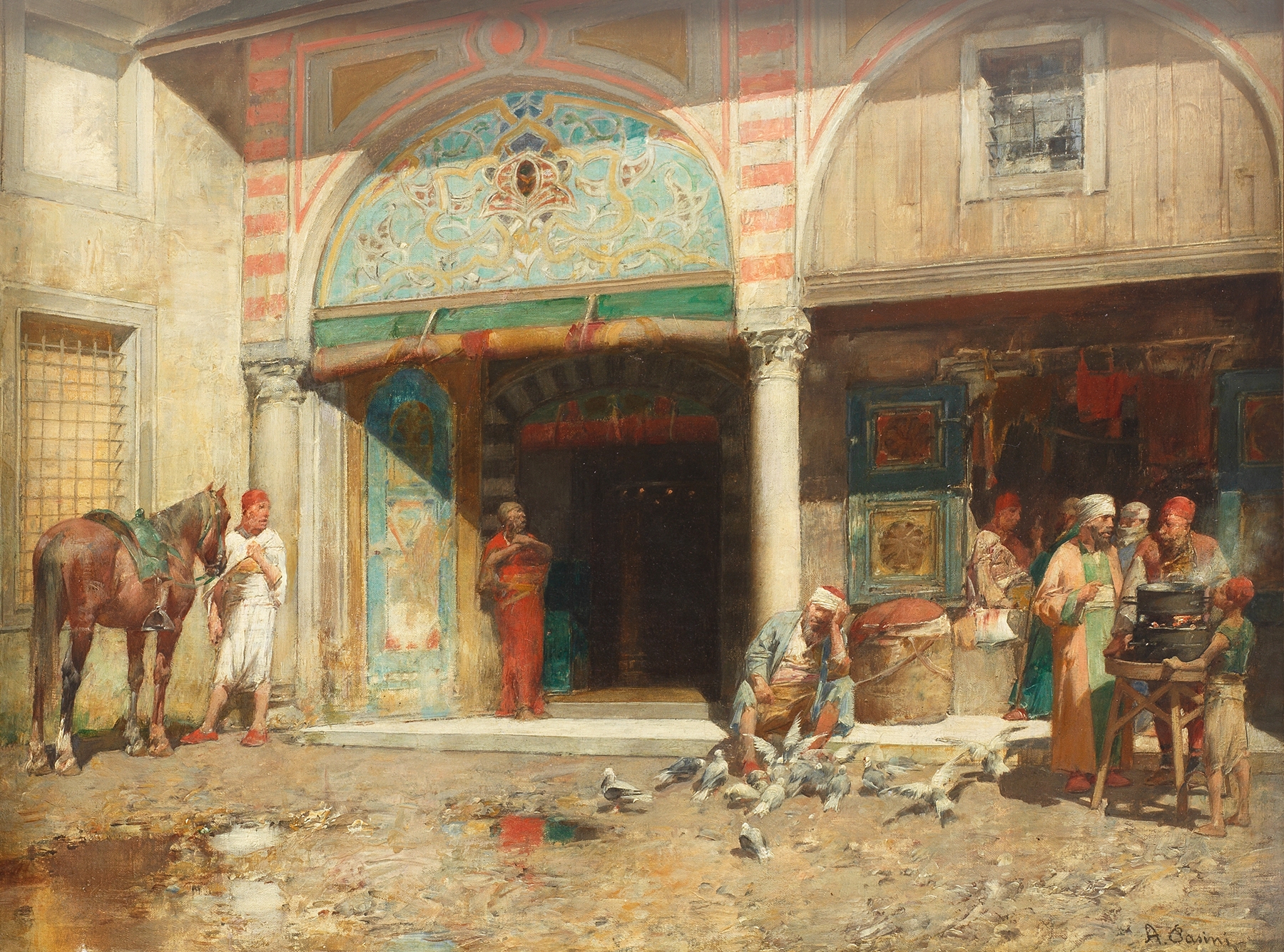
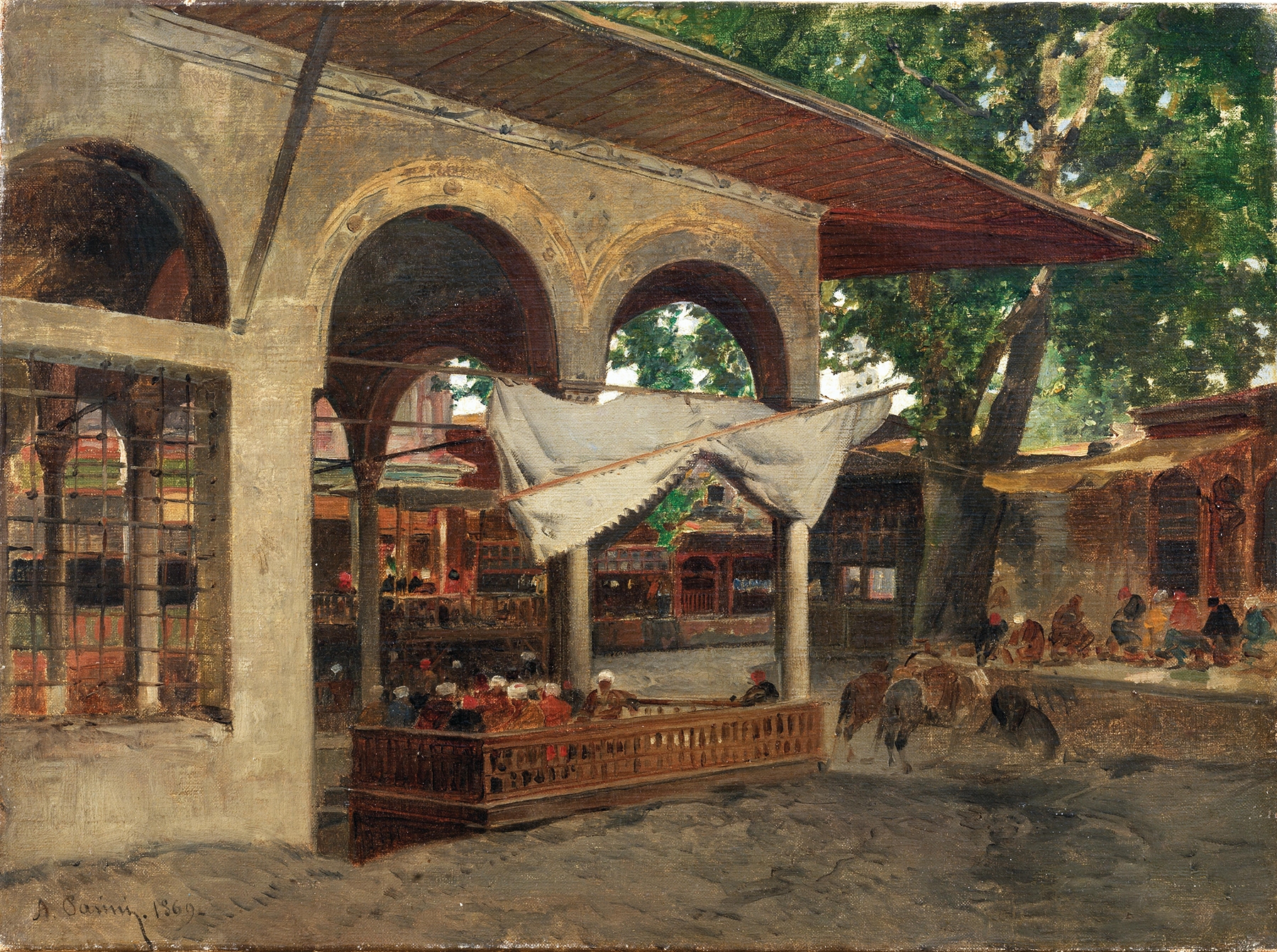
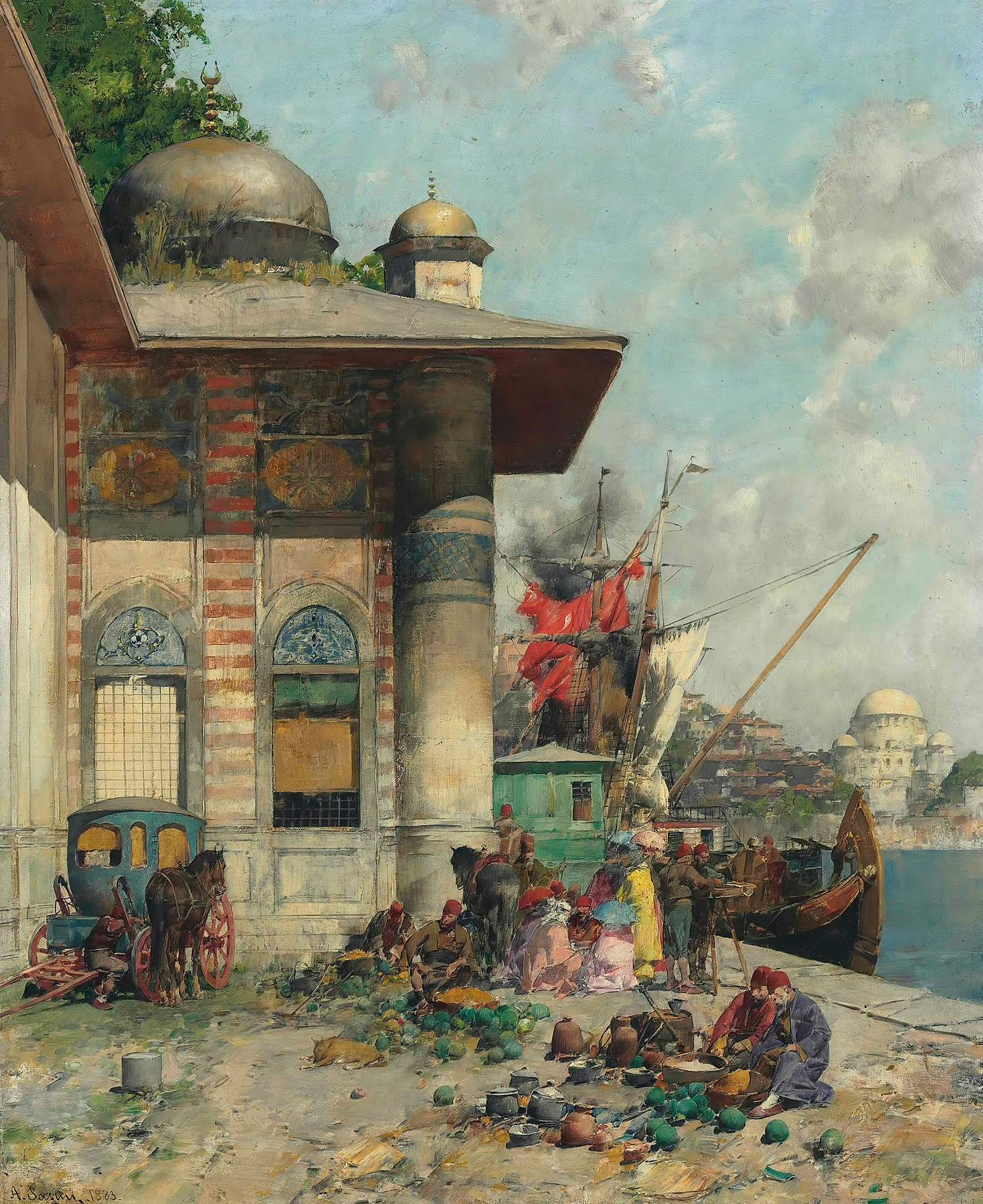
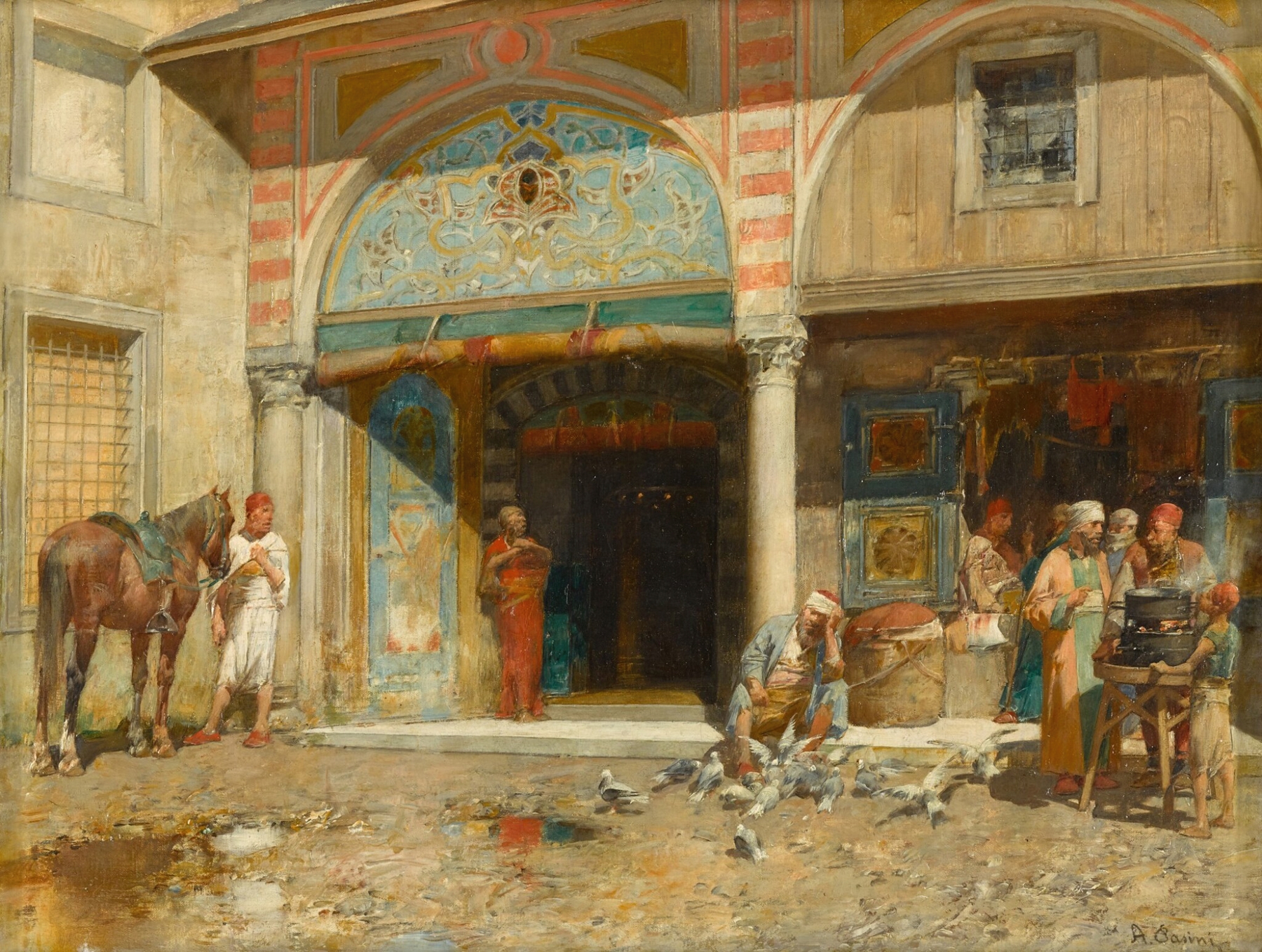
Can paint confess what words never could? In the serene embrace of a mosque, time stands still, weaving the sacred and the ephemeral into a single tapestry of life and mortality. Look to the left at the intricately detailed arches, their delicate filigree drawing your gaze upward, inviting contemplation. Notice how soft light spills through the windows, illuminating the rich hues of crimson and gold that dance upon the walls.
The artist’s brushstrokes create a sense of depth, pulling you into this tranquil space, where the stillness of the moment anchors the viewer in a profound sense of reflection. Amidst the architectural beauty, there exists an emotional tension between the lavish decor and the silence that surrounds it. The opulent colors evoke warmth and welcome, yet they contrast sharply with the ephemerality of existence, reminding us of the fragility of life. Small details, such as the ornate calligraphy, speak volumes about faith and devotion, whispering secrets about those who once occupied this sacred space, now absent yet eternally present in spirit.
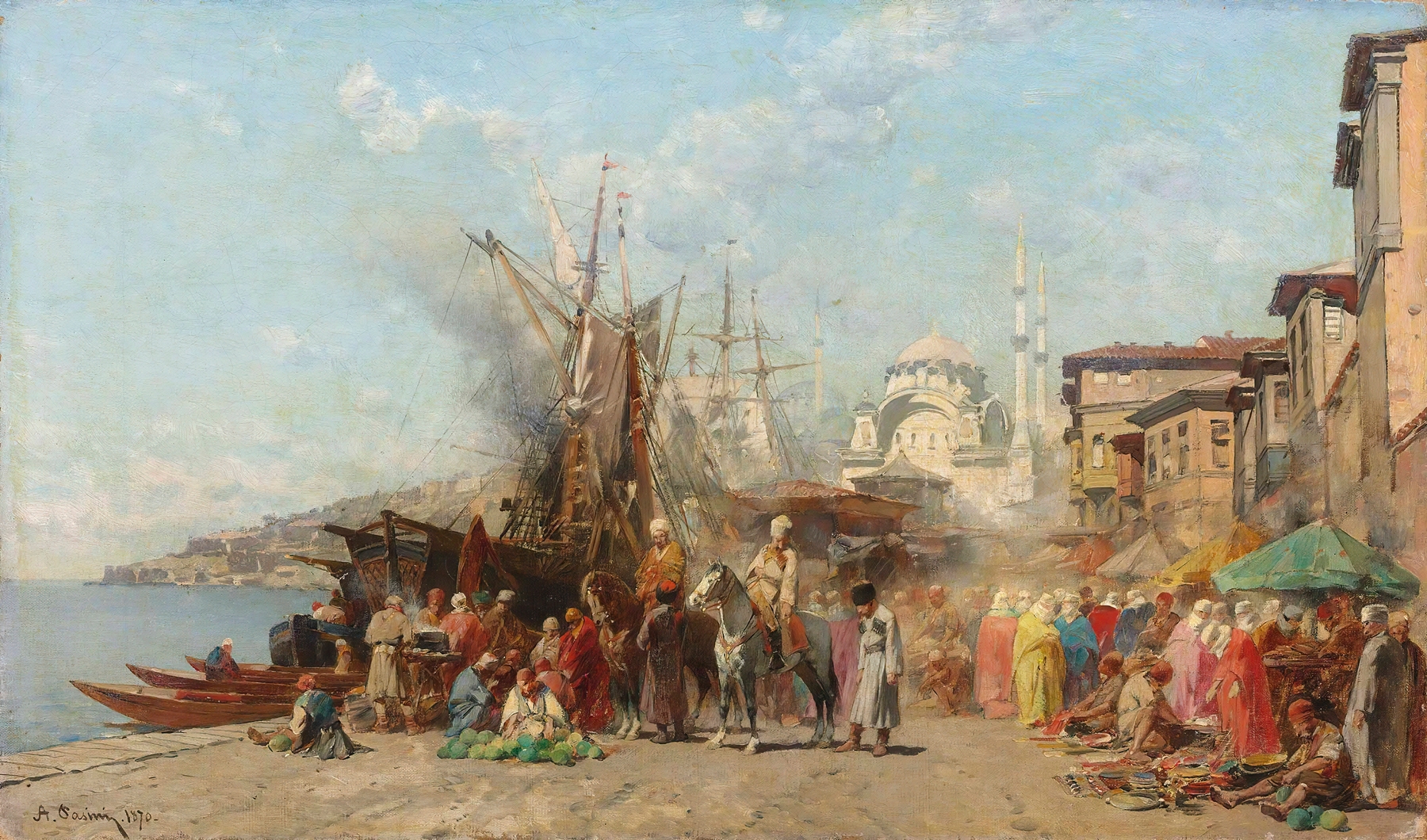
Alberto Pasini created A Mosque in 1872 during a period of artistic exploration within the Orientalist movement, which sought to capture the exoticism of the East. Working in Italy, he drew inspiration from his travels, reflecting the fascination with Islamic architecture amidst the broader context of a rapidly changing world. This painting served not only as a testament to his technical skill but also as a window into the cultural dialogues of his time, bridging East and West through art.